The Cut-Flower Trend That’s Taking California Gardens By Storm
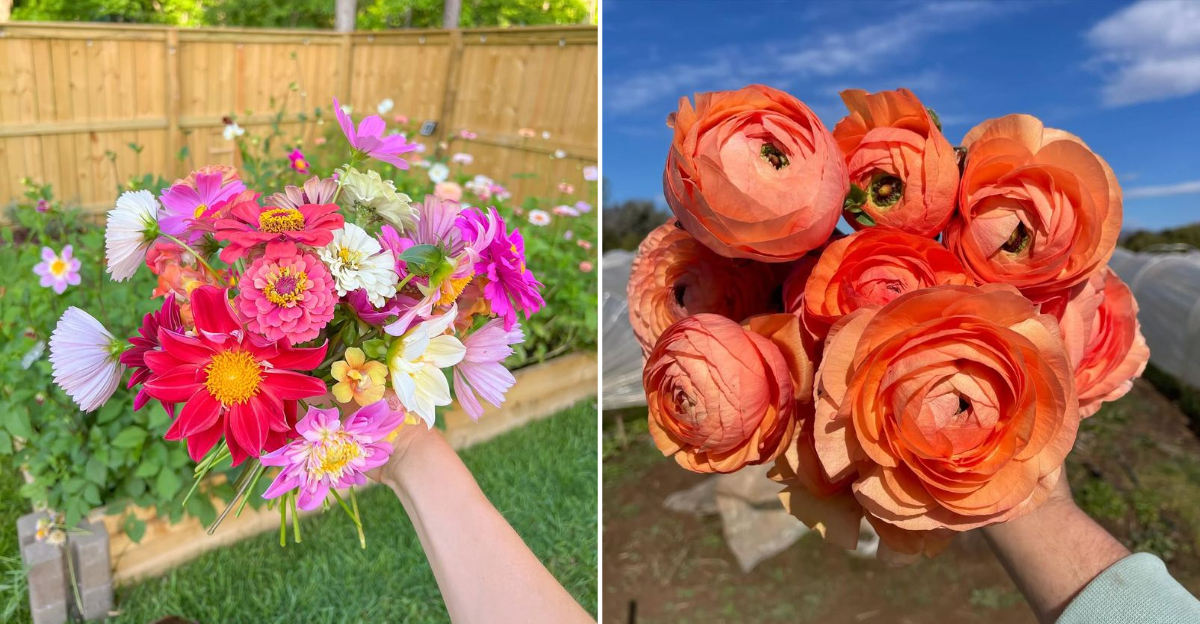
California gardeners are embracing a growing trend that blends beauty, creativity, and practicality right in the backyard.
Instead of planting flowers just to admire them outdoors, more people are designing small garden spaces specifically for cutting fresh blooms and bringing them inside.
These “cut-flower gardens” turn everyday yards into living bouquets that change with the seasons.
Part of the appeal is how rewarding it feels to step outside and gather your own flowers for the kitchen table. A few snips can fill a vase with color, fragrance, and a sense of accomplishment that store-bought arrangements rarely match.
Many of the plants used in these gardens also attract pollinators, making the space lively with bees and butterflies while still providing stems for indoor displays.
California’s climate makes this trend especially appealing. Long growing seasons, plenty of sunshine, and mild winters allow gardeners to grow a wide range of flowers that keep producing stems for months.
With a little planning, it’s possible to enjoy fresh bouquets from spring through fall, all harvested from just a small section of your garden.
1. Why Californians Are Growing Cut Flowers
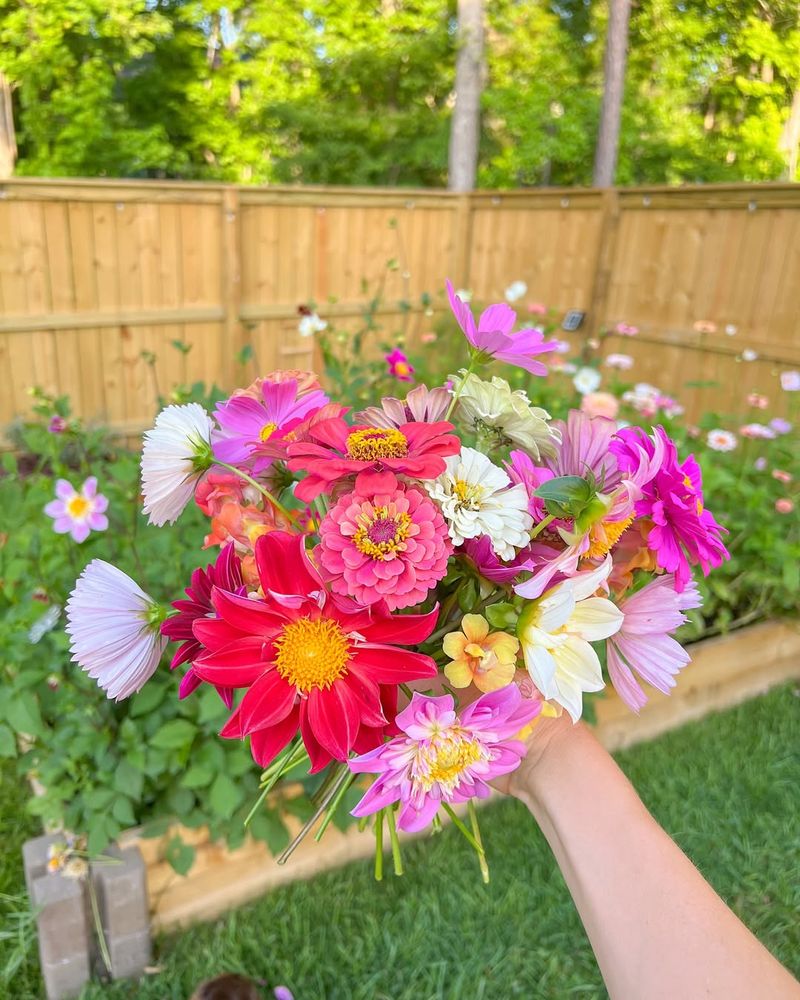
Something shifted in California gardens over the last few years. More and more people stopped buying expensive store bouquets and started growing their own.
It makes a lot of sense when you think about it.
Flowers from grocery stores are often shipped from far away. By the time they reach your home, they may already be days old.
Homegrown blooms, on the other hand, are cut fresh and last much longer in a vase.
California has one of the best climates in the country for growing flowers. The long warm seasons, mild winters, and plenty of sunshine make it easy to get blooms from early spring all the way into fall.
Some areas even see flowers in winter.
The “Slow Flowers” movement has also played a big role. This growing trend encourages people to support American-grown flowers instead of imported ones.
Many California gardeners love that they can reduce waste and skip the plastic wrapping that comes with store-bought bunches.
Growing your own cut flowers also saves money over time. A single seed packet can produce dozens of stems.
Plus, you get to choose exactly which colors and varieties fill your vases. It feels personal, rewarding, and surprisingly simple to get started.
2. The Easiest Flowers To Start With
Not every flower is beginner-friendly, but a handful of them practically grow themselves. If you are new to cut-flower gardening in California, starting with easy varieties will build your confidence fast.
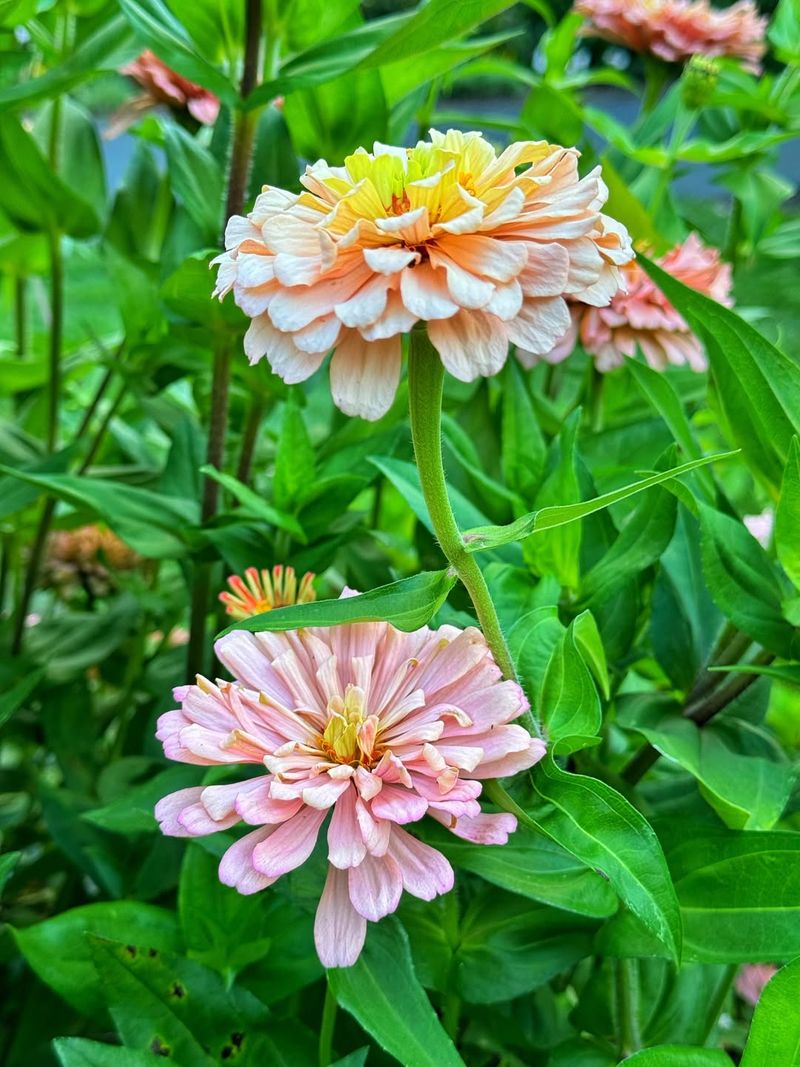
Zinnias are probably the most popular choice for new growers. They love heat, grow quickly from seed, and come in almost every color imaginable.
Plant them in a sunny spot, water regularly, and they will reward you with armloads of blooms all summer long.
Sunflowers are another no-fail option. They shoot up fast and make bold, cheerful statements in any bouquet.
Look for multi-stem varieties like “Autumn Beauty” or “ProCut” if you want more stems per plant.
Your California Garden Changes Every Week. Your Plan Should Too.
Gardening in California changes quickly throughout the season. Every Friday you’ll receive a simple weekly plan showing exactly what to plant, prune, fertilize, harvest, and protect so you never miss the right timing.
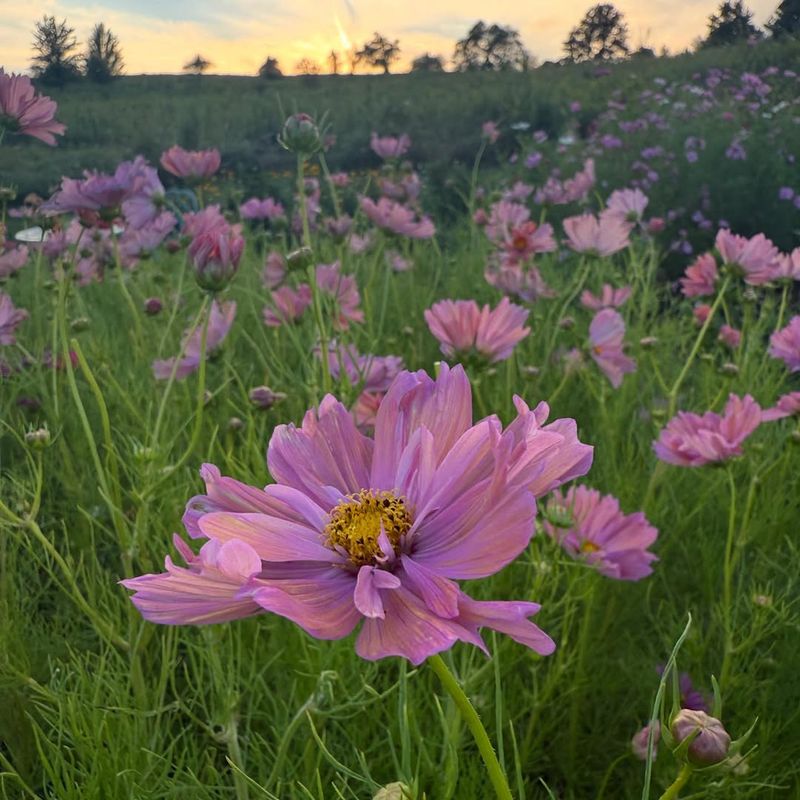
Cosmos are delicate-looking but surprisingly tough. They thrive in poor soil and do not need much fertilizer.
Their feathery foliage also adds nice texture to arrangements. Marigolds are equally easy and double as natural pest repellents in the garden.
Starting simple does not mean boring. These flowers produce stunning results and give you a solid foundation before moving on to more challenging varieties.
Across California, even total beginners are filling their homes with beautiful homegrown bouquets by midsummer using just these few easy picks.
3. Best Heat-Tough Picks For Inland Areas
Inland California can get seriously hot. Places like the Central Valley, Riverside, and the Inland Empire regularly see temperatures climb above 100 degrees Fahrenheit in summer.
Not every flower can handle that kind of heat, but some actually love it.
Celosia is a standout performer in hot, dry conditions. Its velvety plume-like blooms come in fiery reds, oranges, and pinks.
They also dry beautifully, so you can enjoy them long after summer ends. Gomphrena, also called globe amaranth, is another heat champion.
Its round, clover-like blooms hold their shape and color even after cutting.
Strawflowers are tough as nails. They are drought-tolerant, long-lasting in the vase, and look stunning in both fresh and dried arrangements.
Lisianthus is a slightly fancier option that still handles warm inland summers well. It looks like a rose but grows much more easily in California’s climate.
Timing matters in hot regions. Many inland gardeners start seeds early in spring before the worst heat hits.
Some also do a second planting in late summer to catch the cooler fall weather. With the right flower choices and smart timing, inland California gardens can produce incredible cut-flower harvests all season long.
4. Great Choices For Coastal Gardens
Coastal California is a flower grower’s dream. The cool marine air, mild temperatures, and morning fog create perfect conditions for many flowers that struggle in hotter inland areas.
Lucky coastal gardeners can grow some truly special varieties.
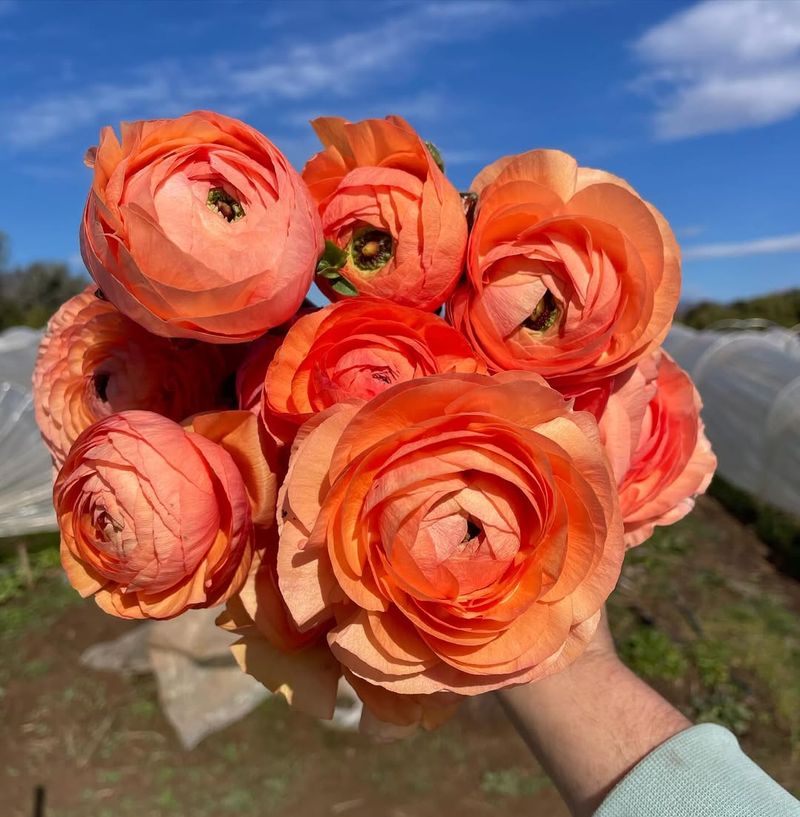
Ranunculus are absolute showstoppers along the California coast. Their paper-thin, layered petals look almost too perfect to be real.
They thrive in cool weather and are best planted in fall for winter and spring blooms. The Carlsbad Flower Fields near San Diego are famous for their stunning ranunculus displays.
Sweet peas are another coastal favorite. They prefer cooler temperatures and will fade quickly in heat.
Along the coast, though, they can bloom for months. Their sweet fragrance makes them extra special for indoor arrangements.
Anemones bring bold jewel tones to bouquets and also love the mild coastal climate.
Snapdragons do remarkably well in coastal California gardens too. They prefer cooler conditions and produce tall, elegant spikes that add height and structure to any arrangement.
Stock flowers are equally well-suited and bring a spicy, clove-like fragrance that fills a room.
Coastal gardeners in places like Monterey, Santa Barbara, and the Bay Area can often grow these cool-season beauties from fall through late spring, giving them a long and productive cutting season.
5. How To Get Blooms All Season
One of the biggest goals for any cut-flower gardener is keeping fresh blooms coming week after week. With some smart planning, California gardeners can pull it off from late winter all the way through fall.
Succession planting is the key strategy. Instead of planting all your seeds at once, plant small batches every two to three weeks.
This keeps a steady flow of new blooms coming rather than one giant wave all at once. It works especially well with zinnias, sunflowers, and cosmos.
Mixing flower types also helps. Some flowers, like ranunculus and sweet peas, bloom in the cooler months.
Others, like zinnias and celosia, peak in summer heat. By planting both types, you create overlap so your vases are never empty.
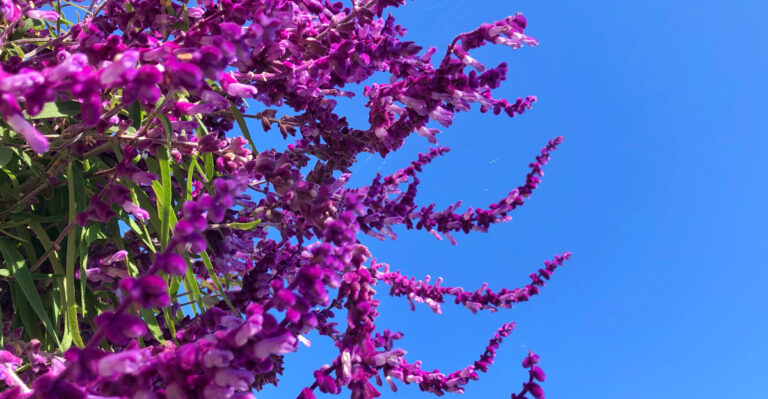
Perennials are worth adding to the mix too. Plants like salvia, yarrow, and agapanthus come back every year and fill in gaps between annual blooms.
Many California gardeners also add flowering shrubs like roses or lavender to extend the cutting season.
Regular harvesting actually encourages more blooms on most plants. The more you cut, the more the plant produces.
Skipping just one week of cutting can cause flowers to go to seed, which slows production. Stay consistent, and your California garden will keep delivering fresh stems all season long.
6. Cut-Flower Beds For Small Spaces
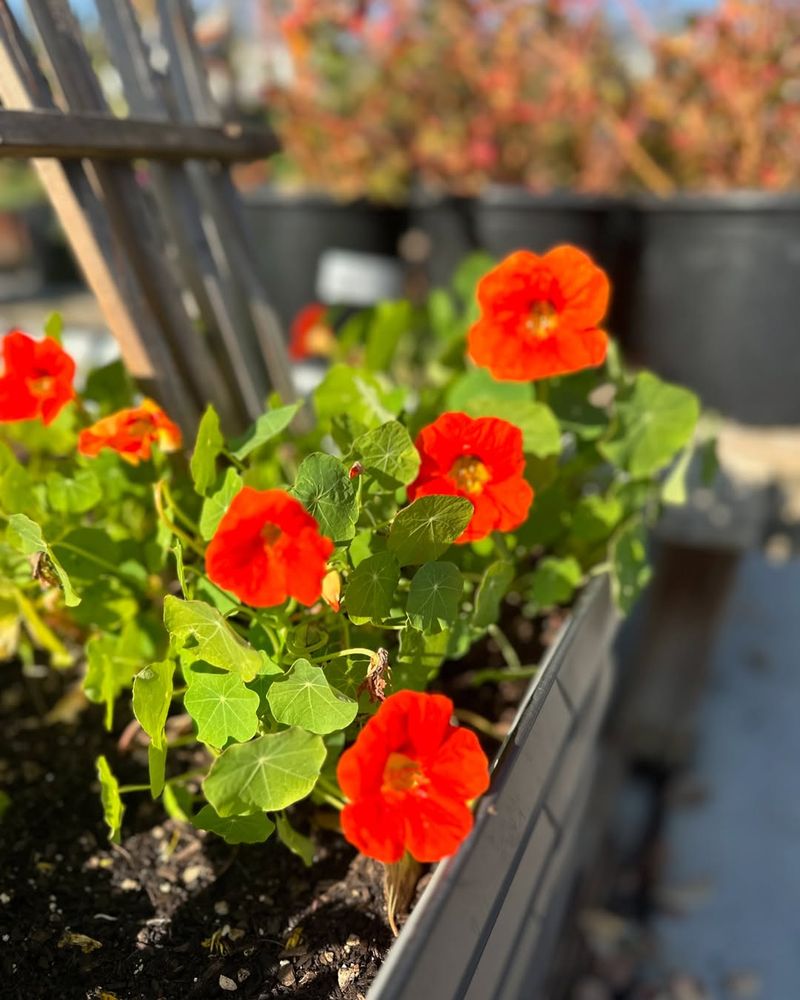
You do not need a huge yard to grow cut flowers. Some of the most productive cutting gardens in California fit into surprisingly tight spaces.
It is all about planting smart and making every square foot count.
Raised beds are a popular solution for small-space gardeners. A simple four-by-eight-foot raised bed can hold dozens of flower plants if you space them correctly.
Fill it with good-quality soil, add compost, and plant in rows for easy access. Even a single raised bed can produce enough blooms to fill a vase every week.
Containers and large pots also work well on patios and balconies. Zinnias, marigolds, and dwarf sunflowers all do well in containers.
Choose large pots with good drainage and place them in the sunniest spot you have. Water more frequently since containers dry out faster than garden beds.
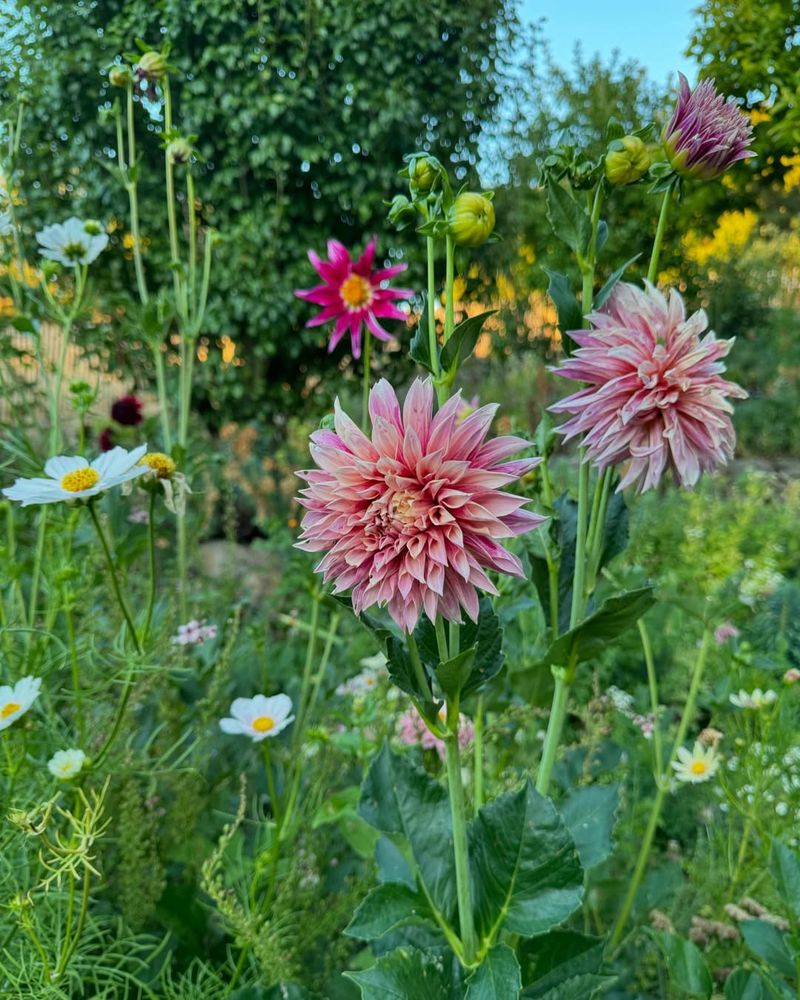
Vertical growing is another space-saving trick. Sweet peas, climbing nasturtiums, and some dahlia varieties can grow upward on a simple trellis or fence.
This frees up ground space while still producing plenty of cuttable stems.
Small-space gardening is especially popular in California cities like Los Angeles and San Francisco, where yard space is limited. With the right plants and a little creativity, even the tiniest outdoor area can become a productive and beautiful cut-flower garden.
7. How To Cut Without Hurting Plants
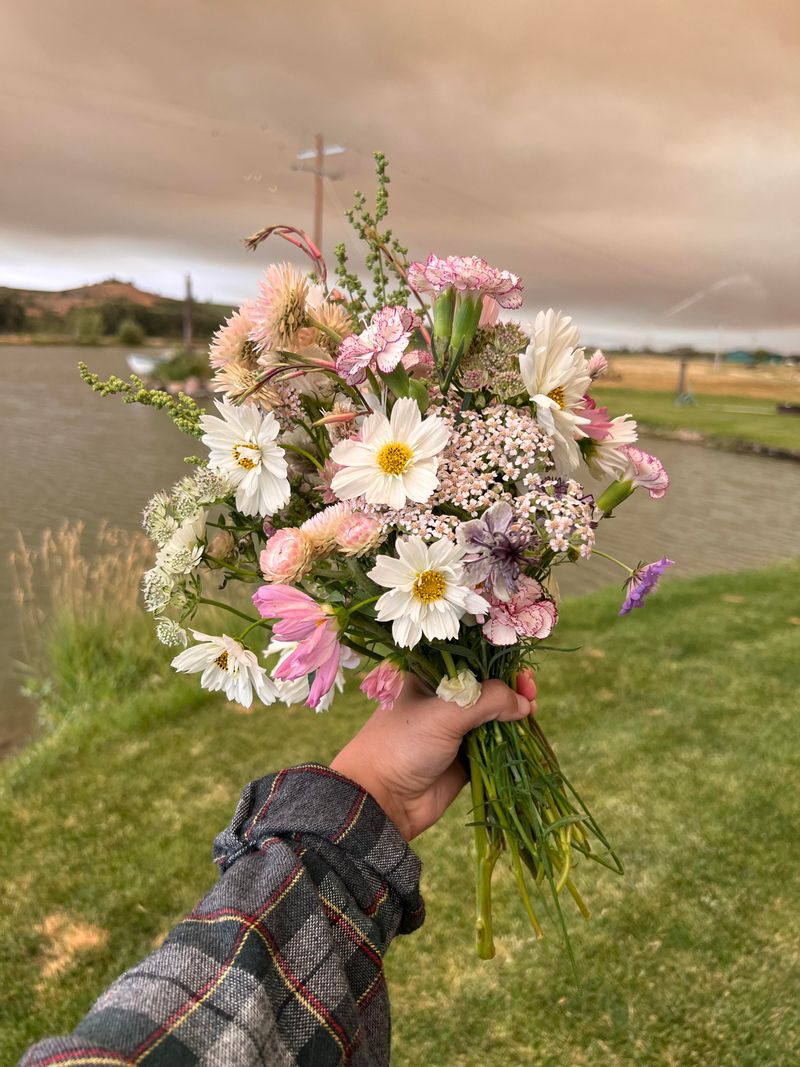
Cutting flowers the right way makes a big difference, both for the plant and for how long the blooms last in a vase. A few simple habits can protect your plants and keep them producing all season.
Always use sharp, clean scissors or pruning shears. Dull blades crush the stem instead of making a clean cut.
This can damage the plant and prevent it from taking up water properly once the stem is in a vase. Wipe your blades with rubbing alcohol between cuts to avoid spreading any disease from plant to plant.
Cut stems at an angle, not straight across. An angled cut creates a larger surface area, which helps the flower drink more water.
It also keeps the stem from sitting flat on the bottom of the vase where it could get blocked.
Morning is the best time to cut flowers. Plants are well-hydrated after the cool night air, and the stems are full of water.
Cutting during the heat of the afternoon can stress the plant and result in flowers that wilt faster.
After cutting, place stems immediately into a bucket of cool water. Many California gardeners keep a bucket with them right in the garden.
Let the flowers rest in a cool, shaded spot for a few hours before arranging them. This process, called conditioning, helps blooms last much longer in the vase.
8. Simple Tips To Keep Flowers Fresh
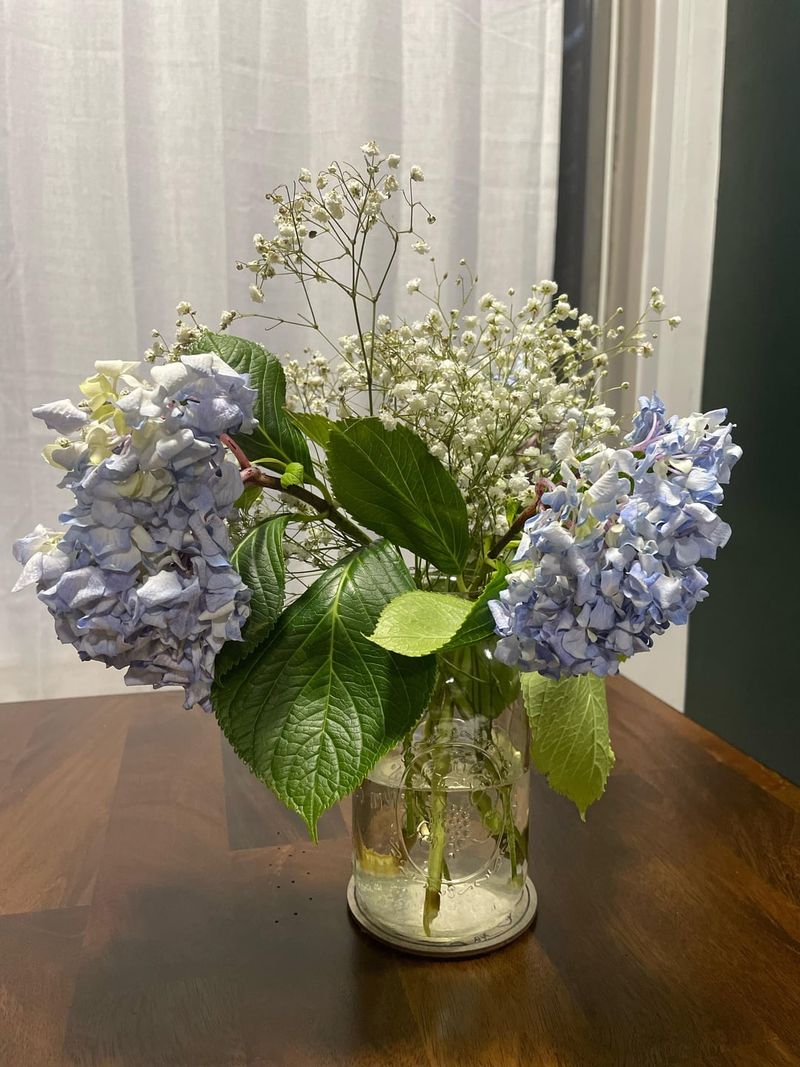
Getting flowers from the garden to a long-lasting vase arrangement takes just a few easy steps. Most people are surprised by how much difference small habits can make when it comes to keeping blooms fresh.
Start with a clean vase. Bacteria build up quickly in dirty containers and can shorten a flower’s vase life significantly.
Wash your vase with soap and hot water before each use. Fill it with cool, fresh water and change the water every two days to keep things clean.
Strip off any leaves that will sit below the waterline. Leaves left in the water break down quickly and feed bacteria.
Keeping the water clean is one of the easiest ways to extend the life of your arrangement.
Flower food packets, often included with store-bought flowers, really do work. You can also make a simple homemade version using a teaspoon of sugar, a few drops of bleach, and a splash of lemon juice mixed into the water.
The sugar feeds the flowers, the acid balances the pH, and the bleach slows bacterial growth.
Keep your vase away from direct sunlight, heat vents, and ripe fruit. Fruit releases a gas called ethylene that speeds up aging in flowers.
A cool, shaded spot in your California home will keep your homegrown bouquet looking fresh and vibrant for up to two weeks.