Florida Plants That Benefit From Eggshells And Those That Don’t
Florida soil can feel like a puzzle. One bed drains in minutes, the next stays damp after a summer downpour, and a healthy tomato plant can still deliver a disappointing harvest.
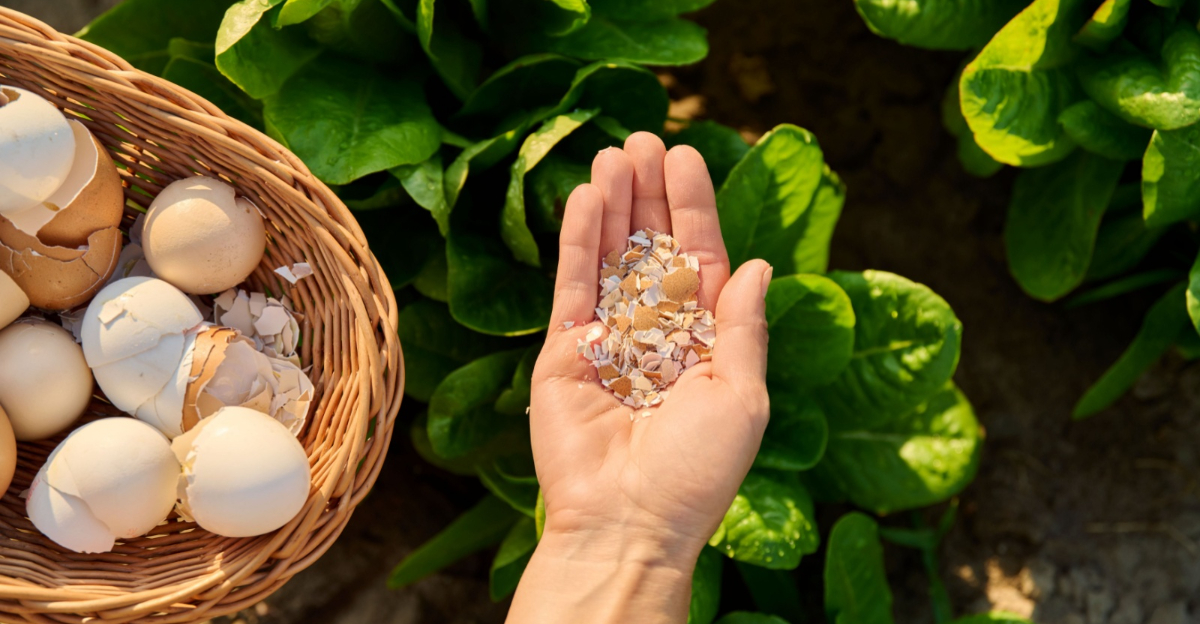
Gardeners often turn to eggshells as a simple fix. They are free, natural, and full of calcium, so the idea sounds almost too good to ignore.
The reality depends on how and where they are used. Eggshells break down slowly, which means they rarely act as a quick solution for struggling plants.
Their benefits show up over time, especially in raised beds and containers where soil mixes stay more controlled. In some situations they support crops that need extra calcium.
In others they can shift soil conditions in ways certain plants dislike. Knowing which plants appreciate eggshells and which ones prefer something else can make a surprising difference in a Florida garden.
1. Tomatoes
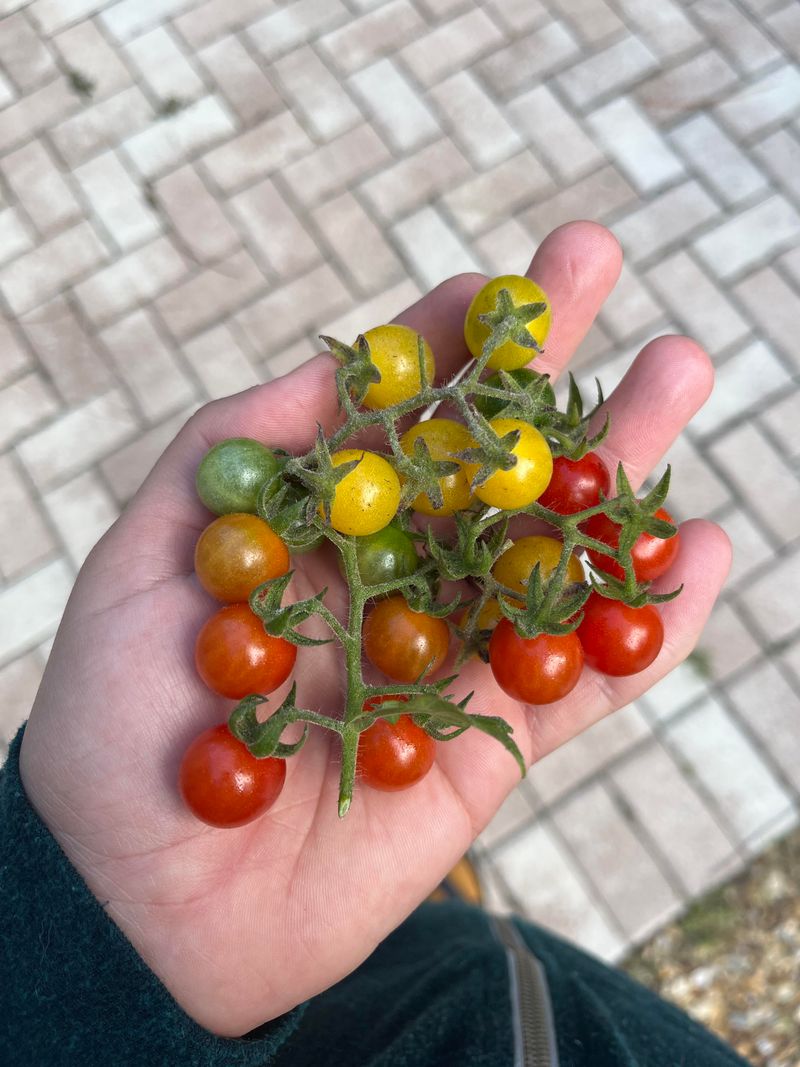
A gorgeous tomato plant can still disappoint at harvest when the fruit develops a dark, sunken spot on the blossom end.
Blossom-End Rot relates to low calcium in the developing fruit, but uneven watering and rapid growth often play a bigger role than soil calcium alone.
Eggshells can provide calcium slowly over time, but they are best used as a long-term soil-building habit, not as an emergency fix. Think of them as a pantry item for your soil rather than a quick rescue.
For Florida gardeners, the biggest improvements come from steady moisture and consistent soil conditions first, then gentle amendments like crushed shells. Work finely crushed shells into the planting area before transplanting, or mix them into container potting mix ahead of time.
Keep watering consistent, since swings between very dry and very wet soil can increase blossom-end rot risk, even when calcium exists in the bed.
Mulch helps retain moisture in in-ground beds, and containers often need more frequent checks during Florida heat.
Using a larger pot can also slow how quickly the root zone dries out on windy, sunny balconies. Harvest affected fruit early so the plant can focus energy on new tomatoes.
2. Peppers
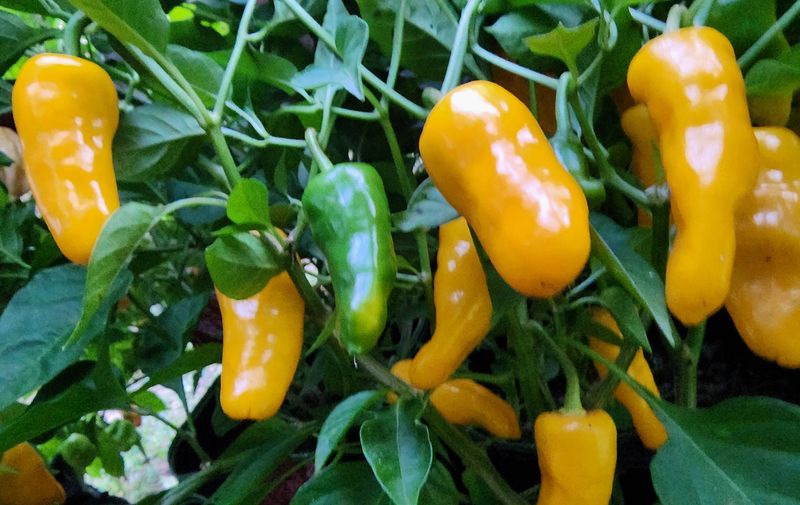
Hot stretches in Florida can push pepper plants hard, especially when the soil dries fast between waterings.
Blossom-End Rot can appear on peppers, much like tomatoes, because calcium sometimes does not move evenly to developing fruit during stress.
Eggshells can add calcium gradually, but steady watering and balanced fertilization matter more for healthy fruit. Sudden fertilizer spikes can also stress peppers, so slow, steady inputs work best.
Mix finely crushed shells into the soil before planting so the root zone has access as the shells slowly break down.
Reapplying a light sprinkle on the surface over time is fine, but it should not replace consistent fertilizing.
Containers dry out faster, so watch moisture closely to avoid calcium stress in developing fruit. A light mulch layer helps slow evaporation and protects soil structure.
During Florida’s rainy season, ensure pots drain freely so roots do not sit in water. Maintaining steady growth produces smoother, more resilient fruit.
3. Cucumbers
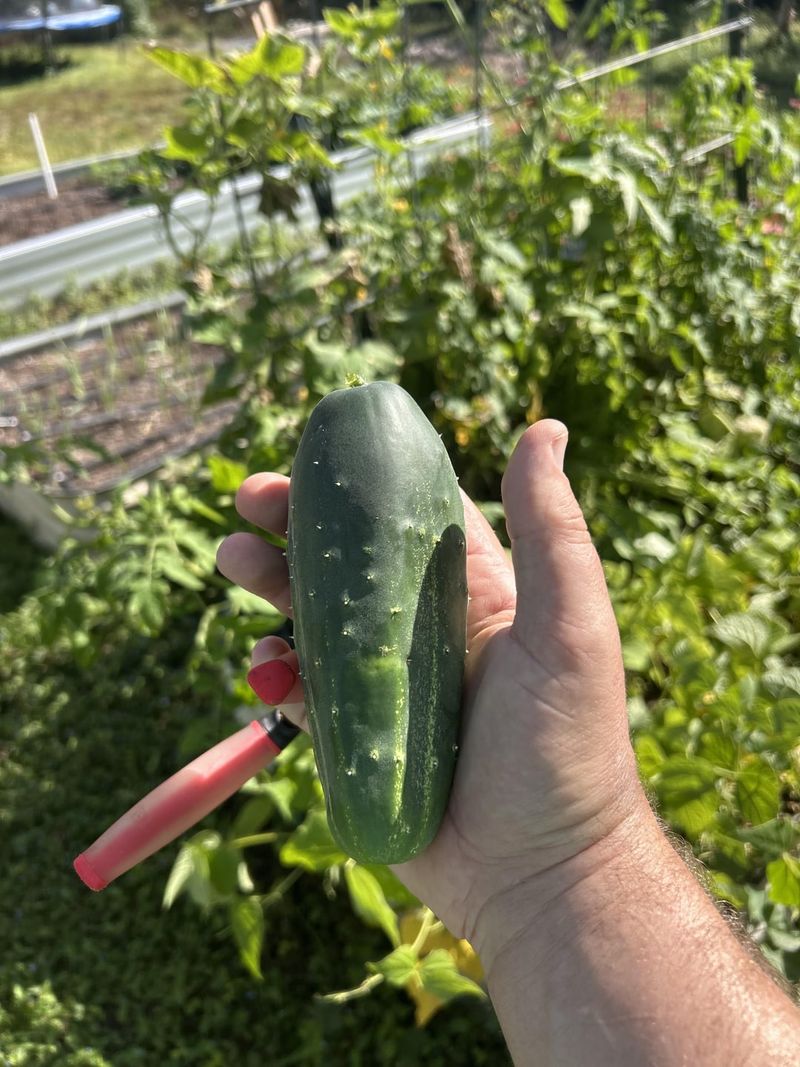
Cucumbers thrive in Florida warmth and grow quickly, which can reveal problems when nutrients and watering fluctuate. Blossom-End Rot can affect cucumbers, though it is less common than in tomatoes or peppers.
Your Florida Garden Changes Every Week. Your Plan Should Too.
Gardening in Florida changes quickly throughout the season. Every Friday you’ll receive a simple weekly plan showing exactly what to plant, prune, fertilize, harvest, and protect so you never miss the right timing.
Eggshells provide a slow calcium boost, but steady moisture and balanced fertilization usually have a bigger impact on fruit quality.
Rapid growth also risks misshapen fruit when the plant alternates between drought stress and heavy rain.
Blend finely crushed shells into the planting area before seeding or transplanting. Treat eggshells as a gradual amendment, not a shortcut, since they take months to break down.
Florida’s sandy soils and rainy patterns can wash nutrients through quickly, so consistent irrigation and fertilizing help maintain steady growth. Trellising improves airflow and keeps developing fruit cleaner.
Picking cucumbers frequently encourages continual production, and a light mulch layer at the base reduces splash-up and helps stabilize the root zone.
4. Spinach
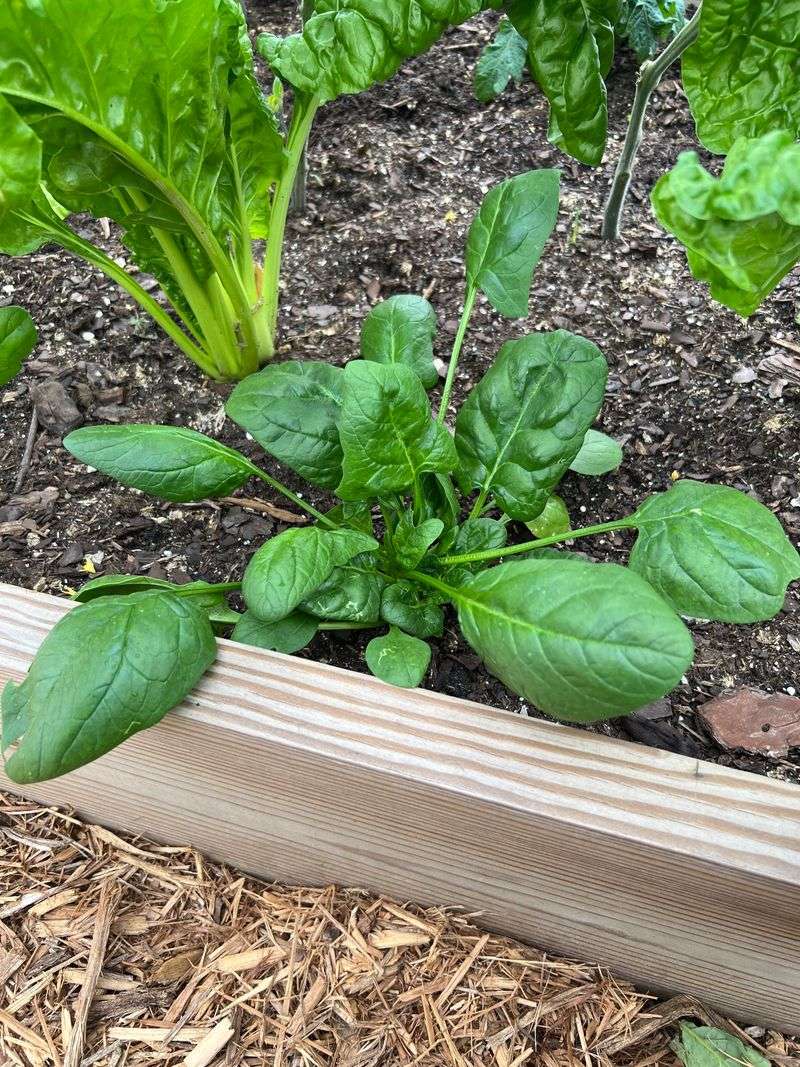
Spinach can thrive during Florida’s cooler months, and calcium supports healthy leaf development, including reducing tip burn. Eggshells contribute calcium slowly, so they should not be seen as a dependable fix for leaf issues.
Most spinach problems improve with steady growth and even moisture, rather than relying solely on soil amendments.
Florida soil pH varies by region, so eggshells may nudge pH upward over time, which is not ideal for some leafy greens. Use them as a small, gradual amendment and focus on consistent watering.
Crushed eggshells are sometimes suggested for slug control, but research shows results are inconsistent, so consider it experimental rather than reliable.
Raised beds or containers with fresh mix often produce the best spinach in Florida, and a thin layer of compost can support nutrient uptake more than eggshells alone.
Regular harvesting of outer leaves reduces stress and promotes longer productivity.
5. Carrots
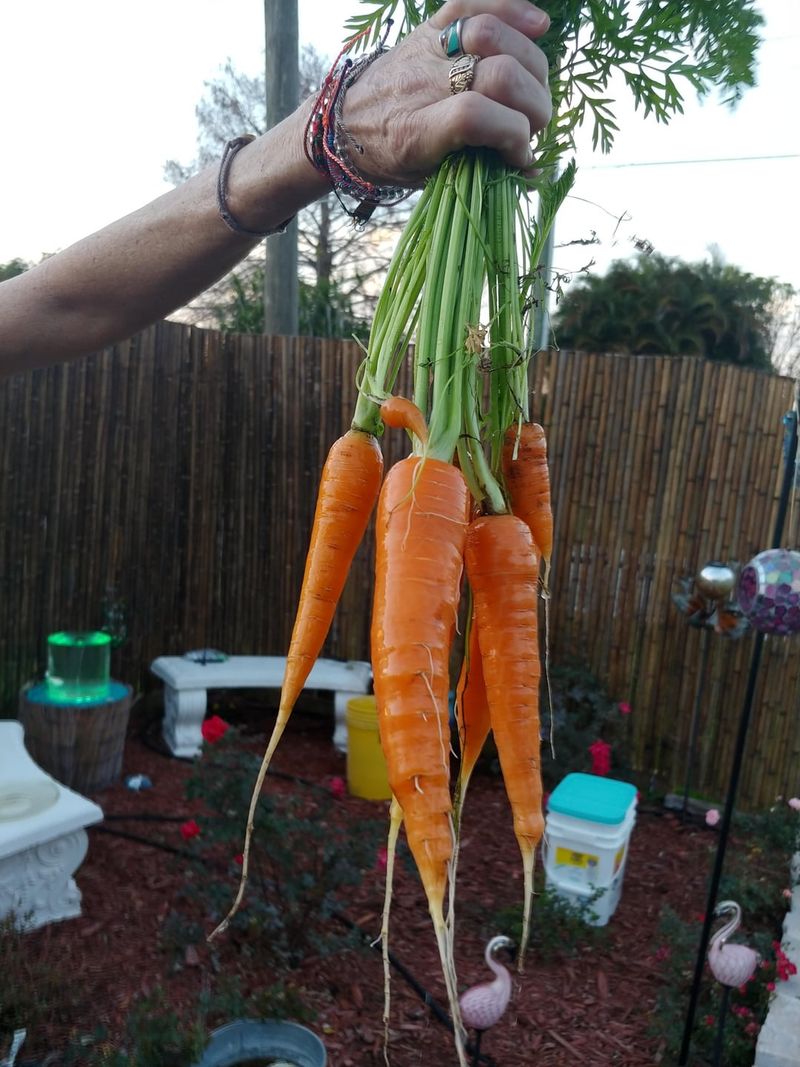
Straight, uniform carrots in Florida depend on soil texture, moisture, and timing more than calcium alone. Eggshells can slowly contribute calcium, but they should not be treated as the main solution for root development.
Carrots also respond to compacted soil and buried debris, so keeping the bed loose and clean is more important.
Finely grind eggshells and mix several inches deep to prevent roots from encountering sharp obstacles, which can cause forking or bending.
Florida’s sandy soils help long root growth, but nutrients can leach quickly, so a balanced fertilizer plan is important.
Even, consistent watering produces smoother, more uniform roots. Thinning seedlings early gives each carrot room to grow straight, and a light mulch layer helps maintain moisture and reduce stress.
Cooler weather in fall and winter also supports better root formation in Florida gardens.
6. Azaleas
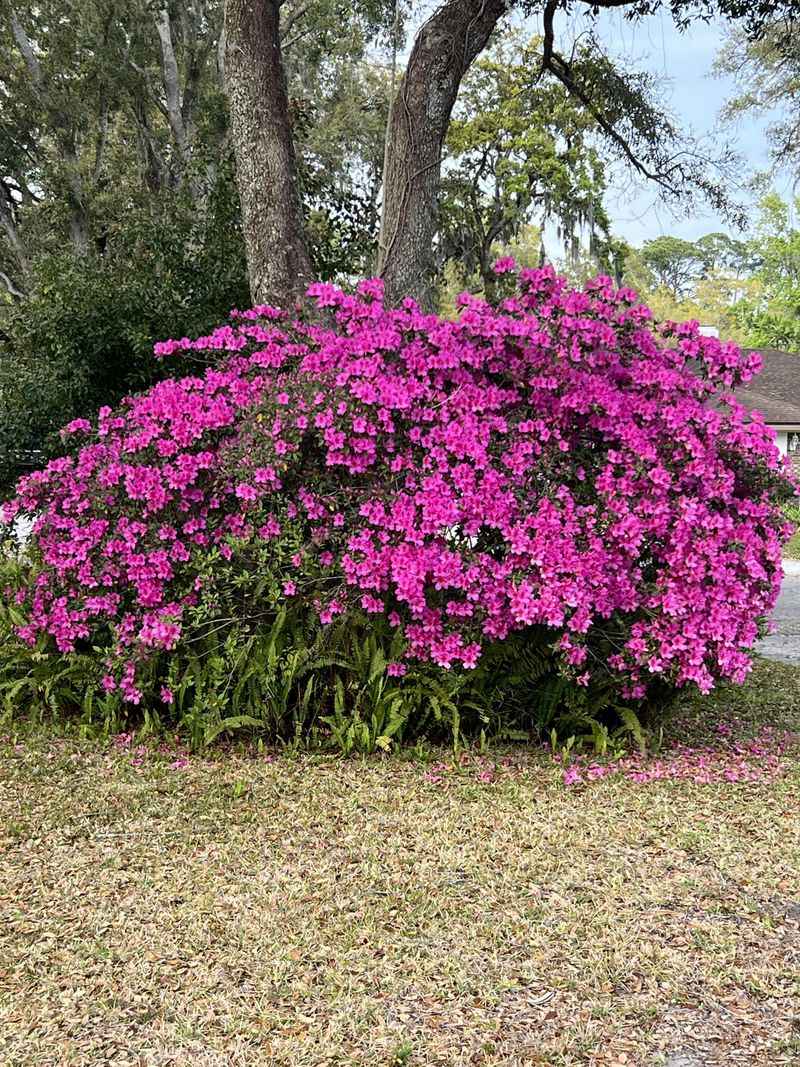
Unlike many vegetables that benefit from calcium in eggshells, azaleas thrive in acidic soil and do not respond well to extra calcium.
Adding calcium-rich amendments can slowly raise the pH, making it harder for the plant to absorb nutrients such as iron and manganese.
This shift can cause leaves to yellow between the veins, a condition known as chlorosis, and may reduce flower production and overall vigor over time.
Azaleas might appear healthy for a while, but subtle nutrient stress can quietly affect growth and bloom quality.
Florida gardeners should keep eggshells away from azalea beds and focus on practices that preserve soil acidity.
Mulches made from pine bark or acidic compost help maintain the pH these shrubs prefer, and fertilizers formulated for acid-loving plants provide steady nutrients without altering soil chemistry.
Good drainage is also essential, especially in Florida’s heavy rains, to prevent roots from sitting in water, which can further stress the plant.
Regular soil testing ensures that pH stays within the ideal range, giving azaleas the conditions they need to produce vibrant flowers year after year.
7. Blueberries
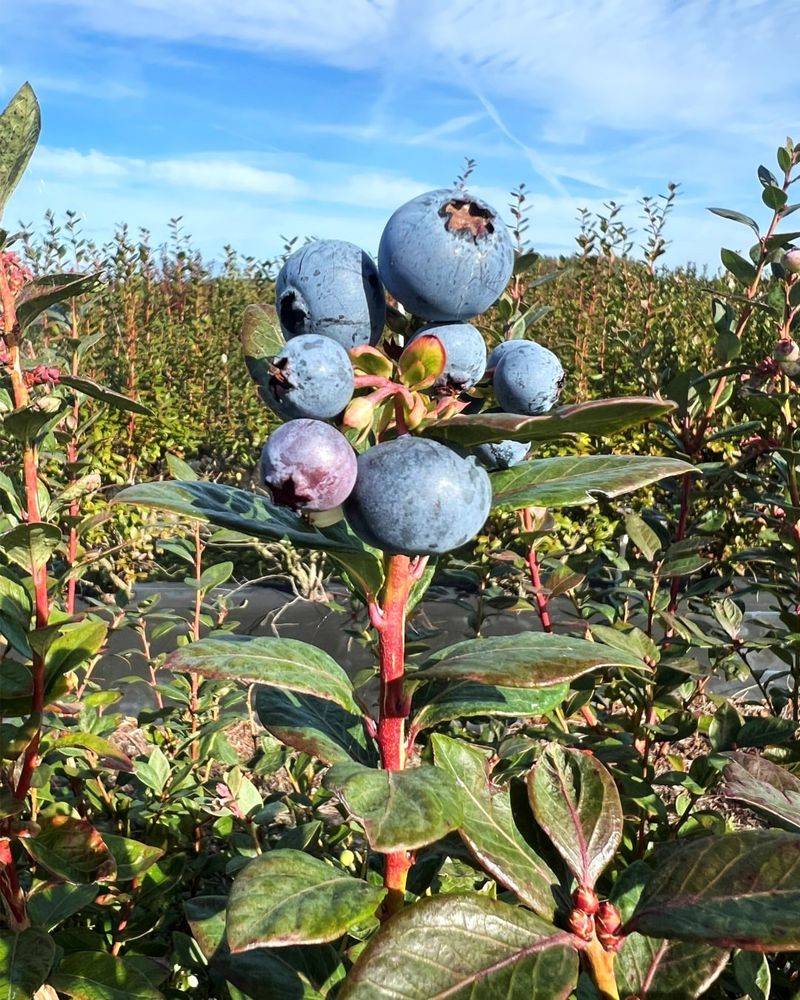
Blueberries can thrive in Florida, but they tend to be picky about soil chemistry. They generally need acidic soil to access key micronutrients, and eggshells can gradually push pH upward in the wrong direction.
That pH shift can reduce nutrient availability, which may lead to pale growth and weaker performance over time. Blueberries often show stress first in the leaves, so yellowing can be an early clue that chemistry is drifting.
Since Florida conditions vary, what works in one yard can fail in another without pH management.
For Florida blueberry plantings, focus on keeping the soil acidic with materials suited to that goal. Pine bark is commonly used as a mulch and soil component for blueberries because it supports the lower pH they prefer.
Regular soil testing is especially useful in Florida where irrigation water can influence pH. Use eggshells elsewhere, since blueberries rarely benefit from them.
Container blueberries can be easier to manage because you control the potting mix from the start. Consistent watering also matters, since blueberries have relatively fine roots that can dry quickly in sun and wind.
8. Radishes
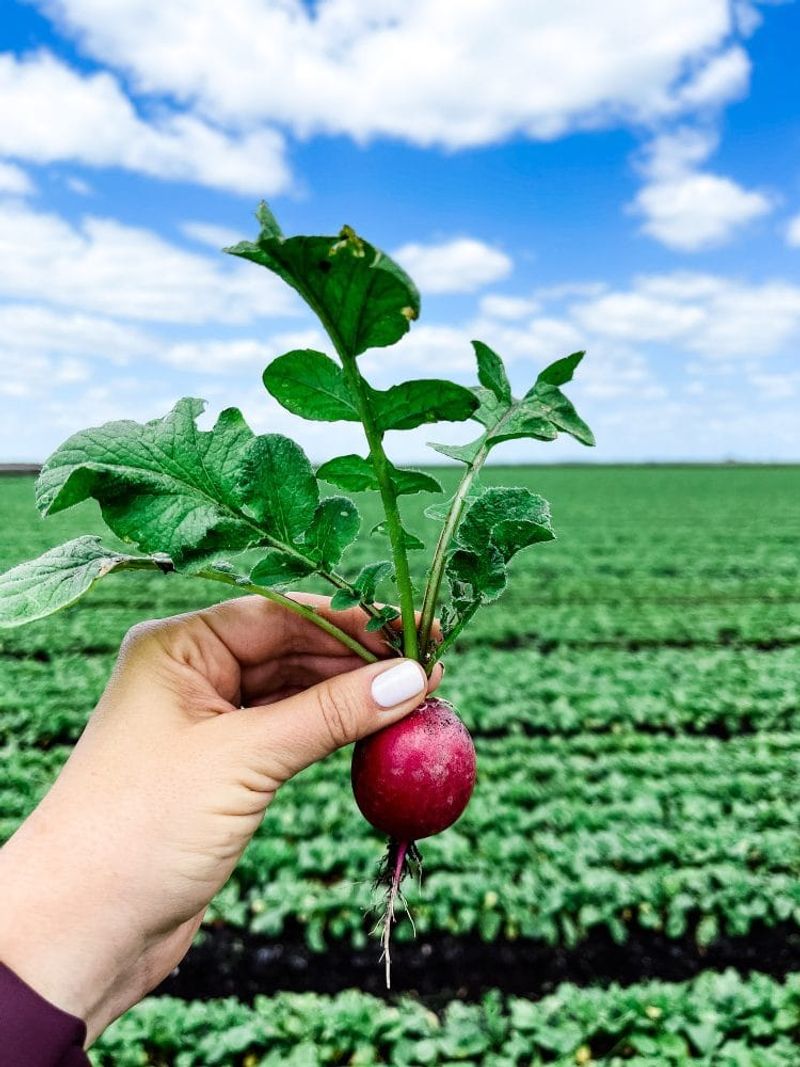
Radishes are one of the quickest wins in a Florida cool-season garden.
Calcium supports plant structure overall, but eggshells should not be credited as a sure path to crisper radishes since shells release calcium slowly and texture depends on variety, moisture, and harvest timing.
Eggshells can still serve as a gentle, long-term amendment when ground fine and mixed into the bed before planting. Radishes often taste best when they grow fast and evenly, which comes down to moisture and temperature.
Florida’s cooler months make that easier, especially when the soil stays consistently damp.
Avoid large shell fragments, since underground crops can deform when roots meet obstacles. Florida’s sandy soil drains fast, so consistent moisture helps radishes swell evenly and stay tender.
Harvest on time, because older radishes can turn pithy even in good soil. A light mulch can help regulate moisture during dry winter breezes.
Thin seedlings so each radish has space to form a clean, round root. For containers, deeper pots often produce better results than shallow bowls that dry out quickly.
9. Potatoes
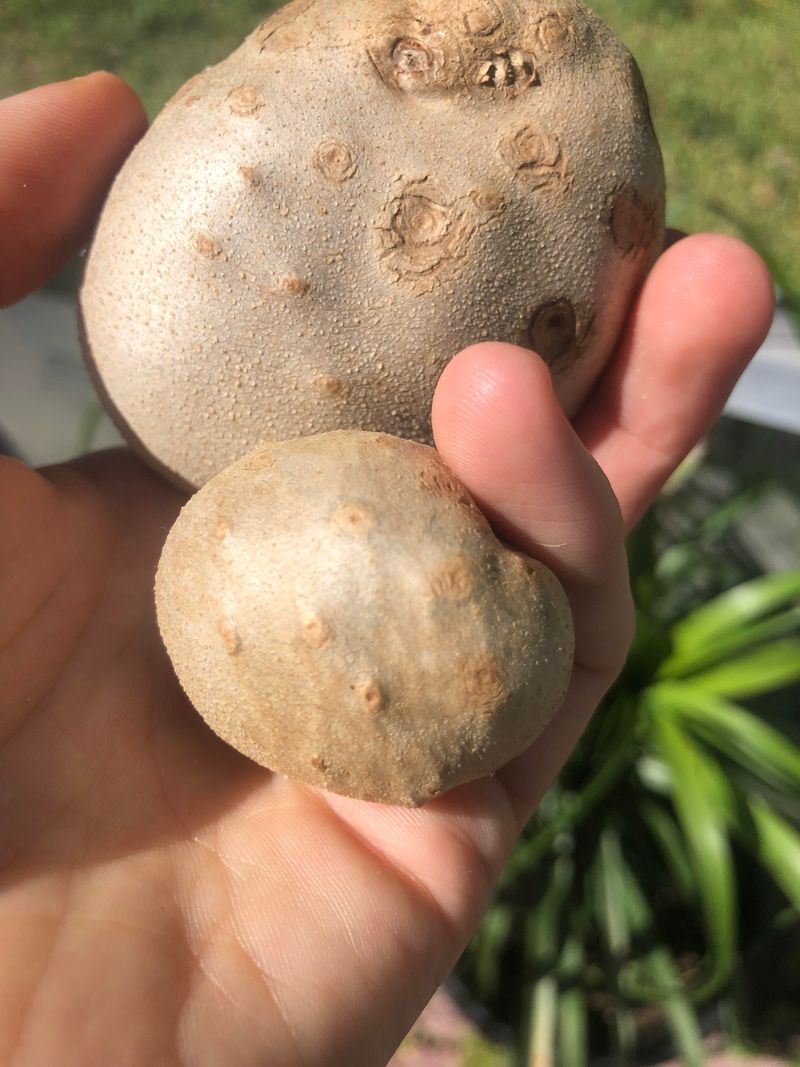
Potatoes can benefit from calcium, but soil pH deserves extra attention with this crop. Potatoes tend to prefer slightly acidic soil, and raising pH can increase the risk of common scab, which causes rough, corky patches on the tuber skin.
Eggshells can raise pH over time, so heavy use can backfire in potato beds. This is one of the few crops where “more calcium” can come with a tradeoff that shows up at harvest.
Florida gardeners often grow potatoes in shorter seasons, so small missteps in soil chemistry can feel more noticeable.
A small amount of finely ground eggshell mixed in at planting is less risky than repeated applications through the season.
Soil testing helps you keep pH in a range that supports good tuber development without nudging conditions too alkaline.
Florida potato seasons can be shorter, so getting the soil right early makes a noticeable difference. Consistent moisture also matters, since uneven watering can affect tuber quality and sizing.
Hilling soil or adding mulch as plants grow helps protect developing tubers from light exposure. In containers, choose a mix that drains well but still holds enough moisture to avoid repeated drought stress.
10. Gardenias
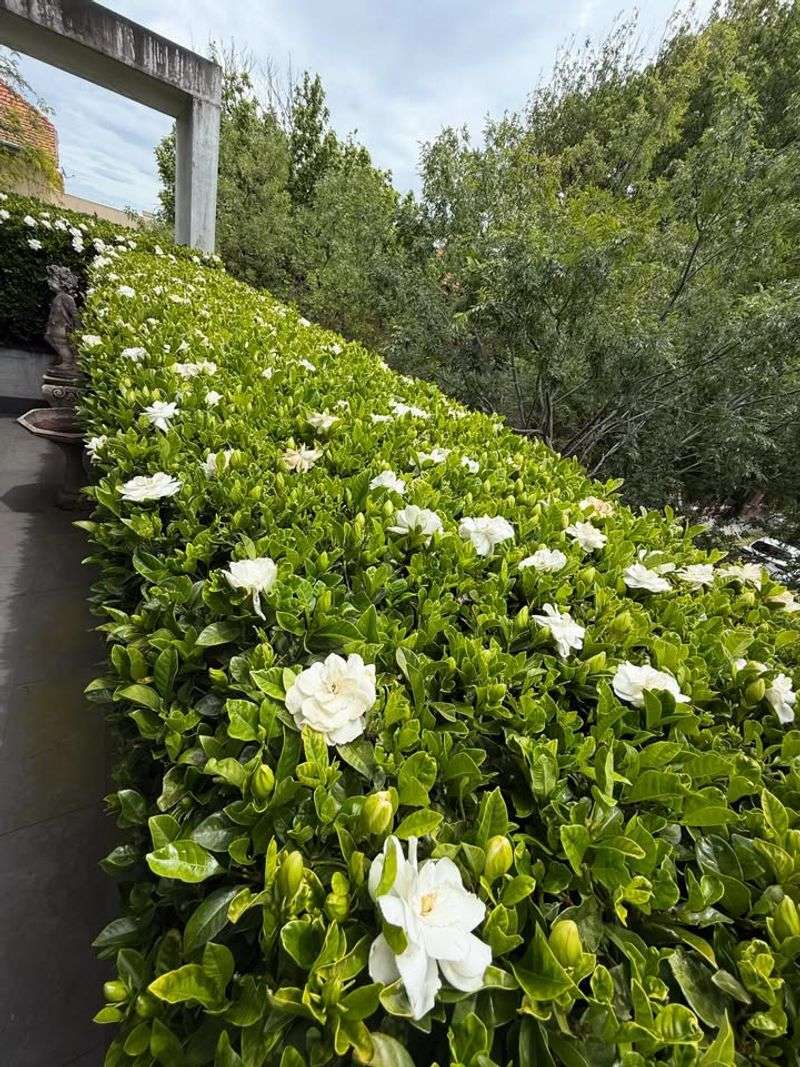
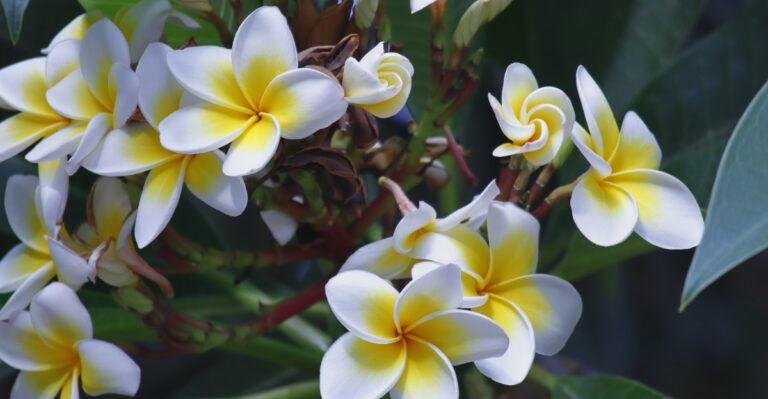
Gardenias bring classic Florida fragrance, but they are sensitive to soil chemistry. Like azaleas and blueberries, gardenias prefer acidic conditions, and eggshells can raise pH over time in a way that reduces nutrient uptake.
When pH climbs too high, gardenias may show iron-deficiency symptoms like yellow leaves with greener veins. That yellowing can creep in slowly, especially after seasons of alkaline irrigation water.
Once the plant looks stressed, correcting pH can take time, so prevention is the easier path.
Skip eggshells near gardenias and focus on keeping the root zone more acidic. Pine bark mulch can support that environment while helping with moisture retention in Florida heat.
Soil testing is helpful here too, especially in neighborhoods where irrigation water trends more alkaline. Saving eggshells for the vegetable bed is usually the safer move for gardenias.
When gardenias sit in containers, use a potting mix formulated for acid-loving plants to keep conditions steadier.
Morning sun with some afternoon shade can also help gardenias handle Florida’s strongest heat while maintaining good bloom quality.