8 Landscaping Tricks That Can Boost Your Georgia Home’s Value
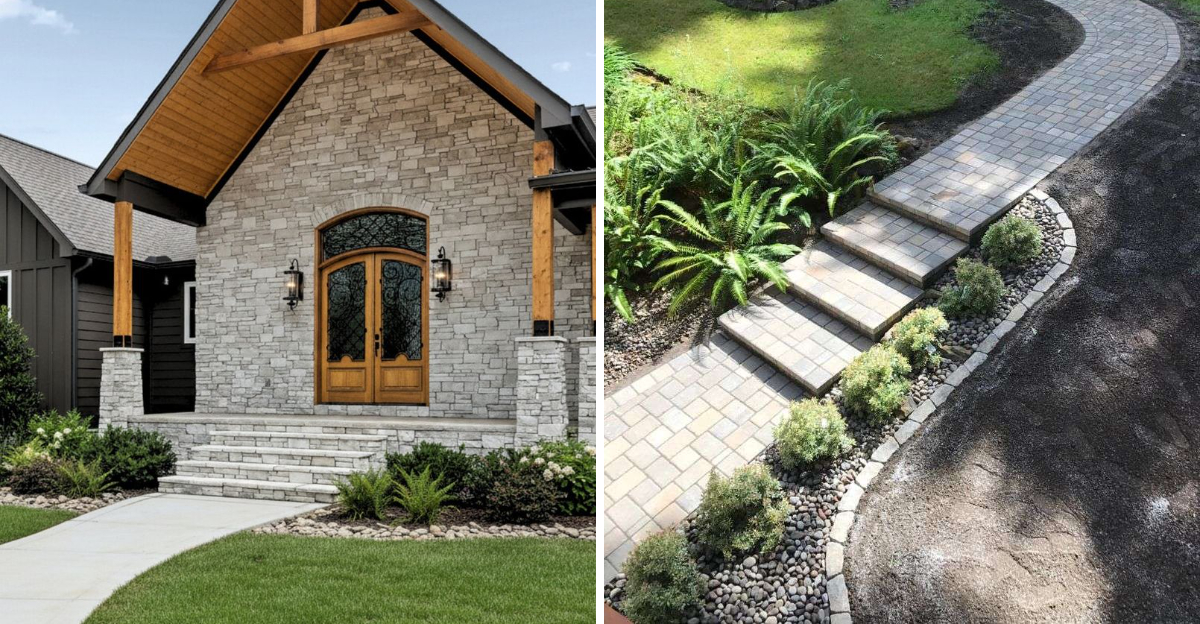
The way a yard looks can completely shape how a Georgia home is perceived. A neat, thoughtfully designed landscape often makes a house feel more inviting, well cared for, and far more appealing at first glance.
In many cases, small outdoor details leave a stronger impression than people expect. Fresh greenery, clean edges, and balanced planting can instantly elevate the overall look of a property.
The good part is that improving a landscape does not always require a large project or a major investment. A few well-chosen changes can transform an ordinary yard into one that feels polished and welcoming.
With Georgia’s long growing season and strong connection to outdoor living, smart landscaping choices can do more than improve appearance.
They can quietly raise the value of a home while creating an outdoor setting that feels beautiful, practical, and worth spending time in.
1. Shade Trees Improve Curb Appeal And Property Value
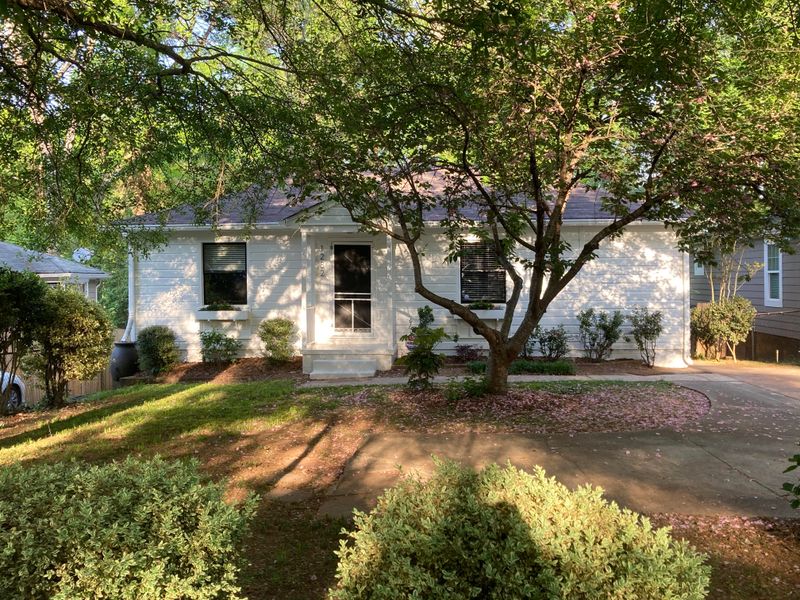
A big, healthy tree in the front yard can add thousands of dollars to a home’s value — that is not an exaggeration. Mature shade trees immediately make a property feel established and welcoming, something buyers often notice the moment they pull up to the house.
That kind of long-term presence is hard to replicate with smaller landscaping elements.
In Georgia, trees like willow oaks, Southern red oaks, and native river birches grow well and provide real shade during those brutal summer months.
Planting one on the southwest side of your home can actually lower your cooling costs too, which is a bonus buyers will appreciate.
Shade trees frame a house beautifully and give the yard a sense of permanence and character that younger plantings simply cannot match.
If you already have trees on your property, keep them trimmed and healthy. Dry branches or a crowded canopy can make even a nice yard look neglected.
Hire a certified arborist to assess any large trees every few years. A well-shaped, properly maintained tree reads as an asset, not a liability, to anyone walking through a Georgia neighborhood.
Planting the right tree in the right place also prevents future problems with roots, sidewalks, or power lines.
Over time, a strong canopy and healthy growth can become one of the most valuable and visually impressive features of a Georgia property.
2. Fresh Mulch Makes Garden Beds Look Clean And Maintained
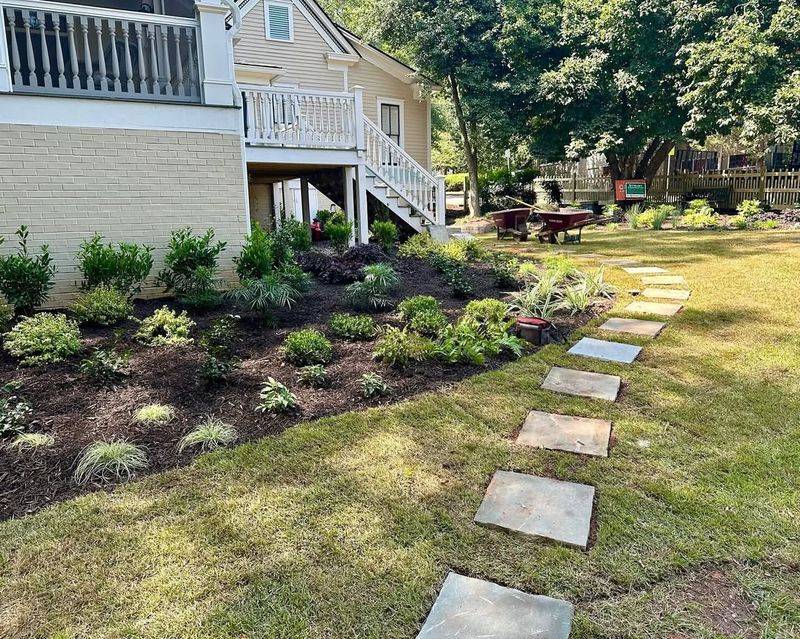
Nothing signals a well-cared-for yard faster than a fresh layer of mulch in the garden beds. It costs very little and takes just an afternoon, but the visual payoff is immediate.
Buyers and appraisers notice clean, defined beds right away, and it sets the tone for the entire property.
In Georgia, where summer heat bakes the ground hard and fast, mulch also does important practical work. It holds moisture in the soil, keeps roots cooler during July and August, and slows down weed growth between plants.
A two-to-three-inch layer of shredded hardwood or pine bark mulch is ideal for most Georgia landscapes.
Avoid piling mulch directly against plant stems or tree trunks — that traps moisture and can cause rot. Keep a small gap around the base of each plant so air can circulate.
Your Georgia Garden Changes Every Week. Your Plan Should Too.
Gardening in Georgia changes quickly throughout the season. Every Friday you’ll receive a simple weekly plan showing exactly what to plant, prune, fertilize, harvest, and protect so you never miss the right timing.
When spreading mulch, take time to edge the beds cleanly first. A crisp border between the lawn and the bed makes the whole yard look sharp and intentional, not just tossed together.
Fresh mulch in late winter or early spring gives Georgia homeowners a head start before the busy selling season kicks off.
Mulch also slowly breaks down over time, adding organic matter that improves soil structure in Georgia’s often heavy clay.
That simple layer ends up helping plants grow better while keeping the landscape looking neat and cared for.
3. Healthy Lawns Create A Strong First Impression
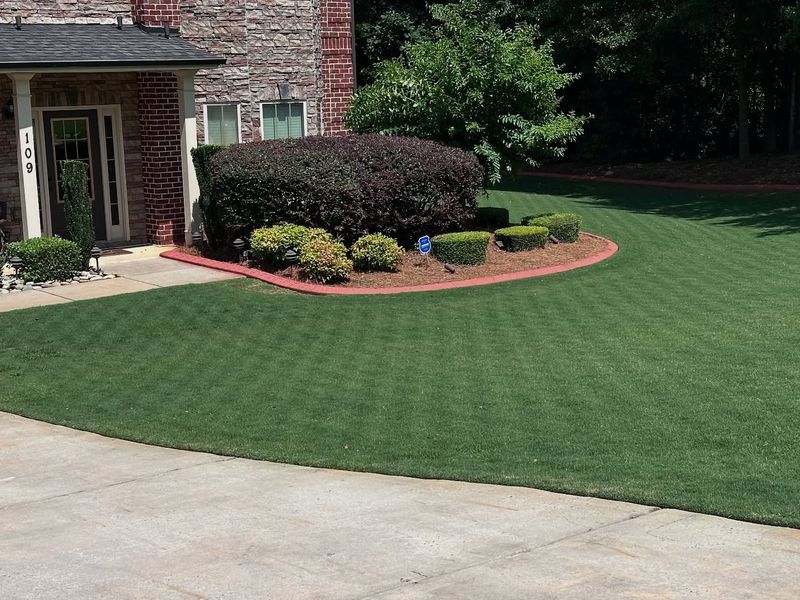
Pulling up to a house with a patchy, brown lawn immediately raises questions — about the soil, the irrigation, and how well the home has been cared for overall. A thick, green lawn tells a completely different story.
It says someone paid attention, and that matters to buyers in any Georgia neighborhood.
Warm-season grasses do best across most of Georgia. Bermuda is tough and bounces back fast after drought.
Zoysia handles foot traffic well and stays dense with minimal input. Centipede is popular in the Piedmont region for its lower needs and slow, steady growth.
Knowing which grass you have helps you treat it correctly and keep it looking its best through the growing season.
Bare patches are easy to fix with overseeding or sod plugs in the spring. Consistent mowing at the right height — never cutting more than a third of the blade at once — keeps the turf healthy and thick.
If your lawn has struggled for years, consider a soil test through the University of Georgia Extension office. It costs almost nothing and tells you exactly what nutrients are missing.
A corrected soil is the foundation of a lawn that stays green and full all season long.
Regular watering during dry stretches also keeps grass from thinning out under Georgia’s summer heat. When the lawn stays dense and evenly colored, the entire property looks more maintained and inviting from the street.
4. Defined Walkways Make The Landscape Look Finished
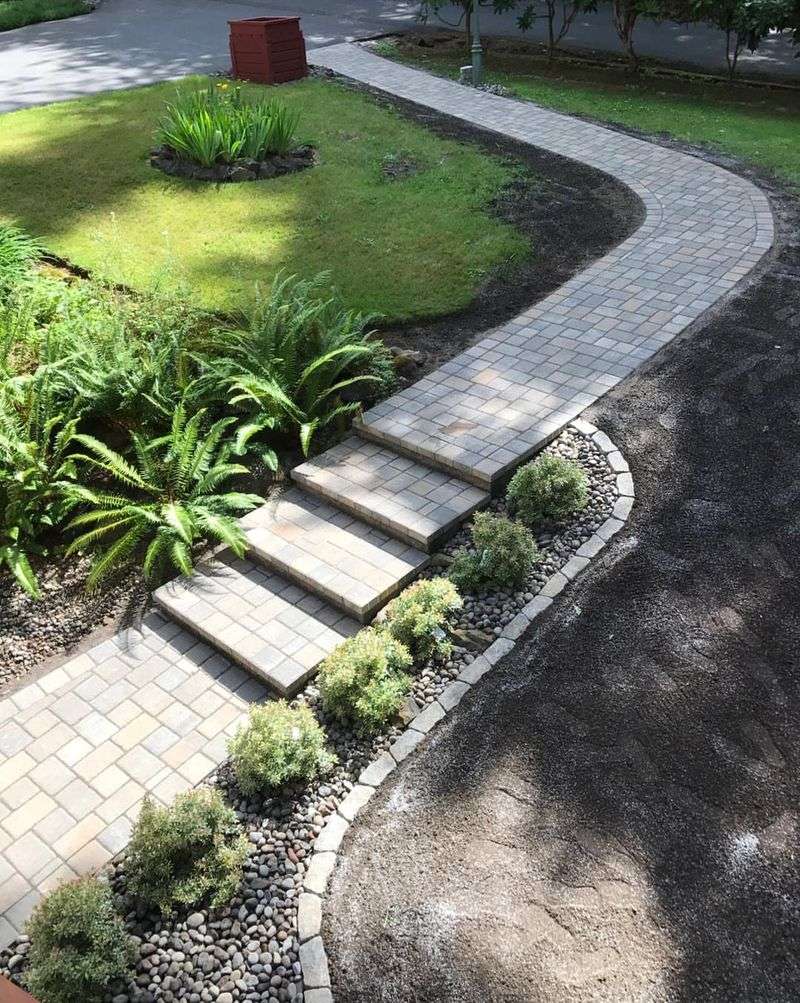
Cracked concrete or a vague dirt path leading to your front door is one of the easiest ways to lose a buyer’s interest before they even get inside.
A defined, clean walkway does the opposite — it draws people toward the entrance and makes the whole yard feel intentional and put together.
Hardscape materials like flagstone, brick pavers, and concrete stepping stones all work well in Georgia’s climate. Flagstone looks especially natural when paired with native groundcovers planted between the joints.
Pavers hold up to Georgia’s freeze-thaw cycles better than poured concrete in many cases, and they can be reset easily if one shifts over time.
Width matters too. A walkway that is at least four feet wide feels welcoming and practical.
Narrow paths look like an afterthought. Line the edges with low-growing plants, ornamental grasses, or solar pathway lights to give the walkway definition without crowding it.
If your current path is in rough shape, consider overlaying it with pavers or flagstone rather than a full replacement — it saves money and still delivers a polished result.
Georgia buyers who tour a home with a clean, attractive walkway tend to form a positive impression before they even open the front door.
A well-designed walkway also guides visitors naturally through the yard, highlighting the entrance and any nearby plantings.
Over time, durable materials like pavers and flagstone continue to look good with very little maintenance.
5. Outdoor Lighting Highlights The Yard At Night
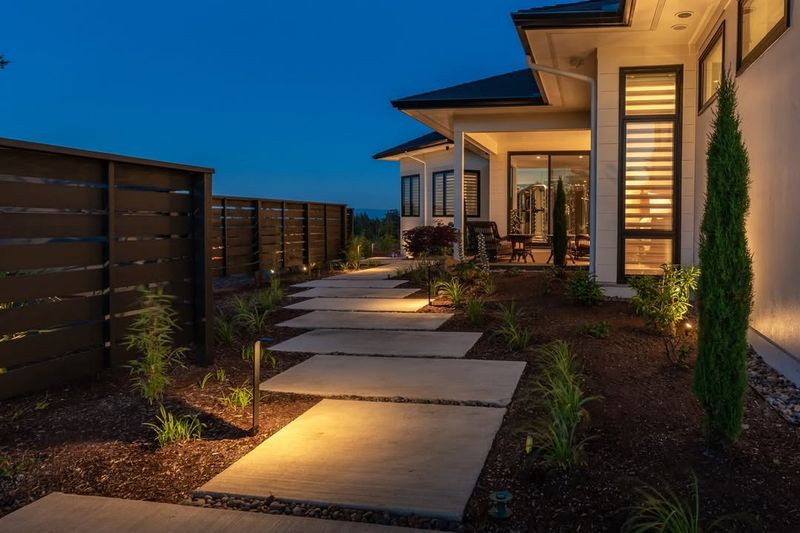
Most people drive by homes in the evening, especially during the week when they are scoping out neighborhoods after work. If your yard goes dark the moment the sun sets, you are missing a real opportunity to make an impression.
Outdoor lighting done right turns an ordinary yard into something that genuinely stands out.
Path lights along the walkway are the easiest starting point. They are affordable, install without an electrician, and immediately improve both safety and appearance.
Solar versions have gotten much better in recent years and work well across most of Georgia given the long sunny days from April through October.
Uplighting is where things get more interesting. Placing a low-voltage spotlight at the base of a shade tree and angling it upward creates a dramatic effect that highlights the tree’s structure after dark.
You can do the same with architectural details on the house itself — a column, a brick chimney, or a covered porch. Evening showings are common in real estate, and a home with thoughtful lighting always photographs better and feels safer to visitors.
Buyers in Georgia tend to linger longer in yards that feel warm and well-lit, and that extra time often leads to stronger offers.
Soft lighting around patios or seating areas can also make the yard feel usable after sunset, not just decorative.
When the landscape still looks inviting at night, the whole property leaves a stronger impression on buyers touring homes in Georgia.
6. Native Plants Reduce Maintenance And Improve Landscape Health
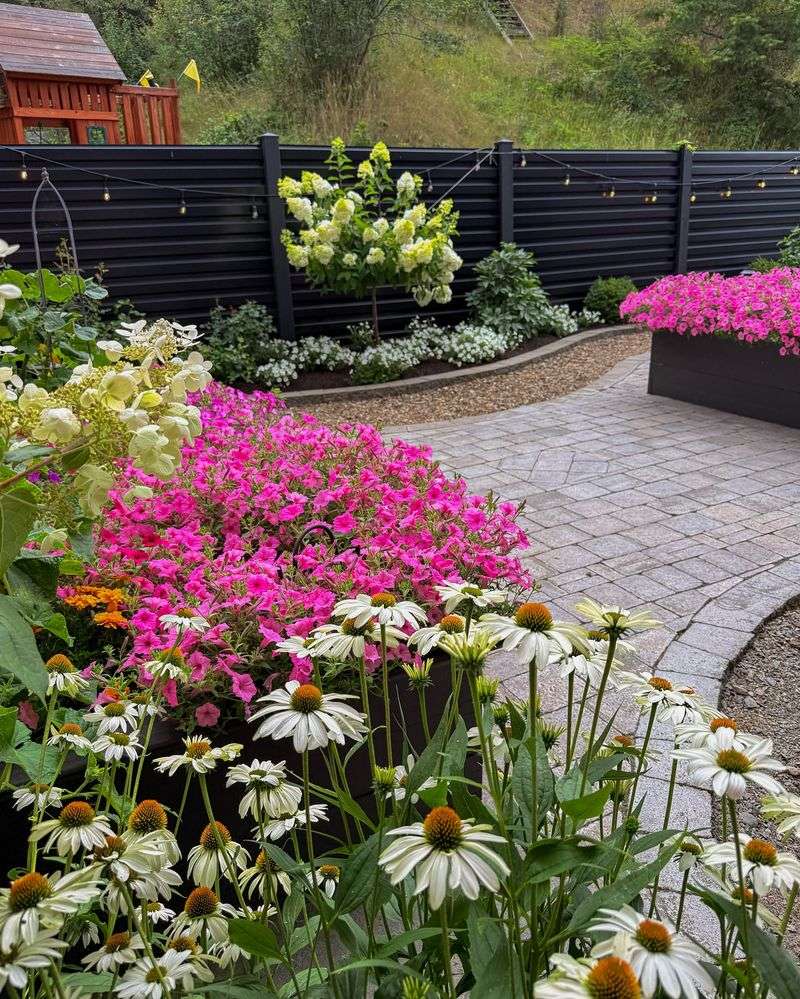
Plants that belong in Georgia tend to behave very differently from ones that do not.
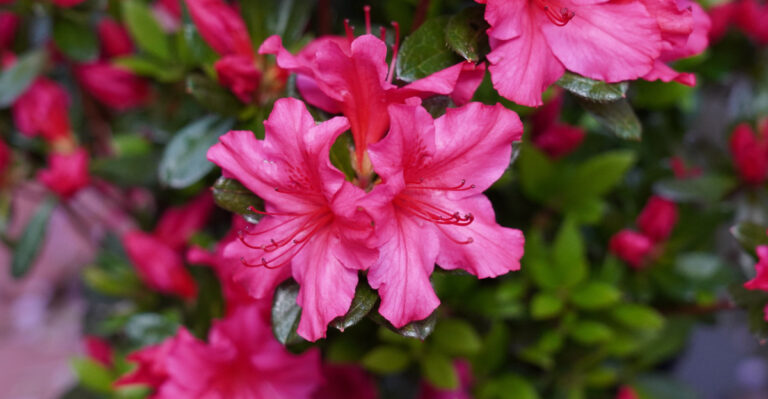
Azaleas, black-eyed Susans, coneflowers, and oakleaf hydrangeas have been growing in this region long enough to handle the heat, humidity, and occasional dry spell without much help from you.
From a buyer’s perspective, a yard full of plants that clearly thrive is far more appealing than one with struggling imports that need constant babying.
Native plantings also attract pollinators — bees, butterflies, and hummingbirds show up regularly in yards with the right plants, and that kind of life makes a landscape feel vibrant and healthy rather than staged.
Planting natives does not mean sacrificing visual interest. Georgia has a rich palette of flowering shrubs, ornamental grasses, and groundcovers that look beautiful through multiple seasons.
Beautyberry puts on a show in fall with its bright purple berries. Switchgrass adds texture and movement through winter.
Spiderwort blooms early in spring when little else is going. Mixing plants with different bloom times keeps the yard looking alive year-round, which matters whether you are selling in March or September.
Georgia buyers who understand landscaping recognize native plantings as a smart, sustainable choice — and that recognition often translates into a higher perceived value for the property.
Native plants also tend to require less watering, fertilizer, and maintenance once established.
That combination of beauty and practicality makes a Georgia landscape feel both attractive and easy to care for, which buyers notice right away.
7. Well Placed Shrubs Create Structure In The Yard
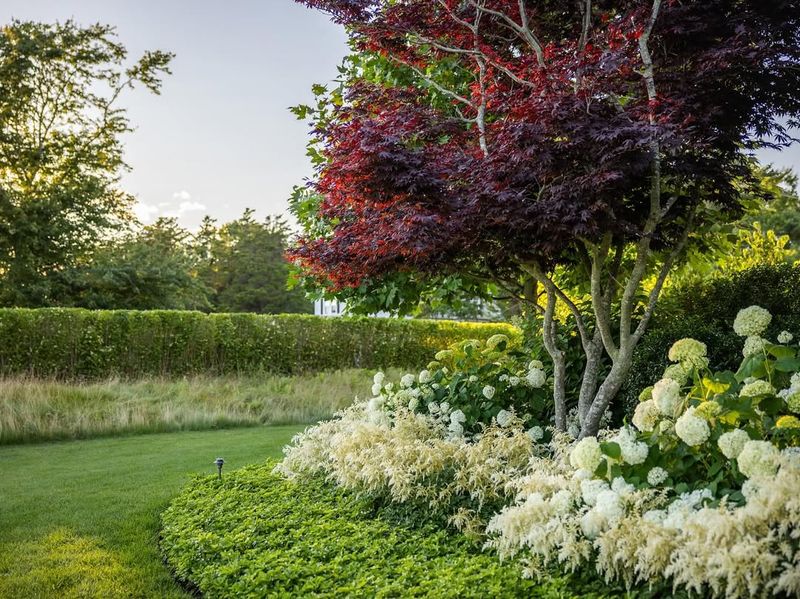
A yard without shrubs often feels flat and unfinished, like a room with no furniture. Shrubs give a landscape its backbone — they define spaces, soften hard edges, and give the eye somewhere to land between the lawn and the house.
Placed well, they can completely transform how a home looks from the street.
Foundation plantings along the front of the house are the most impactful starting point. Keep them proportional — a shrub that eventually blocks windows or crowds the entrance does more harm than good.
Compact varieties of loropetalum, knock-out roses, and dwarf hollies all work well in Georgia and stay manageable with one or two trims per year.
Grouping shrubs in odd numbers — threes or fives — tends to look more natural than lining them up in an evenly spaced row. Vary the heights slightly within each grouping to create depth.
Corner plantings are also worth considering — a taller shrub anchoring each corner of the house helps ground the structure visually and makes it look more connected to the landscape around it.
Buyers in Georgia notice when a yard has been thought through rather than planted randomly, and structured shrub placement is one of the clearest signals that a homeowner has taken real pride in the property.
8. Attractive Front Entry Landscaping Draws Attention
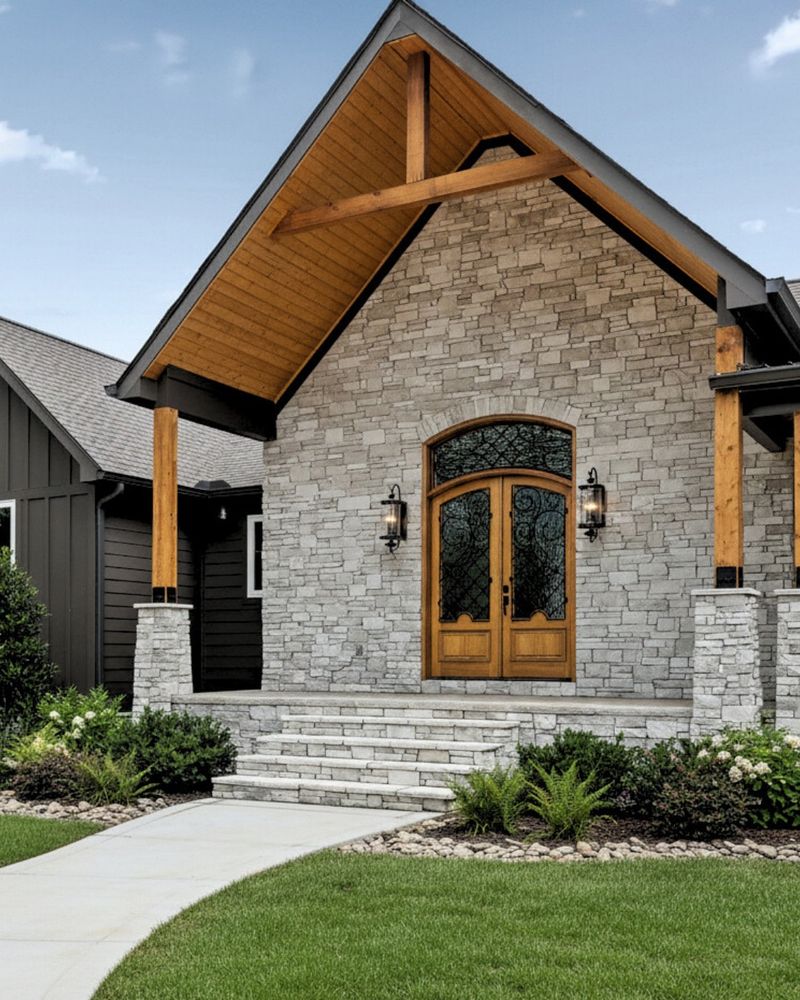
Your front entry is the handshake before anyone steps inside. Buyers form an opinion in the first eight seconds of seeing a home, and the entry is usually the focal point of that first look.
Getting it right does not require a major renovation — just a few well-chosen details that work together.
Container plants flanking the front door are one of the easiest upgrades you can make. In Georgia, warm-season options like caladiums, lantana, and pentas thrive in pots through the long summer and bring real color close to the entrance.
Switch them out in fall for ornamental kale, pansies, or flowering cabbage to keep the look fresh through the cooler months.
Updated house numbers, a clean doormat, and a freshly painted front door also contribute more than most people expect. Landscaping does not stop at the plants — it includes everything the eye travels across on the way to the door.
Trim back any overgrown plants that crowd the path or block the porch. Add a hanging basket or a simple wreath if the door feels bare.
Outdoor lighting near the entry makes the space feel safe and inviting after dark.
Georgia homes with a polished, welcoming front entry consistently generate more buyer interest and tend to sell faster than comparable properties nearby.