This Simple Michigan Soil Trick Turns Coffee Grounds Into Garden Gold
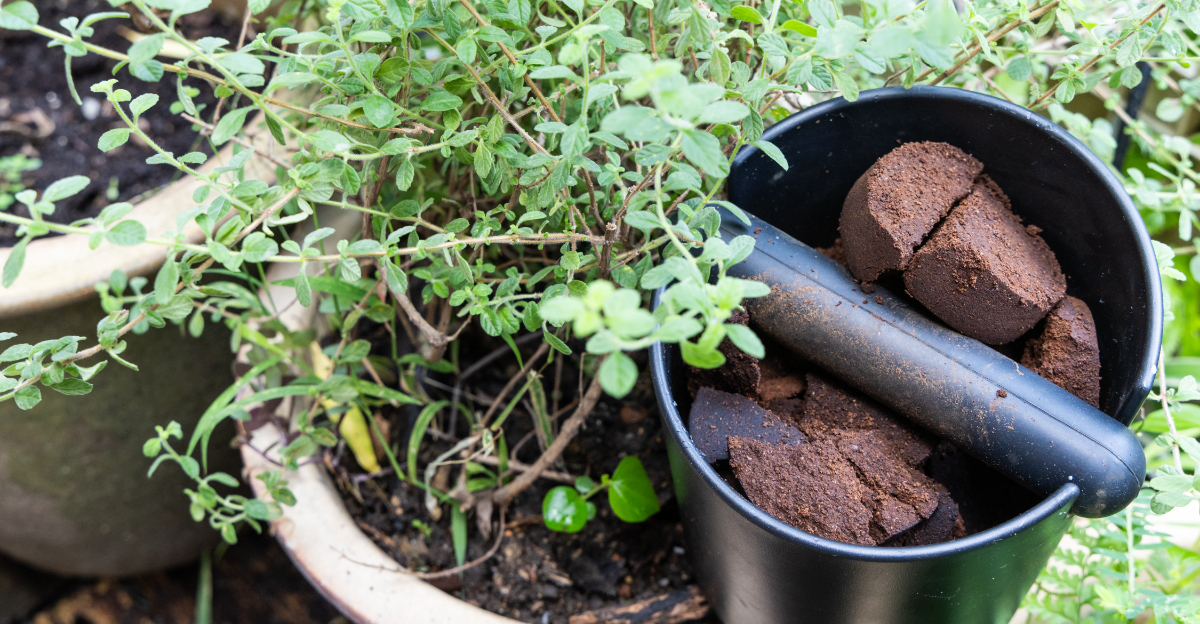
Michigan gardeners are turning something most people throw away every morning into a powerful garden booster. Coffee grounds, the leftovers from your daily cup, can quietly improve soil and help plants grow stronger throughout the season.
Instead of heading for the trash, they can go straight into the garden where they start working right away. Across Michigan, many yards struggle with heavy clay, sandy soil, or ground that takes time to warm after winter.
Coffee grounds can help improve soil texture, support healthy microbes, and give plants a better environment to grow. Gardeners from the Upper Peninsula to the Lower Peninsula are discovering just how useful this simple kitchen leftover can be.
If you want healthier soil without expensive products, this easy trick could make a surprising difference in your Michigan garden all season long.
1. Turn Your Coffee Into Garden Gold In Michigan
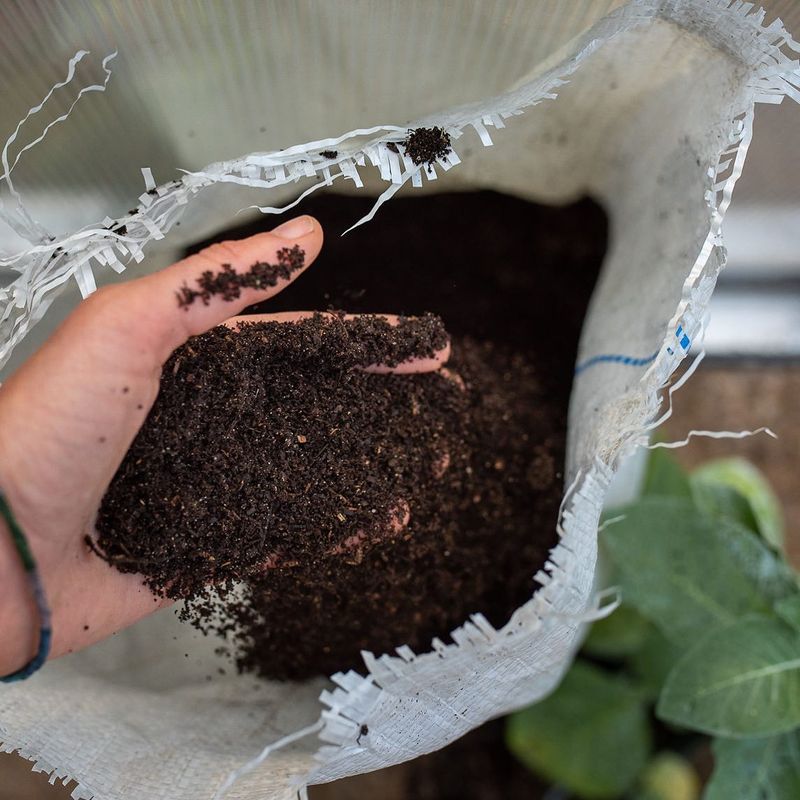
Every morning, millions of people in Michigan pour out used coffee grounds without a second thought. What if that daily habit could become one of the smartest gardening moves you ever made?
Coffee grounds are packed with nitrogen, potassium, and phosphorus, the three nutrients plants crave most for strong, healthy growth.
Michigan soils tend to be either heavy with clay or loose and sandy, and neither extreme is ideal for most garden plants. Coffee grounds work as a natural soil amendment that bridges that gap beautifully.
When you mix them into the top six inches of soil before planting, you give roots a nutrient-rich environment right from the start.
Another bonus for Michigan gardeners is winter protection. Coffee grounds help insulate root systems when temperatures drop and snow blankets the ground.
That extra organic layer keeps soil from freezing as hard and fast, giving perennials a better chance of bouncing back strong in spring. Collecting grounds daily and storing them in a small container near the garden makes the habit easy to stick with.
Over time, your soil becomes noticeably darker, looser, and more alive. Plants respond with fuller leaves, stronger stems, and bigger harvests, all from something you were ready to throw away.
2. Improve Michigan Soil Health With Every Scoop
Healthy soil is the foundation of every great garden, and Michigan’s ground can use all the help it gets. Clay-heavy soil in many parts of the state tends to compact tightly, making it hard for roots to spread and water to drain properly.
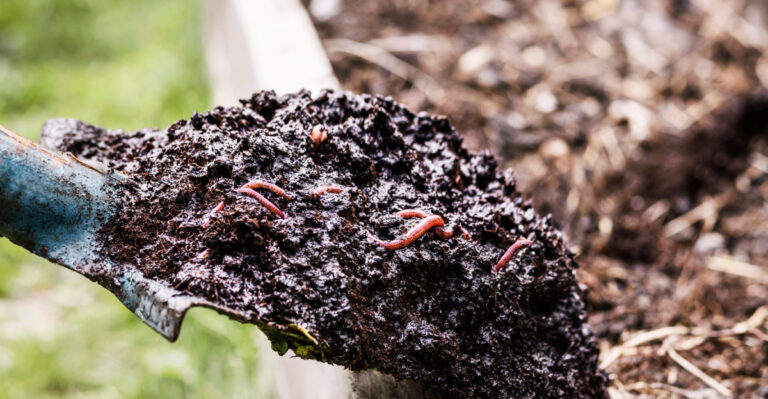
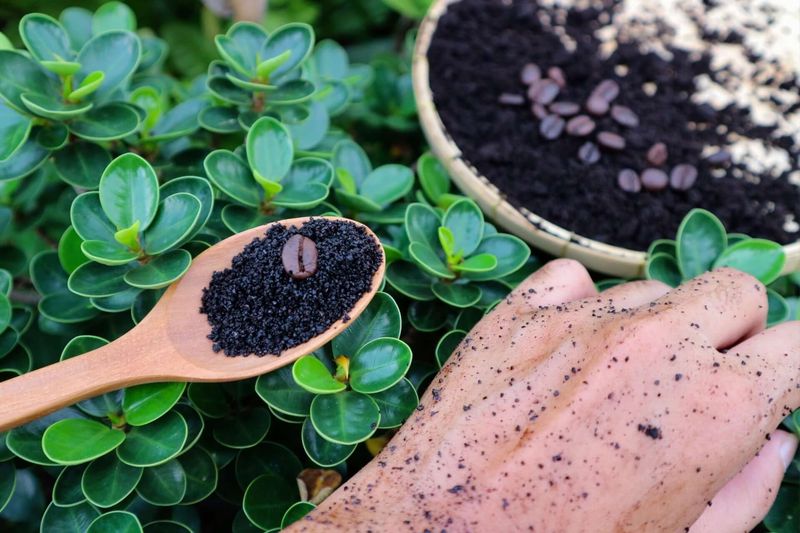
Adding coffee grounds regularly helps break up that dense structure over time. When you work a scoop of coffee grounds into your garden bed, you are introducing organic matter that improves both moisture retention and air circulation.
Roots need oxygen just as much as water, and compacted soil starves them of both. Coffee grounds create tiny air pockets that allow roots to breathe and expand more freely through the season.
Michigan perennials, vegetables, and native plants all respond well to this kind of soil improvement. Tomatoes, peppers, and native wildflowers grow stronger when their root zones have better structure and steady moisture.
Your Michigan Garden Changes Every Week. Your Plan Should Too.
Gardening in Michigan changes quickly throughout the season. Every Friday you’ll receive a simple weekly plan showing exactly what to plant, prune, fertilize, harvest, and protect so you never miss the right timing.
The improvement does not happen overnight, but after a few weeks of consistent use, you will notice the difference when you dig your hands into the soil. It feels softer, darker, and more crumbly in the best possible way.
Mixing grounds in rather than leaving them on top prevents clumping and gives you the most even benefit across your garden beds all season long.
3. Unlock Nutrients Hidden In Coffee Grounds
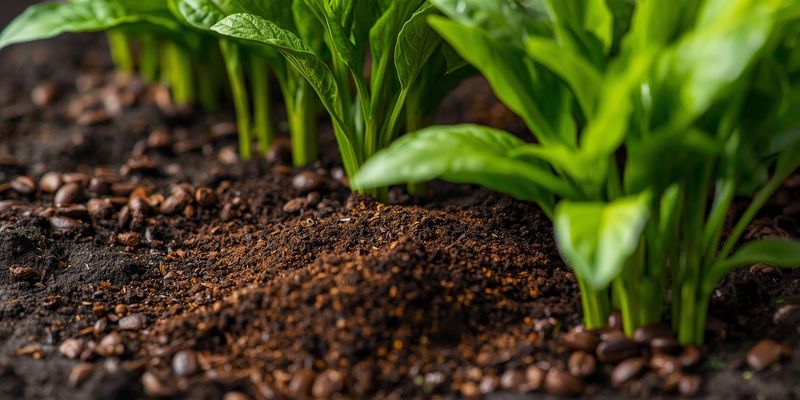
Coffee grounds carry a slow-release nutrient profile that many gardeners do not fully appreciate. On average, used grounds contain about 2% nitrogen, 0.3% phosphorus, and 0.3% potassium.
Those numbers might sound small, but they add up significantly when applied consistently over a growing season.
Beyond the basic NPK trio, coffee grounds also bring micronutrients like magnesium, copper, and calcium to your Michigan garden. These trace elements support everything from strong cell walls in plant stems to vibrant flower color and fruit development.
Blueberries, azaleas, tomatoes, and peppers, all popular choices for Michigan gardens, especially love the combination of nitrogen and micronutrients that grounds provide.
The slow-release nature of coffee ground nutrients is one of their biggest advantages. Unlike synthetic fertilizers that can burn roots or wash away quickly in rain, organic nutrients from grounds release gradually as microbes break them down.
This steady feeding keeps plants nourished through Michigan’s long summer growing season without the risk of overfeeding.
Sprinkling a handful of dried grounds around the base of your blueberry bushes or pepper plants every few weeks gives them a consistent nutritional boost.
You get healthier foliage, better fruit set, and stronger overall growth without spending extra money on commercial fertilizers. Your morning brew is already doing the heavy lifting.
4. Supercharge Your Michigan Compost
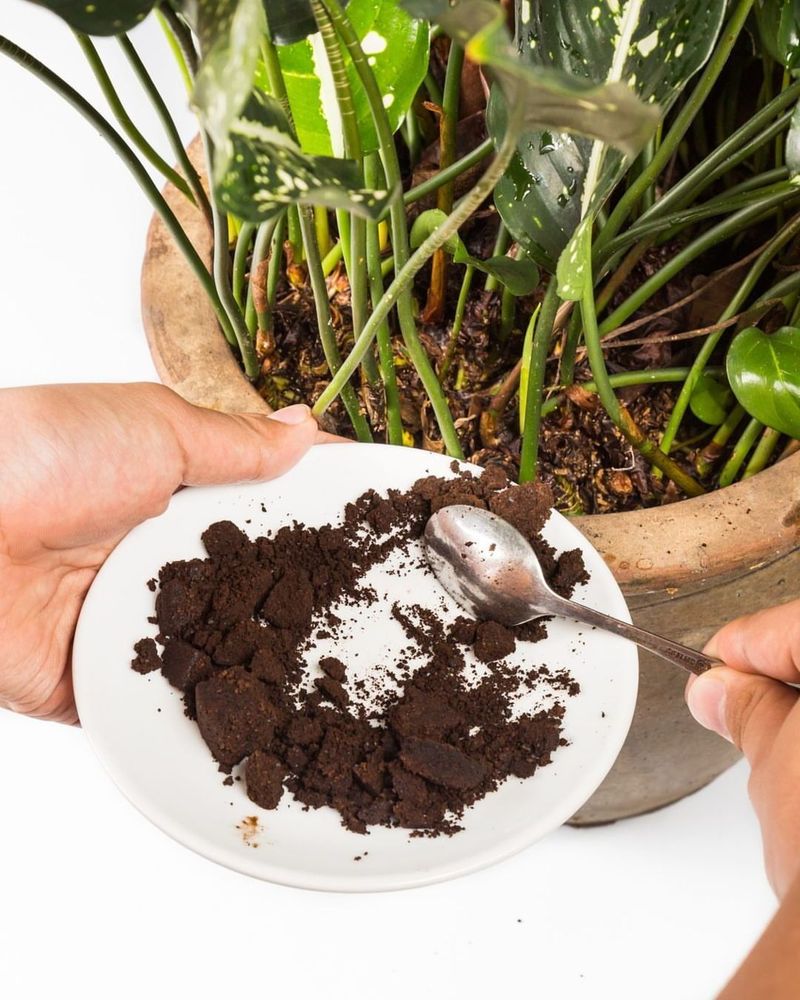
Compost is one of the most powerful tools a Michigan gardener can use, and coffee grounds make it even better.
When you add grounds to your compost pile, you are introducing a nitrogen-rich green material that speeds up the entire decomposition process.
The microbes responsible for breaking down organic matter absolutely thrive on that nitrogen boost.
A well-fed compost pile heats up faster, which means you get finished, nutrient-rich humus in less time. For Michigan gardeners working within a shorter growing season, that speed matters.
Finished compost added to beds in early spring gives plants the richest possible start before summer heat kicks in fully.
Keep coffee grounds to no more than 25% of your total compost volume for the best results. Balancing them with brown materials like shredded leaves, straw, or cardboard keeps the pile from becoming too acidic or too wet.
Michigan fall is the perfect time to layer coffee grounds with fallen leaves and build a strong compost base for the following spring. Turn the pile every week or two to keep oxygen flowing and decomposition moving quickly.
By the time spring planting arrives, you will have dark, crumbly compost that smells earthy and clean. Mixing it into your Michigan garden beds gives every plant a powerful head start right from the first day in the ground.
5. Use Coffee Grounds The Smart Way
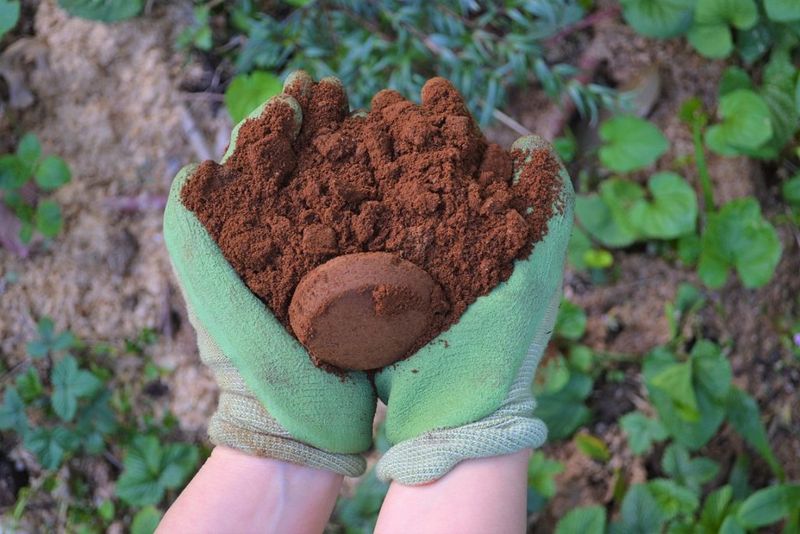
More is not always better when it comes to coffee grounds in the garden. Michigan gardeners who pile on too many grounds at once can actually create problems instead of solutions.
Thick layers of wet coffee grounds can mat together, forming a water-resistant crust that blocks moisture and air from reaching the soil below.
The smarter approach is spreading a thin layer, no more than half an inch thick, across the surface of your garden beds. Better yet, mix the grounds directly into the top few inches of soil so they integrate fully.
Keep them away from plant stems to avoid creating damp conditions that could encourage fungal issues during Michigan’s humid summers.
Balancing fresh grounds with composted ones gives you the most consistent results. Fresh grounds are slightly more acidic and nitrogen-rich, while composted grounds are more neutral and easier for all plants to absorb.
Rotating between the two throughout the growing season keeps your soil chemistry steady and your plants happy. Collecting grounds daily from your coffee maker and storing them in a sealed container prevents mold before you are ready to use them.
A small airtight bin near the kitchen sink makes the habit simple and clean. Michigan gardeners who follow these easy best practices get noticeably better results than those who dump grounds randomly without any system or strategy.
6. Protect Your Michigan Plants From Pests Naturally
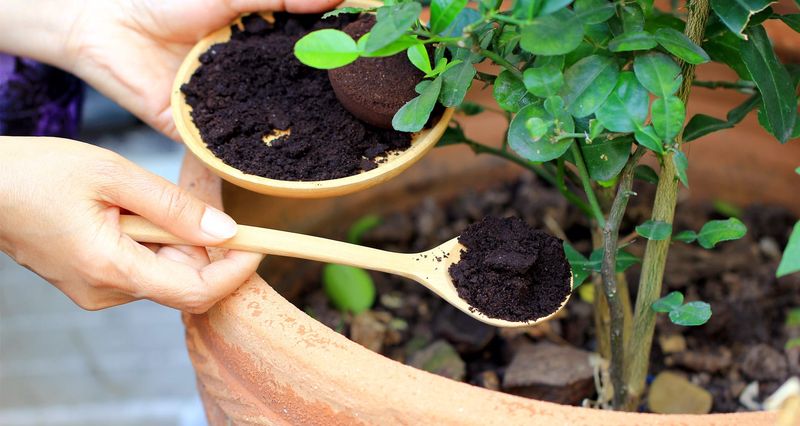
Slugs and snails are some of the most frustrating pests for Michigan gardeners, especially during the wet spring and early summer months. These soft-bodied creatures love cool, moist conditions and can shred tender seedlings overnight.
Coffee grounds offer a surprisingly effective natural barrier against them. Spreading a ring of dry coffee grounds around vulnerable plants creates a rough, gritty texture that slugs and snails strongly prefer to avoid.
The coarse surface irritates their undersides and disrupts their movement, keeping them away from your prized vegetables and flowers.
Ants also tend to steer clear of areas treated with coffee grounds, which is a welcome bonus for Michigan gardeners dealing with persistent ant trails through their beds.
Beyond pest deterrence, coffee grounds actively support beneficial soil microbes that strengthen plant immunity from the inside out.
A healthy microbial community in your Michigan garden soil makes plants more resistant to disease and better equipped to handle stress from heat, drought, or cold snaps.
Reapply grounds after heavy rain washes them away and refresh the rings every week or two during peak pest season.
Combining coffee grounds with other organic pest strategies, like companion planting and hand-picking, creates a well-rounded defense without any harsh chemicals.
Your Michigan garden stays productive, healthy, and naturally protected all summer long without reaching for a single synthetic spray.
7. Bust Common Coffee Ground Myths In Michigan

A lot of gardeners hesitate to use coffee grounds because they have heard warnings that stick around long after the facts have been updated. One of the biggest myths is that coffee grounds make soil highly acidic.
In reality, used coffee grounds are nearly pH neutral, typically ranging between 6.5 and 6.8, so they will not dramatically shift the acidity of your Michigan garden beds.
Another common concern is that coffee grounds prevent seeds from germinating. Research has not consistently supported this claim for typical garden applications.
When you apply grounds in thin, well-mixed layers rather than heavy clumps, seed germination proceeds normally for most vegetables and flowers commonly grown in Michigan.
Some gardeners also assume that coffee grounds can fully replace commercial fertilizers. That is not quite right either.
Grounds are a fantastic supplement that adds organic matter, slow-release nutrients, and microbial activity to your soil, but they work best alongside a broader fertilizing strategy.
Think of them as one powerful tool in a well-stocked gardening toolkit rather than a complete solution on their own.
Michigan gardeners who understand the real benefits and real limitations of coffee grounds use them far more effectively and confidently.
Getting the facts straight helps you make better decisions for your specific soil type, plant choices, and seasonal goals throughout the Michigan growing year.
8. Brew Success For A Thriving Michigan Garden
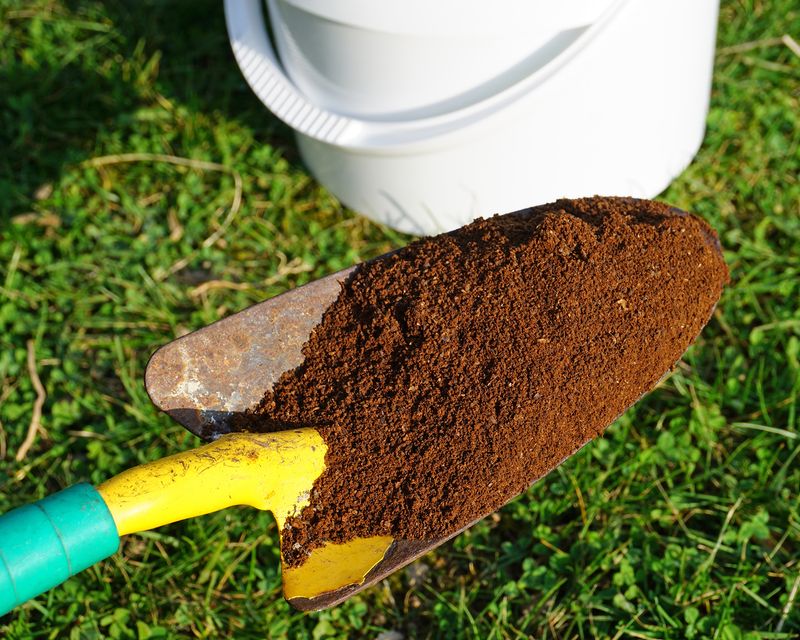
Building a coffee ground routine for your Michigan garden does not have to be complicated. Start by collecting your used grounds every morning and storing them in a small container near the sink.
By the end of the week, you will have enough to make a real difference in your garden beds or compost pile without any extra shopping or spending.
Add fresh grounds to your compost bin a few times each week, layering them with dried leaves or shredded cardboard to keep the balance right.
Every two weeks, sprinkle a thin layer of grounds around your most nutrient-hungry plants like tomatoes, peppers, and blueberries.
Track how your plants respond by keeping a simple garden journal, noting leaf color, stem strength, and fruit production through spring, summer, and fall.
Pairing coffee grounds with local Michigan mulch like wood chips or shredded oak leaves creates a powerful combination that retains moisture, feeds soil organisms, and regulates temperature across all three growing seasons.
Many Michigan gardeners also brew a simple liquid fertilizer by soaking two cups of grounds in five gallons of water overnight, then using the strained liquid to water plants every couple of weeks.
This gentle tea delivers nutrients directly to roots for a quick, natural boost. Stick with this easy routine and your Michigan garden will reward you with healthier plants, bigger harvests, and richer soil year after year.