Why Michigan Gardeners Should Direct Sow Beans Instead Of Transplanting Them
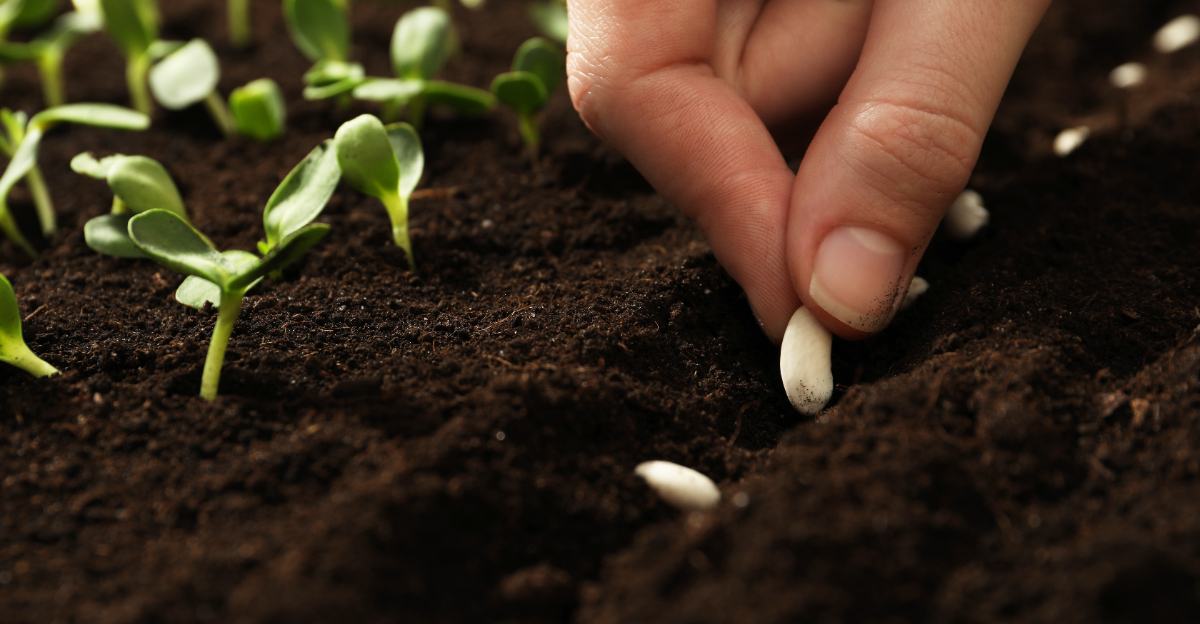
Beans are one of those vegetables that seem simple enough to grow, but a lot of Michigan gardeners are making one consistent mistake before the season even gets started.
Reaching for transplants or starting seeds indoors feels like the logical move in a state where the growing season is already tight, but with beans it actually works against you.
Unlike most vegetables that benefit from a head start indoors, beans are one of the few crops that genuinely prefer to go straight into the ground where they are going to grow.
Their roots are sensitive to disturbance, and the stress of transplanting sets them back in ways that often cancel out any time advantage you thought you were gaining.
Michigan’s soil warms up fast once the season turns, and beans respond to that warmth quickly when they are sown directly where they belong.
Understanding why direct sowing works better here, and knowing exactly when and how to do it, can completely change how your bean crop performs from early summer all the way through harvest.
1. Sensitive Roots Do Not Handle Disturbance Well
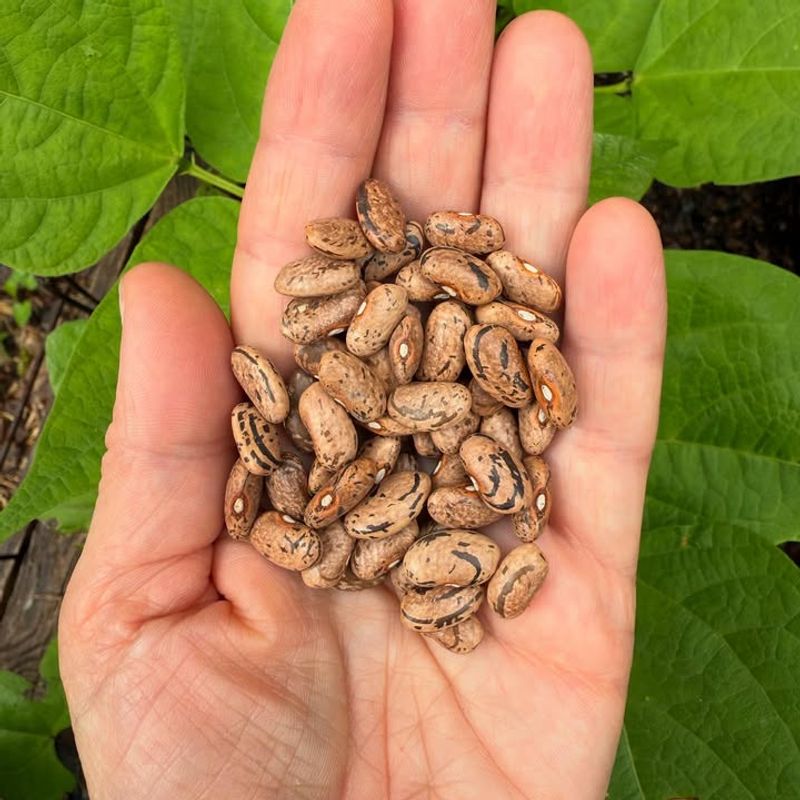
Beans are not like tomatoes or peppers when it comes to moving them around. Their root systems are surprisingly delicate, and even the most careful gardener can cause damage during transplanting.
That fragile root network is one of the biggest reasons Michigan gardeners skip the indoor seed-starting step entirely with beans.
Phaseolus vulgaris, the common garden bean, develops a taproot and fine lateral roots that do not bounce back quickly from disturbance.
Once those roots get twisted, torn, or compressed during transplanting, the plant spends precious energy trying to recover rather than growing upward and outward.
In Michigan, where the growing window is already limited, that lost time really adds up.
Direct sowing puts the seed exactly where the plant will live, allowing roots to spread naturally in every direction without interruption. The soil stays undisturbed around the developing seedling, which means establishment happens faster and more efficiently.
Gardeners across Michigan who have tried both methods consistently notice that direct-sown beans look stronger and healthier within the first two weeks.
Skipping transplanting is not just easier, it is actually the smarter choice for protecting your bean plants right from the very start of the season.
2. Faster Establishment In Warm Soil
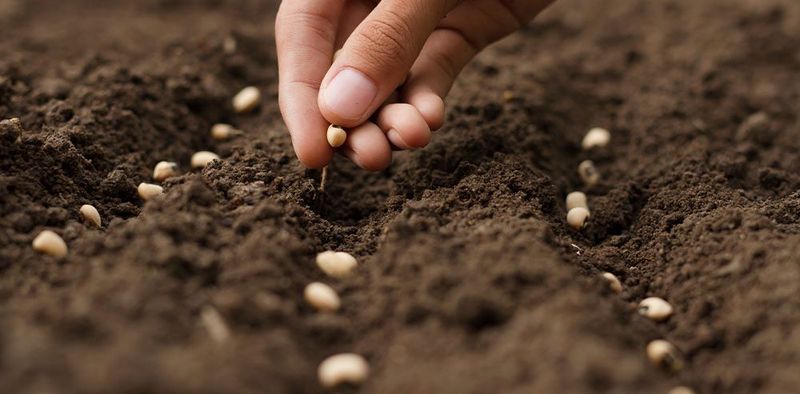
There is something genuinely exciting about watching bean seedlings push through the soil just days after planting. In Michigan, once the soil temperature climbs to around 60 to 70 degrees Fahrenheit, bean seeds germinate quickly and enthusiastically.
That warm soil is like a signal telling the seed that the right moment has finally arrived.
When you direct sow, the seed wakes up right there in its permanent home. It does not have to go through the stress of being moved from a warm indoor tray to a cool outdoor bed.
Transplanted seedlings, even healthy ones, often stall for several days while they adjust to new temperatures, different soil texture, and outdoor light levels.
In Michigan, late May and early June typically offer the soil warmth beans need to germinate within seven to ten days. Direct-sown plants hit the ground running because they never experience that adjustment period.
Your Michigan Garden Changes Every Week. Your Plan Should Too.
Gardening in Michigan changes quickly throughout the season. Every Friday you’ll receive a simple weekly plan showing exactly what to plant, prune, fertilize, harvest, and protect so you never miss the right timing.
Their roots explore the native soil immediately, pulling in nutrients and moisture right away. Gardeners in Michigan who plant directly into warmed beds often see their beans overtake transplanted seedlings within just a couple of weeks.
Faster establishment means more time producing pods before the first fall frost arrives, and that is exactly what every Michigan gardener wants from their summer garden.
3. Michigan’s Short Season Is Plenty For Beans
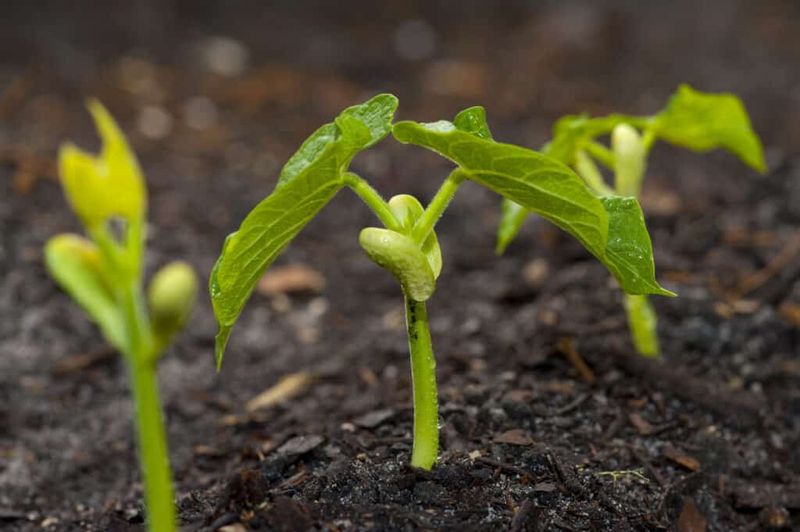
Michigan gardeners sometimes worry that the frost-free growing season is too short to get a full harvest from beans. That concern makes sense for slow-maturing crops like peppers or eggplant, but beans are a different story altogether.
Most bush bean varieties reach harvest in just 50 to 60 days from planting, and pole beans are not far behind.
Michigan’s frost-free window typically runs from late May through early October in most parts of the Lower Peninsula, and that gives beans more than enough time to mature fully.
Starting seeds indoors does not meaningfully push the harvest date earlier, because beans cannot go outside until the soil is warm anyway. You would not be gaining extra weeks, just adding extra work.
Direct sowing in late May or early June lines up perfectly with Michigan’s seasonal rhythm. The plants grow through the warmest, sunniest weeks of the year and produce pods steadily through late summer.
Many Michigan gardeners even make a second planting in early July to extend the harvest into September.
Beans are one of the most efficient crops for short-season climates, and Michigan’s summer is genuinely well-suited to growing them successfully without any indoor head start.
Trusting the season and planting directly saves time while still delivering a full, satisfying harvest every single year.
4. Transplant Shock Can Delay Your Entire Harvest
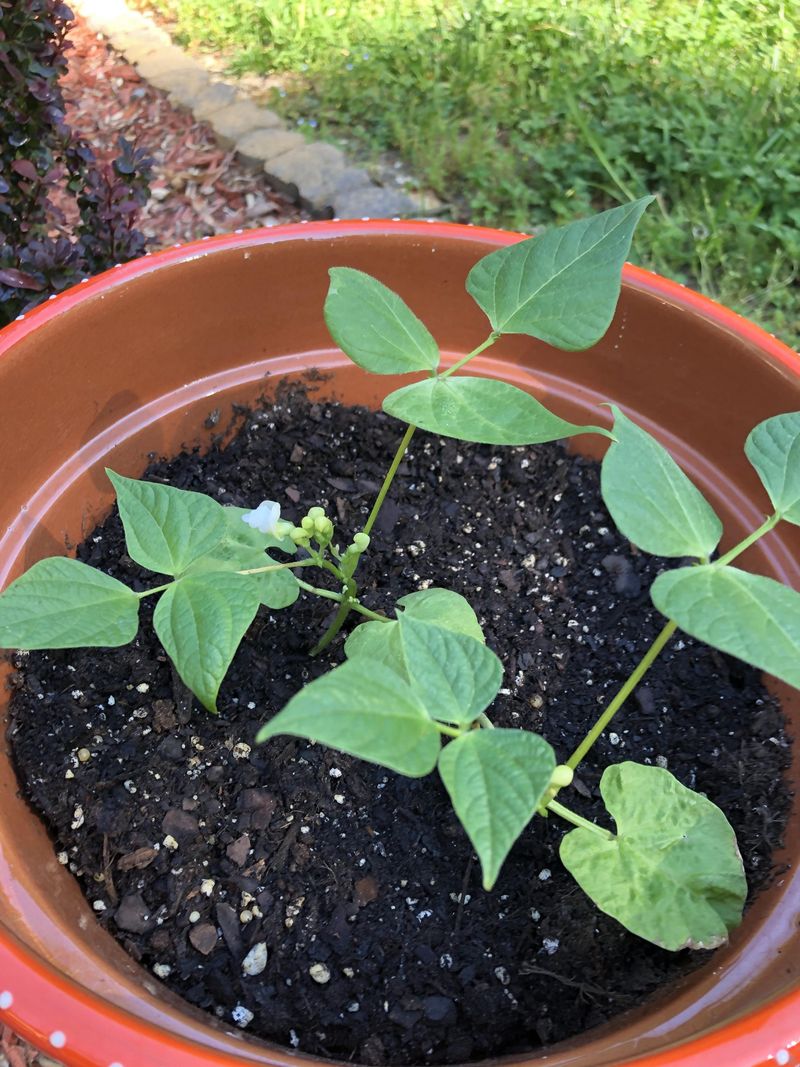
Transplant shock is a real and frustrating problem that affects beans more than most gardeners expect. Even when seedlings look perfectly healthy before moving, the act of lifting them from a container and placing them into garden soil triggers a stress response.
The plant essentially pauses, redirecting its energy toward rebuilding root contact rather than continuing to grow.
For crops with a long growing season, a few days of stalled growth is not a big deal. Beans are different because their productive window is short and every single day matters.
A transplanted bean that loses five to seven days recovering from shock could end up producing its first pods a full week later than a direct-sown neighbor planted at the same time. In Michigan, that delay could push harvest dangerously close to the first frost.
Direct-sown beans never experience that pause. They germinate, push their first leaves upward, and keep growing without any interruption at all.
The steady, unbroken growth pattern leads to plants that are more uniform, more vigorous, and more productive across the board. Michigan gardeners who have switched from transplanting to direct sowing often describe the difference as dramatic.
When the growing season is already working against you, removing transplant shock from the equation is one of the smartest moves you can make in your Michigan vegetable garden.
5. Root Deformation Is A Real Risk With Container Starts
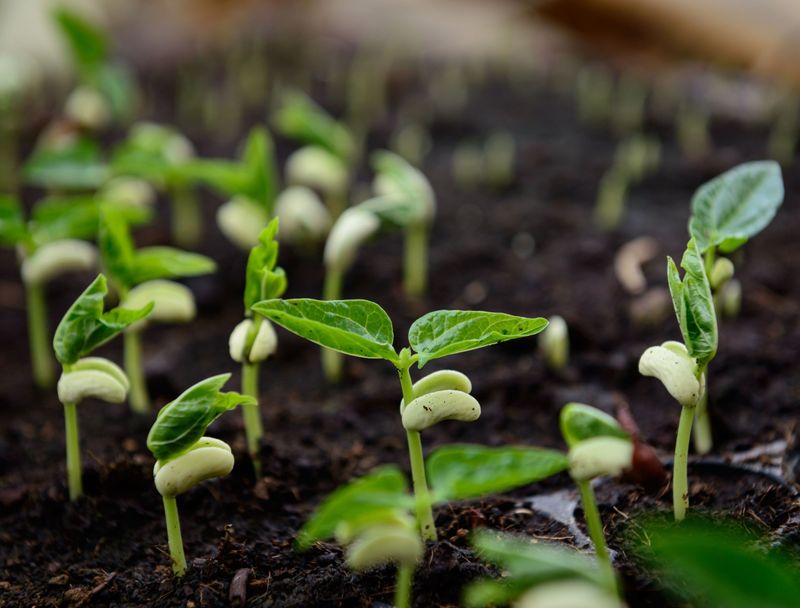
Picture a bean seedling that has been sitting in a small plastic cell tray for three weeks indoors. The roots have been growing the whole time, and by now they have hit the walls of the container and started circling around themselves.
That circling pattern, called being root-bound, can cause lasting problems even after transplanting into open garden soil.
Roots that form in a confined space sometimes continue growing in that same circular pattern after transplanting. Instead of spreading outward to find water and nutrients, they keep curling inward on themselves.
This restricts the plant’s ability to anchor firmly in the soil and limits its access to the resources it needs to produce a strong harvest.
Direct sowing in Michigan completely eliminates this risk. When a seed germinates in the ground, its roots grow outward in every direction from the very first moment.
There are no walls, no containers, and no restrictions shaping the root architecture in an unnatural way. The result is a plant with a wide, healthy, well-distributed root system that supports vigorous above-ground growth all season long.
Michigan soil, especially when amended with compost, gives bean roots the perfect environment to spread freely. Choosing direct sowing means you never have to worry about whether your plants are fighting against their own roots underground.
6. Direct Sowing Keeps Things Simple And Reliable
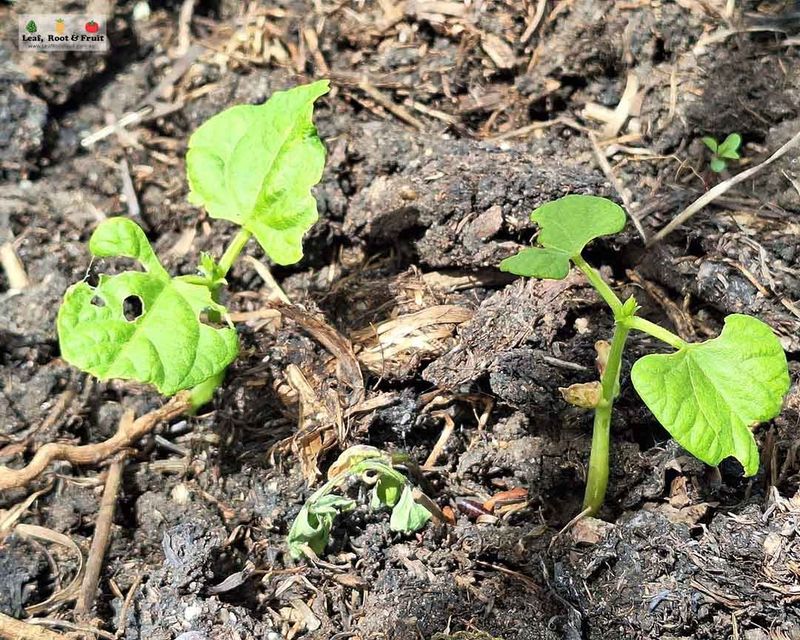
Gardening should feel rewarding, not overwhelming. Starting beans indoors adds a surprising number of steps to the process, including setting up grow lights, finding the right seed-starting mix, watering carefully to avoid damping off, and then hardening off seedlings over the course of a week or more.
All of that happens before you even get to the actual garden. Michigan’s spring weather is famously unpredictable, which makes hardening off especially tricky.
A warm day can turn cold overnight, and a seedling that spent its whole life indoors under controlled conditions is not prepared for that kind of swing.
One late frost or a few nights of unexpected cold can set back weeks of careful indoor work in a single evening.
Direct sowing removes all of those variables at once. You wait until the soil is warm, press your seeds into the ground, water them in, and let nature do the rest.
There are no grow lights to adjust, no trays to water twice a day, and no anxious weather-watching during the hardening-off period. For Michigan gardeners who are juggling busy spring schedules, that simplicity is genuinely valuable.
Fewer steps mean fewer chances for something to go wrong, and beans planted directly in the ground tend to perform just as well or better than anything started indoors. Sometimes the easiest method really is the best one.
7. Direct-Sown Beans Adapt Better To Michigan Conditions
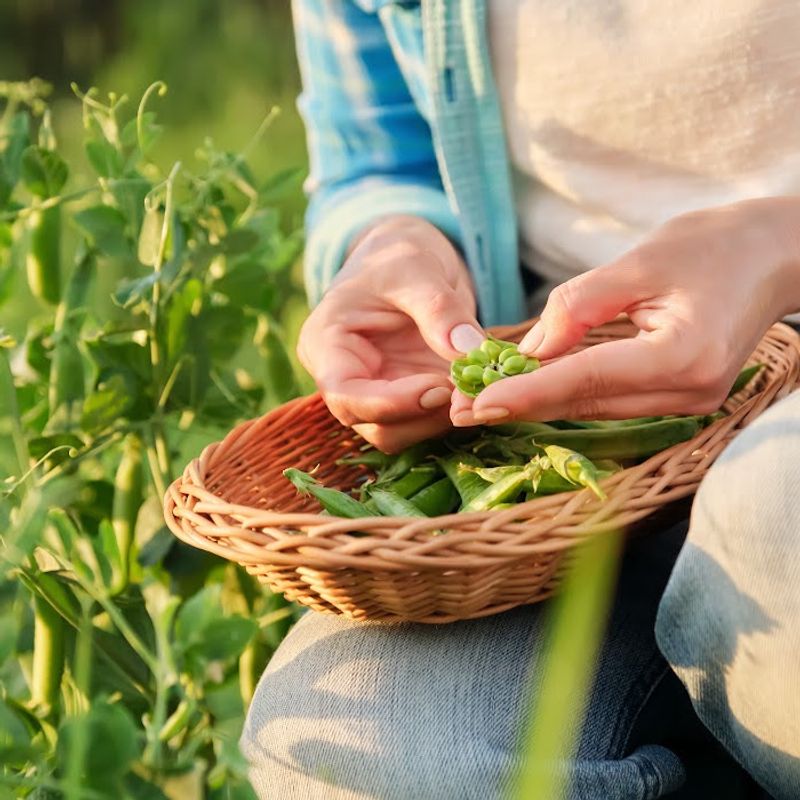
Growing up in the same environment where a plant will spend its entire life gives it a real advantage. Direct-sown beans in Michigan experience the local soil, temperature fluctuations, and moisture patterns from their very first day as seedlings.
That early exposure helps them build toughness and resilience that transplants simply cannot develop indoors under artificial conditions.
Michigan summers bring a mix of hot sunny stretches, sudden rain events, and cool nights that can catch transplanted seedlings off guard. A bean plant that started life inside under grow lights has never experienced direct afternoon sun, wind, or temperature drops.
Even after hardening off, those transplants are playing catch-up in terms of adaptation to real outdoor growing conditions.
Direct-sown plants develop their leaves, stems, and root systems entirely in response to actual Michigan weather. They grow thicker cell walls, stronger stems, and root systems tuned to the specific moisture levels of your garden soil.
Over the course of the season, this adaptation shows up as better drought tolerance, stronger resistance to wind, and more consistent pod production.
Gardeners across Michigan have noticed that direct-sown rows tend to look more uniform and stay healthier throughout the season compared to transplanted sections of the same garden.
Planting seeds directly into Michigan soil is the simplest way to grow beans that are truly built for your backyard from the very beginning.