Should Florida Gardeners Prune Bird Of Paradise Before Spring
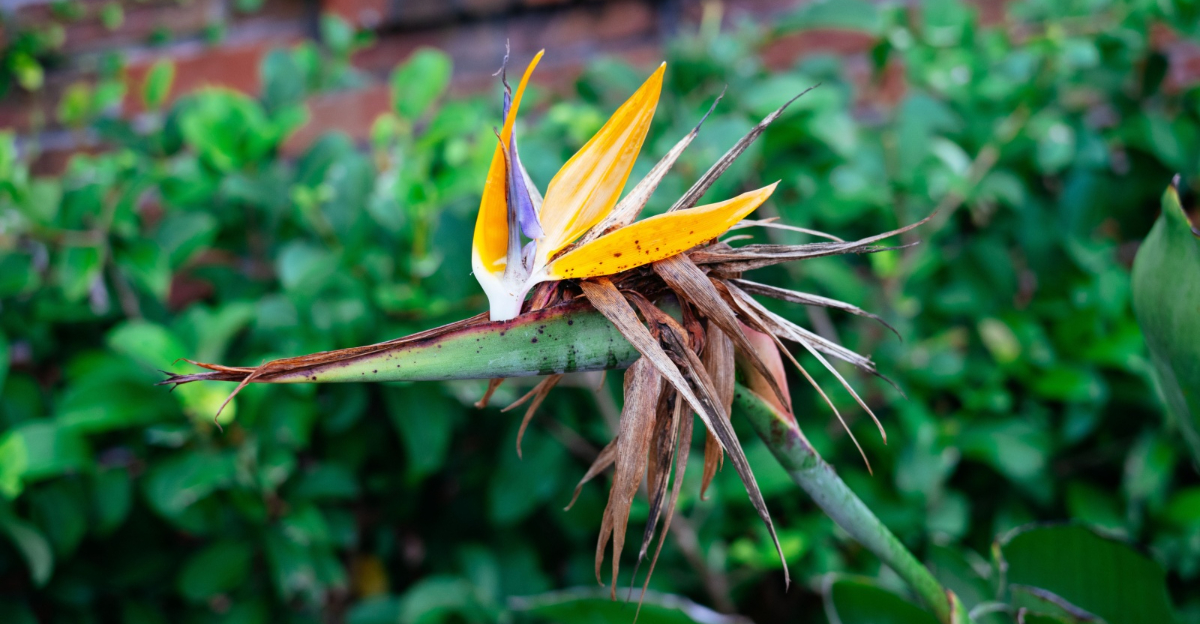
Florida gardeners often think the Bird of Paradise is tough enough to survive anything, but a single wrong cut can stop it from blooming all season. That warm February sunshine tempts you to start tidying the yard, but pruning too early is risky.
Open cuts leave the plant vulnerable to sudden cold snaps, shocking its core and slowing growth. Cutting away withered flower stalks is fine to keep the garden neat, but shaping the plant takes patience.
Watch which stems are healthy and which leaves are drooping, and hold back until the right moment.
Waiting pays off: the Bird of Paradise bursts into bright orange and electric blue blooms right on schedule, turning your garden into a tropical showpiece that makes every neighbor stop and stare.
1. Skip Heavy Pruning Before Spring
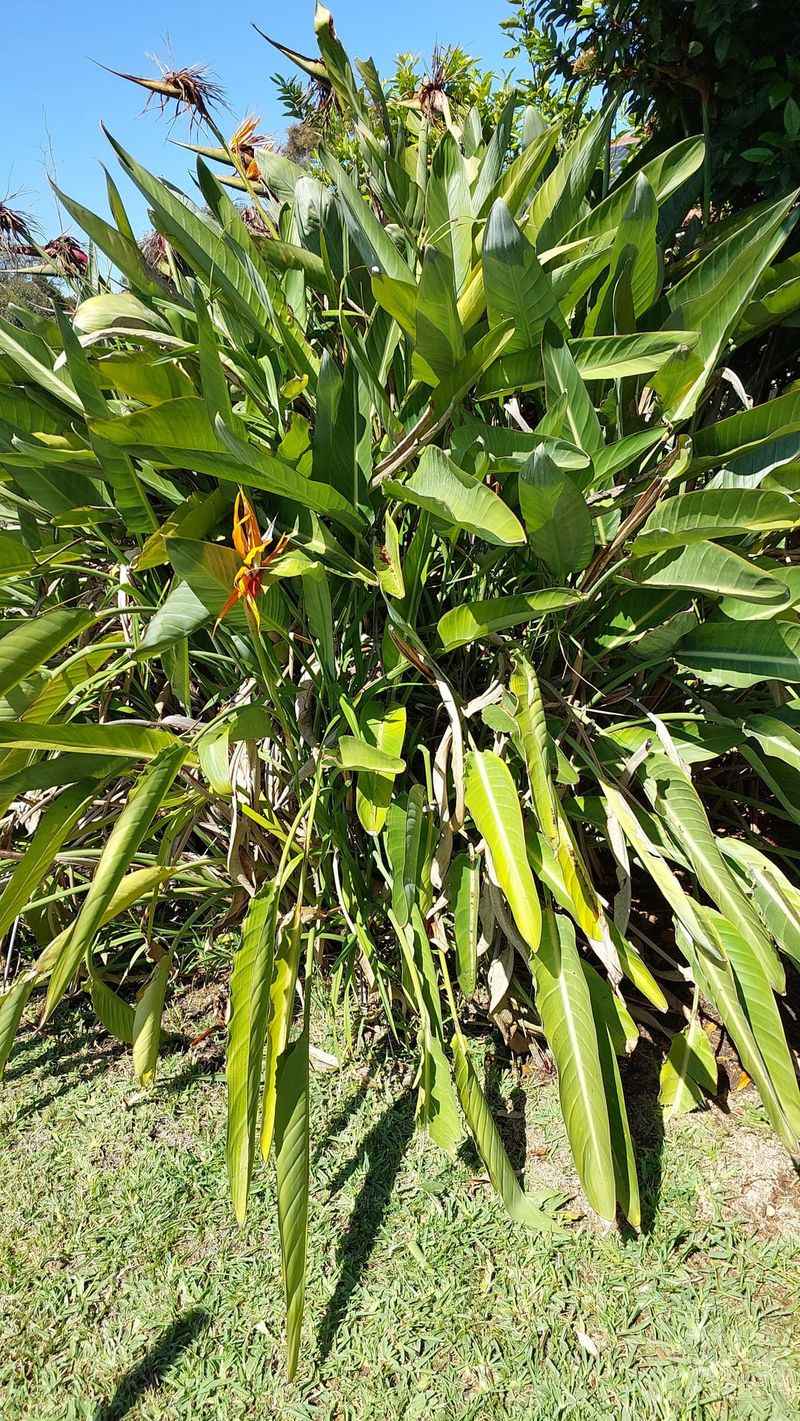
Every spring, gardeners across Florida feel the urge to cut things back hard, reshape overgrown beds, and start fresh. When it comes to bird of paradise, though, that impulse can actually work against you.
Heavy pruning before the growing season is one of the most common mistakes Florida gardeners make with this plant.
According to the University of Florida IFAS Extension, bird of paradise grows from a clumping base and does not respond well to aggressive cutting. Removing large amounts of foliage right before spring strips away the healthy leaves the plant needs to fuel new growth and flowering.
The energy stored in those green leaves is exactly what pushes out fresh blooms when warm weather arrives.
Strelitzia reginae, the classic orange-flowered species most common in Florida landscapes, actually blooms more reliably when its foliage is left mostly intact. Light cleanup is the smarter approach.
Instead of cutting broadly, focus only on what truly needs to go. Florida’s mild winters mean bird of paradise rarely suffers the kind of damage that would justify heavy cutting.
Resist the shears, and your plant will reward you with a stronger, more vibrant spring show than you might expect.
2. Remove Old Leaves At The Base
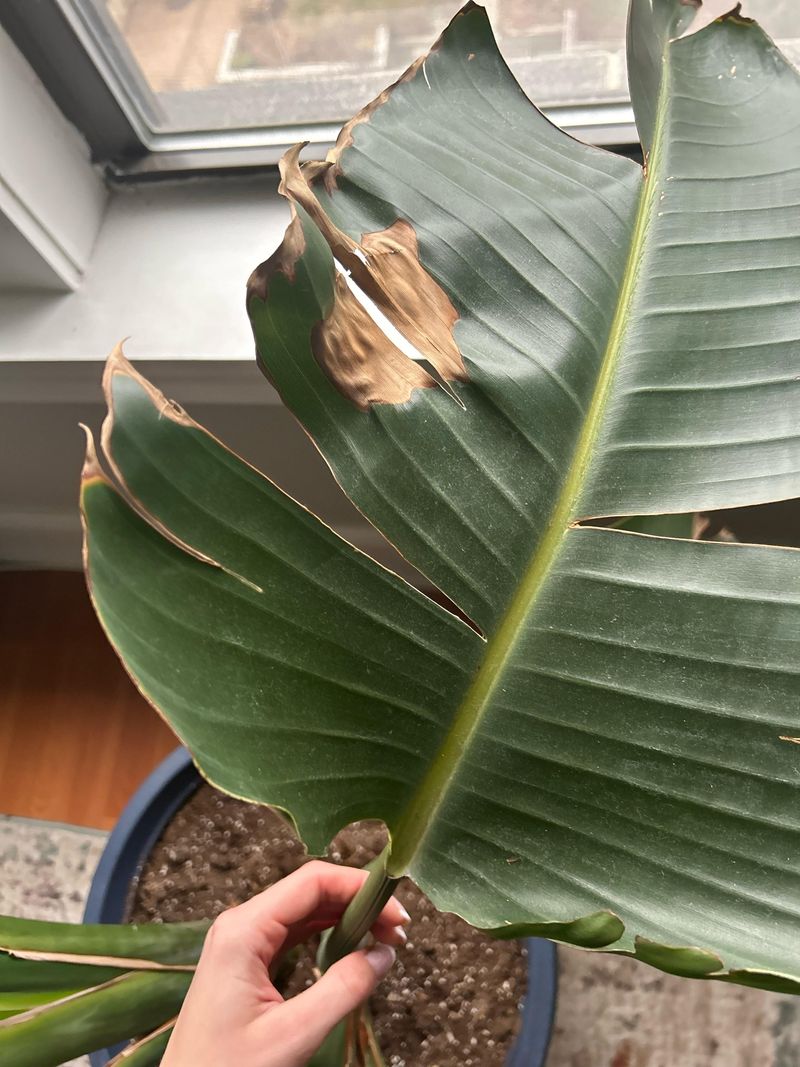
Over time, even the healthiest bird of paradise develops a few leaves that have simply run their course. They hang low, look tattered, and drag down the overall appearance of an otherwise gorgeous plant.
Removing these aging leaves is one of the most rewarding and straightforward tasks you can do before spring arrives in Florida.
The right technique matters here. Rather than snipping a leaf partway up the stem, cut as close to the base as possible without damaging the surrounding growth.
A clean cut near the base reduces the chance of disease entering through a ragged stub and keeps the clump looking neat and intentional rather than hacked at randomly.
Removing old foliage also improves airflow through the clump. Florida’s humidity can encourage fungal problems when withered or decaying leaves are left to sit against healthy stems.
Clearing them out lets air move freely, which keeps the plant healthier through the warm, wet months ahead. As a bonus, tidying up the base makes it much easier to spot new shoots pushing up from the soil, which is one of the most encouraging signs that your bird of paradise is ready to perform all spring and summer long.
Your Florida Garden Changes Every Week. Your Plan Should Too.
Gardening in Florida changes quickly throughout the season. Every Friday you’ll receive a simple weekly plan showing exactly what to plant, prune, fertilize, harvest, and protect so you never miss the right timing.
3. Cut Spent Flower Stalks Cleanly
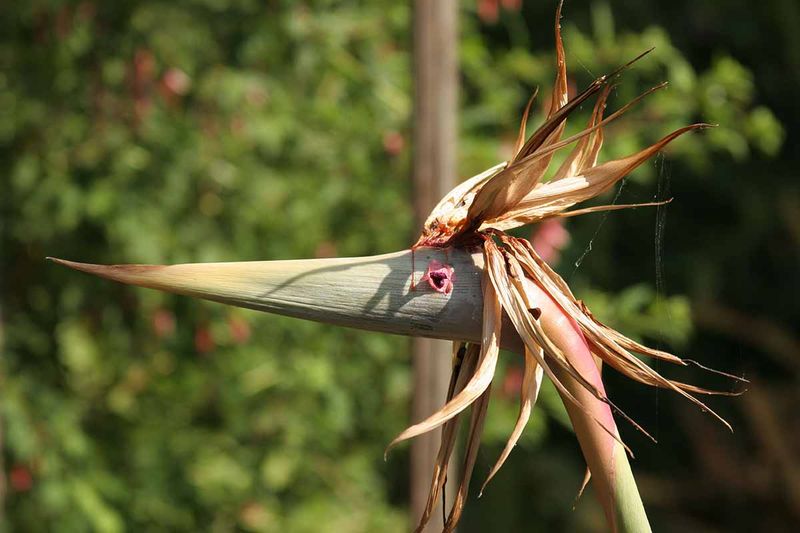
After a bird of paradise bloom fades, the stalk it grew on has finished its job. Leaving old stalks standing does nothing for the plant and actually pulls attention away from the fresh growth trying to emerge.
Cutting them off cleanly is a simple step that makes a surprisingly big visual difference.
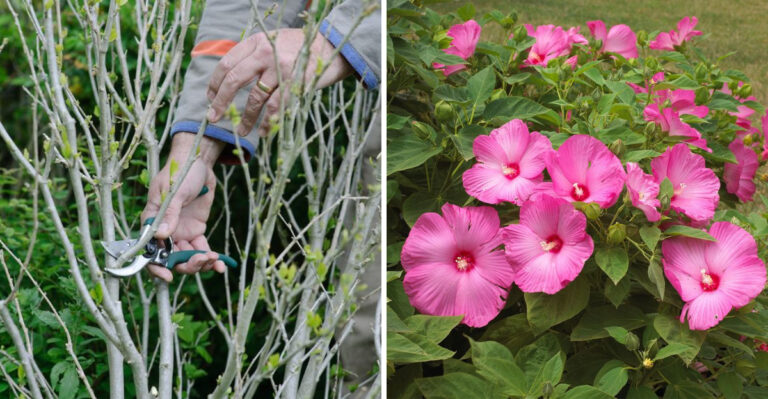
Snip spent stalks as close to the base as you comfortably can without disturbing neighboring shoots. Using a single, decisive cut rather than sawing back and forth reduces tissue damage and speeds up the plant’s recovery.
Florida’s growing season starts early compared to most of the country, so getting those old stalks out of the way gives new flower shoots a clear path upward without any competition from spent material.
Removing old flower stalks also redirects the plant’s energy in a meaningful way. Instead of maintaining withering floral tissue, the plant can pour its resources into producing the next round of blooms.
Bird of paradise in Florida can flower multiple times throughout the year under the right conditions, and regular removal of spent stalks encourages that cycle to continue. It is a small habit that pays off with more flowers and a tidier, more polished garden bed through the entire growing season.
4. Clear Yellow And Damaged Foliage
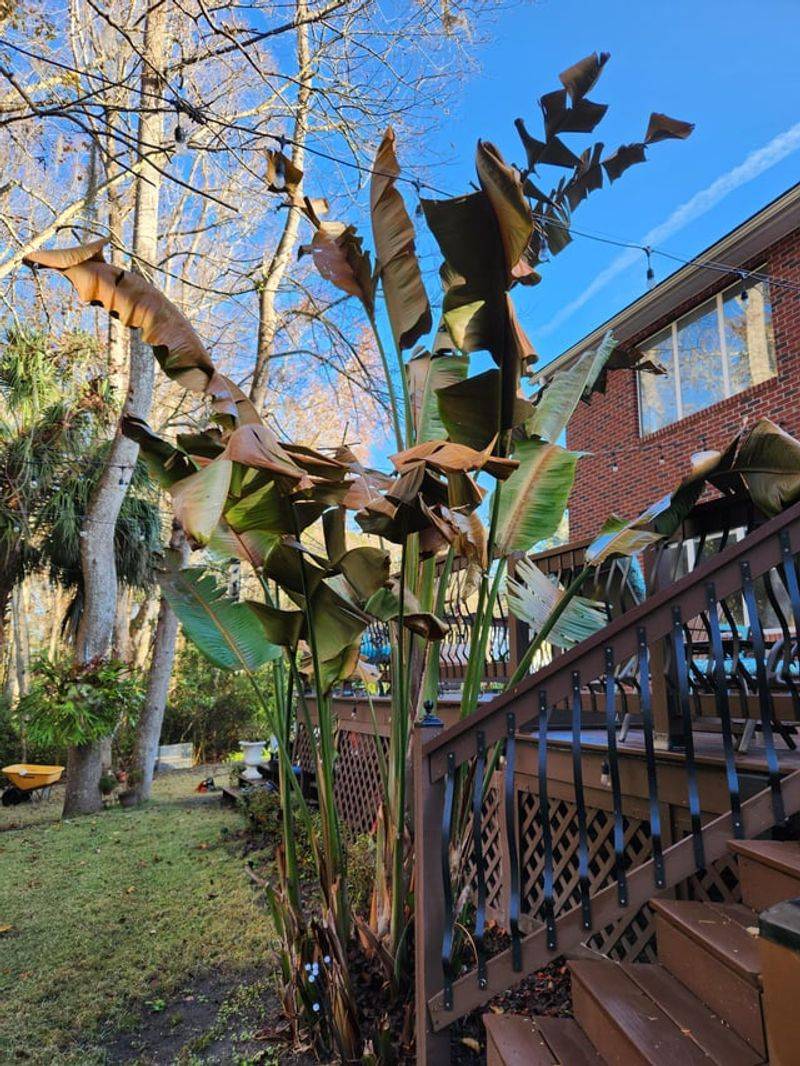
Winter in Florida is mild compared to most states, but it still leaves its mark on bird of paradise. After a few cold nights or a stretch of dry weather, you will often spot leaves that have turned yellow, split along the edges, or developed brown patches that spread inward from the tips.
These are clear signals that the foliage has passed its useful life.
Yellowing leaves are usually the easiest to identify. They lose their rich green color, go limp, and eventually begin to look almost translucent.
Torn or tattered leaves are just as straightforward: if the blade is more than halfway damaged, it is not contributing much to the plant’s photosynthesis and is better removed. The tricky call comes with leaves that are only slightly discolored at the tip.
A leaf that is mostly healthy with minor tip burn can stay, since it is still doing productive work for the plant.
Always make your cuts clean and decisive. Pulling or tearing damaged leaves can stress nearby growth and leave behind ragged tissue that invites problems.
In Florida’s warm, humid climate, any open wound on a plant should be as small and clean as possible to reduce the window for fungal issues to take hold before the spring growing season is fully underway.
5. Thin Crowded Stems Lightly
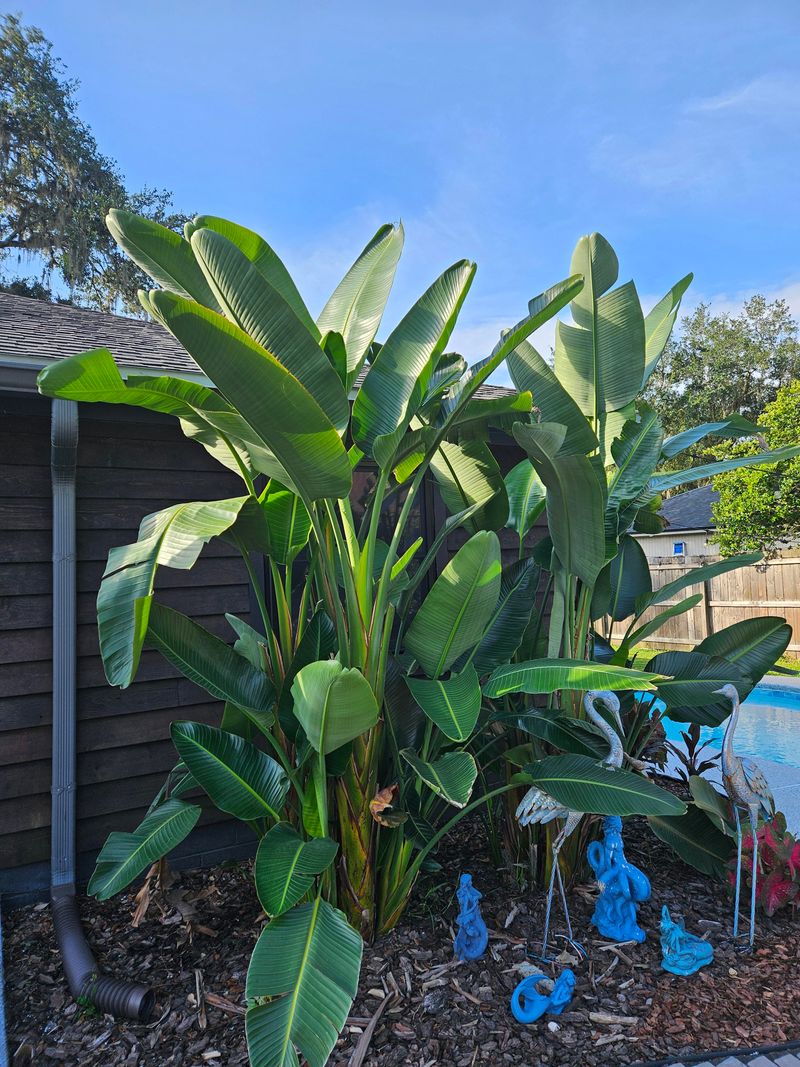
After several years of growth, bird of paradise can develop into a seriously impressive clump. That density is part of its charm, but it can also become a problem if the center of the plant gets so packed that light and air struggle to reach the inner stems.
Light thinning before spring is a practical way to address this without putting the plant under unnecessary stress.
The goal is not to reshape the plant dramatically but to open it up just enough for air to circulate. Select a handful of the oldest, thickest stems that are no longer producing fresh leaves or blooms.
Cut them as low as possible, and then step back to assess before removing anything else. A good rule of thumb from horticultural sources is to never remove more than one-third of the plant’s total foliage at any single pruning session.
Florida’s heat and humidity make good airflow especially valuable. Dense, crowded clumps can trap moisture against stems, creating conditions where pests and fungal issues thrive.
Thinning lightly also encourages the plant to push up new shoots from the base, which is exactly the kind of vigorous growth you want to see heading into spring. New shoots are a strong sign that your bird of paradise is healthy and building toward another great flowering season.
6. Leave Healthy Green Leaves In Place
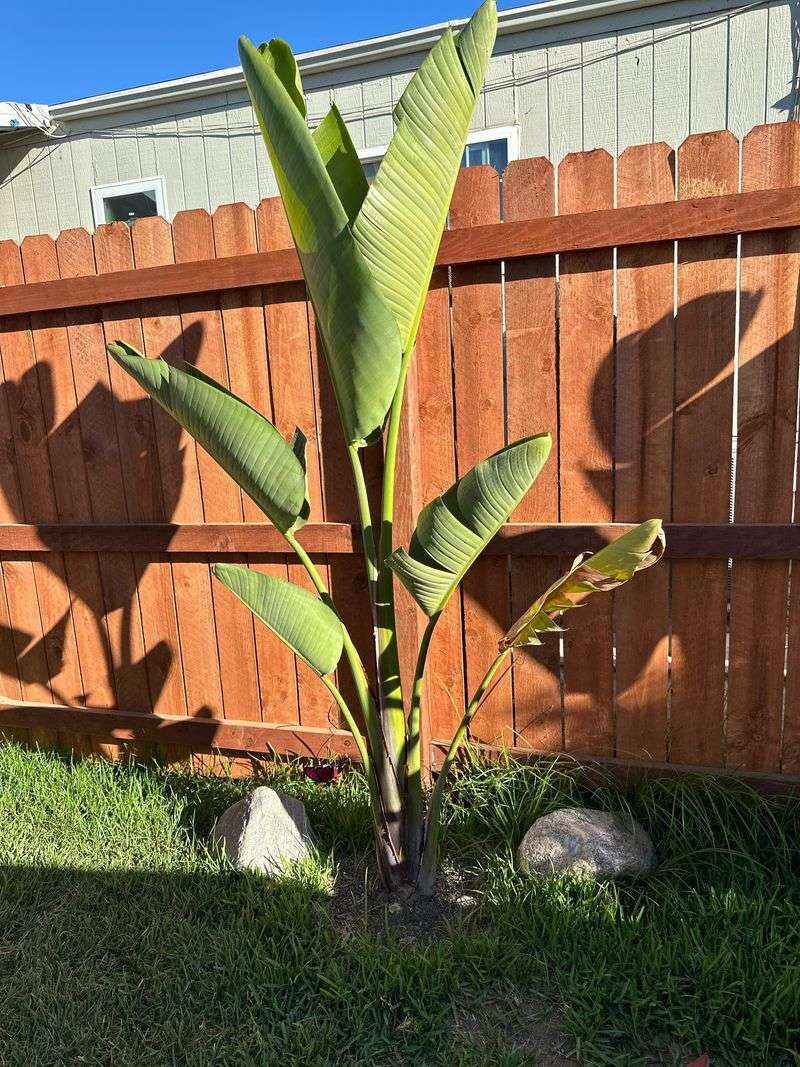
Sometimes the most important pruning decision is knowing what not to cut. Healthy, fully green bird of paradise leaves are the engine that powers everything else the plant does, from storing nutrients to converting sunlight into the energy needed for flowering.
Removing them unnecessarily is one of the most common ways gardeners accidentally slow down their plants.
Photosynthesis happens in those broad, glossy blades, and the more surface area the plant retains, the more efficiently it can fuel new growth when spring temperatures rise in Florida. A bird of paradise that heads into the active growing season with a full set of healthy leaves is simply better equipped to produce strong stems and vibrant blooms than one that has been over-trimmed.
The temptation to tidy up everything at once is understandable, especially after a long winter of watching the garden sit quietly. But a quick visual check is all you really need: if a leaf is upright, fully green, and free from significant damage, it earns its place on the plant.
Florida gardeners who resist the urge to over-trim are often rewarded with earlier and more abundant flowering. Trust the plant’s natural structure, and only reach for the shears when there is a clear and specific reason to do so.
7. Tidy Frost Damaged Growth
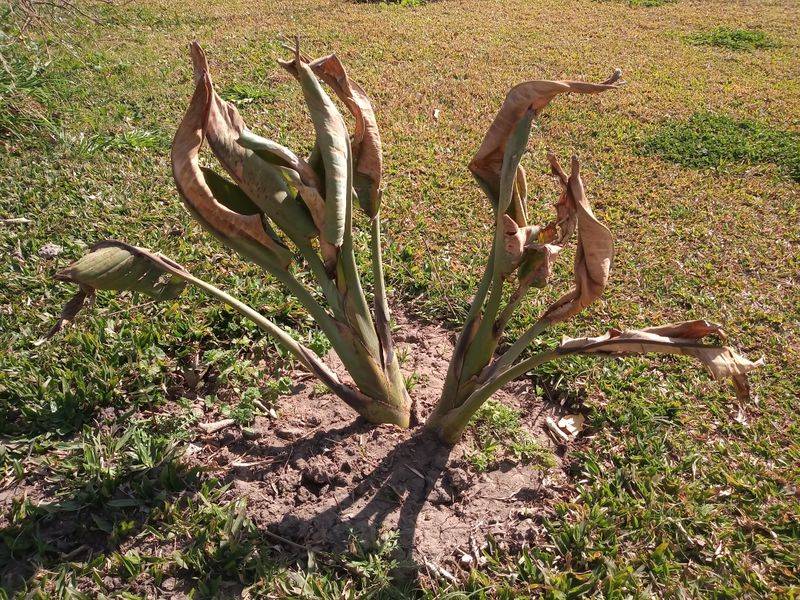
Florida is not immune to cold snaps, and bird of paradise feels them. Even in South and Central Florida, an unexpected dip below 32 degrees Fahrenheit can leave foliage looking brown, blackened, or limp almost overnight.
The damage is often more cosmetic than serious, but it still needs attention before the plant heads into active spring growth.
Patience is the most important tool for handling frost damage. Trimming too soon, while temperatures are still unpredictable, can expose tender new tissue to another cold night and create more damage than the original frost caused.
Wait until nighttime temperatures are consistently staying above 40 degrees Fahrenheit before removing frost-affected leaves. In most parts of Florida, that window arrives by late February or early March.
When you are ready to trim, cut back only the visibly damaged portions. If a leaf is brown only at the tip, cut just below the damaged section and leave the rest.
If the entire leaf blade is affected, remove it at the base. Frost-damaged tissue that is left in place can become an entry point for disease, especially once Florida’s warm, moist spring weather settles in.
A little careful tidying at the right moment keeps the plant clean, healthy, and fully prepared to push out a fresh flush of growth as the season changes.