Plant These In South Florida Now Before May Heat Hits
South Florida gardens do not wait politely for summer. One week the mornings feel gentle, and the next you are sweating before the hose even uncoils.
That is why planting before May matters. This short window gives roots a head start before the soil heats up, rain patterns shift, and young plants need extra babysitting.
Pick the right flowers, vegetables, herbs, vines, natives, and groundcovers now, and your yard has a much better shot at staying colorful and productive when the weather turns heavy. The trick is not planting everything.
It is choosing plants that actually like South Florida’s warm season and can settle in before the hardest heat arrives. A little planning now can save a lot of wilted leaves, missed harvests, and “why did I wait?” regret later.
1. Plant Heat Tolerant Annuals Before Temperatures Spike
Color is one of the easiest ways to make a South Florida garden feel alive, and heat tolerant annuals give you quick results before the sticky season settles in.
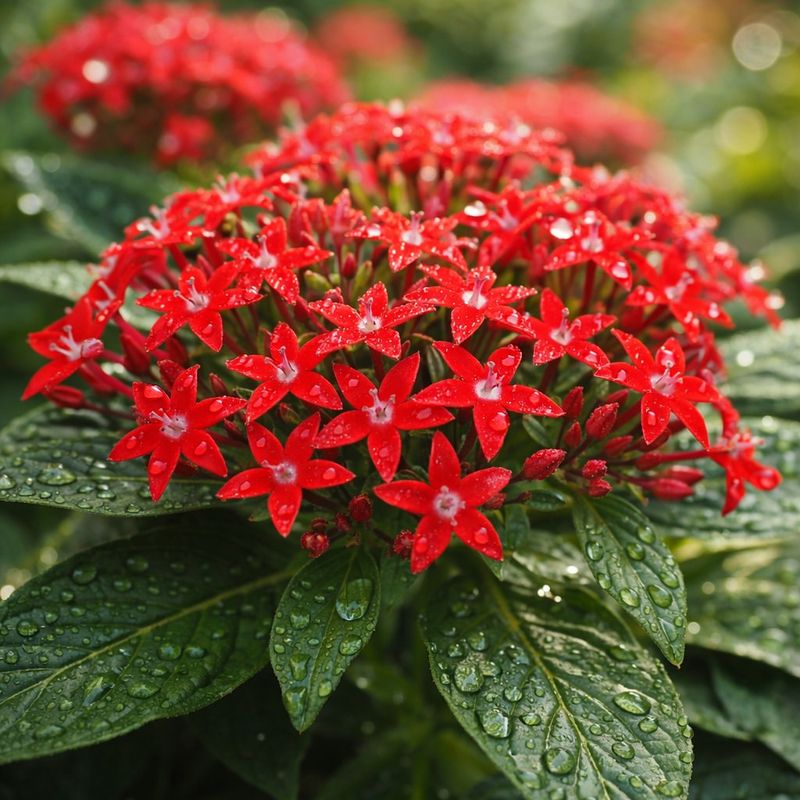
Planting vinca, pentas, zinnias, and marigolds now gives roots time to spread while temperatures are still more forgiving.
That early start usually means fuller plants, steadier blooms, and less struggle once May afternoons turn harsh. One thing many gardeners learn the hard way is that not every pretty flower can handle South Florida heat with grace.
Annuals that thrive here tend to like full sun, fast draining soil, and regular water during their first few weeks.
If your beds stay soggy after rain, mix in compost and loosen compacted soil before planting.
I also like spacing these flowers a little more generously than the nursery tag suggests. Better airflow helps plants stay cleaner and stronger when humidity climbs, and it keeps crowded beds from looking worn out too quickly.
A light layer of mulch around each plant helps the soil hold moisture without turning muddy.
For the brightest display, group colors in simple blocks instead of scattering singles around the yard.
That approach looks more polished, and it makes maintenance easier because plants with similar sun and water needs stay together.
Deadheading spent blooms can stretch the show even longer, especially on zinnias and marigolds.
If you want easy impact in South Florida right now, this is a smart place to begin.
You get fast color, a longer bloom season, and a garden that looks prepared instead of stressed when the May heat arrives.
A few flats planted today can completely change how your landscape feels in just a couple of weeks.
2. Start Tropical Perennials While Soil Is Still Mild
Tropical perennials bring the bold, leafy look people love in South Florida, but they establish more smoothly when planted before the ground starts holding intense daytime heat.
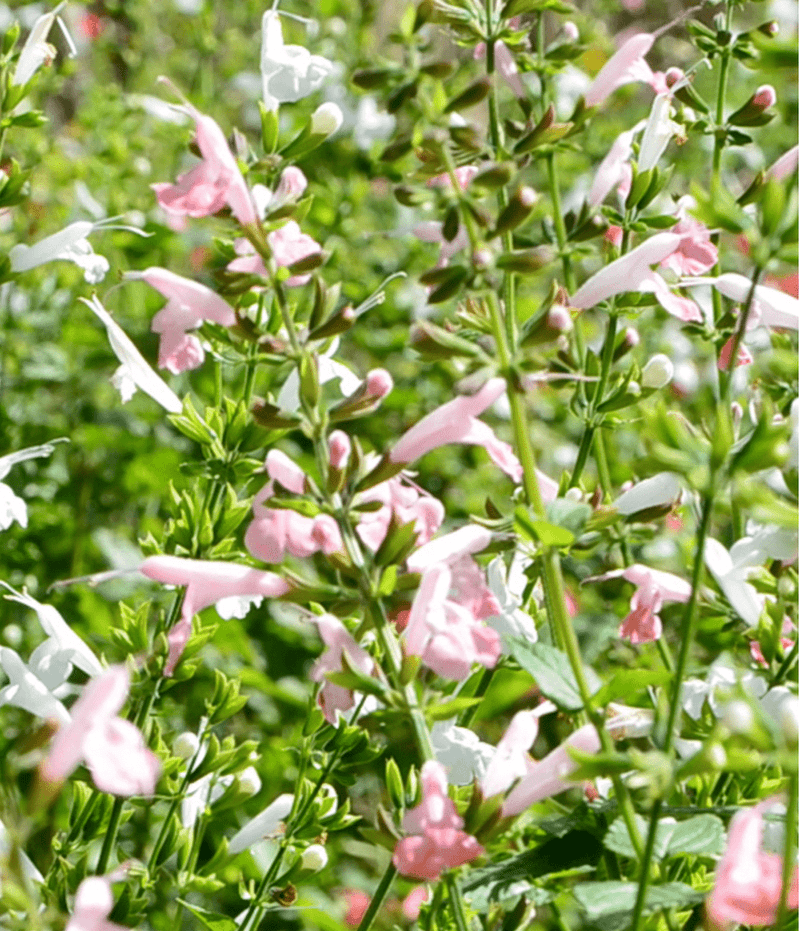
Varieties like canna, salvia, porterweed, and firespike can settle in faster now and reward you with stronger growth later.
That timing matters because young roots need a little breathing room before summer weather turns relentless.
Unlike quick annuals, perennials are a longer investment, so site choice really counts.
Your Florida Garden Changes Every Week. Your Plan Should Too.
Gardening in Florida changes quickly throughout the season. Every Friday you’ll receive a simple weekly plan showing exactly what to plant, prune, fertilize, harvest, and protect so you never miss the right timing.
Watch your yard for a few days and notice where the sun lands in morning, midday, and late afternoon.
Some tropical bloomers enjoy full sun, while others look fresher with a bit of shade during the hottest part of the day. Before planting, work compost into the bed and water deeply to moisten the root zone.
In sandy South Florida soil, organic matter helps roots hold moisture without staying swampy after heavy rain.
I also like to dig the hole two or three times wider than the root ball so new roots can move outward easily. Once the plant is in place, keep the crown at the same level it was in the container.
Planting too deep can slow growth, especially when humid weather arrives and the soil stays warm overnight.
A mulch ring helps regulate moisture, but keep it a few inches away from stems.
Getting tropical perennials started now pays off all season.
By the time May and June settle over South Florida, your plants are not just surviving, they are already anchored, leafing out, and ready to carry the garden through long hot weeks.
That head start often means fewer weak spots in the landscape and a much more confident display.
3. Add Fast Growing Vegetables Before Summer Stress
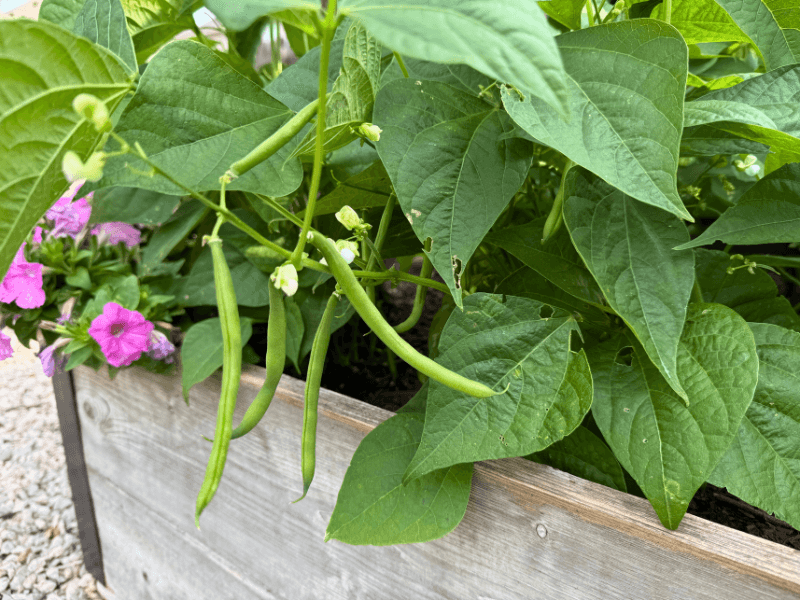
Vegetable gardens in South Florida can be incredibly productive, but timing is everything when warm weather starts speeding toward summer.
Fast growers like bush beans, summer squash, okra, southern peas, and melons make the most of this short planting window.
If you wait too long, blossoms and tender young plants can struggle once the heat and humidity rise together.
Right now, the goal is to choose crops that mature quickly and can produce before weather stress slows them down. Seed packets may list days to harvest, but local conditions matter just as much as the number on the label.
In South Florida, a strong start in mild spring soil can be the difference between a useful harvest and a frustrating one.
I like to prepare beds with compost, a balanced vegetable fertilizer, and enough spacing so leaves dry quickly after rain or irrigation.
Crowded plants often become messy in warm, damp weather, especially when air movement is poor. Compact trellises for beans also keep fruit cleaner and easier to spot.
Watering deeply in the morning helps vegetables settle in without encouraging soggy conditions all day.
A two inch layer of mulch keeps roots cooler and reduces splashback from heavy watering or sudden rain.
Check plants often, because quick growers can go from seedling to harvest stage faster than expected.
For gardeners who want fresh food before South Florida summer starts pushing back, this is a practical move. You are giving your vegetables the best part of the season instead of asking them to perform during the hardest part.
That shift alone can make the whole garden feel more successful, more generous, and much easier to enjoy.
4. Set Out Pepper And Okra Plants For Early Harvests
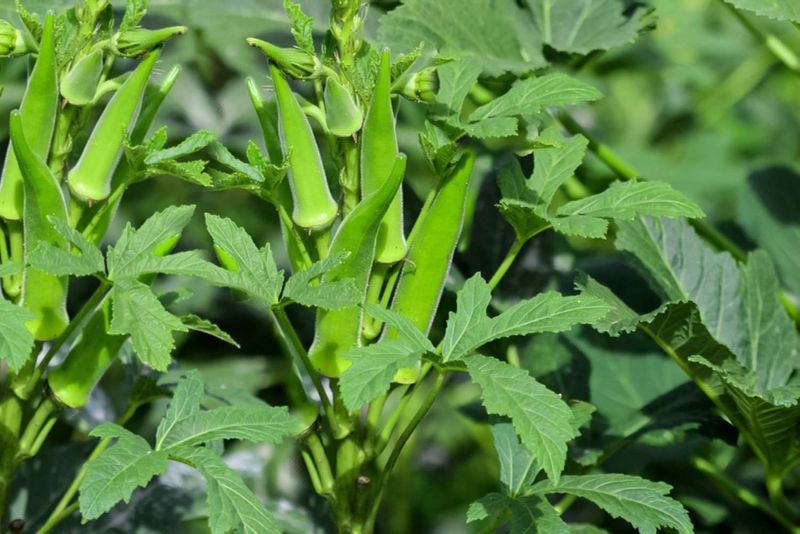
Okra is a strong warm-weather choice in South Florida, while peppers can still work in spring if planted early and kept evenly watered.
Both enjoy warmth, but young transplants benefit from getting established while conditions are still a little gentler.
That early head start can lead to stronger stems, earlier flowers, and a more dependable harvest.
Peppers like rich, well drained soil and plenty of sun, though they appreciate even moisture while settling in.
Okra is famously tough once it gets going, but it also performs better when roots are not rushed through extreme early stress.
Plant both in a spot with good airflow, because humid South Florida gardens can feel crowded fast.
When setting out pepper plants, avoid packing them too close together just to fit more into a bed. A little extra spacing improves air circulation and makes harvesting easier when fruits begin forming.
For okra, remember that small seedlings turn into tall, broad plants before you know it, so give them room from day one.
Mulch helps both crops by holding steady moisture and keeping soil from drying too quickly in bright sun.
I also recommend staking peppers early, since heavy fruit can bend branches later in the season. With okra, harvest pods while they are still tender, because waiting too long can make them less enjoyable in the kitchen.
If you want your edible garden to feel productive before full summer arrives in South Florida, this pairing is hard to beat.
Peppers bring color and flavor, while okra keeps producing through hot stretches that slow down other crops.
Plant them now, stay consistent with water, and you will likely be glad you got ahead of the season.
5. Plant Sweet Potatoes For Strong Warm Season Growth
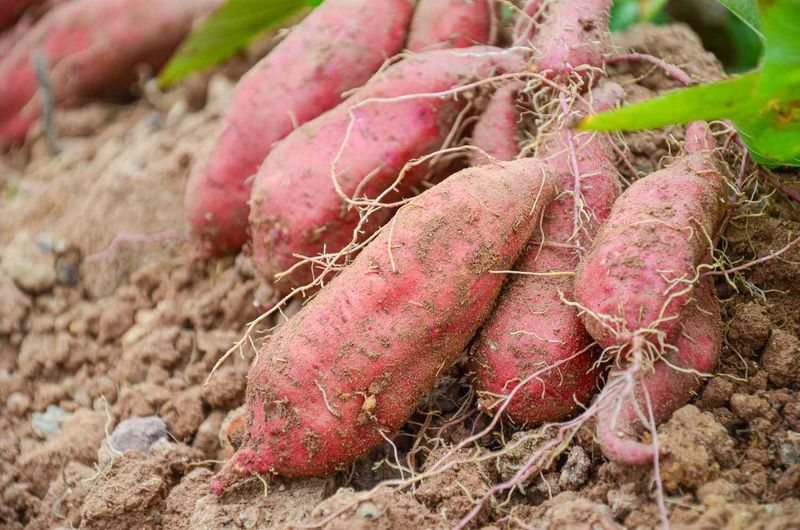
Sweet potatoes can be a good warm-season choice in South Florida, especially when started before the harshest summer heat.
Unlike some crops that fade when summer conditions intensify, sweet potatoes often lean right into the warmth once established.
That makes them a smart choice if you want something productive and low fuss during the long warm season. Start with slips or healthy starts rather than waiting around and losing valuable time.
Choose a sunny spot with loose soil, because sweet potatoes need room to expand underground without fighting heavy compaction.
If your yard has dense or rocky areas, raised beds or mounded rows can make a big difference.
One mistake people make is overfeeding with high nitrogen fertilizer, which can push leafy growth at the expense of the roots you actually want.
A moderate feeding plan and compost rich soil usually work better than trying to force rapid growth.
Consistent moisture matters early on, but the bed should still drain well after heavy South Florida rain. As vines begin to spread, they can help shade the soil and reduce moisture loss.
That living cover is useful in warm climates, though you will still want to keep weeds from crowding young plants at the start.
Mulch between rows can help until the foliage fills in. For gardeners looking ahead to summer, sweet potatoes offer both beauty and usefulness.
The trailing vines soften the look of the garden, and the harvest later on feels like a real reward for planning at the right time.
In South Florida, planting now gives them the long runway they love.
6. Choose Native Plants That Handle Rising Heat
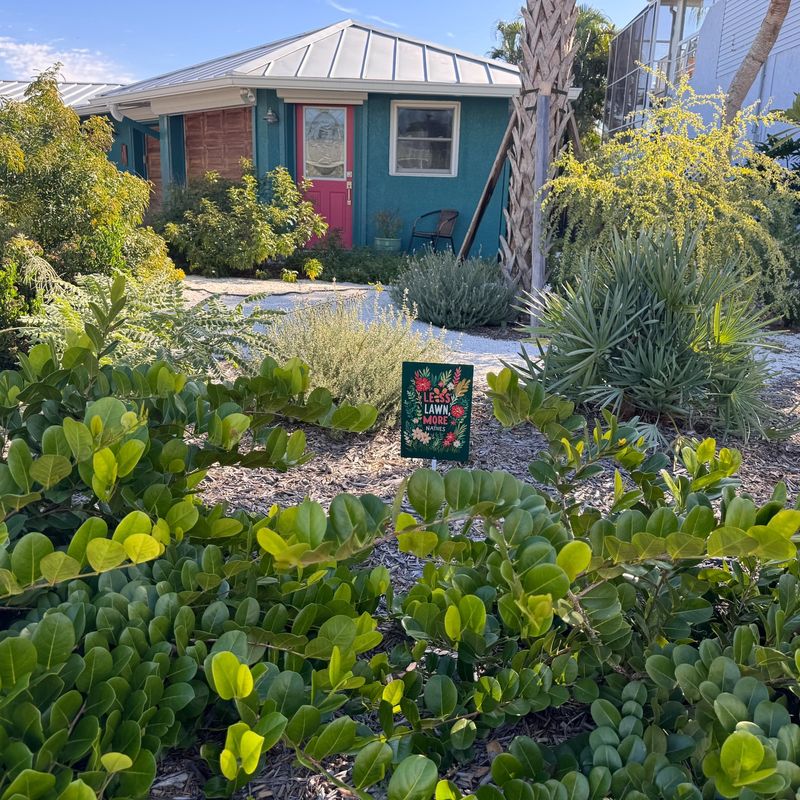
When the forecast starts climbing, native plants become some of the smartest choices you can make in South Florida.
They are already adapted to local swings in heat, humidity, rainfall, and sandy soil, which often means less babysitting once established.
That does not make them maintenance free, but it does make them more naturally prepared for what is coming.
Firebush, coontie, muhly grass, coreopsis, and beautyberry are just a few options worth considering. Each brings something useful, whether you want color, texture, pollinator appeal, or a cleaner look that still feels regional and relaxed.
Using natives also helps your yard fit the South Florida landscape instead of fighting against it.
Before planting, match the right native to the right spot rather than assuming every local plant likes the same conditions.
Some handle salt and blazing sun, while others prefer a little protection or better moisture.
Reading the plant tag is helpful, but checking local extension guidance can save you from expensive guesswork.
I like combining taller natives with lower spreading ones so the bed looks layered from the start.
That mix can reduce bare patches, shade the soil, and make the planting feel intentional rather than sparse.
A simple mulch layer around new plants also helps conserve moisture during their first stretch in the ground. If you want a landscape that keeps looking good as temperatures rise, native plants are an easy answer.
They bring resilience, support local wildlife, and often need fewer corrections later because they belong in this climate.
In South Florida, that kind of built in compatibility can make the entire garden feel calmer and more dependable.
7. Establish Herbs That Thrive In Hot Weather
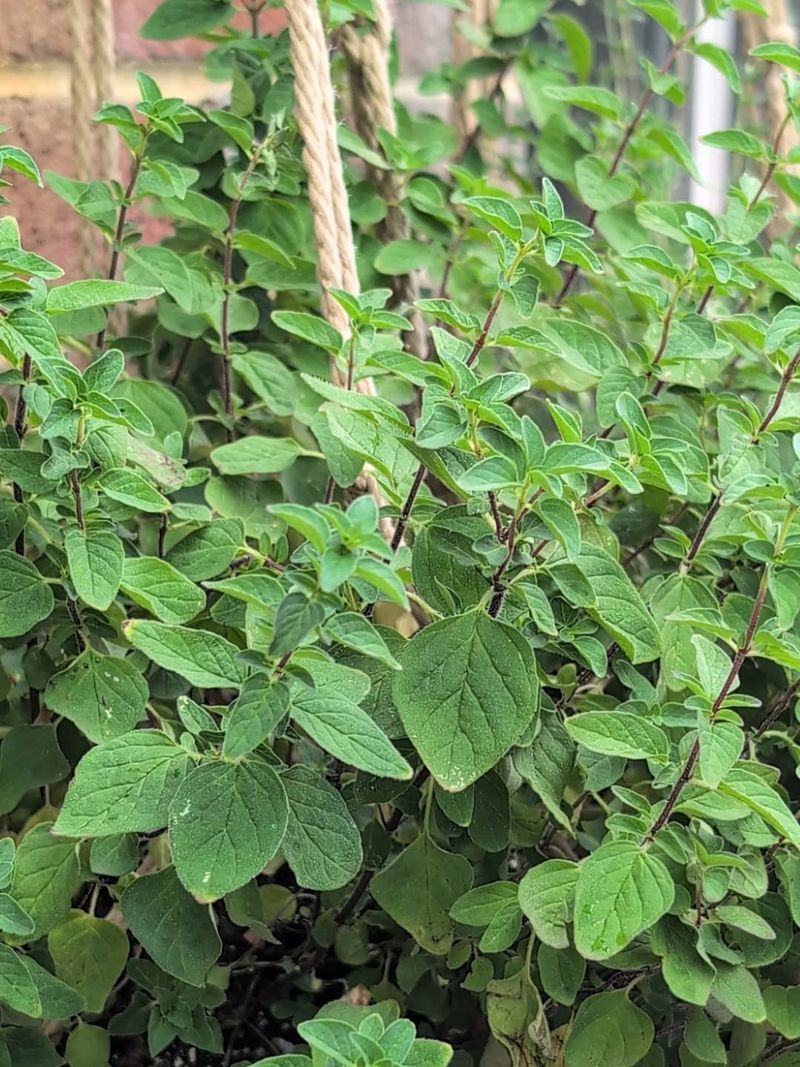
Herbs are one of the most satisfying things to plant right now in South Florida because they are useful, fragrant, and often easier than people expect.
The key is choosing kinds that can handle warmth instead of forcing cool season favorites to push through rising temperatures.
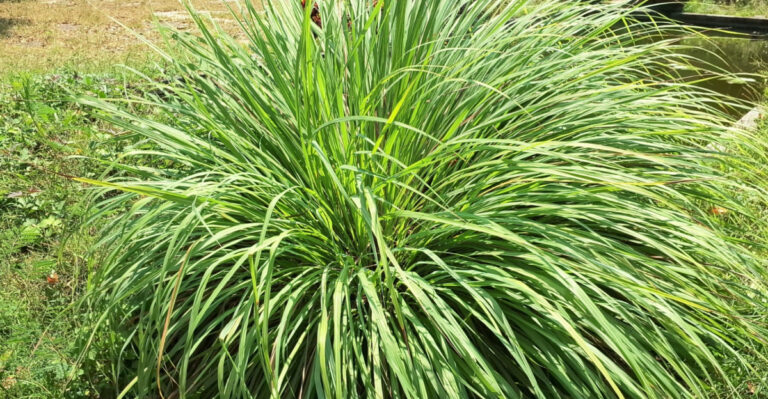
Basil, rosemary, oregano, lemongrass, and Cuban oregano are all strong contenders for this stretch of the year.
Planting before May gives roots time to settle, especially in containers that heat up faster than in ground beds.
If you garden on a patio or small space, herbs are a great way to get quick wins without a major setup. Just make sure pots drain well and are large enough to keep moisture from disappearing too fast.
Basil likes regular harvesting, and pinching the tips early helps plants branch into fuller mounds.
Rosemary prefers good drainage and not too much fuss once established, while lemongrass appreciates warmth and room to expand.
In South Florida, morning sun with a little afternoon relief can be especially helpful for potted herbs.
I always recommend placing herbs close to the kitchen door if possible. When they are easy to reach, you are more likely to use them, trim them, and notice problems before they become frustrating.
A light mulch layer in garden beds can also steady moisture and keep roots more comfortable.
Few plantings pay off faster than fresh herbs you can clip whenever dinner needs a boost.
Starting them now means stronger plants by the time summer settles over South Florida, and that can keep your garden both beautiful and practical.
For small spaces, busy schedules, and everyday cooking, they are hard to beat.
8. Get Flowering Vines Started Before Intense Sun
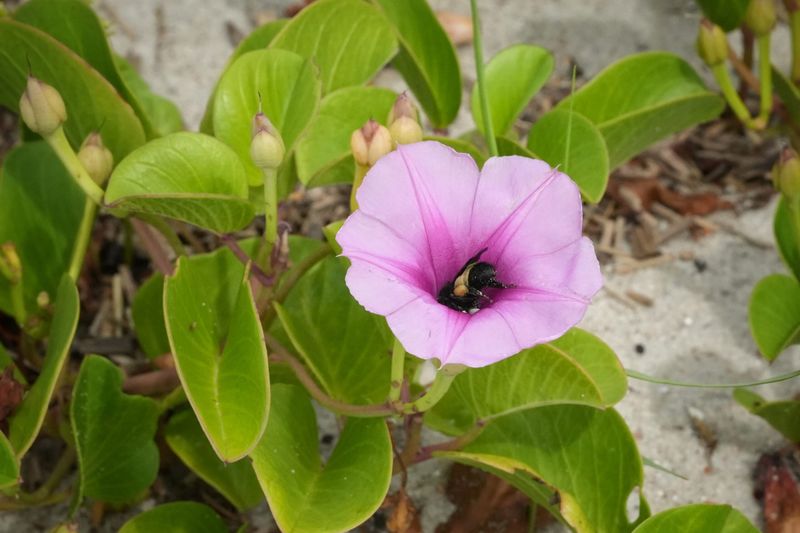
Flowering vines can turn a plain fence, mailbox area, or trellis into one of the prettiest parts of a South Florida yard.
Planting them now gives the roots a chance to anchor before intense sun and hot winds make tender new growth work harder. That early establishment often leads to quicker coverage and a much better looking display by summer.
Mandevilla and passionflower are popular choices, though the best pick depends on your space and support structure.
Some vines climb aggressively, while others need more guidance and tying as they grow.
It helps to know how much room you really have before a small nursery plant turns into a sprawling statement.
Good support matters from the start, so install a sturdy trellis or wires before planting day.
Trying to add structure later can disturb roots and make training the stems more awkward than it needs to be.
In South Florida, strong afternoon storms are another reason to choose supports that can handle extra weight. Water consistently for the first few weeks, then adjust based on rainfall and the plant’s pace.
A mulch ring helps keep the root zone cooler, especially where reflective walls or pavement increase heat around the planting area.
If growth seems thin, a light feeding during the active season can help the vine fill out.
For quick vertical color, flowering vines are a smart move before the season turns harsher. They soften hard surfaces, add privacy, and make small yards feel more lush without taking much ground space.
In South Florida, that combination of beauty and function is especially useful when every sunny corner counts.
9. Add Mulch-Loving Groundcovers Before Soil Dries Out
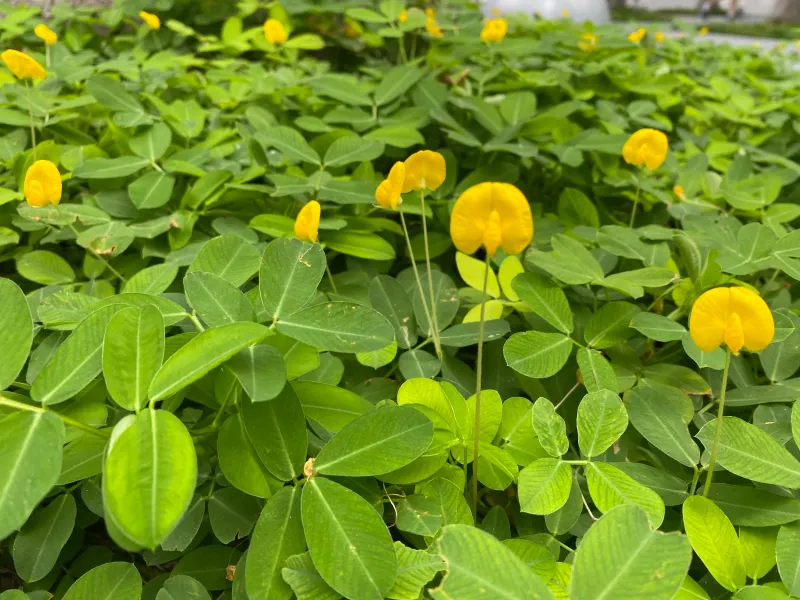
Groundcovers do more than fill empty spaces, especially in South Florida where bare soil can heat up and dry out fast once late spring arrives.
Planting them now gives young plants time to spread while moisture is easier to manage and the sun is a little less punishing.
That head start can turn patchy problem areas into cooler, greener parts of the yard.
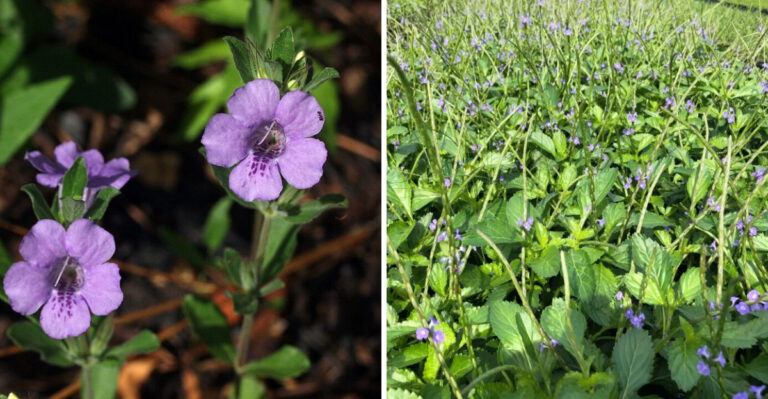
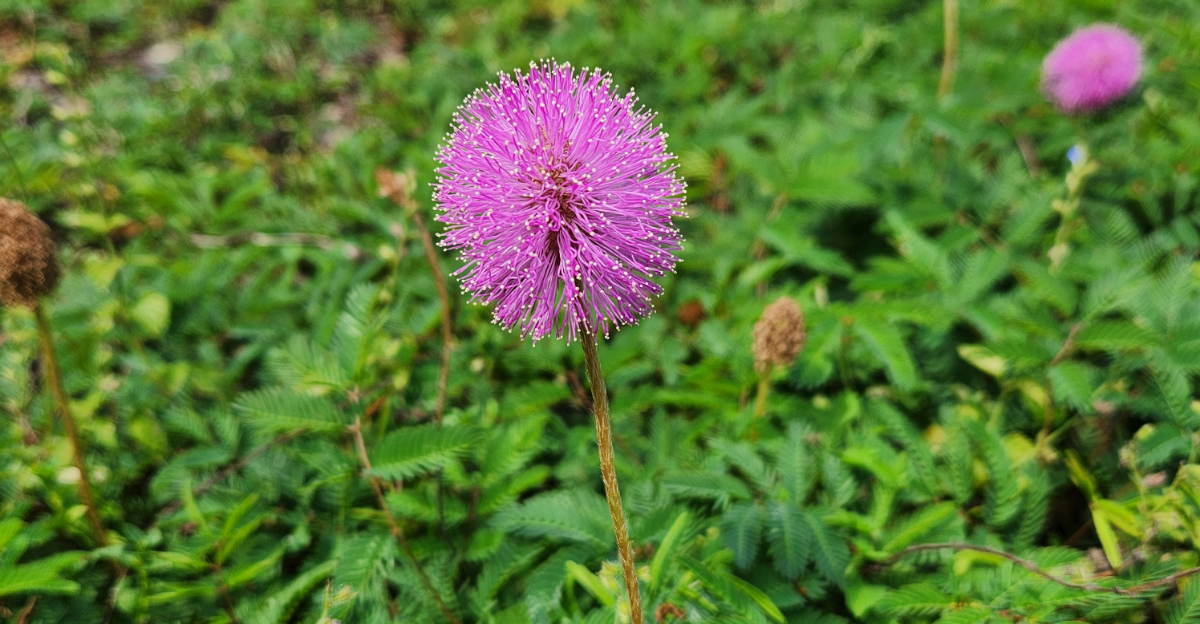
Options like perennial peanut, sunshine mimosa, frogfruit, and even carefully placed jasmine can work well depending on the site. Some stay low and tidy, while others wander more freely and create a softer, natural look.
The best result comes from matching the plant to the amount of sun, foot traffic, and moisture your area gets.
Before planting, clear weeds thoroughly so new groundcovers do not have to compete during their first weeks.
Then add mulch between plants to hold moisture and reduce the number of weeds that pop up in open spaces.
As the groundcover spreads, it will gradually take over the job of shading the soil.
I like using groundcovers in places where grass always seems to struggle, such as around trees, along borders, or near hot pavement.
They can also reduce erosion and make awkward spaces look designed instead of neglected. In South Florida, that matters because intense rain followed by bright sun can expose weak spots quickly.
If your landscape feels unfinished, groundcovers often solve the problem in a simple, attractive way.
They tie beds together, help the soil stay cooler, and cut back on the amount of exposed dirt that needs constant attention.
Plant them before May heat builds, and you will likely see faster, fuller coverage with less stress.