8 Best Ways To Create Privacy In Pennsylvania Yards With Plants
Creating a private retreat in your Pennsylvania yard doesn’t have to mean building fences or walls. Using plants to add natural privacy can be beautiful, functional, and even eco-friendly.
With the right selection, you can block views, reduce noise, and create a sense of seclusion while enhancing the overall look of your landscape.
Privacy plants come in many forms, from tall evergreens to dense shrubs and flowering hedges. When chosen carefully, they grow thick enough to form a screen that keeps your outdoor spaces feeling cozy and protected.
Some also provide seasonal color, attract birds, or add texture to your garden beds, so your privacy solutions don’t have to sacrifice style.
Whether you want a quiet space to relax, a safe play area for kids, or just a way to shield your yard from neighbors, planting strategically can make your Pennsylvania garden feel like a private sanctuary all year long.
1. Plant Fast-Growing Arborvitae For Evergreen Screening
Ask any Pennsylvania landscaper which plant they recommend most for privacy, and arborvitae will almost always top the list.
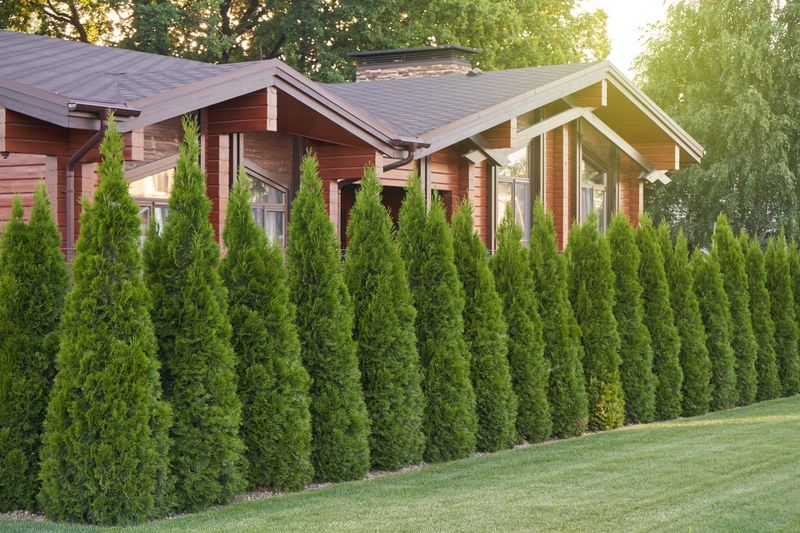
This evergreen powerhouse grows tall, stays dense, and keeps its rich green color all year long. It is one of the most reliable choices for homeowners across the state.
Varieties like ‘Green Giant’ and ‘Emerald Green’ are especially popular in Pennsylvania yards. ‘Green Giant’ can grow up to three feet per year under good conditions, making it one of the fastest natural screens available.
‘Emerald Green’ stays narrower, which is perfect for smaller spaces where you still want strong coverage without crowding.
Planting arborvitae in a straight row or a slight zigzag pattern creates a thick, living wall that blocks views from neighbors and passing traffic. Space them about five to six feet apart so they have room to fill in naturally over time.
They thrive in full sun and well-drained soil, both of which are easy to find across much of Pennsylvania.
One great benefit of arborvitae is that it requires very little maintenance once established. Light trimming once a year keeps the shape tidy.
These trees are also relatively deer-resistant compared to other evergreens, which is a real bonus in rural Pennsylvania areas where deer are common visitors.
2. Use Dense Shrub Hedges For Natural Boundaries
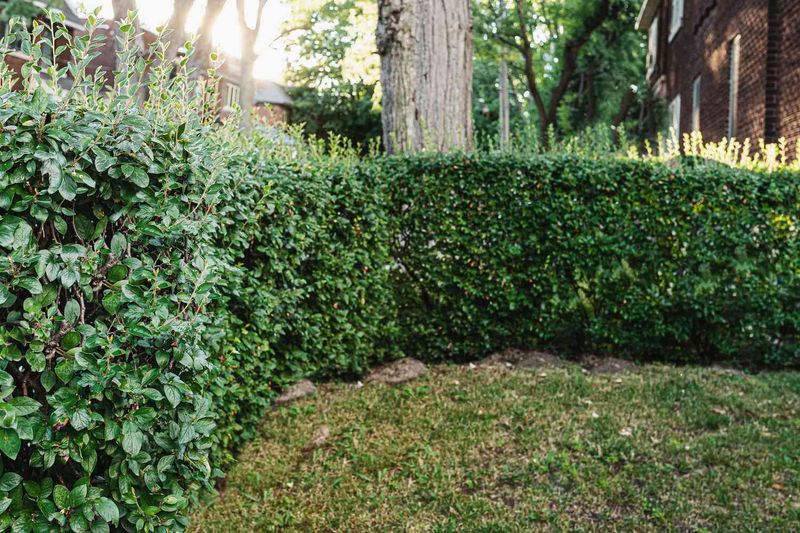
Nothing says classic garden charm quite like a well-maintained shrub hedge.
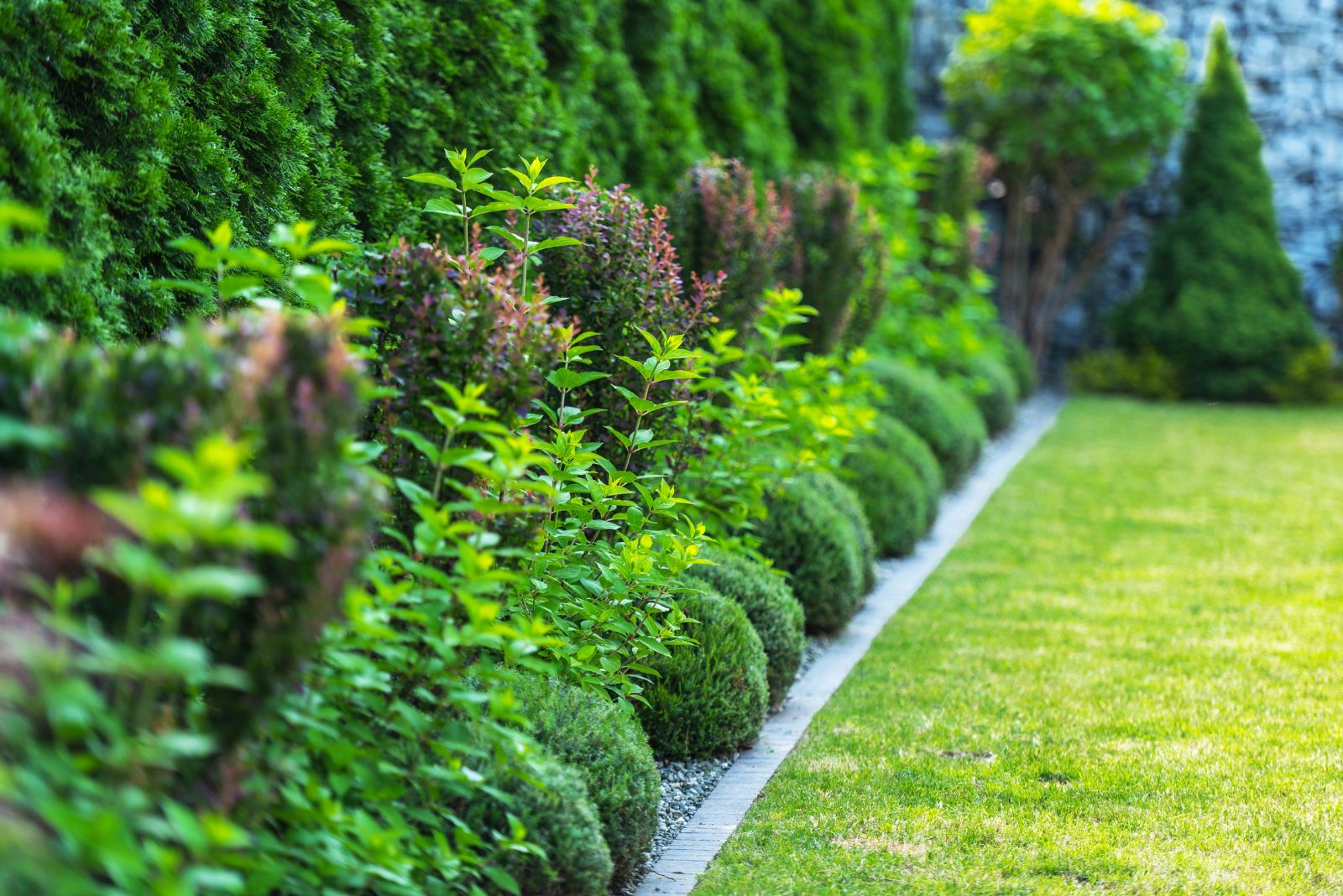
In Pennsylvania yards, dense hedges made from plants like boxwood, inkberry holly, or privet create strong visual boundaries that feel natural and inviting rather than harsh or industrial. They blend seamlessly into the landscape.
Inkberry holly is a native Pennsylvania plant, which means it is already adapted to local soil and weather conditions. It grows in a tight, rounded shape and keeps its leaves through winter, giving you reliable coverage even during the coldest months.
Boxwood is another solid option known for its dense, fine-textured foliage that responds beautifully to shaping and trimming.
Layering different shrub varieties adds depth and makes your hedge look more like a natural woodland edge than a planted row. Try placing taller shrubs at the back and shorter ones at the front for a graduated effect.
Your Pennsylvania Garden Changes Every Week. Your Plan Should Too.
Gardening in Pennsylvania changes quickly throughout the season. Every Friday you’ll receive a simple weekly plan showing exactly what to plant, prune, fertilize, harvest, and protect so you never miss the right timing.
This approach also creates habitat for birds and beneficial insects, adding life and movement to your Pennsylvania garden.
Maintaining a shrub hedge is straightforward. Trim it once or twice a year to keep it tidy and encourage thick growth.
Water deeply during dry spells, especially in the first couple of years after planting. With a little patience, a dense shrub hedge becomes a permanent and beautiful feature of your outdoor space.
3. Grow Bamboo in Containers For Instant Screening
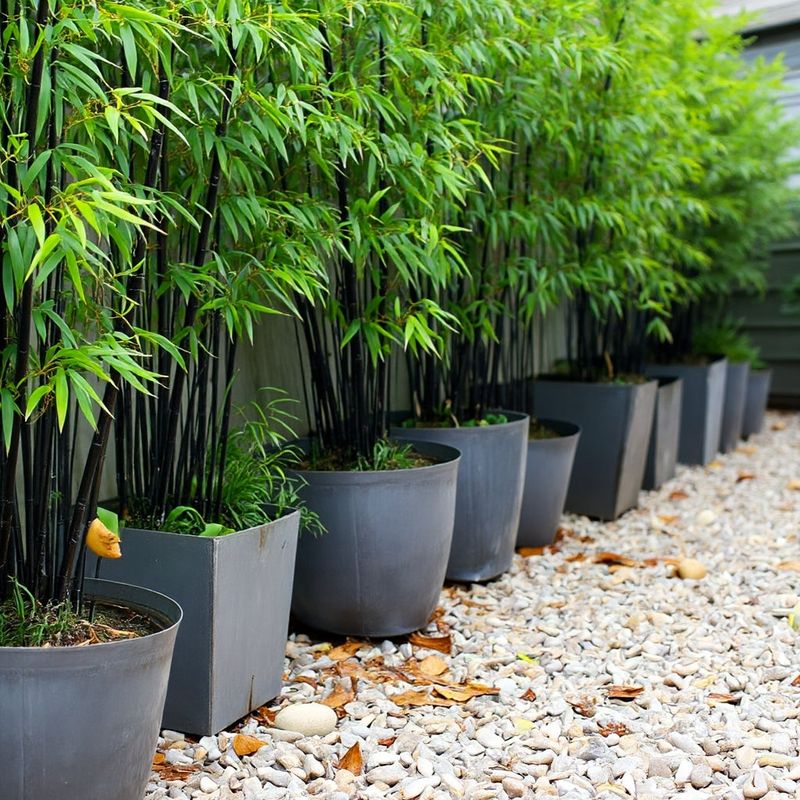
Bamboo has a reputation for growing fast, and that reputation is well earned. In just one season, a well-placed bamboo plant can shoot up several feet, giving Pennsylvania homeowners an almost instant privacy screen.
The tall, feathery canes create a tropical-looking barrier that sways gently in the breeze.
Running bamboo varieties can spread aggressively underground and take over a yard quickly if left unchecked. That is why growing bamboo in large containers or installing root barriers is strongly recommended for Pennsylvania gardens.
Clumping bamboo varieties like Fargesia are a safer choice because they spread slowly and stay in manageable clusters without invading neighboring beds.
Using containers gives you extra flexibility. You can rearrange the pots to create privacy exactly where you need it, whether along a fence line, around a patio, or near a pool area.
Large whiskey barrels or heavy-duty planters work especially well and add a decorative touch to your outdoor setup.
Bamboo in containers needs regular watering since pots dry out faster than garden soil. Feed the plants with a balanced fertilizer in spring and again in midsummer to keep the growth strong and the canes looking healthy.
In Pennsylvania winters, move tender varieties to a sheltered spot or insulate the pots to protect the roots from freezing temperatures.
4. Create Layered Plantings With Trees And Shrubs
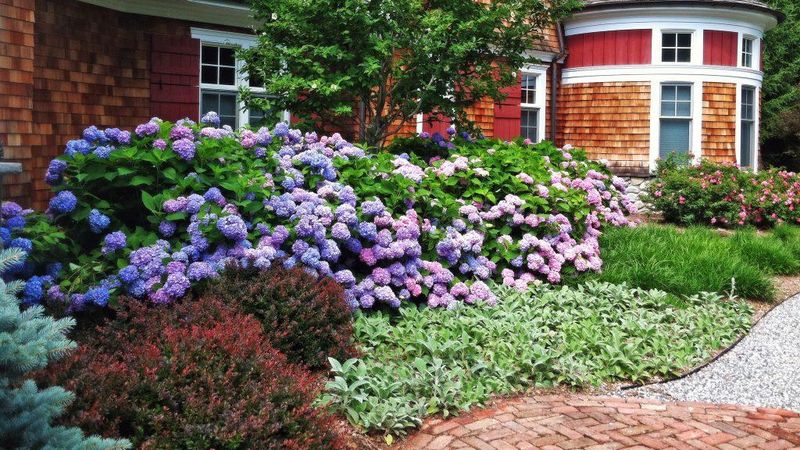
Layered plantings are the secret weapon of experienced Pennsylvania gardeners. Instead of planting a single row of one type of plant, you combine tall trees, mid-sized shrubs, and low-growing ground cover to create a screen that looks completely natural.
The result is a lush, textured backdrop that feels more like a forest edge than a garden border.
Start with tall trees like white pine or American holly at the back of the planting area. In front of those, add mid-sized shrubs such as viburnum or red twig dogwood.
Finally, fill in the front layer with ornamental grasses or low-growing evergreen ground covers. Each layer works together to block views from multiple angles and heights.
One of the biggest advantages of layered plantings is that they provide year-round interest.
Spring brings flowers from the shrubs, summer fills in with lush green foliage, fall offers colorful berries and changing leaves, and winter reveals the structure of the evergreens. Your Pennsylvania yard becomes a living painting that changes with every season.
Planning the layout before planting saves a lot of headaches later. Sketch out the space and research the mature size of each plant to avoid overcrowding.
Give each plant enough room to grow fully, and within a few years your layered privacy screen will look established, beautiful, and completely intentional.
5. Plant Ornamental Grasses For Seasonal Privacy
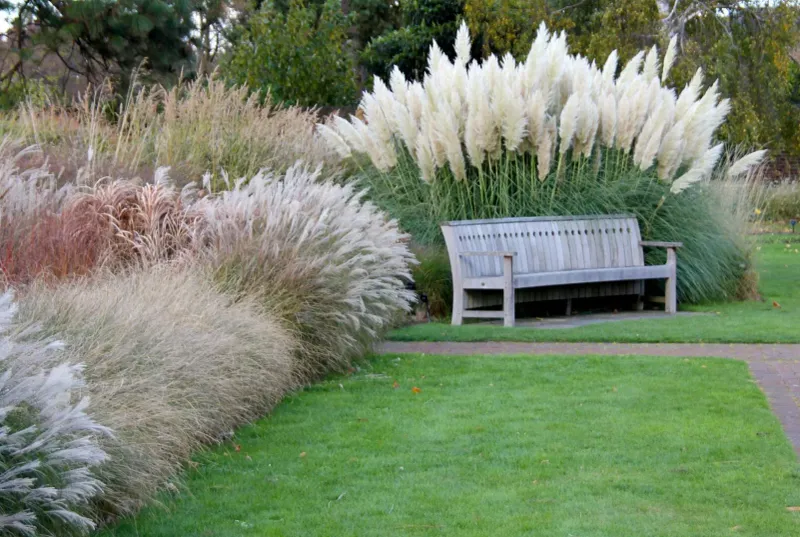
Ornamental grasses bring a kind of effortless beauty to Pennsylvania yards that very few other plants can match.
Varieties like miscanthus, switchgrass, and feather reed grass grow tall and full during the warmer months, creating a soft, flowing screen that moves gracefully with the wind. They are a favorite among gardeners who want privacy without a rigid, formal look.
Miscanthus sinensis, often called maiden grass, can reach heights of five to eight feet by late summer, making it a surprisingly effective privacy screen for patios and seating areas.
Switchgrass is a native Pennsylvania plant that thrives in a wide range of soil conditions, from moist lowlands to dry upland areas.
Feather reed grass grows in a tighter, more upright form, which works well in narrow spaces along fences or property lines.
Keep in mind that ornamental grasses provide the best privacy from late spring through fall. During winter, most varieties turn a warm golden-brown color and still add visual interest, but they are not as dense as evergreen options.
Combining grasses with nearby evergreen shrubs gives you coverage in every season without sacrificing the natural look you love.
Cut the grasses back to about six inches above the ground in late winter before new growth begins. This simple annual task keeps the plants looking fresh and full each season.
Most ornamental grasses are drought-tolerant once established, making them a low-maintenance choice for busy Pennsylvania homeowners.
6. Use Climbing Vines On Trellises Or Fences
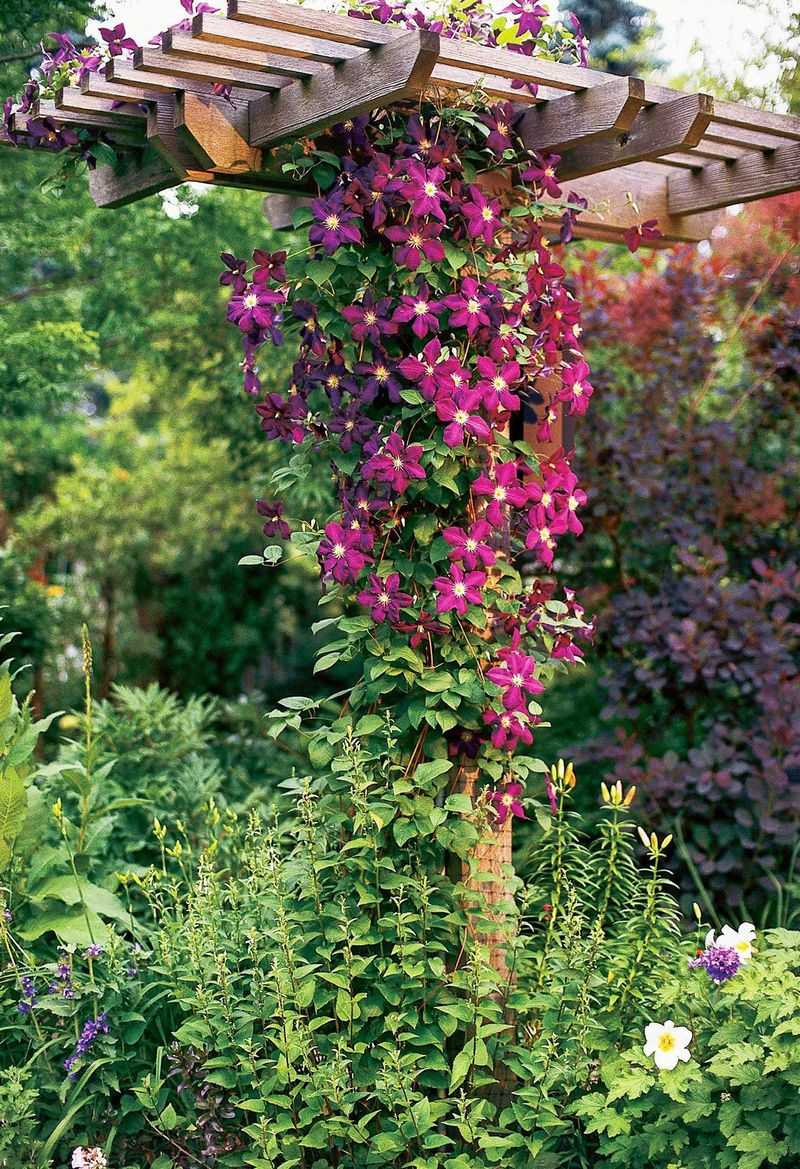
When yard space is tight, going vertical is a smart move. Climbing vines trained onto trellises, pergolas, or existing fences can transform a bare structure into a lush green wall in just a season or two.
For Pennsylvania homeowners with smaller lots, this approach maximizes privacy without sacrificing precious ground space.
Climbing hydrangea is a standout choice for shaded Pennsylvania yards. It clings to structures on its own and produces stunning white blooms in early summer.
Clematis offers incredible variety, with dozens of flower colors and sizes to choose from. Trumpet vine grows vigorously and attracts hummingbirds, adding wildlife value to your privacy screen.
Installing a sturdy trellis is an important first step. A weak structure will not hold up under the weight of a mature vine, especially after a heavy Pennsylvania snowfall or windstorm.
Use pressure-treated wood, metal, or heavy-duty vinyl for the best durability. Anchor the trellis firmly into the ground so it stays secure through all four seasons.
Training young vines takes a bit of patience. Use soft garden ties to guide the stems in the direction you want them to grow.
Once established, most climbing vines need only light annual pruning to stay healthy and in bounds. The reward is a beautiful, vertical green screen that adds serious curb appeal and privacy to your Pennsylvania property.
7. Plant Flowering Shrubs For Beautiful Privacy Screens
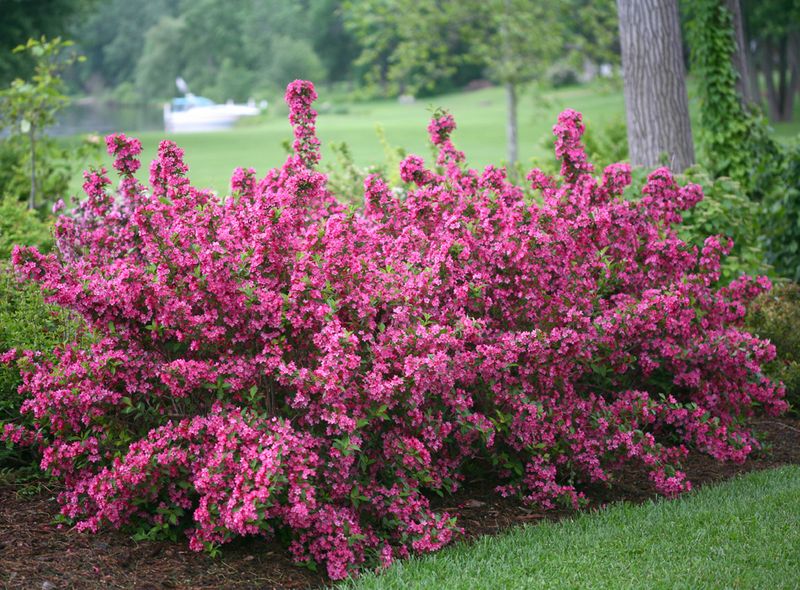
Who says a privacy screen has to be plain and green? Flowering shrubs like hydrangea, lilac, and viburnum prove that you can have both beauty and seclusion in your Pennsylvania yard at the same time.
These plants pull double duty, blocking unwanted views while filling your garden with seasonal color and fragrance.
Lilac is a beloved classic in Pennsylvania gardens. Its purple or white blooms arrive in late spring and fill the air with an unforgettable sweet scent.
Viburnum is another top performer, offering white flower clusters in spring, colorful berries in fall, and attractive foliage all season long. Panicle hydrangea is especially tough and handles Pennsylvania winters without much fuss.
Flowering shrubs work best when planted in groups or staggered rows rather than single-file lines. This arrangement creates a fuller, more natural-looking screen and ensures that gaps do not appear as the shrubs mature.
Mix different varieties to extend your bloom season from early spring all the way through late summer.
Most flowering shrubs prefer full sun to partial shade and well-drained soil. Amend heavy clay soils with compost before planting to improve drainage and give roots a healthy start.
Prune after blooming rather than in early spring to avoid cutting off the flower buds. A little care goes a long way in keeping these shrubs full, healthy, and blooming year after year in Pennsylvania gardens.
8. Build Mixed Evergreen Screens For Year-Round Coverage
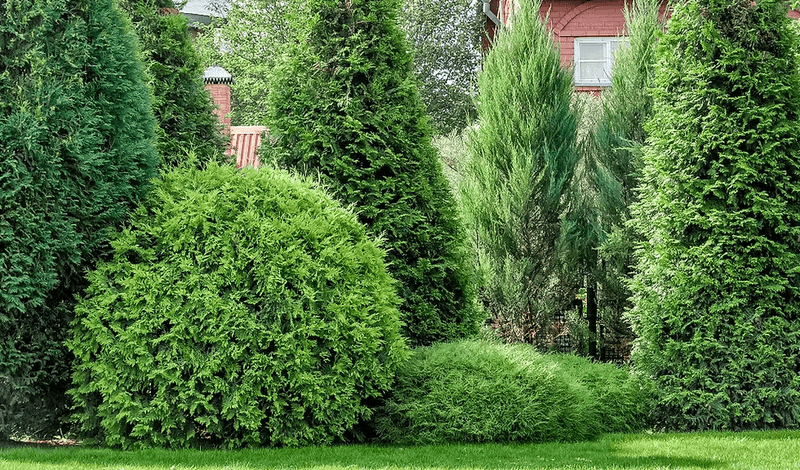
Deciduous plants are gorgeous in spring and summer, but come November, they drop their leaves and leave your yard exposed. That is where a mixed evergreen screen makes all the difference.
Combining plants like spruce, American holly, and arborvitae creates a dense, green wall that holds its coverage through even the coldest Pennsylvania winters.
Norway spruce and Colorado blue spruce are both excellent choices for Pennsylvania yards. They grow into large, pyramidal trees with thick, overlapping branches that block wind, noise, and sightlines effectively.
American holly adds broadleaf texture and produces bright red berries in winter, giving the screen visual interest during the dullest months of the year.
Mixing different evergreen species also protects your screen from disease and pest problems. If one plant type gets stressed or affected by a particular issue, the others remain healthy and maintain coverage.
Biodiversity within your privacy planting makes the entire screen more resilient over the long term.
When designing a mixed evergreen screen, think about the mature height and spread of each plant. Place the tallest growers at the back and shorter, fuller plants toward the front.
This creates a layered look that is both effective and visually appealing. Water new plantings deeply and regularly for the first two growing seasons to help the roots establish strongly in Pennsylvania soil.
Once settled in, evergreens are remarkably self-sufficient and reward you with year-round beauty and privacy.