6 Milkweed Varieties For Texas Gardens That Attract Monarch Butterflies
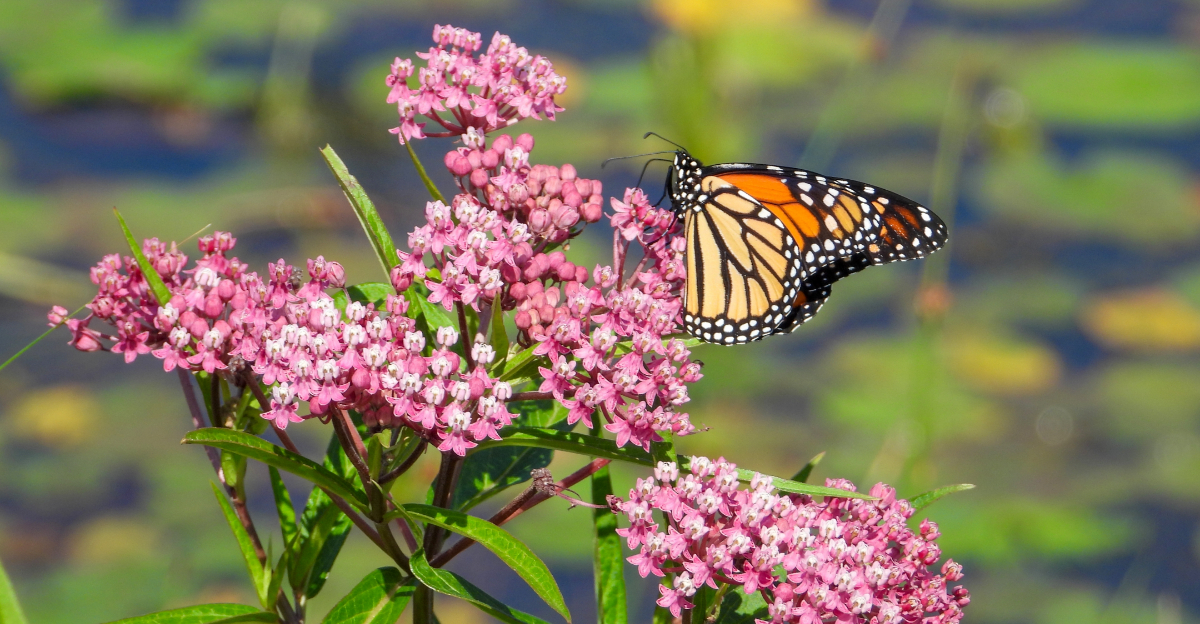
There’s something about seeing those bright orange wings fluttering around your garden that instantly brings a smile.
Many of us remember chasing butterflies as kids or carefully watching caterpillars crawl along leaves, and it never loses its magic.
Texas gardens can become tiny waystations for migrating monarchs, but it starts with the right plants.
Milkweed varieties offer the nectar and habitat these butterflies need, and choosing the right type is easier than you might think, even if your garden is sunny, shady, or somewhere in between.
Planting the right milkweed creates a lively, buzzing corner of your yard where monarchs will keep coming back. The choices ahead will show you how to turn your garden into a butterfly haven that neighbors will notice too.
1. Green Milkweed That Thrives Across Texas
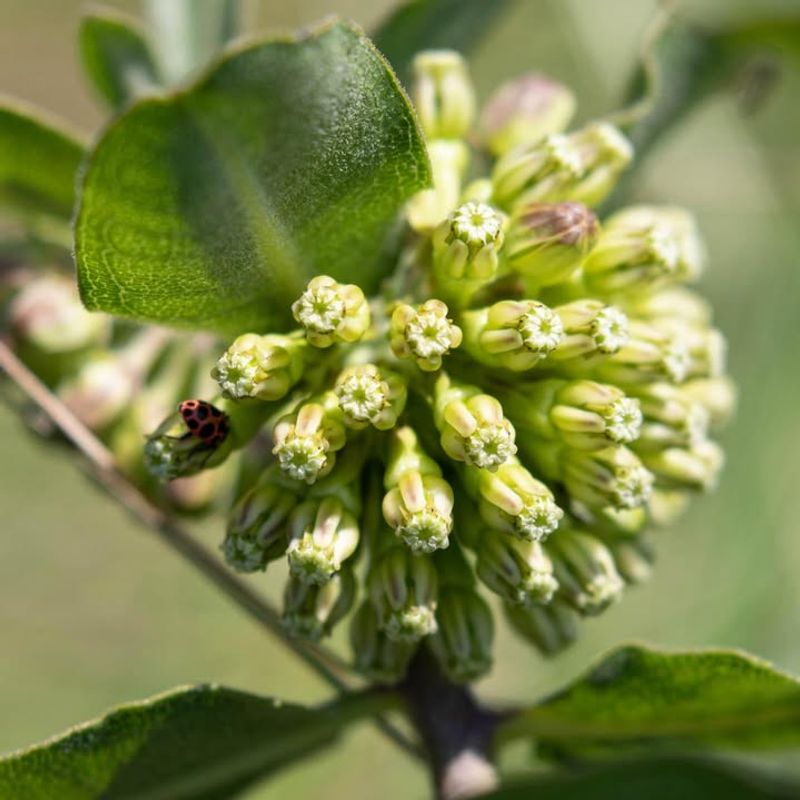
Walk through almost any open field in Texas between April and October, and you just might spot the greenish-white blooms of Green Milkweed swaying in the breeze. Known scientifically as Asclepias viridis, this is the most common milkweed species found across the state, ranging from deep East Texas all the way to the Edwards Plateau.
That wide range makes it one of the most reliable choices for Texas gardeners who want to support monarch butterflies.
Green Milkweed typically grows one to two feet tall, which makes it a manageable size for garden beds of almost any shape or size. Its flowers have a soft, subtle beauty with pale greenish-white petals and a slightly purplish center.
Monarchs love to lay their eggs on the broad leaves, giving caterpillars a ready food source from the moment they hatch. The plant blooms for a long stretch of the season, offering months of habitat and nectar support.
In addition, bees, hummingbirds, and other pollinators often visit the flowers, making Green Milkweed a valuable part of a larger pollinator-friendly garden. Planting it alongside grasses, wildflowers, or flowering herbs can increase garden diversity and provide additional shelter and food sources for pollinators throughout the season.
One of the best things about Green Milkweed is how well it handles Texas heat. It thrives in full sun and adapts to a variety of soil types, including clay-heavy soils that other plants struggle with.
Once established, it requires very little watering, making it a smart, low-maintenance addition to any Texas landscape. Pairing it with other native wildflowers can create a pollinator garden that buzzes and flutters with life all season long.
If you are new to growing milkweed in Texas, Green Milkweed is a great starting point because it is hardy, easy to grow, and supports monarchs throughout the migration season, offering a reliable and attractive option for both experienced and beginner gardeners alike.
2. Antelope Horn Milkweed With Distinctive Seed Pods
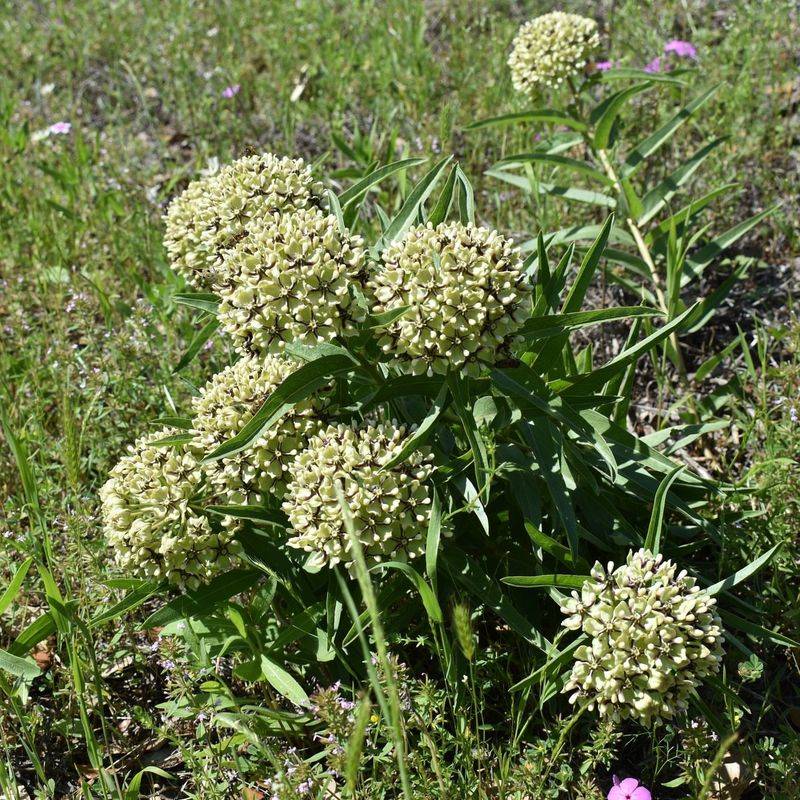
Named after the curved, horn-shaped seed pods it produces, Antelope Horn Milkweed is one of the most distinctive native plants you can add to a Texas garden. Botanically called Asclepias asperula, this species has a rugged, almost wild beauty that fits right into the natural landscape of central and western Texas.
Your Texas Garden Changes Every Week. Your Plan Should Too.
Gardening in Texas changes quickly throughout the season. Every Friday you’ll receive a simple weekly plan showing exactly what to plant, prune, fertilize, harvest, and protect so you never miss the right timing.
The pale greenish-yellow flowers are often tinged with maroon, giving the blooms an unusual and striking appearance that sets them apart from other milkweed varieties. Gardeners can plant it alongside native grasses or other wildflowers to create a more diverse and visually interesting habitat for pollinators.
Antelope Horn Milkweed blooms from March all the way through October, which is a remarkably long season. That extended bloom time means it is available for monarchs during both the spring northward migration and the fall southward journey through Texas.
The plant grows one to two feet tall and spreads outward in a low, sprawling shape that hugs the ground, making it a great choice for open, sunny areas with well-drained or rocky soil. Its sprawling habit can also provide shelter for other small pollinators and beneficial insects, enhancing the diversity and health of your garden ecosystem, while offering habitat for additional butterfly and moth species.
Drought tolerance is one of Antelope Horn Milkweed’s strongest qualities. In a state where summer temperatures regularly climb past 100 degrees, having a plant that thrives without constant watering is a serious advantage.
Once established in your Texas garden, it can handle long dry spells with ease. Monarch caterpillars feed enthusiastically on the leaves, and adult butterflies visit the flowers for nectar.
Fun fact: the unusual seed pods split open in fall, releasing lightweight seeds that are carried by the wind to new growing areas. Growing Antelope Horn Milkweed is a rewarding experience that brings natural beauty, supports pollinators, and provides measurable ecological value to your outdoor space while adding texture and interest to native plantings.
3. Swamp Milkweed For Moist Texas Gardens
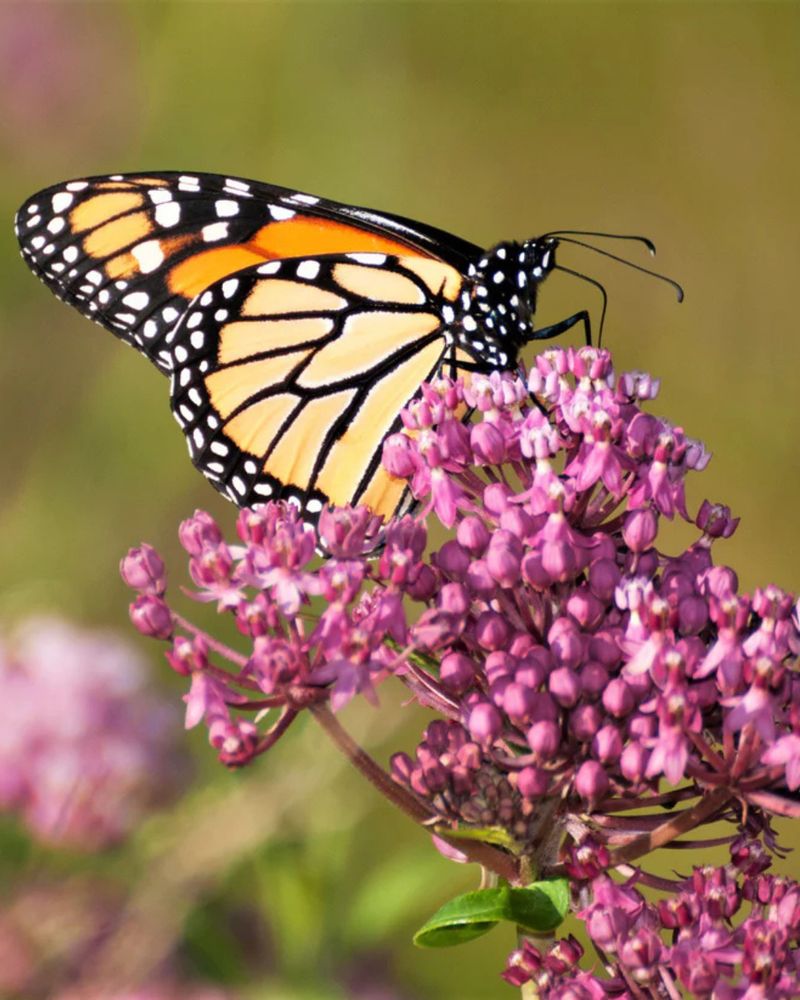
Not every Texas garden is hot and dry. Along creek banks, pond edges, and low-lying yards near the Gulf Coast, Swamp Milkweed absolutely thrives, rewarding gardeners with tall, gorgeous stalks covered in deep rose-pink flowers.
Asclepias incarnata, as it is scientifically known, can grow up to five feet tall, making it one of the most impressive milkweed varieties you can plant in the state. Its height and bold color make it a real showstopper in any garden setting, creating a focal point that adds both beauty and functional habitat to your landscape.
Planting Swamp Milkweed alongside other native wildflowers and grasses can also help create continuous blooms throughout the season, offering additional foraging opportunities for pollinators and enhancing garden diversity.
Swamp Milkweed blooms from June through October, which lines up perfectly with the fall monarch migration through Texas. The rich pink flowers are magnets for adult monarch butterflies looking for nectar, and the lush, broad leaves provide ideal egg-laying spots for females ready to start the next generation.
Unlike some other milkweed species, Swamp Milkweed actually prefers consistently moist or wet soil, so it is a natural fit for rain gardens, bioswales, or areas near water features. Its adaptability also allows it to support other pollinators, such as butterflies, moths, and beneficial insects, throughout the summer season.
Even though it loves moisture, Swamp Milkweed can adapt to average garden soils as long as it gets regular watering during dry Texas summers. It prefers full sun but can handle partial shade better than many other milkweed varieties.
Gardeners in Houston, Beaumont, and other humid parts of Texas will find this plant especially easy to grow. Beyond monarchs, Swamp Milkweed attracts a wide variety of other pollinators, including bees, hummingbird moths, and swallowtail butterflies.
Planting it alongside grasses or other native perennials creates a lush, layered habitat that supports biodiversity, offers seasonal interest, provides shelter for small beneficial insects, and adds natural elegance to your Texas landscape throughout the growing season.
4. Zizotes Milkweed Built For Tough Summer
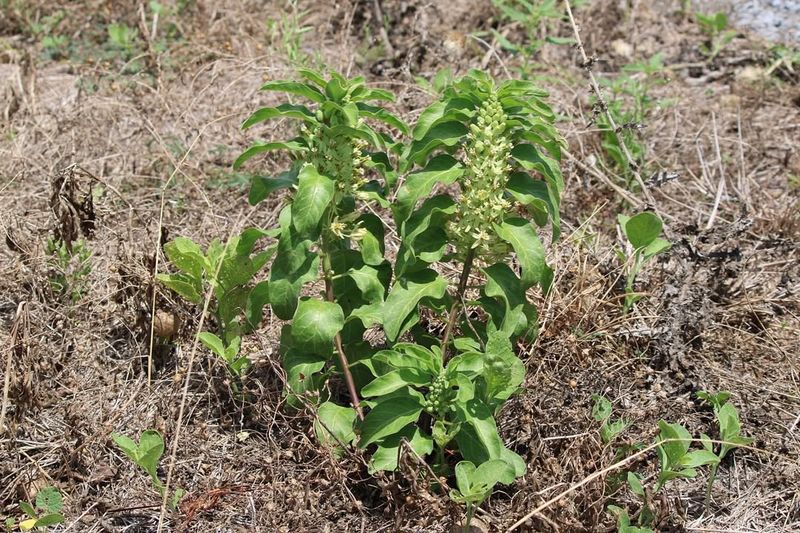
If you have ever tried to grow plants in the hard, dry soils of South or West Texas and struggled to keep anything alive through a brutal summer, Zizotes Milkweed might just become your new favorite plant. Asclepias oenotheroides is built for tough conditions.
Its slender white flowers and narrow, wavy-edged leaves give it a delicate look, but do not let that fool you. This plant is one of the toughest milkweed species in the entire state, able to handle challenging growing conditions that many other plants cannot tolerate.
Zizotes Milkweed grows one to two feet tall and blooms from May through September, covering a good chunk of the monarch migration window in Texas. The flowers, though small and understated, produce nectar that monarchs and other pollinators readily visit.
Monarch females also use the plant as a host, laying their eggs on the leaves so that caterpillars have an immediate food source once they emerge. Because the plant stays relatively compact, it works beautifully in garden borders, rock gardens, or naturalized areas.
Its low height also makes it easy to pair with taller grasses or wildflowers, adding diversity and layered interest to your garden.
Exceptional drought tolerance is what truly makes Zizotes Milkweed stand out among Texas native plants. Once established, it can go long periods without supplemental watering, which is a huge benefit during the hot, dry Texas summers that push other plants to their limits.
It prefers full sun and sandy or loamy, well-drained soil, and it spreads slowly over time to form a modest clump. Gardeners in San Antonio, Laredo, and the Hill Country region will find it especially well-suited to local growing conditions.
Adding Zizotes Milkweed to your garden is a smart, low-effort way to provide real support for monarch butterflies in Texas year after year while also enhancing the visual and ecological diversity of your landscape.
5. Butterfly Weed That Lights Up Your Garden
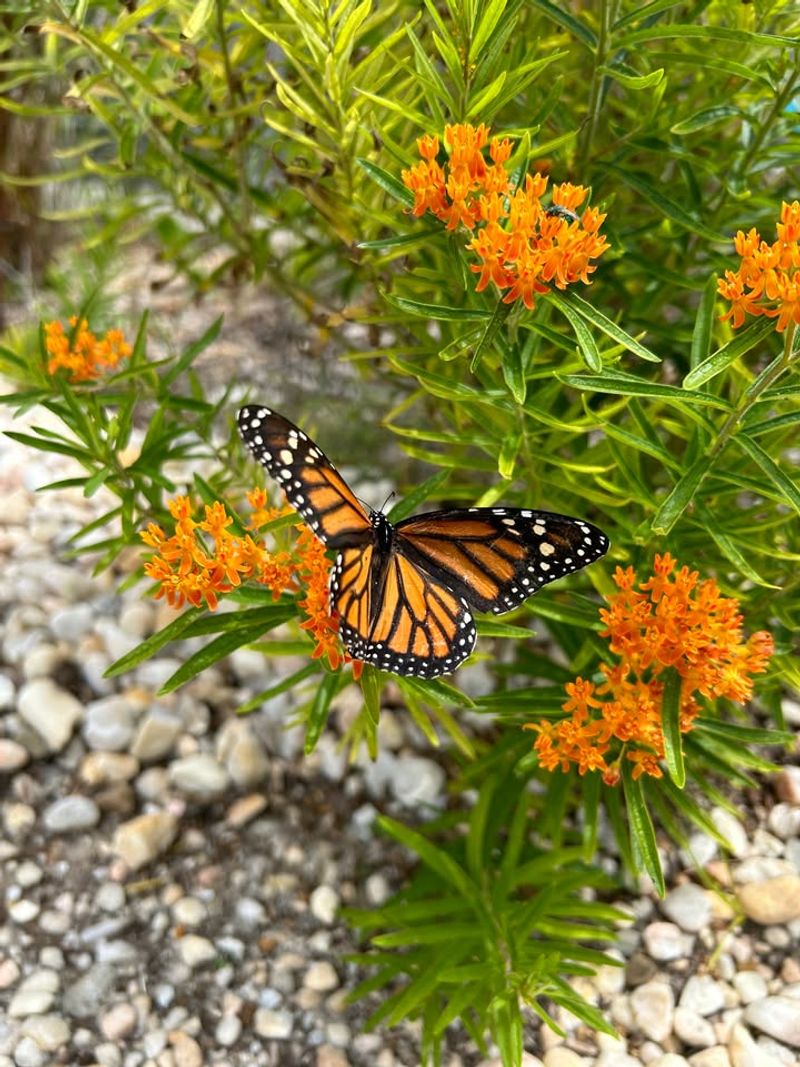
Bright, bold, and eye-catching, Butterfly Weed earns its name every time a monarch lands on its fiery orange blooms. Asclepias tuberosa is one of the most beloved native plants in Texas, and for good reason.
The vivid orange flowers are among the most striking of any wildflower in the state, creating a warm splash of color in garden beds from May all the way through September. It is a plant that naturally draws attention, adds vibrant seasonal interest, and can serve as a focal point in pollinator gardens.
Growing one to two feet tall, Butterfly Weed fits comfortably into smaller garden spaces without overwhelming nearby plants. It thrives in full sun and well-drained soil, and once its deep taproot is established, it becomes remarkably resilient to heat and dry conditions.
That taproot is also the reason this plant is long-lived. Unlike some annuals that need replanting each season, a well-established Butterfly Weed plant can return year after year, gradually expanding and providing consistent nectar and habitat for pollinators over time.
Its low-maintenance nature also makes it a great choice for gardeners looking to add color and ecological value without extensive upkeep.
Monarch butterflies are drawn to the nectar-rich flowers, and females regularly select the leaves as egg-laying sites. Beyond monarchs, Butterfly Weed attracts a variety of other pollinators, including bumblebees, painted lady butterflies, and native bee species.
It can also complement other wildflowers and grasses in the garden, helping create a diverse and layered pollinator habitat that supports multiple species throughout the season. Historically, some Native American groups reportedly used Butterfly Weed in traditional remedies, though its primary value today is for pollinator support.
Planting Butterfly Weed in your Texas garden is one of the simplest and most colorful ways to make a meaningful difference for monarchs and the broader pollinator community.
6. Whorled Milkweed With Feathery Grace
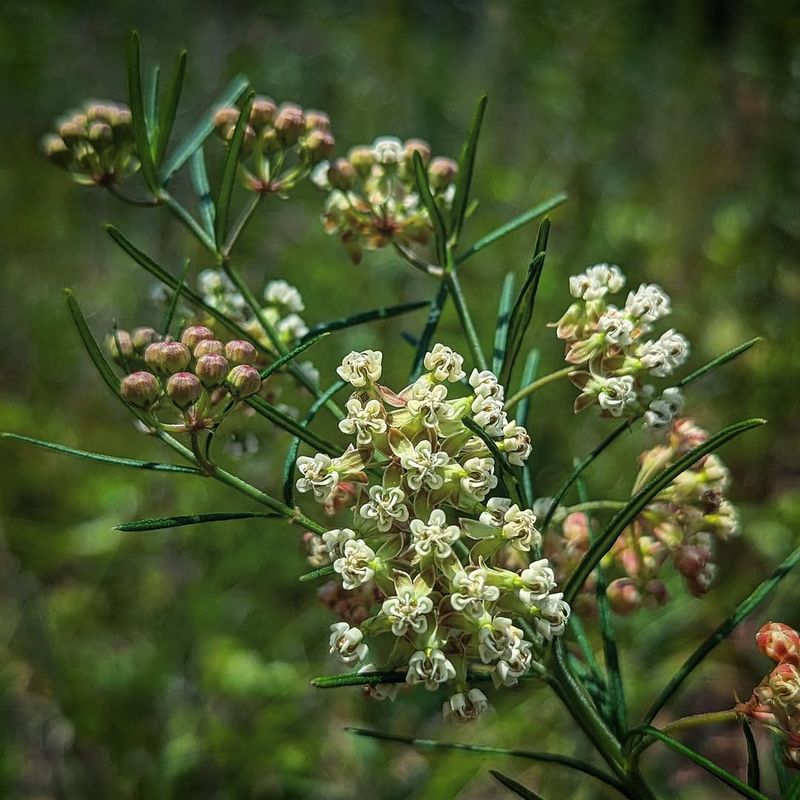
Known for its uniquely airy form, Whorled Milkweed has a look that is entirely its own. Unlike the broad-leafed milkweeds most people picture, Asclepias verticillata has thin, needle-like leaves that grow in distinctive circular whorls around the stem, giving the plant an almost feathery appearance.
Small clusters of white or pale greenish flowers emerge from the stem tips, adding delicate charm that pairs beautifully with bolder wildflowers in a mixed Texas pollinator garden. Its fine texture creates movement and lightness in garden beds, making it a visually appealing addition to any planting scheme.
Planting Whorled Milkweed alongside other native wildflowers or grasses can enhance garden diversity, attract additional pollinator species, and create a layered, naturalistic look that supports ecosystem health.
This species blooms from April through June, which makes it especially valuable during the spring monarch migration northward through Texas. While its bloom season is shorter than some other milkweed varieties, the timing is strategic.
Monarchs traveling north in spring need reliable nectar and host plant sources, and this milkweed steps in to fill that role during a critical window. The plant grows one to two feet tall and has a slender, upright form that fits naturally into meadow-style plantings or along garden borders, adding vertical interest and complementing other native perennials.
It is wonderfully adaptable to a range of Texas growing conditions. It handles full sun with ease and tolerates dry, well-drained soils, making it a practical choice for gardeners across the central and eastern parts of the state.
It spreads gradually through rhizomes, slowly forming a colony over time that provides increasingly valuable habitat for monarchs and other pollinators each season. For gardeners who enjoy fine-textured, wispy plants that enhance movement and layered beauty in a garden, this milkweed is a standout choice.
Adding it to a Texas garden supports monarchs while also contributing to overall pollinator diversity, seasonal interest, and a resilient, long-term native plant community.