The Native Texas Flower That Attracts Over 40 Butterfly Species And Asks Nothing In Return
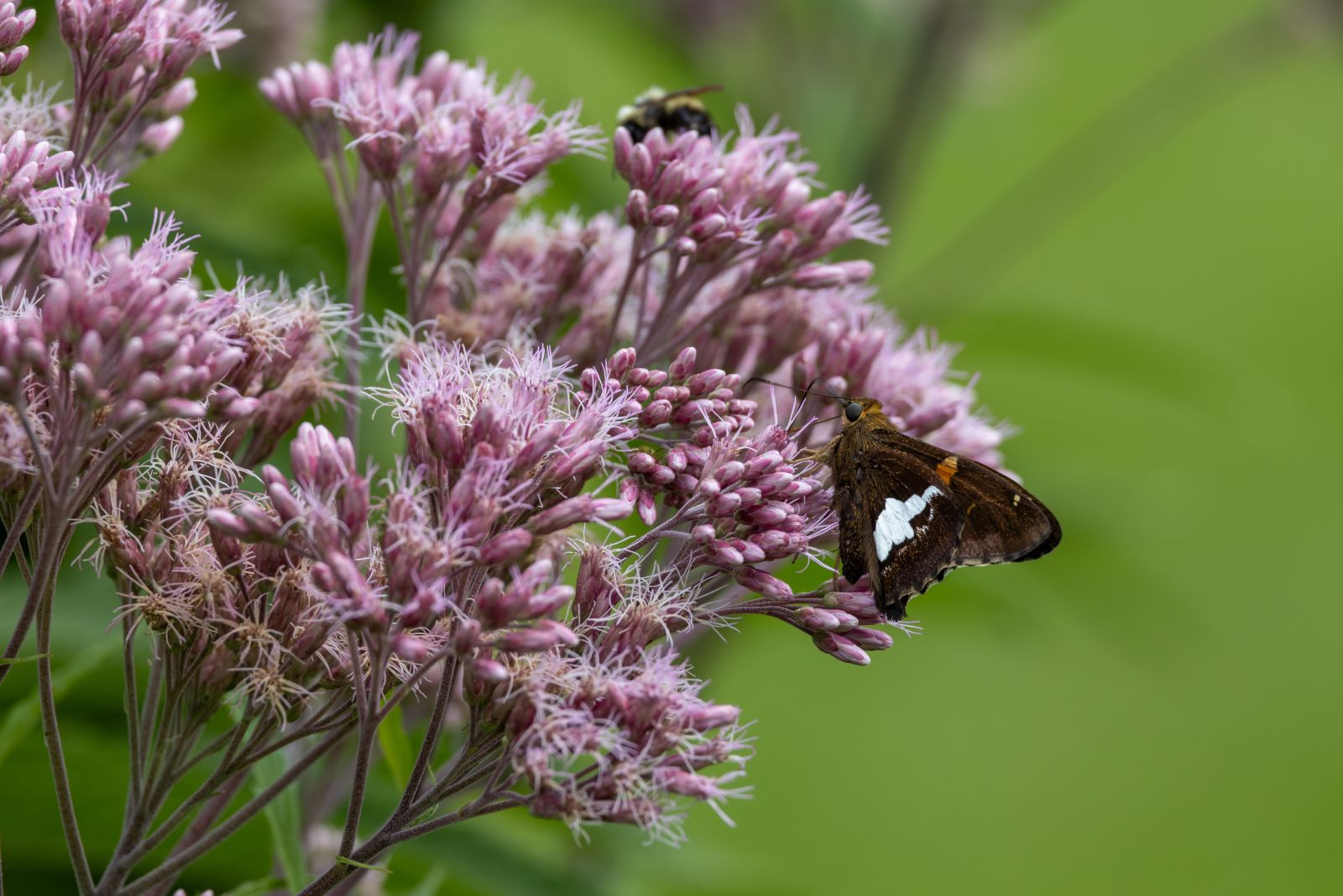
If you have ever wanted a garden that practically takes care of itself while looking stunning all season long, Joe Pye Weed might be exactly what you need.
This tall, native Texas wildflower is a superstar when it comes to attracting butterflies, with some experts counting over 40 different species visiting its blooms.
Found growing naturally across parts of Texas and the southeastern United States, Joe Pye Weed thrives in spots where other plants struggle.
Best of all, it rewards gardeners with clouds of rosy-purple flowers and wings in every color without demanding much attention in return.
Whether you are a beginner gardener or a seasoned plant lover, getting to know this incredible native flower could completely change the way you think about your outdoor space.
Meet The Butterfly Magnet Texas Gardeners Should Know
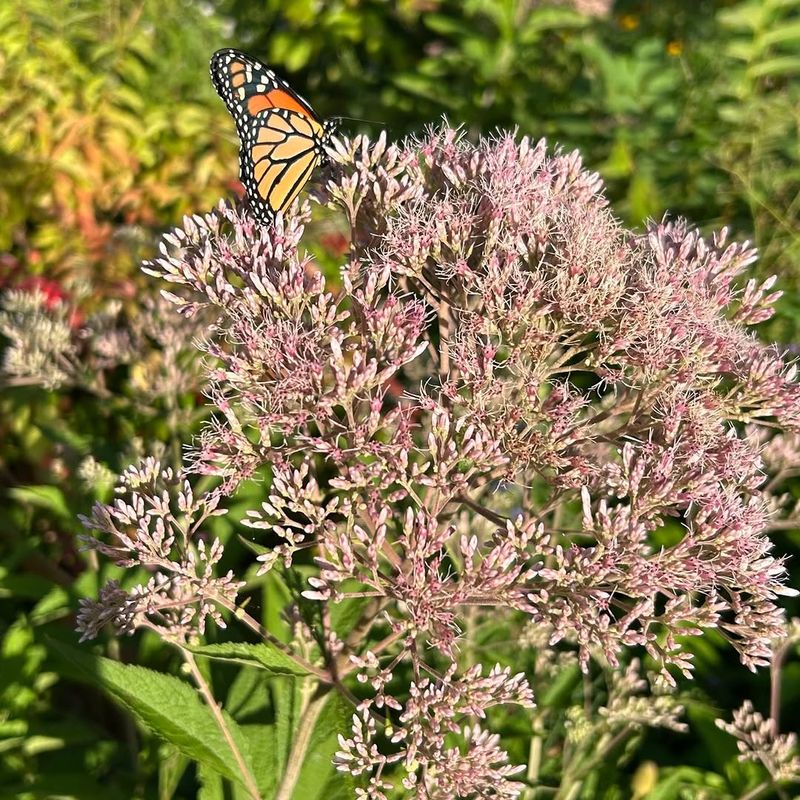
Picture a plant so irresistible to butterflies that they travel from miles around just to visit it. That is Joe Pye Weed in a nutshell.
Botanically known as Eutrochium purpureum, this native wildflower has been growing across Texas and the eastern United States for centuries, long before anyone thought to plant it on purpose.
Joe Pye Weed can grow anywhere from four to seven feet tall, making it one of the most dramatic plants you can add to a Texas garden.
Its large, dome-shaped clusters of dusty rose and purple flowers appear in late summer, right when many other plants are starting to look tired from the heat. That timing makes it incredibly valuable for pollinators who need late-season food.
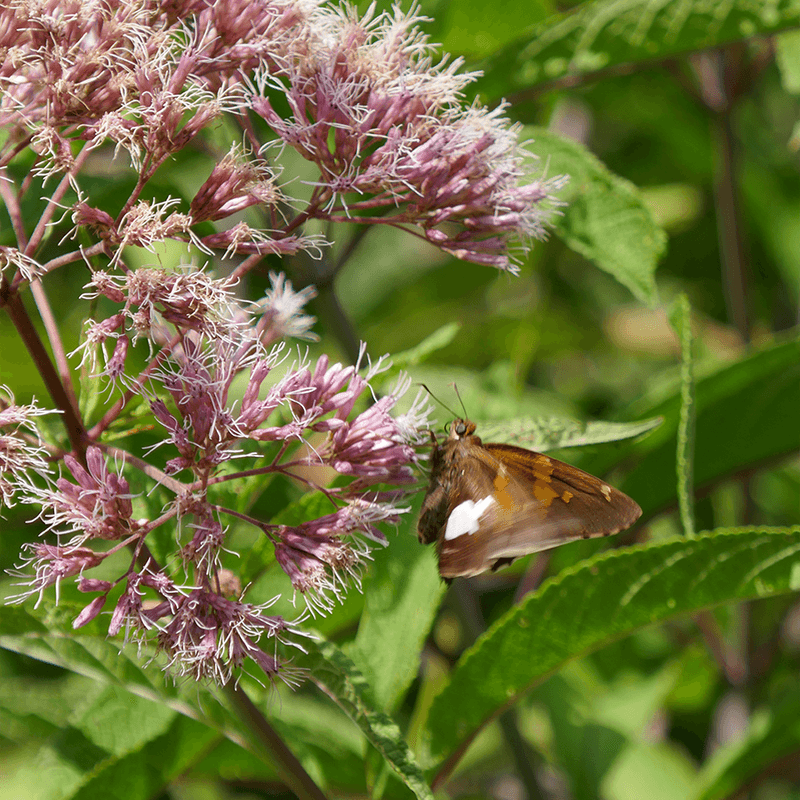
Monarch butterflies, swallowtails, painted ladies, and skippers are just a few of the species regularly spotted on its blooms. Over 40 butterfly species have been recorded visiting Joe Pye Weed, which is a remarkable number for a single plant.
Scientists believe the flower’s sweet vanilla-like scent and rich nectar supply are what make it so hard for butterflies to resist.
Texas gardeners have been rediscovering this native gem in recent years. Nurseries across the state have started stocking it more regularly because demand keeps growing.
Once people see it in action, covered in fluttering wings on a warm August afternoon, they almost always want one for their own yard. It is the kind of plant that earns its place in the garden by doing exactly what nature designed it to do, beautifully and effortlessly.
Why Joe Pye Weed Brings So Many Butterflies
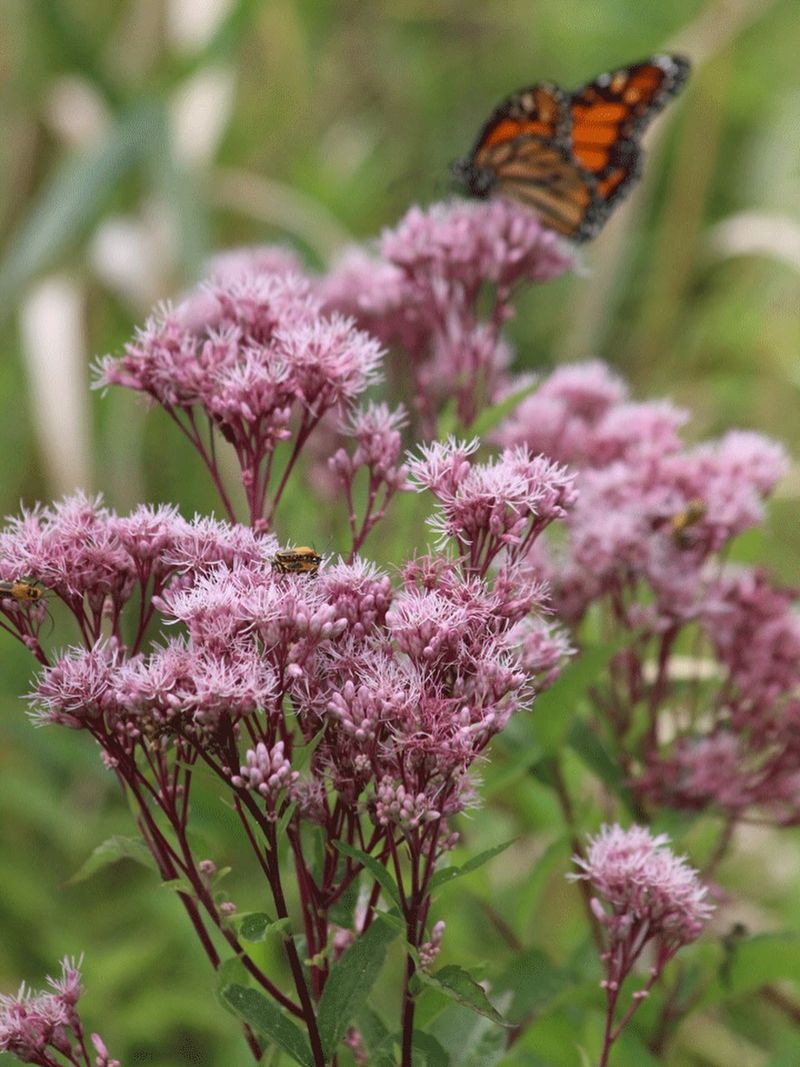
Not every flower earns the loyalty of 40-plus butterfly species. Joe Pye Weed has a few secret weapons that make it genuinely irresistible to pollinators across Texas and beyond.
Understanding why so many butterflies show up can help you appreciate just how special this plant really is.
First, the nectar. Joe Pye Weed produces an unusually rich supply of sugary nectar packed into hundreds of tiny individual flowers within each large flower head.
Butterflies get more food per visit compared to many other plants. That kind of energy reward keeps them coming back again and again throughout the blooming season.
Second, the scent. Joe Pye Weed gives off a light, sweet fragrance that some people describe as similar to vanilla or fresh hay.
Your Texas Garden Changes Every Week. Your Plan Should Too.
Gardening in Texas changes quickly throughout the season. Every Friday you’ll receive a simple weekly plan showing exactly what to plant, prune, fertilize, harvest, and protect so you never miss the right timing.
Butterflies are highly sensitive to floral scents and can detect them from a surprising distance. That aroma acts like a natural advertisement, pulling in pollinators from the surrounding Texas landscape.
Third, the timing is perfect. Joe Pye Weed blooms from midsummer through early fall, a period when many spring flowers have already finished and fewer nectar sources are available.
For migrating species like the monarch butterfly, finding Joe Pye Weed in full bloom during their Texas journey south can be a genuine lifesaver.
Finally, the flower structure itself is user-friendly. The flat-topped clusters give butterflies a stable landing platform, making it easy for them to feed without struggling to hold on.
That combination of rich nectar, appealing scent, ideal timing, and easy access is why Joe Pye Weed consistently outperforms so many other garden plants when it comes to attracting butterflies.
The Native Flower That Looks Beautiful With Almost No Fuss
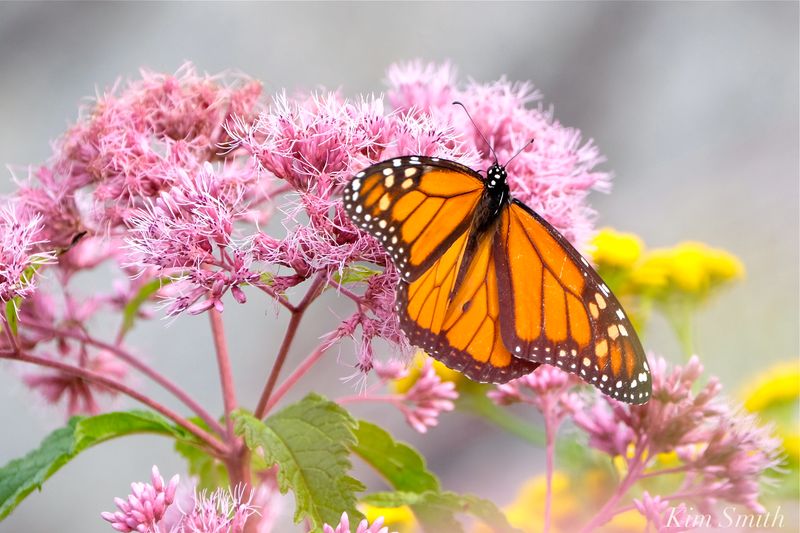
Some plants make you work for every bloom. Joe Pye Weed is not one of them. Once it gets settled into a spot it likes, this Texas native grows confidently and blooms reliably year after year without much help from you at all.
That low-maintenance personality is a big part of why gardeners across the state have fallen for it.
The flowers themselves are genuinely beautiful. Each stem is topped with a broad, rounded cluster made up of dozens of small, fuzzy blooms in shades of dusty rose, mauve, and soft purple.
Up close, they look delicate and intricate. From a distance, they create bold splashes of color that can be seen from across a yard or a field.
Even after the blooms fade in fall, the dried seed heads add interesting texture through winter.
Joe Pye Weed pairs naturally with other Texas native plants like black-eyed Susans, coneflowers, and native grasses. Planting them together creates a layered, meadow-style garden that looks intentional and polished without requiring constant upkeep.
The combination also extends your garden’s season of interest from spring all the way through late fall.
Another bonus is the foliage. The large, lance-shaped leaves are arranged in whorls around the sturdy stem, giving the plant an architectural quality even before it blooms.
The leaves have a slight rough texture and stay green and healthy-looking through the hottest Texas summers. For gardeners who want maximum visual impact with minimal effort, Joe Pye Weed checks every box without asking for much in return.
Where Joe Pye Weed Grows Best In Texas
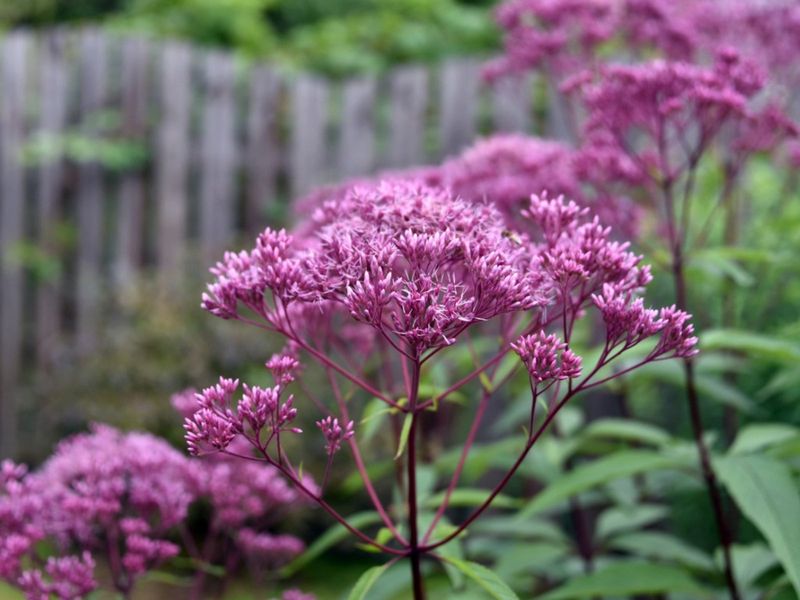
Knowing where to plant Joe Pye Weed in Texas makes a huge difference in how well it performs. This plant has clear preferences, and when you match those preferences, it rewards you generously. When you ignore them, it tends to sulk or underperform.
Moisture is the most important factor. Joe Pye Weed loves consistently moist soil and actually grows wild along stream banks, pond edges, and low-lying areas in its native Texas habitat.
If you have a spot in your yard that stays a little damp or collects water after rain, that is prime Joe Pye Weed territory. It can handle brief flooding without complaint, making it a smart choice for rain gardens across the state.
Sunlight matters too, but Joe Pye Weed is more flexible here. It grows well in full sun and also tolerates partial shade, which is unusual for a tall flowering plant.
In the hotter, drier parts of Texas, a little afternoon shade can actually help it stay looking fresh through the intense summer heat.
Soil type is less picky. Joe Pye Weed adapts to a wide range of soil conditions, from clay-heavy East Texas soils to the loamy soils of Central Texas.
It does prefer slightly acidic to neutral pH, but it is not demanding about it. Adding a layer of organic mulch around the base helps retain moisture and keeps the roots cool.
East Texas and the Hill Country region both offer naturally good conditions for this plant. Gardeners in drier West Texas can still grow it successfully with a little extra watering, especially during the first season while the roots are getting established.
How To Plant It So It Comes Back Strong
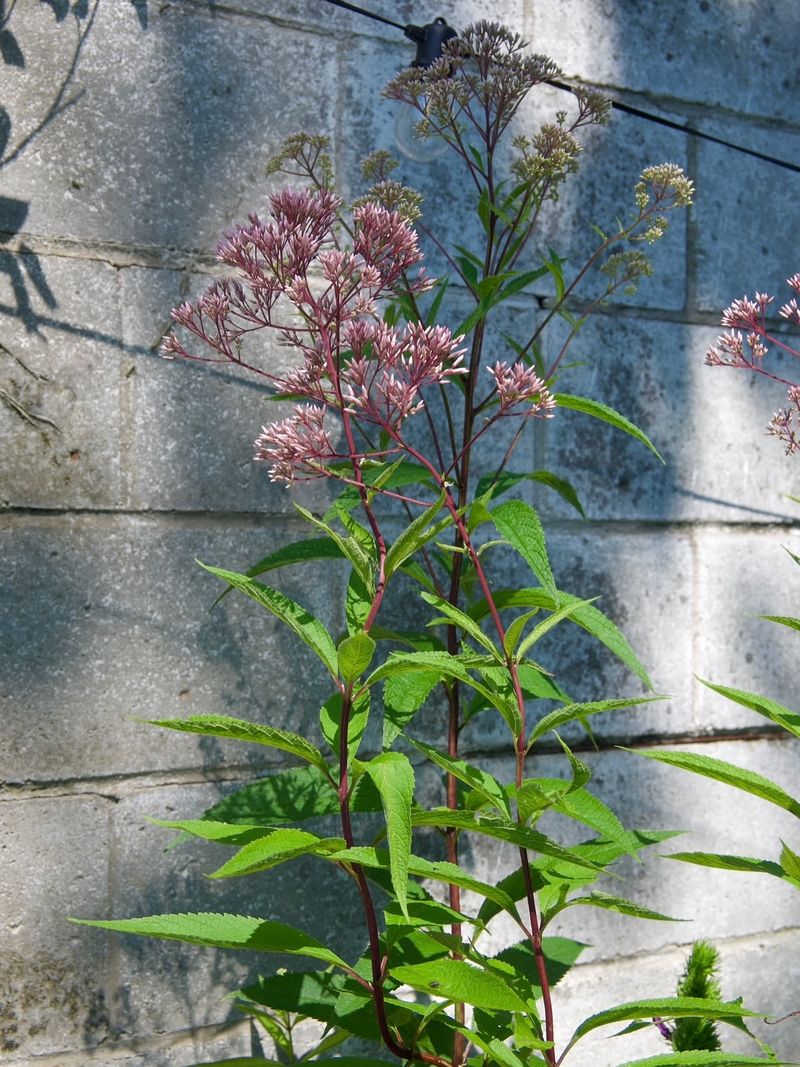
Getting Joe Pye Weed off to a strong start is mostly about choosing the right time and giving it a good first season. After that, this tough Texas native largely handles itself.
Spring planting works best, giving the roots a full growing season to spread before winter arrives.
Start by picking a spot that gets at least four to six hours of sunlight daily and has reasonably moist soil. Dig a hole about twice as wide as the root ball and just as deep.
Loosen the surrounding soil so the roots can spread easily. Place the plant in the hole so the top of the root ball sits level with the surrounding ground, then fill in and press the soil gently around the base.
Water thoroughly right after planting and keep the soil consistently moist for the first few weeks. This is the most critical period for Joe Pye Weed.
Once the roots are established, usually after six to eight weeks, the plant becomes much more self-sufficient. In Texas summers, a deep watering two or three times a week is usually enough to keep it happy.
Mulching is one of the smartest moves you can make. A two to three inch layer of organic mulch around the plant helps hold in moisture, moderates soil temperature, and reduces how often you need to water. Shredded leaves or wood chip mulch both work well.
Cutting the stems back by about one-third in late spring, a technique called Chelsea chop, encourages bushier growth and can delay blooming slightly, which extends the overall season.
Joe Pye Weed spreads slowly by rhizomes and will gradually form a fuller clump over several years in your Texas garden.
Easy Ways To Use Joe Pye Weed In Your Garden
Once you have decided to grow Joe Pye Weed, the fun part begins: figuring out where and how to use it.
Because of its impressive height and bold flower clusters, this Texas native works best as a background or anchor plant rather than a front-of-border choice. Think of it as the tall friend who makes everyone else look good.
Planted in groups of three or more, Joe Pye Weed creates a stunning mass of color that draws the eye and acts as a natural focal point. A row of them along a fence line or at the back of a garden bed creates a lush, privacy-screen effect by midsummer.
The height also makes them useful for blocking less attractive views while adding genuine beauty.
Rain gardens are another excellent use. Because Joe Pye Weed tolerates wet soil and even brief flooding, it thrives in low spots designed to capture and absorb rainwater runoff.
Pairing it with other moisture-tolerant Texas natives like swamp milkweed and cardinal flower creates a functional rain garden that also looks gorgeous.
Cut flower arrangements are surprisingly easy with Joe Pye Weed. The large flower heads last well in a vase and add an airy, wildflower feel to bouquets. Harvest stems in the morning when the blooms are just opening for the longest vase life.
Wildlife gardeners will love leaving the dried seed heads standing through winter. Birds like goldfinches and chickadees visit regularly to snack on the seeds.
Between the butterflies in summer and the birds in winter, Joe Pye Weed keeps your Texas garden alive with wildlife activity almost year-round.