7 Simple Tips For Growing Colorful Spring Annuals In Arizona
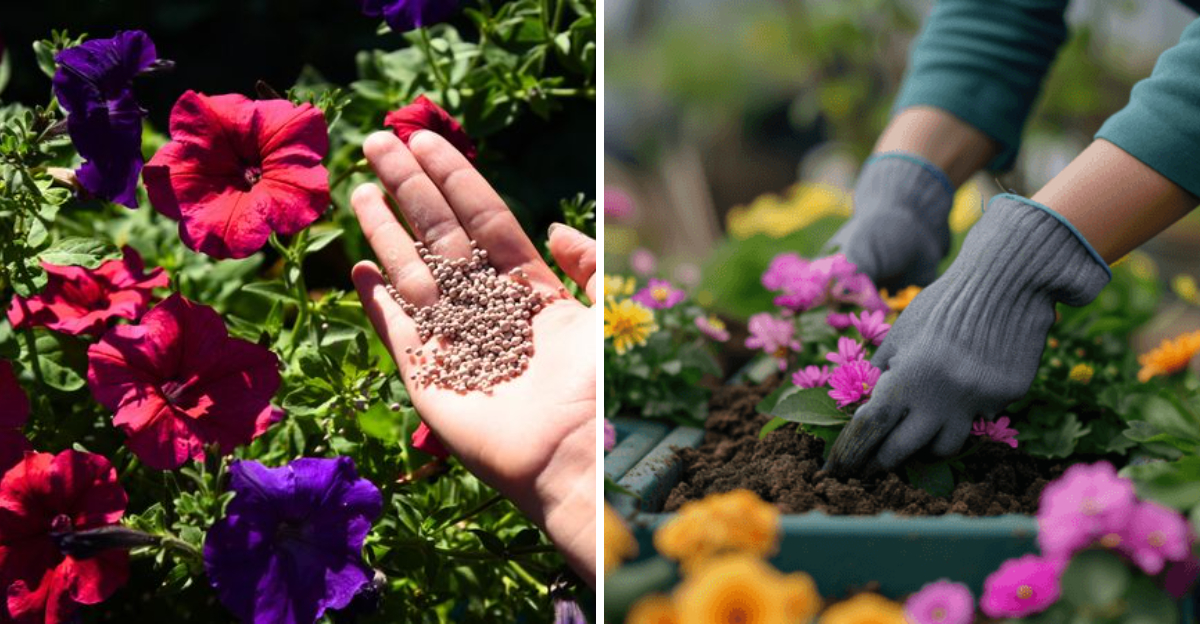
Spring annuals are often the fastest way to fill a garden with color, especially in Arizona where the mild spring weather creates a short but beautiful growing window.
Garden beds, patio pots, and entryway planters can suddenly look full of life once seasonal flowers begin to bloom.
Still, growing annuals in the desert is a little different than in cooler regions. Strong sun, dry air, and warming soil can affect how quickly plants establish and how long they keep producing flowers.
Small planting choices early in the season often decide whether those blooms last for weeks or fade much sooner than expected.
With a few simple growing habits, it becomes much easier to keep spring annuals looking vibrant while temperatures are still comfortable.
Paying attention to soil, spacing, and watering can help those colorful flowers stay healthy and keep blooming through Arizona’s pleasant spring weeks.
1. Choose Heat Tolerant Annuals That Handle Rising Temperatures
Not every flower sold at your local nursery is built for Arizona springs.
Walk down any garden center aisle in late February and you will spot plants that look gorgeous in the pot but will struggle hard once May rolls around and temperatures start pushing past 95 degrees.
Marigolds are one of the most reliable choices for Arizona gardeners. They handle the jump from mild spring mornings to blazing afternoons better than almost anything else you can plant.
Zinnias are another solid pick — they come in practically every color imaginable and do not flinch when the heat starts building.
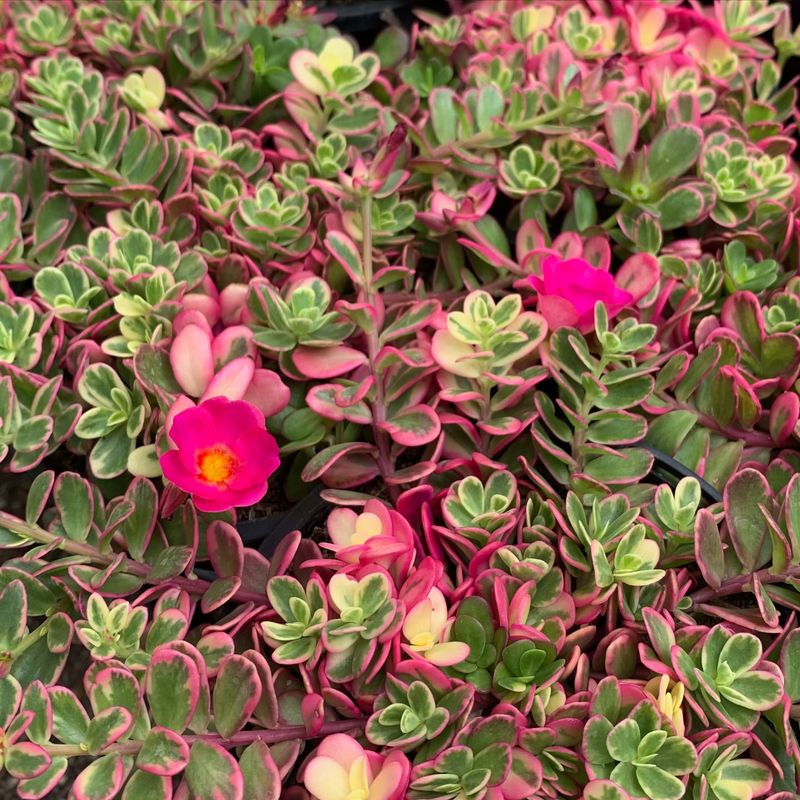
Portulaca, sometimes called moss rose, almost seems to enjoy the hottest parts of the day, opening its bright blooms right when the sun is at its peak.
Petunias work well too, especially the trailing varieties that spill over containers and garden edges. Look for varieties labeled as heat tolerant or bred specifically for warm climates.
Vinca, also known as catharanthus, is another plant that genuinely thrives in Arizona heat rather than just surviving it.
When you are shopping for annuals in Arizona, read the tags carefully. Words like drought tolerant and sun loving are your best friends.
Avoid anything that says prefers cool temperatures or partial shade if you are planting in a spot that gets direct afternoon sun.
Choosing the right plants from the start saves you a lot of frustration down the road and keeps your garden looking full and colorful all season long.
2. Plant Early So Roots Establish Before Intense Heat
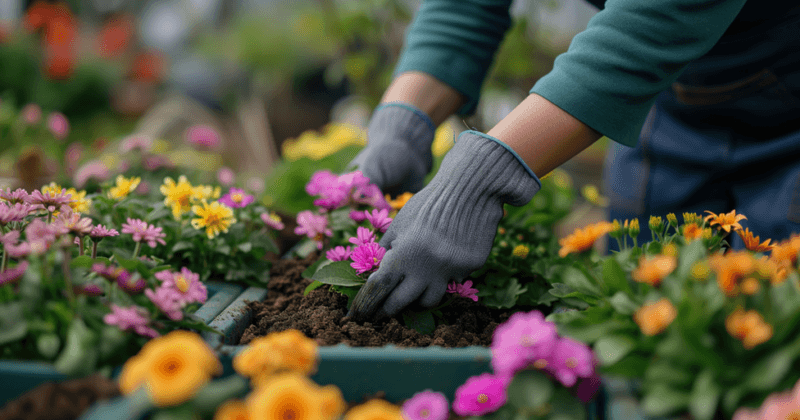
Timing really does make or break a spring garden in Arizona. Plant too late and your flowers barely get settled before the brutal heat of May and June shows up and stresses everything out before the blooms even hit their peak.
In the low desert areas around Phoenix and Tucson, late January through mid-March is the sweet spot for getting warm-season annuals in the ground.
Cool-season annuals like pansies and snapdragons can go in even earlier, sometimes as soon as late fall or January.
The goal is simple — give roots enough time to spread out and anchor themselves before temperatures start climbing hard.
Your Arizona Garden Changes Every Week. Your Plan Should Too.
Gardening in Arizona changes quickly throughout the season. Every Friday you’ll receive a simple weekly plan showing exactly what to plant, prune, fertilize, harvest, and protect so you never miss the right timing.
A plant with a strong root system handles heat stress far better than one that was just transplanted a few weeks ago.
Roots that have had four to six weeks to establish can pull moisture from deeper in the soil, which matters a lot when surface soil dries out fast in the Arizona sun.
Watch the forecast before you plant. A late cold snap can catch new transplants off guard, especially in higher elevation areas like Prescott or Flagstaff where frost dates run later than the valley.
Row cover or a simple frost cloth can protect young plants overnight if temperatures dip unexpectedly. Starting seeds indoors a few weeks before your planting date is another smart move that gives seedlings a head start.
Getting plants in the ground at the right time is honestly one of the biggest advantages you can give your Arizona spring garden.
3. Use Well Draining Soil To Prevent Root Problems
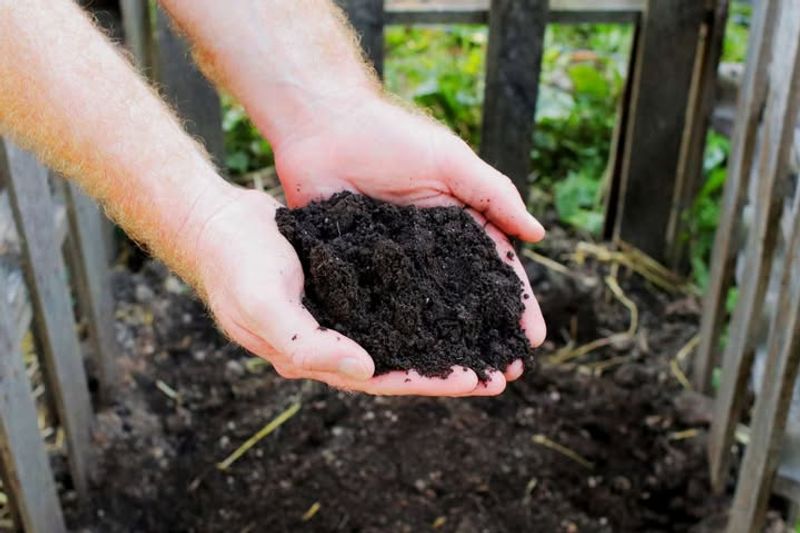
Arizona soil has a reputation, and not always a good one. Depending on where you live in the state, you might be dealing with heavy clay that holds too much water, or sandy soil that drains so fast roots barely get a chance to absorb moisture before it is gone.
Neither extreme is great for annuals. Roots sitting in soggy soil in clay-heavy ground will rot before the plant ever gets a chance to bloom.
Sandy soil on the other end dries out so fast that even daily watering struggles to keep up. The fix for both situations is the same — amend with compost.
Working two to three inches of quality compost into your planting beds before putting anything in the ground makes a noticeable difference.
Compost loosens clay soils so water can move through without pooling, and it adds body to sandy soils so they hold moisture just long enough for roots to absorb it.
You can find bags of compost at any hardware store or nursery across Arizona.
Raised beds are an excellent option for Arizona gardeners who want full control over soil quality. Fill them with a mix of compost, topsoil, and a little sand or perlite for drainage and you have a setup that works beautifully for almost any annual you want to grow.
Caliche, a layer of hard calcium carbonate found in many Arizona yards, can block drainage completely. If you hit a caliche layer while digging, break through it or build up rather than planting down into it.
4. Water Deeply But Allow Soil To Dry Slightly Between Watering
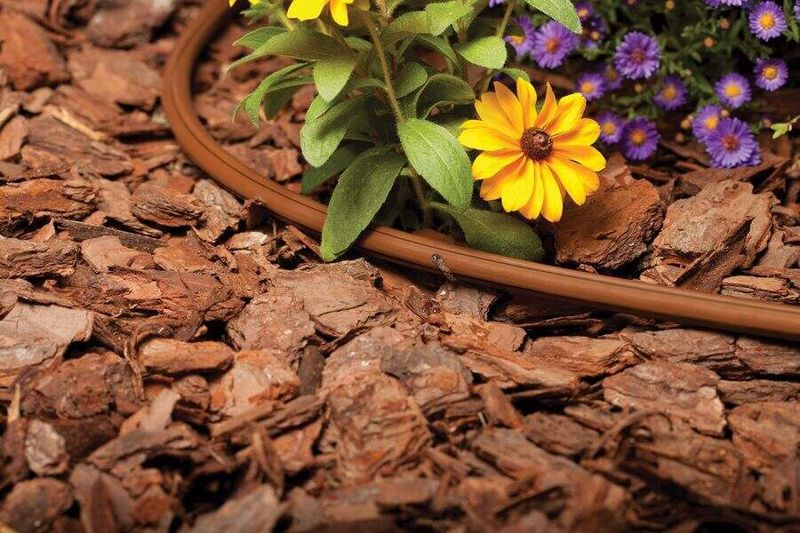
Watering annuals in Arizona is one of those things that sounds simple but trips up a lot of gardeners, even experienced ones. The instinct is to water every single day because the heat feels so intense, but that approach can actually cause more harm than good.
Frequent shallow watering keeps moisture right at the surface. Roots follow the water, so they stay shallow too.
Shallow-rooted plants are far more vulnerable to heat stress because the top inch of soil in an Arizona garden can dry out completely within hours on a hot afternoon.
Deep, less frequent watering pushes roots down into cooler, more stable soil layers where moisture lasts longer.
A good rule of thumb for most spring annuals in Arizona is to water deeply every two to three days rather than a little bit every day. Stick your finger an inch or two into the soil before watering.
If it still feels slightly damp, hold off another day. If it feels dry all the way down, it is time to water.
Drip irrigation is hands down the most efficient watering method for Arizona gardens. It delivers water slowly right at the root zone, reduces evaporation, and keeps foliage dry which helps prevent fungal issues.
Watering in the early morning is ideal because it gives roots time to absorb moisture before the heat of the day ramps up. Mulch around your plants also slows evaporation dramatically and helps the soil stay moist longer between watering sessions.
5. Feed Plants Lightly To Encourage Strong Flowering
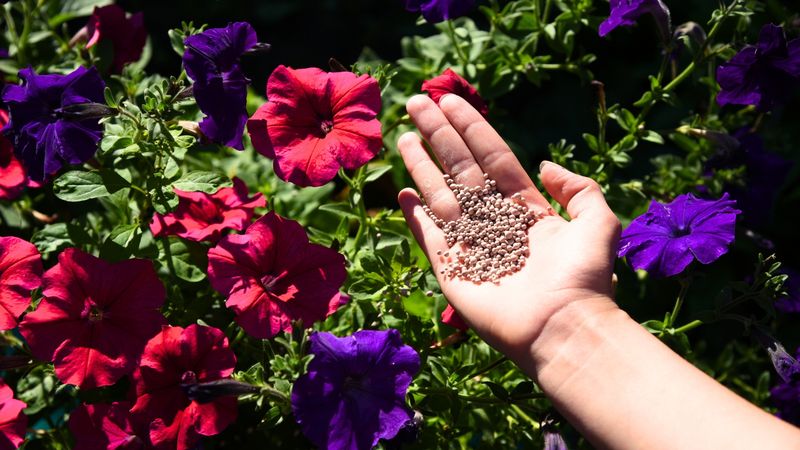
Fertilizer is one of those garden tools that works best when you do not overdo it. A lot of Arizona gardeners make the mistake of loading their annuals with fertilizer right after planting, thinking more nutrients means more flowers.
What actually happens is the plants push out a lot of leafy green growth while flower production takes a back seat.
Annuals need nutrients to bloom consistently, but the key word is consistently — not heavily. A balanced water-soluble fertilizer applied every four to six weeks is usually plenty for most spring annuals growing in Arizona.
Look for something with roughly equal parts nitrogen, phosphorus, and potassium, or lean toward a formula with slightly higher phosphorus to support flower development specifically.
Compost mixed into the soil before planting gives plants a slow, steady base of nutrition that reduces how often you need to fertilize during the season.
Think of it as a foundation that takes care of the basics while your liquid fertilizer provides a boost when blooms start to slow down.
One thing worth knowing about Arizona soils is that they tend to be alkaline, with pH levels often running between 7.5 and 8.5. At higher pH levels, some nutrients become less available to plants even when they are present in the soil.
Adding a little sulfur to lower pH, or using a fertilizer formulated for alkaline soils, can make a real difference in how well your annuals absorb what you give them.
Healthy, well-fed plants produce more blooms and keep flowering far longer through the Arizona spring season.
6. Remove Spent Blooms To Keep Flowers Coming Longer
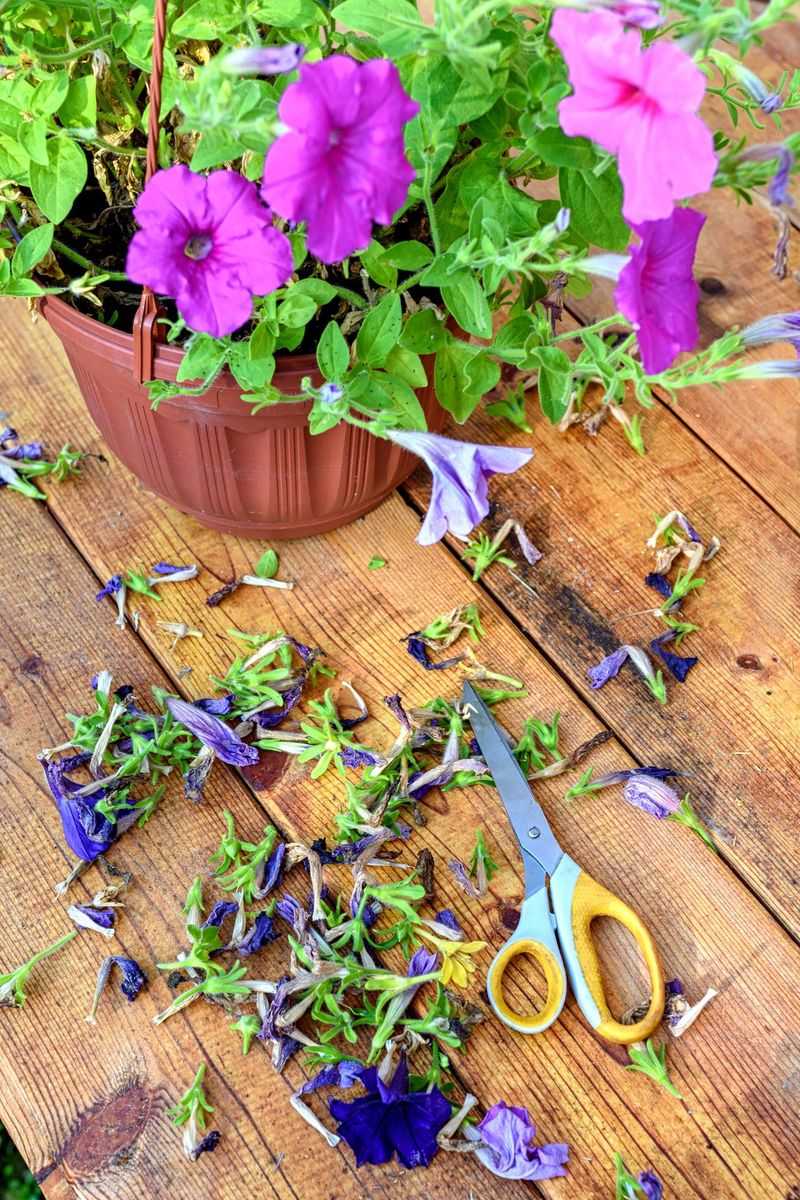
Deadheading is one of those gardening habits that feels a little tedious until you see the results. Pull off those faded, dried-up blooms regularly and your plants will reward you with a fresh flush of flowers that can extend your bloom season by weeks.
Here is why it works. When a flower fades and starts forming a seed pod, the plant shifts its energy toward producing seeds rather than new blooms.
Removing spent flowers before seeds develop tricks the plant into trying again. It keeps pushing out new buds in an attempt to complete its reproductive cycle.
For annuals in Arizona where the bloom window before intense summer heat arrives is already limited, deadheading makes every week count.
Some annuals are easier to deadhead than others. Marigolds and petunias are simple — just pinch off the faded flower head right behind the base of the bloom.
Zinnias benefit from being cut back to just above a set of leaves rather than just removing the flower head. Portulaca is largely self-cleaning and does not need much attention in this department.
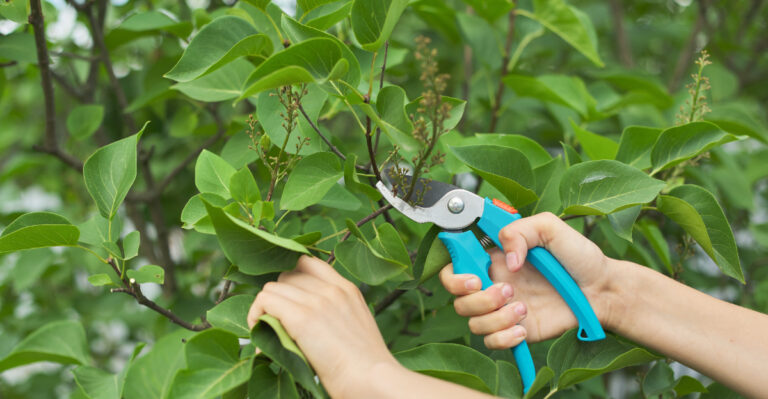
Getting into the habit of walking through your garden every few days with a pair of small scissors or just using your fingers to pinch off old blooms takes maybe five minutes.
That small investment of time keeps the garden looking fresh and full rather than ragged and tired.
In Arizona where the spring season moves fast, keeping your annuals blooming as long as possible is absolutely worth the effort of regular deadheading.
It also helps keep plants compact and tidy instead of letting them stretch out and look worn as the season goes on.
In warm Arizona spring weather, that simple habit can mean fuller plants and noticeably more blooms before the summer heat takes over.
7. Provide Light Afternoon Shade As Temperatures Climb
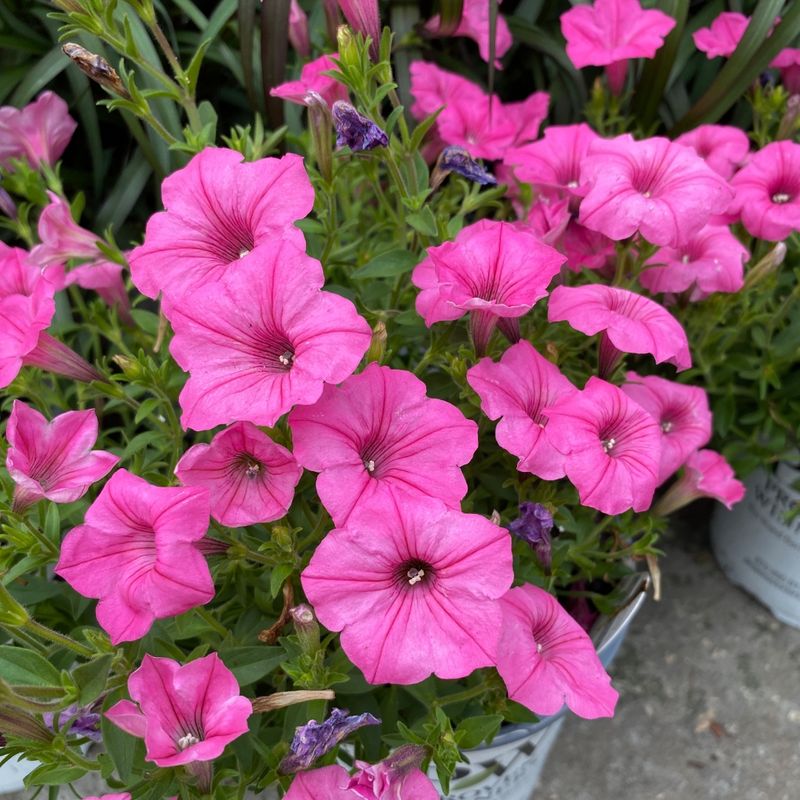
Even the most heat tolerant annuals have limits, and Arizona afternoons in April and May can push right up against those limits fast.
Afternoon shade is one of the most underused tools in the Arizona gardener’s toolkit, and it can be the difference between a garden that looks great through May and one that starts looking rough by mid-April.
Direct sun from about noon to four in the afternoon in Arizona is genuinely intense. Soil temperatures under that kind of exposure can spike dramatically, stressing roots and causing flowers to close up or fade faster than they should.
A little shade during those peak hours takes the edge off without depriving plants of the morning sun they need to bloom well.
Shade sails are one of the most popular solutions for Arizona gardeners who want flexible, adjustable coverage. They are easy to put up and take down, come in a range of sizes, and can be angled to block afternoon sun while still letting morning light through.
Planting annuals on the east side of a wall, fence, or taller plant also naturally provides afternoon shade without any extra setup.
Container gardens have a big advantage here because you can simply move pots to a shadier spot as the season progresses.
Start them in full sun during the cooler weeks of late winter and early spring, then shift them to a spot with afternoon protection as temperatures start climbing into the 90s.
A little strategic positioning goes a long way toward keeping your Arizona spring annuals looking their best deep into the season.