8 Potted Fruit Trees That Stay Productive In Arizona Heat And How To Grow Them
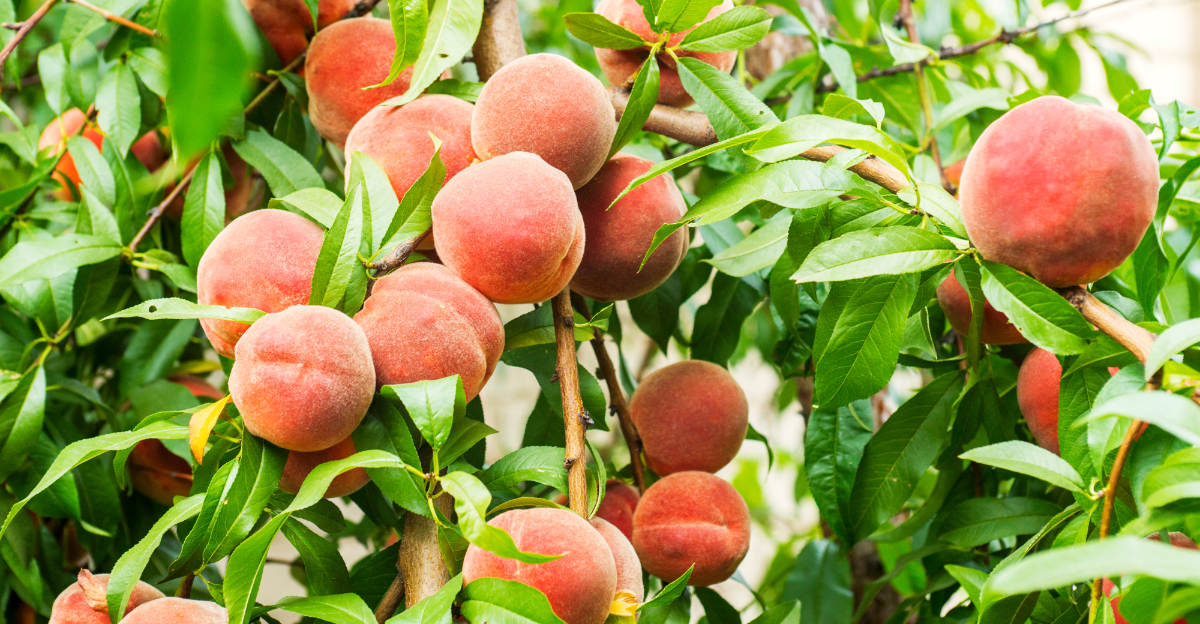
Fruit trees in pots can look promising early in the season, then struggle once Arizona heat settles in and starts stressing both roots and soil.
Leaves lose their deep color, growth slows down, and fruit either drops early or never fully develops. Many setups seem right at first, yet something shifts as temperatures climb.
Container growing adds another layer of challenge because heat builds up faster and moisture disappears sooner than expected. Some fruit trees simply cannot keep up in those conditions, no matter how much care they get.
Others adapt better and continue producing even when days turn intense. Choosing the right trees and adjusting a few key steps can completely change the outcome.
That shift often makes the difference between constant setbacks and steady harvests through the hottest part of the season.
1. Citrus Trees Stay Productive In Large Containers
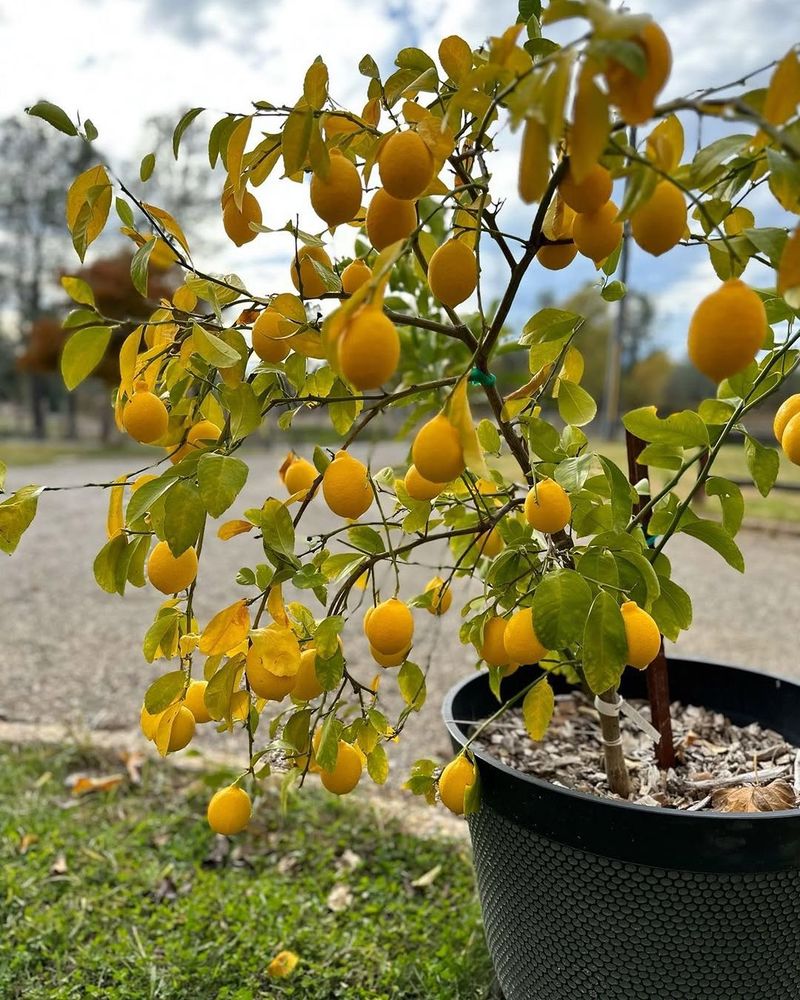
Few things feel as rewarding as picking a fresh orange or lemon right off a tree growing on your own patio in Arizona. Citrus trees are among the most popular container fruit trees in the state, and for very good reason.
They handle the desert heat well, produce reliably, and look beautiful year-round.
Valencia oranges, Meyer lemons, and satsuma mandarins are all excellent choices for container growing in Arizona. Choose a large pot, at least 20 to 25 gallons, to give the roots enough space to spread.
Use a well-draining potting mix and make sure your container has drainage holes at the bottom.
Citrus trees in Arizona need deep watering two to three times per week during the hottest months. Fertilize with a citrus-specific fertilizer every six to eight weeks during the growing season.
Watch for signs of iron chlorosis, which shows up as yellowing leaves, and treat it with chelated iron if needed.
Place your potted citrus tree in a spot that gets full sun for at least six to eight hours daily. With the right care, a single container citrus tree in Arizona can produce dozens of fruits each season.
It is honestly one of the most satisfying things a home gardener in the desert can grow.
2. Fig Trees Handle Heat And Produce Reliably
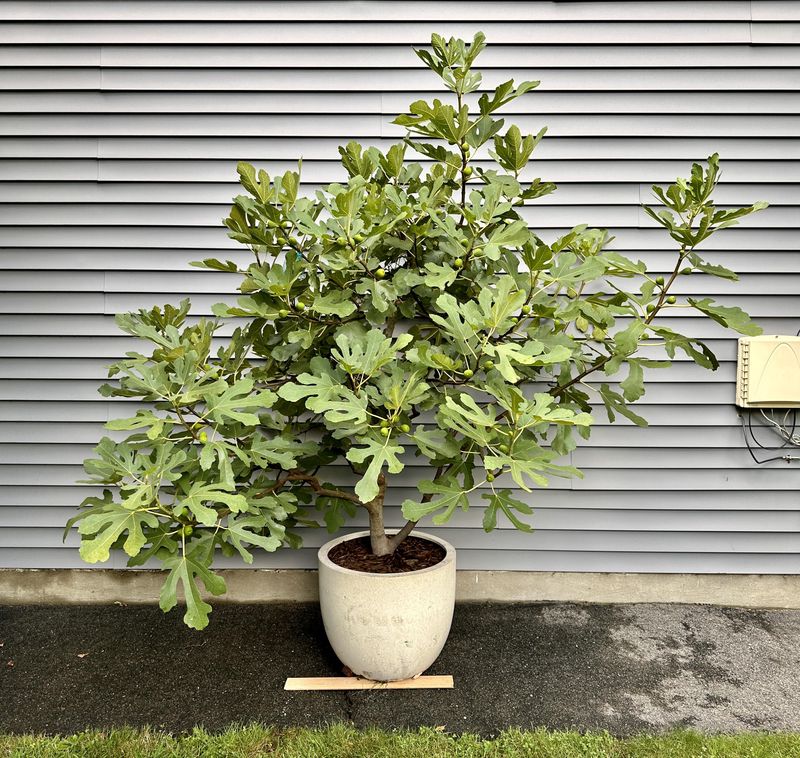
Fig trees were practically made for hot, dry climates, which makes them a natural fit for growing in containers across Arizona. They have been cultivated in desert regions for thousands of years, and their toughness in extreme heat is legendary.
Grown in a large pot, a fig tree can produce sweet, juicy fruits even during Arizona’s blistering summers.
Brown Turkey and Black Mission are two of the best fig varieties for container growing in Arizona. Both handle heat well, produce heavily, and adapt easily to life in a pot.
Choose a container that holds at least 15 to 20 gallons and fill it with a rich, well-draining potting mix.
Figs grown in containers in Arizona need consistent watering, especially from May through September when temperatures regularly climb above 100 degrees. Water deeply every two to three days during peak summer heat to keep the soil evenly moist.
Your Arizona Garden Changes Every Week. Your Plan Should Too.
Gardening in Arizona changes quickly throughout the season. Every Friday you’ll receive a simple weekly plan showing exactly what to plant, prune, fertilize, harvest, and protect so you never miss the right timing.
A layer of mulch on top of the soil helps slow moisture loss significantly.
Fertilize your fig tree with a balanced fertilizer in early spring and again in midsummer. Fig trees are relatively low-maintenance once established, making them a great option for busy gardeners in Arizona.
With just a little attention, you will enjoy a generous harvest of sweet figs every single year.
3. Pomegranate Trees Thrive And Tolerate Dry Heat
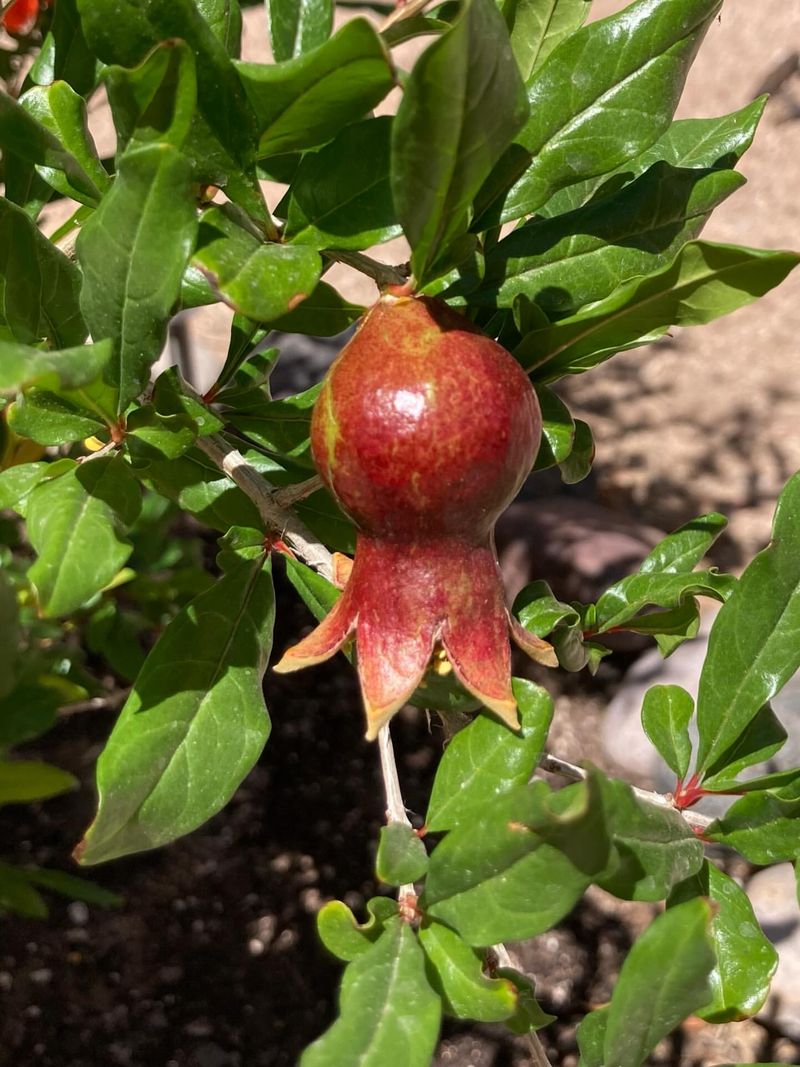
If there is one fruit tree that was practically designed for Arizona, it is the pomegranate. This ancient fruit has been grown in hot, arid climates for thousands of years, and it thrives in the dry desert conditions that define Arizona.
When grown in a large container, pomegranate trees stay manageable in size while still producing an impressive amount of fruit.
Wonderful and Desertnyi are two pomegranate varieties that perform exceptionally well in Arizona containers. Both are highly drought-tolerant once established and produce large, jewel-colored fruits packed with sweet-tart flavor.
Use a container that is at least 15 gallons and fill it with a fast-draining potting mix to prevent root rot.
One of the best things about growing pomegranates in Arizona is that they actually prefer the heat. They need full sun exposure for at least six hours daily to produce well, and they handle temperatures over 110 degrees without too much stress.
Watering every three to four days during summer is usually sufficient for a healthy, established tree.
Fertilize pomegranates lightly in spring with a balanced fertilizer to encourage strong growth and flowering. Avoid overwatering, as pomegranates are far more tolerant of dry soil than soggy conditions.
With minimal effort, this tree rewards Arizona gardeners with a stunning harvest every fall.
4. Mulberry Trees Grow Fast And Produce Well In Pots
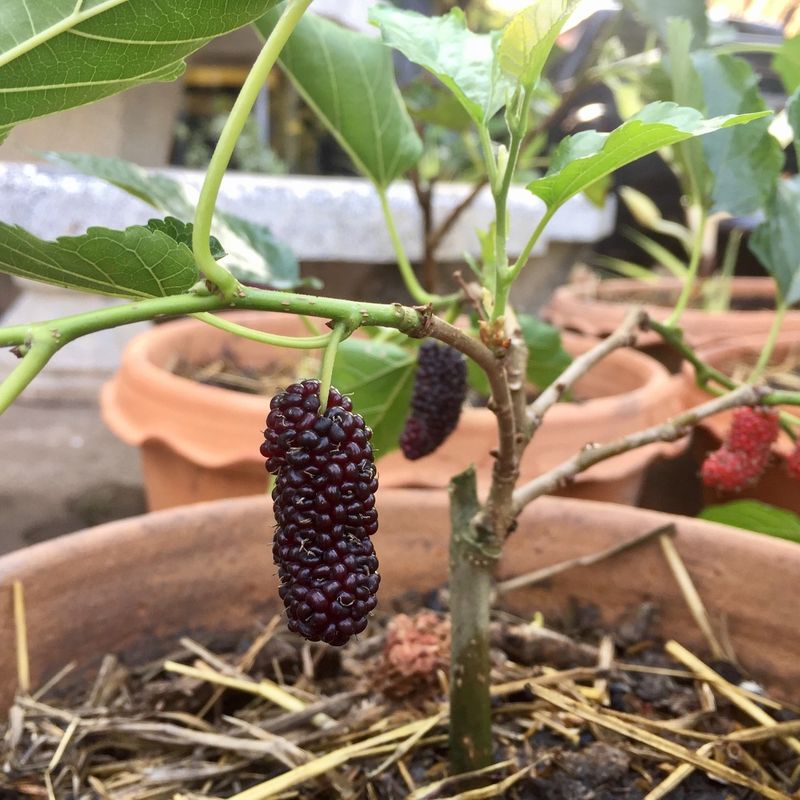
Mulberry trees grow at a speed that will genuinely surprise you, and that fast growth means you get to enjoy fruit much sooner than with most other trees.
In Arizona, mulberries are well-known for handling intense heat, and when grown in large containers they can still produce generous harvests of sweet berries.
Dwarf mulberry varieties are especially well-suited for container life in Arizona gardens.
The Issai dwarf mulberry is one of the top choices for pot growing in Arizona because it stays compact while still producing abundantly. Plant it in a container of at least 20 gallons to give the roots room to spread and support strong growth.
Use a rich, well-draining potting mix and place the pot in a location that receives full sun most of the day.
Mulberry trees in Arizona containers need regular deep watering during summer, roughly every two to three days when temperatures are at their peak. They are fairly forgiving trees that bounce back quickly if you miss a watering here and there.
Fertilize with a balanced fertilizer in early spring to kick off the growing season on a strong note.
One fun fact about mulberries is that a single tree can produce several pounds of fruit in just one season. The berries ripen from late spring into early summer in Arizona, giving you a delicious harvest before the hottest months arrive.
They are wonderful eaten fresh, baked into desserts, or made into homemade jam.
5. Guava Trees Handle Heat And Stay Productive In Containers
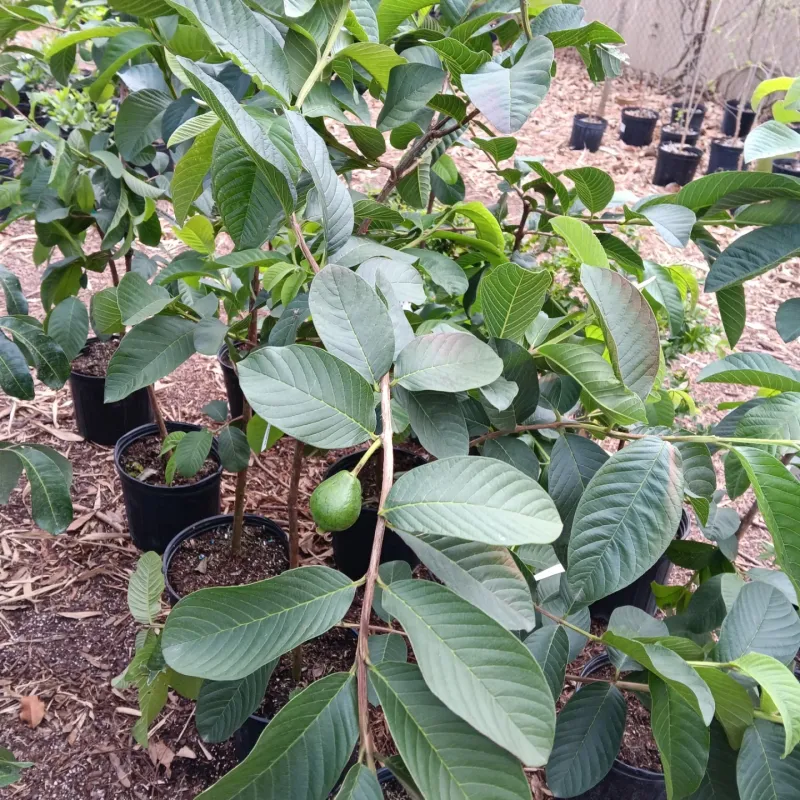
Guava trees bring a tropical vibe to Arizona patios, and they are surprisingly tough when it comes to handling the desert’s extreme heat.
These fast-growing trees produce fragrant, flavorful fruits that are packed with vitamin C, making them a healthy and delicious addition to any container garden in Arizona.
Tropical guava and strawberry guava are the two types most commonly grown in containers across the state.
Guava trees love warmth, which makes Arizona one of the best places in the country to grow them outdoors. Plant your guava in a container that holds at least 15 gallons and use a well-draining potting mix enriched with compost.
Full sun is essential for strong fruit production, so choose a spot on your patio or in your yard that gets at least six to eight hours of direct sunlight daily.
Watering frequency matters a lot with container guavas in Arizona, especially from June through September. Water deeply every two to three days during summer and reduce watering slightly during cooler months.
Fertilize every four to six weeks during the growing season with a balanced fertilizer to encourage healthy growth and consistent fruiting.
Guava trees can be sensitive to frost, so if you live in a part of Arizona that sees occasional cold snaps, move your container indoors or to a sheltered spot during winter.
With good care, a potted guava tree in Arizona will reward you with multiple harvests of sweet, aromatic fruit each year.
Few container trees offer this level of tropical flavor in the desert.
6. Dwarf Peach Trees Can Produce In Large Containers
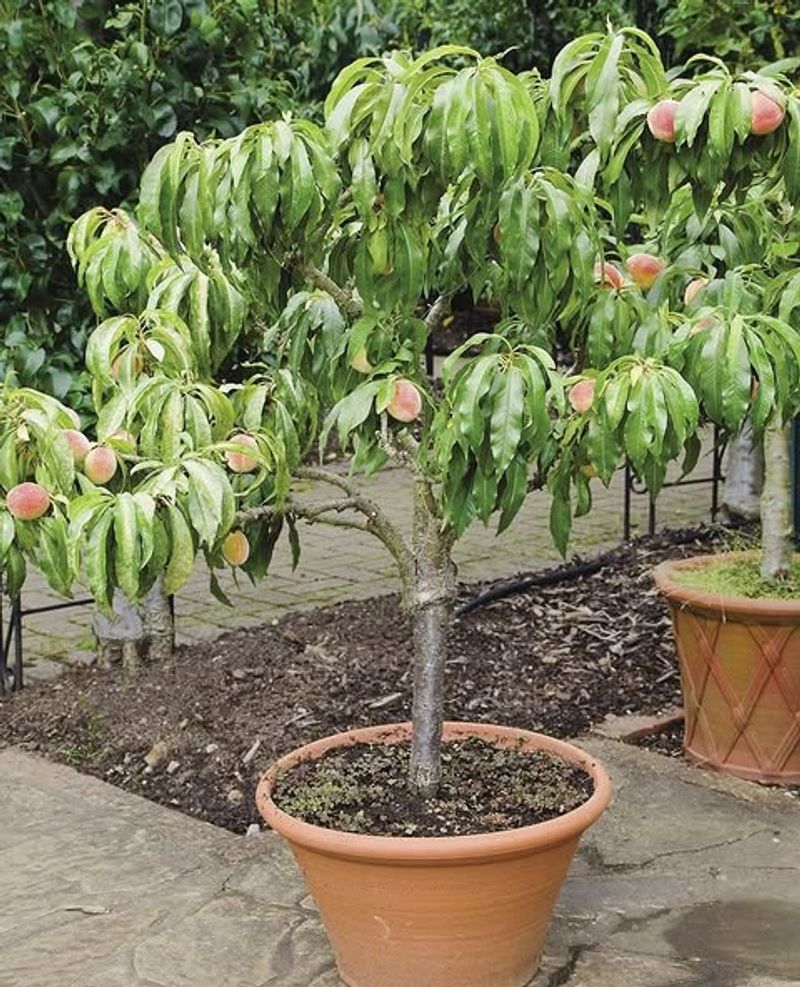
Growing a peach tree in a pot might sound ambitious, but dwarf peach varieties are genuinely well-suited for container life in Arizona.
These compact trees stay small enough to manage easily while still producing sweet, juicy peaches that taste far better than anything you will find in a grocery store.
Low-chill varieties like Bonanza and Desert Gold are especially popular with Arizona container gardeners.
Arizona’s long, warm growing season actually works in your favor when growing dwarf peaches in containers. These low-chill varieties need fewer cold hours in winter to set fruit, which makes them a great match for Arizona’s mild winters.
Plant your dwarf peach in a container of at least 15 to 20 gallons and use a rich, well-draining potting mix for best results.
Peach trees in containers need consistent moisture, especially once the fruits start to develop in late spring. Water deeply every two to three days during the warm months and fertilize with a balanced fruit tree fertilizer in early spring and again in early summer.
Make sure your container gets full sun exposure throughout the day for the healthiest growth and biggest harvests.
Pruning your dwarf peach tree each winter helps maintain its shape and encourages better fruit production the following season. Thin out the fruits when they are small so the remaining ones grow larger and sweeter.
With a little extra attention, a potted dwarf peach tree in Arizona can produce a beautiful harvest of fresh peaches that makes all the effort worthwhile.
7. Apricot Trees Can Grow In Containers With Proper Care
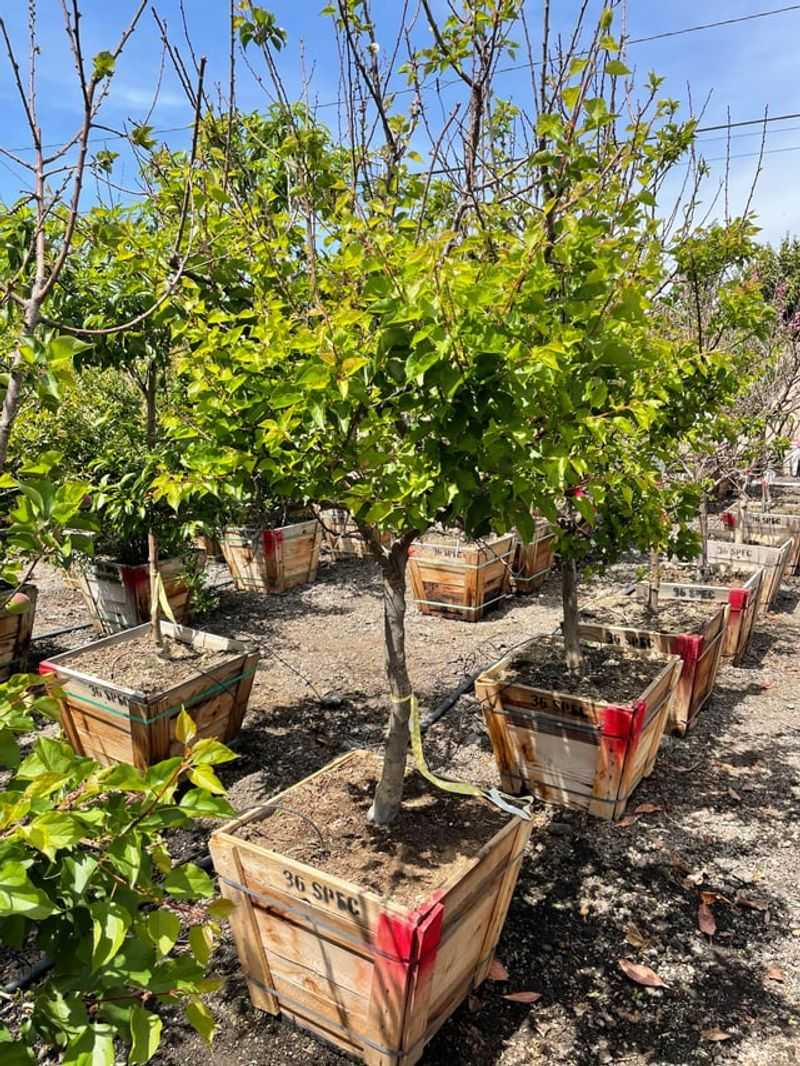
Apricots have a long history in the American Southwest, and Arizona gardeners have been growing them successfully for generations. With the right variety and container setup, apricot trees can produce sweet, golden fruits even in the intense Arizona heat.
Low-chill varieties like Katy and Gold Kist are excellent choices for container growing across the state.
Apricot trees need a container of at least 15 to 20 gallons to give the roots enough room to develop properly. Fill the container with a well-draining potting mix and add a layer of mulch on top to help retain soil moisture during the hottest months.
Place the pot in a location that receives full sun for most of the day, as apricots need plenty of direct sunlight to produce well.
Watering is one of the most important parts of growing apricots in containers in Arizona. During summer, water your tree deeply every two to three days and check the soil moisture regularly to avoid letting it dry out completely.
Fertilize with a balanced fertilizer in early spring and again after the tree finishes fruiting to help it recover and prepare for next season.
One thing to watch for with apricots in Arizona is late frost, which can sometimes affect early spring blossoms. If a cold night is expected, cover the tree or move it to a sheltered spot to protect the blooms.
With consistent care and a little planning, a potted apricot tree in Arizona can deliver a truly satisfying harvest of sweet, sun-ripened fruit.
8. Nectarine Trees Can Produce In Containers With Care
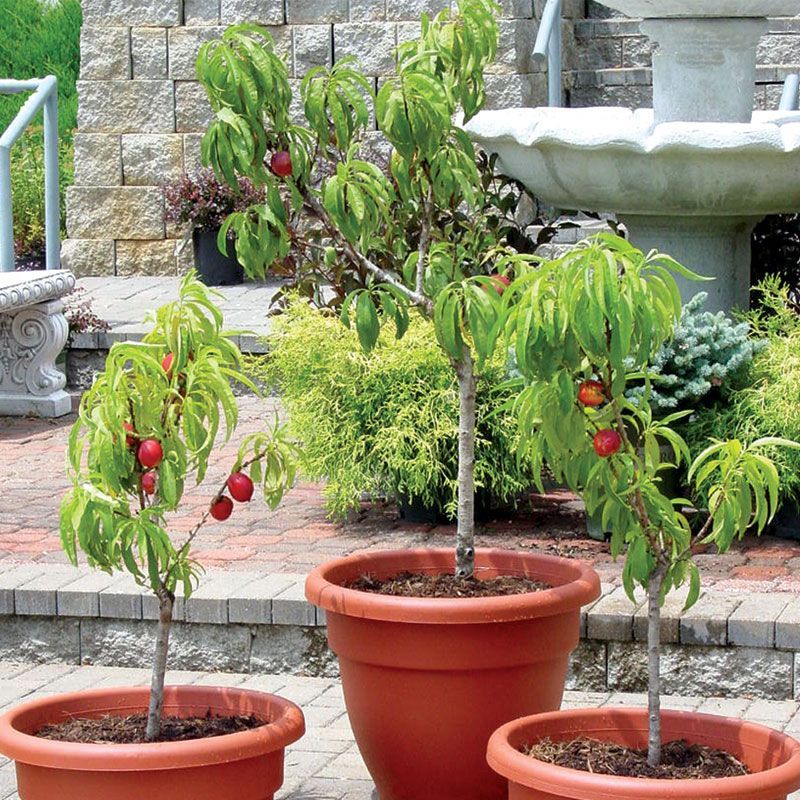
Nectarines are essentially smooth-skinned peaches, and they bring the same sweet, summery flavor to the table with a slightly firmer texture that many people love.
Growing a nectarine tree in a container in Arizona is very achievable, especially when you choose low-chill dwarf varieties that are bred to handle warm winters and hot summers.
SunCrest and Fantasia are two popular nectarine varieties that perform well in Arizona container gardens.
Start with a large container, at least 15 to 20 gallons, and fill it with a nutrient-rich, well-draining potting mix.
Nectarine trees need full sun exposure every single day to produce well, so place your pot in the sunniest spot available on your patio or in your yard in Arizona.
Good air circulation around the tree also helps reduce the risk of fungal issues, which can sometimes develop in humid conditions.
Watering your potted nectarine tree consistently is key to getting a good harvest in Arizona. During the peak summer months, water deeply every two to three days and never let the soil dry out completely when fruits are developing.
Fertilize with a fruit tree fertilizer in early spring to support new growth and again in early summer to fuel fruit development.
Thin the fruits when they are still small so the tree can put more energy into the remaining nectarines, making them larger and sweeter. Prune lightly each winter to keep the tree at a manageable size for its container.
Grown with care and consistency, a potted nectarine tree in Arizona will reward you with a fresh, flavorful harvest that is well worth the effort.