Why Florida Homeowners Are Putting This Tough Plant By Mailboxes
If you drive through any coastal Florida neighborhood, you will notice a striking trend standing guard next to almost every driveway. While most tropical landscaping shrivels under the relentless salt spray and baking asphalt heat, one specific plant thrives where everything else rarely survives.
This isn’t just a choice for aesthetic appeal; it is a calculated survival strategy for the harshest microclimate on your property. The area surrounding a mailbox is notoriously brutal.
It faces reflected heat from the street, constant exhaust fumes, and often, a complete lack of irrigation. Most homeowners grow tired of replacing scorched annuals or yellowing grass every season.
Instead, they are turning to a rugged, sculptural powerhouse that ignores the drought and actually prefers the neglect. This “mailbox warrior” has become the secret weapon for curb appeal that looks expensive but costs nearly nothing to maintain.
Before you head to the nursery for another round of thirsty flowers, you need to see why the Dwarf Yaupon Holly is dominating Florida front yards.
1. Meet Dwarf Yaupon Holly The Tough Mailbox Favorite
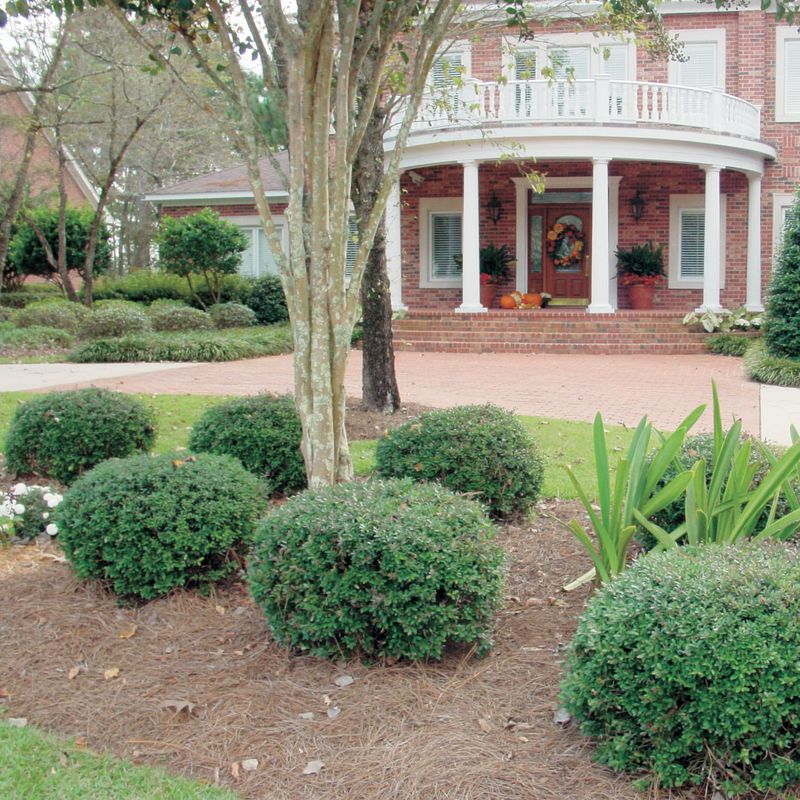
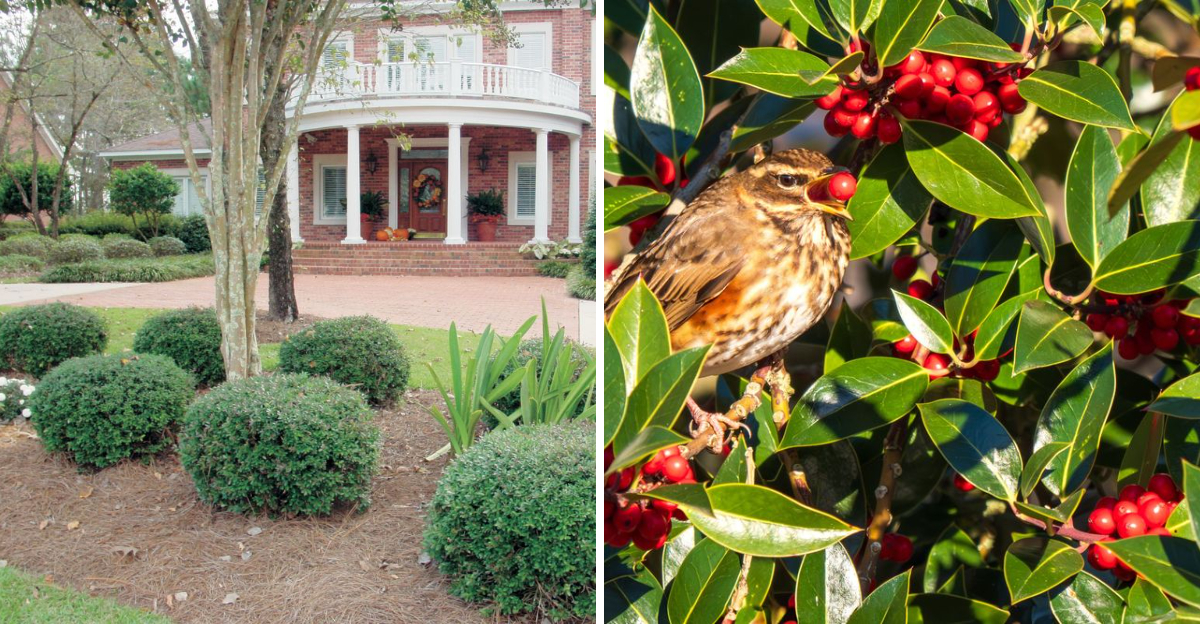
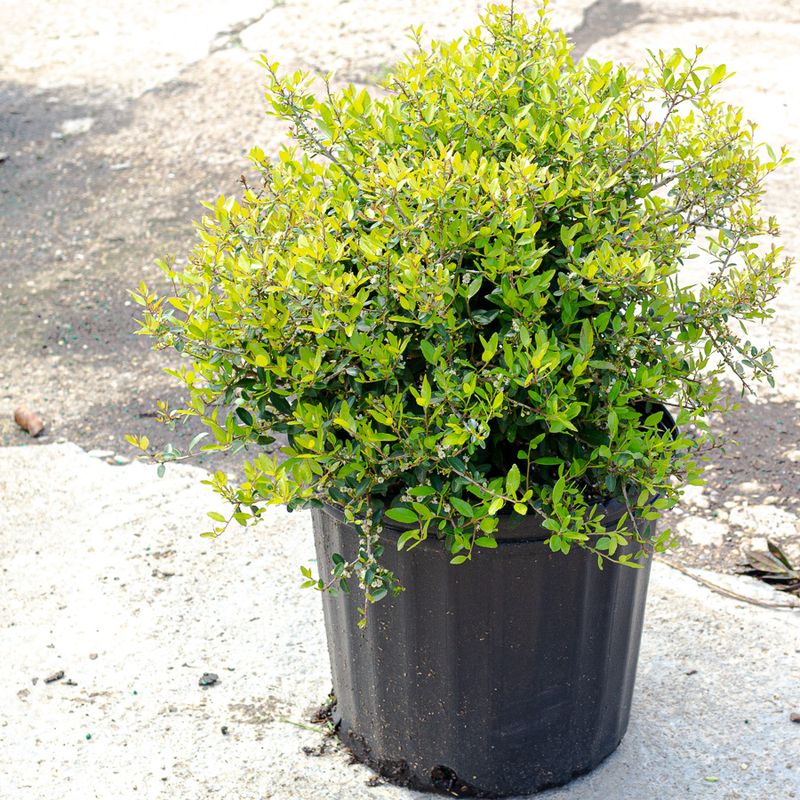
Walk down almost any well-kept Florida neighborhood street and you will start noticing the same tidy rounded shrub popping up near mailboxes. That plant is dwarf yaupon holly, known botanically as Ilex vomitoria ‘Nana,’ and it has earned a serious fan base among Florida homeowners who want curb appeal without constant upkeep.
Dwarf yaupon holly is a compact evergreen shrub that typically grows two to three feet tall and about the same width. Its small, dark green leaves stay on the plant all year long, giving mailbox areas a polished, finished look no matter the season.
Unlike larger shrubs that can quickly outgrow their space and block postal workers, this variety stays naturally low and manageable.
According to the University of Florida Institute of Food and Agricultural Sciences Extension, dwarf yaupon holly is one of the most adaptable native shrubs available to Florida gardeners. It thrives across the entire state, from North Florida down through South Florida, handling a wide range of conditions with ease.
For mailbox plantings where space is limited and conditions are tough, few plants come close to matching what this reliable evergreen brings to the landscape.
2. Handles Heat And Sun Without Complaining
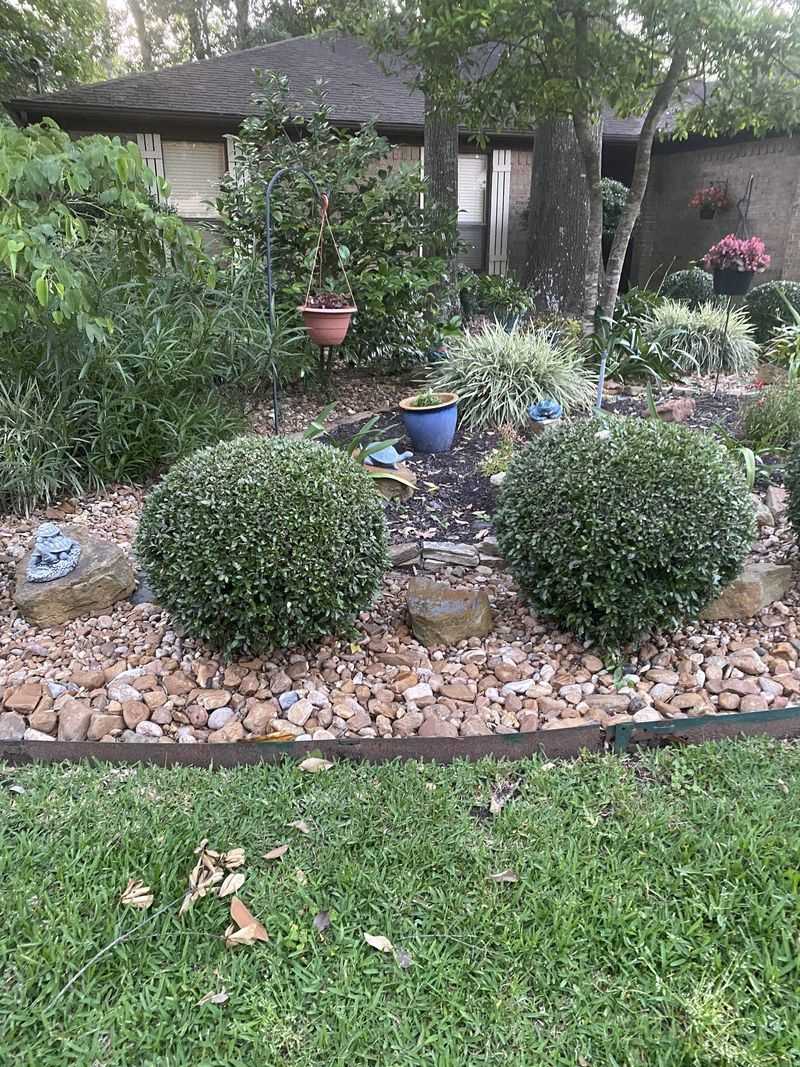
Florida summers are no joke. Temperatures regularly climb into the nineties, the pavement radiates heat, and the sun beats down with an intensity that wilts many popular landscape plants before July is even over.
Dwarf yaupon holly takes all of that in stride without missing a beat.
Full sun is actually where this plant performs best. Unlike shade-loving shrubs that get stressed and leggy when planted in open sunny spots, dwarf yaupon holly soaks up the sunshine and stays dense and healthy.
The University of Florida IFAS Extension notes that this plant tolerates full sun to partial shade, making it flexible enough to handle whatever light conditions your mailbox area receives throughout the day.
Even during Florida’s longest and hottest summers, the foliage holds its deep green color without fading or scorching. Many homeowners report that their dwarf yaupon hollies look just as vibrant in August as they do in cooler months.
Your Florida Garden Changes Every Week. Your Plan Should Too.
Gardening in Florida changes quickly throughout the season. Every Friday you’ll receive a simple weekly plan showing exactly what to plant, prune, fertilize, harvest, and protect so you never miss the right timing.
That kind of heat tolerance is genuinely hard to find in a low-growing shrub. For Florida landscapes where summer sun is relentless and unforgiving, having a plant that thrives rather than just survives makes all the difference in maintaining attractive curb appeal.
3. Tolerates Sandy Soil And Occasional Drought
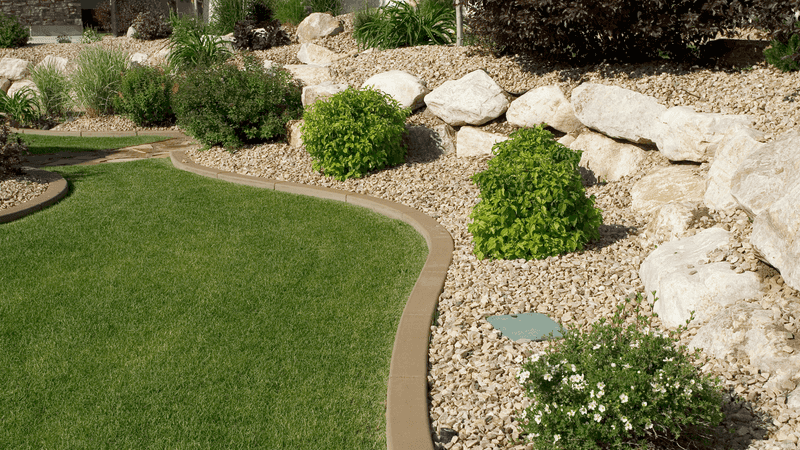
Sandy soil is one of the great landscaping challenges across much of Florida. It drains so fast that water and nutrients pass right through before most plants can use them.
Plenty of shrubs struggle in these conditions, turning yellow or wilting between rainfalls. Dwarf yaupon holly handles sandy soil without a fuss.
Once established, this plant has impressive drought tolerance. Its root system spreads efficiently through sandy ground and pulls moisture from a wide area, allowing the plant to stay healthy even during dry spells that would stress less adapted shrubs.
The University of Florida IFAS Extension highlights dwarf yaupon holly as an excellent choice for low-water-use landscapes, which aligns perfectly with Florida’s push toward more water-wise gardening practices.
During the establishment period, which usually runs about the first six to twelve months after planting, regular watering helps the roots settle in and spread. After that, supplemental irrigation becomes much less necessary.
Homeowners who want a mailbox planting they do not have to babysit through every dry stretch will appreciate how self-sufficient this shrub becomes once it gets comfortable in the ground. Sandy Florida soil is not a limitation for dwarf yaupon holly; it is simply home.
4. Keeps A Naturally Neat Rounded Shape
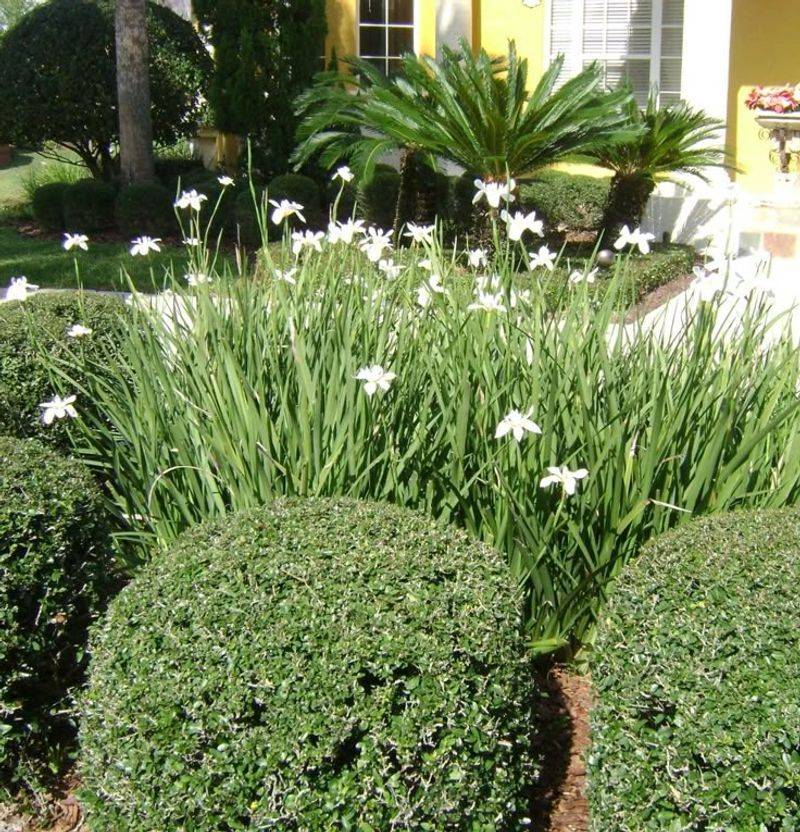
One of the most appealing things about planting dwarf yaupon holly near a mailbox is how naturally tidy it looks. Without much help from you, this shrub grows into a soft, rounded mound that looks like someone spent time shaping it.
That natural form is just what the plant does on its own.
For mailbox areas, appearance really matters. Postal workers need clear access, neighbors notice the front of your property, and HOA guidelines in many Florida communities require plantings to stay within certain size limits.
Dwarf yaupon holly fits neatly into those expectations by staying compact and well-behaved. Most plants top out between two and three feet tall, which keeps sightlines clear and access easy.
Light shearing once or twice a year is usually all it takes to keep the shape looking crisp. Some homeowners skip trimming altogether and still end up with a plant that looks intentional and polished.
Compared to faster-growing shrubs that need frequent haircuts to stay in bounds, dwarf yaupon holly is refreshingly low-demand. Florida homeowners with busy schedules will appreciate a mailbox planting that holds its good looks without requiring constant attention throughout the year.
5. Handles Salt And Roadside Stress Well
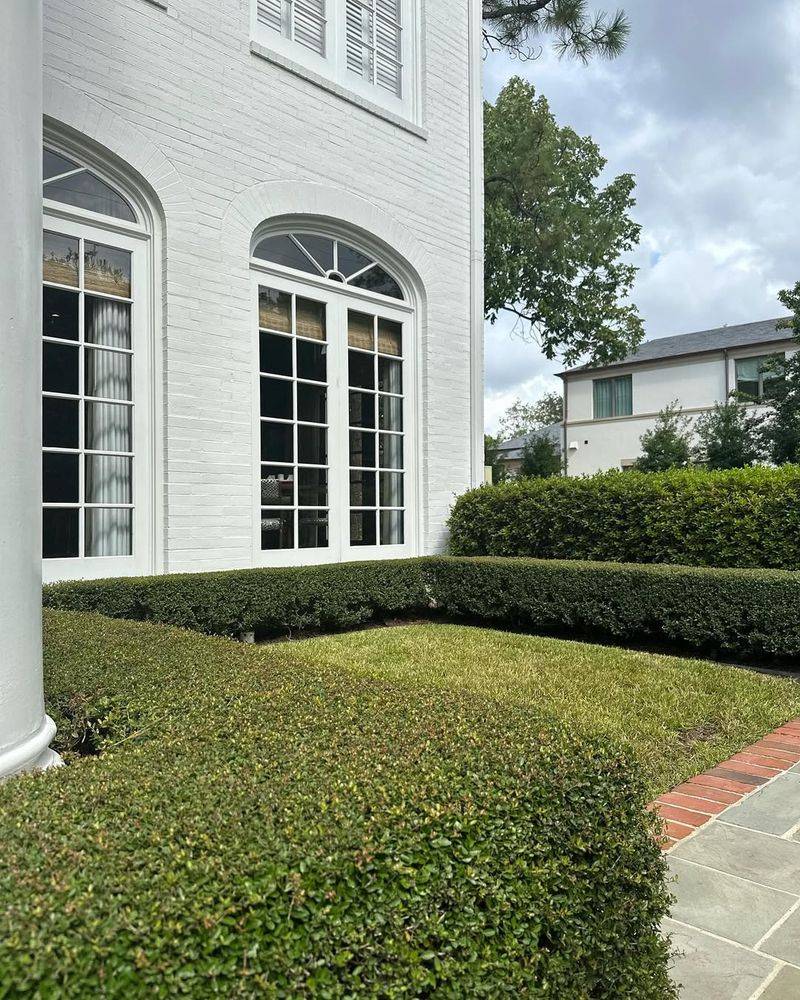
Mailbox plantings live a hard life. They sit next to roads where cars kick up exhaust, pavement reflects heat like an oven, and in coastal areas, salt-laden breezes roll in off the water regularly.
Most ornamental shrubs would show damage quickly under those conditions. Dwarf yaupon holly handles all of it without breaking a sweat.
Salt tolerance is a standout trait for Florida gardeners, especially those living within a few miles of the coast. Salt spray can burn foliage, damage root systems, and cause long-term decline in sensitive plants.
Dwarf yaupon holly has naturally tough, waxy leaves that resist salt damage and continue performing well even in seaside neighborhoods throughout Florida.
Beyond salt, this plant shrugs off the reflected heat from concrete driveways and asphalt roads, which can push ground-level temperatures significantly higher than the surrounding air. Compacted soil near road edges, occasional splashes from irrigation runoff, and even minor disturbances from foot traffic near the mailbox are conditions dwarf yaupon holly handles with ease.
Choosing a plant that is built for roadside toughness means fewer replacements and a mailbox area that stays attractive year after year, even in the most challenging Florida landscape spots.
6. Provides Year Round Evergreen Color
Plenty of popular landscape plants look great in spring and then fade, brown out, or go dormant by fall. In Florida, where guests, neighbors, and potential buyers see your yard every single month of the year, having plants that stay attractive in January matters just as much as how they look in April.
Dwarf yaupon holly is a true evergreen, which means its glossy green leaves stay on the plant and hold their color throughout all four seasons. Even during Florida’s mild winters, when some other shrubs look tired or sparse, dwarf yaupon holly keeps its full, dense appearance.
That consistent color creates a reliable backdrop for seasonal flowers or simply stands on its own as a year-round focal point near the mailbox.
The small leaves have a slightly glossy surface that catches light nicely, giving the plant a clean and vibrant look even without flowers or berries present. For homeowners who want their front yard to look put-together and intentional throughout the year, evergreen shrubs are non-negotiable.
Dwarf yaupon holly delivers that steady visual presence without any special treatments, seasonal replanting, or extra fertilizer pushes. Florida landscapes benefit enormously from plants that perform consistently, and this shrub delivers exactly that.
7. Supports Birds And Local Wildlife
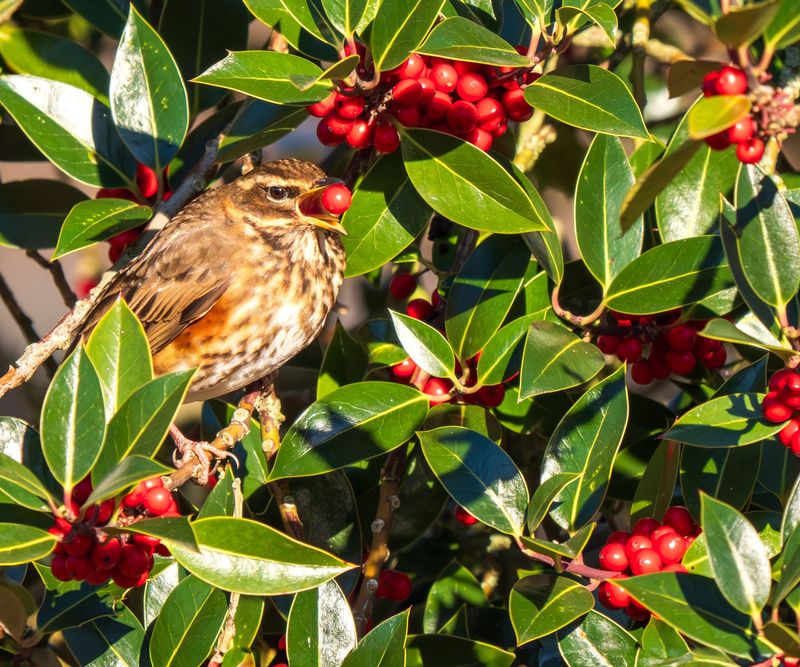
Beyond good looks and low maintenance, dwarf yaupon holly brings something extra to the landscape. Female plants produce clusters of small, round red berries that ripen in fall and often persist through winter.
Those berries are a favorite food source for many bird species that pass through or overwinter in Florida.
Songbirds like cedar waxwings, mockingbirds, and robins actively seek out yaupon holly berries during cooler months. Planting a female dwarf yaupon near your mailbox means you may regularly spot birds visiting your front yard, which adds a lively, natural quality to the neighborhood streetscape.
To get berries, at least one male yaupon holly should be growing somewhere nearby for pollination, though a neighbor’s plant can often serve that purpose.
Supporting local wildlife is increasingly important as Florida continues to develop and natural habitat shrinks. Native plants like dwarf yaupon holly play a meaningful role in providing food and shelter for birds and beneficial insects.
The University of Florida IFAS Extension encourages the use of native species in home landscapes for exactly this reason. Choosing a mailbox plant that looks great and feeds local wildlife at the same time is a genuinely satisfying landscaping decision that benefits the whole neighborhood ecosystem.