These Are The 10 Easy-To-Grow Vegetables For Ohio Backyards
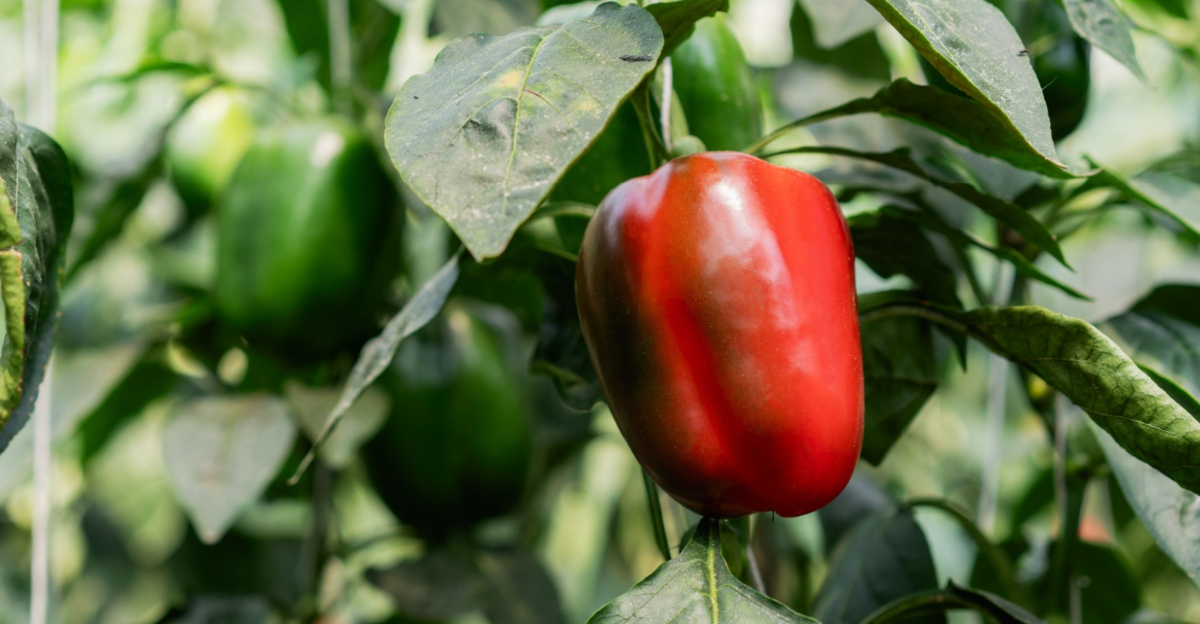
Backyard gardening in Ohio sounds simple until reality sets in. Unpredictable spring frosts, humid summers, and heavy soil can quickly turn a hopeful garden into a frustrating experiment.
Many beginners start with crops that demand perfect timing and constant attention, only to watch plants struggle before harvest season arrives. The good news lies in choosing vegetables that naturally thrive in Ohio’s conditions.
Some crops grow fast, tolerate shifting temperatures, and produce generous harvests with very little effort. A small backyard plot or a few raised beds can quickly turn into a steady source of fresh food from early summer through fall.
Successful gardening often begins with the right plants, not more work.
1. Plant Lettuce For Quick, Crisp Harvests
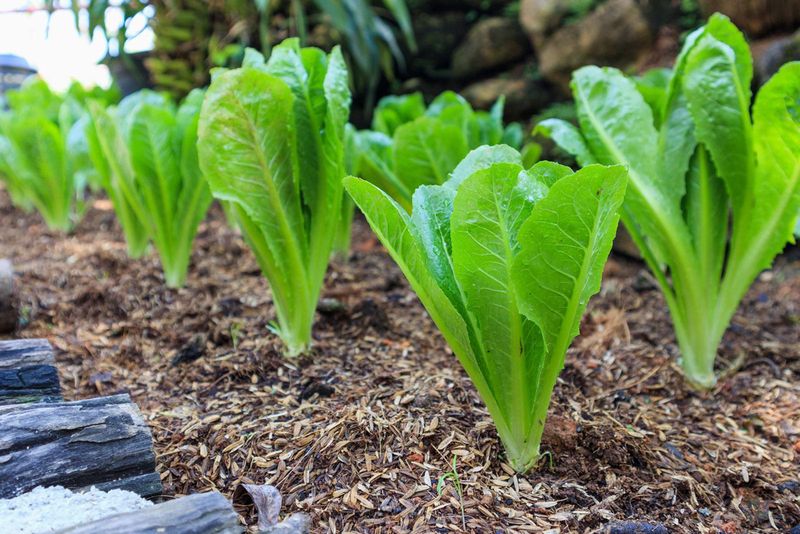
Few vegetables reward a gardener faster than lettuce. In Ohio, spring temperatures between 45 and 65 degrees Fahrenheit are practically ideal for growing crisp, flavorful heads.
Leaf varieties like Black Seeded Simpson and Buttercrunch are especially popular because they mature in as little as 45 days from seed.
Spacing matters more than most beginners realize. Plant seeds about six inches apart in rows to give each plant room to spread its leaves.
Thin seedlings early so the strongest plants get all the nutrients they need from the soil.
One clever trick Ohio gardeners use is succession planting, sowing a new row every two weeks starting in late March. This keeps a steady supply of fresh leaves coming through May and into early June.
Once summer heat arrives, lettuce tends to bolt, so harvest before temperatures climb above 75 degrees consistently.
Partial shade from taller plants or a garden cloth can extend your lettuce season by a few extra weeks. Water regularly but avoid soaking the crowns, as this can cause rot.
With minimal care, a small lettuce patch can feed a family fresh salads all spring long.
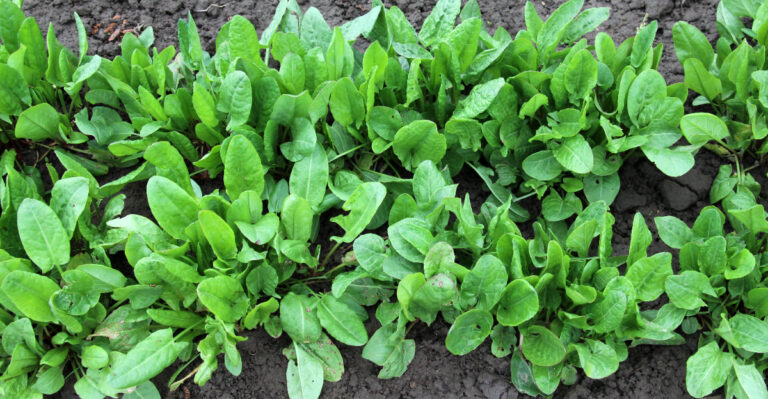
2. Sow Spinach For Nutritious, Early Greens
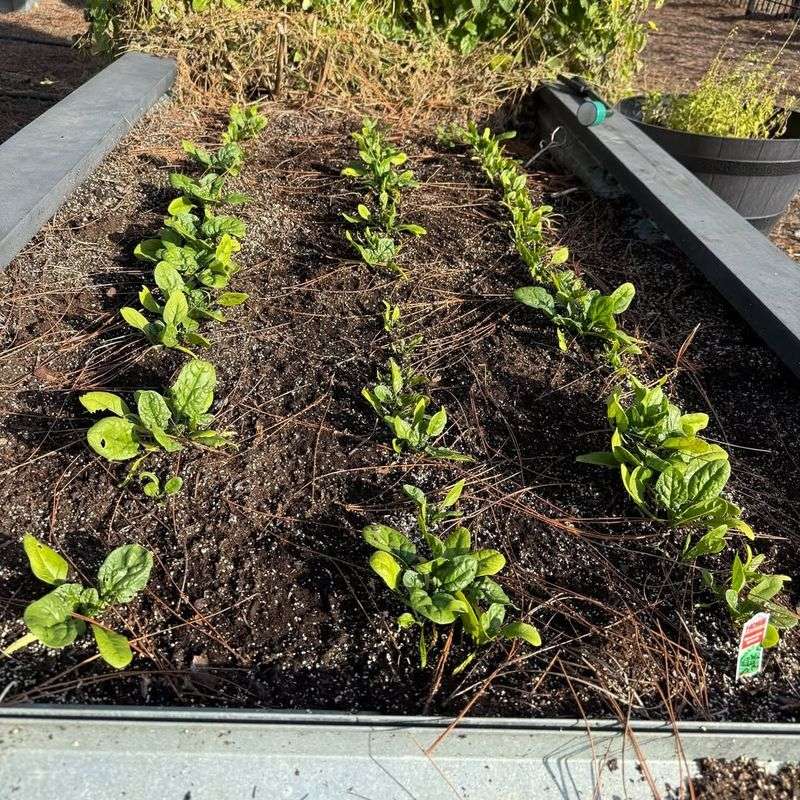
Spinach is one of the toughest cool-season greens you can grow, and Ohio’s unpredictable spring weather is no problem for it. Spinach seedlings can handle temperatures as low as 28 degrees Fahrenheit without serious damage, which means you can get seeds in the ground as early as late February or early March in most Ohio counties.
Soil preparation makes a real difference with spinach. Work in compost before planting to improve drainage and add nutrients.
Spinach prefers a slightly alkaline soil with a pH between 6.5 and 7.0, which aligns well with much of Ohio’s natural soil chemistry.
Succession planting is your best friend here. Sow a fresh row every ten days to keep harvests coming through May.
Once you spot flower stalks forming, harvest immediately, as bolting makes leaves bitter fast.
Baby spinach can be harvested in as little as 25 days, while full-size leaves take around 40 to 50 days. Pick outer leaves first and let the plant keep producing from the center.
Fall is also a great window for a second crop, since Ohio temperatures cool back down in September, giving spinach another productive run before the first frost arrives.
3. Grow Kale For Year-Round Leafy Nutrition
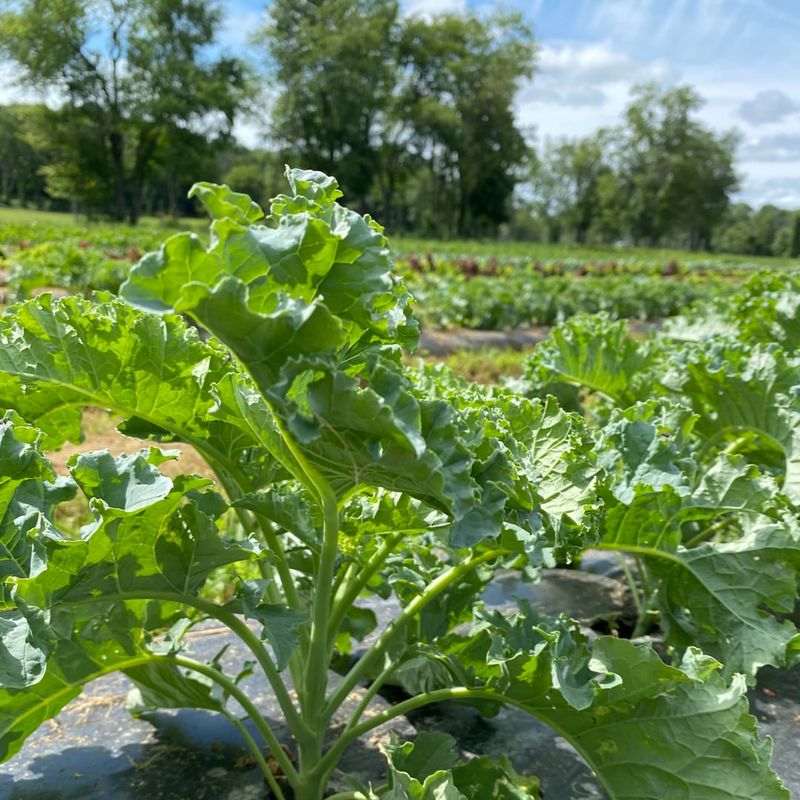
Kale might just be the toughest leafy green in the Ohio garden. Unlike most vegetables that struggle through cold snaps, kale actually becomes sweeter after a frost.
Your Ohio Garden Changes Every Week. Your Plan Should Too.
Gardening in Ohio changes quickly throughout the season. Every Friday you’ll receive a simple weekly plan showing exactly what to plant, prune, fertilize, harvest, and protect so you never miss the right timing.
This makes it a fantastic choice for gardeners who want fresh greens well into November and sometimes even December in southern Ohio counties.
Getting started is straightforward. Kale grows best in full sun with at least six hours of direct light daily.
Amend your soil with compost before planting and aim for a soil pH between 6.0 and 7.5. Seeds can go directly into the ground in early spring, about four to six weeks before your last expected frost date.
Spacing kale plants about 18 inches apart gives each one room to develop its broad, ruffled leaves. Varieties like Lacinato, also known as dinosaur kale, and Red Russian are reliable performers in Ohio gardens.
Both mature in roughly 55 to 75 days from transplant.
Harvest by snipping outer leaves first, always leaving the central growing tip intact so the plant keeps producing. With consistent watering and a layer of mulch around the base, kale can thrive from spring planting all the way through the first hard freeze, giving Ohio gardeners an incredibly long productive window.
4. Add Radishes For Fast, Crunchy Snacks
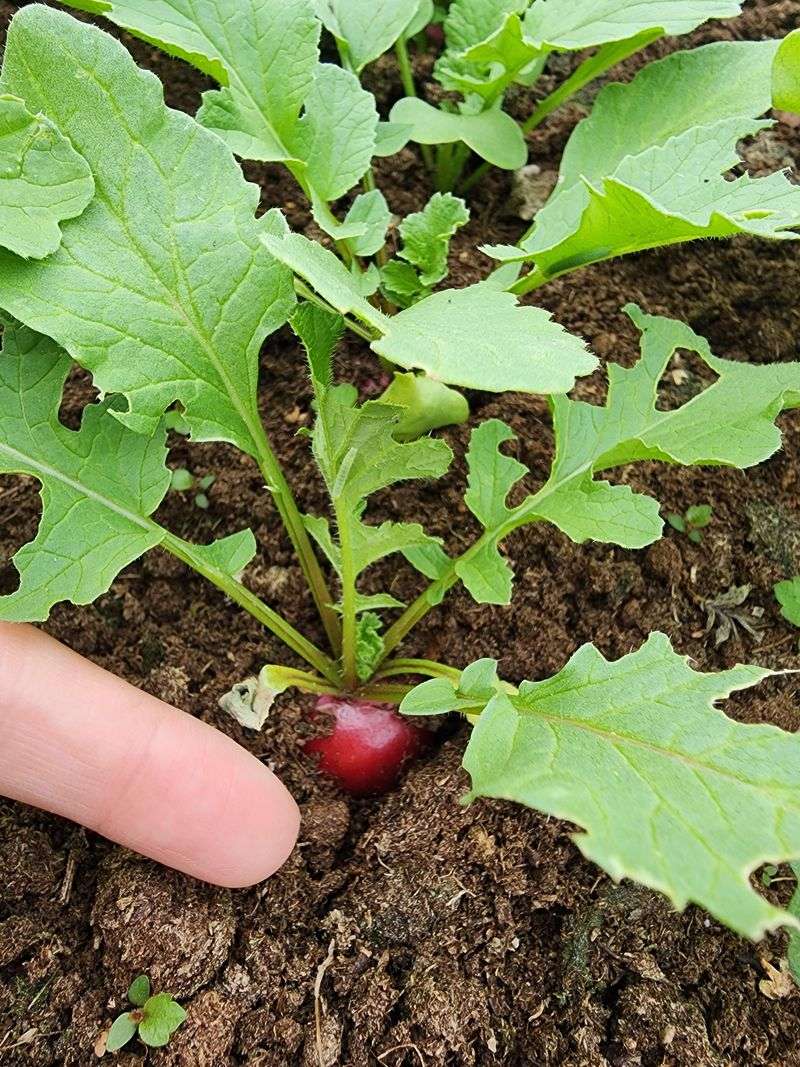
If patience is not your strongest quality in the garden, radishes are absolutely your vegetable. Some varieties are ready to pull from the ground in as few as 22 days after planting.
For Ohio gardeners eager to see quick results, radishes offer instant gratification with very little effort required.
Direct sow seeds about half an inch deep and one inch apart in loose, well-drained soil. Radishes prefer cooler temperatures, so early April and again in late August are the sweet spots for Ohio planting.
Avoid planting during the hot weeks of July and August, as heat causes them to turn woody and sharp-tasting.
Companion planting is a smart strategy with radishes. Tucking them between slower-growing vegetables like carrots or lettuce helps maximize your garden space.
Radishes also act as natural pest decoys, drawing aphids and flea beetles away from more valuable crops nearby.
Soil depth matters too. Radishes need at least six inches of loose, rock-free soil to develop round, smooth roots.
Compacted ground causes misshapen or split roots. Cherry Belle and French Breakfast are two popular varieties that perform reliably in Ohio conditions.
Harvest promptly once mature, as leaving them in the ground too long causes them to become pithy and less enjoyable to eat.
5. Plant Carrots For Sweet, Deep Roots
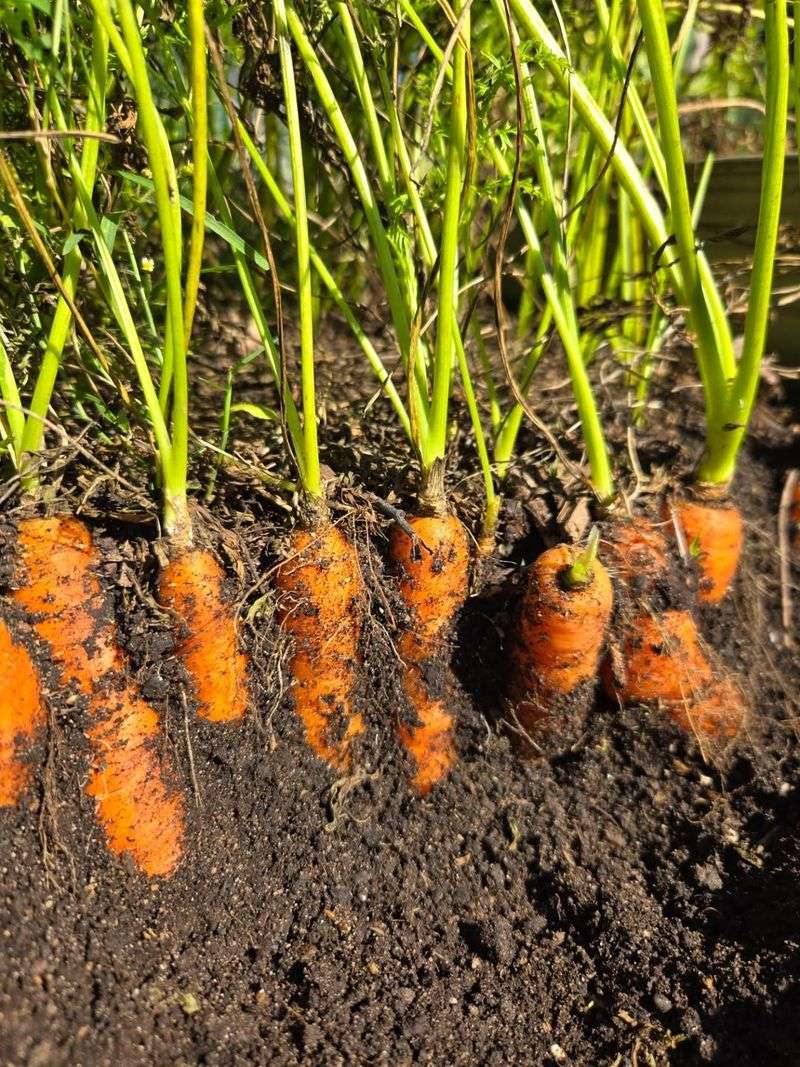
There is something deeply satisfying about pulling a perfectly formed carrot straight out of the ground. Ohio’s fertile, loamy soils in many regions are well-suited for growing long, sweet carrots, especially when gardeners take time to prepare the bed properly before planting seeds.
Loose soil is the single most important factor for carrot success. Rocks, clumps, or compacted layers cause roots to fork and twist.
Till the bed at least 12 inches deep, break up any large clumps, and mix in compost to improve texture. Raised beds work especially well in Ohio yards where native clay soil is common.
Sow seeds directly into the garden in early April for a summer harvest, or in late July for a fall crop. Carrots are cold-tolerant and actually taste sweeter after light frosts, which convert starches into natural sugars.
Danvers 126 and Nantes varieties are reliable choices for Ohio growing conditions.
Thinning is essential. Once seedlings reach two inches tall, thin them to stand about two inches apart.
Crowded carrots stay small and misshapen. Watch for carrot rust flies by covering rows with floating row covers if you have had pest issues in previous seasons.
Consistent moisture is key, as irregular watering causes roots to crack before harvest time.
6. Sow Bush Beans For Easy, Productive Vines
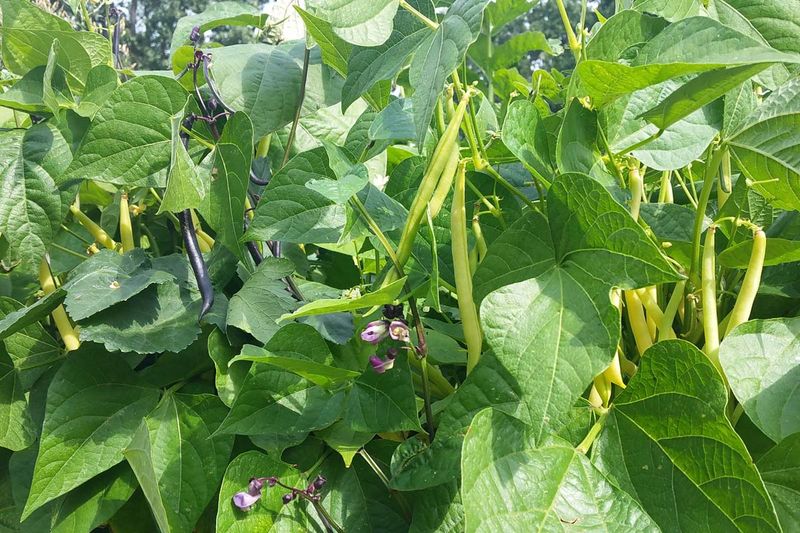
Bush beans are the kind of vegetable that practically grows itself. Once the soil warms to at least 60 degrees Fahrenheit, which typically happens in Ohio around mid-May, you can direct sow seeds and expect germination within a week.
No transplanting, no fussing, just steady growth and a generous harvest.
Unlike pole beans, bush varieties do not require trellises or tall supports, making them perfect for smaller Ohio backyards. Space seeds about two to four inches apart in rows 18 inches wide.
Plants stay compact at about two feet tall but produce an impressive number of pods per plant over the season.
Succession planting every two to three weeks from mid-May through early July keeps fresh beans coming to the table all summer. Each planting matures in about 50 to 60 days, so staggering your sowings prevents one giant harvest that overwhelms you at once.
Provider and Contender are two bush bean varieties known to perform exceptionally well in Ohio gardens. Both are resistant to common bean mosaic virus, which can be a concern in wet seasons.
Pick pods when they are about four inches long and still tender. Leaving pods on the plant too long signals it to slow production, so harvest frequently to keep yields high all season.
7. Grow Zucchini For High-Yield Summer Picks
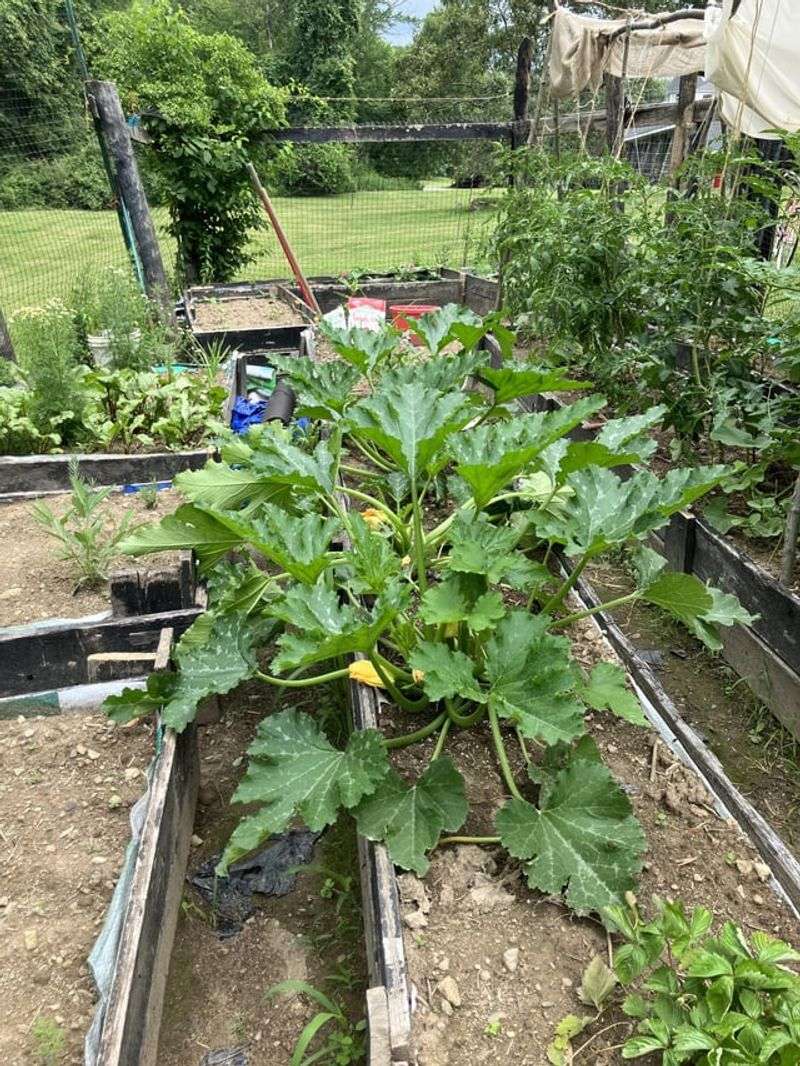
Zucchini has a reputation among Ohio gardeners for being almost too productive. A single healthy plant can produce several pounds of squash each week during peak summer, so plan accordingly before planting more than two or three plants for a family of four.
You might end up with more zucchini than you ever expected.
Full sun is non-negotiable for zucchini. Choose a spot in your Ohio yard that receives at least eight hours of direct sunlight daily.
Work compost into the planting area and create small mounds or hills spaced about three feet apart. Zucchini plants spread wide, so giving them room prevents crowding and improves air circulation around the leaves.
Powdery mildew is the most common issue Ohio zucchini growers face. Water plants at the base rather than overhead to keep leaves dry.
Planting disease-resistant varieties like Patio Star or Bush Baby reduces the risk significantly. Mulching around plants also helps retain soil moisture between waterings.
Harvest zucchini when fruits are six to eight inches long for the best flavor and texture. Larger fruits become seedy and bland.
Check plants every day or two during peak season, as zucchini can go from perfect to oversized very quickly. Regular harvesting also encourages the plant to keep producing fresh fruits throughout the summer months.
8. Add Tomatoes For Flavorful Backyard Favorites
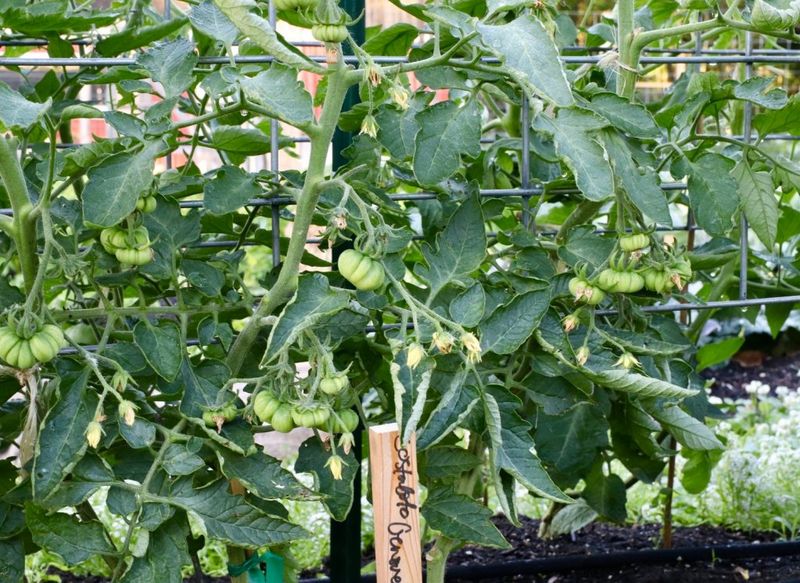
Ask any Ohio gardener what they grow first, and tomatoes will almost always top the list. There is nothing quite like slicing a sun-warmed tomato fresh from your own backyard.
Ohio summers provide exactly the heat and sunshine tomatoes crave for full, rich flavor development from July through early September.
Timing your transplants correctly is critical in Ohio. The last average frost date varies by region, falling around mid-April in southern Ohio and late April to early May in the northern parts of the state.
Wait until nighttime temperatures stay consistently above 50 degrees before setting transplants outdoors to avoid stunted growth.
Support structures are a must. Sturdy cages, wooden stakes, or Florida weave systems keep plants upright and fruits off the ground.
Indeterminate varieties like Celebrity and Early Girl continue growing and fruiting all season, while determinate types like Roma ripen all at once, which is great for canning or sauce-making.
Water deeply and consistently, aiming for about one inch per week. Inconsistent moisture leads to blossom end rot, a common frustration for Ohio tomato growers.
Mulch heavily around the base of each plant to hold moisture and moderate soil temperature. Remove suckers on indeterminate varieties to direct energy toward fruit production rather than extra foliage growth.
9. Plant Peppers For Colorful, Low-Maintenance Crops
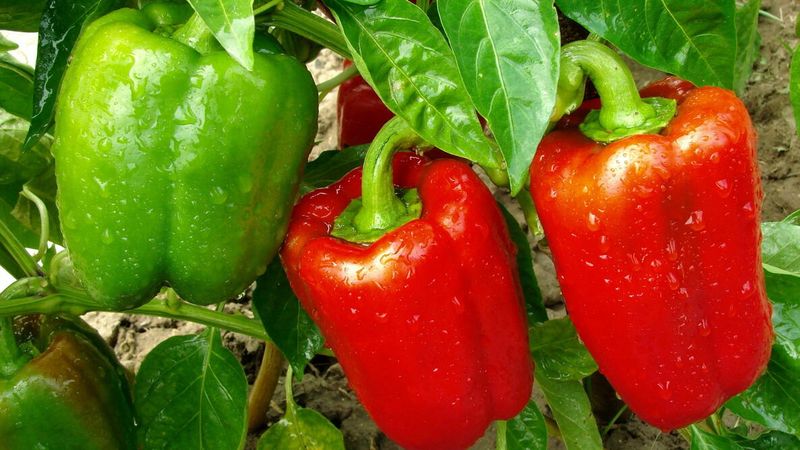
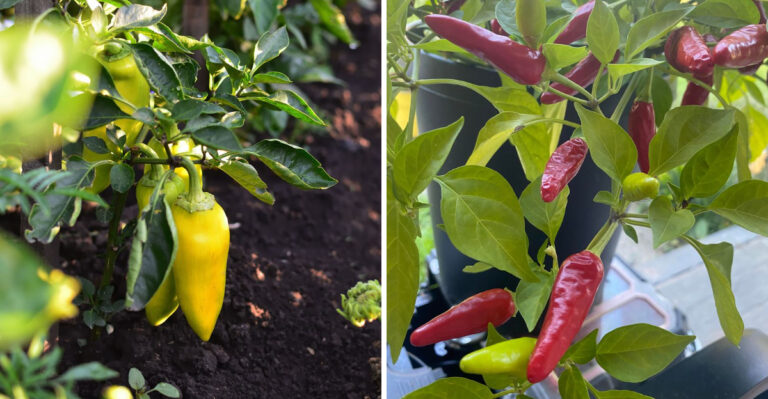
Peppers bring a burst of color and flavor to any Ohio backyard garden, and they are far less fussy than many gardeners expect. Both sweet bell peppers and hot varieties like jalapenos and banana peppers thrive during Ohio’s warm summer months, producing generous harvests with relatively simple care routines once established.
Soil warmth is the biggest key to pepper success. Peppers are heat-lovers and struggle in cold ground.
Wait until soil temperatures reach at least 65 degrees Fahrenheit before transplanting, which usually means waiting until late May in most Ohio locations. Transplanting too early leads to slow growth and pale, stressed-looking plants.
Space plants about 18 inches apart in a full-sun location. Peppers are drought-tolerant compared to tomatoes but still need consistent moisture during fruit development.
Aim for about one inch of water per week, either from rainfall or irrigation. Drip irrigation or soaker hoses work especially well to keep foliage dry and reduce disease pressure.
California Wonder is a classic sweet bell pepper that performs reliably across Ohio. For heat lovers, Hungarian Wax and Cayenne varieties are proven producers in the state.
Fertilize lightly with a balanced vegetable fertilizer once flowers appear. Avoid high-nitrogen feeds at that stage, as too much nitrogen pushes leafy growth at the expense of fruit set.
10. Grow Cucumbers For Crisp, Versatile Veggies
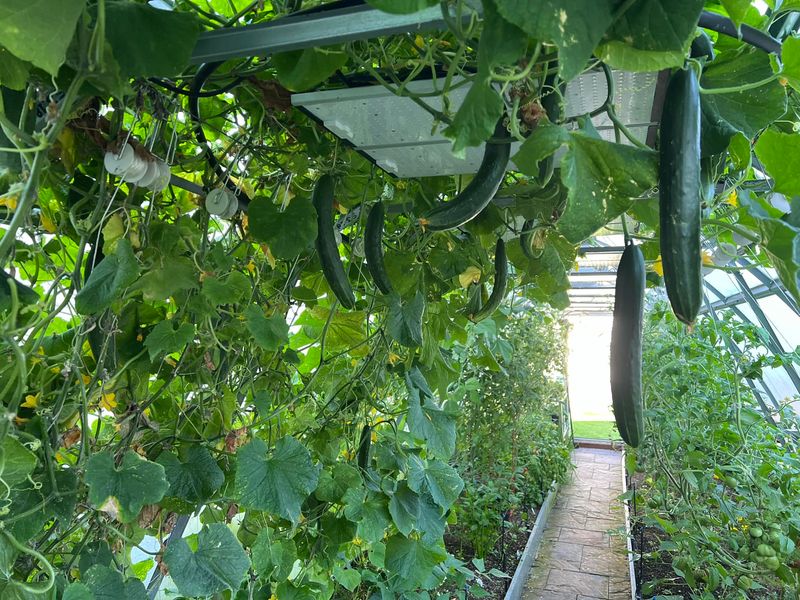
Cucumbers love Ohio summers, and Ohio summers love them right back. Once temperatures settle into the 70s and 80s, cucumber vines take off with impressive speed, producing slender, crisp fruits perfect for fresh eating, pickling, or tossing into salads.
Few vegetables are as versatile or as easy to grow in a warm backyard setting.
Vertical growing is the smartest approach for most Ohio yards. A simple trellis, cattle panel, or even a sturdy fence gives vines somewhere to climb, which improves air circulation and keeps fruits straight and easy to spot at harvest time.
Trellised cucumbers also take up far less ground space than sprawling plants.
Plant seeds or transplants after your last frost date, typically in mid to late May across most of Ohio. Space plants 12 inches apart along the base of your trellis.
Cucumbers are heavy drinkers, needing consistent moisture to prevent bitter-tasting fruits. Aim for at least one inch of water per week and mulch heavily to reduce evaporation between rain events.
Marketmore 76 and Straight Eight are two dependable slicing varieties for Ohio gardens, while National Pickling is a top choice for home picklers. Harvest fruits when they reach six to eight inches long.
Leaving overripe cucumbers on the vine signals the plant to slow fruit production, so pick regularly to keep yields strong all season long.