Here’s Why Some California Plants Stop Growing Suddenly In Spring
Spring in California often brings a burst of growth, but sometimes plants seem to hit the brakes for no apparent reason. One day they’re thriving, and the next their leaves stall, buds stop forming, or stems slow down.
This sudden pause can leave gardeners frustrated and wondering if they’ve done something wrong. The truth is that plant growth is influenced by a mix of environmental factors like temperature swings, soil conditions, water availability, and sunlight.
Some species naturally pause to conserve energy or protect themselves from late cold snaps or heat spikes.
Others might be adjusting to changes in nutrient availability or recovering from winter stress.
Understanding these subtle signals helps you respond appropriately and keep your garden healthy.
Knowing why growth halts lets you adjust care, plan watering and feeding schedules, and ensure your plants bounce back stronger, keeping your California garden vibrant all season long.
1. Temperature Swings Slow Growth
One morning it feels like summer, and by evening you need a jacket. That is spring in California, and plants feel every bit of that confusion.
Sudden temperature swings are one of the top reasons plants seem to stop growing right when you expect them to take off.
Plants grow best within a comfortable temperature range. When the weather gets too warm too fast, some plants shut down to protect themselves.
Then when temperatures drop again at night, the plant has to use energy to recover instead of growing new leaves or stems.
In areas like the Sacramento Valley and the Inland Empire, these swings can be dramatic. A plant might push out new growth during a warm spell, then stall completely when a cool marine layer rolls back in.
Roses are a good example. They sometimes produce shoots that never bloom because of this back-and-forth weather.
The best thing you can do is pay attention to your local forecast. Covering sensitive plants with a light cloth on cold nights can help a lot.
Mulching around the base of your plants also keeps the soil temperature steady. When the soil stays warm and consistent, roots keep working even when the air above is unpredictable.
Patience is key during California’s wild spring weather.
2. Water Stress Can Pause Plants
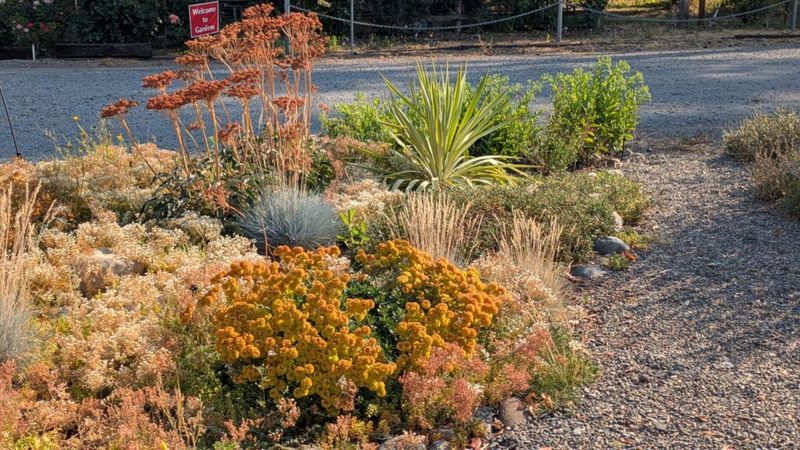
Water is the lifeblood of every plant, and getting the amount wrong in either direction can stop growth cold. In California, spring watering is tricky because the weather can flip between dry heat and cool, damp days within the same week.
Too little water causes plants to wilt and pull back their energy from new growth. The plant basically goes into survival mode.
It focuses on keeping its existing leaves and roots alive rather than sending out new shoots. You might notice the tips of leaves turning brown or the soil pulling away from the edges of the pot or garden bed.
On the flip side, overwatering is just as damaging. Soggy soil cuts off oxygen to the roots.
Without oxygen, roots cannot absorb nutrients properly, and the whole plant slows down. Root rot is a common result of overwatering in California gardens during cooler spring months when the soil takes longer to dry out.
Your California Garden Changes Every Week. Your Plan Should Too.
Gardening in California changes quickly throughout the season. Every Friday you’ll receive a simple weekly plan showing exactly what to plant, prune, fertilize, harvest, and protect so you never miss the right timing.
A simple trick is to stick your finger about two inches into the soil. If it feels dry at that depth, it is time to water.
If it still feels moist, wait another day. Drip irrigation systems work great in California because they deliver water slowly and directly to the roots.
Adjusting your schedule as the season changes keeps plants growing steadily all spring long.
3. Natural Dormancy Cycles
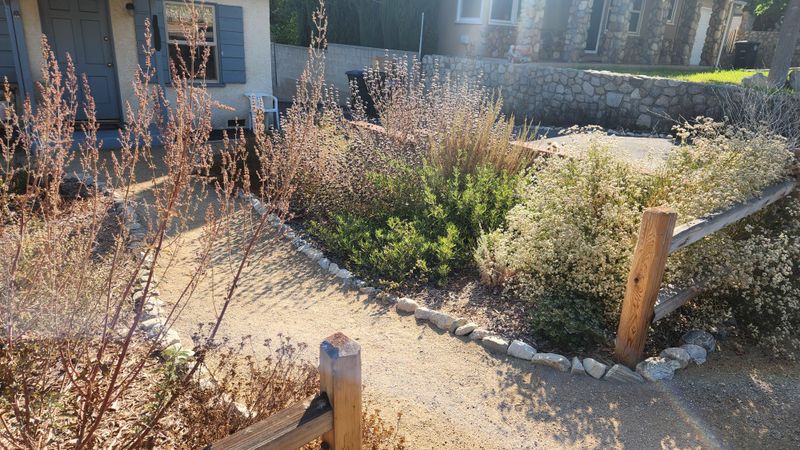
Not every plant that stops growing is struggling. Some are simply following a schedule that has been built into them for thousands of years.
Natural dormancy is a smart survival strategy, and many California native plants use it to get through tough seasonal conditions.
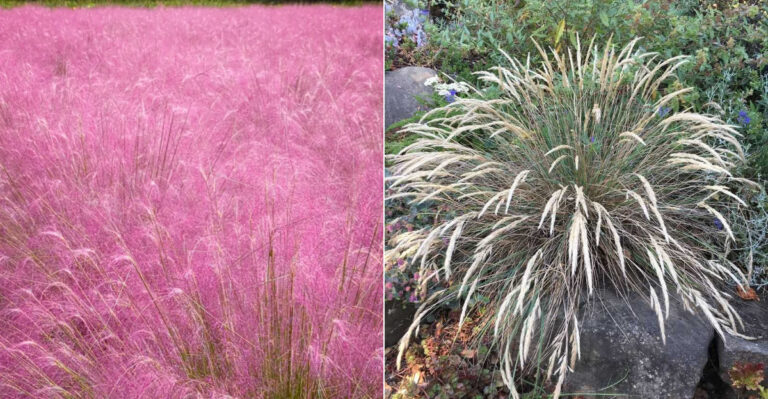
California summers are hot and dry, and many native plants prepare for that stress by slowing down or going dormant as early as late spring. Plants like California sagebrush and some native grasses may look like they have stopped growing or even given up, but they are actually just resting.
Their roots are still active underground, waiting for the right conditions to grow again.
This can be confusing for gardeners who are used to plants that grow all season long. If you plant native species in your California yard, expect this behavior and do not panic.
Watering them heavily during dormancy will not speed things up. In fact, it can cause more harm than good by promoting root problems in plants that are designed to be dry.
The best approach is to learn which plants in your garden have dormancy cycles. Mark them with small stakes so you do not accidentally pull them out thinking they are gone.
Once cooler temperatures and fall rains arrive, most of these plants will perk right back up and start growing again with surprising speed.
4. Nutrient Deficiencies Stall Growth
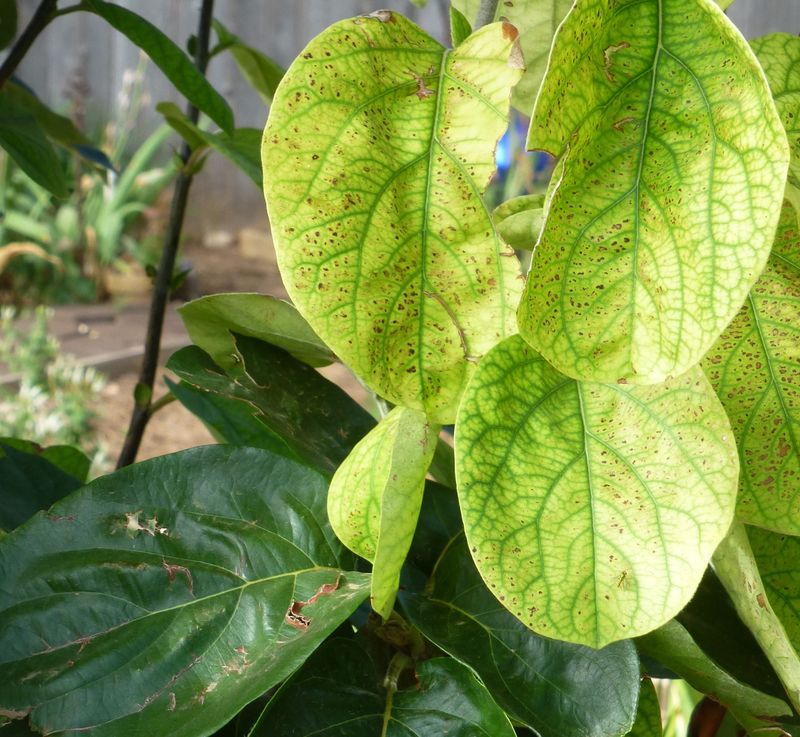
Soil that looks fine on the surface can actually be running low on the nutrients plants need to grow. Nutrient deficiencies are a sneaky reason why plants in California gardens sometimes stall in spring, just when growth should be picking up speed.
Nitrogen is one of the most important nutrients for leafy, green growth. When a plant does not have enough of it, older leaves turn yellow and new growth slows way down.
Phosphorus supports root development and flowering, while potassium helps the whole plant stay strong and resist stress. A shortage of any of these can put the brakes on spring growth.
California soils vary a lot depending on where you live. Coastal areas often have sandy soils that drain nutrients quickly.
Inland valleys may have heavy clay soils that lock nutrients away from roots. Either way, a soil test from your local garden center or cooperative extension office can tell you exactly what your soil is missing.
Once you know what is lacking, you can add the right fertilizer or compost to fix the problem. Organic compost is a great all-around option because it slowly releases a wide range of nutrients over time.
Liquid fertilizers work faster if you need a quick boost. Feeding your plants regularly through spring gives them the fuel they need to grow strong and healthy all season long.
5. Pests And Diseases Intervene
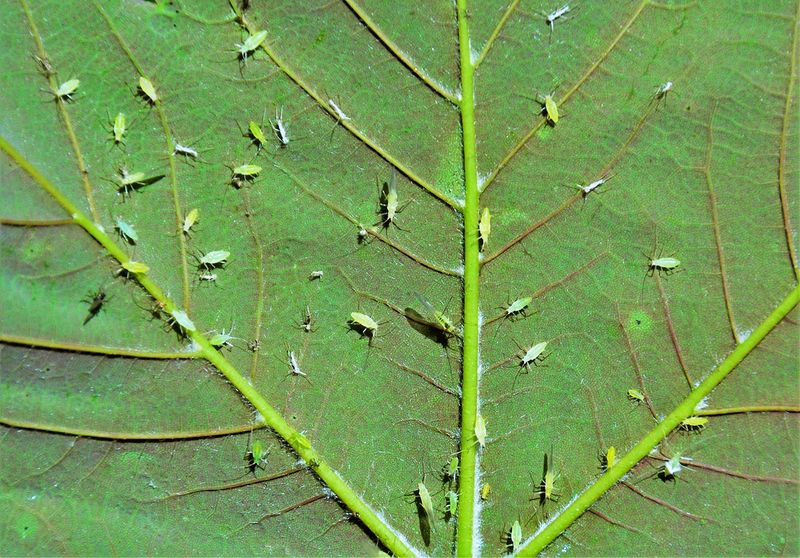
Spring is a beautiful season, but it also brings out some unwanted visitors. Pests and diseases show up just as plants are pushing out their most tender new growth, and that timing can cause real problems for California gardeners.
Aphids are one of the most common spring pests across California. They cluster on new shoots and suck out the plant’s juices.
A plant dealing with a heavy aphid infestation will slow its growth and may even start to look twisted or curled. Spider mites, whiteflies, and thrips are other pests that tend to appear in warm, dry spring weather.
Fungal diseases like powdery mildew love the cool, slightly humid mornings that are common along the California coast in spring. The white powdery coating it leaves on leaves blocks sunlight and weakens the plant over time.
Once growth slows because of disease, the plant becomes even more vulnerable to other problems.
Checking your plants a few times a week is the best early warning system you have. Look under leaves and along stems for bugs or unusual spots.
Catching a problem early makes it much easier to manage. Neem oil spray works well against both pests and some fungal issues.
Good airflow between plants also helps prevent disease from spreading. Keeping your California garden healthy takes regular attention, but it pays off with strong, steady growth all spring.
6. Transplant Shock Holds Plants Back
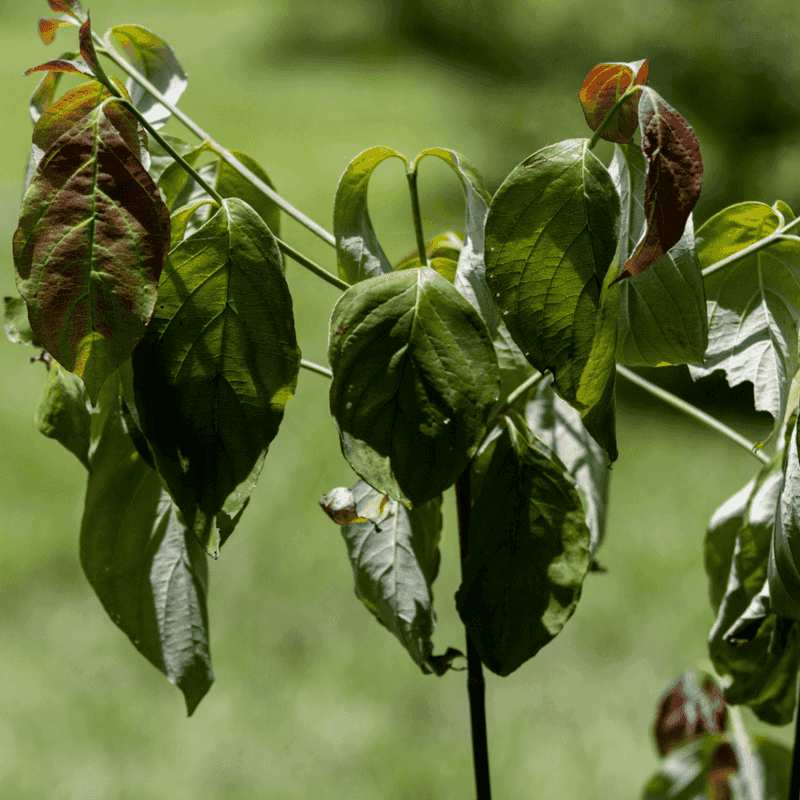
Buying a plant from the nursery and bringing it home feels exciting, but the plant itself might not share that excitement right away. Transplant shock is a very real thing, and it explains why freshly planted California gardens sometimes seem to go completely still for weeks.
When a plant is moved from one location to another, its roots get disturbed. Even if you are careful, some small roots break off during the process.
The plant has to spend energy regrowing those roots before it can focus on anything else. During this recovery period, above-ground growth basically pauses.
Hot spring days in places like the San Fernando Valley or Fresno can make transplant shock worse. The sun and heat pull moisture out of leaves faster than damaged roots can replace it.
This is why newly transplanted plants sometimes look droopy or sad even when you water them regularly.
To reduce shock, try transplanting in the early morning or evening when temperatures are cooler. Water the plant deeply right after planting and keep the soil consistently moist for the first two weeks.
Avoid fertilizing right away because fresh fertilizer can burn already stressed roots. A light layer of mulch around the base helps hold moisture in the soil.
Most plants will settle in and start growing again within a few weeks once their root system feels at home in the new spot.
7. Energy Goes Into Flowers Or Seeds
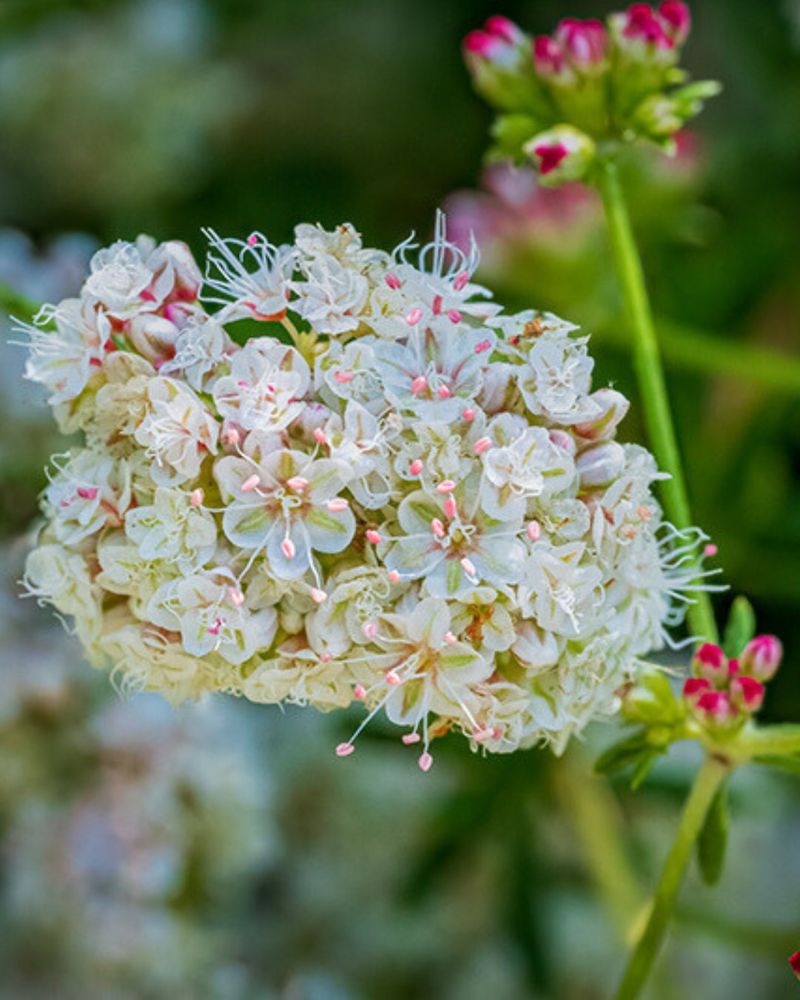
Sometimes a plant is not struggling at all. It is just busy doing something else entirely.
When spring arrives and a plant puts all its energy into making flowers or seeds, the leafy green growth you expect to see can slow way down or stop for a while.
Plants have a limited energy budget. When a plant decides it is time to reproduce, it shifts resources away from growing new stems and leaves and toward producing flowers, fruit, or seeds.
This is completely normal and actually a sign that your plant is healthy and happy enough to reproduce.
You might notice this with vegetable plants like lettuce or spinach. When days get longer and warmer in California’s spring, these plants rush to flower and produce seeds in a process called bolting.
Once they bolt, the leaves often taste bitter and new leaf growth stops almost entirely. The plant has moved on to its next life stage.
For ornamental plants, heavy flowering can also slow down the production of new leaves. If you want to encourage more leafy growth, removing spent flowers through a process called deadheading can help redirect the plant’s energy.
For vegetables that are bolting, the best move is to harvest what you can and start fresh with a new planting. Understanding this natural energy shift helps California gardeners plan better and avoid frustration when plants seem to pause at the height of spring.