California Citrus Tree Care Checklist Before Summer Heat Hits
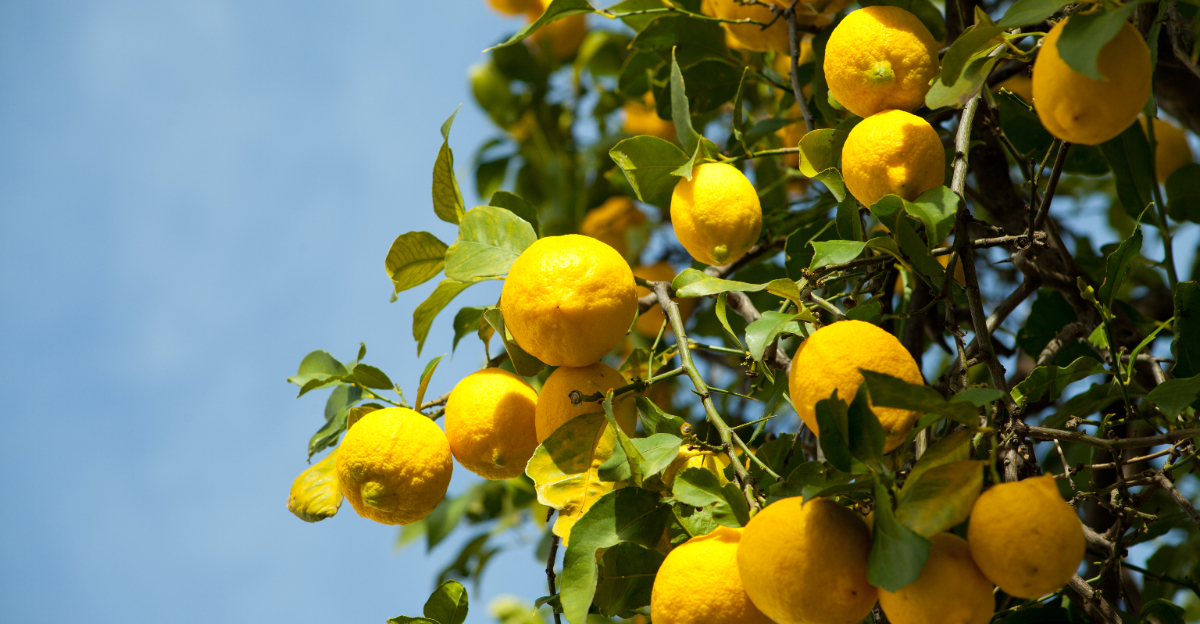
Before California’s summer heat starts stressing your citrus trees, a few smart fixes can make a big difference. The right care now helps prevent leaf drop, sun stress, weak fruit, and that rough midseason slump no one wants to deal with.
Citrus may love warmth, but California heat can still push trees hard if they go into summer dry, hungry, overcrowded, or poorly mulched. That is why timing matters.
A little cleanup, deeper watering, and a few strategic checks now can set your tree up to handle the hotter weeks ahead without falling apart the second temperatures spike.
This is the window to get ahead of the problems instead of scrambling once the damage shows up.
Stronger roots, healthier leaves, better fruit development, and a tree that looks ready for summer instead of personally offended by it. A short preheat checklist now can save you a lot of stress later.
1. Check For Heat Stress Early
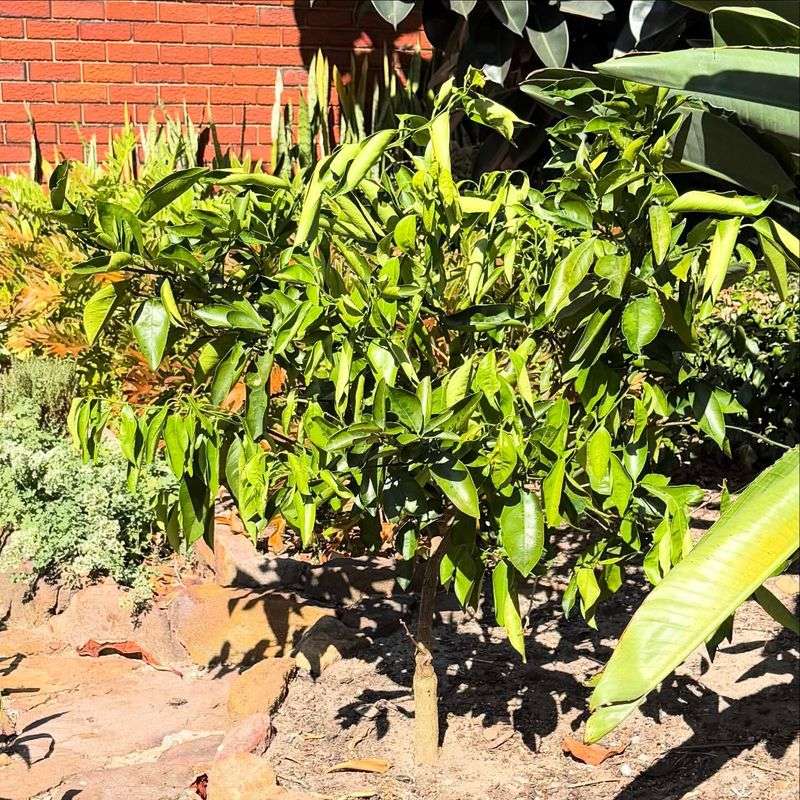
Spotting trouble before it gets serious is one of the best things you can do for your citrus trees. Heat stress can sneak up fast, especially in California where temperatures can jump from mild to scorching almost overnight.
Knowing what to look for early gives you a real advantage.
Start by checking the leaves. Curling edges, yellowing patches, or a dull, washed-out color are all warning signs that something is off.
Healthy citrus leaves should look glossy and firm, not limp or pale. Pay special attention to younger leaves and new growth, since those are usually the first to show stress.
Walk around your trees in the early morning when the light is soft and easy to see clearly. Check the soil too.
If it feels bone dry just an inch below the surface, your tree is already working harder than it should be. Do this inspection at least once a week as spring winds down.
Catching heat stress early in the season means you can fix the problem before summer really sets in. Trees in inland California areas like Fresno or Riverside need this check more urgently than those in cooler coastal zones.
2. Water Deep Before Temperatures Spike
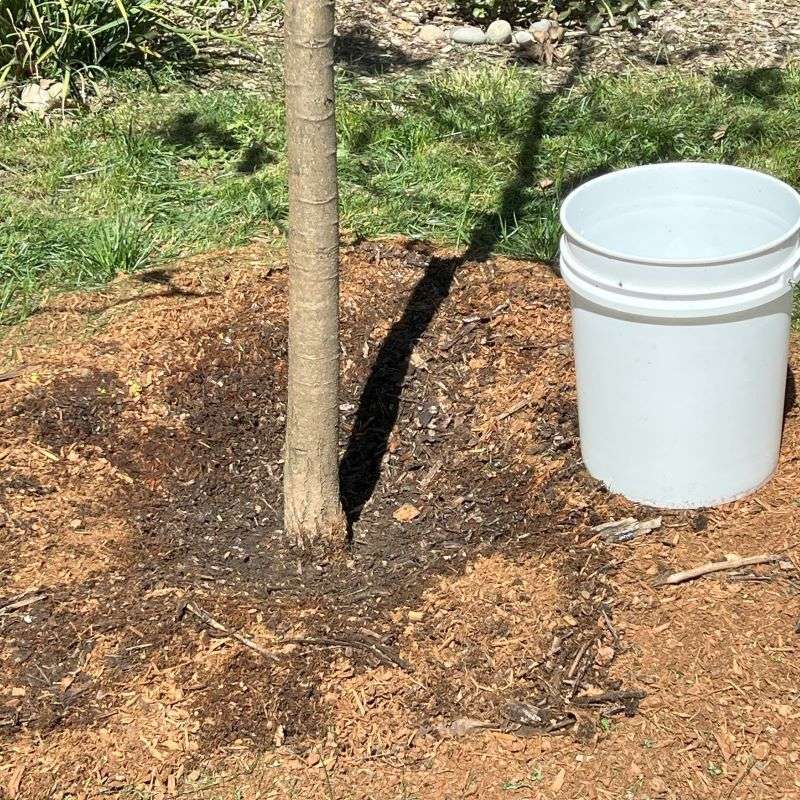
Shallow watering is one of the most common mistakes California citrus growers make heading into summer. When water only reaches the top few inches of soil, roots stay near the surface where they are most vulnerable to heat.
Deep watering encourages roots to grow downward, where the soil stays cooler and moisture lasts longer.
For most mature citrus trees, a slow, deep soak once or twice a week works much better than a quick daily sprinkle. Let the water run long enough to penetrate at least 18 to 24 inches into the ground.
A simple soil probe or a long screwdriver can help you check how deep the moisture is actually reaching. If it slides in easily, water has made it that far down.
Drip irrigation is a great option for California homeowners because it delivers water slowly right where the roots need it most. It also helps conserve water, which matters a lot in a state that regularly deals with drought conditions.
Your California Garden Changes Every Week. Your Plan Should Too.
Gardening in California changes quickly throughout the season. Every Friday you’ll receive a simple weekly plan showing exactly what to plant, prune, fertilize, harvest, and protect so you never miss the right timing.
Start adjusting your watering schedule about four to six weeks before peak summer heat arrives. Trees that are well-hydrated before a heat wave handle the stress much better than those that get watered heavily only after the heat has already hit.
3. Refresh Mulch The Right Way
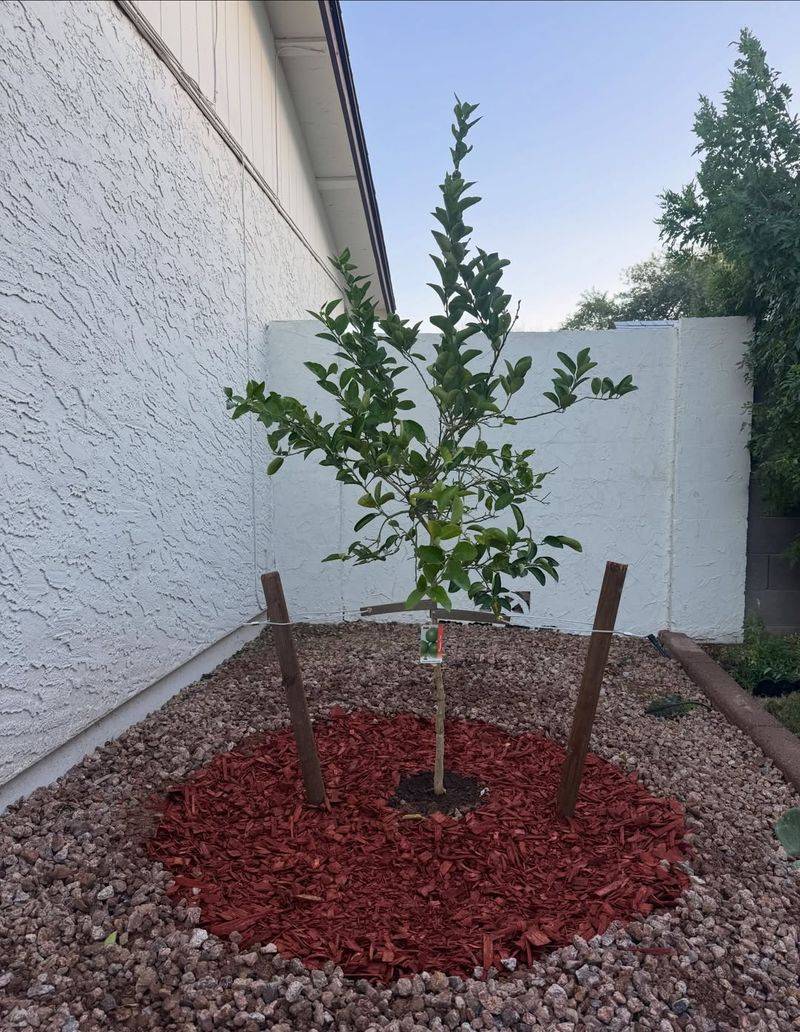
Mulch is like a protective blanket for your citrus tree’s root zone. A fresh layer spread around the base of the tree helps hold moisture in the soil, keeps roots cooler during hot days, and even suppresses weeds that compete for water and nutrients.
In California’s dry summer climate, good mulching can make a noticeable difference in how well your trees handle the heat.
Use organic mulch like wood chips, straw, or shredded bark. Spread it in a ring around the tree, starting about six inches away from the trunk.
Never pile mulch directly against the bark because that traps moisture and can cause rot or invite pests. Aim for a layer about three to four inches deep, which is enough to do the job without suffocating the roots.
Refresh your mulch each spring before the heat arrives. Over time, organic mulch breaks down and thins out, losing its ability to insulate the soil.
Citrus growers in hot inland areas like the San Joaquin Valley benefit especially from keeping that mulch layer consistent and thick. A quick walk around your trees to check the mulch depth takes only a few minutes but pays off all summer long with healthier, less stressed trees.
4. Prune Only What’s Necessary
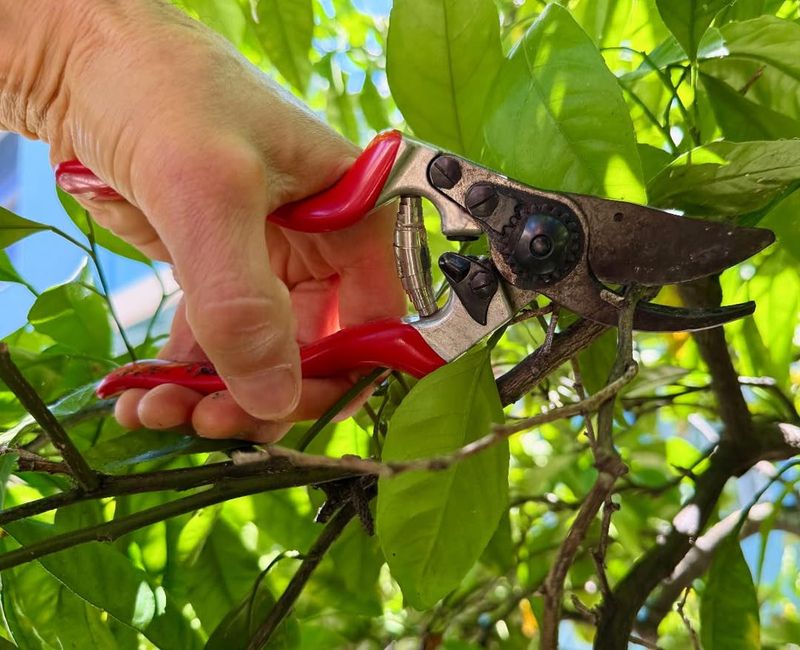
Pruning citrus trees right before summer is something many people get wrong by doing too much of it. Heavy pruning in late spring removes the leafy canopy that actually shades the fruit and inner branches from intense California sun.
Less is genuinely more when it comes to warm-season pruning.
Focus only on what truly needs to go. Remove any dead or damaged branches first.
Then look for branches that are crossing or rubbing against each other, since those create wounds that invite disease. Suckers, which are fast-growing shoots that sprout from below the graft union near the base of the tree, should always be removed because they drain energy from the rest of the tree.
Skip any major shaping or size-reduction cuts until after summer has passed. Exposing previously shaded bark to direct California sun can cause sunscald, which damages the wood and weakens the tree.
If you notice a few small dead twigs or a wayward branch, go ahead and snip those off. But step back and really look at the whole tree before making cuts.
A well-leafed canopy acts as natural sun protection for the fruit developing inside it, and that matters a lot once temperatures start climbing past 90 degrees.
5. Watch For Pest Problems Now
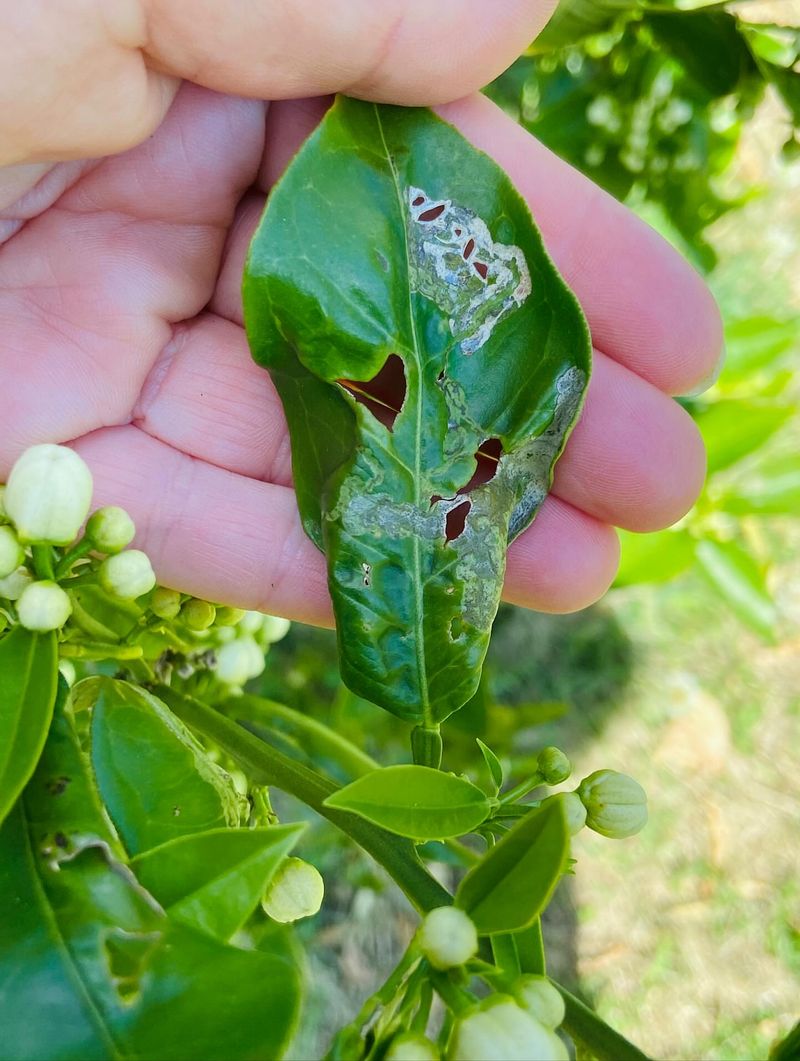
Warm weather wakes up a whole lot more than just your citrus trees. Pests that stayed quiet through winter start moving fast once spring temperatures rise, and catching them early is a lot easier than dealing with a full-blown infestation in July.
California citrus growers have a few specific pests to keep a close eye on before summer arrives.
Asian citrus psyllid is one of the most serious threats in California right now. This tiny insect spreads a disease called Huanglongbing, also known as citrus greening, which has no cure.
Look for waxy, tube-like deposits on new growth and distorted young leaves. If you spot anything suspicious, report it to your local agricultural commissioner right away.
Early reporting makes a real difference in slowing the spread.
Also check for aphids, scale insects, and spider mites, which all tend to peak in warm, dry conditions. Aphids cluster on new growth and can be knocked off with a strong stream of water.
Scale insects look like small bumps on branches and can be treated with horticultural oil. Spider mites thrive when conditions are hot and dusty, which is basically every California summer.
Inspect your trees weekly and act quickly when you see any signs of activity, because pest populations grow fast once the heat is on.
6. Feed Trees At The Right Time
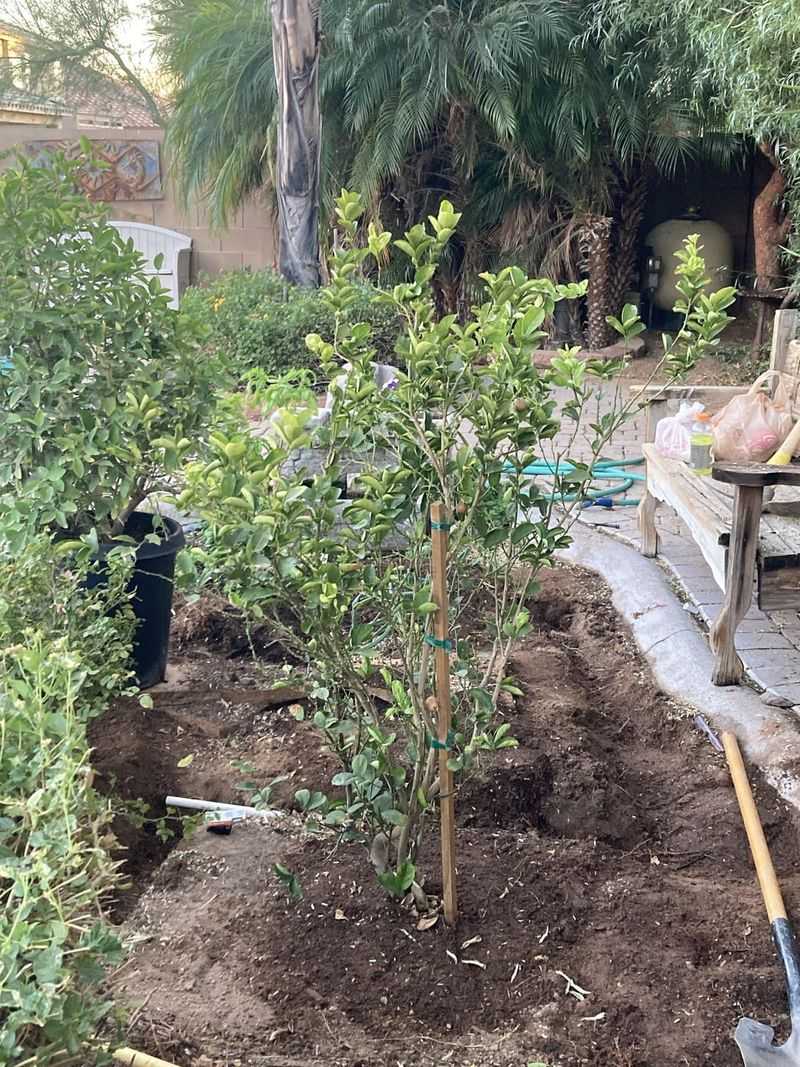
Fertilizing at the wrong time is one of the easiest ways to accidentally set your citrus trees back heading into summer. Feeding too late in the season pushes out a flush of soft new growth that is extremely vulnerable to heat and pests.
Getting the timing right makes the whole difference between trees that thrive and trees that struggle.
Spring is the best time to fertilize citrus in California. Aim to apply fertilizer in early to mid-spring, well before temperatures consistently hit the 90s.
Use a fertilizer specifically formulated for citrus, since these trees have unique nutrient needs, including higher amounts of nitrogen and micronutrients like zinc, manganese, and iron. Follow the label instructions carefully and do not over-apply, because too much fertilizer can burn roots and stress the tree.
Spread granular fertilizer evenly under the canopy and out to the drip line, which is where the feeder roots are most active. Water it in well after applying.
If you missed the spring window, skip the feeding until fall rather than fertilizing during peak summer heat. Trees in California’s hot inland regions like the Coachella Valley or Sacramento area especially benefit from properly timed nutrition, since those environments already put extra demands on citrus trees throughout the growing season.
7. Protect Fruit From Sunburn
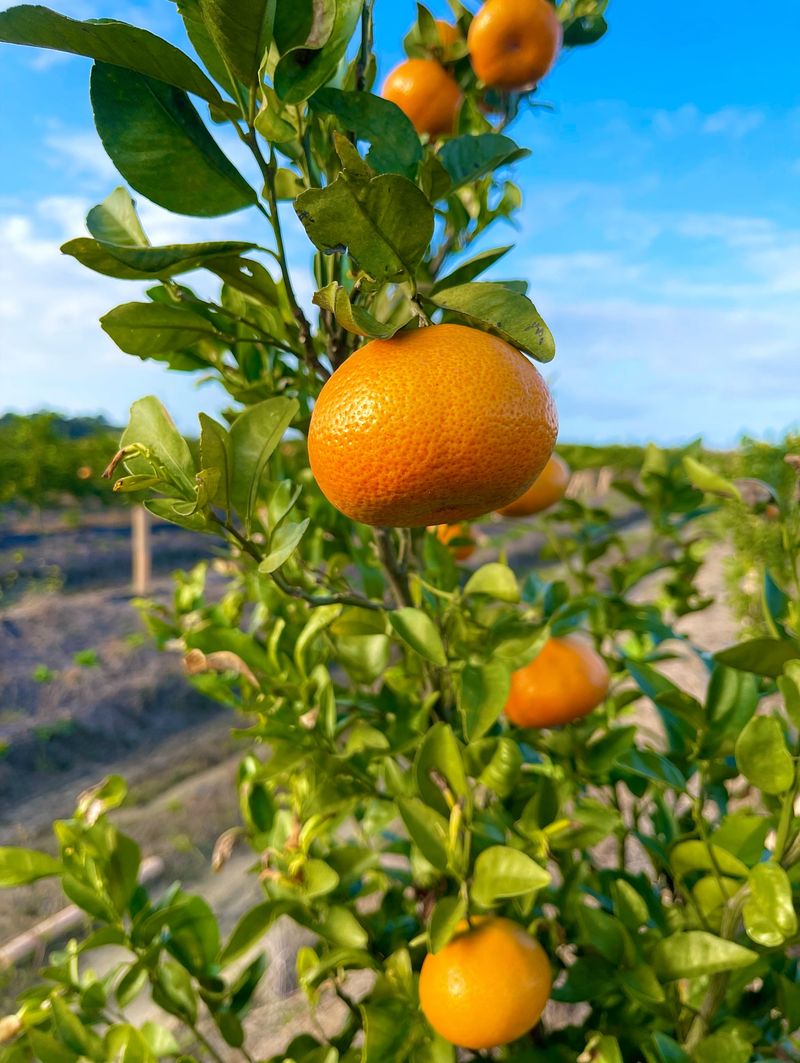
Most people know that human skin can burn in the California sun, but not everyone realizes that citrus fruit can get sunburned too. Sunburned fruit develops pale, bleached, or leathery patches on the side facing direct sunlight.
Once that damage happens, the fruit quality drops and it may not be sellable or even enjoyable to eat.
One of the most effective and widely used methods for protecting fruit is applying kaolin clay. This natural, fine white powder is mixed with water and sprayed directly onto the fruit and leaves.
It creates a light reflective coating that bounces excess sunlight away and keeps surface temperatures lower. It is safe for edible crops and washes off easily.
Another approach is to make sure your tree has enough leaf coverage to naturally shade the developing fruit. This is another reason not to over-prune before summer.
Adequate canopy cover is the tree’s own built-in protection system. In California’s hottest growing regions, like the desert areas of Southern California or the hot stretches of the Central Valley, sunburn protection is not optional, it is essential.
Start protecting fruit as soon as you see it sizing up in late spring so it has a coating in place before the worst heat days arrive.