5 Native Flowers To Plant In Texas During March And 3 That Should Wait
March in Texas feels like a turning point in the garden. The air starts to warm, wildflowers begin popping up along roadsides, and gardeners get the itch to start planting.
It is the perfect time to think about native flowers that thrive in the Texas climate. The tricky part is knowing which ones are ready to go into the ground now and which ones need a little more patience.
Some native blooms love the cooler days of early spring and will happily settle into the soil during March.
Others prefer warmer temperatures and stronger sunshine before they begin their growing season. Planting them too early can slow them down or even damage young plants.
Timing matters more than many people realize. Choosing the right flowers for the moment can mean fuller blooms, healthier plants, and a yard that stays colorful much longer.
With the right mix of early starters and later arrivals, your Texas garden can stay vibrant from spring well into summer.
1. Texas Bluebonnet (Lupinus Texensis)
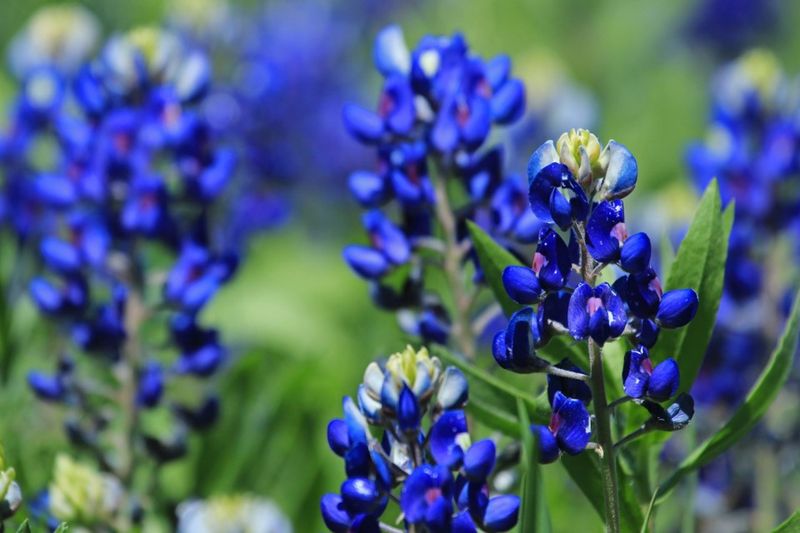
Few sights are as breathtaking as a Texas hillside covered in bluebonnets. As the official state flower of Texas, the Texas Bluebonnet holds a special place in the hearts of locals and visitors alike.
If you have ever driven down a Texas highway in spring and seen waves of deep blue blossoms stretching across the landscape, you already know exactly why this flower is so beloved.
Bluebonnets grow best when seeds are sown in the fall, which gives them time to establish strong roots before winter. But do not worry if you missed that window.
In many parts of Texas, container-grown transplants can still be set out in early March while temperatures remain cool and manageable. Just be gentle with the roots, as bluebonnets do not love being disturbed.
Choose a sunny spot with well-drained soil. Bluebonnets actually fix nitrogen in the soil, which means they naturally improve the ground around them.
That is a huge bonus for your garden. Water them regularly after planting to help them settle in, but once established, they are surprisingly drought-tolerant.
They typically bloom from March through May, giving your Texas yard a stunning pop of color right when spring is hitting its stride. Plant them near roadsides, garden borders, or open patches for the most beautiful display.
2. Indian Blanket (Gaillardia Pulchella)
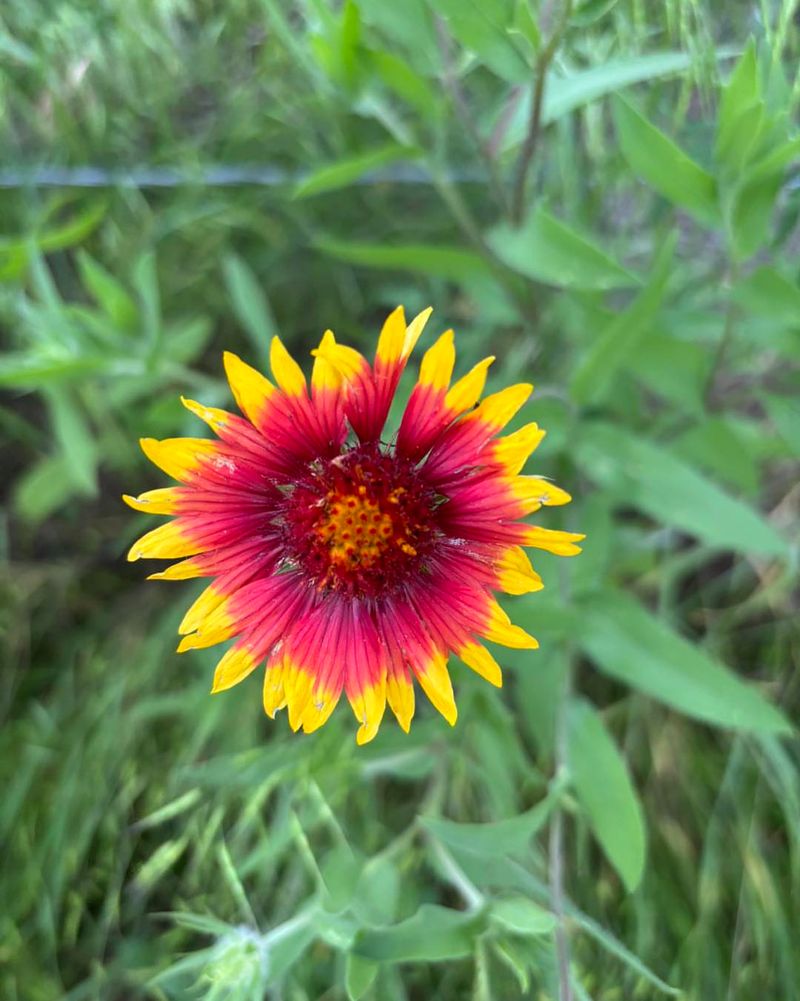
Sometimes called firewheel, the Indian Blanket is one of the most cheerful wildflowers you will ever grow in a Texas garden. Its bold red and yellow petals look like tiny sunsets, and once this plant gets going, it is almost impossible to stop.
The good news is that March is a great time to sow seeds before the Texas heat starts climbing.
Indian Blanket is incredibly tough. It handles poor soil, dry conditions, and blazing summer heat without much complaint.
That makes it a perfect match for many Texas landscapes where other flowers might struggle.
Scatter seeds in a sunny area, press them lightly into the soil, and give them a good drink of water. Germination usually happens within two to three weeks when temperatures are mild.
Your Texas Garden Changes Every Week. Your Plan Should Too.
Gardening in Texas changes quickly throughout the season. Every Friday you’ll receive a simple weekly plan showing exactly what to plant, prune, fertilize, harvest, and protect so you never miss the right timing.
One of the best things about this native wildflower is how long it blooms. Flowers typically appear from April all the way through August, giving you months of color.
Pollinators absolutely love Indian Blanket, so expect plenty of bees and butterflies visiting your yard once it starts flowering. It also reseeds itself naturally, which means you may get a beautiful patch of firewheel returning year after year with very little effort on your part.
For a low-maintenance, high-impact Texas garden, this plant is a fantastic choice to start in March.
3. Black-Eyed Susan (Rudbeckia Hirta)
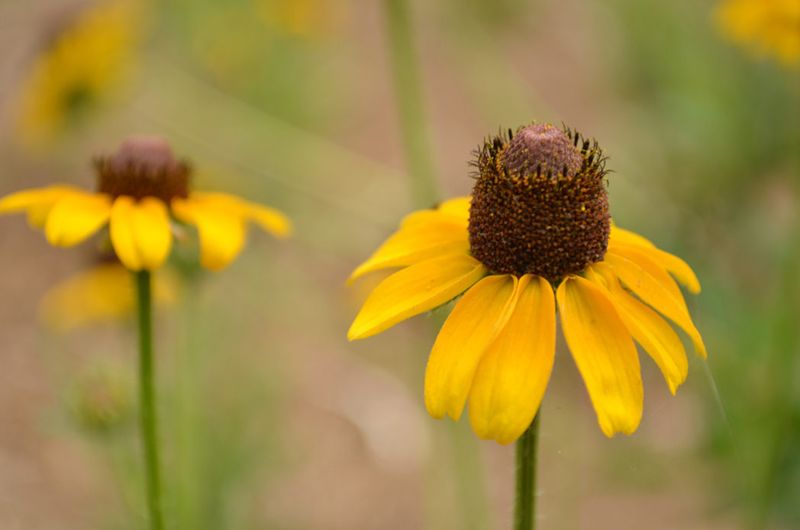
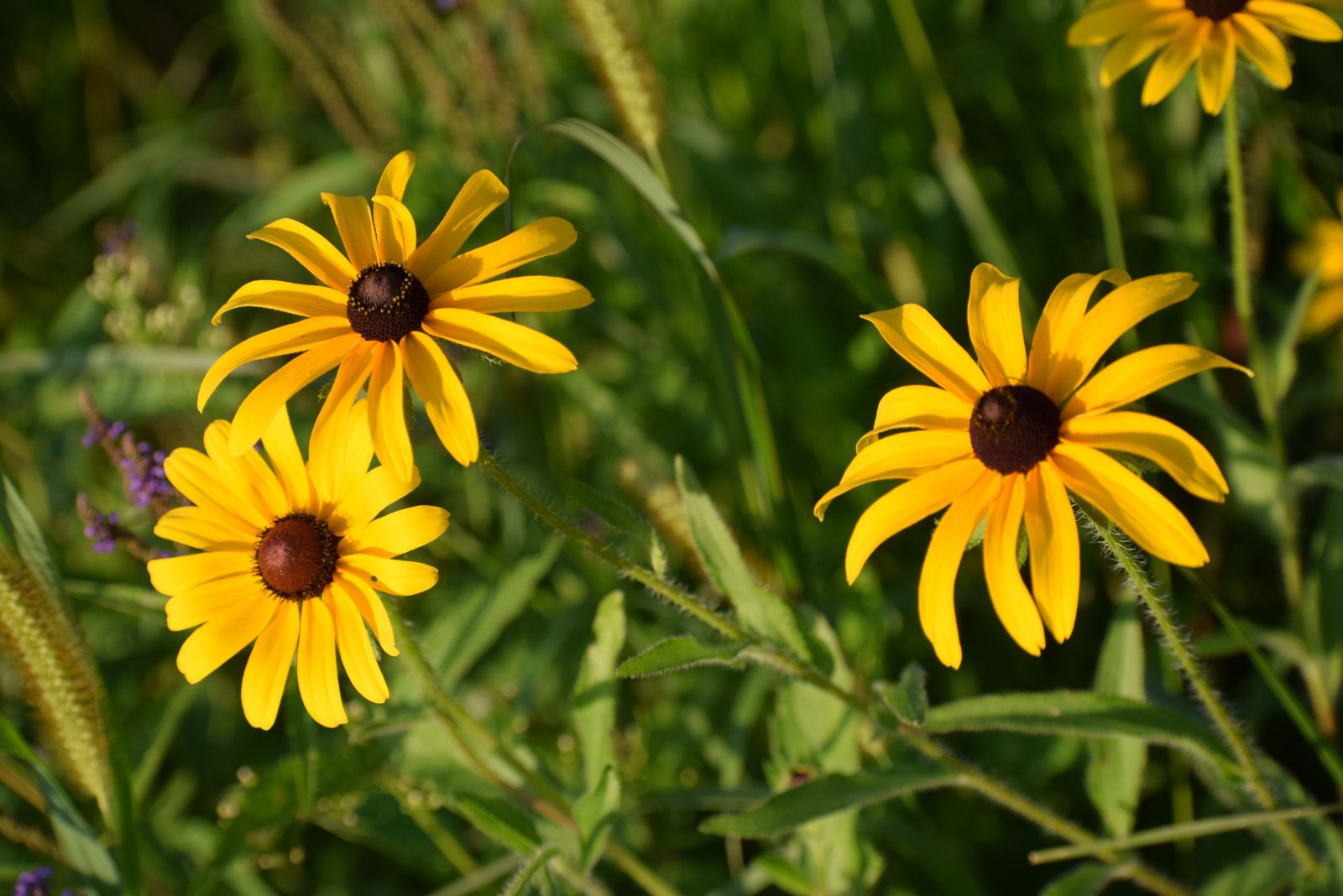
There is something wonderfully reliable about the Black-Eyed Susan. Walk through almost any Texas meadow in spring or summer and you are likely to spot those sunny yellow petals surrounding a rich, dark brown center staring right back at you.
It is a classic native wildflower that gardeners across Texas have counted on for generations.
March is a smart time to get Black-Eyed Susans started. You can plant seeds directly in the ground or set out young transplants while the weather is still mild and forgiving.
The plant is a resilient grower that handles a range of soil types, though it does prefer a spot with good drainage and plenty of sunshine. Once it gets comfortable, it spreads steadily and fills in empty garden spaces beautifully.
Butterflies and bees are big fans of this flower, making it a wonderful addition to any pollinator garden in Texas. Blooms typically last from late spring all the way through summer, which is impressive staying power in the Texas heat.
Black-Eyed Susans also work well as cut flowers if you want to bring some of that outdoor beauty inside.
They are deer-resistant too, which is a helpful bonus if you live in an area where deer tend to browse through your yard. Start them in March and enjoy months of golden color.
4. Purple Coneflower (Echinacea Purpurea)
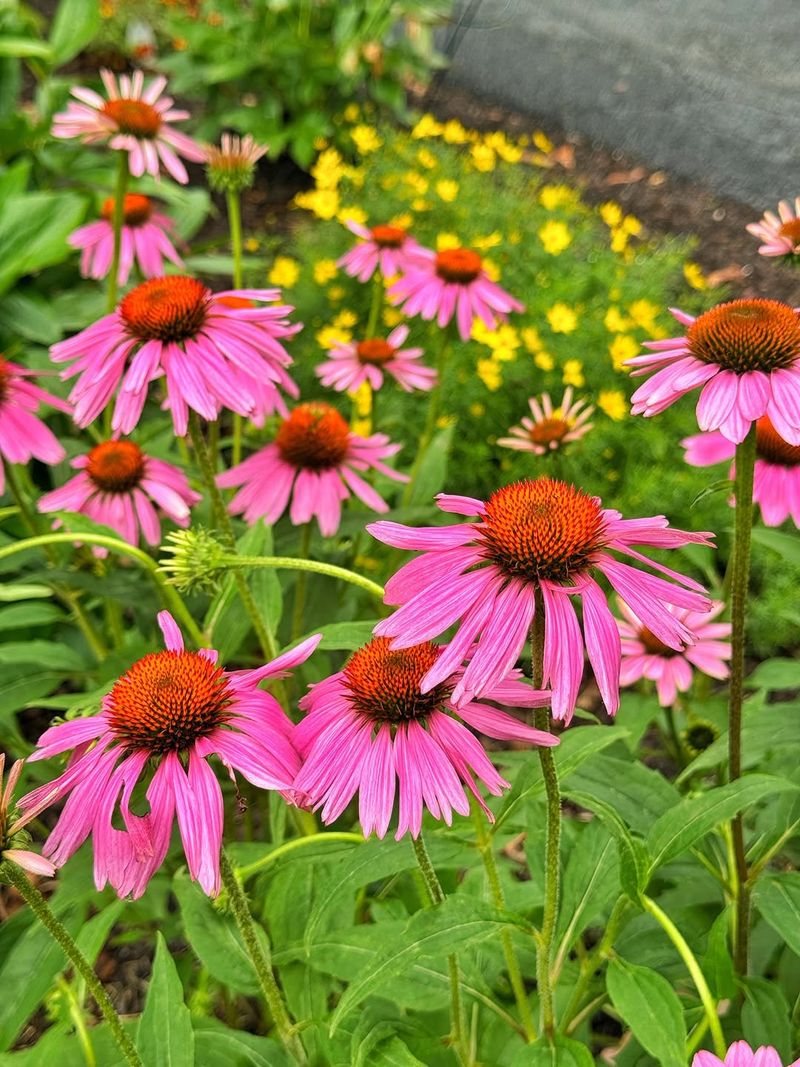
Purple Coneflower is the kind of plant that earns its spot in any Texas garden. With its rosy-purple petals and spiky orange center cone, it brings a bold, eye-catching look that stands out from early summer all the way into fall.
And starting it in March, while Texas temperatures are still comfortable, gives it the best possible head start.
As a native perennial, Purple Coneflower comes back year after year, which means you plant it once and enjoy it for a long time. That is a great deal for any gardener.
It grows well in full sun and tolerates clay or sandy soils, both of which are common in different parts of Texas. Water it consistently after planting, but once it establishes itself, it becomes quite drought-tolerant.
Pollinators go absolutely wild for this plant. Bees land on the center cones to collect pollen, while butterflies hover around the petals for nectar.
Even goldfinches visit in late summer to snack on the seeds. If you want a garden that buzzes with life, Purple Coneflower is a must-plant.
It also pairs beautifully with Black-Eyed Susans and Indian Blanket for a colorful native wildflower garden.
March planting means you could see your first blooms as early as late May or June, rewarding your patience with months of gorgeous color across your Texas yard.
5. Lemon Beebalm (Monarda Citriodora)
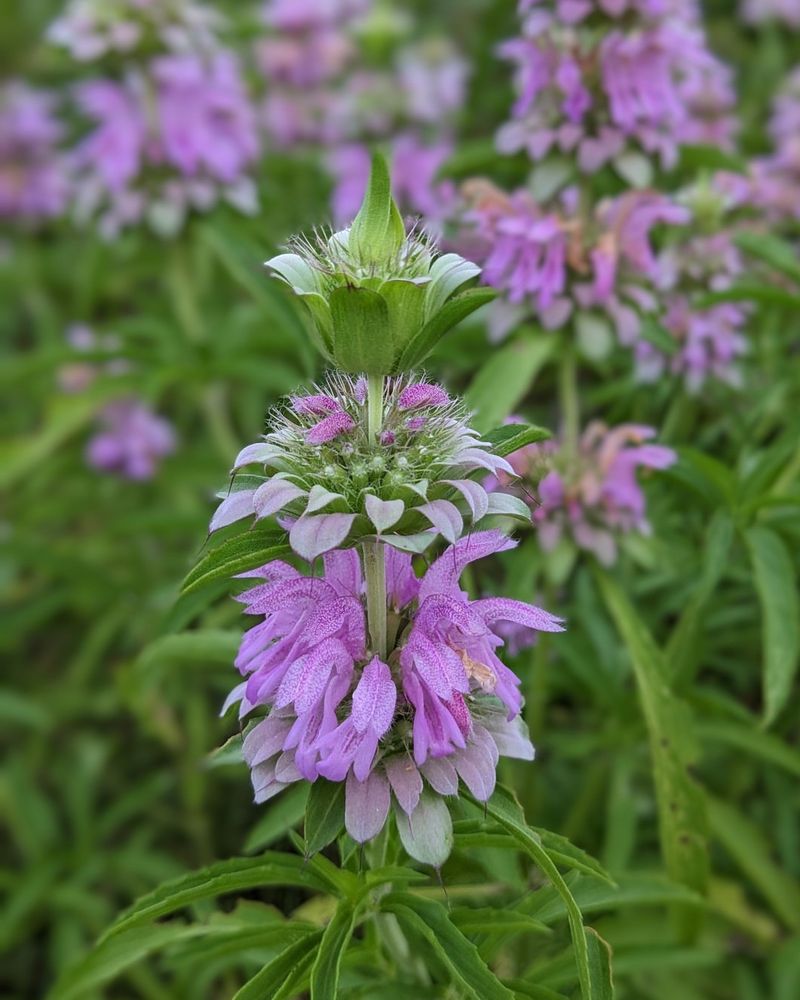
Crush a leaf of Lemon Beebalm and you will immediately understand how it got its name. The fresh, citrusy scent is delightful and almost surprising for a wildflower.
Native to Texas and much of the central United States, this fragrant beauty is a fantastic early spring planting choice for gardeners across the state who want something a little different in their landscape.
March is the ideal time to sow Lemon Beebalm seeds directly in the garden. The cooler temperatures help the seeds germinate more reliably, and getting them in the ground early allows the plant to establish itself before the intense Texas summer heat arrives.
Choose a sunny spot with well-drained soil, scatter the seeds lightly, and press them gently into the surface. Keep the area moist until seedlings appear.
Once it starts blooming, usually in late spring or early summer, Lemon Beebalm becomes a magnet for bees and butterflies. The soft lavender-pink flower clusters appear in tiers along upright stems, creating a lovely layered look that adds texture to any garden bed.
Hummingbirds also stop by for visits, which is always a treat to watch. This plant reseeds itself freely, so you may find new plants popping up around your yard each year.
For a fragrant, wildlife-friendly, and easy-to-grow Texas native, Lemon Beebalm planted in March is a winning choice.
6. Texas Lantana (Lantana Urticoides)
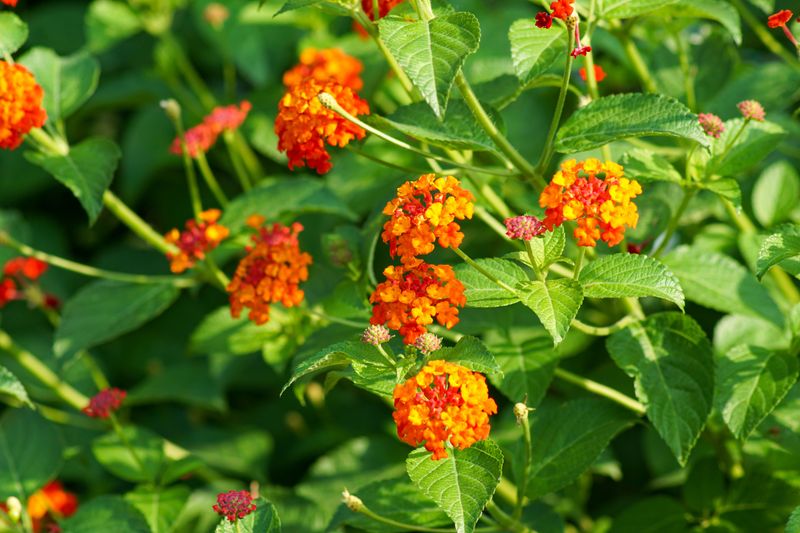
Texas Lantana is a showstopper. Its clusters of tiny orange and yellow flowers bloom from spring all the way through the first cool snap of fall, giving your yard months of vibrant color.
Butterflies practically swarm this plant when it is in full bloom, and the sight of a Texas Lantana covered in swallowtails and skippers is something you will not forget.
Here is the thing though: as much as you might want to rush this one into the ground in March, it is better to wait. Texas Lantana is a heat-loving native perennial that really needs warm soil to get off to a strong start.
Planting it too early, when nights are still chilly and the ground has not fully warmed, can stress the plant and slow its growth significantly. Waiting until April, when soil temperatures are more consistently warm, gives it the conditions it actually needs.
Once you do plant it in the right conditions, Texas Lantana practically takes care of itself. It handles drought like a champion, grows in poor soils, and spreads into a full, bushy mound over time.
It is a wonderful choice for sunny borders, slopes, or spots where other plants struggle. Deer tend to leave it alone too, which is a bonus for Texas gardeners in rural areas. Hold off just a few more weeks and this plant will reward you generously all season long.
7. Scarlet Sage (Salvia Coccinea)
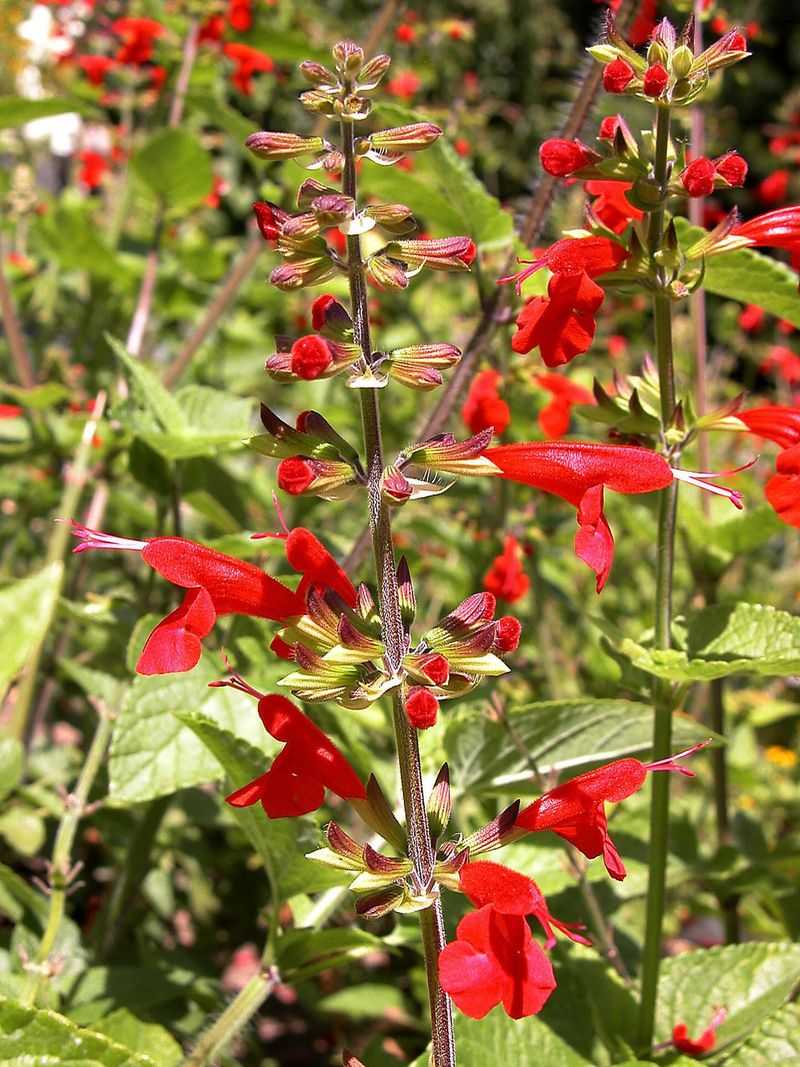
If hummingbirds are your thing, Scarlet Sage was practically made for you. Those brilliant red tubular flowers are like little landing pads for hummingbirds, which use their long beaks to reach the sweet nectar inside.
Watching a ruby-throated hummingbird hover next to a spike of Scarlet Sage in a Texas garden is one of those simple joys that makes all the gardening effort worthwhile.
As tempting as it is to plant Scarlet Sage in March, this one is better off waiting a few more weeks. It prefers warmer soil temperatures to germinate and grow well.
March nights in many parts of Texas can still dip into uncomfortable ranges for this plant, and a surprise cool snap could set it back considerably.
Waiting until the risk of cool weather has clearly passed, usually mid to late April, sets Scarlet Sage up for a much stronger start.
When the timing is right, Scarlet Sage grows quickly and blooms heavily. It does well in full sun or partial shade, which makes it more flexible than many other native plants.
It also reseeds itself freely, so once you have it established in your Texas yard, it tends to return on its own each year.
The flowers attract not just hummingbirds but also butterflies and bees, making it a triple-threat pollinator plant. Patience pays off with this one, so wait just a little longer for best results.
8. Standing Cypress (Ipomopsis Rubra)
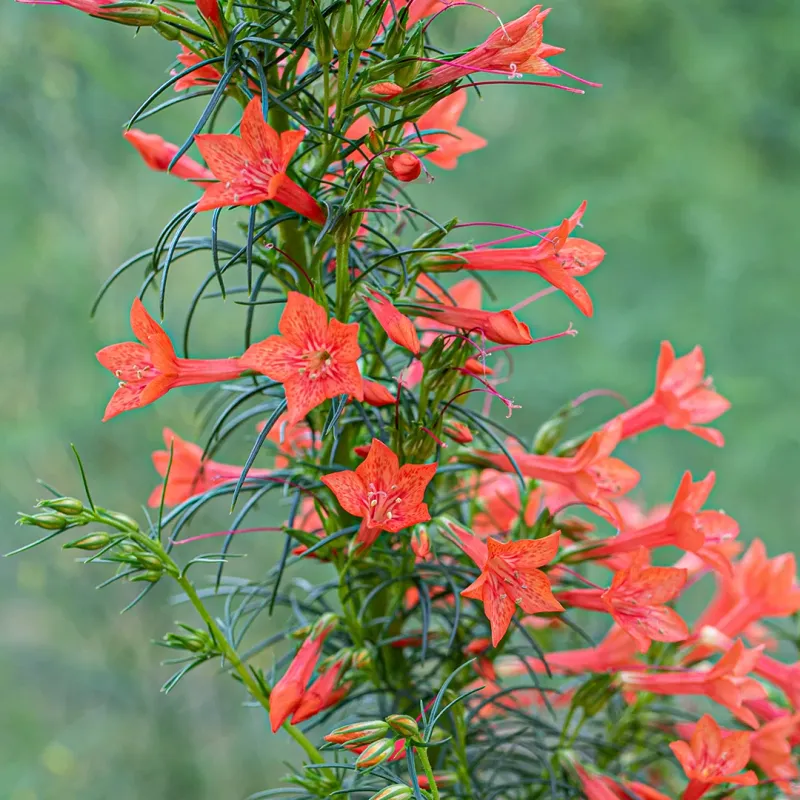
Standing Cypress is one of those plants that makes people stop and stare. Growing up to six feet tall with slender, feathery foliage and brilliant scarlet tubular flowers arranged on dramatic spikes, it looks almost too exotic to be a Texas native.
But it is completely at home in the Texas landscape and has been wowing gardeners and hummingbirds here for a very long time.
March might seem like the perfect time to get Standing Cypress in the ground, but this striking wildflower performs best when planted after temperatures have stabilized in mid-spring. It is a biennial, meaning it takes two growing seasons to fully bloom.
Planting it too early in unpredictable spring weather can interrupt its natural growth cycle. Waiting until mid to late April, when the soil is consistently warmer, gives it a much better chance of thriving.
Standing Cypress prefers sandy, well-drained soil and full sun, conditions that are easy to find across much of Texas. Once established, it handles drought well and needs very little maintenance.
Hummingbirds are its most enthusiastic visitors, often arriving to feed on the nectar-rich flowers throughout the blooming season. Because it reseeds readily, a single plant can eventually create a stunning colony in your garden.
Give it the right timing, the right spot, and a little patience, and Standing Cypress will become one of the most dramatic and rewarding plants in your entire Texas yard.