Plants That Attract Pests And Diseases In Texas Gardens
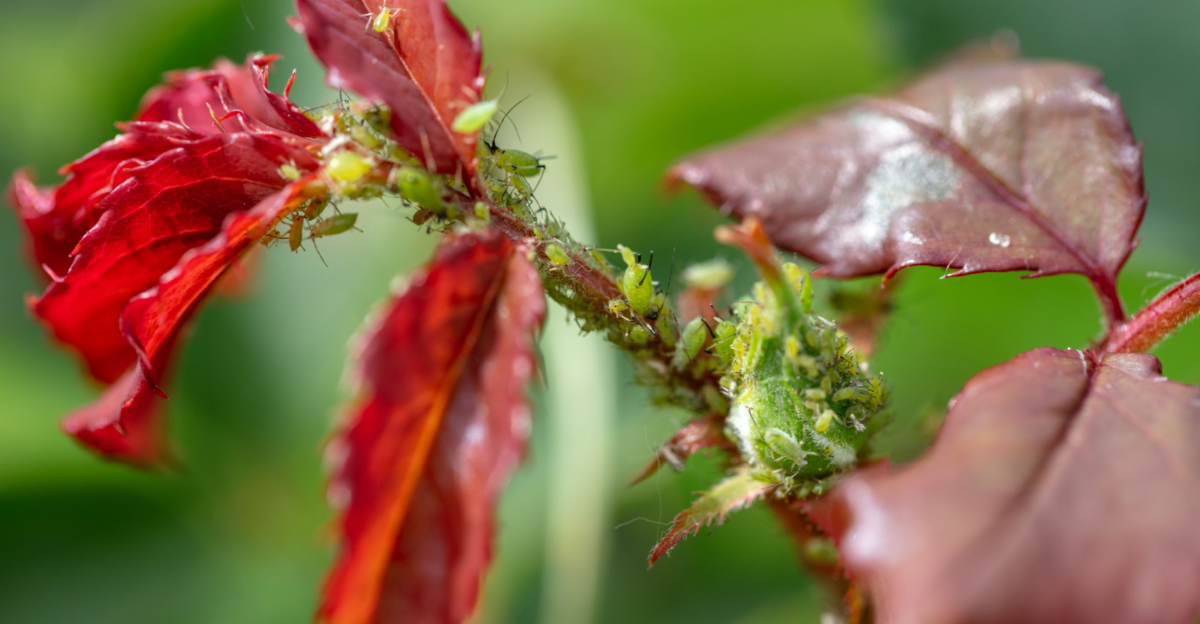
Ever notice how some plants in your Texas garden seem to run into problems faster than others? It’s not bad luck, and it’s not that those plants are doing anything wrong.
In reality, certain plants are simply more prone to pests and diseases, especially under Texas conditions where heat, humidity, and stress can build up quickly.
When airflow is limited or watering is inconsistent, those issues tend to show up even faster.
The good news is that these plants are still worth growing. Once you understand why they struggle, you can make small adjustments that help them stay healthier and look their best throughout the season.
1. Roses Often Deal With Aphids And Leaf Issues
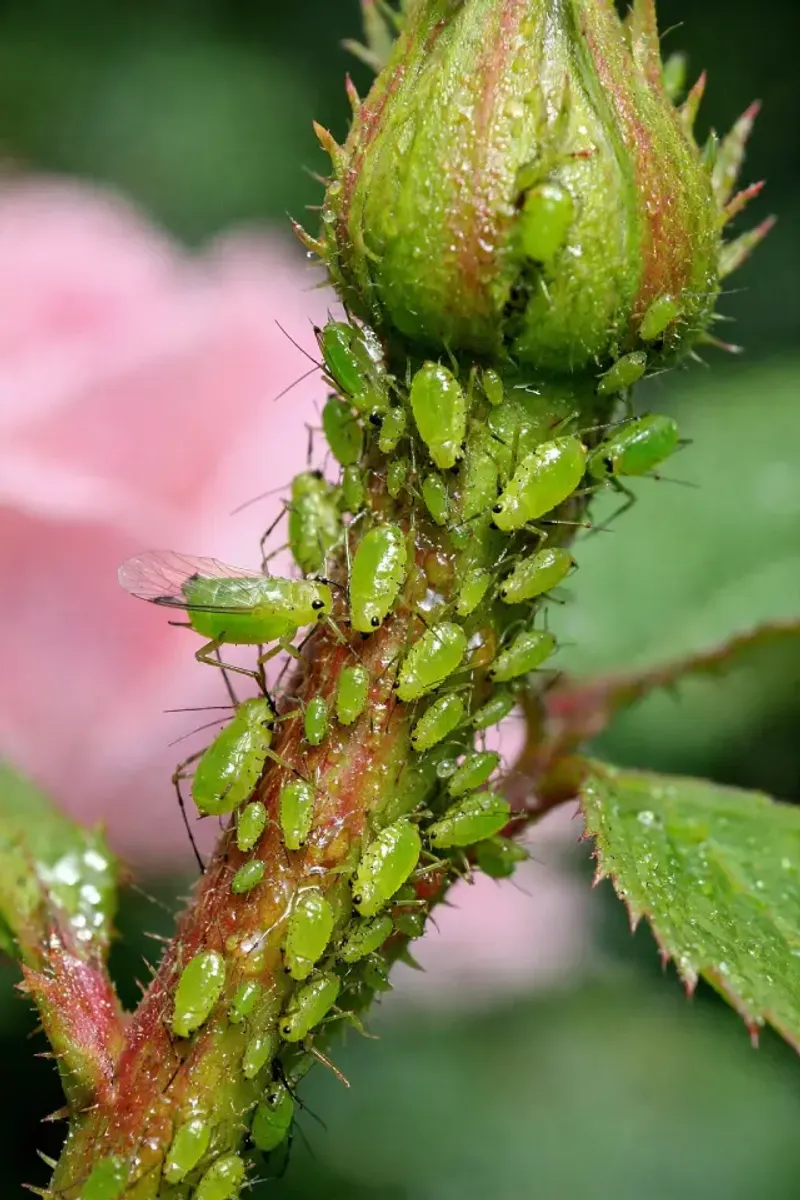
Few plants test a Texas gardener’s patience quite like roses during the warmer months. As spring heats up and summer kicks in, aphid populations can build up quickly on new rose growth, clustering around tender buds and soft stems.
These tiny insects feed on plant sap, which can cause leaves to curl, yellow, or look distorted over time.
In the humid eastern parts of Texas, black spot fungus is another issue that rose growers deal with regularly. This fungal disease causes dark spots to appear on leaves, eventually leading to early leaf drop if left untreated.
Poor air circulation around crowded plants tends to make the problem worse, especially after periods of rain or heavy watering.
Planting roses with enough spacing between them allows air to move freely and reduces moisture buildup on foliage. Watering at the base rather than overhead can also help keep leaves dry and less inviting to fungal spores.
Choosing disease-resistant rose varieties bred for Texas conditions gives your plants a much better chance of thriving through the season.
Regular inspection of new growth, especially the undersides of leaves, helps catch aphid colonies before they get out of hand.
A strong spray of water can knock aphids off without reaching for chemical treatments right away.
2. Tomatoes Attract Pests As Temperatures Rise
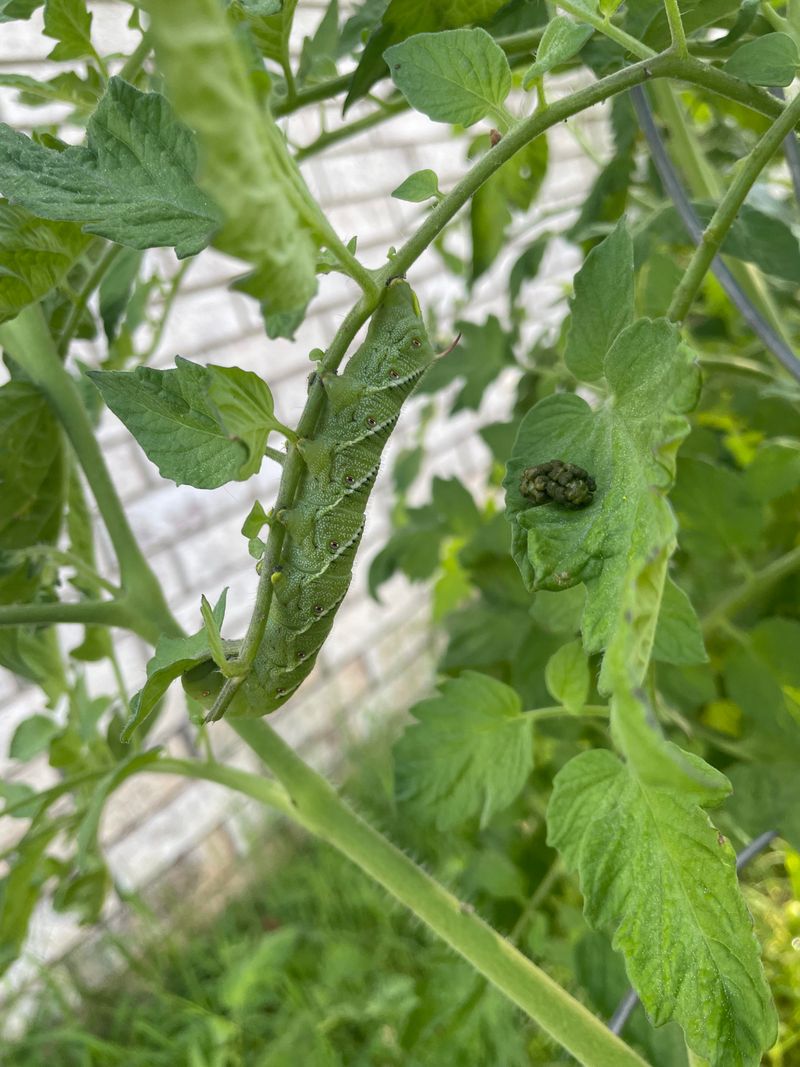
Walk through almost any Texas vegetable garden in spring and you will spot tomatoes growing in raised beds, containers, and backyard plots.
They are one of the most popular crops in the state, but they also come with a long list of pest and disease challenges that tend to show up as temperatures start climbing toward summer highs.
Tomato hornworms are among the most dramatic pests Texas gardeners encounter. These large green caterpillars can strip a plant of its leaves surprisingly fast, blending in so well with the foliage that they are easy to miss until the damage becomes obvious.
Whiteflies are another common issue, especially in South Texas and along the Gulf Coast where warm, humid conditions persist for much of the year.
On the disease side, early blight and fusarium wilt are two conditions that frequently affect tomatoes in Texas gardens. Both are influenced by soil conditions, watering habits, and how well plants are spaced for airflow.
Rotating tomatoes to a different bed each season helps reduce the buildup of soil-borne pathogens. Mulching around the base of plants limits soil splash during watering, which is one of the main ways fungal spores reach lower leaves.
Your Texas Garden Changes Every Week. Your Plan Should Too.
Gardening in Texas changes quickly throughout the season. Every Friday you’ll receive a simple weekly plan showing exactly what to plant, prune, fertilize, harvest, and protect so you never miss the right timing.
Selecting varieties labeled as disease-resistant, particularly those with tolerance to fusarium and verticillium wilt, can make a meaningful difference in how your plants hold up through the season.
3. Squash And Zucchini Struggle With Common Garden Pests
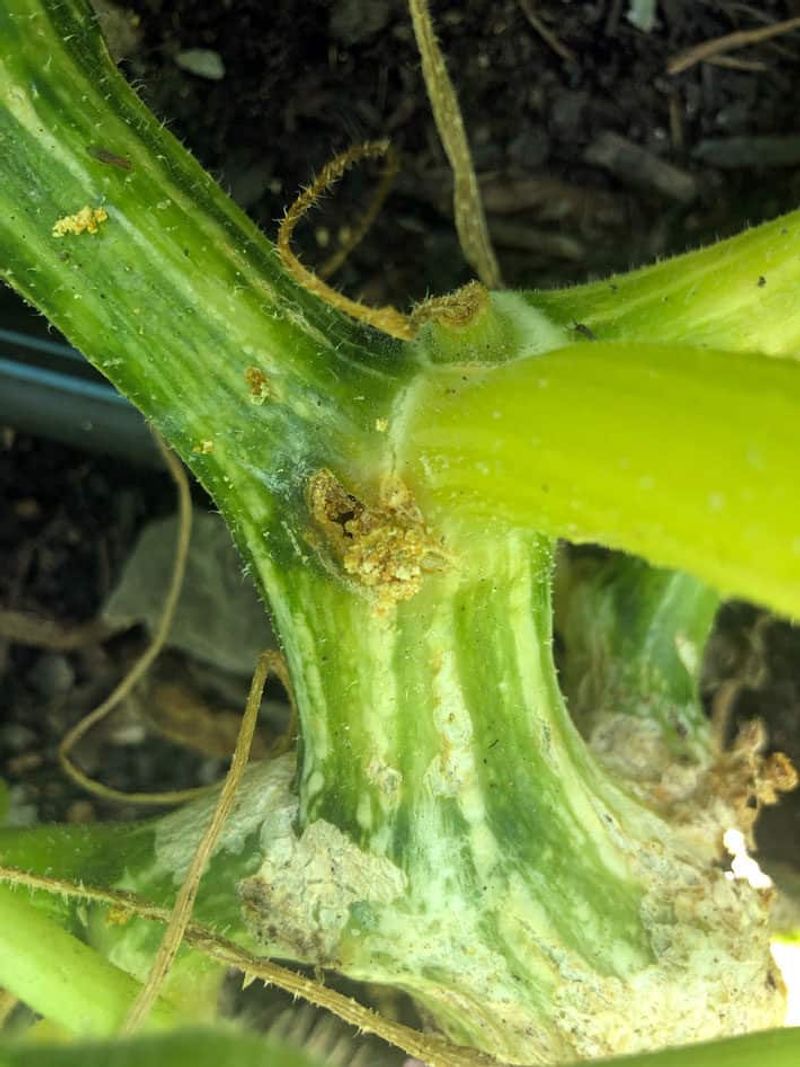
Squash and zucchini are heavy producers when conditions cooperate, but Texas gardeners quickly learn that these crops come with their share of seasonal headaches.
Squash vine borers are one of the most frustrating pests to deal with because they attack from the inside out, tunneling into the main stem and causing the plant to wilt suddenly even when it looked perfectly healthy just days before.
The adult vine borer moth lays its eggs at the base of stems in early summer, and once the larvae hatch and burrow in, the damage is already underway before most gardeners notice anything wrong.
Squash bugs are another common problem, gathering in groups beneath leaves and feeding on plant tissue in a way that causes yellowing and wilting.
Their egg masses, laid neatly in rows on leaf undersides, are easier to spot and remove early if you check plants regularly.
Powdery mildew is also a reliable visitor to squash and zucchini in Texas, especially as summer humidity fluctuates. It shows up as a white, dusty coating on leaves and spreads quickly in crowded garden beds with limited airflow.
Giving plants more room to breathe, avoiding wetting the foliage when watering, and planting in full sun all help reduce mildew pressure.
Planting a second round of squash in late summer can sometimes help you sidestep the worst of the vine borer season, since peak moth activity tends to ease off later in the year.
4. Crape Myrtle Can Develop Sticky Leaf Problems
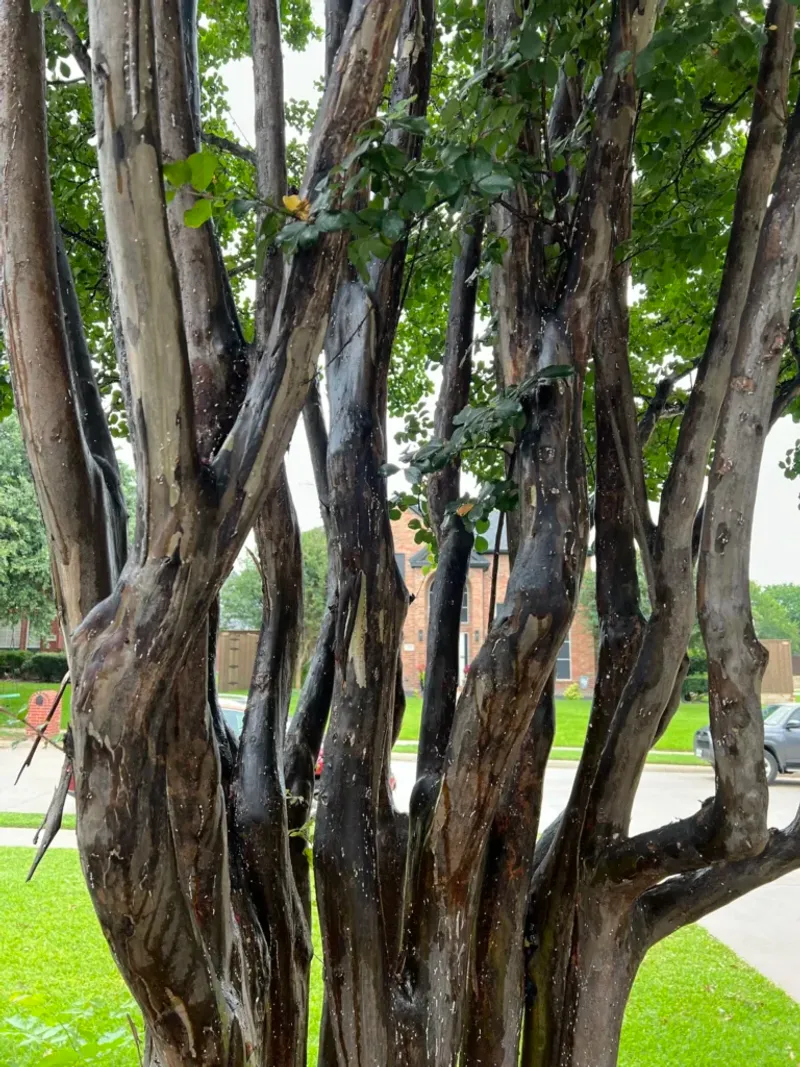
Crape myrtles are practically a symbol of Texas summers, lining streets and filling front yards with vibrant color from June through September.
Despite their reputation for toughness, these trees and shrubs can develop some noticeable pest issues that leave gardeners puzzled about what is going wrong with their otherwise resilient plants.
Crape myrtle aphids are the primary culprit behind one of the most common complaints – sticky leaves and black-coated branches. These small, pale insects feed on the underside of leaves and excrete a sugary substance called honeydew.
That honeydew coats the surfaces below and becomes a food source for sooty mold, a dark fungal growth that turns branches and leaves an unappealing black color.
While sooty mold does not directly damage plant tissue, it blocks sunlight from reaching leaves and can weaken the plant over time.
Crape myrtle bark scale is a newer pest that has been spreading across Texas over the past decade or so.
It appears as white or gray crusty patches on bark, and like aphids, it produces honeydew that leads to sooty mold buildup.
Heavy infestations can reduce flowering and overall plant vigor. Encouraging natural predators like lady beetles, which feed actively on crape myrtle aphids, is one of the most effective and low-effort management strategies available.
Avoiding excessive nitrogen fertilizer also helps, since lush, soft new growth tends to attract aphid colonies more readily than balanced, steady growth does.
5. Cucumbers Face Pest And Mildew Pressure
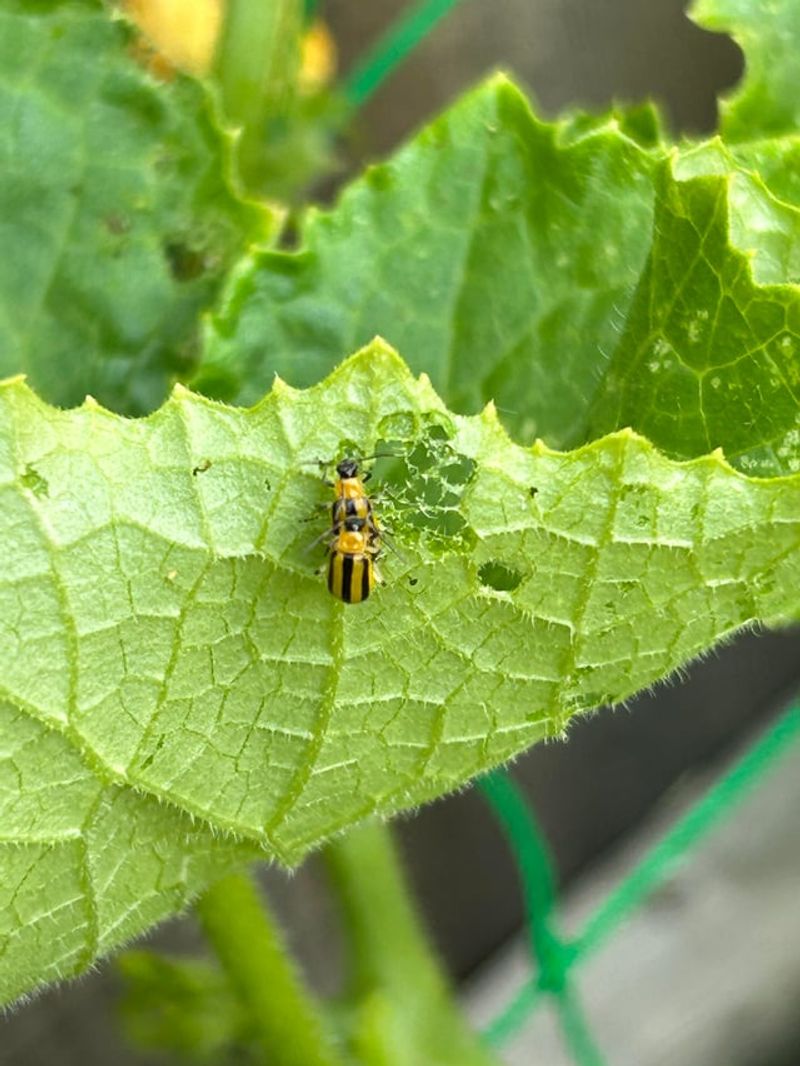
Cucumbers thrive in the warm Texas spring season but tend to run into trouble fast once summer heat intensifies and pest populations build up.
Spotted and striped cucumber beetles are among the earliest pests to show up, feeding on leaves, flowers, and young fruit.
Beyond the direct feeding damage, these beetles are also capable of spreading bacterial wilt, a disease that causes vines to collapse rapidly and cannot be reversed once a plant is infected.
Squash bugs, spider mites, and whiteflies also visit cucumber plants regularly in Texas gardens, especially during dry stretches when plants are already under heat stress.
Stressed plants are generally more vulnerable to pest pressure, so keeping cucumbers consistently watered and mulched goes a long way toward reducing their attractiveness to insects looking for an easy meal.
Powdery mildew is nearly unavoidable on cucumbers in Texas as the season progresses. It spreads through airborne spores and tends to appear first on older leaves before moving to younger growth.
Planting cucumbers in a location with good morning sun and afternoon shade can help moderate temperatures and reduce stress. Trellising vines vertically improves air circulation significantly compared to letting them sprawl on the ground.
Selecting mildew-resistant cucumber varieties gives plants a built-in advantage before pests and disease even arrive.
Rotating cucumber plantings each season and cleaning up spent vines at the end of the season helps reduce overwintering pest populations for the following year.
6. Peppers Can Attract Small Insects In Warm Weather
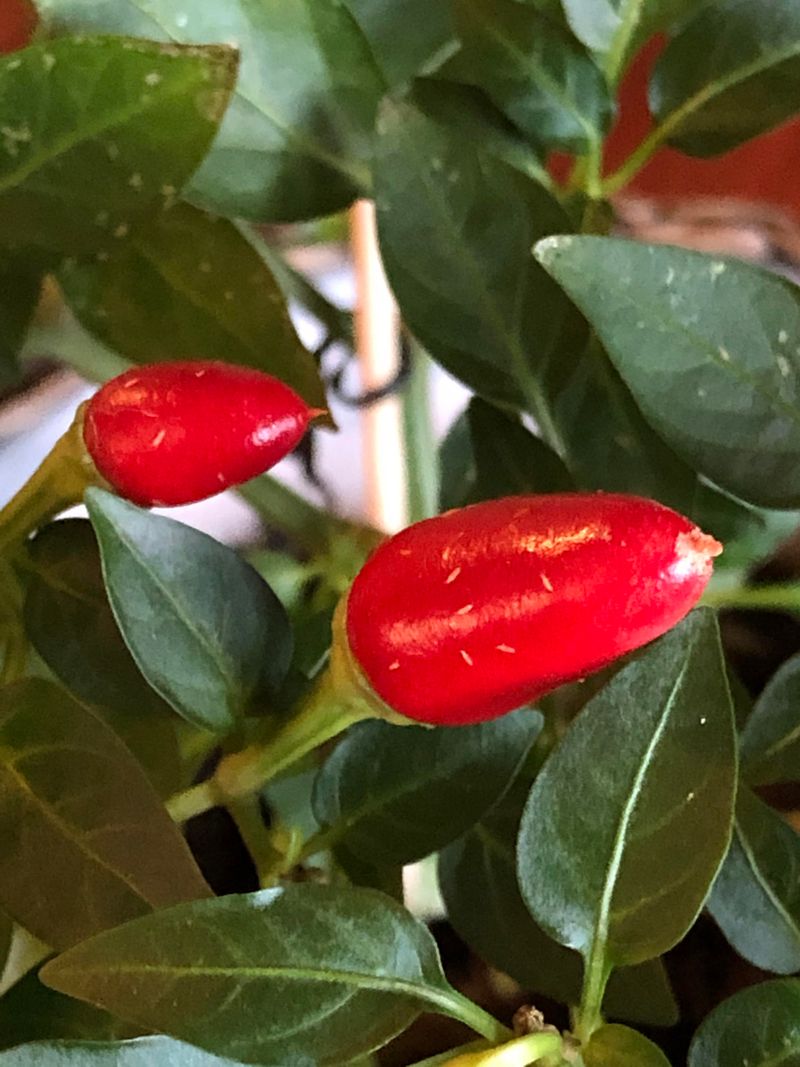
Peppers are one of the most heat-tolerant vegetables grown in Texas, and they can produce abundantly through long stretches of hot weather that would slow down many other crops.
Even so, the same warm conditions that suit peppers well also create a welcoming environment for a handful of persistent pests that can reduce yields and weaken plants over time.
Aphids tend to cluster on the tender growing tips of pepper plants, particularly during spring when new growth is soft and abundant.
They reproduce rapidly in warm weather, and a small colony can expand into a significant infestation within just a few weeks if left unmanaged.
Thrips are another common visitor to pepper flowers and foliage, and they are small enough that many gardeners do not notice them until the silvery, streaked damage on leaves becomes obvious.
Spider mites become a particular concern during dry, hot stretches of Texas summer. They thrive in dusty, water-stressed conditions and can cause leaves to develop a bronze or stippled appearance before dropping prematurely.
Keeping plants well-watered and misting foliage during the hottest parts of the day can help deter mite populations.
Broad mites, though less commonly discussed, are another pest that occasionally targets peppers and causes distorted, stunted new growth that can be mistaken for a nutrient deficiency or viral infection.
Inspecting plants weekly and catching pest pressure early makes management much more manageable before populations escalate through the season.
7. Gardenias Struggle With Pests And Soil Sensitivity
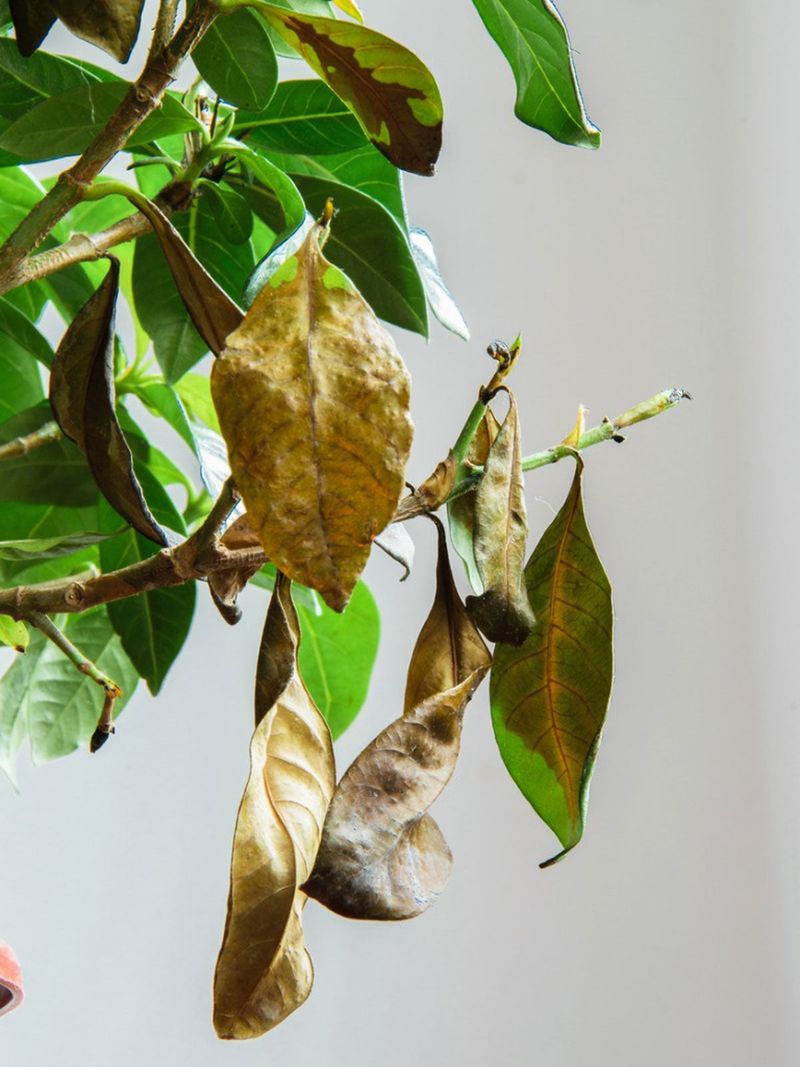
Gardenias are one of those plants that gardeners fall in love with for their fragrant, creamy white blooms, but they have a reputation in Texas for being a bit demanding.
The state’s alkaline soils in central and western regions make it difficult for gardenias to absorb iron properly, leading to a condition called chlorosis where leaves turn yellow while veins remain green.
This nutrient stress weakens plants and makes them more susceptible to pest problems layered on top of an already struggling root system.
Whiteflies are strongly associated with gardenias and tend to build up quickly on the undersides of the thick, glossy leaves. When disturbed, they rise in a small cloud, which is usually the first sign gardeners notice.
Like aphids on other plants, whiteflies produce honeydew that leads to sooty mold coating the leaves and reducing the plant’s ability to photosynthesize efficiently.
Scale insects are also a recurring issue on gardenias, attaching themselves to stems and leaf surfaces and feeding on plant sap over an extended period.
Their waxy coating makes them harder to control with sprays, and heavy infestations can cause significant damage to branches.
Gardenias perform better in Texas when planted in slightly acidic, well-amended soil with reliable moisture. Acidifying fertilizers and soil amendments can help address iron availability in problem areas.
Planting in a sheltered spot with morning sun and afternoon shade reduces overall plant stress and makes the shrubs less vulnerable to seasonal pest cycles.
8. Hydrangeas Face Heat And Leaf Spot Challenges
Hydrangeas hold a special place in many Texas gardens for their showy flower clusters and lush appearance, but they require some thoughtful placement to hold up well against the state’s challenging summer conditions.
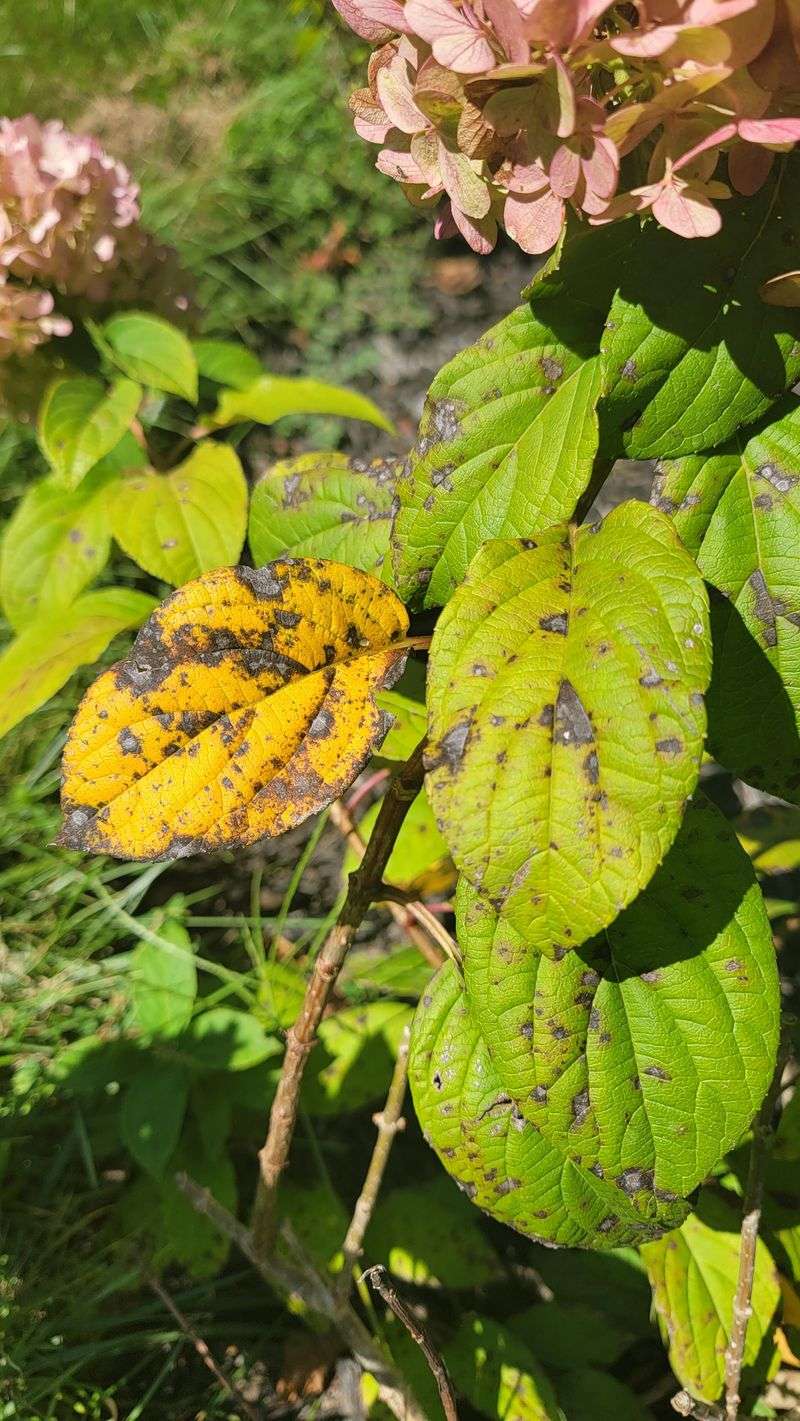
In the coastal and eastern parts of Texas where humidity runs higher, leaf spot diseases caused by both fungal and bacterial pathogens are a recurring seasonal issue that can leave plants looking ragged well before fall arrives.
Cercospora leaf spot is one of the more common fungal diseases affecting hydrangeas in Texas. It appears as circular brown or purple-bordered spots on leaves and tends to spread during wet, humid weather when foliage stays moist for extended periods.
Overhead watering and crowded planting conditions both contribute to faster disease spread, making spacing and drip irrigation practical tools for managing the problem.
Aphids, spider mites, and rose chafer beetles have all been observed feeding on hydrangeas during Texas summers.
Spider mites in particular thrive when temperatures soar and plants are under heat stress, causing leaves to develop a pale, stippled texture that reduces their visual appeal.
Placing hydrangeas in a spot with morning sun and reliable afternoon shade is one of the most effective ways to reduce heat stress and keep plants vigorous enough to fend off pest pressure naturally.
Mulching heavily around the base conserves soil moisture, keeps roots cooler during the hottest months, and reduces the soil splash that spreads fungal spores to lower leaves during rain or irrigation.