6 Things Texas Gardeners Should Watch Out For When Growing Zinnias
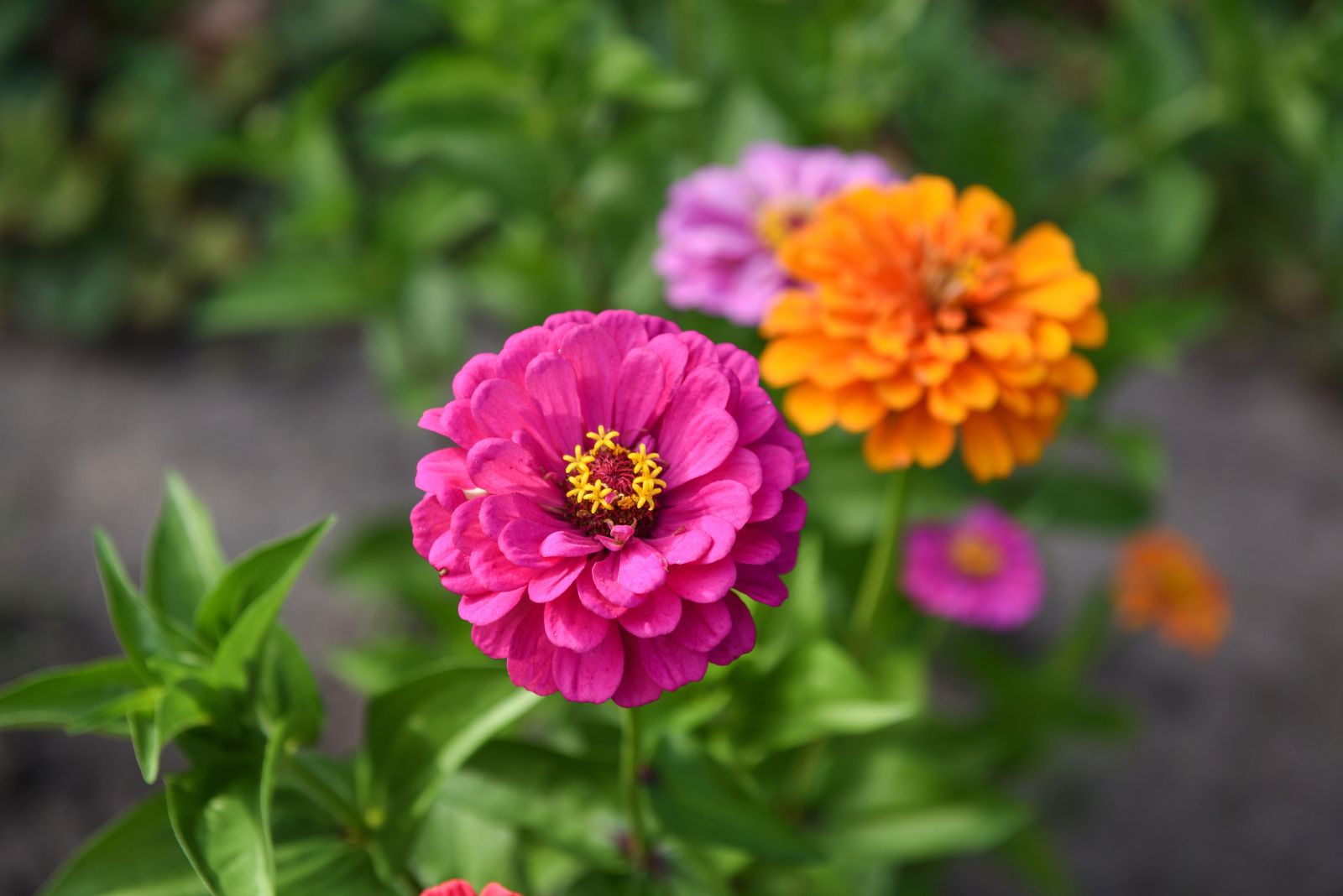
Zinnias are a favorite in many Texas gardens, and it’s easy to see why. Their bright colors, cheerful blooms, and long flowering season can instantly make a flower bed feel lively.
They also attract butterflies and other pollinators, which adds even more energy to the yard. With the warm Texas climate, zinnias often grow quickly and reward gardeners with plenty of blossoms.
Still, these easygoing flowers are not completely trouble free. Texas heat, sudden rain, and common garden pests can create a few challenges along the way.
Without the right care, zinnias may struggle with issues like powdery mildew, overcrowding, or poor air circulation. Even small mistakes in watering or spacing can affect how well they grow.
A little awareness goes a long way when it comes to keeping these colorful plants healthy. Knowing what to watch for can help Texas gardeners enjoy stronger plants, brighter blooms, and a garden that stays beautiful all season long.
1. Powdery Mildew In Humid Conditions
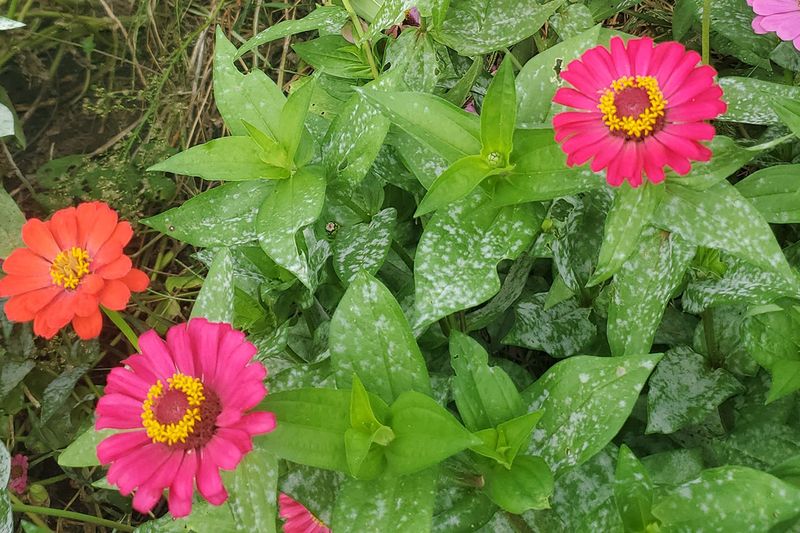
Walk through a Texas garden in late summer, and you might notice a strange white dusty coating on your zinnia leaves.
That is powdery mildew, and it is one of the most common fungal problems zinnia growers face in the state. It tends to show up when humidity is high and air movement around the plants is low.
Powdery mildew does not always destroy a plant right away, but it does weaken it over time. Affected leaves may turn yellow, curl, or look unhealthy.
When the fungus spreads across too many leaves, the plant struggles to produce energy, and flowering slows down noticeably.
The good news is that prevention is fairly simple. Space your zinnias at least 12 inches apart so air can flow freely between them.
Avoid wetting the leaves when you water. Instead, water at the base of the plant using a soaker hose or drip system.
If you already see powdery mildew forming, remove the affected leaves right away. You can also spray the plant with a mix of water and baking soda, or use a neem oil solution. Both options are safe and easy to find at garden centers across Texas.
Choosing mildew-resistant zinnia varieties is another smart move. Varieties like Zahara and Profusion are known to hold up better in humid Texas conditions.
Starting with the right plant gives you a head start before the sticky summer air even arrives. Staying alert early in the season makes a big difference in keeping your garden looking its best all the way through fall.
2. Overwatering In Hot Weather
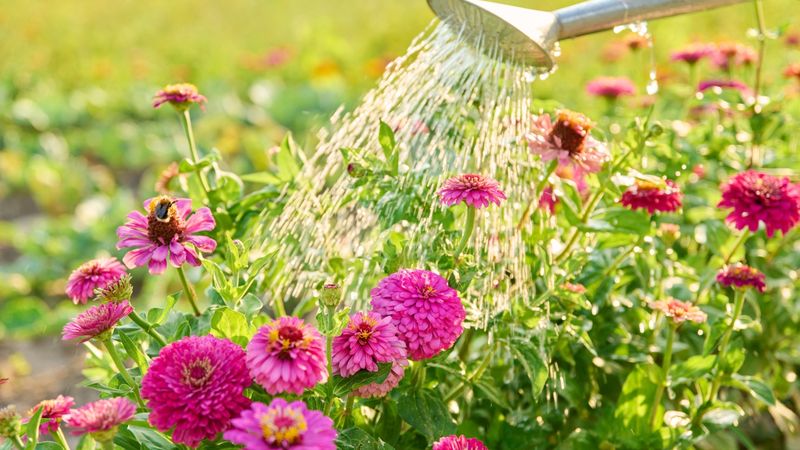
It might seem strange, but one of the biggest mistakes Texas gardeners make with zinnias is giving them too much water. Yes, Texas summers are brutally hot, and it feels natural to want to keep your plants soaked.
But zinnias actually prefer soil that dries out a little between waterings, and too much moisture causes more harm than good.
When zinnia roots sit in wet soil for too long, they can develop root rot. This cuts off the plant’s ability to absorb nutrients and water properly.
Your Texas Garden Changes Every Week. Your Plan Should Too.
Gardening in Texas changes quickly throughout the season. Every Friday you’ll receive a simple weekly plan showing exactly what to plant, prune, fertilize, harvest, and protect so you never miss the right timing.
You might notice the leaves turning yellow or the stems looking soft and weak near the base. These are warning signs that the roots are struggling.
A better approach is deep, infrequent watering. Water your zinnias thoroughly, letting the water soak all the way down to the roots, and then wait until the top inch or two of soil feels dry before watering again.
This encourages roots to grow deeper into the soil, making the plant stronger overall. In Texas, the intense heat can make the soil surface look dry even when deeper layers are still moist.
Stick your finger an inch or two into the soil before reaching for the hose. That simple check can prevent a lot of overwatering mistakes throughout the season.
Also, make sure your garden bed has good drainage. Sandy or loamy soil works great for zinnias.
If your soil is heavy clay, consider mixing in compost or coarse sand to improve drainage. Well-draining soil keeps roots healthy and gives your zinnias the best chance to thrive in the Texas heat.
3. Poor Air Circulation
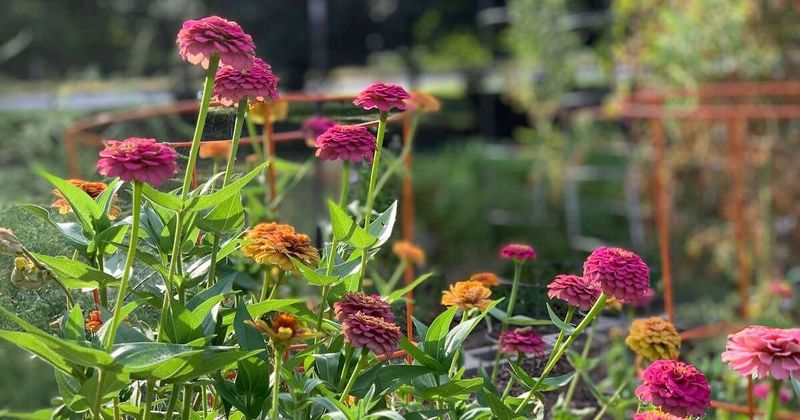
Imagine trying to breathe in a packed, stuffy room with no windows open. That is basically what happens to zinnias when they are planted too close together.
Poor air circulation is a sneaky problem that many Texas gardeners overlook, and it can lead to a whole chain of issues throughout the growing season.
When plants are crowded, moisture gets trapped between the leaves and stems. That damp, stagnant environment is exactly what fungal diseases like powdery mildew and botrytis love.
Once one plant gets infected, the disease can spread quickly to its neighbors, especially during the humid stretches that hit many parts of Texas in summer.
Proper spacing is the easiest fix. For standard zinnia varieties, leave about 12 inches between each plant.
For larger varieties, go up to 18 inches. It might look sparse at first, but the plants will fill in nicely as they grow, and each one will be healthier for having its own breathing room.
Raised garden beds can also help improve airflow, especially in low-lying areas of Texas where moisture tends to linger near the ground. Positioning your zinnia beds in open spots away from walls, fences, or dense shrubs allows wind to pass through more freely.
Pruning can help too. Removing a few inner leaves or stems from mature plants opens up the canopy and lets air circulate better.
It takes just a few minutes and can make a noticeable difference in plant health. Good airflow is one of the simplest and most effective ways to keep your Texas zinnia garden thriving from planting day all the way through the last bloom of fall.
4. Aphids And Other Garden Pests
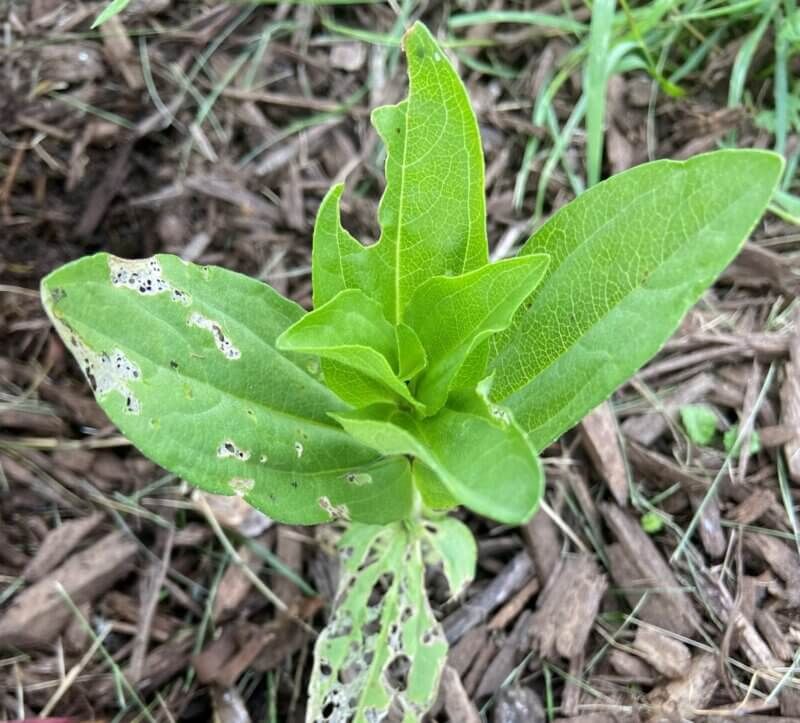
Tiny but troublesome, aphids are soft-bodied insects that love to cluster on the tender stems and undersides of zinnia leaves. They feed by sucking out plant sap, which weakens the plant and causes leaves to curl, yellow, or look distorted.
In Texas gardens, aphids tend to show up most during the warmer months when zinnia growth is at its peak.
Spider mites are another pest to watch for, especially during hot, dry stretches common across central and west Texas. These microscopic critters create fine webbing on leaves and cause a speckled, faded look on the foliage.
Caterpillars from various moth species may also munch on zinnia leaves and petals, leaving behind ragged holes.
Checking your plants regularly is the best defense. Walk through your garden every few days and flip over a few leaves to look for clusters of small insects or tiny eggs.
Catching an infestation early makes it much easier to manage before it spreads to the whole bed.
A strong spray of water from the hose can knock aphids right off the plant. Do this in the morning so the leaves have time to dry before evening.
For more stubborn pest problems, insecticidal soap or neem oil spray works well and is safe to use around beneficial insects when applied carefully.
Encouraging natural predators is another great strategy. Ladybugs and lacewings love to munch on aphids, and planting flowers like marigolds nearby can help attract them.
Keeping your Texas garden healthy and diverse is one of the best long-term ways to keep pest populations naturally balanced all season long.
5. Planting Too Early In Cool Soil
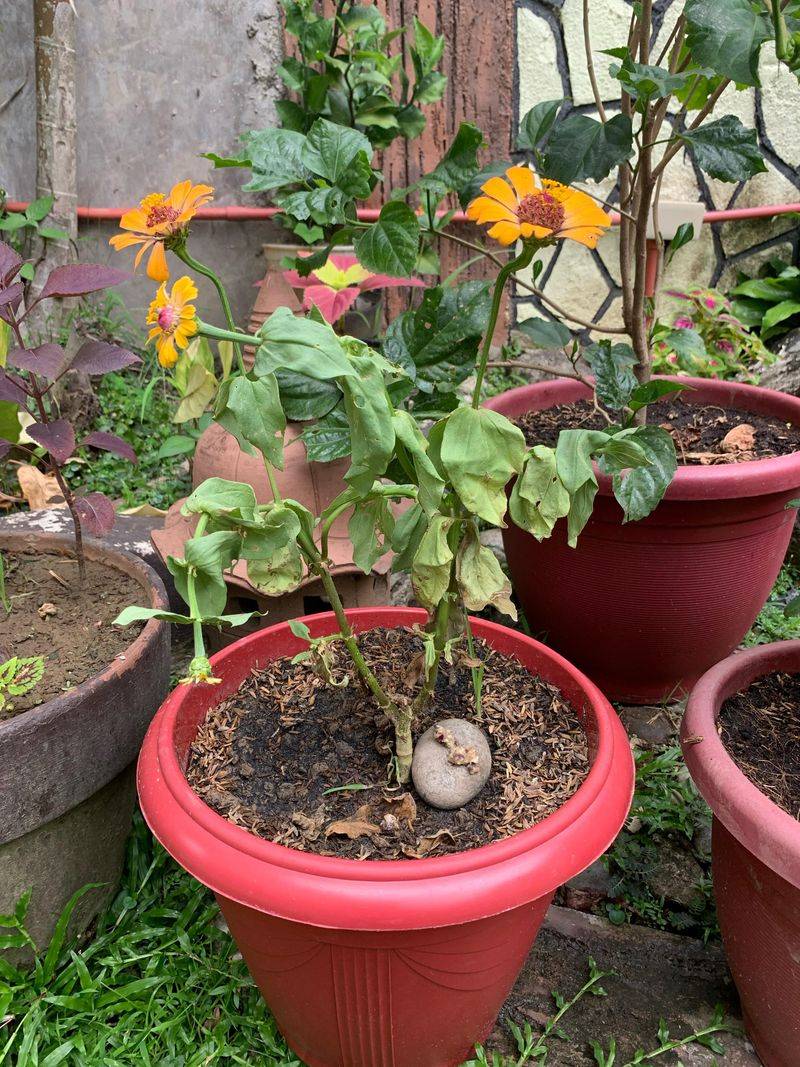
Zinnias are sunshine lovers through and through, and they simply do not perform well when the soil is still cold.
A lot of eager Texas gardeners make the mistake of planting too early in spring, especially after a few warm days trick them into thinking summer has arrived. But cool soil can really set zinnias back before they even get started.
When zinnia seeds or transplants go into soil that has not warmed up enough, germination slows way down. Seedlings may sprout unevenly, grow slowly, or just sit there looking sad for weeks.
Some may even develop fungal issues because cool, damp soil encourages rot rather than healthy root development.
The sweet spot for planting zinnias in Texas is when soil temperatures consistently stay at or above 60 degrees Fahrenheit. In most parts of the state, that means waiting until mid-to-late April or even early May, depending on where you live.
Gardeners in South Texas near the Gulf Coast may be able to plant a bit earlier, while those in the Panhandle should wait a little longer.
A simple soil thermometer, available at most garden centers, takes all the guesswork out of timing. Push it a few inches into the ground in the morning for an accurate reading. It is a small investment that can make a big difference in how well your zinnias start out.
Starting seeds indoors a few weeks before the last frost date is another option. Just be careful not to transplant them outside too early.
Hardening off seedlings by gradually exposing them to outdoor conditions for about a week before planting helps them adjust and reduces transplant stress significantly.
6. Lack Of Deadheading
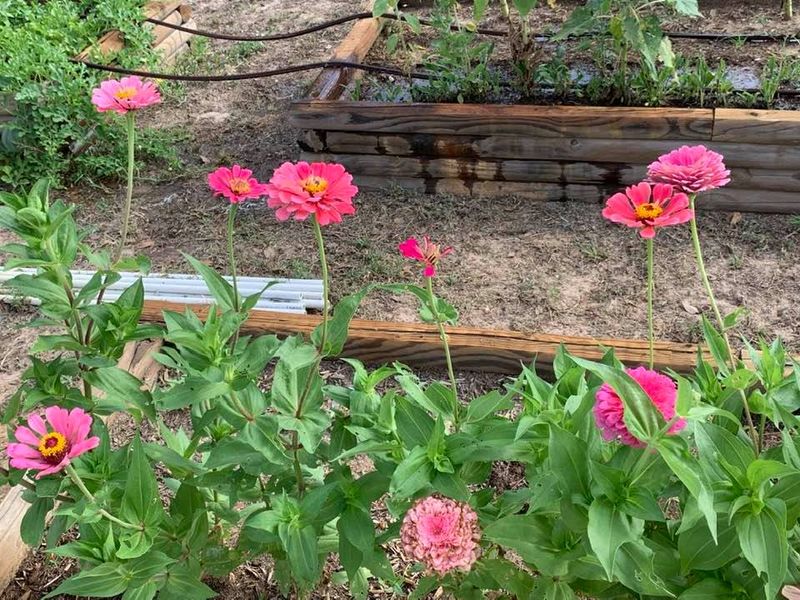
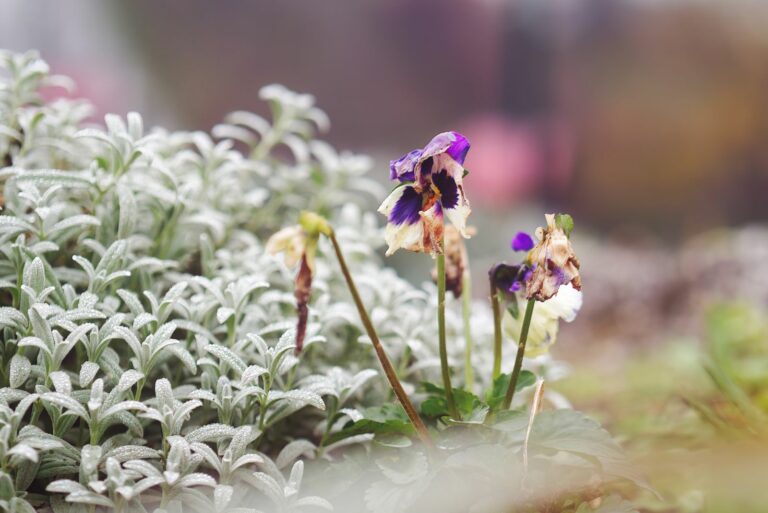
Picture a zinnia plant covered in faded, brown, dried-up flowers with no new blooms in sight. That is what happens when deadheading gets skipped.
Deadheading simply means removing spent flowers from the plant, and it is one of the most important maintenance tasks for keeping zinnias blooming all season long in Texas.
When a flower fades and starts forming seeds, the plant shifts its energy toward seed production instead of making new blooms.
By removing those old flowers before they go to seed, you send a clear signal to the plant to keep producing more flowers. The result is a fuller, more colorful garden that keeps performing week after week.
Deadheading is easy and only takes a few minutes during your regular garden visits. Use clean scissors or pruning shears and cut the stem back to just above the nearest set of healthy leaves or a side branch. This encourages a new shoot to grow and produce another flower bud.
In Texas, where the growing season stretches long and hot, consistent deadheading can keep your zinnias blooming from late spring all the way into October or even November in warmer parts of the state. That is a lot of color for very little effort.
If you want to save seeds for next year, simply leave a few of the last flowers of the season on the plant to dry out completely. Once the seed head is brown and papery, you can harvest the seeds and store them in a cool, dry place over winter.
Balancing deadheading with a little seed saving gives you the best of both worlds in your Texas garden year after year.