What To Direct Sow In California Right Now Before The Soil Heats Up
Spring moves fast in California gardens. One week the soil feels cool and perfect for planting, and before you know it the sun is stronger, temperatures climb, and delicate seedlings start to struggle.
That short window in early spring is prime time for direct sowing crops that actually prefer cooler soil and mild weather.
Many gardeners wait until late spring to plant everything, but some of the best vegetables and flowers grow much better when seeds go straight into the ground now.
These early sowing favorites germinate quickly in cool soil and establish strong roots before the heat of late spring and summer arrives.
Another bonus is simplicity. Direct sowing skips the seed trays, grow lights, and transplant shock.
You plant the seeds exactly where they will grow, water them in, and let nature handle the rest.
If you take advantage of this moment before the soil heats up, you can enjoy earlier harvests and healthier plants throughout the season.
1. Lettuce
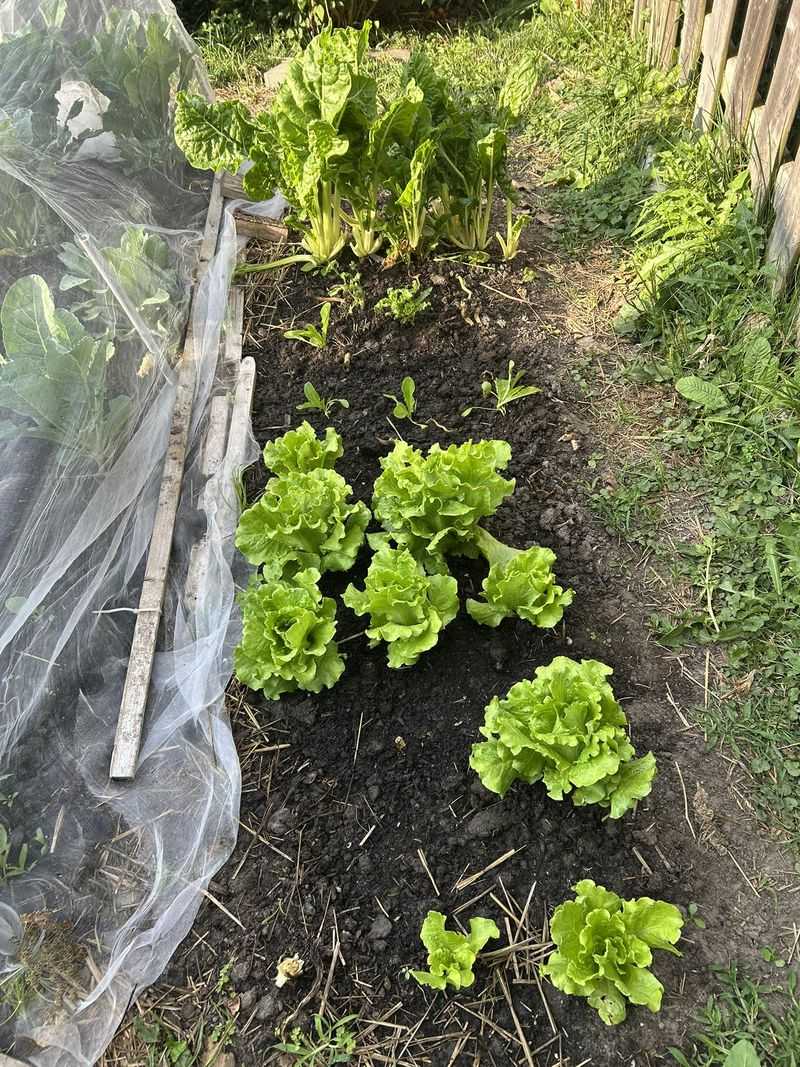
Few things beat the satisfaction of snipping fresh lettuce leaves just steps from your kitchen. In California, early spring is prime time to get lettuce seeds into the ground before temperatures climb.
Lettuce loves cool soil and mild days, making March one of the best months to sow it directly outdoors.
Scatter seeds lightly in rows or broadcast them across a prepared bed. Cover them with just a thin layer of soil, about a quarter inch deep.
Keep the bed moist and you should see sprouts within a week.
Loose-leaf varieties like Black Seeded Simpson or Red Sails are great choices because they grow quickly and you can harvest outer leaves while the plant keeps producing. Butterhead types are also popular in California gardens for their tender, sweet flavor.
Once temperatures push past 80 degrees Fahrenheit consistently, lettuce tends to bolt, meaning it sends up a flower stalk and turns bitter. Planting now gives you plenty of harvest time before that happens.
A little afternoon shade from a fence or taller plants can also help extend your lettuce season by a few extra weeks.
2. Spinach
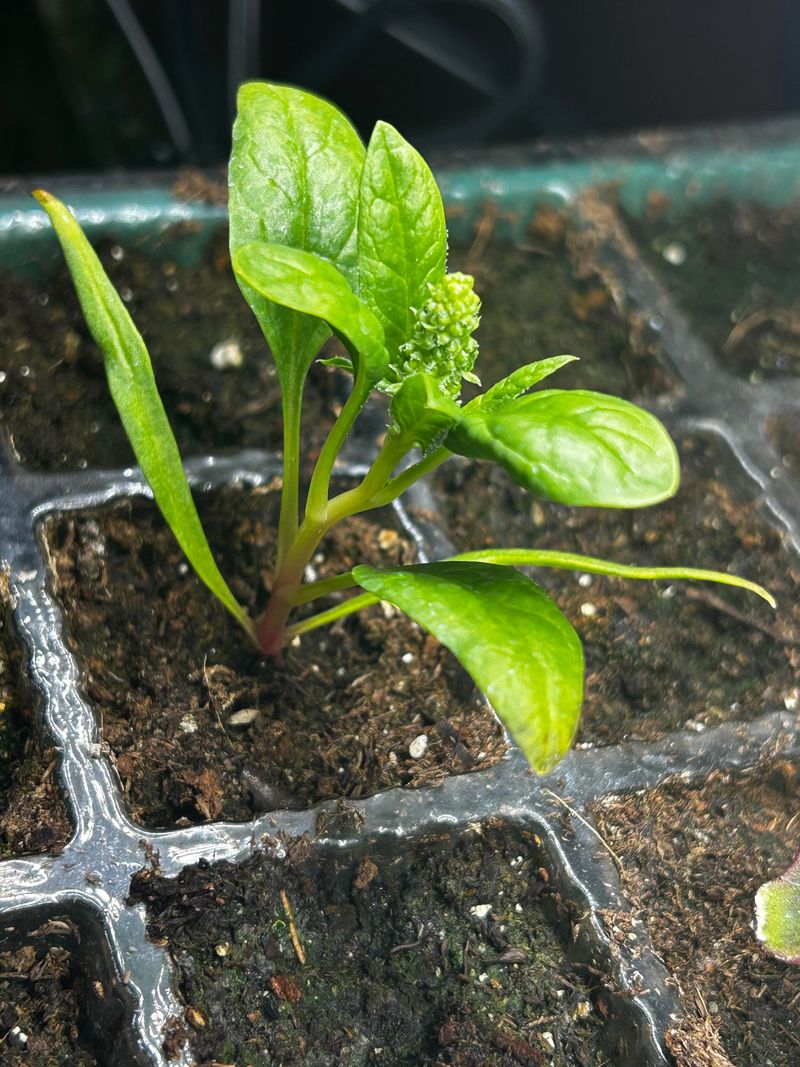
Spinach is one of those vegetables that actually prefers a chill in the air. Cool soil and mild temperatures bring out its best flavor, making it an excellent choice to sow right now across California gardens.
It is packed with nutrients and surprisingly easy to grow from seed.
Plant spinach seeds about half an inch deep and two inches apart in rows. Thin the seedlings to about four to six inches apart once they sprout.
The thinnings are totally edible, so toss them straight into a salad.
Savoy types have crinkled leaves and a hearty texture, while flat-leaf varieties are smoother and often preferred for cooking. Both types do well when direct sown in California during late winter and early spring.
Spinach can handle a light frost, which makes it especially tough and reliable during unpredictable early spring weather. Water consistently but avoid soggy soil.
Once the days get long and hot, spinach will bolt quickly, so harvest often and enjoy it while the cool weather lasts. Sowing a second small batch two weeks after the first gives you a longer, staggered harvest window throughout the season.
Your California Garden Changes Every Week. Your Plan Should Too.
Gardening in California changes quickly throughout the season. Every Friday you’ll receive a simple weekly plan showing exactly what to plant, prune, fertilize, harvest, and protect so you never miss the right timing.
3. Radishes
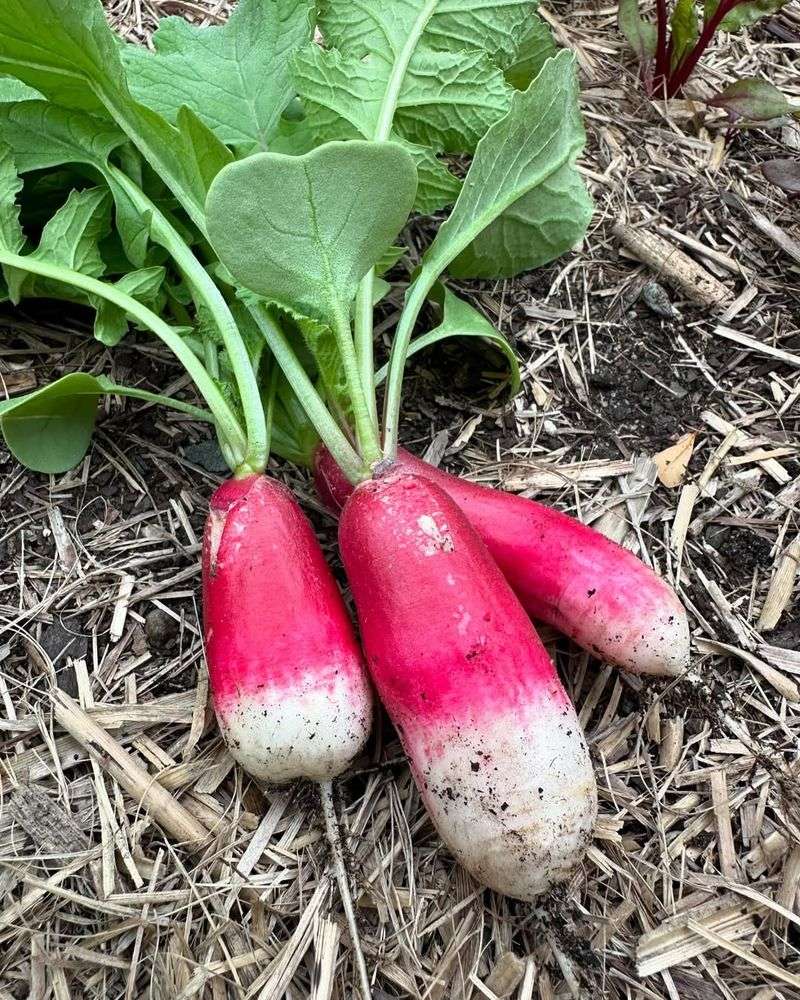
If you have never grown radishes before, get ready to be amazed at how fast they move. These little root vegetables go from seed to harvest in as little as three to four weeks, which makes them one of the most rewarding crops to direct sow in a California garden right now.
Push seeds about half an inch into loose, well-drained soil and space them one to two inches apart. Thin them out once they sprout so each plant has room to form a proper root.
Crowded radishes tend to produce more leaf than root.
Cherry Belle and French Breakfast are two popular varieties that perform well in California’s spring conditions. Both have a crisp, mildly spicy bite that is great fresh in salads or as a snack with a little butter and salt.
Radishes also work as a companion plant because they can help loosen soil for slower-growing neighbors like carrots. Sow a new row every week or two for a continuous supply before the heat arrives.
Once the weather warms up, radishes tend to get woody and overly spicy, so planting now is truly the sweet spot of the season.
4. Carrots
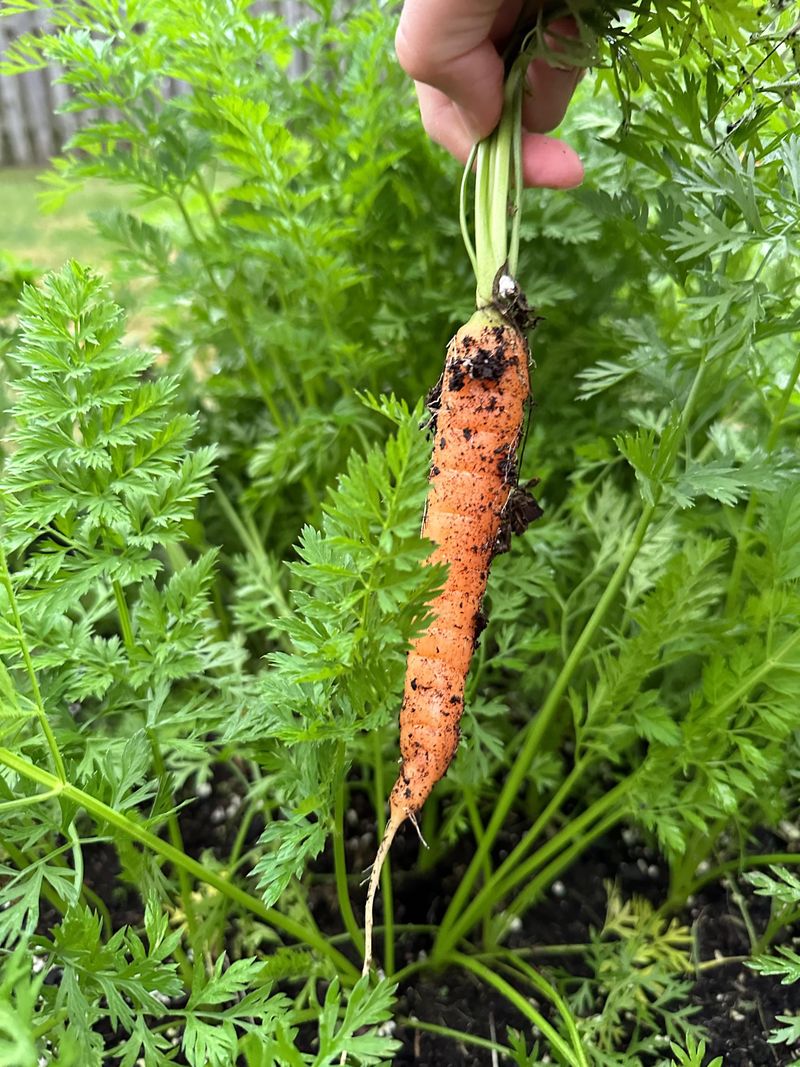
Carrots take a little patience, but planting them now in California sets you up for a sweet, crunchy harvest in a couple of months. They are one of those vegetables that taste noticeably better when homegrown, especially when the soil stays cool during their development.
Loosen your soil at least eight to ten inches deep before sowing. Carrots need fluffy, rock-free soil to grow straight and full.
Sow seeds thinly in rows, just a quarter inch deep, and keep the surface consistently moist until germination, which can take one to three weeks.
Nantes and Danvers varieties are reliable performers in California gardens. They are shorter and stockier than some other types, which makes them easier to grow in typical backyard soil conditions.
Thin seedlings to about two inches apart once they are an inch tall.
One helpful trick is to cover the seed row with a thin board or burlap until sprouts appear. This keeps the soil from drying out too fast, which is a common reason carrot seeds fail to germinate.
Remove the cover as soon as you see green. Cool soil actually makes carrots sweeter, so getting them in the ground now is a smart move.
5. Beets
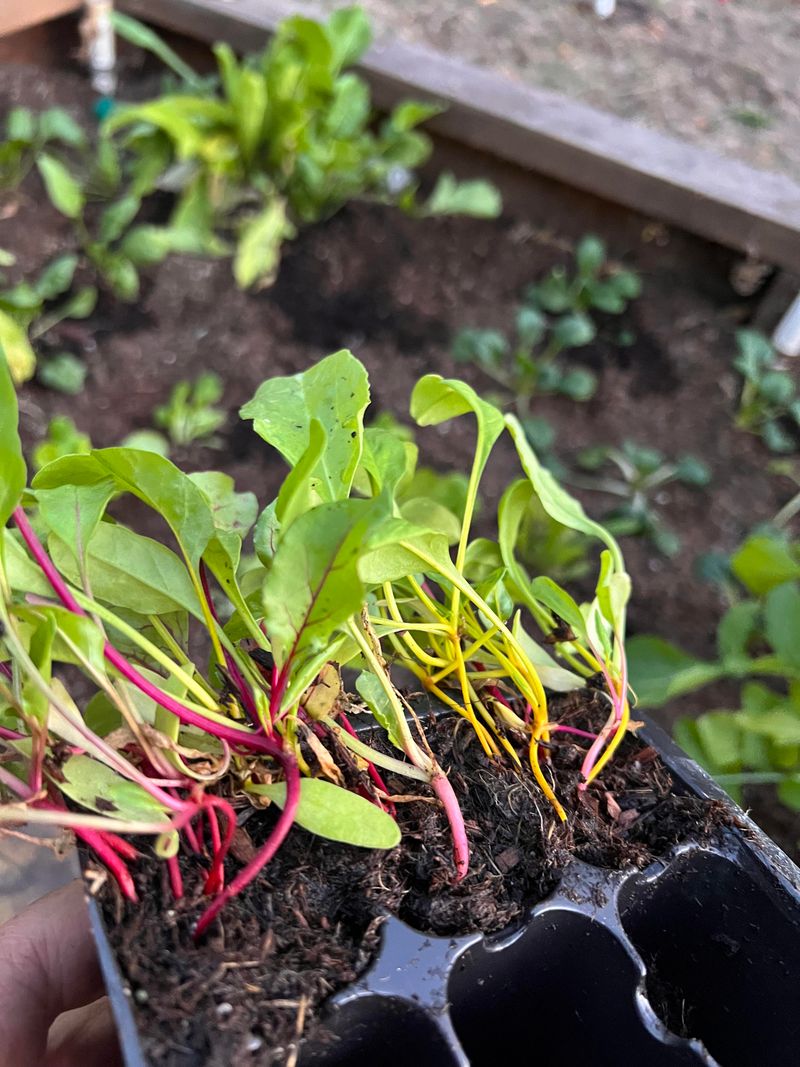
With beets, you get the earthy, sweet root underground and the nutritious greens above ground, and both are delicious. Right now is a great window to get beet seeds into the soil before warmer weather settles in.
Each beet seed is actually a cluster of seeds, so expect multiple sprouts from one spot. Thin them down to the strongest seedling, leaving about three to four inches between plants.
Crowded beets will not develop proper roots.
Bull’s Blood and Detroit Dark Red are classic varieties that thrive in California’s spring conditions. Bull’s Blood is especially striking with its deep red leaves, making it a beautiful addition to both the garden and the salad bowl.
Golden beet varieties are also worth trying for a milder, sweeter flavor.
Beets prefer slightly loose, well-drained soil with good organic matter mixed in. They can tolerate a light frost, so an unexpected cool snap will not set them back.
Water steadily and evenly to encourage smooth, uniform root development. Inconsistent watering can cause the roots to crack or become tough.
Planting now in California gives beets the cool growing conditions they need to reach their full flavor potential.
6. Peas
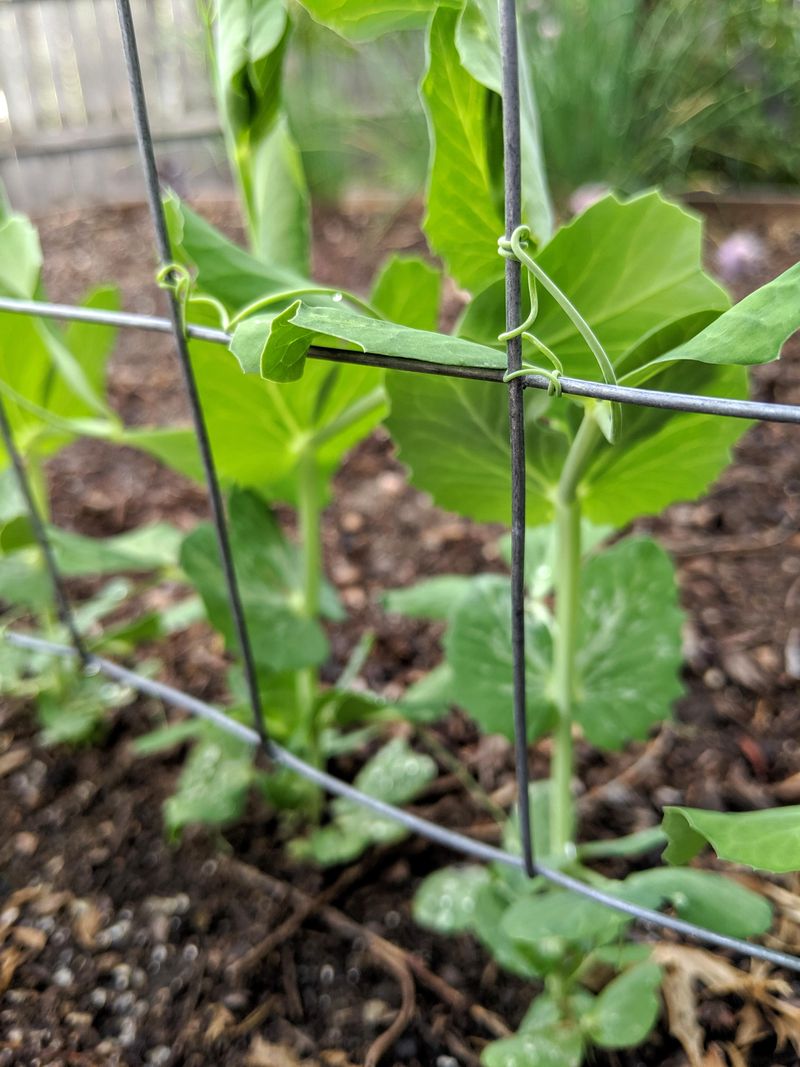
There is something almost magical about watching pea vines climb a trellis in the morning light. Peas are one of the oldest cultivated vegetables in the world, and they have been a staple of spring gardens across California for generations.
Getting them in the ground right now is essential because they truly dislike summer heat.
Sow pea seeds about one inch deep and two inches apart directly in the garden. They do not transplant well, so direct sowing is really the way to go.
Set up a trellis, fence, or bamboo stakes before planting so the vines have something to grab onto as they grow.
Sugar Snap and Oregon Sugar Pod II are two varieties well-loved by California gardeners. Sugar Snap gives you plump, sweet pods you can eat whole, while Oregon Sugar Pod II produces flat snow peas that are perfect for stir-fries.
Peas fix their own nitrogen in the soil, which actually improves soil health for future plantings. Keep the soil moist after sowing and you should see sprouts within a week or two.
Once temperatures consistently hit the upper 70s, production will slow down. Planting now gives peas enough cool weeks to produce a generous harvest before that happens.
7. Arugula
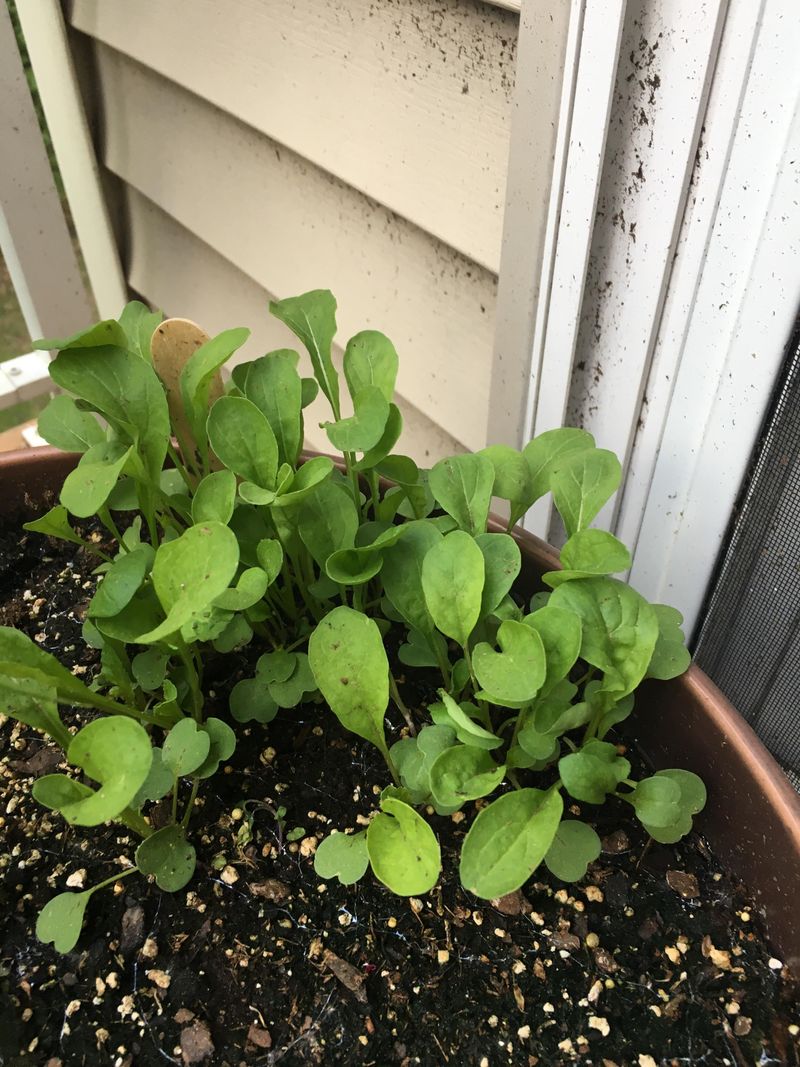
Arugula has a bold, peppery personality that makes it stand out from every other salad green. It grows fast, takes up little space, and is incredibly easy to direct sow in California right now while the soil is still cool.
Even a small patch can produce enough for regular harvests throughout spring.
Broadcast arugula seeds across a prepared bed or sow them in shallow rows. Press them lightly into the surface since they need light to germinate.
Thin seedlings to about four inches apart once they are established.
Wild arugula has a more intense, spicy flavor and slower growth than standard arugula. Standard varieties like Astro are milder and ready to harvest in as little as four weeks.
Both types thrive in California’s cool spring conditions and can handle a light frost without any trouble.
Arugula bolts quickly once warm weather arrives, so harvesting often actually encourages the plant to keep producing fresh leaves. Cut the outer leaves first and leave the center to keep growing.
The flowers are also edible and have a slightly milder peppery flavor than the leaves. Sprinkling them over a salad or pasta dish is a lovely touch that adds color and a little extra zing.
8. Kale
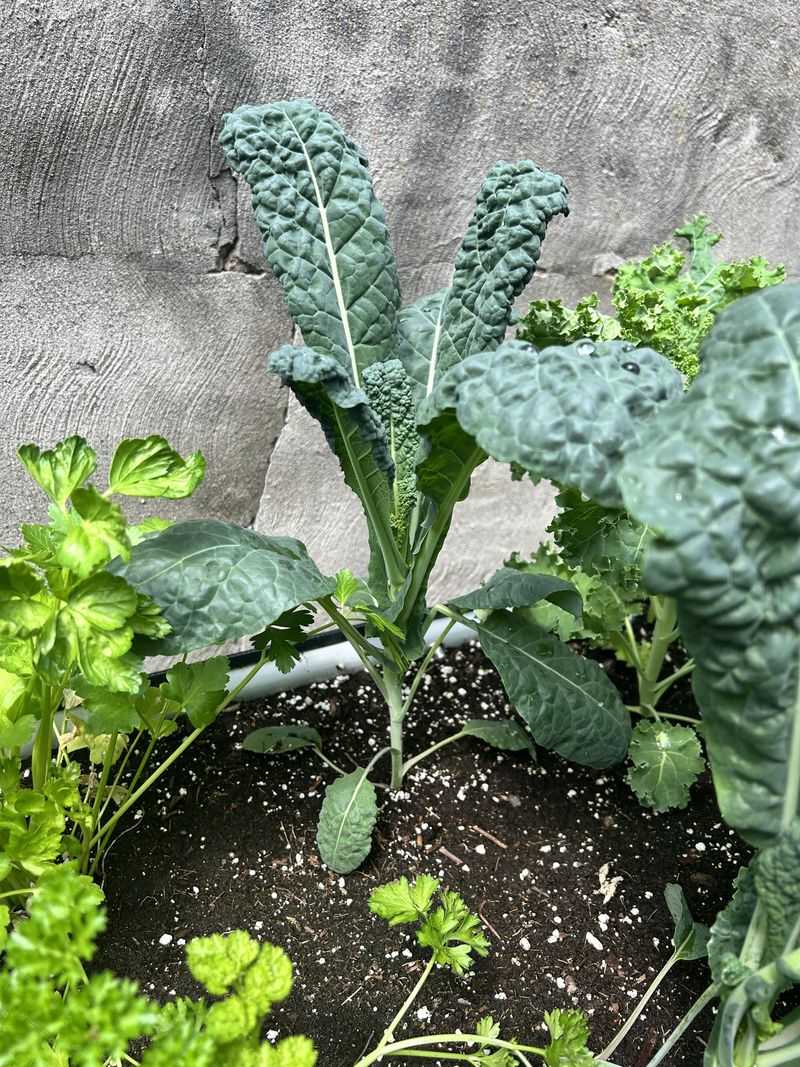
Kale has earned its reputation as one of the toughest and most nutritious greens you can grow. It handles cool weather with ease, making it a natural fit for direct sowing in California right now before the soil heats up.
Unlike some other greens, kale keeps producing over a long season if you harvest it correctly.
Sow seeds about a quarter to half an inch deep and space them four to six inches apart. Thin plants to twelve to eighteen inches once they are a few inches tall.
Kale needs room to spread out and develop its full, leafy canopy.
Lacinato kale, also called Dinosaur kale, is a favorite among California gardeners for its dark, bumpy leaves and rich flavor. Curly kale varieties like Dwarf Blue Curled are also popular and look beautiful in a garden bed.
Both types are packed with vitamins and hold up well in cooking.
Always harvest the lower, outer leaves first and leave the central growing tip intact. This keeps the plant producing fresh new leaves for weeks.
A light frost can actually make kale taste sweeter by converting some of its starches into sugars. Planting now in California gives you a long, productive kale season before summer heat takes over.