8 Desert Plants In Arizona That Produce Edible Beans
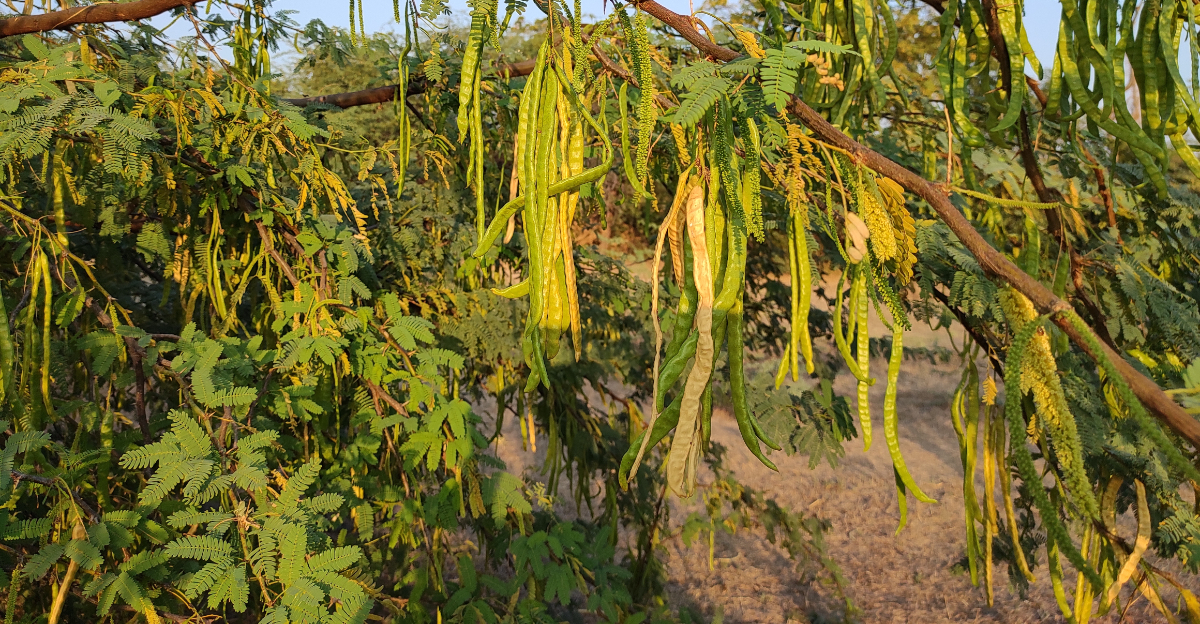
You might not expect to find edible beans growing on desert plants, especially in Arizona where heat, dry soil, and long stretches without rain shape the landscape.
But some of the toughest plants in the desert quietly produce pods filled with beans that have been used for food in the Southwest for generations.
Once you notice them, it’s hard to look at these plants the same way again.
You may already see a few of them in parks, along desert trails, or even planted in local landscapes. What first looks like an ordinary desert tree or shrub often hides long pods that ripen in the heat of summer.
Inside are beans that were traditionally roasted, ground into flour, or cooked in simple dishes.
These plants thrive in harsh conditions, yet still produce something edible and surprisingly useful, showing just how resourceful desert plants can be.
1. Velvet Mesquite Pods Were Traditionally Ground Into Desert Flour
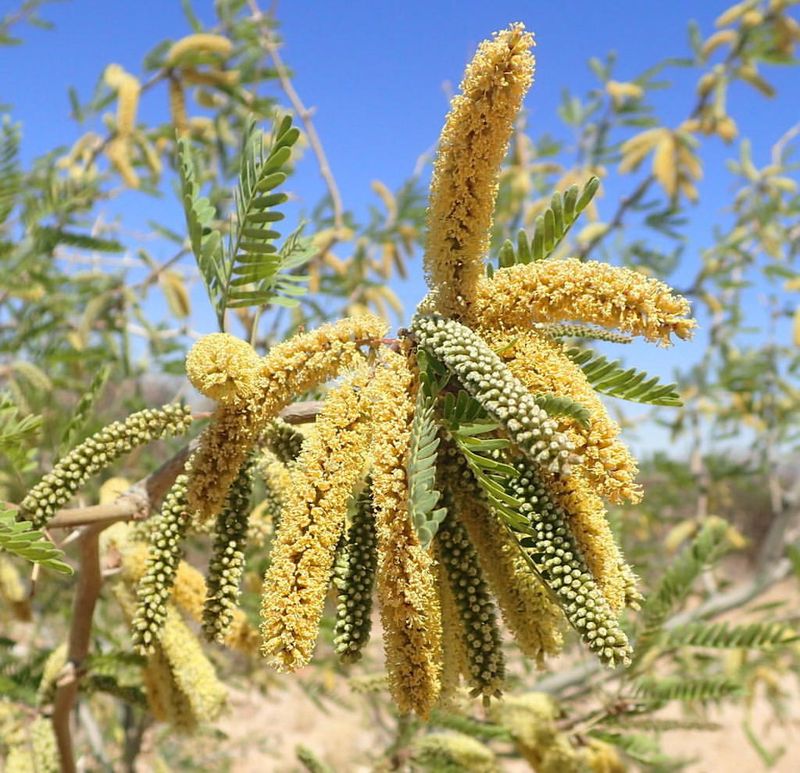
Few plants in Arizona carry as much cultural weight as velvet mesquite.
Long before grocery stores existed, the Tohono O’odham and other Indigenous groups were harvesting these pods every summer and grinding them into a sweet, nutty flour that kept families fed through lean seasons.
Velvet mesquite (Prosopis velutina) is the most common mesquite species across southern Arizona, and its pods are loaded with natural sugars and a decent amount of protein.
You can eat the whole dried pod, but most people grind the entire thing, seeds and all, into a coarse flour.
That flour works well in pancakes, flatbreads, and even energy bars.
Harvesting is straightforward. Wait until the pods turn tan or yellowish and feel dry to the touch, usually in July.
Fallen pods are fine to collect as long as they haven’t gotten wet. Moisture invites mold fast in Arizona’s monsoon season, so dry your harvest immediately after picking.
Grinding by hand takes patience, but a grain mill speeds things up considerably. Sift out the woody fiber after milling and you’re left with a fine, slightly sweet powder.
It has a low glycemic index compared to wheat flour, which is one reason nutritionists have taken a closer look at it in recent years. Arizona farmers markets sometimes sell mesquite flour if you want to try it before processing your own batch.
2. Honey Mesquite Carries Naturally Sweet Bean Pods
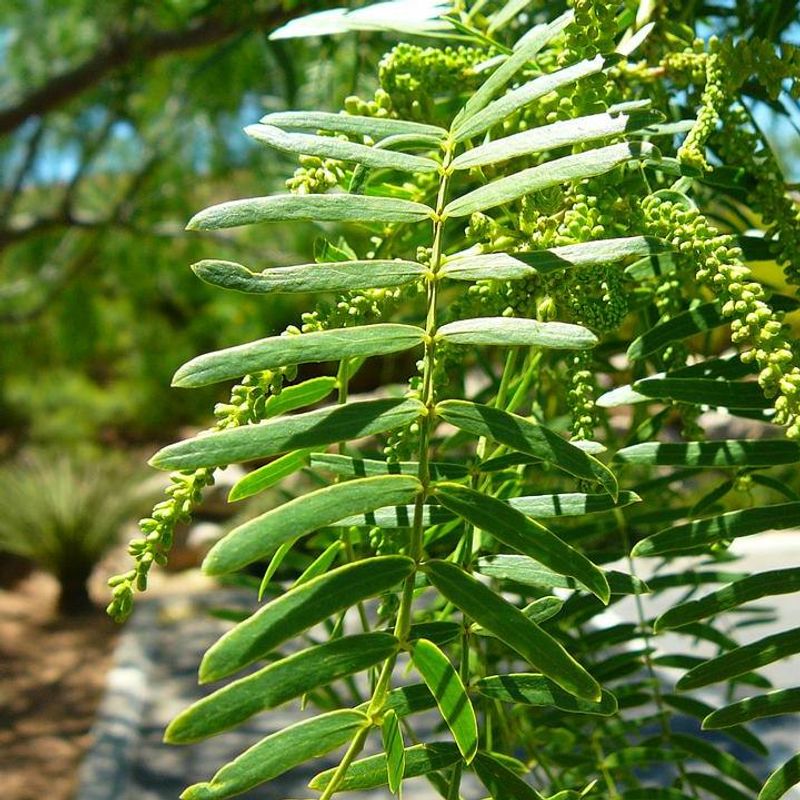
Snap a ripe honey mesquite pod in half and you’ll immediately notice why it earned that name. A sticky, almost candy-like sweetness hits your nose before you even take a bite.
That natural sugar content is what made honey mesquite (Prosopis glandulosa) such a valued food plant across Arizona’s drier lowlands.
Compared to velvet mesquite, honey mesquite pods tend to be a bit longer and more slender. They ripen in midsummer and shift from pale green to a streaky yellow-tan when ready.
Chewing on a ripe pod is actually enjoyable. The outer flesh is sweet and the seeds inside are edible too, though tough to crack without a proper mill or stone grinder.
Your Arizona Garden Changes Every Week. Your Plan Should Too.
Gardening in Arizona changes quickly throughout the season. Every Friday you’ll receive a simple weekly plan showing exactly what to plant, prune, fertilize, harvest, and protect so you never miss the right timing.
Across Arizona, you’ll find honey mesquite growing along washes, roadsides, and open flats below 5,000 feet elevation. It’s especially common in the Tucson basin and throughout the lower desert valleys.
Birds and coyotes compete hard for fallen pods, so if you want a good haul, check trees early in the morning after pods have started dropping.
Roasting the dried pods lightly in a cast iron pan deepens the flavor before grinding. Some desert foragers mix honey mesquite flour with regular flour for baking to cut the intensity.
Either way, it’s a genuinely useful wild food that Arizona’s landscape offers up every single year without any effort on your part.
3. Screwbean Mesquite Stands Out With Twisted Spiral Pods
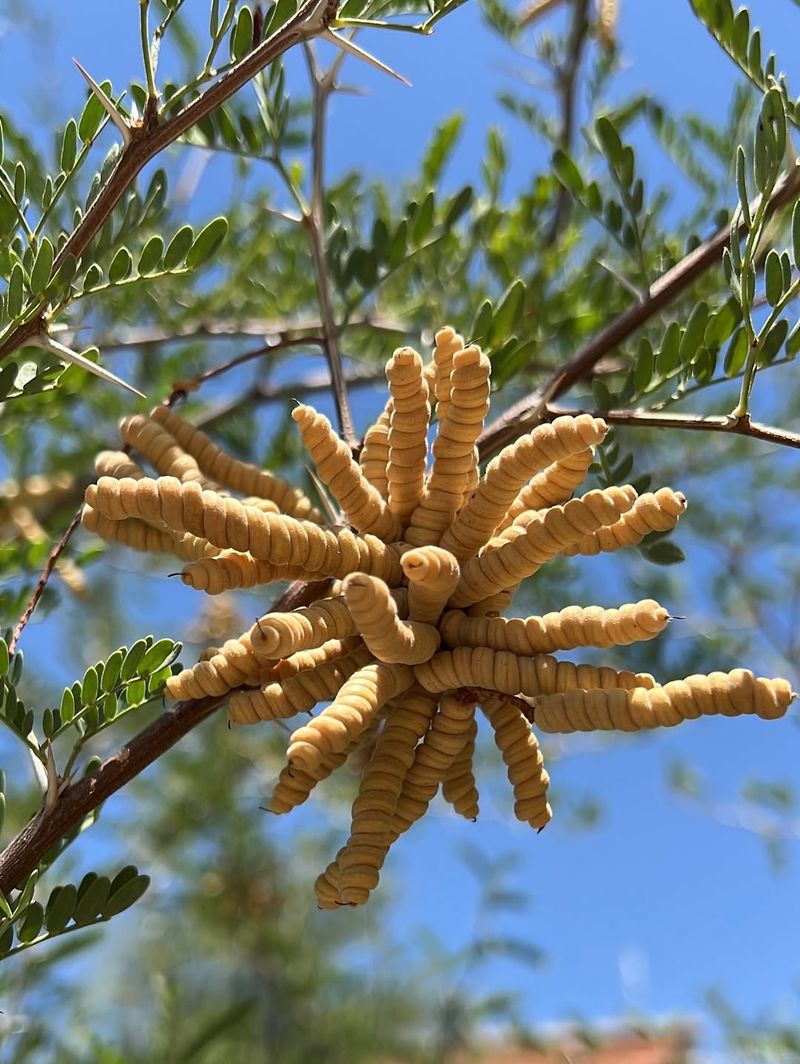
Spotting screwbean mesquite for the first time stops you in your tracks. Those tightly coiled, corkscrew-shaped pods look almost too strange to be real, like something a plant designer would sketch out just for fun.
But they’re completely natural, and they’ve been feeding people across southern Arizona for a very long time.
Screwbean mesquite (Prosopis pubescens) grows smaller than its mesquite cousins, usually more of a large shrub than a full tree.
It prefers spots near water, so you’ll find it along desert washes, river banks, and low-lying areas where moisture collects after monsoon rains.
Arizona’s Santa Cruz and Gila River corridors are solid places to look.
Those spiral pods can be eaten raw when still green and tender, but most traditional uses involve letting them dry completely before grinding or roasting.
Dried pods were sometimes fermented into a mildly sweet beverage by desert communities, or simply pounded and mixed with water into a thick paste.
The flavor is earthier and less sweet than honey mesquite, with a slightly bitter edge that balances well with other ingredients.
Nutritionally, screwbean pods hold up well. They carry protein, fiber, and natural sugars, making them a solid energy source in a landscape where calories aren’t always easy to find.
If you’re foraging in Arizona and come across those unmistakable spiral pods, collect a few and experiment. You might be surprised how versatile they turn out to be in a simple desert kitchen.
4. Blue Palo Verde Offers Tender Green Seeds In Spring
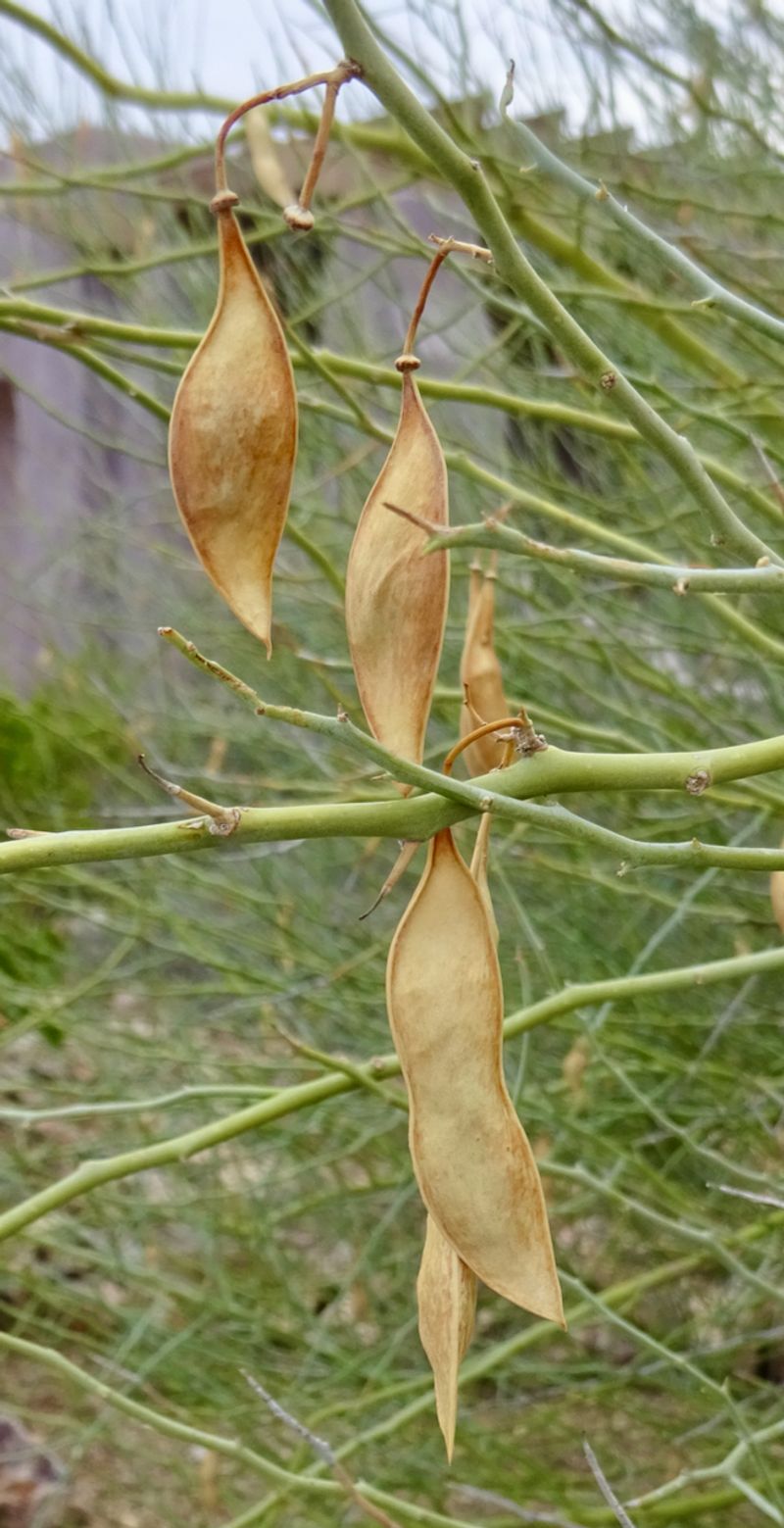
Right around April and May, blue palo verde lights up Arizona’s desert with a burst of yellow flowers so thick the branches almost disappear.
But once those flowers fade, something equally useful takes their place: small, flat green seed pods that foragers across Arizona have been quietly snacking on for generations.
Blue palo verde (Parkinsonia florida) is hard to miss with its blue-green bark, which actually handles photosynthesis when the tree drops its leaves during dry spells. Young seed pods appear shortly after flowering and stay tender for only a short window.
Catch them early, while still bright green and soft, and you can eat them raw right off the branch, kind of like snap peas.
Many Arizona foragers call them desert edamame, and honestly, that comparison holds up. Pop a pod open, squeeze out the seeds, and you get a mild, slightly grassy flavor with a satisfying bite.
Steam them lightly or toss them into a stir-fry and they take on a richer, nuttier taste.
Timing matters a lot with blue palo verde. Miss the tender window and the pods dry out quickly, becoming woody and much harder to work with.
Late April through mid-May is usually your best bet in the lower Sonoran Desert zones of Arizona. Mark your calendar and check trees every few days during that stretch.
It’s a short season, but the reward is worth the effort of paying close attention.
5. Foothill Palo Verde Holds Small Edible Desert Beans
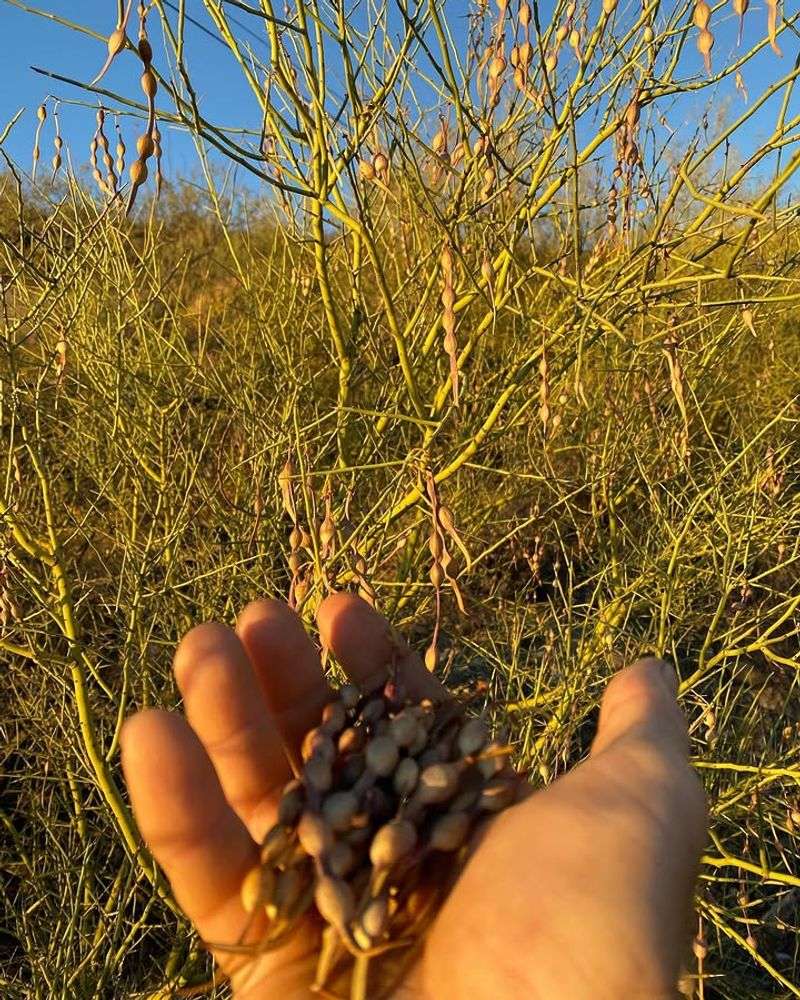
Foothill palo verde doesn’t get nearly as much attention as its blue palo verde cousin, but anyone foraging in Arizona’s rocky upland desert should know this tree well.
It produces the same type of edible green seed pods, and in some areas it’s actually easier to find because it tolerates rockier, hillier terrain where blue palo verde won’t grow as readily.
Foothill palo verde (Parkinsonia microphylla) has a more yellow-green bark compared to the distinctly blue-green of its relative. Its pods are slightly smaller and a bit more fibrous, but when harvested young and green, they’re still perfectly enjoyable.
Raw, they have a mild bitterness that disappears almost completely once cooked.
You’ll spot foothill palo verde growing across bajadas and rocky slopes throughout central and southern Arizona, often mixed in with saguaro cactus and brittlebush.
It flowers slightly later than blue palo verde, usually peaking in May, so the edible pod window shifts back a couple of weeks depending on elevation and location.
Collecting pods is easy since the trees are relatively low-growing with accessible branches. Bring a small bag, pick pods that are still flat and pliable, and skip anything that’s starting to yellow or harden.
Back home, a quick blanch in boiling water for two minutes softens them nicely. Season simply with salt and a squeeze of lime and you’ve got a wild snack pulled straight from Arizona’s own rocky backyard.
6. Desert Ironwood Contains Hard Pods With Nutty Seeds
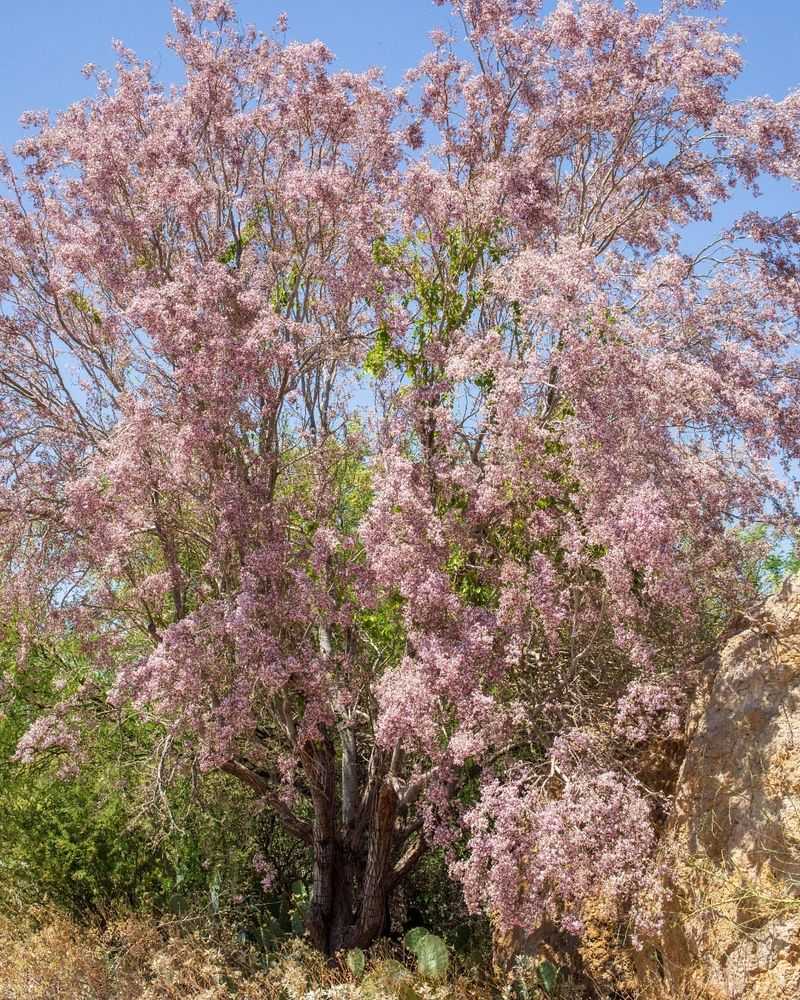
Desert ironwood is the oldest living thing in the Sonoran Desert, with some trees estimated to be over 800 years old.
Beneath that tough exterior, literally the densest wood of any North American tree, hides a seed that tastes remarkably like a peanut when roasted properly.
Ironwood (Olneya tesota) blooms with stunning purple flowers in late spring, and by early summer those flowers give way to fuzzy, brown seed pods. Each pod holds one to three seeds.
Green seeds pulled from fresh pods can be eaten raw, though they have a slight bitterness. Mature, dried seeds respond much better to roasting, and that’s where the real flavor shows up.
Roasting ironwood seeds is straightforward. Spread them on a dry pan over medium heat, stir constantly, and pull them off once they turn golden brown.
The aroma alone is worth the effort. Salt them lightly and they’re honestly one of the better wild snacks Arizona’s desert produces.
Harvesting requires patience because ironwood pods don’t all ripen at once, and the trees are thorny enough to demand long sleeves and gloves. Look for pods in June and July across low desert areas in Arizona, particularly in the Tucson and Phoenix regions.
Indigenous communities including the Seri people of the Sonoran Desert region historically relied heavily on ironwood seeds as a protein source, sometimes grinding them into a paste similar to nut butter.
7. Catclaw Acacia Hides Edible Seeds Inside Tough Pods
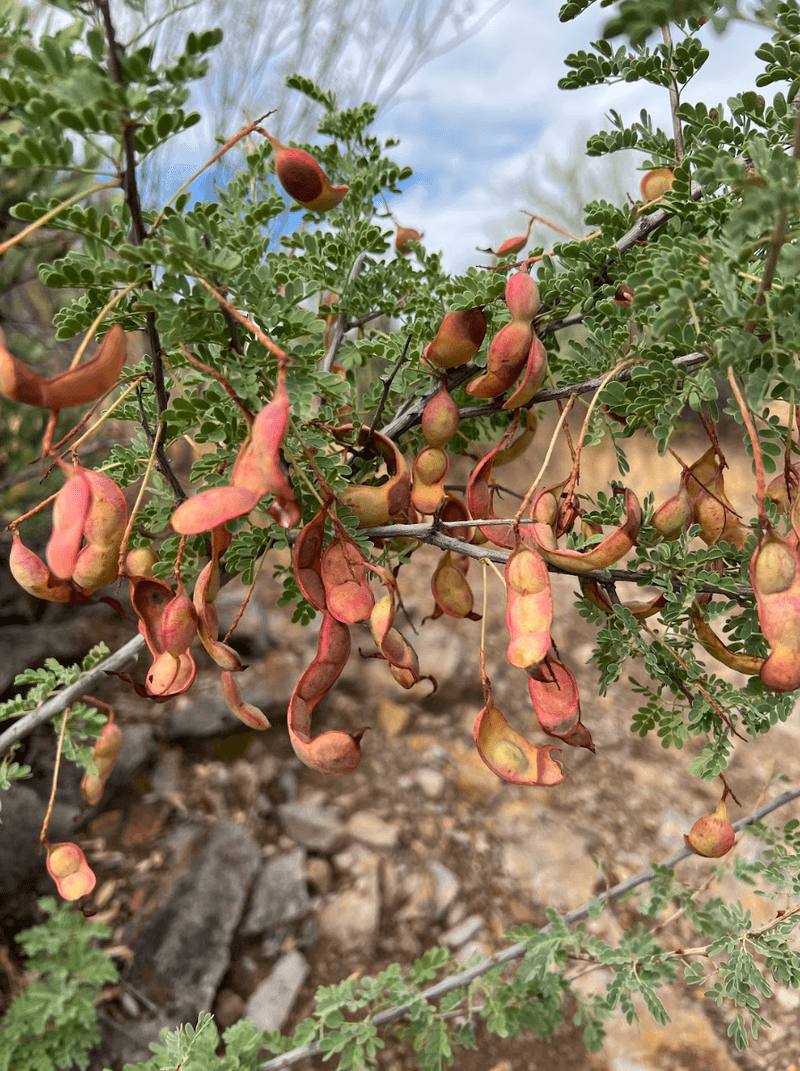
Don’t let the name scare you off. Yes, catclaw acacia will grab your shirt and scratch your arms if you’re not careful, but the edible seeds hiding inside those flat brown pods are genuinely worth the careful harvest.
Experienced foragers across Arizona have been working around those curved thorns for good reason.
Catclaw acacia (Senegalia greggii) grows as a sprawling shrub or small tree across much of Arizona, from desert washes up into oak woodland transitions. It’s one of those plants that seems to be everywhere once you start noticing it.
Fluffy cream-colored flower spikes appear in spring and again after summer rains, and the seed pods follow within a few weeks.
Pods are flat, brown, and slightly twisted when mature. Crack them open and inside you’ll find small, hard seeds.
Raw seeds have a mild, slightly grassy flavor. Roasting transforms them completely, bringing out a nuttier, warmer taste that works well as a snack or ground into a coarse meal.
Traditional uses among desert communities included grinding roasted catclaw seeds into flour for porridge and flatbreads. Protein content is solid, making these seeds a genuinely nutritious option in the Arizona desert landscape.
Harvesting in late summer after monsoon rains is ideal since moisture helps pods swell and seeds fill out more completely. Just wear long sleeves, go slow near the branches, and those hooked thorns become a manageable obstacle rather than a dealbreaker.
8. Tepary Bean Thrives In Heat With Protein-Rich Beans
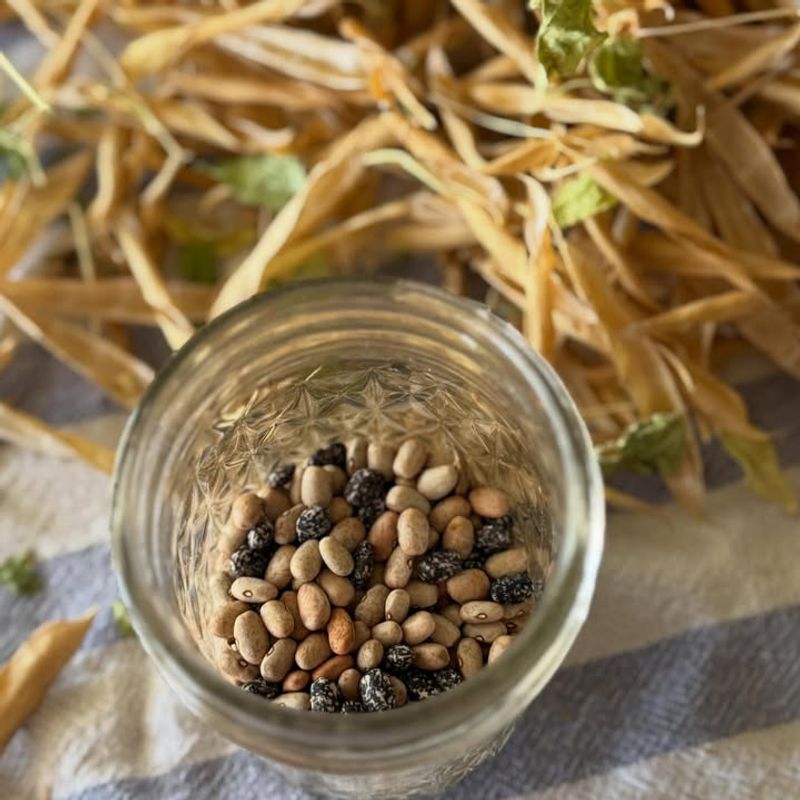
No bean on this list has a longer history in Arizona than the tepary bean. Archaeological evidence shows it was cultivated in the Sonoran Desert region for at least 5,000 years, making it one of the oldest domesticated crops in North America.
And unlike most beans, tepary actually prefers brutal summer heat over mild conditions.
Tepary beans (Phaseolus acutifolius) are small, dense, and packed with more protein and fiber than common pinto or navy beans. They were a staple crop for the Tohono O’odham, who developed dozens of varieties adapted to Arizona’s extreme growing conditions.
White, brown, speckled, and black varieties all exist, each with slightly different flavors and textures.
Growing teparies in an Arizona garden is straightforward. Plant seeds after the soil warms in late spring or wait for monsoon season in July, which is the traditional planting window.
They need very little water once established and handle temperatures well above 100 degrees without the stress that would flatten most garden beans.
Cooking tepary beans takes longer than store-bought beans, usually two to three hours of simmering, but the result is a creamy, rich bean with an earthy, slightly nutty flavor.
Several Arizona farms and Indigenous cooperatives now sell tepary beans commercially, making them easier to find than ever.
Try them in soups, stews, or simply cooked with garlic and a drizzle of olive oil for a taste of genuine Arizona desert food tradition.