8 Plants That Stop Setting Fruit In Arizona By Late April
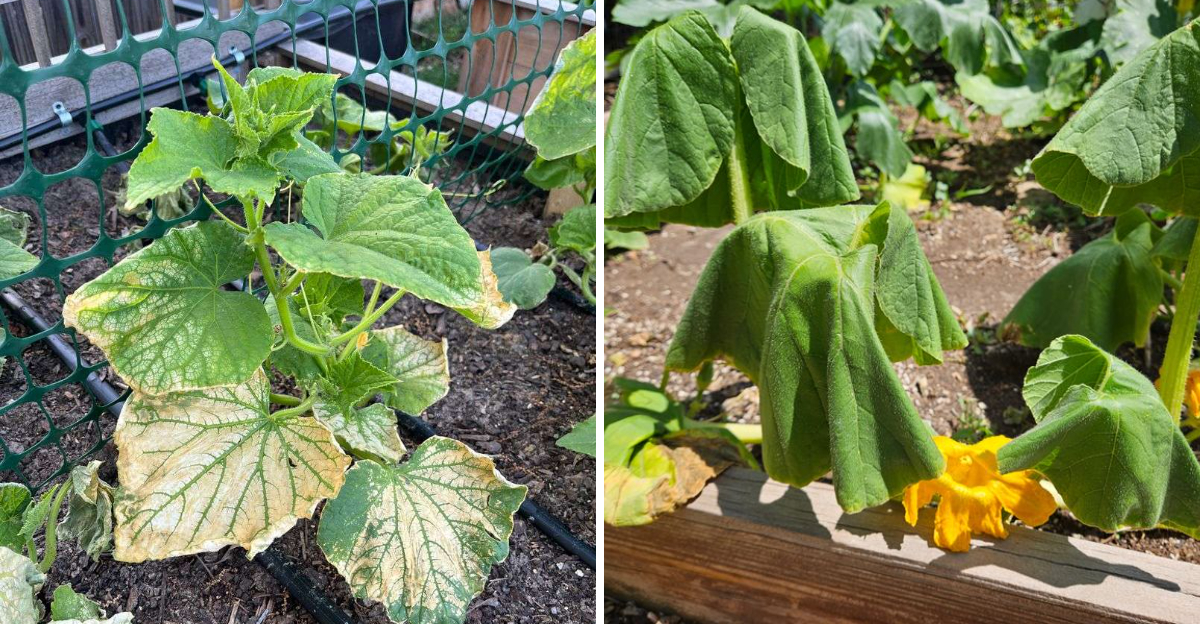
Late April in Arizona brings a quiet shift that often goes unnoticed until fruit production starts to slow. Plants that looked productive earlier can begin to hold back, even though leaves stay green and growth still appears steady.
High heat and dry air place pressure on certain crops, and that stress shows up first in how fruit develops rather than how the plant looks. Flowers may drop, small fruit may stop progressing, and overall output can change without clear warning.
Some crops continue to produce through these conditions, while others begin to pull back as temperatures rise. That contrast becomes more visible as the season moves forward and conditions stay intense.
Recognizing which plants follow this pattern can explain sudden changes in production and help set more realistic expectations for what continues to perform in Arizona gardens.
1. Strawberries Slow Down As Heat Builds
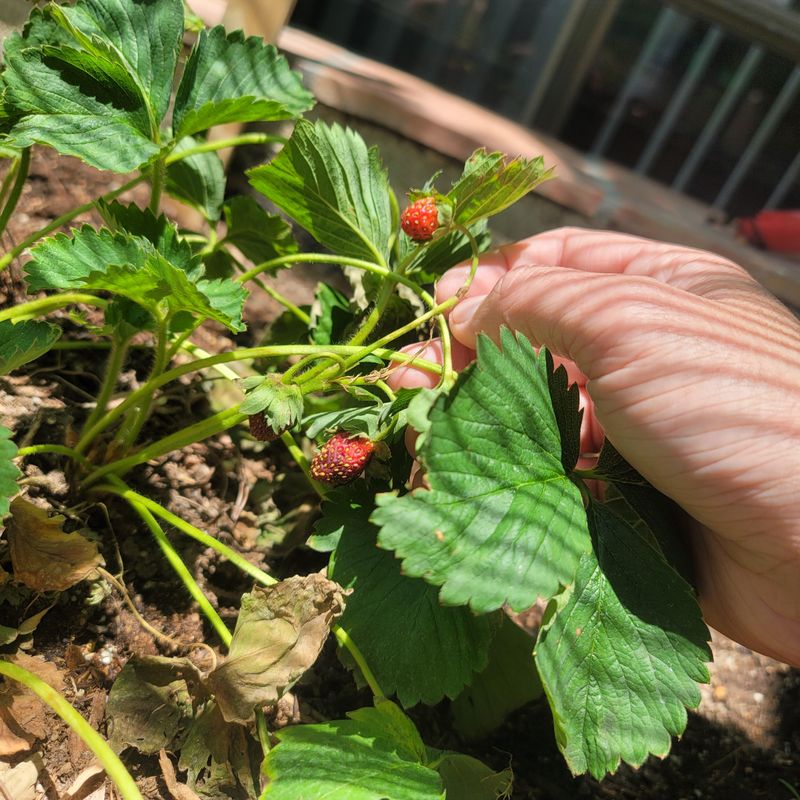
Strawberries are one of the earliest casualties of Arizona’s spring heat surge. Most varieties need daytime temperatures below 85°F to set fruit well, and in the Phoenix and Tucson areas, those cooler days start disappearing fast by mid-April.
Once consistent heat arrives, the plants redirect energy away from fruiting and focus on just staying alive.
Short-day and day-neutral varieties like Seascape and Albion tend to perform better than most in Arizona’s low desert, but even they have limits.
Planting in containers gives you a bit more flexibility — you can move them to afternoon shade when temperatures spike — but outdoor beds bake quickly once May approaches.
Fruit that does form in the heat often comes out small, soft, and lacking flavor. It’s not that the plant is failing; it’s just responding to conditions it wasn’t built for.
Mulching heavily around the root zone helps retain moisture and keeps soil temperatures from spiking too fast.
If you want a meaningful strawberry harvest in Arizona, aim to have plants in the ground by late February. That gives you roughly six to eight weeks of productive fruiting before the heat shuts things down.
Late April is typically the end of reliable production for most home gardeners in the low desert, though higher elevations in the state get a longer run.
2. Tomatoes Struggle With Pollination In Warm Nights
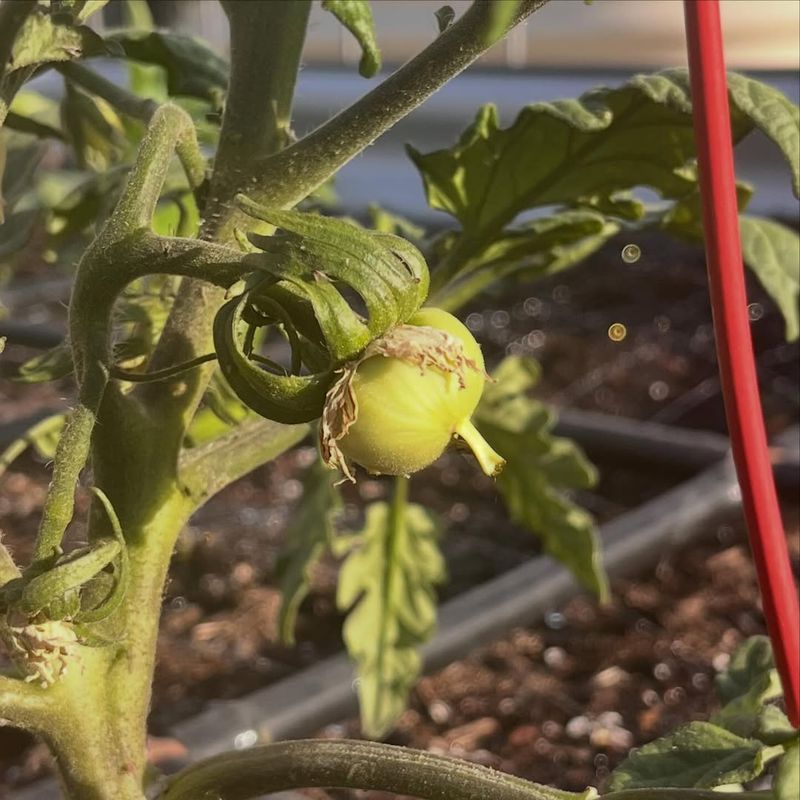
Nighttime temperatures are the hidden enemy for Arizona tomato growers. Once nighttime lows push above 75°F — which regularly happens in Phoenix from June onward — tomato pollen becomes non-viable and fruit simply stops setting.
But the trouble often starts creeping in even before that, as warm nights in late April begin stressing plants that are already working hard.
Tomatoes in Arizona’s low desert have a narrow fruiting window, roughly from mid-March through late May. That’s about ten weeks if everything goes right.
Varieties like Heatmaster, Solar Fire, and Sweet 100 cherry tomatoes hold up better than most standard types, but no variety is completely immune to Arizona’s summer heat.
Shade cloth rated at 30 to 40 percent can extend production by a couple of weeks by reducing radiant heat load on the canopy. It won’t solve the pollination problem entirely, but it buys some time.
Your Arizona Garden Changes Every Week. Your Plan Should Too.
Gardening in Arizona changes quickly throughout the season. Every Friday you’ll receive a simple weekly plan showing exactly what to plant, prune, fertilize, harvest, and protect so you never miss the right timing.
Watering deeply in the early morning rather than the evening also helps keep root zone temperatures manageable.
Planting transplants by early to mid-March gives tomatoes the best chance of producing before late April heat becomes a serious issue.
Gardeners who push planting into late March often find their plants are just hitting peak bloom right as conditions turn unfavorable.
In Arizona, timing is everything with tomatoes.
3. Peppers Drop Blossoms In Rising Temperatures
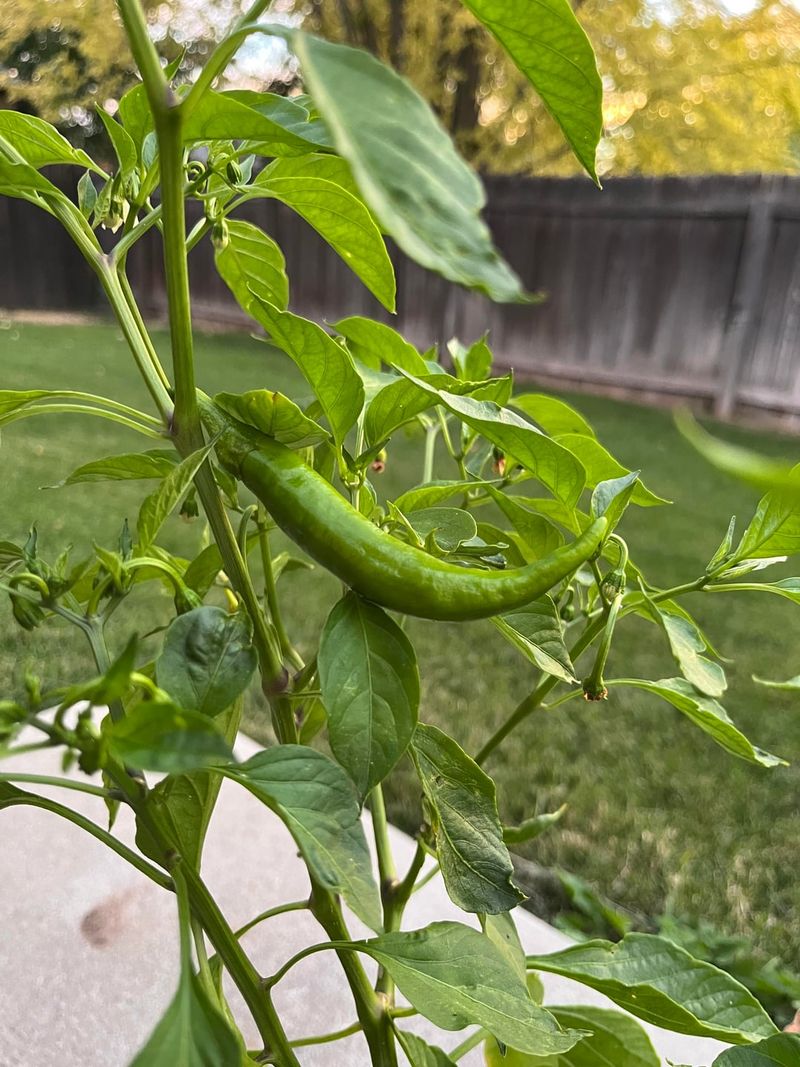
Peppers are tougher than tomatoes when it comes to heat, but they still have a breaking point. Blossom drop kicks in when daytime temperatures regularly exceed 95°F and nighttime lows stay above 75°F.
In Arizona’s low desert, that combination starts becoming consistent right around late April into May, which is why pepper production often stalls just when plants seem to be hitting their stride.
The frustrating part is that pepper plants look perfectly healthy even when they’re dropping flowers. Leaves stay green, stems stay strong, but blossoms fall off before fruit can develop.
It’s a stress response, not a sign of disease or poor care. The plant is prioritizing survival over reproduction, which makes biological sense even if it’s annoying for the gardener.
Transplanting into the ground by late March to early April in Phoenix or Tucson gives peppers enough runway to set a decent crop before heat becomes overwhelming.
Sweet varieties like California Wonder tend to drop blossoms sooner than hot peppers like jalapeños or serranos, which have slightly more heat tolerance built in.
Consistent deep watering and a thick layer of organic mulch help buffer soil temperatures and reduce stress on the root system.
Peppers may resume setting fruit in fall once temperatures drop back below 95°F, making them one of the few crops in Arizona that can produce across two separate seasons in the same year.
4. Cucumbers Show Poor Pollination In Heat
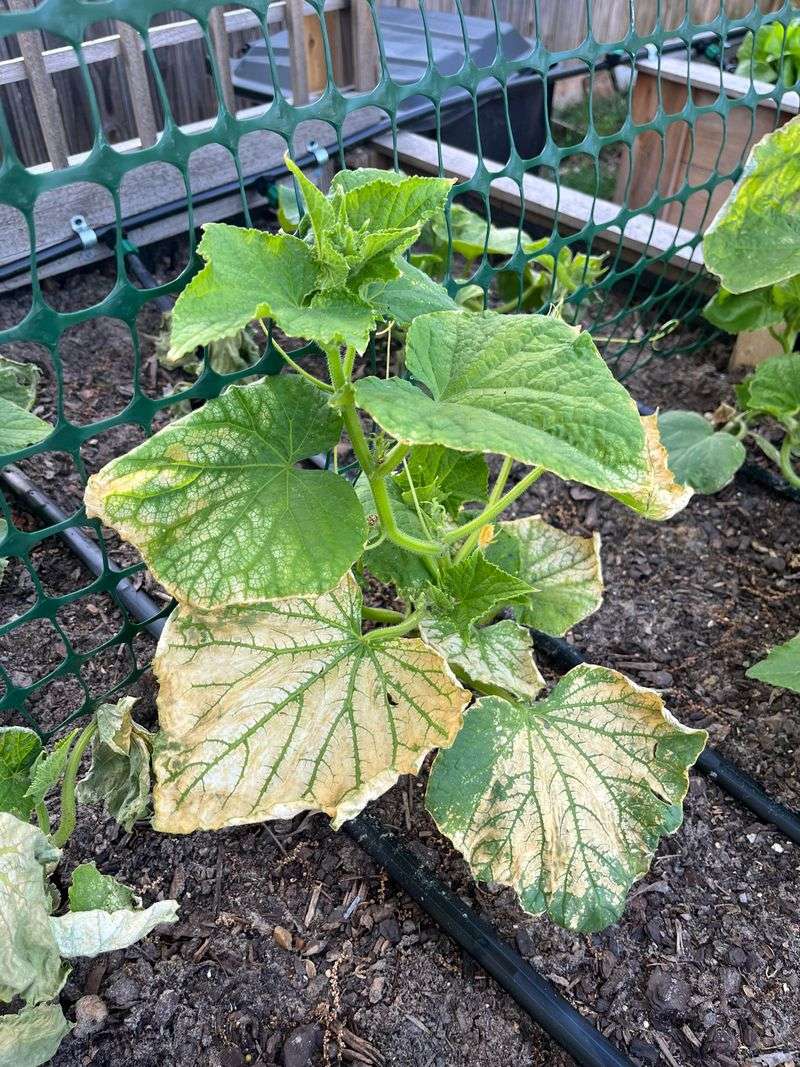
Cucumbers move fast, and in Arizona that speed is both their strength and their limitation. Planted in mid-March, they can start producing within 50 to 60 days — but by the time late April arrives, heat is already starting to interfere with pollination.
Bee activity drops off in extreme heat, and without adequate pollination, cucumber flowers fall without setting fruit.
Male flowers typically appear before female flowers on cucumber vines, which is normal. But when heat stress hits, the plant starts producing mostly male flowers and very few female ones.
Female flowers are easy to identify — they have a tiny immature cucumber at the base. If you’re seeing lots of flowers but almost no fruit developing, heat-related pollination failure is likely the cause.
Bitterness in the fruit also increases noticeably once temperatures push past 90°F consistently. Cucumbers harvested in cooler morning hours and kept well-watered tend to be milder, but there’s only so much that management can do once the heat really builds.
Varieties like Diva and Marketmore 76 hold up reasonably well compared to others.
Hand pollinating with a small paintbrush can help when bee activity is low, transferring pollen from male to female flowers early in the morning. It takes extra effort but can extend your harvest window by a week or two.
Most Arizona low-desert gardeners plan to finish their cucumber harvest by early May at the latest.
5. Beans Reduce Pod Production As It Warms
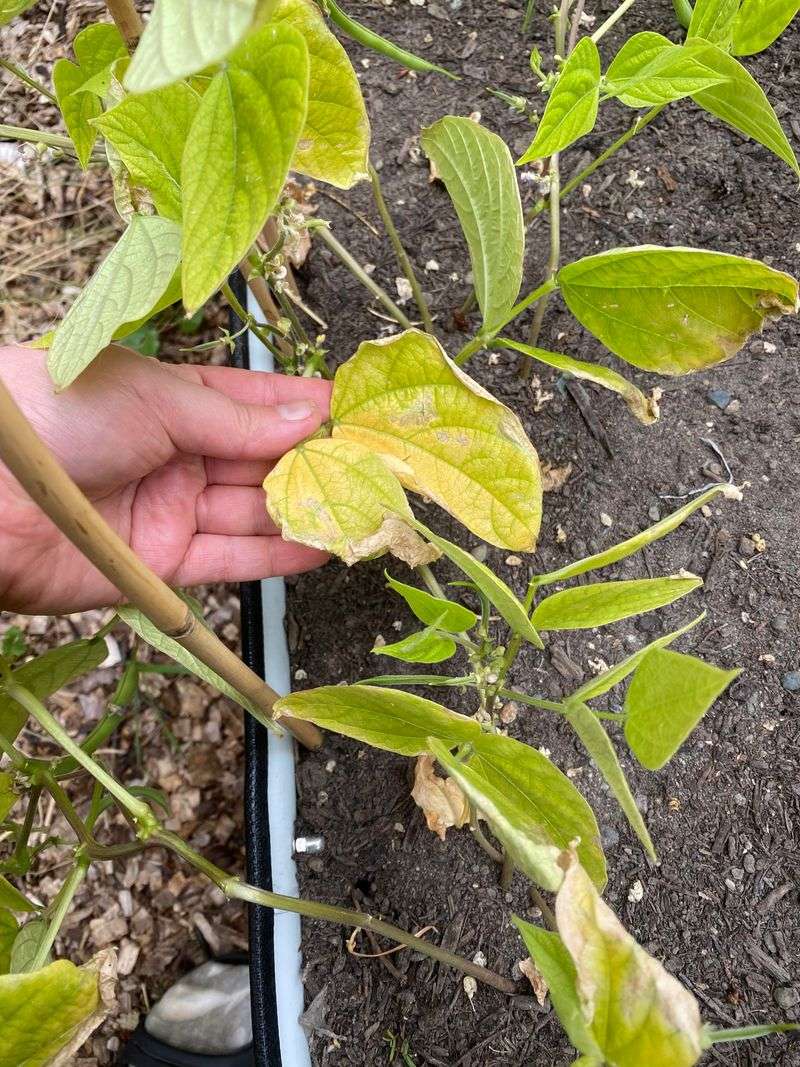
Snap beans and dry beans both have a fairly clear temperature ceiling for pod production. Once daytime highs push past 90 to 95°F consistently, flowers drop before they can develop into pods.
In Arizona’s low desert, that threshold gets crossed around late April to early May, which puts pressure on beans planted any later than late March.
Bush bean varieties tend to mature faster than pole beans, which gives them a slight edge in Arizona’s compressed spring window.
A bush variety like Provider or Contender can go from seed to harvest in about 50 days, meaning a late March planting can yield pods in mid-May before serious heat shuts things down.
Pole varieties take longer and often run out of time.
Soil temperature matters at planting too. Beans germinate best when soil is above 60°F, which in Phoenix and Tucson usually means late February to early March is the earliest practical planting window for spring beans.
Too early and germination is slow and uneven; too late and the heat arrives before pods fill out.
Keeping consistent moisture during flowering is critical — beans that experience drought stress during bloom will drop flowers just as readily as those stressed by heat. Mulching around the base of plants helps hold soil moisture and moderates temperature swings.
Expect production to slow noticeably once late April heat settles in across Arizona’s low desert regions.
6. Corn Develops Poor Kernel Set In Heat Stress
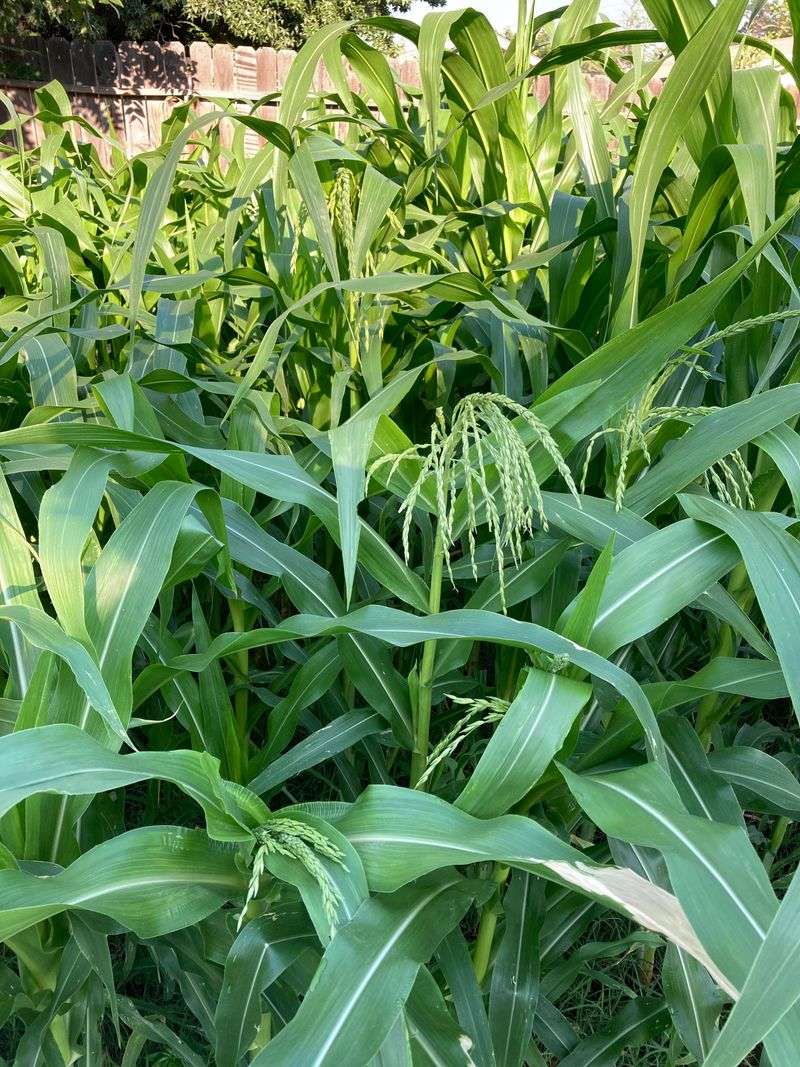
Corn pollination is a surprisingly delicate process, and heat disrupts it more than most gardeners expect. Pollen shed from the tassel and silk receptivity on the ear need to overlap at the right time.
When temperatures exceed 95°F during pollination — which is common in Arizona by late April — pollen viability drops sharply and silks can dry out before they’re adequately pollinated, leading to poorly filled ears with missing kernels.
Timing a corn planting in Arizona’s low desert is tricky. Plant too early and cold nights slow germination; plant too late and the critical pollination window lands during peak heat.
Mid-February to early March planting in Phoenix and Tucson areas gives corn the best chance of tasseling before late April heat becomes a serious problem.
Short-season varieties that mature in 65 to 75 days work better than full-season types in Arizona’s spring window. Varieties like Early Sunglow or Peaches and Cream tend to reach pollination stage faster, reducing the risk of heat interference.
Planting in blocks of at least four rows rather than single long rows also improves pollination coverage.
Watering deeply every two to three days during the pollination period helps keep plants from shutting down prematurely.
Even with good management, Arizona gardeners in the low desert often find that corn ears harvested in late April and early May show some incomplete kernel fill — a direct result of heat stress during pollination rather than any error in care or technique.
7. Melons Struggle With Fruit Set During Temperature Swings
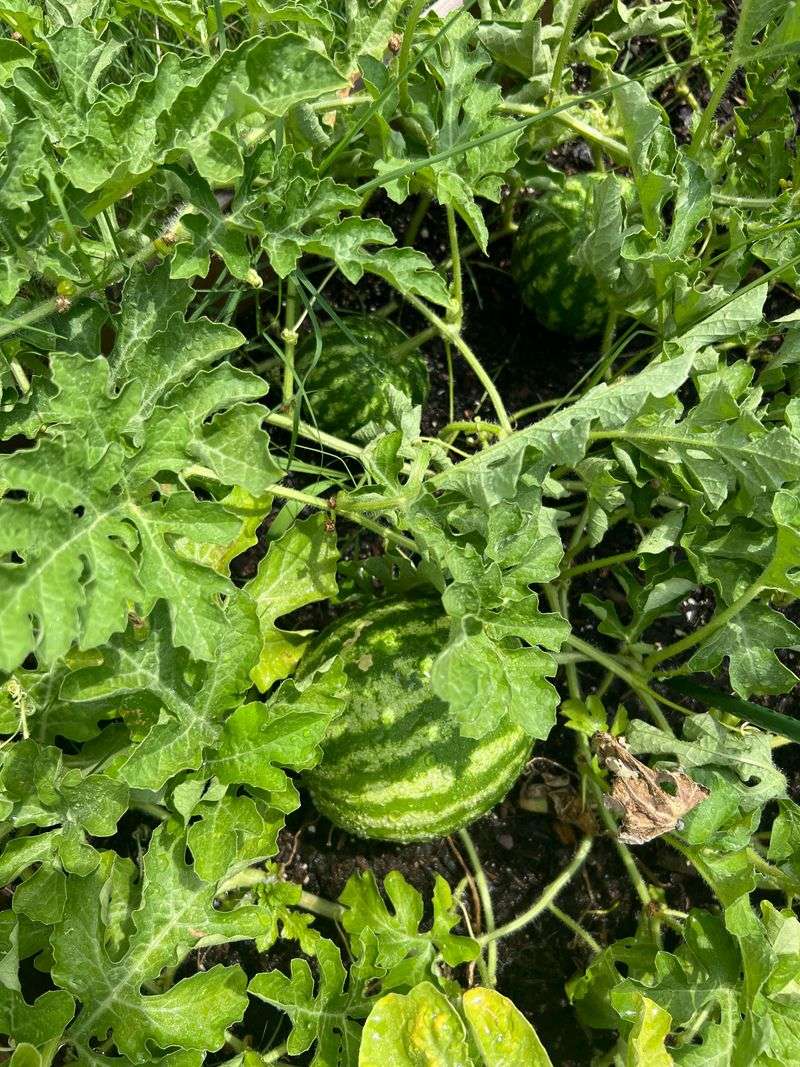
Melons are one of Arizona’s best crops in theory — the hot, dry climate is ideal for sugar development and disease prevention — but timing the fruit set correctly is harder than it looks.
Melons need warm soil and warm days to grow, but they also need stable temperatures during flowering for fruit to set reliably.
The wild temperature swings common in Arizona during March and April, where nights can still dip into the 50s while days push past 90°F, create real problems for pollination.
Watermelons, cantaloupes, and honeydew all depend on bee pollination, and bees are less active during temperature extremes in either direction.
A cool morning followed by a blazing afternoon can mean pollination windows are shorter and less reliable than they should be.
Fruit that does set under those conditions sometimes develops unevenly or drops before reaching maturity.
Planting melon seeds directly into warm soil around mid-March in Phoenix and Tucson gives vines time to establish and begin flowering before late April heat becomes erratic.
Transplants work too, but melons can be sensitive to root disturbance, so handle them carefully.
Sugar Baby watermelon and Hale’s Best cantaloupe are popular choices among Arizona home gardeners for their relatively quick maturity.
Once daytime temperatures lock in above 100°F consistently, fruit set slows considerably even on established vines. Fruit already developing by late April usually continues growing, but new fruit set becomes unreliable until temperatures moderate again in fall.
8. Pumpkins Drop Flowers Before Fruit Develops
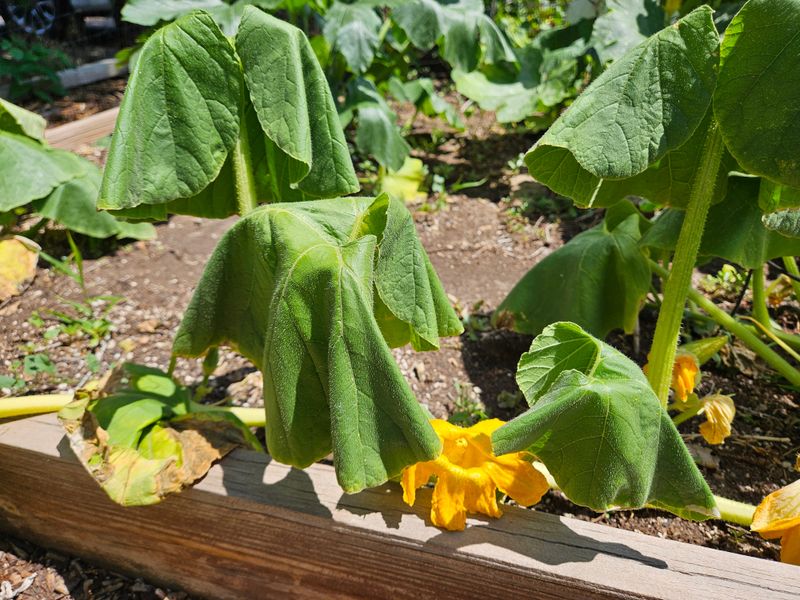
Pumpkins are warm-season crops, but they have a narrower tolerance for extreme heat than most people realize. Flower drop is one of the first signs of heat stress, and it happens fast once temperatures push past 95°F.
In Arizona’s low desert, that threshold arrives right around late April, which means pumpkins planted at the typical spring timing often lose their most productive flowering period to heat before fruit can fully set.
Like cucumbers and melons, pumpkins produce separate male and female flowers on the same vine. Male flowers show up first, sometimes a week or two before female flowers appear.
When heat stress hits during that early flowering stage, female flowers may drop before they’re even fully open, leaving nothing for bees to pollinate. The result is vines full of foliage but very little fruit.
Spring pumpkin growing in Arizona’s low desert is genuinely challenging and most experienced gardeners here focus on fall planting instead, starting seeds in August for a Halloween-season harvest.
Fall timing lets pumpkins do their heaviest fruiting during the more moderate temperatures of September and October rather than racing against spring heat.
If you do want to attempt a spring crop, plant seeds no later than early March in the Phoenix or Tucson area. Choose a compact or bush-type variety rather than a large vining type, since smaller plants tend to fruit faster.
Even with good timing, expect some flower drop as late April heat builds across the region.