5 Perennials You Should Cut Back During March In Texas And 3 You Shouldn’t Touch
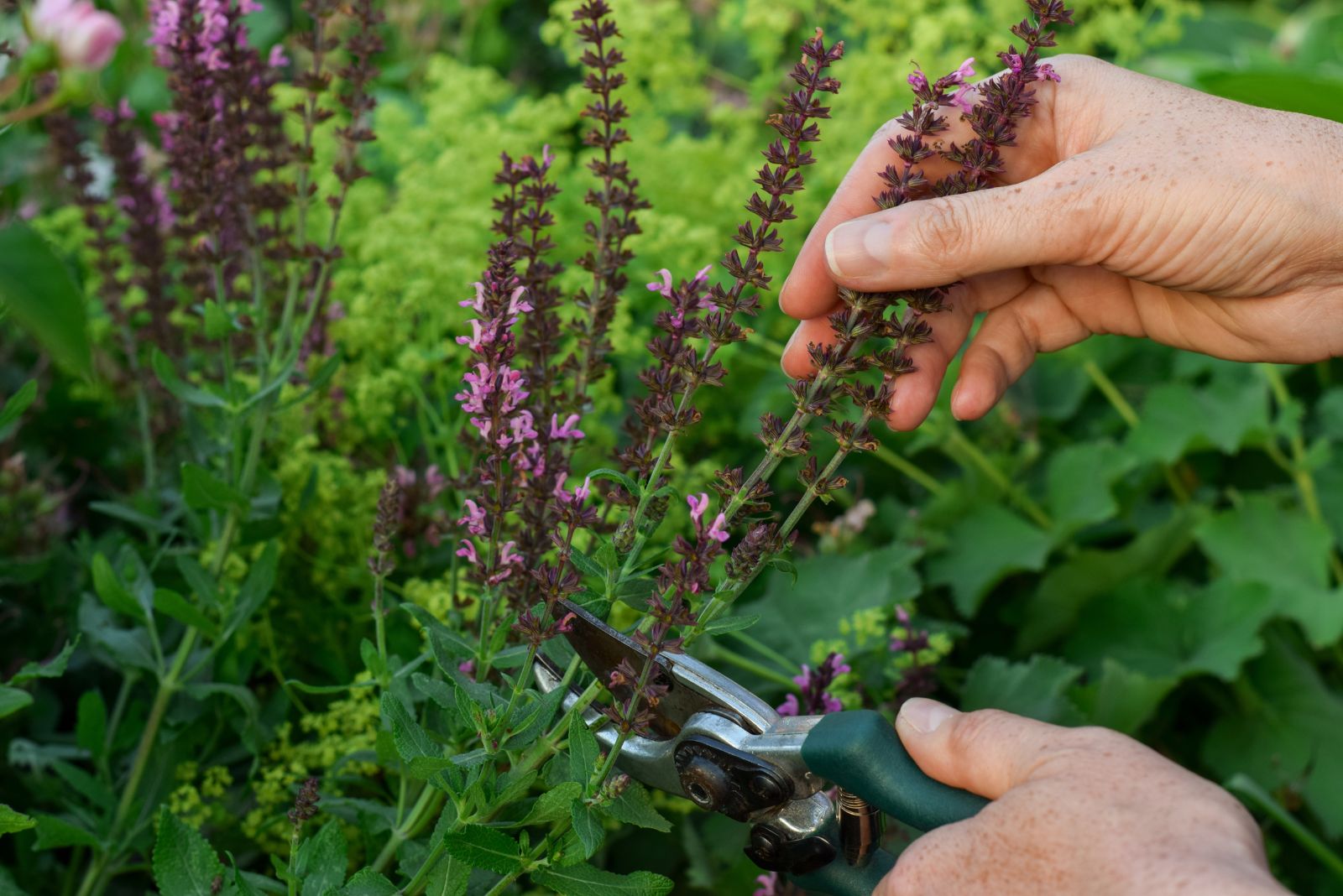
March in Texas always brings a burst of activity to the garden. Warmer days start rolling in, new growth appears, and many plants begin waking up after the cooler months.
It is also the time when gardeners start reaching for their pruners and wondering which plants need a trim. When it comes to perennials, timing can make a big difference in how well they perform throughout the season.
Some perennials benefit from a good cutback in early spring. Trimming away old stems and tired growth helps them focus their energy on producing fresh leaves and stronger blooms.
At the same time, not every plant appreciates an early haircut. Certain perennials rely on their existing growth for protection or are just beginning to wake up, so cutting them back too soon can slow them down.
Knowing which plants are ready for pruning and which ones need a little more time can help your Texas garden stay healthy, colorful, and full of life.
1. Autumn Sage (Salvia Greggii)
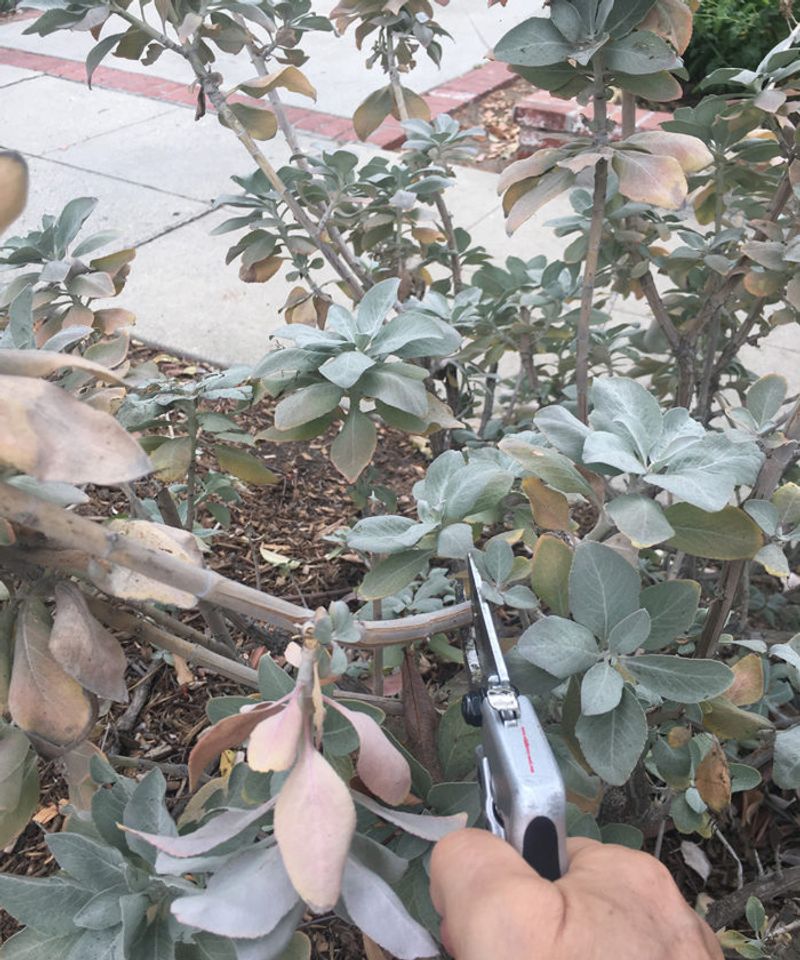
Walk through almost any Texas garden in spring and you are likely to spot Autumn Sage showing off its cheerful red, pink, or coral blooms. This tough Texas favorite is one of those plants that genuinely rewards you for cutting it back in March.
Autumn Sage blooms on new growth, which means the more you encourage fresh stems, the more flowers you get all season long.
When you prune it in early spring, you are basically telling the plant to start fresh. Cut the stems back by about one-third to one-half of their total height.
You will notice old, woody stems from last year that look a little rough around the edges. Removing those opens up the plant and lets air and sunlight reach the base, which leads to fuller, healthier growth.
One thing Texas gardeners love about Autumn Sage is how tough it is. It handles heat, drought, and poor soil without much complaining.
Hummingbirds and butterflies absolutely love it too, so a well-pruned plant means more wildlife visitors all summer. Make sure you use clean, sharp pruning shears to avoid spreading disease between plants.
After cutting, give it a light feeding with a balanced fertilizer to help it bounce back quickly. By April, you will likely already see fresh green shoots pushing out, and blooms are not far behind.
2. Mexican Bush Sage (Salvia Leucantha)
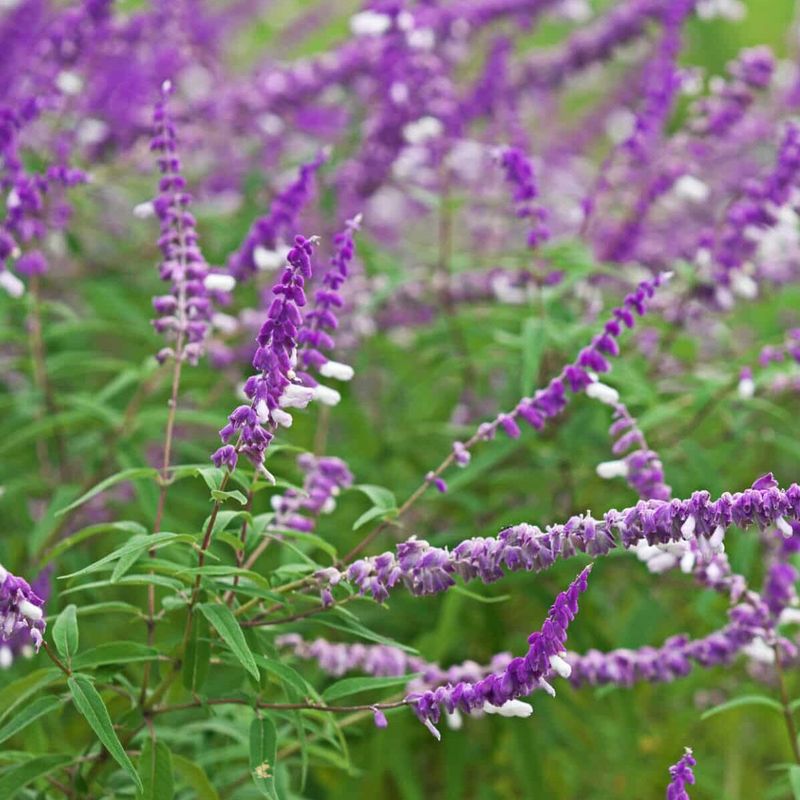
After a Texas winter, Mexican Bush Sage can look a little rough. The stems often turn dry, brittle, and brownish, making the plant look like it has seen better days.
But do not let the scraggly appearance fool you. Underneath all that tired old growth, this plant is ready to explode with fresh energy the moment you give it a good trim in March.
Cutting Mexican Bush Sage back hard in early spring is one of the best things you can do for it. Trim the stems down to about six to twelve inches from the ground.
Yes, it will look pretty bare for a few weeks, but that is completely normal. The plant channels all its energy into producing vigorous new shoots, and by late spring, you will have a lush, full plant that looks completely transformed.
Your Texas Garden Changes Every Week. Your Plan Should Too.
Gardening in Texas changes quickly throughout the season. Every Friday you’ll receive a simple weekly plan showing exactly what to plant, prune, fertilize, harvest, and protect so you never miss the right timing.
Mexican Bush Sage is a showstopper in Texas gardens from late summer through fall. Its velvety purple and white flower spikes attract butterflies and hummingbirds like nothing else in the yard.
Skipping the March cutback often leads to a leggy, uneven plant that flops over and does not bloom as well. Gardeners across Texas who make this one simple cut every spring consistently report bigger, more floriferous plants.
Pair it with other salvias or ornamental grasses for a stunning late-season display that practically takes care of itself.
3. Gregg’s Mistflower (Conoclinium Greggii)
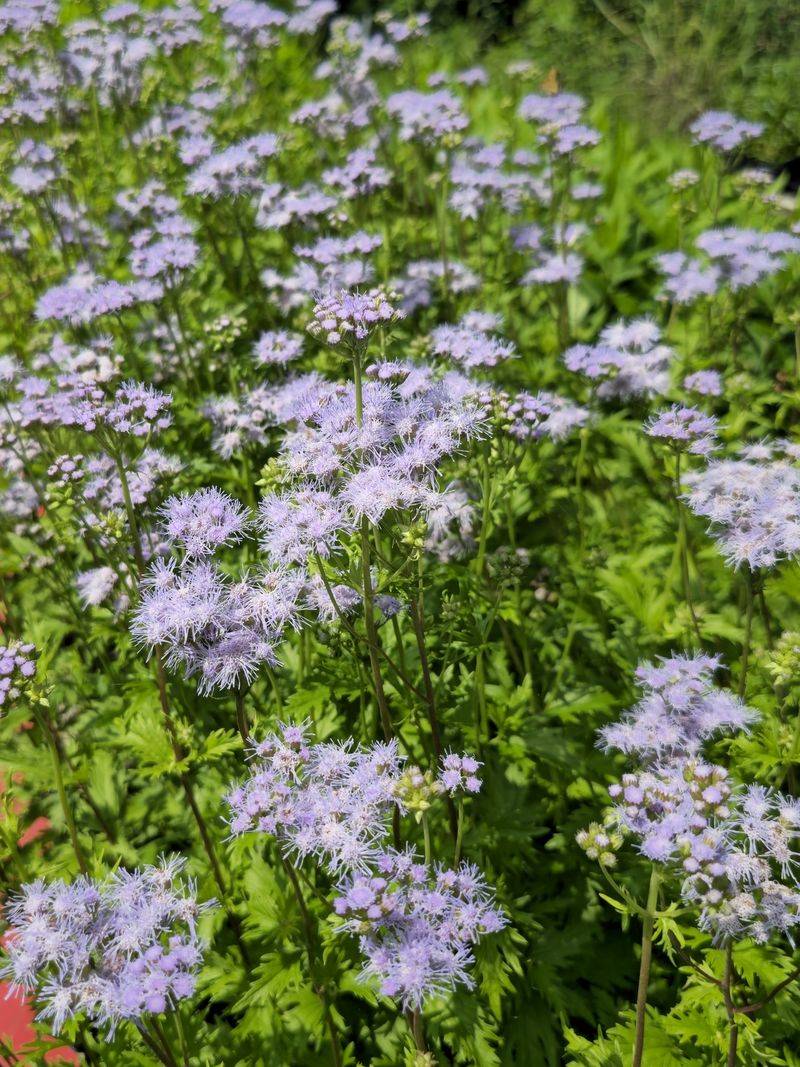
Native plant fans in Texas have a serious soft spot for Gregg’s Mistflower. This cheerful little plant produces clouds of blue-purple blooms that butterflies simply cannot resist, especially monarch butterflies passing through Texas on their annual migration.
It is a true Texas native, which means it is perfectly adapted to the heat, drought, and unpredictable weather that comes with gardening in this state.
The catch with Gregg’s Mistflower is that it tends to get leggy if you let it do its own thing. By March, the old stems from last year are usually dried out and sprawling in every direction.
Cutting the plant back to just a few inches from the ground in early spring solves this problem completely. New growth comes in much more compact and bushy, which means a tidier plant and more blooms per square foot.
Pruning in March also gives the plant a head start before the heat of a Texas summer kicks in. Once temperatures start climbing, this native perennial grows fast and fills in quickly.
You can also divide clumps every few years if the plant spreads more than you want. Gregg’s Mistflower works beautifully in pollinator gardens, along borders, or tucked into naturalistic landscape beds.
Giving it that early spring trim is a small effort with a very big payoff come fall when the butterflies arrive. It is one of those plants that makes Texas gardening feel truly rewarding.
4. Turk’s Cap (Malvaviscus Arboreus Var. Drummondii)
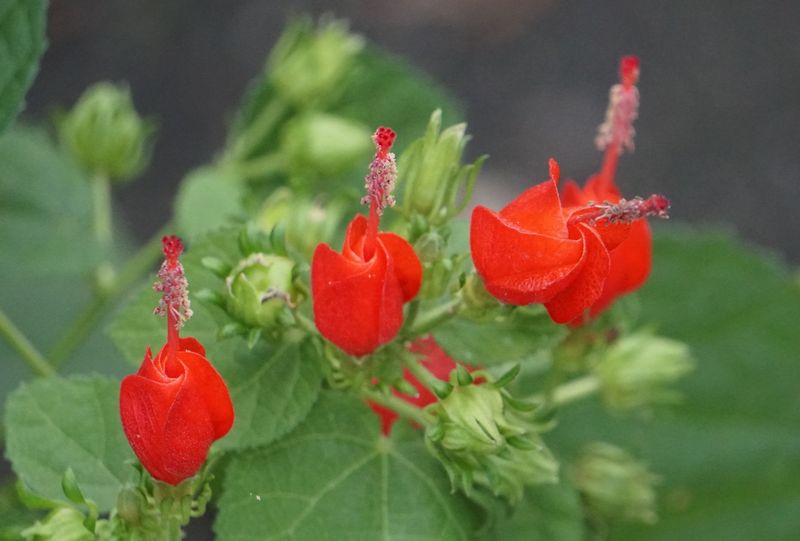
Turk’s Cap is one of those plants that Texas gardeners brag about to their out-of-state friends. It thrives in shade, tolerates drought, and produces quirky red flowers that look like little turbans, hence the name.
Hummingbirds are completely obsessed with it, which is reason enough to grow it in any Texas yard.
After winter, Turk’s Cap often looks completely lifeless. The stems turn brown and woody, and the whole plant can appear beyond saving.
Here is the good news: pruning it all the way to the ground in early March is exactly the right move. This plant is incredibly resilient and bounces back fast once the weather warms up.
Cutting it down to just a few inches encourages the strongest, most vigorous new shoots to emerge from the base.
One thing worth knowing is that Turk’s Cap can get quite large over time, sometimes reaching six feet tall and wide in ideal Texas conditions. Cutting it back in March helps you keep it at a manageable size while also refreshing the plant for the new season.
It grows well under oak trees and in other shady spots where many other plants struggle. Once new growth appears, this plant takes off quickly and needs very little attention.
By midsummer, it will be full, lush, and covered in those charming little blooms that make it one of the most beloved Texas natives in any garden.
5. Hardy Hibiscus (Hibiscus Moscheutos)
Few plants make as dramatic a statement in a Texas garden as Hardy Hibiscus. Those enormous dinner-plate-sized blooms in shades of red, pink, and white are absolutely jaw-dropping, and they keep coming all summer long.
The trade-off is that this plant completely loses its above-ground growth every winter, leaving behind nothing but stiff, dried-out stalks.
March is prime time to clean up those old stems. Cut everything back to just a few inches above the ground.
The stems will be hollow and quite stiff, so a good pair of loppers works better than regular pruning shears for this job. Do not panic if the plant looks completely bare after pruning.
Hardy Hibiscus is notoriously slow to wake up in spring compared to other perennials, so patience is key.
Texas gardeners sometimes get nervous when their Hardy Hibiscus has not shown any signs of life by April. That is completely normal for this plant.
Once soil temperatures rise consistently, it comes roaring back with thick, sturdy stems and those spectacular blooms that make the wait totally worth it. Plant it somewhere with full sun and good moisture, since it loves water more than most Texas perennials.
Clearing away the old growth in March also helps prevent fungal issues that can develop when dry stems sit too long in warm, humid conditions. A little spring cleanup goes a long way with this showstopper plant.
6. Lantana (Lantana Urticoides Or Hardy Varieties)
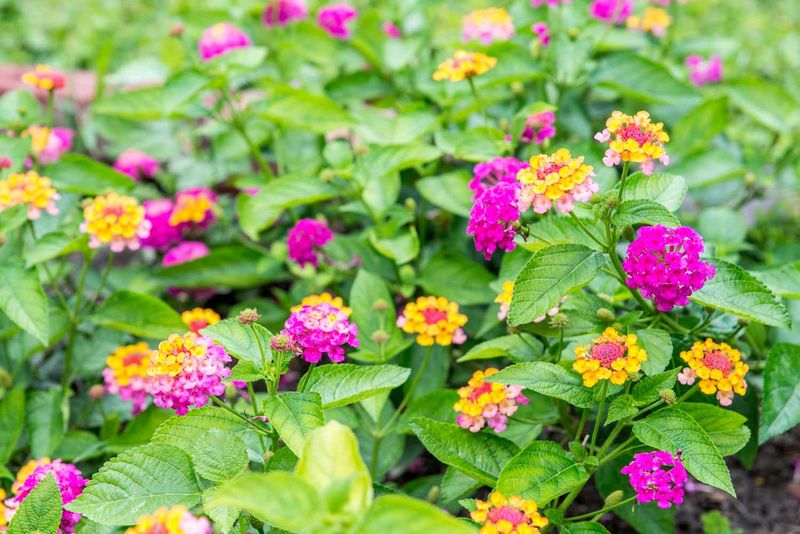
Lantana is one of the most popular plants in Texas landscapes, and for good reason. It blooms in bold clusters of yellow, orange, red, and pink, handles extreme heat without blinking, and attracts butterflies all season long.
But when it comes to March pruning, Lantana deserves a little more caution than the other plants on this list.
Here is the situation: after a mild Texas winter, Lantana might look completely brown and lifeless on the outside but still have perfectly healthy wood underneath. If you cut it back too aggressively during an early March cold snap, you risk exposing tender new growth to frost damage.
Texas weather in March can be unpredictable, with warm stretches followed by surprise cold nights that can catch gardeners off guard.
The smarter approach is to wait until you see consistent warm temperatures and signs of new growth before doing any heavy pruning.
You can do a light cleanup in early March by removing the most obviously dry tips, but hold off on cutting the plant all the way back until you are confident cold weather is truly behind you.
Once warm weather settles in, go ahead and cut Lantana back hard. It will respond with a flush of fresh growth and blooms almost immediately.
Patience with Lantana in early spring always pays off with a bigger, healthier plant by summer. Texas gardeners who rush the process often end up with setbacks they could have easily avoided.
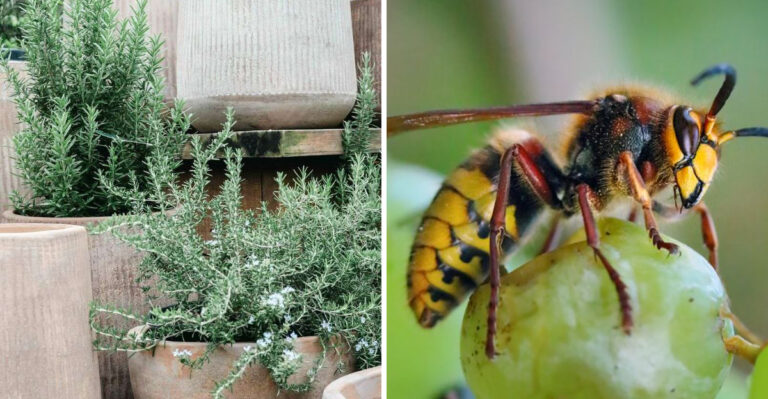
7. Rosemary (Salvia Rosmarinus)
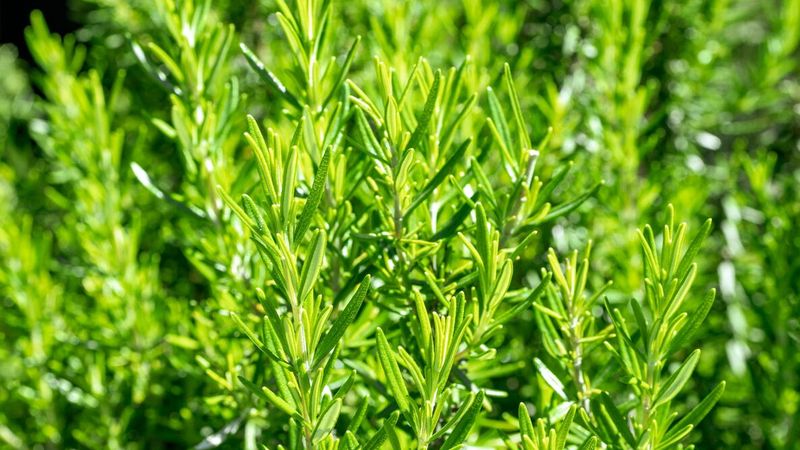
Rosemary is practically a Texas garden staple. It smells amazing, looks great in the landscape, handles the Texas heat like a champion, and you can snip pieces off anytime to use in the kitchen.
Many Texas gardeners assume that because so many other perennials get cut back in March, Rosemary should get the same treatment. That assumption can lead to real problems.
Pruning Rosemary too hard in early spring is risky business in Texas. Even though the state enjoys mild winters compared to much of the country, March nights can still dip below freezing, especially in Central and North Texas.
Cutting Rosemary back hard exposes fresh new growth to those cold temperatures, and that tender growth is much more vulnerable to frost damage than the older, woody stems that have been hardened off over the winter.
Another issue is that Rosemary does not regenerate well from old wood. Unlike many other perennials, if you cut too far back into the thick, woody base of the plant, it may struggle to push out new growth from those areas.
The safer approach is to do light shaping trims throughout the year rather than one big spring cutback. If you want to tidy it up in March, stick to removing only the tips or any truly dry branches.
Save heavier pruning for after the last frost date has safely passed in your part of Texas. Gentle, consistent trimming keeps Rosemary looking its best year-round.
8. Lavender (Lavandula Spp.)
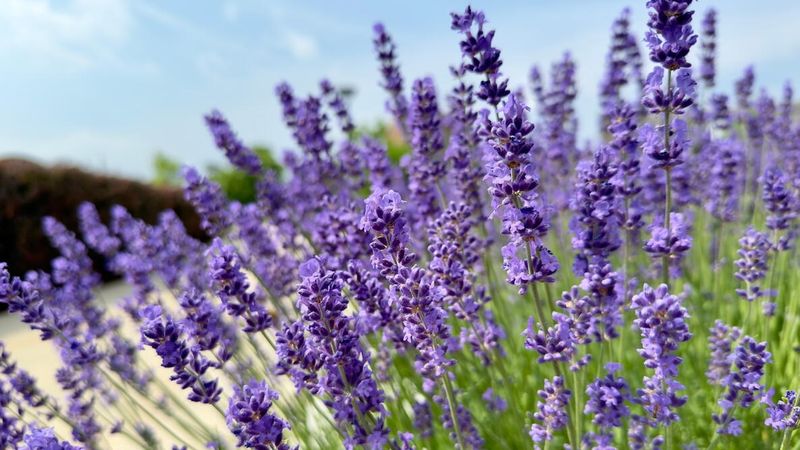
Lavender has a devoted following among Texas gardeners, and it is easy to understand why. Those fragrant purple flower spikes are gorgeous, the silvery foliage looks beautiful even when the plant is not blooming, and the scent alone is enough to make you want to plant it everywhere.
But Lavender has one firm rule: do not cut it back hard in March. The woody base of a Lavender plant is its lifeline. Heavy spring pruning that cuts into that woody base can seriously damage or even permanently harm the plant.
Unlike soft-stemmed perennials that regrow easily from the crown, Lavender relies on that older wood to support new growth. Cutting too aggressively in early spring removes the very structure the plant needs to thrive.
The best approach for Lavender in Texas is to wait until after it finishes its first bloom cycle, then do a light trim of the flower stems and any soft growth that looks untidy.
Never cut back more than one-third of the plant at a time, and always leave plenty of green foliage intact.
Texas summers can be brutal on Lavender, especially in humid eastern parts of the state, so keeping the plant as strong as possible going into the hot season is critical. Choose heat-tolerant varieties like Spanish Lavender for the best results in Texas gardens.
A little restraint with the pruning shears in March goes a very long way for this fragrant beauty.