If You See This Bug In Your Texas Garden Do Not Touch It
Texas gardens are full of life, and that is part of what makes them so much fun. One minute you are admiring a flower bed, and the next you spot a tiny fuzzy creature that looks weirdly adorable.
Sadly, not every cute garden visitor deserves a closer look. The puss caterpillar, also called an asp in Texas, is a great example of why “fluffy” should not be mistaken for “friendly.”
It may look soft and harmless, but touching it can lead to a seriously painful surprise.
Not exactly the kind of garden excitement anyone asked for. That is why a little awareness goes a long way.
Gardeners, parents, and pet owners across Texas can all benefit from knowing what this caterpillar looks like, where it tends to hide, and what steps make sense if someone brushes against it.
A few minutes of knowledge now can spare your household a very unpleasant afternoon later.
1. What The Puss Caterpillar Is And Why It Shows Up In Texas Gardens
Gardening in Texas means sharing your outdoor space with a wide range of insects, and most of them are completely harmless. The puss caterpillar, however, belongs to a different category.
Known scientifically as Megalopyge opercularis, it is the larval stage of the flannel moth and is considered one of the most venomous caterpillars found in the United States.
In Texas, this caterpillar goes by a very common nickname: the asp. That name alone should give gardeners a hint about its reputation.
Local Texans have used this nickname for generations, passing down warnings about the fuzzy little creature that blends in so well among garden leaves and tree bark.
The reason it shows up in Texas gardens so regularly comes down to climate and tree diversity. Texas offers warm temperatures, humid conditions in many regions, and a wide variety of host trees that the caterpillar depends on for food.
Urban neighborhoods, suburban backyards, and rural properties with mature trees all provide ideal habitat.
Sightings tend to increase in late summer through fall, which is when populations often peak across central and southern Texas.
Homeowners working in their yards, children playing under trees, and even pets exploring garden beds can all come across one without realizing it.
Understanding what this caterpillar is and why it appears in Texas yards is the first step toward keeping your household safe during peak season.
2. How To Recognize A Puss Caterpillar By Its Look
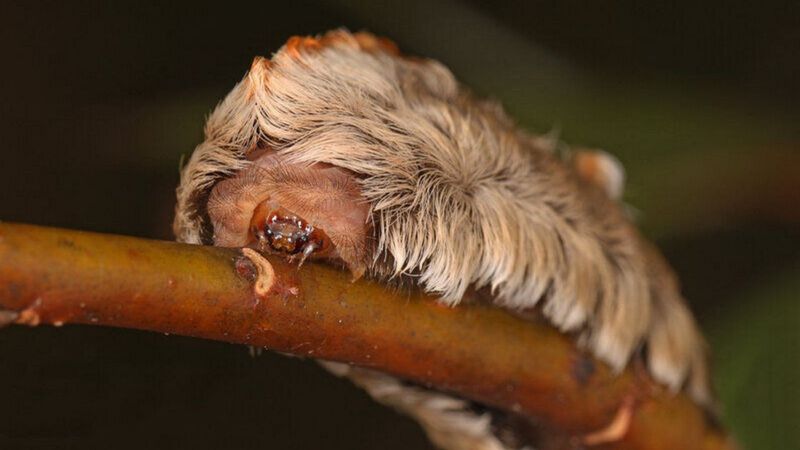
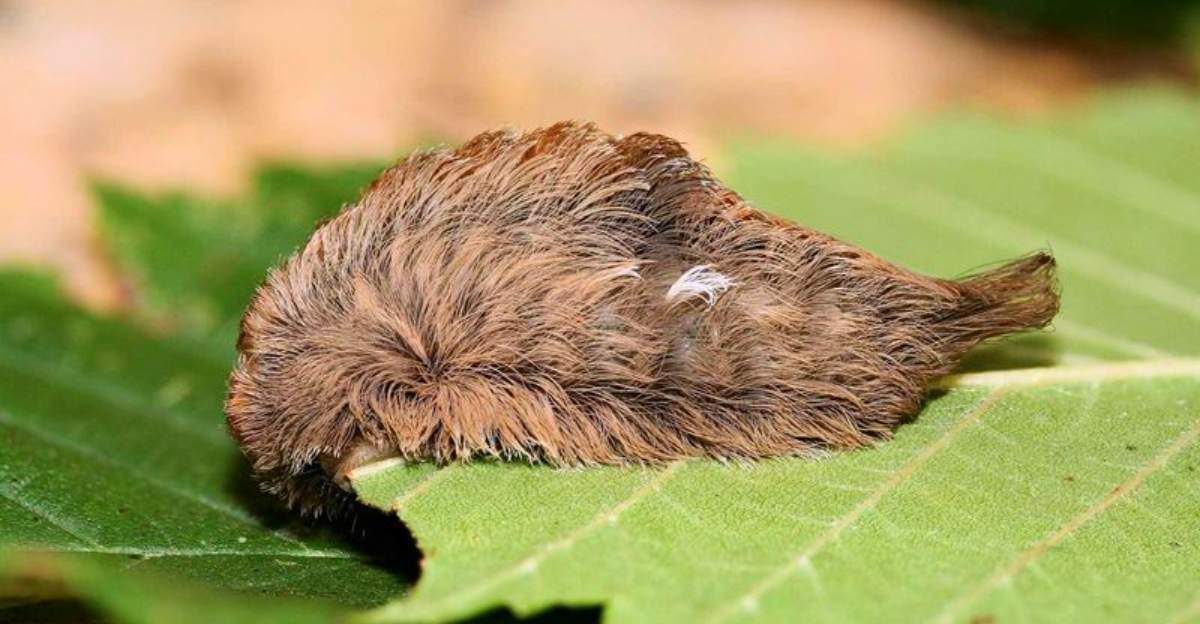
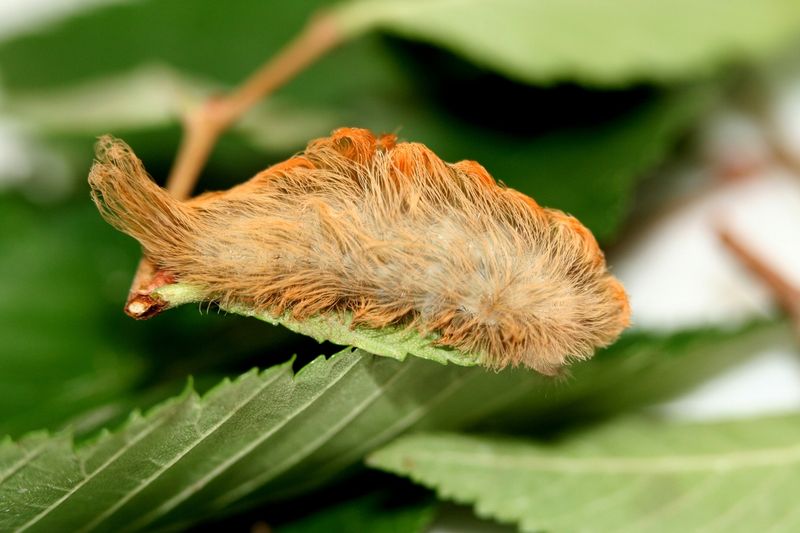
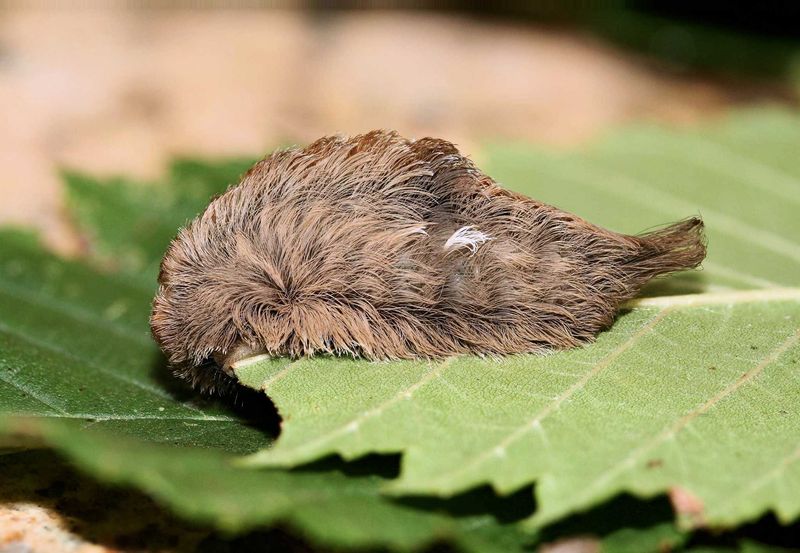
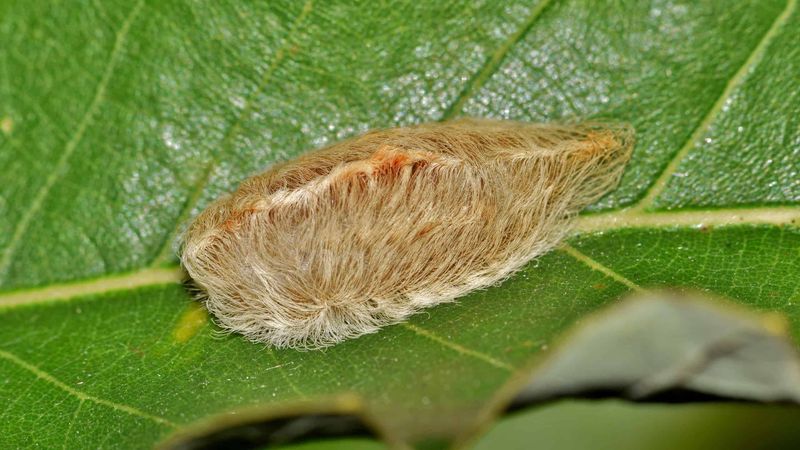
Spotting a puss caterpillar for the first time can be a confusing experience because it looks more like a tiny tuft of pet fur than an insect. Its body is covered in long, soft-looking hairs that range in color from light tan and grayish-brown to a warm golden tone.
The overall shape is rounded and slightly tapered at the tail end, giving it a teardrop appearance that is surprisingly distinctive once you know what to look for.
The fur-like coating is what makes identification both easy and tricky at the same time. Easy, because very few caterpillars look quite like this one.
Your Texas Garden Changes Every Week. Your Plan Should Too.
Gardening in Texas changes quickly throughout the season. Every Friday you’ll receive a simple weekly plan showing exactly what to plant, prune, fertilize, harvest, and protect so you never miss the right timing.
Tricky, because the softness of its appearance makes it tempting to touch, especially for young children who may not recognize any danger.
Underneath all that fluffy covering, rows of venomous spines are tucked out of sight. These spines are connected to venom glands, and they break off easily on contact with skin.
The caterpillar does not sting in the traditional sense. Instead, the spines embed themselves into skin when someone brushes against or picks up the caterpillar.
Size can vary depending on the stage of development, but most puss caterpillars in Texas gardens measure somewhere between one and two inches in length.
They tend to move slowly and stay close to the undersides of leaves or along branches, which makes them easy to overlook until someone reaches into a shrub or brushes against a low-hanging branch.
3. The Texas Trees And Plants It Often Feeds On

Live oak trees are a staple of Texas landscapes, and they happen to be one of the puss caterpillar’s preferred feeding spots. If your yard has mature live oaks, elms, or hackberry trees, the chances of encountering one of these caterpillars go up considerably.
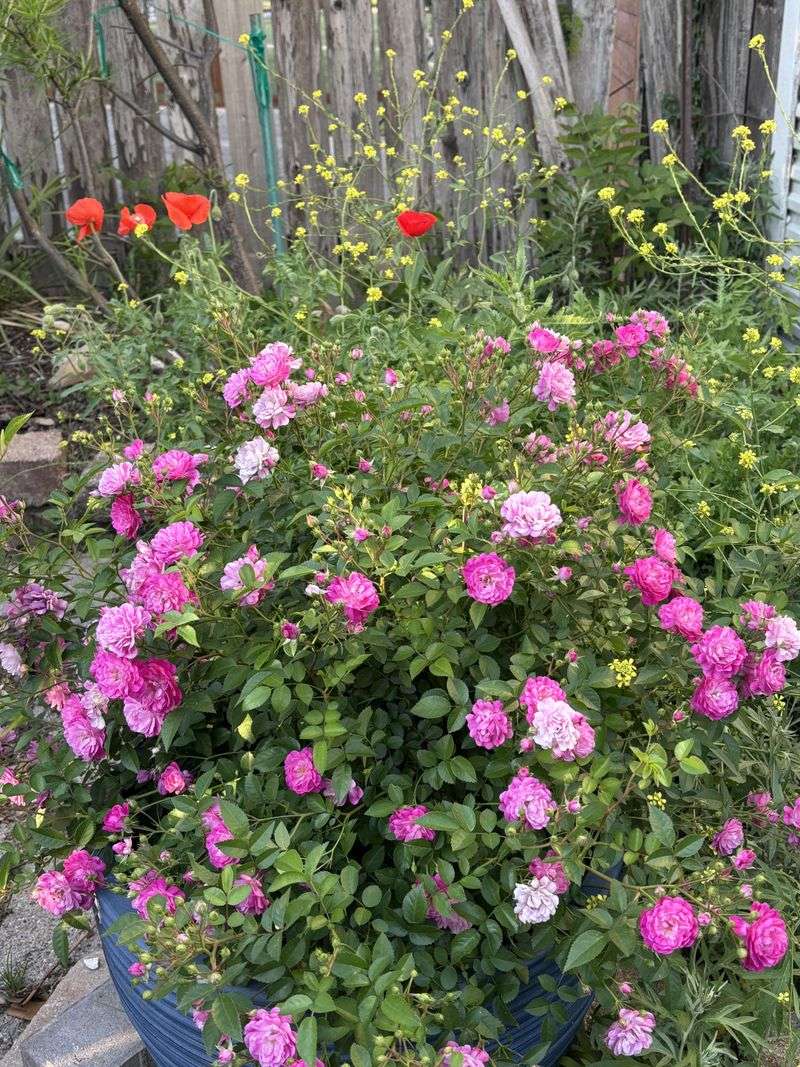
They also feed on a range of other deciduous trees and shrubs, including sycamore, wild plum, and rose bushes.
Knowing which plants attract puss caterpillars can help Texas homeowners focus their attention during peak season.
Spending time pruning rose bushes or raking under large oak trees in late summer and fall without checking first is exactly the kind of situation where accidental contact tends to happen.
The caterpillar tends to rest on the undersides of leaves, which makes it harder to spot during a casual walk through the garden.
Someone reaching under a branch to check soil moisture or pulling weeds near the base of a shrub might brush against one without ever seeing it.
This is especially common in shaded garden beds located beneath large trees.
Texas landscapes with a mix of native and ornamental plants can support healthy caterpillar populations simply because there is so much varied foliage available.
Gardens with dense plantings, layered shrubs, and mature canopy trees provide both food and shelter at every stage of the caterpillar’s development.
Paying attention to the specific plants in your yard can help you narrow down where to check most carefully throughout the season.
4. Why Its Fuzzy Coat Can Be Misleading
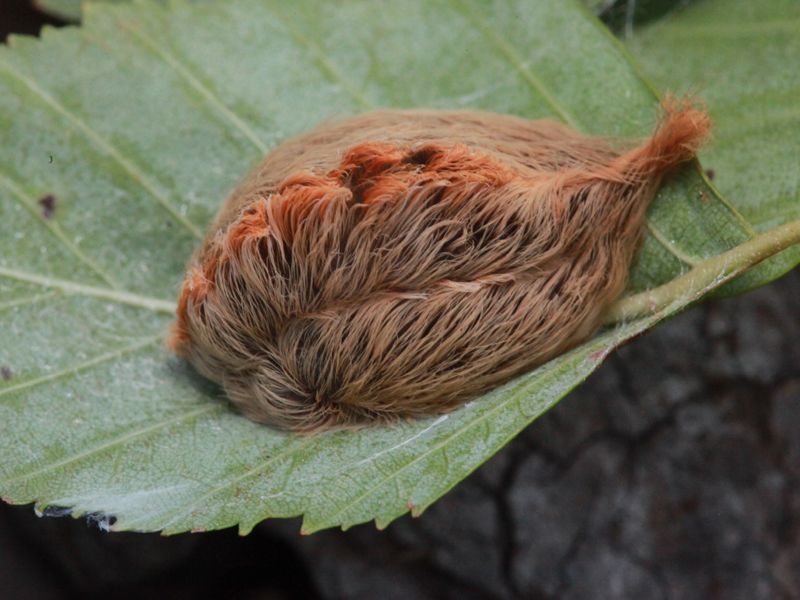
Few things in a garden look as inviting as a tiny, soft, fur-covered creature moving slowly across a leaf. That is exactly the problem with the puss caterpillar.
Its appearance triggers an instinct in most people, especially children, to reach out and touch it. The fluffy exterior looks so much like a small piece of soft animal fur that it is easy to forget you are looking at an insect at all.
That misleading coat is not accidental from a biological standpoint. The long hairs covering the caterpillar serve as camouflage and as a kind of passive defense.
While the caterpillar itself does not actively sting or attack, the hidden spines beneath the fur do the work when contact is made. A gentle brush of the finger is all it takes for those spines to break off and lodge into skin.
Children are especially vulnerable because they are naturally curious about garden creatures and may not have been warned about this particular caterpillar.
Parents and caregivers in Texas should take time before outdoor play to mention that fuzzy caterpillars found under trees or on garden plants should never be touched, no matter how soft they appear.
Even experienced gardeners can be caught off guard. Someone who has spent years working in Texas yards without ever encountering a puss caterpillar may not think twice about brushing one aside with a bare hand.
The lesson here is straightforward: when something in the garden looks unexpectedly fluffy and unfamiliar, it is worth pausing before making contact.
5. What Happens After Contact With Its Venomous Spines
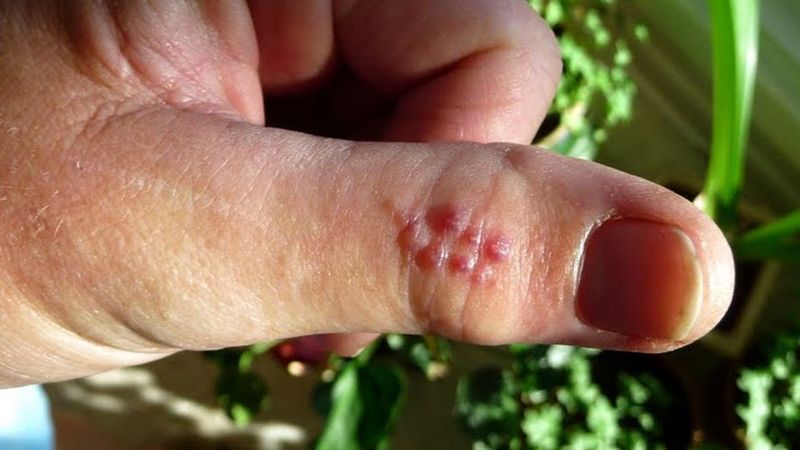
Contact with a puss caterpillar tends to produce an immediate and intense burning sensation that catches most people completely off guard.
The pain often starts within minutes and can feel like a sharp, radiating sting that spreads outward from the point of contact.
Many people who have experienced it describe the sensation as one of the most painful insect-related reactions they have ever had.
Along with the burning, the affected area often develops a red, grid-like rash that follows the pattern of where the spines made contact with the skin. Swelling, itching, and localized warmth are also common responses.
In some cases, the reaction may extend beyond the immediate contact area, with pain traveling up the arm or leg depending on where the sting occurred.
Some individuals experience additional symptoms that go beyond the skin. Nausea, headache, and general discomfort have been reported following puss caterpillar stings in Texas.
More sensitive individuals or those with certain health conditions may have stronger reactions, though responses vary from person to person.
Children tend to experience more distress simply because the pain is unexpected and intense. A child playing under an oak tree in a Texas backyard who brushes against a puss caterpillar may become very upset and frightened.
Recognizing the symptoms quickly and responding calmly can make a significant difference in how the situation is handled. Knowing in advance what a sting looks and feels like helps caregivers act with confidence rather than confusion.
6. What To Do If Someone Gets Stung
Reacting quickly after a puss caterpillar sting can help reduce discomfort and prevent the spines from causing further irritation. The first step is to avoid rubbing the affected area, which can push the spines deeper into the skin.
Instead, use a piece of tape, such as cellophane tape or packaging tape, and press it firmly over the area before peeling it away. This method helps lift embedded spines out of the skin without spreading them further.
After removing as many spines as possible with tape, wash the area gently with soap and water. Applying an ice pack wrapped in a cloth can help reduce swelling and ease the burning sensation.
Over-the-counter hydrocortisone cream or an oral antihistamine may also help manage itching and mild inflammation.
Most puss caterpillar stings in Texas can be treated at home with these basic steps.
However, if the reaction is severe, if swelling spreads rapidly, if the person has difficulty breathing, or if symptoms seem to be getting worse rather than better, seeking medical attention is the right move.
Children, elderly individuals, and anyone with known sensitivities should be monitored carefully after a sting.
Staying calm during the process matters, especially when a child is involved. Reassuring the person who was stung that the discomfort is manageable and that steps are being taken can ease anxiety.
Texas urgent care clinics and emergency rooms are familiar with puss caterpillar stings, and medical staff can provide additional treatment if the situation calls for it.
7. Where To Check For Puss Caterpillars In The Garden
Knowing where to look is half the challenge when it comes to avoiding puss caterpillars in a Texas garden. These caterpillars are not random wanderers.
They tend to stay close to their food sources, which means checking the undersides of leaves on oak trees, elms, and rose bushes is a smart habit during late summer and fall when activity is at its highest.
Shaded garden beds located beneath large canopy trees are a particularly common area to find them. The combination of leaf litter, low light, and nearby food plants makes these spots attractive for caterpillars at various stages of development.
Anyone who regularly crouches down to weed, mulch, or water plants in these areas should be especially cautious.
Low-hanging branches that extend over garden paths, patios, or play areas deserve attention too. A caterpillar resting on the underside of a branch at head height could easily be disturbed by someone walking underneath.
Checking these branches before outdoor gatherings or yard work sessions is a practical safety step for Texas homeowners with children or pets.
Fences and wooden structures near host trees can also attract puss caterpillars as they move around in search of feeding spots or shelter. Checking these surfaces regularly during peak season adds another layer of awareness.
Wearing gloves during garden work is a simple habit that reduces the risk of accidental contact regardless of where in the yard you happen to be working at the time.
8. How To Manage Puss Caterpillars Without Harming Beneficial Insects
Managing puss caterpillars in a home garden does not require reaching for chemical sprays right away. In most Texas yards, populations are small enough that physical removal or simple avoidance is a reasonable first approach.
The goal is to reduce risk for your household without disrupting the broader insect community that keeps your garden healthy.
If you spot a puss caterpillar and want to move it away from a high-traffic area, use a stick, cardboard, or a similar tool to gently guide it into a container. From there, you can relocate it to a less-visited part of the yard or a wooded area nearby.
Under no circumstances should you use bare hands or even lightly gloved hands without thick protection, since the spines can penetrate thin fabric.
Pruning branches and shrubs where caterpillars are frequently spotted can reduce their presence near patios and play areas. Removing leaf litter from beneath host trees during fall cleanup also eliminates resting spots.
These physical steps are practical and do not pose any risk to pollinators, birds, or other beneficial garden visitors.
If a large population appears and physical management feels insufficient, consulting with a local Texas extension service or a licensed pest professional is a sensible option. They can recommend targeted approaches that address the specific situation in your yard.
Broad pesticide applications can reduce beneficial insect populations significantly, so targeted, minimal intervention tends to be the more balanced approach for residential Texas gardens throughout the season.