4 Perennials To Plant In Early Spring In Texas And 3 That Prefer Warmer Soil
Early spring in Texas brings a fresh wave of excitement to the garden. The cooler days begin to fade, the soil starts warming up, and gardeners feel that familiar urge to start planting again.
Perennials are often at the top of the list because they return year after year, adding reliable color and structure to flower beds.
Still, not every perennial is ready for the ground as soon as spring arrives. Some plants handle the mild temperatures of early spring without any trouble and can settle into the soil during this time.
Others prefer warmer conditions before they begin growing in earnest. Planting them too early can slow their progress or leave young plants struggling to establish.
A little patience and good timing can make all the difference. By choosing the right perennials to plant early and waiting on those that prefer warmer soil, Texas gardeners can set their gardens up for a season full of healthy growth and vibrant blooms.
1. Purple Coneflower (Echinacea Purpurea)

Few flowers light up a Texas garden quite like the Purple Coneflower. With its bold, rosy-purple petals and spiky orange center, this plant is hard to miss. Gardeners across Texas love it because it is tough, beautiful, and great for pollinators.
Planting Purple Coneflower in early spring gives it a real head start. The cooler temperatures help the roots settle in without the stress of intense summer heat. Once the roots are strong, the plant handles the brutal Texas summer like a champ.
This perennial is also incredibly low-maintenance. It does not need a lot of watering once it is established, which is a big plus in Texas where droughts are common.
Plant it in well-drained soil and a sunny spot, and it will reward you with blooms all summer long.
Bees, butterflies, and even goldfinches are drawn to Purple Coneflower. That means planting it helps support your local ecosystem right in your own backyard. It is one of those plants that gives back as much as you put in.
Did you know that Echinacea has been used in herbal medicine for centuries? Native Americans used it to treat infections and wounds long before it became a garden favorite. Today, it is celebrated both for its beauty and its wildlife value.
If you want a reliable, eye-catching perennial that thrives across Texas, Purple Coneflower is one of the best choices you can make in early spring.
2. Black-Eyed Susan (Rudbeckia Hirta)

Walk through almost any Texas meadow in summer, and you will likely spot Black-Eyed Susans nodding in the breeze.
These cheerful yellow flowers with their dark brown centers are practically a symbol of Texas wildflower season. They are sunny, tough, and incredibly easy to grow.
Planting them in early spring is a smart move. The mild temperatures and occasional spring rains give the roots time to dig in deep before the scorching heat of a Texas summer rolls in.
A well-established Black-Eyed Susan can handle heat, drought, and poor soil without missing a beat.
Your Texas Garden Changes Every Week. Your Plan Should Too.
Gardening in Texas changes quickly throughout the season. Every Friday you’ll receive a simple weekly plan showing exactly what to plant, prune, fertilize, harvest, and protect so you never miss the right timing.
One thing that makes this plant so special is how long it blooms. You can expect flowers from early summer all the way into fall.
That is months of color with very little effort on your part, which is exactly what Texas gardeners need.
Pollinators go absolutely wild for Black-Eyed Susans. Bees, butterflies, and native insects visit constantly throughout the blooming season.
If you are trying to build a pollinator-friendly garden in Texas, this plant belongs in it without question.
Black-Eyed Susans also work beautifully in cut flower arrangements. Snip a few stems and bring that golden color indoors to brighten up any room.
They last surprisingly well in a vase, which is a fun bonus.
Whether you plant them in a formal garden bed or let them naturalize in a wild area, Black-Eyed Susans bring reliable, joyful color to Texas landscapes every single year.
3. Autumn Sage (Salvia Greggii)

Ask any experienced Texas gardener about their favorite low-maintenance perennial, and Autumn Sage will likely come up fast.
This compact, shrubby plant produces an almost non-stop parade of tubular flowers in shades of red, pink, coral, and white. It is a Texas classic for good reason.
Early spring is the ideal time to get Autumn Sage in the ground across Texas. Cooler temperatures make it easier for the plant to develop a strong, deep root system.
By the time summer heat arrives, it is ready to handle anything the Texas climate throws at it.
Full sun is where Autumn Sage truly shines. It loves heat, but it needs that early spring window to settle in properly.
Plant it in well-drained soil and avoid overwatering, since this plant prefers dry conditions once it is established. Less water actually helps it thrive.
Hummingbirds are absolutely obsessed with Autumn Sage. The tubular red flowers are perfectly shaped for hummingbird beaks, making this plant a magnet for those fast-flying visitors.
If you want to attract hummingbirds to your Texas yard, this is one of the best plants you can grow.
Autumn Sage is also deer-resistant, which is a major bonus for Texas gardeners dealing with browsing wildlife. The aromatic leaves are not appealing to deer, so your plants stay protected even in rural areas.
Plant it along walkways, in rock gardens, or in mixed borders. Wherever you put it in Texas, Autumn Sage delivers reliable color and wildlife value season after season.
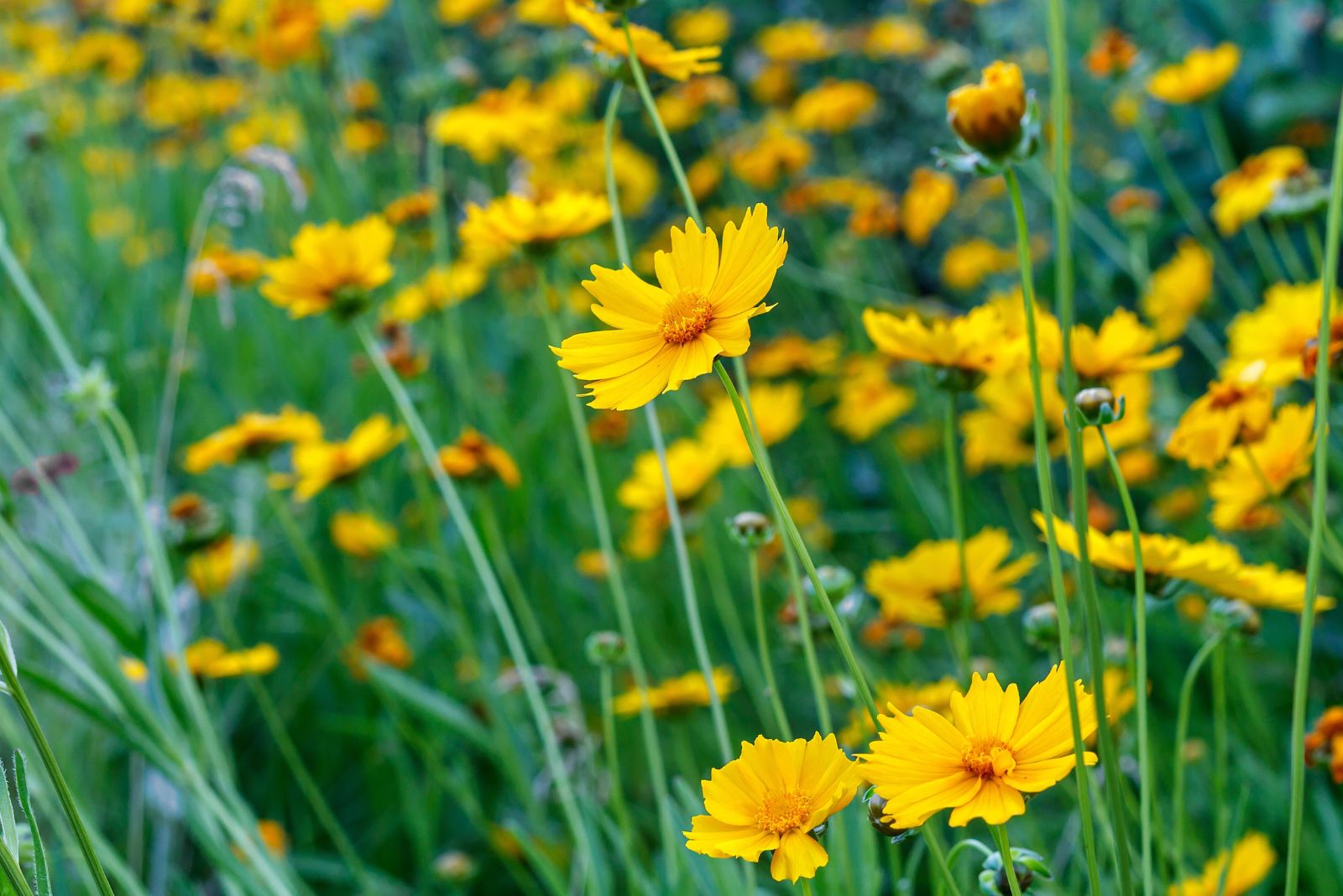
4. Coreopsis (Coreopsis Lanceolata)

Sunshine on a stem. That is honestly the best way to describe Coreopsis. These bright yellow, daisy-like flowers bring an instant burst of cheerfulness to any garden space, and they are perfectly happy to start growing in the cool soil of early spring in Texas.
Coreopsis lanceolata is a Texas native wildflower, which means it is already adapted to the local climate and soil conditions. It tolerates temperature swings, dry spells, and even poor soil with ease.
Planting it in early spring gives it the cool, moist conditions it needs to establish strong roots before summer kicks in.
One of the best things about Coreopsis is how long it blooms. Once it starts flowering, it just keeps going for months.
Deadheading spent blooms encourages even more flowers, so a little bit of regular care goes a long way with this plant.
Pollinators love Coreopsis just as much as gardeners do. Bees and butterflies flock to the bright yellow blooms all season long. It is a wonderful addition to any Texas pollinator garden or native plant landscape.
Coreopsis is also drought-tolerant once established, making it a practical choice for water-conscious Texas gardeners. You do not need to baby it with frequent watering. Plant it, let it settle in during spring, and then mostly leave it alone to do its thing.
Fun fact: Coreopsis is the official state wildflower of Florida, but it thrives beautifully all across Texas too. It is a true American native with serious staying power.
5. Mexican Bush Sage (Salvia Leucantha)

Mexican Bush Sage is one of those plants that stops people in their tracks. The long, velvety purple flower spikes are unlike anything else in the garden, and they sway dramatically in the breeze. But here is the thing: this beauty needs warm soil to really get going.
Unlike the early spring perennials on this list, Mexican Bush Sage prefers to be planted later in the season, once the soil has warmed up and frost risk has completely passed in Texas.
Putting it in the ground too early can slow its growth and stress the plant unnecessarily. Patience pays off with this one.
Once the timing is right, though, Mexican Bush Sage takes off quickly. It grows into a large, bushy mound that can reach four to five feet tall.
Give it full sun, well-drained soil, and room to spread, and it will reward you with months of stunning purple blooms.
Hummingbirds and butterflies are big fans of this plant. The long flower spikes provide an easy landing and feeding spot, making your Texas garden a popular destination for wildlife. It is a showstopper that also does real ecological work.
Mexican Bush Sage is drought-tolerant once established, which is great news for Texas gardeners dealing with dry summers. It is also deer-resistant, so you can plant it in areas where browsing animals are a concern without worrying too much.
Wait for warm soil, plant it right, and Mexican Bush Sage will become one of the most dramatic and rewarding plants in your entire Texas garden.
6. Lantana (Lantana Urticoides)

Lantana is basically the life of the party in a Texas summer garden. Its clusters of tiny, multi-colored flowers in shades of orange, yellow, red, and pink are impossible to ignore.
But as much as gardeners love it, Lantana has a very clear preference: it wants warm soil before it gets planted.
Planting Lantana too early in the spring can seriously slow its growth. Cold soil temperatures stress the roots and keep the plant from establishing well.
Texas gardeners should wait until nighttime temperatures stay consistently above 50 degrees Fahrenheit before putting Lantana in the ground.
Once the soil is warm and the risk of a late frost has passed, Lantana takes off fast. It grows quickly, spreads generously, and begins producing flowers almost right away.
The wait is absolutely worth it because few plants bloom as abundantly or as long as Lantana does in Texas.
Butterflies are especially drawn to Lantana. The dense flower clusters provide a perfect feeding station, and on warm days you can see dozens of butterflies visiting a single plant. It is one of the top butterfly-attracting plants you can grow anywhere in Texas.
Lantana is also extremely drought-tolerant once it is established, which makes it a practical choice for the hot, dry summers that Texas is famous for. It actually blooms more when it is a little stressed by heat and dry conditions.
If you want big color with minimal effort during the hottest months in Texas, Lantana is one of the most reliable perennials you can plant. Just give it warm soil first.
7. Flame Acanthus (Anisacanthus Quadrifidus Var. Wrightii)
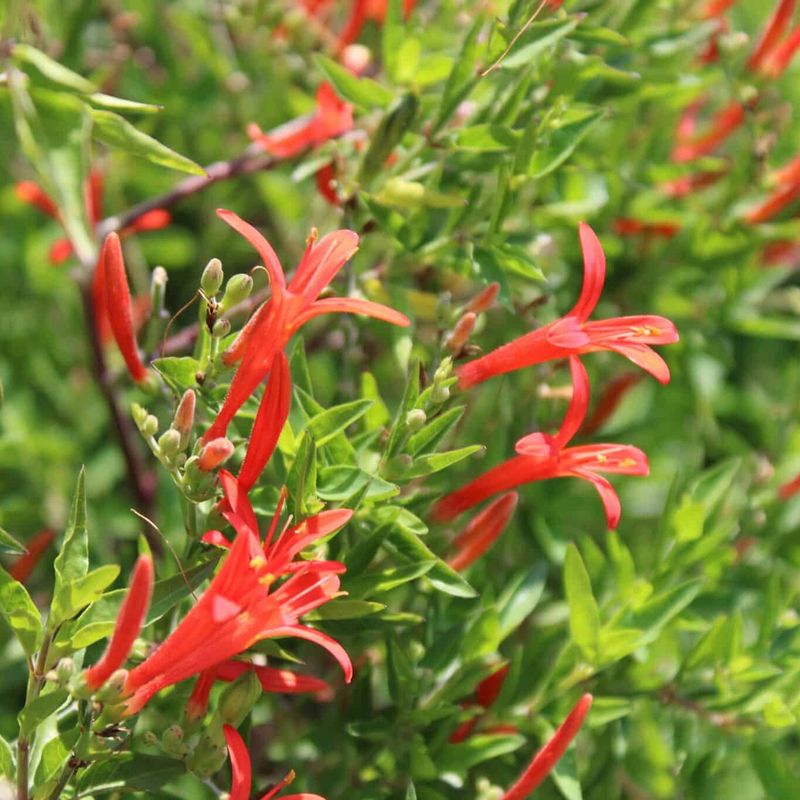
If there is one plant that was practically born for the Texas heat, it is Flame Acanthus. The fiery orange-red tubular flowers look like tiny flames dancing on the stems, which is exactly how this plant got its memorable name. It is bold, native, and built for Texas summers.
Flame Acanthus is a true Texas native, meaning it evolved right alongside the local climate and wildlife. It is incredibly drought-tolerant, thrives in rocky or poor soil, and handles full sun without complaint.
But here is the key: it establishes best when planted after the soil has warmed up in late spring.
Planting it while the soil is still cool can hold the plant back. Warm soil encourages fast root development, which sets Flame Acanthus up for a strong, productive summer growing season. Waiting a few extra weeks makes a real difference in how quickly it takes off.
Hummingbirds absolutely adore Flame Acanthus. The tubular flowers are shaped perfectly for hummingbird feeding, and the bright orange-red color is like a beacon for them.
Planting this shrub near a window or patio means you will get a front-row seat to hummingbird activity all summer long in Texas.
It also provides important habitat for native insects and birds throughout the season. As a native plant, it supports the local food web in ways that non-native plants simply cannot match. That makes it a meaningful addition to any Texas garden.
Low water needs, stunning color, and wildlife value make Flame Acanthus one of the most rewarding perennials a Texas gardener can grow once the soil is ready.