Common Rose Pruning Mistakes Texas Gardeners Make (And How To Avoid Them)
Roses can be the highlight of a Texas garden, with their rich colors and classic blooms bringing beauty to yards all season long. Many gardeners look forward to seeing their rose bushes fill with flowers once warm weather arrives.
Still, keeping those plants healthy often comes down to one important task that causes plenty of confusion: pruning.
It is easy to feel unsure about where to cut, how much to remove, or when to start trimming. Some gardeners cut too aggressively, while others barely prune at all because they worry about harming the plant.
Both situations can lead to weaker growth, fewer flowers, and bushes that look tangled or tired.
Texas weather adds another layer to the challenge since mild winters and early warmth can affect when roses begin growing again. Learning which pruning mistakes are most common can make a big difference.
With the right approach, rose bushes grow stronger and reward gardeners with fuller plants and brighter blooms.
1. Pruning Roses At The Wrong Time
Timing can make or break your rose garden in Texas. Many gardeners assume that pruning rules from other states apply here, but the Texas climate plays by its own rules.
Winters in Texas are mild but can turn unpredictable fast, and that changes everything about when you should pick up your pruning shears.
Most rose experts recommend pruning in Texas between late January and early March, depending on where you live. Gardeners in South Texas near San Antonio or Houston can often start as early as mid-January.
Those in North Texas, around Dallas or Fort Worth, should wait until mid-February to be safe.
Pruning too early can expose fresh new growth to a surprise frost, which can set your plants back weeks. Pruning too late in spring means your roses have already pushed out new growth, and cutting it back wastes energy the plant spent all winter saving up.
A great way to time your pruning is to watch for forsythia shrubs in your area to begin blooming. When you see those bright yellow flowers pop up, it is usually a good signal that rose pruning time has arrived.
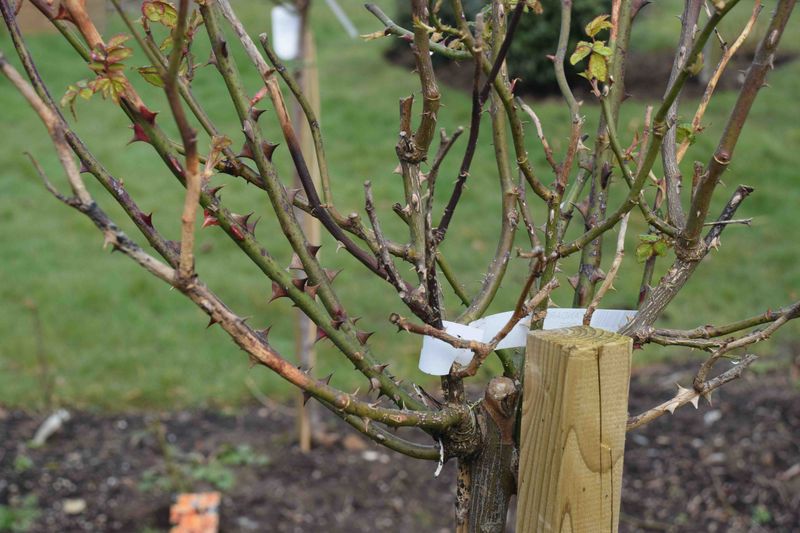
You can also watch the rose canes themselves for tiny red or green buds beginning to swell at the joints.
Getting the timing right encourages strong new canes, better airflow, and more blooms throughout the growing season. Texas summers are long and hot, so giving your roses the best possible start in late winter sets them up for months of beautiful flowers ahead.
2. Cutting Too Lightly Or Too Heavily
Walk into any Texas garden center in February, and you will likely hear two very different complaints from rose growers. One gardener barely snipped the tips off their roses and ended up with tall, leggy plants that produced weak blooms.
Another went overboard and cut their bushes down to almost nothing, leaving the plant struggling to recover before summer heat arrived.
Both extremes cause real problems. Cutting too lightly, sometimes called feather pruning, leaves too much old wood on the plant.
Your Texas Garden Changes Every Week. Your Plan Should Too.
Gardening in Texas changes quickly throughout the season. Every Friday you’ll receive a simple weekly plan showing exactly what to plant, prune, fertilize, harvest, and protect so you never miss the right timing.
Old canes tend to produce fewer blooms and make the plant look overgrown and messy. On the other hand, cutting too heavily removes too much healthy growth at once, which stresses the plant and slows recovery.
The sweet spot for most Texas rose varieties is removing about one-third of the total plant height and width.
For hybrid teas and grandifloras, many local master gardeners suggest cutting plants down to about 18 to 24 inches tall during the main winter pruning. This encourages vigorous branching and gives the plant a clean, open structure.
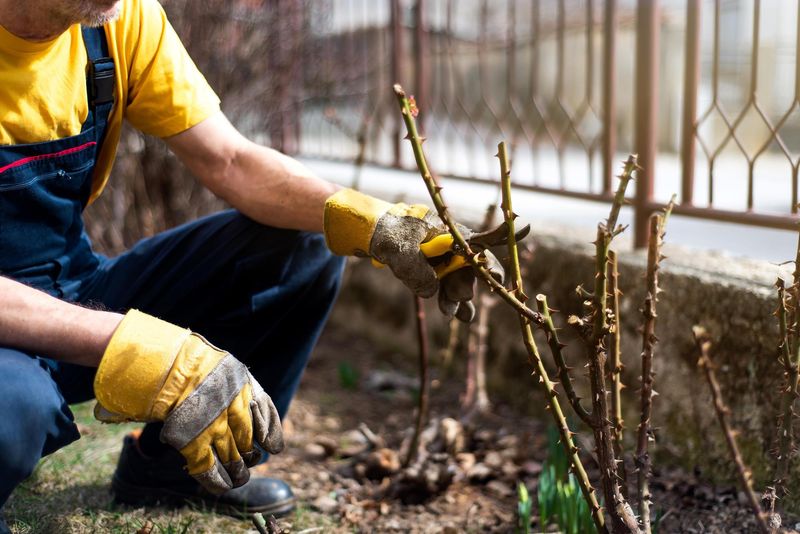
When making each cut, aim for a spot just above an outward-facing bud eye. These are the small, slightly raised bumps you can see along the cane.
Cutting about a quarter inch above the bud at a 45-degree angle helps water run off and reduces the chance of stem rot setting in.
Practicing consistent, balanced cuts each year trains your rose bushes to grow stronger and produce more flowers. Texas roses that get proper pruning year after year tend to reward gardeners with fuller, more colorful blooms season after season.
3. Ignoring Dry Or Diseased Wood
Picture this: you head out to prune your roses on a warm February morning in Austin, and you notice several canes that look brown, shriveled, or spotted with dark patches.
Ignoring those problem areas and only trimming the healthy parts is one of the most common mistakes rose gardeners across Texas make every single year.
Dry and diseased canes are a serious drain on your plant. They do not produce blooms, and they pull energy away from the healthy parts of the bush that could be pushing out new growth.
Worse, leaving diseased wood in place creates a breeding ground for fungal spores and insects that can spread to the rest of your garden.
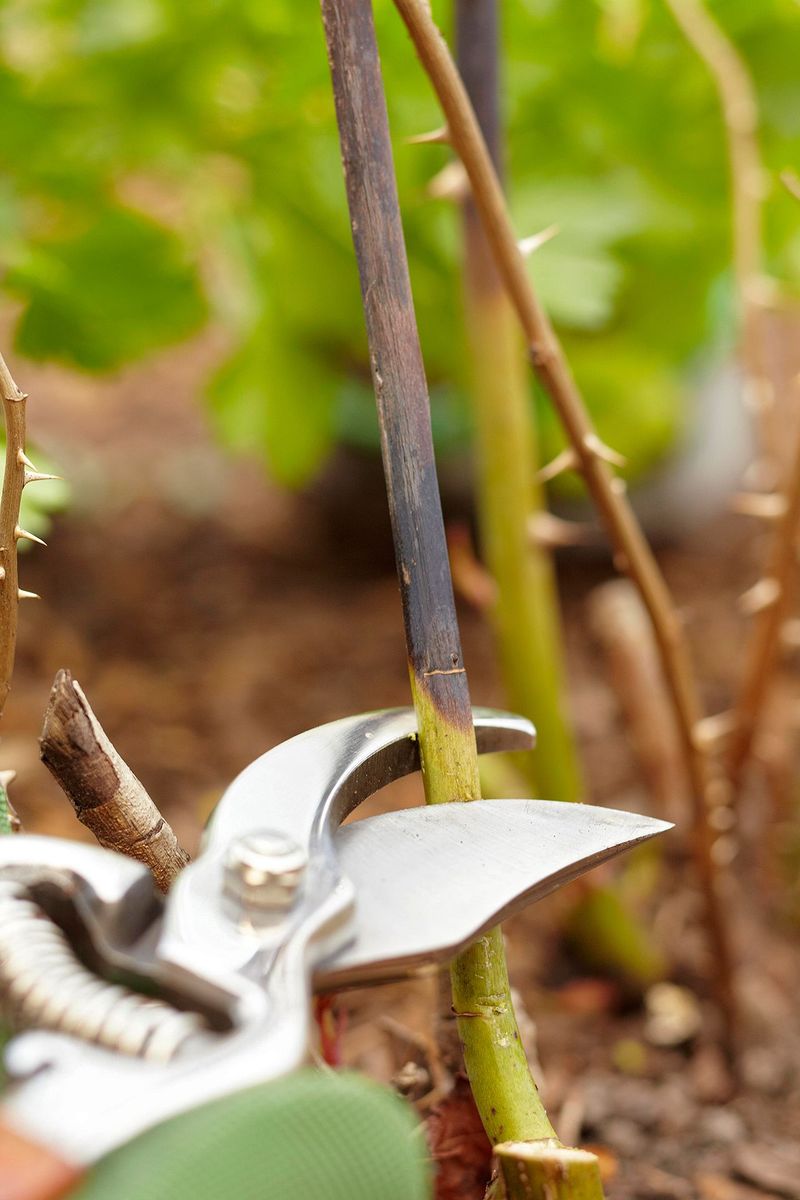
Always start your pruning session by doing a full inspection of the plant. Look for canes that are brown or gray all the way through when you make a test cut.
Healthy canes show white or light green centers. Any cane that looks hollow, mushy, or discolored from the inside should come off completely, cut down to the base or to a point where the center looks healthy and white.
Black spot is one of the most common rose diseases in Texas, and it can survive the winter on infected canes.
Removing those canes during pruning reduces the amount of disease that gets carried into the new growing season. Dispose of diseased clippings in the trash rather than your compost pile to stop the spread.
Taking the time to remove dry and diseased wood first makes the rest of your pruning session much easier and gives your Texas roses a genuinely fresh start every spring.
4. Leaving The Center Of The Plant Too Crowded
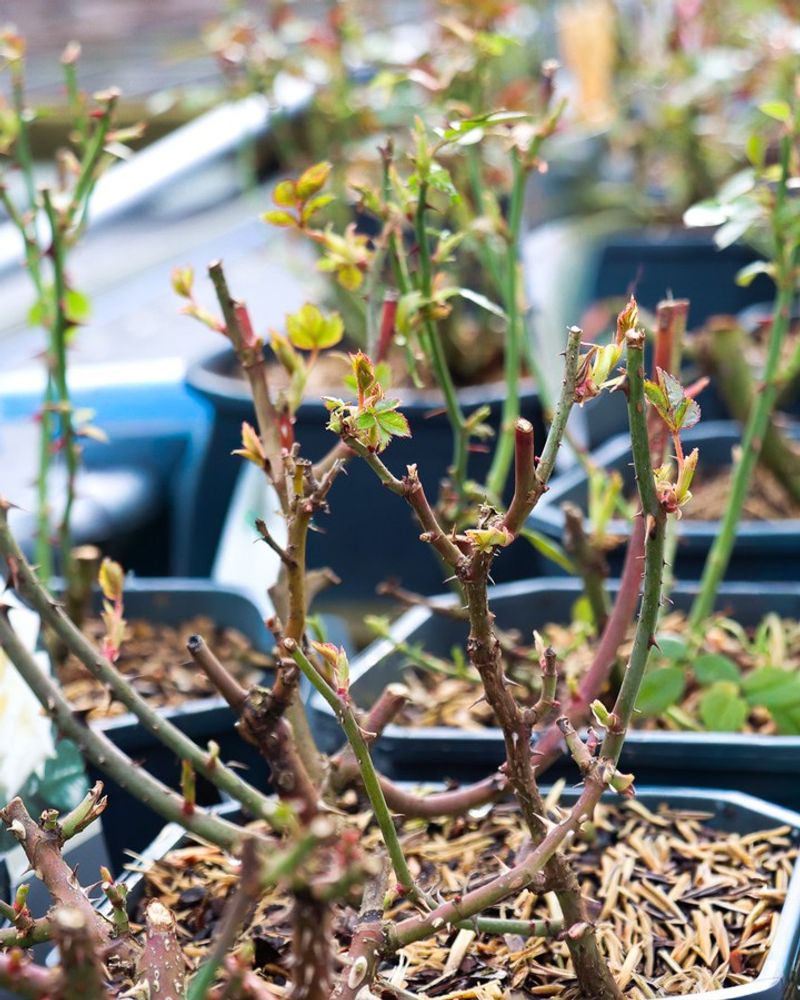
Texas humidity is no joke, especially in cities like Houston, Beaumont, and Corpus Christi. When you leave the center of your rose bush packed with crisscrossing canes and dense foliage, you are creating exactly the kind of warm, moist environment that fungal diseases love.
Black spot and powdery mildew thrive in crowded, poorly ventilated plants, and both are extremely common rose problems across the state.
The goal of pruning is not just to make your plant shorter. It is also to shape it into what rose growers call a vase or cup structure.
Imagine looking down at your rose bush from above and seeing an open circle in the middle, with canes growing outward and upward from the edges. That open center allows sunlight to reach all parts of the plant and lets air move freely through the branches.
To achieve this shape, remove any canes that are growing toward the center of the plant rather than away from it. Also take out any canes that cross over each other, since they can rub together and create wounds that invite disease.
If two canes are growing parallel and very close together, keep the stronger one and remove the weaker one.
Thin out the center of your rose bush until you can comfortably pass your hand through it without bumping into stems. It might feel like you are removing too much at first, but the plant will quickly push out new growth in the right directions once the center is opened up.
Texas gardeners who consistently prune for an open center notice far fewer disease problems and much stronger blooms throughout the long, hot summer growing season.
5. Using Dull Or Dirty Pruning Tools
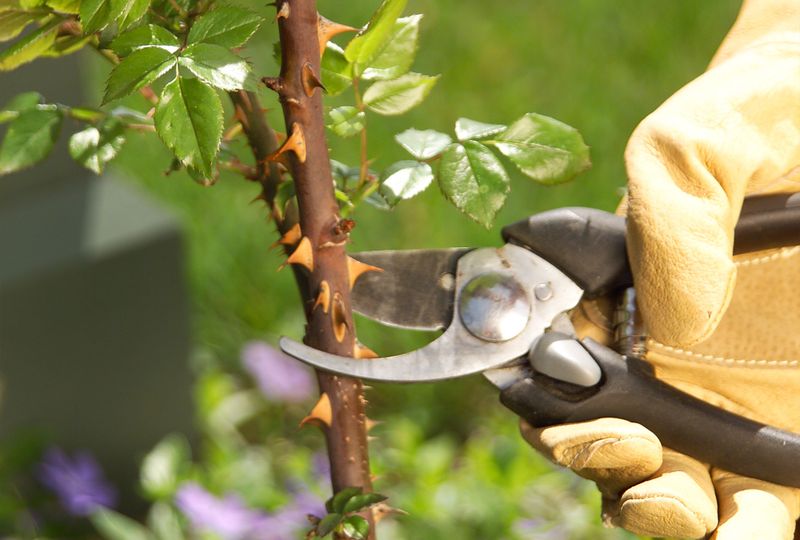
Ask any experienced Texas rose grower what one tool they absolutely cannot prune without, and most will say a sharp, clean pair of bypass pruners.
Yet one of the most overlooked mistakes gardeners make is reaching for old, rusty, or dull shears without giving them a second thought. The condition of your tools matters just as much as the technique you use.
Dull blades do not cut cleanly through rose canes. Instead, they crush and tear the stem tissue, leaving ragged edges that take much longer to heal.
Those rough cuts also give fungal spores and bacteria an easy entry point into the plant. In Texas, where warm temperatures create ideal conditions for plant diseases, a messy cut can quickly turn into a serious problem.
Dirty tools carry an even sneakier risk. If you pruned a diseased plant last season without cleaning your shears, those same disease spores can still be living on the blades.
Every cut you make with contaminated tools has the potential to spread disease from one plant to another across your entire garden.
Before each pruning session, wipe your shears down with rubbing alcohol or a diluted bleach solution made from one part bleach to nine parts water. Let them air dry before making your first cut.
Sharpen your blades with a whetstone or a pruner-specific sharpening tool at the start of each season, and touch them up as needed throughout the year.
Investing in a quality pair of bypass pruners and keeping them clean and sharp is honestly one of the simplest ways Texas gardeners can protect their roses and get better results every single pruning season.
6. Forgetting Post-Pruning Care
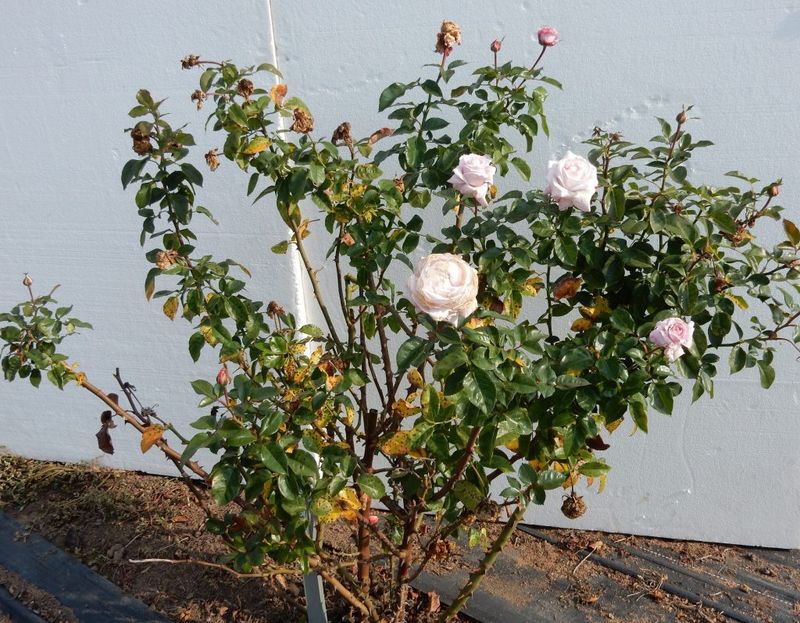
Finishing up your pruning session and putting your tools away feels like the end of the job, but for Texas roses, it is really just the beginning.
Many gardeners invest time and effort into careful pruning and then walk away without giving their plants the follow-up care they need to bounce back strong. That missing step can undo a lot of the good work you just did.
Right after pruning, apply a fresh layer of mulch around the base of each rose bush. Aim for about two to three inches deep, keeping the mulch a few inches away from the main canes to prevent moisture buildup against the stems.
Mulch helps the soil hold moisture during Texas dry spells and keeps soil temperatures more stable as spring warms up.
Wait until you see new growth pushing out before applying fertilizer. Feeding too soon after pruning, before the plant has started actively growing again, can cause more harm than good.
Once you spot those first tiny leaves unfurling, a balanced rose fertilizer or a slow-release granular formula works great for getting Texas roses off to a strong start.
Watering consistently in the weeks after pruning is also important. Deep, infrequent watering encourages roots to grow deeper into the soil, which helps roses handle the intense Texas summer heat much better.
Water at the base of the plant rather than overhead to keep the foliage dry and reduce the risk of fungal problems.
Checking your roses weekly after pruning lets you catch any early signs of disease or pest activity before they become bigger problems. A little attention after pruning goes a long way in keeping Texas rose gardens thriving all season long.