These 7 Plants Are Being Banned In More Texas Counties
Something is quietly shifting in the Texas gardening world, and a lot of homeowners are only finding out about it when it’s too late.
Plants that have been sitting in yards and garden beds for years are showing up on restricted and banned lists across more and more Texas counties, and the reasons behind it are more serious than most people realize.
This isn’t about bureaucracy for the sake of it. Some of the most commonly sold plants at big box stores and nurseries have been spreading beyond garden borders, crowding out native species, disrupting local ecosystems, and proving nearly impossible to control once they get established in the wild.
Texas has enough environmental pressure without adding aggressive invasive plants to the mix.
The tricky part is that many of these plants look completely harmless, and some of them are genuinely beautiful. Knowing which ones are on the list could save you a serious headache down the road.
1. Giant Salvinia
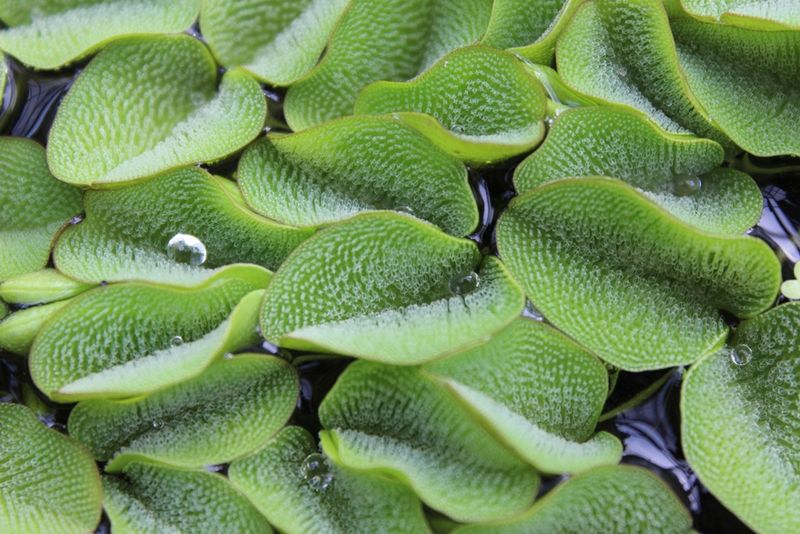
Picture a Texas lake completely covered in a thick green carpet with no open water in sight. That is exactly what Giant Salvinia can do, and it does it fast.
This floating aquatic fern is one of the most aggressive invasive plants found in Texas waterways today.
Giant Salvinia is listed as a federally noxious weed, which means the government takes its spread very seriously. It can double in size in less than two weeks under the right conditions. That kind of growth rate is almost impossible to keep up with once it gets started.
In Texas, counties with lakes, ponds, and rivers are especially at risk. The plant smothers the water surface, blocking sunlight from reaching underwater plants and reducing oxygen levels for fish and other wildlife.
Many counties now have strict rules about transporting boats or equipment that may carry it.
If you boat, fish, or swim in Texas waters, you play a big role in stopping the spread. Always clean your gear, drain your boat, and dry everything before moving to a new body of water. Even a tiny piece of this fern can start a new infestation.
Several East Texas counties have already reported serious infestations. Texas Parks and Wildlife actively monitors and treats affected water bodies.
The earlier an infestation is caught, the better the chances of controlling it before it takes over completely.
2. Arundo / Giant Reed
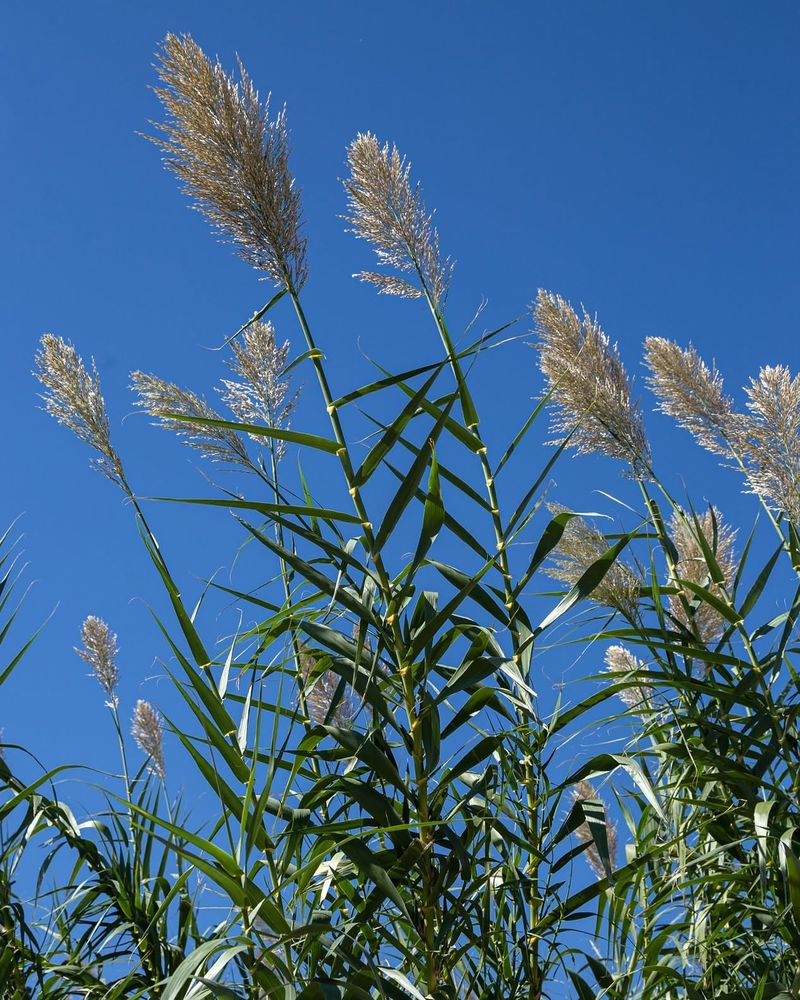
Standing up to 30 feet tall, Giant Reed looks almost like bamboo from a distance. But do not let its impressive height fool you.
Along Texas rivers and streams, this plant is considered one of the most destructive invasive species in the entire state.
Arundo donax spreads through underground stems called rhizomes, which makes it incredibly hard to remove once it gets established. Even after cutting it down, new shoots can push back up from the roots within days.
Many landowners who have tried to clear it say it feels like a never-ending battle. The plant is especially problematic along the Rio Grande and other major Texas waterways. It crowds out native vegetation that wildlife depends on for food and shelter.
Your Texas Garden Changes Every Week. Your Plan Should Too.
Gardening in Texas changes quickly throughout the season. Every Friday you’ll receive a simple weekly plan showing exactly what to plant, prune, fertilize, harvest, and protect so you never miss the right timing.
It also increases the risk of flooding by narrowing river channels and reducing water flow. Multiple Texas counties are now actively working to restrict and remove Giant Reed.
It appears on the Texas Invasive Species list, and many local governments have joined statewide programs to fight its spread. Funding for removal efforts has grown significantly in recent years.
If you spot Giant Reed along a Texas creek or riverbank, report it to your local county extension office or Texas Parks and Wildlife. Early reporting makes a huge difference.
The faster crews can respond, the more native habitat can be saved before this towering invader takes complete control of the area.
3. Saltcedar / Tamarisk
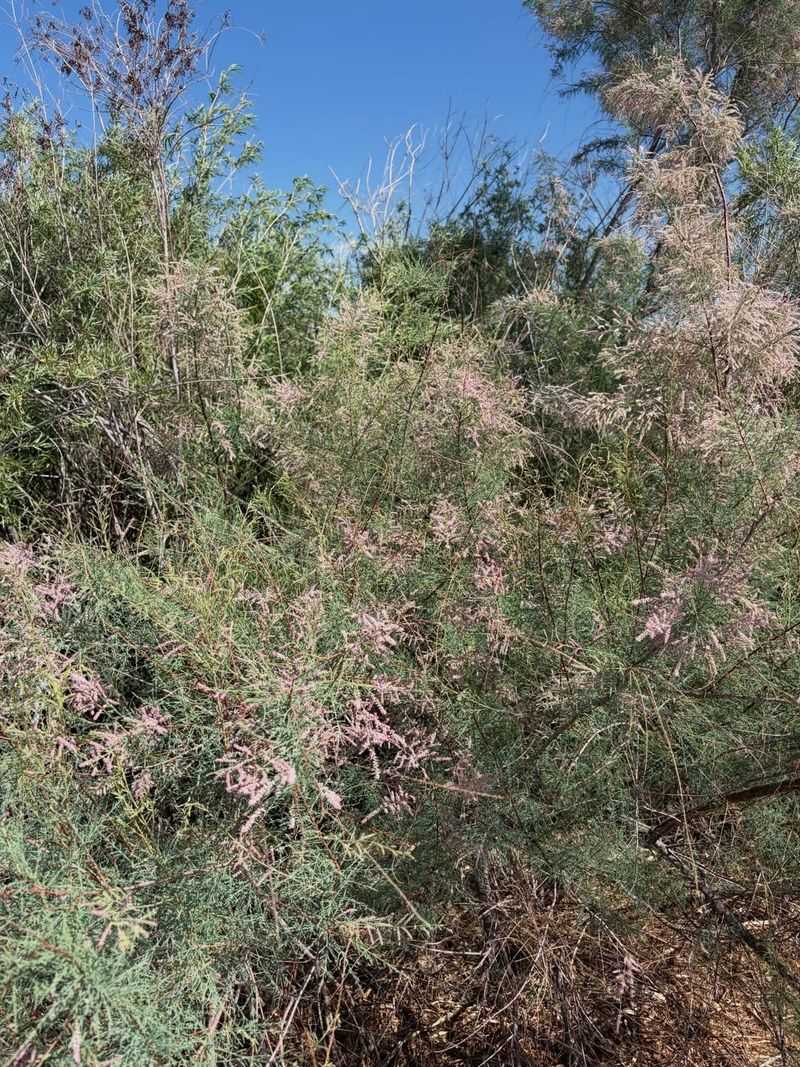
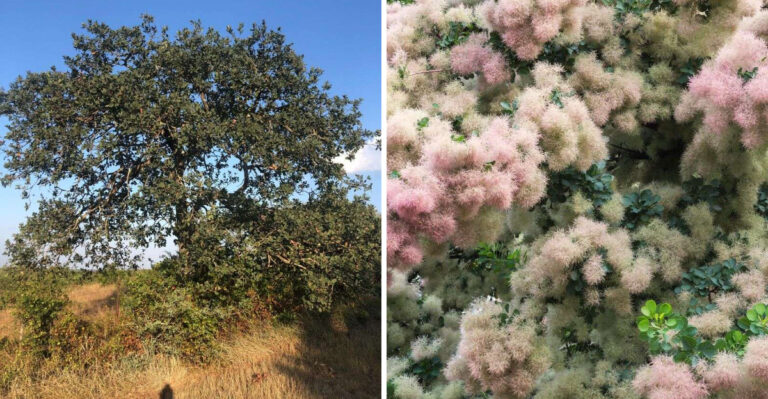
Saltcedar might look pretty with its feathery pink flowers, but underneath that soft appearance lies one of the thirstiest plants in Texas.
A single mature saltcedar tree can absorb up to 200 gallons of water per day. In a state where water is precious, that is a serious problem.
Also known as Tamarisk, this invasive shrubby tree is listed on the Texas Department of Agriculture Noxious Weed list.
It has spread across river floodplains, lake edges, and irrigation canals throughout Texas. Once it moves in, native trees like cottonwood and willow struggle to survive alongside it.
Saltcedar also changes the soil around it. It pulls salt up through its roots and deposits it on the ground through fallen leaves.
Over time, this raises soil salinity to levels that most native plants simply cannot tolerate. The result is large areas of land where very little else can grow.
Control and removal programs are expanding across Texas counties, especially in West Texas and along the Pecos River corridor. Biological control methods using beetles that feed on saltcedar have shown some promise.
However, complete removal still requires a combination of physical, chemical, and biological treatments.
Property owners in affected Texas counties should check local regulations, as some areas now require active management of saltcedar on private land.
Staying informed about county-level rules is the best way to stay ahead of any legal responsibility and help protect local water supplies.
4. Chinese Tallow Tree
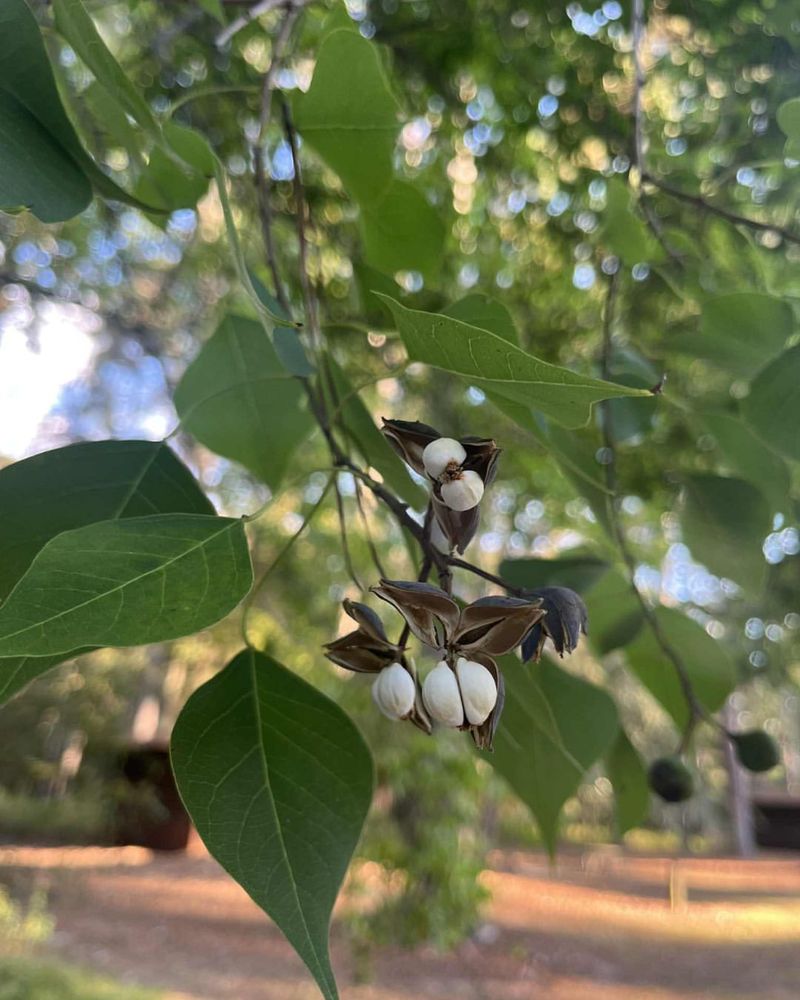
Walk through almost any wooded area in East or Central Texas and you will likely spot a Chinese Tallow Tree without even knowing it.
These trees have pretty heart-shaped leaves that turn red in the fall, which makes them look harmless and even attractive. But looks can be very deceiving.
Chinese Tallow is officially listed as a Texas noxious weed, and for good reason. It spreads aggressively into fields, forests, and wetlands, pushing out native oaks, pecans, and wildflowers that Texas ecosystems depend on.
One tree can produce thousands of seeds each year, and birds love to eat and spread them far and wide.
Originally brought to the United States from China for use in making soap and candles, this tree found Texas conditions absolutely perfect for rapid growth.
It thrives in a wide range of soils and can handle both wet and dry conditions. That flexibility is a big part of why it is so hard to contain.
County-level restrictions on Chinese Tallow are growing across Texas, particularly in the Gulf Coast region and the Piney Woods area.
Some counties now prohibit the sale, transport, or planting of this tree entirely. Nurseries and landscapers in these areas are required to offer alternatives instead.
If you have Chinese Tallow on your property, contact your local Texas A&M AgriLife Extension office for guidance on safe removal. Acting quickly can help prevent seeds from spreading to neighboring land and keeps native Texas plant communities healthier for years to come.
5. Musk Thistle
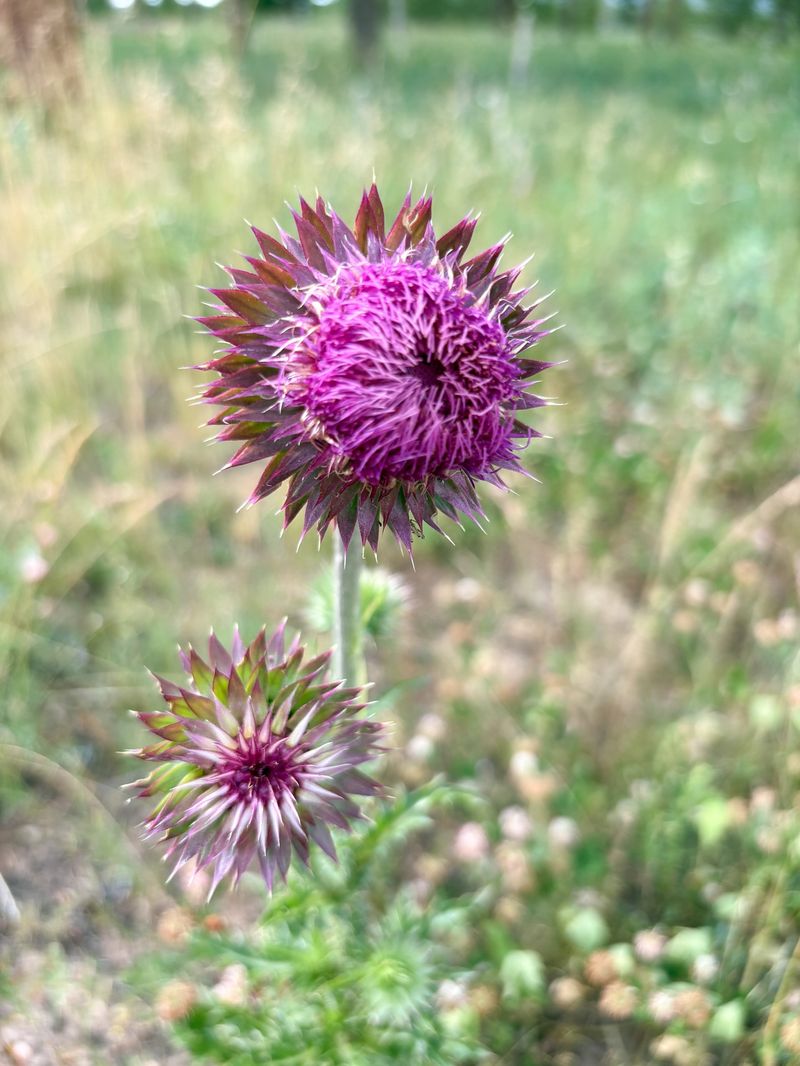
Farmers and ranchers across Texas know the frustration of waking up to find musk thistle taking over a pasture almost overnight.
This spiny, aggressive plant seems to appear out of nowhere and spreads faster than most people expect. It is one of the most complained-about noxious weeds throughout rural Texas counties.
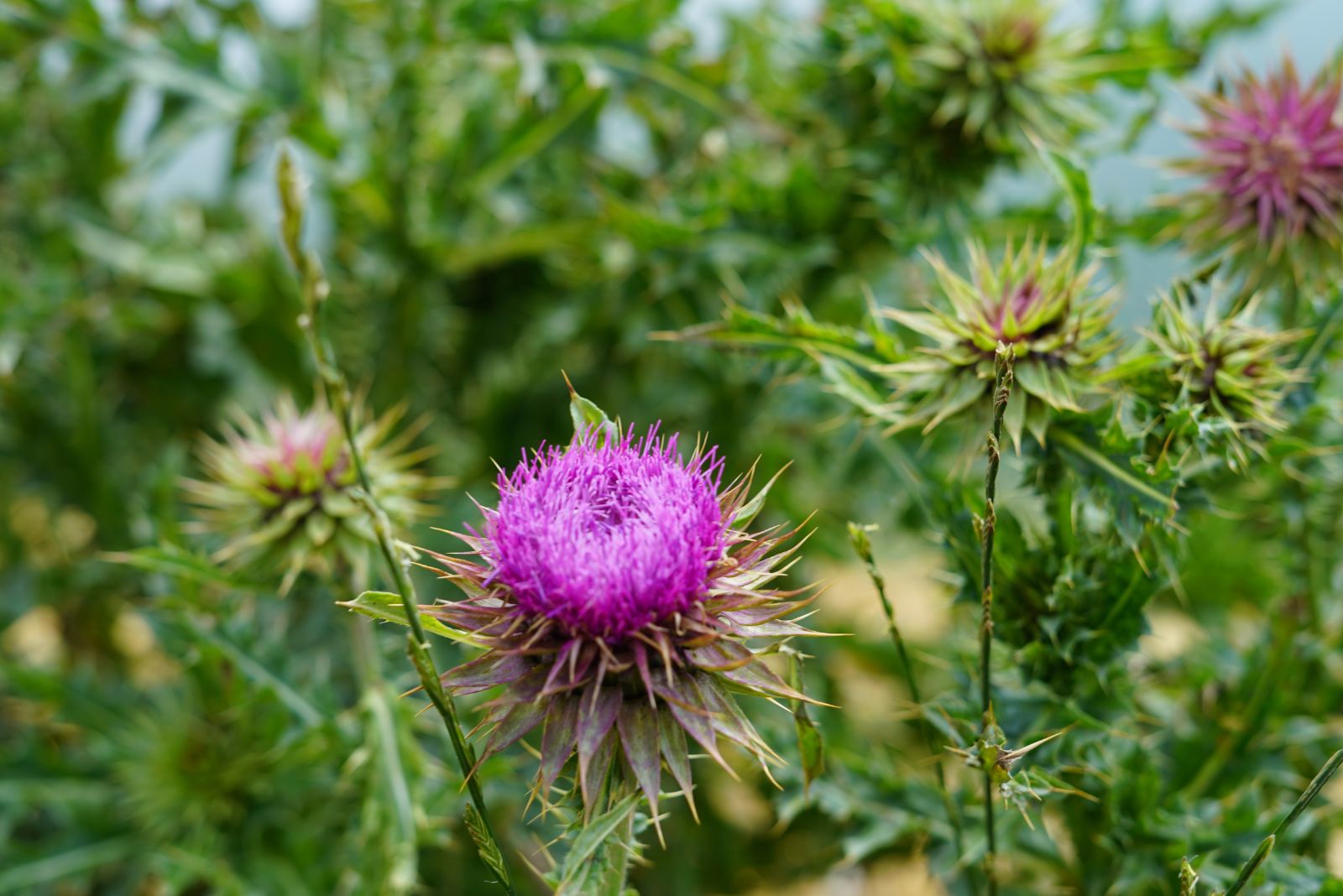
Musk Thistle is an official noxious weed under the Texas Department of Agriculture. As a biennial plant, it spends its first year as a low-growing rosette and then bolts upward in its second year, producing large purple flowers packed with seeds.
A single plant can release thousands of seeds that drift easily on the wind. Beyond being a nuisance to look at, musk thistle causes real economic harm. It takes over grazing land and reduces the amount of usable pasture available for livestock.
Cattle and horses generally avoid it due to its sharp spines, which means it spreads unchecked while native grasses get crowded out.
Texas counties are increasingly required to take action against musk thistle infestations. In some areas, landowners can actually be held legally responsible if thistle on their property spreads to neighboring land.
That makes early treatment not just a good idea but a potential legal obligation. Catching musk thistle in its first-year rosette stage is the most effective time to treat it. Herbicide applications during this stage are far more successful than trying to control mature plants.
Checking pastures and roadsides regularly throughout North and Central Texas is one of the smartest things a landowner can do.
6. Johnson Grass
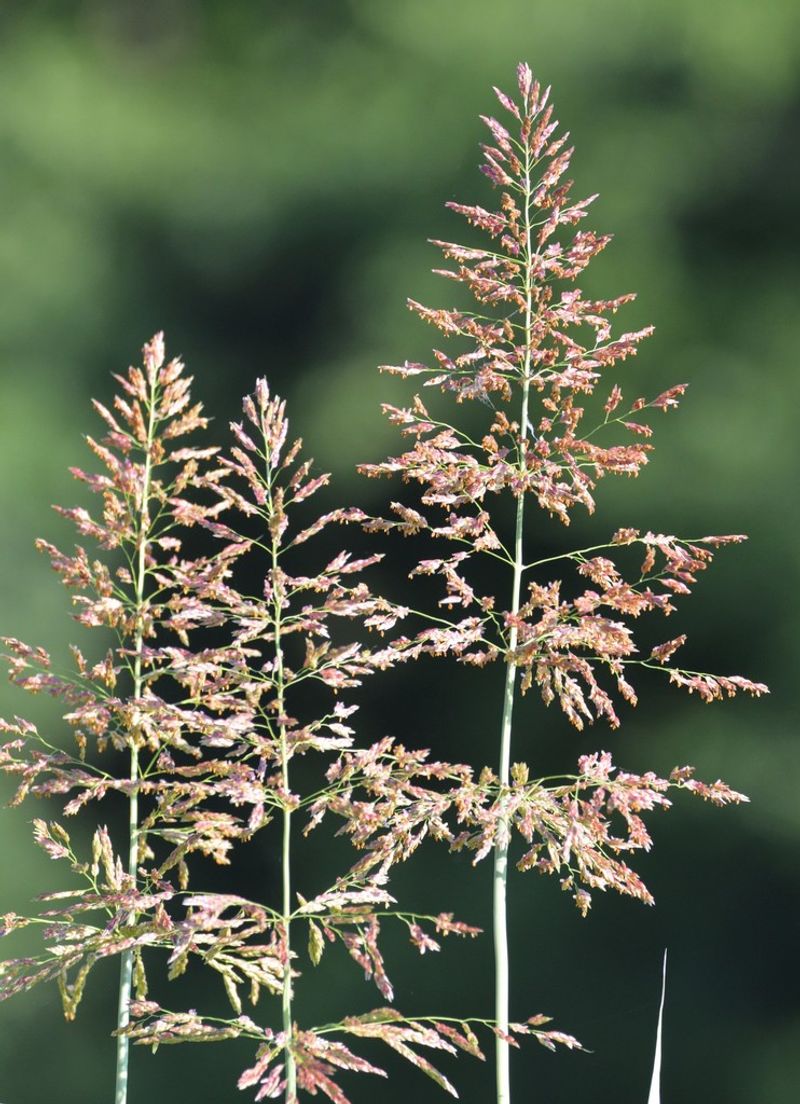
Ask any Texas farmer what weed keeps them up at night, and Johnson Grass will come up almost every time. This tall, aggressive grass has been a thorn in the side of Texas agriculture for generations.
It is officially listed as a noxious weed by the Texas Department of Agriculture and is restricted in counties across the state.
Johnson Grass was actually introduced to the United States in the 1800s as a forage crop. Over time, it escaped cultivation and spread into crop fields, roadsides, and pastures across the South.
Texas became one of the hardest-hit states, with infestations showing up in nearly every region from the Panhandle to the Gulf Coast.
What makes Johnson Grass so difficult to manage is its underground root system. It spreads through both seeds and rhizomes, meaning even after you remove the visible plant, the roots can push up new growth.
Farmers who have dealt with it say eradicating it completely from a field can take years of consistent effort.
In Texas, Johnson Grass competes directly with corn, sorghum, cotton, and other major crops. It reduces yields and can even become toxic to livestock under certain stress conditions. The financial impact on Texas agriculture runs into the millions of dollars each year.
Many Texas counties now have active management programs aimed at reducing Johnson Grass along public roadsides and waterways. Landowners are encouraged to treat infestations early and report large outbreaks to their county agricultural extension agent for guidance and support.
7. Hydrilla
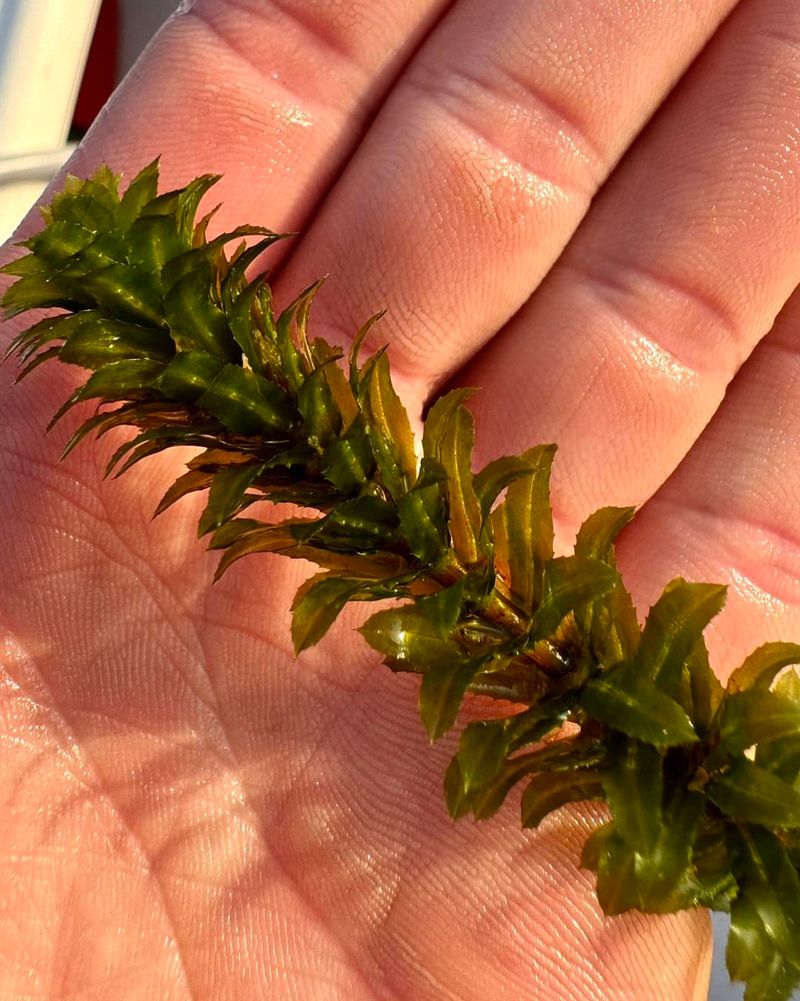
Beneath the surface of many Texas lakes and rivers, a silent invasion is happening. Hydrilla, one of the most aggressive aquatic weeds in the world, has taken hold in numerous Texas water bodies and is spreading fast.
You might not see it from the surface, but it is reshaping entire underwater ecosystems. Hydrilla is federally listed as a noxious weed and is actively regulated across Texas.
It grows almost entirely underwater, forming dense mats of tangled stems that can stretch from the lake bottom all the way to the surface.
These mats block sunlight, choke out native aquatic plants, and reduce oxygen levels in the water.
For boaters and anglers, Hydrilla is a major headache. It wraps around boat propellers, clogs fishing lines, and makes certain areas of a lake nearly impossible to navigate.
Some Texas lakes have seen significant drops in recreational use because of how thick the infestations have become in popular areas.
Texas Parks and Wildlife takes Hydrilla very seriously. The agency runs active monitoring and treatment programs at affected water bodies across the state.
Aquatic herbicide treatments and biological controls using grass carp have been used with varying levels of success depending on the lake.
Stopping the spread of Hydrilla starts with boaters taking responsibility. Always inspect your boat, trailer, and equipment before leaving any Texas water body.
Even a single tiny fragment of Hydrilla attached to your gear can start a brand new infestation in a previously clean lake or river.