The Best Month To Prune Hydrangeas In Pennsylvania Gardens
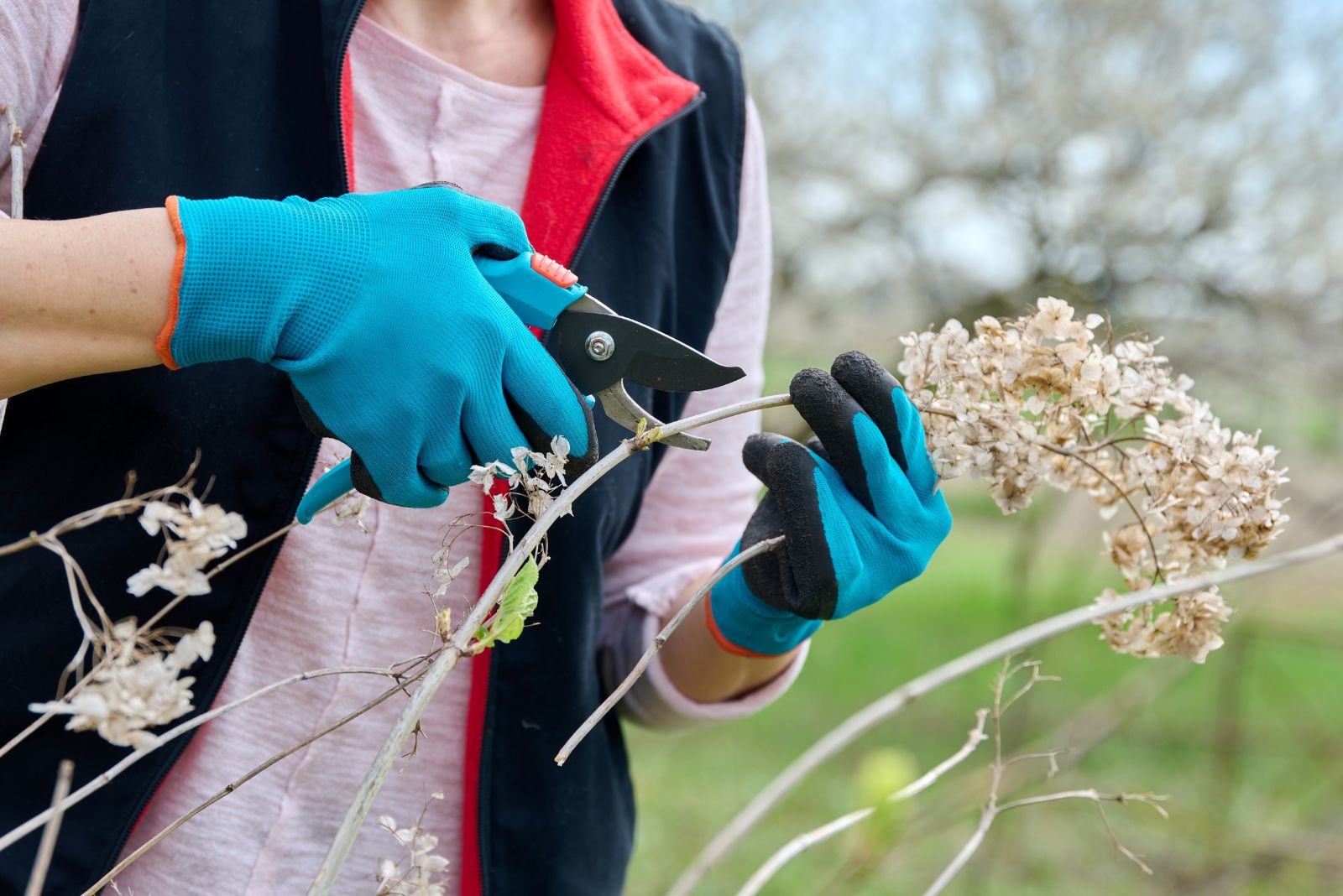
Have you ever looked at a hydrangea bush in your Pennsylvania garden and wondered when it is actually safe to prune it? Many gardeners hesitate before making the first cut because the timing can affect how well those beautiful blooms appear later in the season.
Hydrangeas are known for their large, colorful flower heads, but getting the best display often depends on knowing exactly when to trim them.
Prune too early and you might accidentally remove the buds that would have turned into summer flowers. Wait too long and the plant may waste energy on old growth that no longer serves a purpose.
Finding the right moment helps hydrangeas grow stronger while setting the stage for fuller blossoms.
Pennsylvania’s changing seasons play a big role in that decision. As winter fades and spring begins warming the soil, hydrangeas slowly wake up. Knowing the best month to prune them can lead to healthier plants and brighter blooms.
Why Timing Matters When Pruning Hydrangeas?
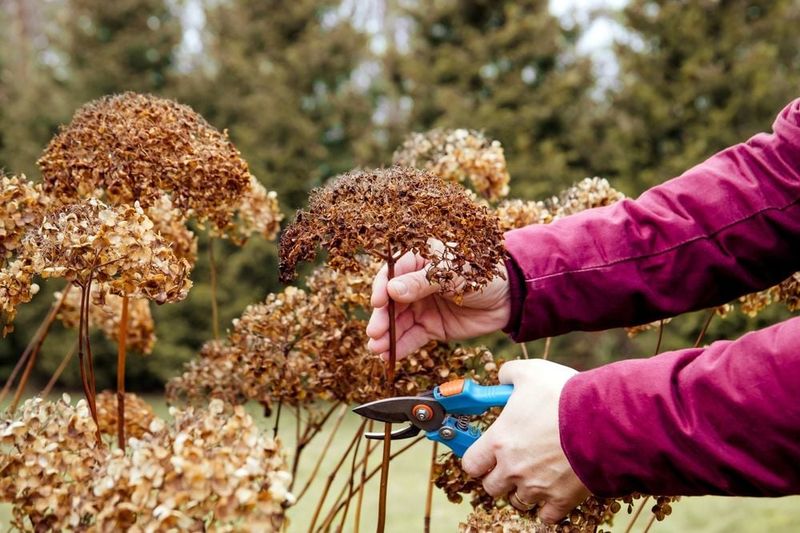
Most people think pruning is just about cutting plants back to make them look neat. But with hydrangeas, cutting at the wrong time can actually stop them from blooming for an entire season.
That is why timing is one of the most important parts of caring for these plants in Pennsylvania gardens. Hydrangeas are not all the same. Different species grow and bloom in different ways.
Some produce flowers on new wood, meaning the stems that grow during the current season.
Others bloom on old wood, meaning they set their flower buds on last year’s stems during the fall. If you cut those buds off in early spring, you will not see any flowers that summer.
Pennsylvania gardeners face a unique challenge because winters here can be cold and unpredictable. Frost can linger well into March, and sudden cold snaps in April are not uncommon.
Cutting too early can expose fresh cuts to freezing temperatures, which can stress the plant. Waiting until the worst cold has passed gives your hydrangeas a much better start.
Understanding your specific hydrangea type before picking up the pruning shears is the smartest move any Pennsylvania gardener can make.
Take a close look at your plant in late winter. Check for swollen buds along the stems. Notice where new growth seems to be starting.
These small signs can tell you a lot about what kind of hydrangea you have and when it should be pruned. Good timing means more blooms, healthier plants, and a garden you will be proud of all summer long.
The Best Month To Prune Hydrangeas In Pennsylvania
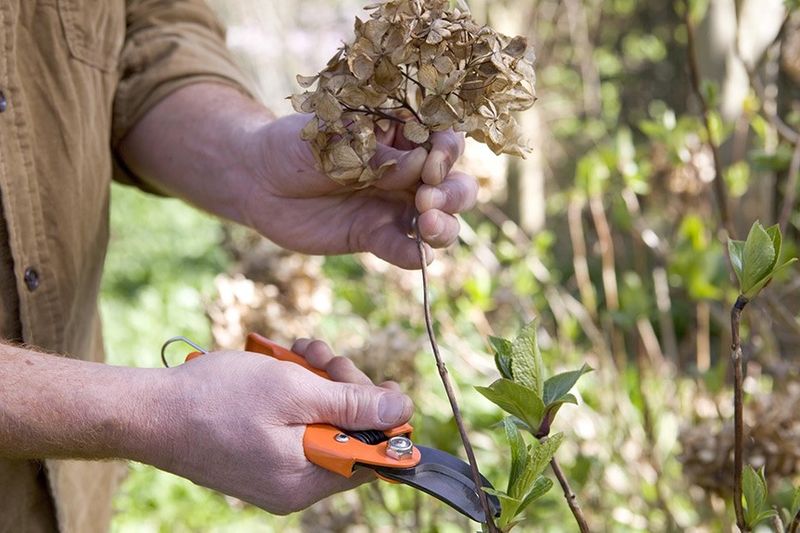
March is often called the sweet spot for pruning certain hydrangeas in Pennsylvania. By this time, the harshest winter weather is usually winding down, and the soil is beginning to wake up.
New buds start to swell on the stems, giving gardeners a clear signal that the growing season is getting ready to begin.
For hydrangeas that bloom on new wood, like panicle and smooth hydrangeas, late February through March is a great window for pruning. Cutting them back during this period encourages strong, vigorous new shoots to grow.
Your Pennsylvania Garden Changes Every Week. Your Plan Should Too.
Gardening in Pennsylvania changes quickly throughout the season. Every Friday you’ll receive a simple weekly plan showing exactly what to plant, prune, fertilize, harvest, and protect so you never miss the right timing.
Those new shoots are exactly what will carry this season’s flowers. Waiting until you can see the buds beginning to swell helps you avoid cutting back too far too soon.
Pennsylvania winters can sometimes hold on longer than expected. A late frost in early April is not unusual in many parts of the state, especially in central and northern Pennsylvania.
Because of this, many experienced gardeners prefer to wait until mid to late March before making any major cuts. Watching the weather forecast before you prune is always a good habit.
Knowing your local microclimate also helps. Gardens in southeastern Pennsylvania, near Philadelphia, tend to warm up a bit earlier than those in the Pocono Mountains or Erie region.
If you live in a colder part of the state, waiting until the first week of April may be a safer bet. No matter where you garden in Pennsylvania, paying attention to the signs your plants are giving you will always guide you better than the calendar alone.
Hydrangeas That Can Be Pruned In Early Spring
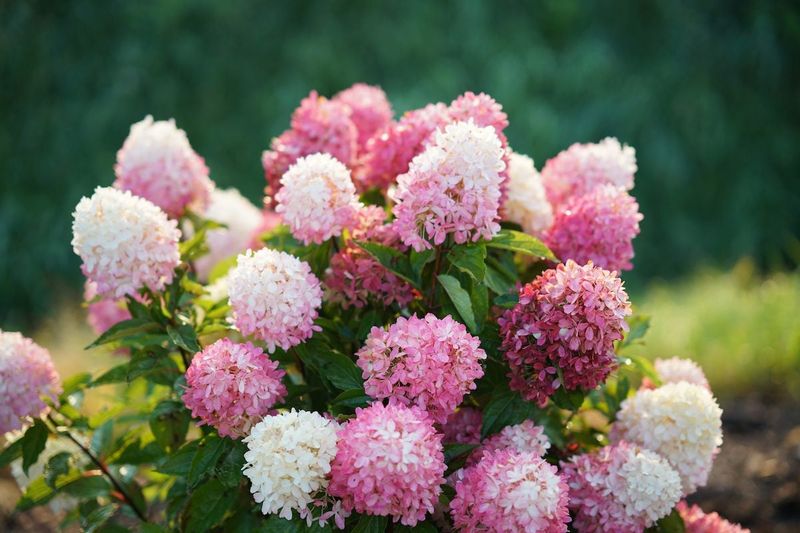
Not every hydrangea needs special treatment when it comes to pruning time. Panicle hydrangeas and smooth hydrangeas are two popular varieties that are actually very forgiving and easy to work with.
Both of these types bloom on new wood, which means they grow fresh stems each spring and produce flowers on those new stems.
Panicle hydrangeas, sometimes called Hydrangea paniculata, are one of the most common types found in Pennsylvania yards. They produce large cone-shaped flower clusters that turn from white to pink as the season goes on.
Because they bloom on new wood, cutting them back hard in late winter or early spring actually encourages them to push out stronger, bigger flower heads. Many gardeners in Pennsylvania cut these back by about one-third each spring for the best results.
Smooth hydrangeas, known as Hydrangea arborescens, follow the same pattern. The beloved Annabelle hydrangea is one of the most popular smooth hydrangeas grown across Pennsylvania.
These plants can handle a fairly aggressive cutback each spring. Cutting them to about 12 to 18 inches from the ground helps produce large, sturdy flower clusters that do not flop over in summer rain.
The key with both of these types is to wait until you can see the buds beginning to swell on the stems. That is your green light to start pruning.
Cutting before the buds swell risks exposing fresh wounds to a late frost. Once those buds start showing signs of life, grab your shears and get to work.
Early spring pruning for these varieties sets the stage for a spectacular summer bloom season in your Pennsylvania garden.
Hydrangeas That Should Be Pruned After Flowering
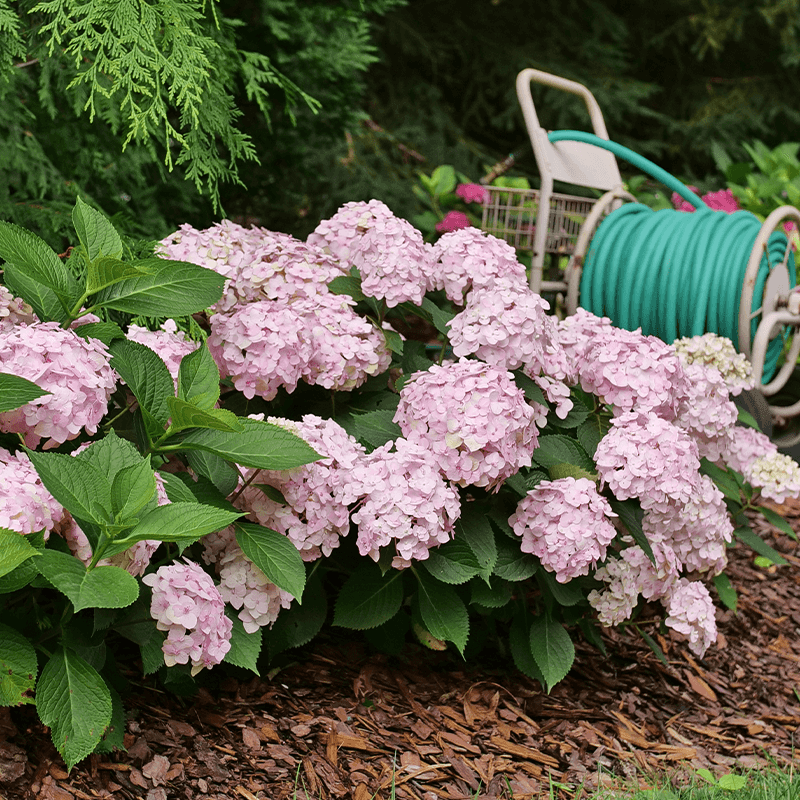
Here is something that surprises a lot of new gardeners in Pennsylvania: some hydrangeas should never be pruned in early spring. Bigleaf hydrangeas, also called Hydrangea macrophylla, are one of the most popular types in gardens across the state.
They are known for their big, round flower clusters in shades of pink, blue, and purple. But these beauties bloom on old wood, meaning the flower buds form on last year’s stems during the fall and wait through winter to open in summer.
If you prune bigleaf hydrangeas in March, you will cut off all those waiting flower buds. The plant will still grow and look healthy, but it will not bloom that year.
Many Pennsylvania gardeners have made this mistake without knowing it. The fix is simple: prune bigleaf hydrangeas right after they finish blooming, usually in late June or early July.
That gives the plant enough time to set new buds for the following year before cold weather arrives.
Oakleaf hydrangeas, or Hydrangea quercifolia, follow the same rule. These striking plants have large, oak-shaped leaves that turn deep red and orange in the fall, making them a favorite in Pennsylvania landscapes.
Pruning them right after their creamy white flowers fade in summer is the right approach. Avoid cutting them back in late fall or early spring.
A simple way to remember this rule is to think of old wood bloomers as needing a summer haircut, not a spring one. Mark your calendar for right after the blooms fade.
A quick trim at the right moment keeps these plants happy, healthy, and full of color year after year in your Pennsylvania garden.
Signs Your Hydrangeas Are Ready To Be Pruned
Forget the calendar for a moment. Your hydrangea plant will actually tell you when it is ready to be pruned if you know what to look for.
Learning to read these signs makes you a more confident and successful gardener, especially in a state like Pennsylvania where spring weather can be unpredictable from year to year.
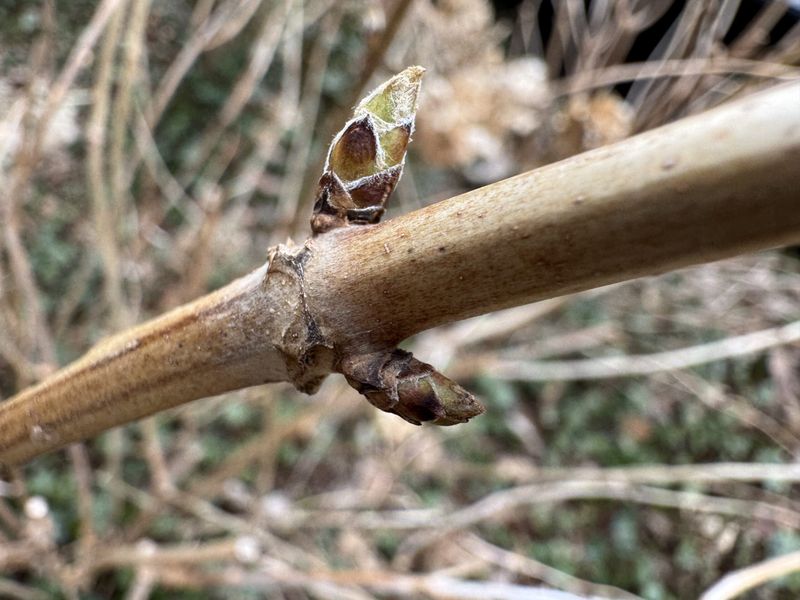
The most reliable sign is swollen buds. When you walk up to your hydrangea in late winter or early spring and notice small, plump bumps forming along the stems, that is the plant waking up.
Those buds are full of energy and ready to push out new leaves and flowers. Seeing them means the plant has survived winter and is actively preparing for the growing season. For new-wood bloomers, this is your cue to start pruning.
Another thing to check for is winter damage. Pennsylvania winters can be tough, and some stems may have been damaged by ice, heavy snow, or freezing temperatures.
Damaged stems often look gray, brittle, or hollow inside when you cut them. Removing these first is always a good idea, no matter what type of hydrangea you have. It clears out the dry weight and lets the plant focus its energy on healthy new growth.
Airflow is another thing to think about when pruning. Stems that cross over each other or grow toward the center of the plant can block air circulation, which sometimes leads to mold or mildew problems in humid Pennsylvania summers.
Removing a few of those crowded stems helps the plant breathe better. A little careful shaping goes a long way toward keeping your hydrangeas looking full, tidy, and blooming strong all season.
Care Tips After Pruning Hydrangeas
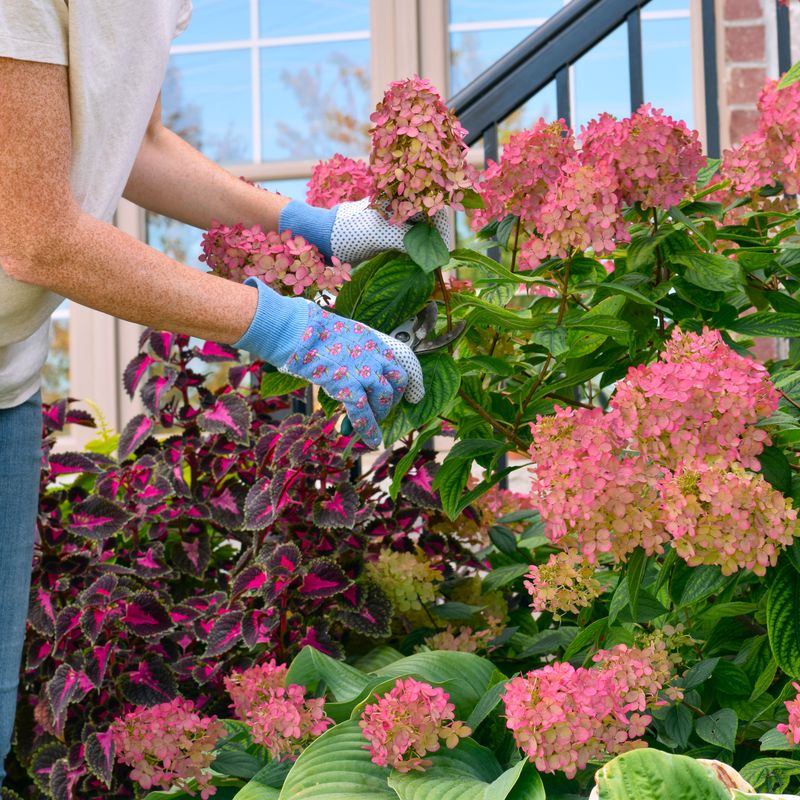
Pruning your hydrangeas is just the beginning. What you do right after pruning plays a big role in how well your plants grow and bloom throughout the season.
A little extra care in the weeks following a good pruning session can make a noticeable difference in your Pennsylvania garden.
Feeding your hydrangeas after pruning is a smart step. Once you start to see new growth pushing out from the stems, that is a good time to apply a balanced, slow-release fertilizer or a layer of compost around the base of the plant.
Avoid fertilizing too early, before new growth appears, since the plant is not yet actively using nutrients. A spring feeding gives your hydrangeas the fuel they need to grow strong stems and produce large, healthy blooms.
Mulching is another easy win for Pennsylvania gardeners. Spreading two to three inches of organic mulch, like shredded bark or wood chips, around the base of your hydrangeas helps hold moisture in the soil, keeps the roots cool during hot summer days, and slowly adds nutrients back into the ground as it breaks down.
Keep the mulch a few inches away from the base of the stems to prevent moisture buildup right against the plant.
Keep a close eye on your hydrangeas throughout spring. New growth can be tender and vulnerable to a late frost, which is still possible in many parts of Pennsylvania even in April.
If frost is in the forecast after you have pruned, cover your plants overnight with a light cloth or frost blanket. Staying attentive during those early spring weeks gives your hydrangeas the best possible start and sets them up for a stunning summer display.