8 Long Blooming Flowers That Thrive In Pennsylvania Summer Heat
Who decided that summer gardens in Pennsylvania had to peak in June and spend the rest of the season looking tired?
It happens in yards all across the state every single year – a stunning spring show followed by a slow, colorless fade through July and August that nobody planned for but somehow everyone accepts as inevitable.
It doesn’t have to go that way. The issue isn’t Pennsylvania summers, which are genuinely warm enough to support impressive blooming well into fall.
The issue is plant selection, specifically choosing flowers that are built to keep going through heat and humidity rather than ones that put on a spring performance and then quietly check out when temperatures climb.
There’s a whole lineup of flowers that bloom for weeks and months at a stretch through Pennsylvania’s hottest period, holding their color, producing new blooms consistently, and making the summer garden look as good as the spring one did.
1. Purple Coneflower
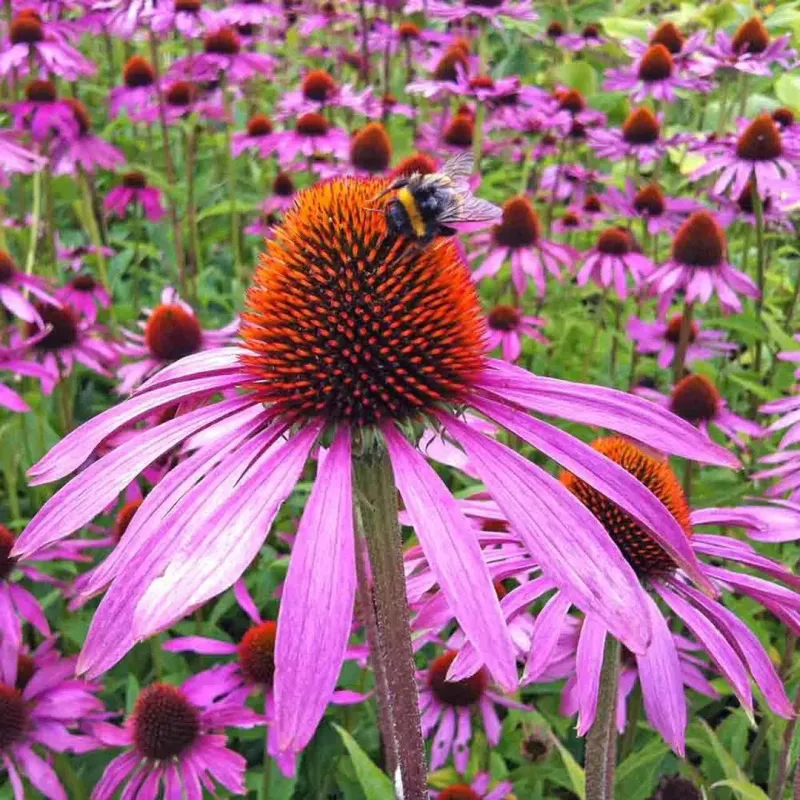
Walk through any thriving Pennsylvania garden in July and you are almost guaranteed to spot the cheerful, spiky blooms of purple coneflower.
Also known as Echinacea, this native wildflower has been growing across the eastern United States for centuries. It knows exactly how to handle heat, drought, and humidity without skipping a beat.
Purple coneflower blooms from early summer through early fall, giving you a solid three to four months of color. The petals droop slightly downward from a bold orange-brown center, creating a look that is both wild and elegant.
Bees, butterflies, and even goldfinches are drawn to it like a magnet. One of the best things about this plant is how little it asks of you. Plant it in full sun and well-drained soil, water it while it gets established, and then mostly leave it alone.
It is drought-tolerant once rooted and rarely needs fertilizing. In Pennsylvania, it handles the summer humidity far better than many other flowering plants.
You can find purple coneflower in shades beyond the classic lavender-pink, including white, orange, and deep red.
Deadheading spent blooms can encourage more flowers, but leaving seed heads in place through winter feeds birds and adds visual interest. It is a low-maintenance, high-reward plant that every Pennsylvania gardener should have.
2. Black-Eyed Susan
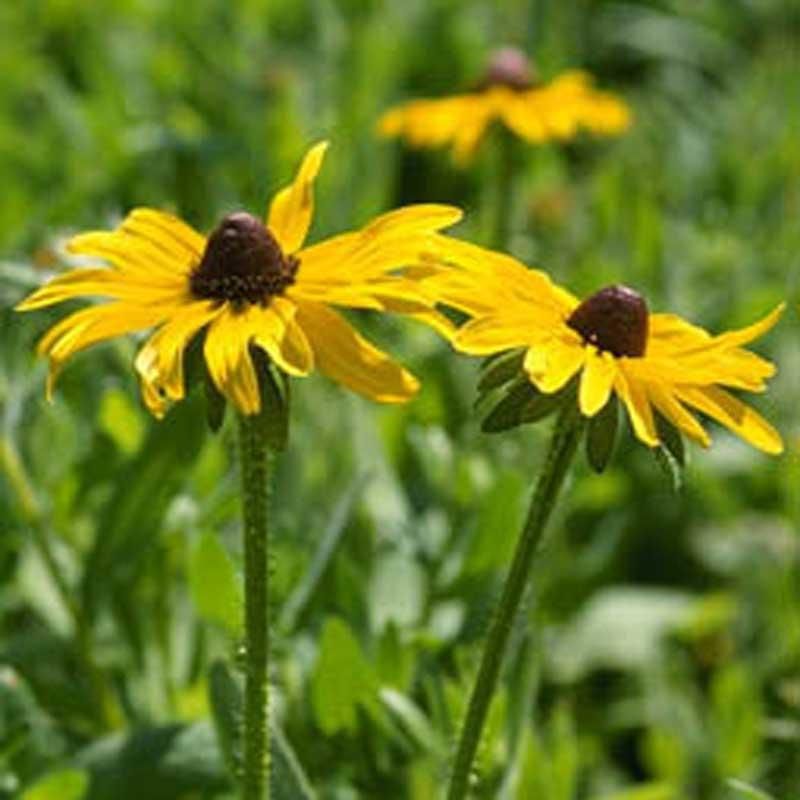
Few flowers say “Pennsylvania summer” quite like the bold, golden blooms of Black-Eyed Susan.
This cheerful wildflower pops up along roadsides, meadows, and backyard gardens from June through October, making it one of the longest-blooming options available to local gardeners.
Its bright yellow petals surrounding a dark chocolate-brown center are instantly recognizable and endlessly charming.
What makes Black-Eyed Susan so popular is its no-fuss personality. It thrives in full sun and tolerates poor, dry soil with ease.
Once established in a Pennsylvania garden, it can handle summer heat waves without wilting or losing its color. You do not need to water it constantly or fuss over fertilizer schedules.
This plant is also a magnet for pollinators. Bees and butterflies visit the blooms regularly, making it a great choice for anyone who wants to support local wildlife.
Your Pennsylvania Garden Changes Every Week. Your Plan Should Too.
Gardening in Pennsylvania changes quickly throughout the season. Every Friday you’ll receive a simple weekly plan showing exactly what to plant, prune, fertilize, harvest, and protect so you never miss the right timing.
Birds enjoy the seed heads in late fall and winter, so consider leaving some standing after the blooming season wraps up.
Black-Eyed Susan works beautifully in borders, cottage gardens, and naturalized areas. It self-seeds freely, so you may find new plants popping up nearby each year.
Deadheading spent flowers can extend the bloom period even further. For gardeners across Pennsylvania looking for reliable summer color with almost zero effort, this flower is a genuine standout.
3. Zinnia
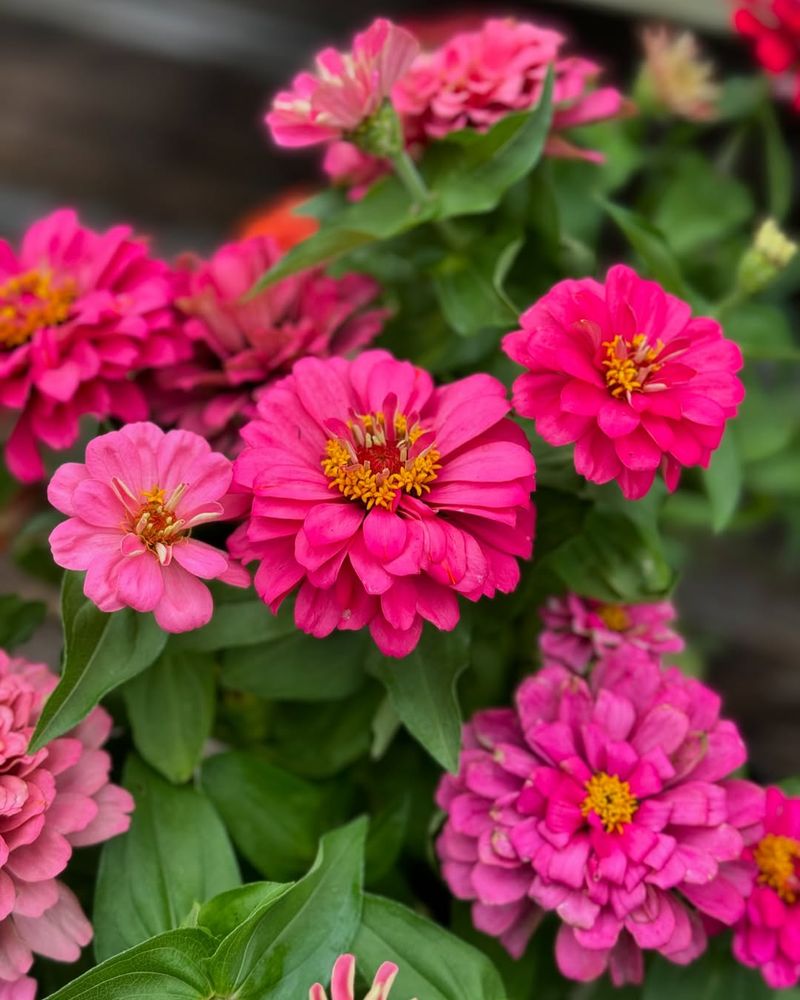
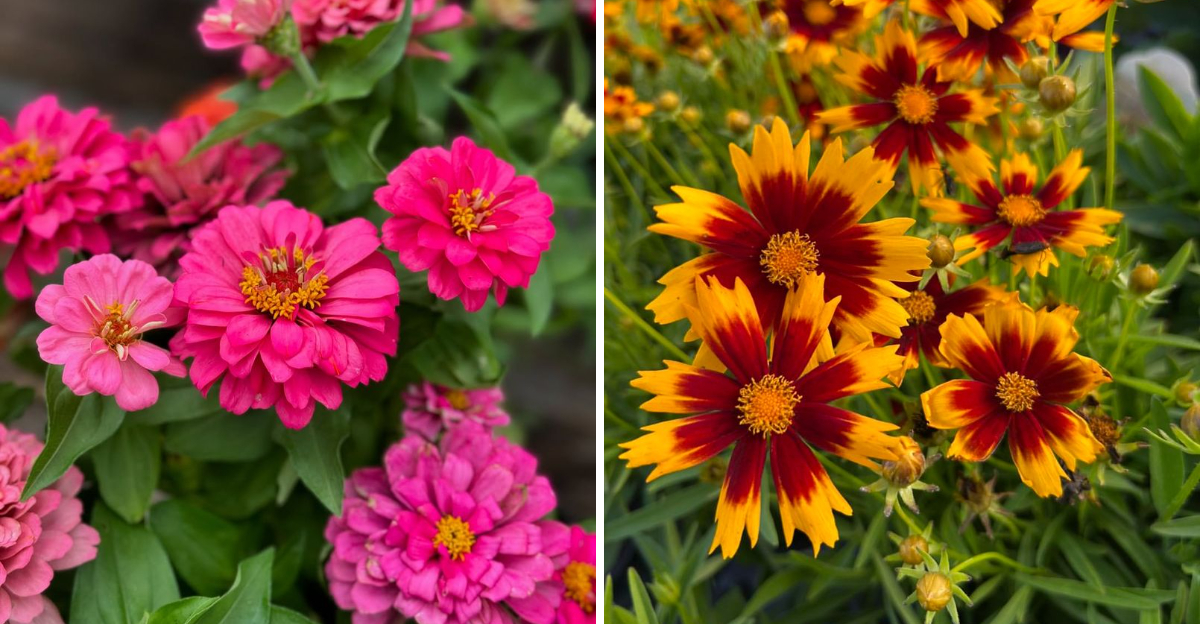
If you want fast color and lots of it, zinnias are your answer. These cheerful annuals go from seed to full bloom in about eight weeks, and once they start flowering, they barely stop until the first frost hits Pennsylvania in the fall.
They come in almost every color imaginable, from hot pink and fire-engine red to soft white and two-toned varieties that look almost painted.
Zinnias absolutely love heat. The hotter and sunnier your Pennsylvania garden gets in July and August, the happier these flowers become.
They do not sulk in the humidity the way some delicate annuals do. Plant them in a spot with full sun and decent drainage, and they will reward you generously all season long.
Deadheading is the secret to keeping zinnias blooming nonstop. When you snip off spent flowers, the plant puts its energy into producing new buds instead of setting seed.
Even cutting fresh flowers for a vase encourages more blooms to follow. They make excellent cut flowers that last well in a vase.
Zinnias also attract butterflies in large numbers, which adds extra life and movement to your garden. They are easy to grow from seed sown directly in the ground after the last frost.
For Pennsylvania gardeners who want big, bold color without a big investment of time or money, zinnias are hard to beat.
4. Coreopsis
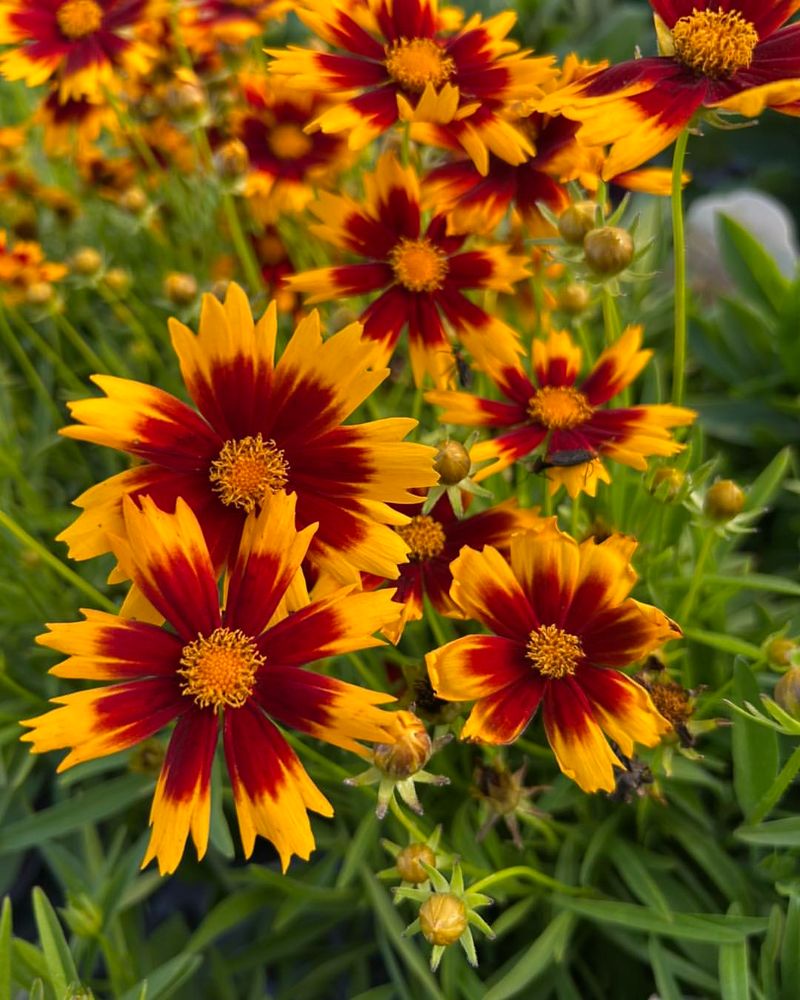
Sunny, tough, and almost impossible to discourage, coreopsis earns its nickname “tickseed” by producing a seemingly endless supply of small, daisy-like blooms.
The most common varieties feature bright golden-yellow flowers, though newer cultivars come in shades of pink, red, and bicolor.
Whatever the color, coreopsis lights up a Pennsylvania garden from late spring through early fall with very little help from you.
Drought tolerance is one of coreopsis’s greatest strengths. Once it settles into well-drained soil with full sun exposure, it handles Pennsylvania’s hot, dry summer spells without complaint.
Overwatering is actually more of a problem than underwatering with this plant. Skip the extra irrigation on rainy weeks and let it do its thing.
Deadheading spent blooms regularly keeps coreopsis looking tidy and encourages continuous flowering. Some gardeners give the whole plant a light trim in midsummer to refresh it and push out a fresh round of blooms in late summer and early fall.
Either way, the results are impressive. Coreopsis is also a pollinator favorite. Bees and butterflies visit the open-faced blooms frequently throughout the season.
It pairs beautifully with other summer performers like black-eyed Susan and purple coneflower in mixed borders.
For Pennsylvania gardeners who want reliable, cheerful color without constant attention, coreopsis is one of the most dependable choices available in any nursery or garden center.
5. Bee Balm
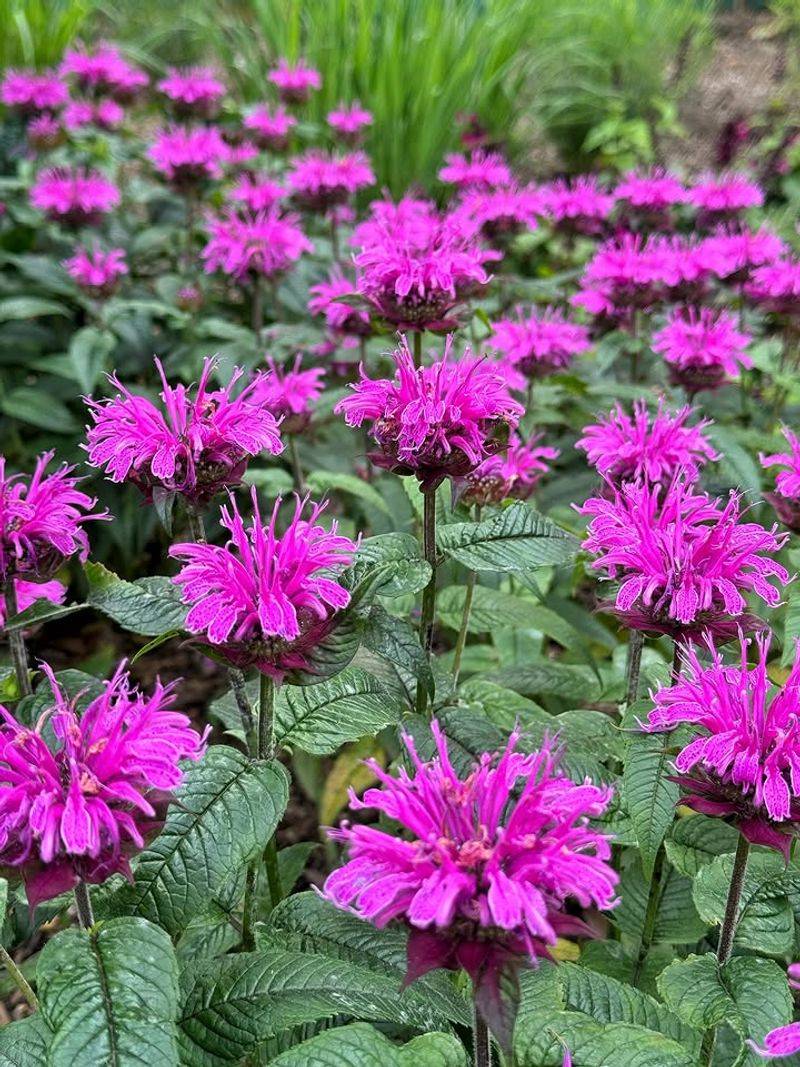
There is something almost electric about bee balm in full bloom. The shaggy, firework-shaped flowers burst open in shades of red, pink, purple, and white, creating a display that is impossible to miss.
Native to eastern North America, this plant has a long history in Pennsylvania gardens and wild spaces alike. Gardeners have treasured it for generations, and once you see it in action, it is easy to understand why.
Bee balm blooms from mid to late summer, bridging the gap when some early-season flowers start to fade. It grows tall, often reaching two to four feet, and makes a bold statement in the back of a border or along a fence line.
The tubular flowers are perfectly shaped for hummingbirds, which visit them constantly during the summer months in Pennsylvania.
Bees and butterflies are equally fond of bee balm, making it one of the most wildlife-friendly plants you can add to your yard. The leaves are also aromatic and have been used historically to make herbal teas.
Crush a leaf between your fingers and you will catch a pleasant, oregano-like scent. To keep bee balm healthy, plant it in full sun to partial shade with good air circulation to reduce the chance of powdery mildew.
Dividing clumps every few years keeps the plant vigorous and blooming well. It spreads gradually over time, filling in garden spaces beautifully across Pennsylvania landscapes.
6. Blanket Flower
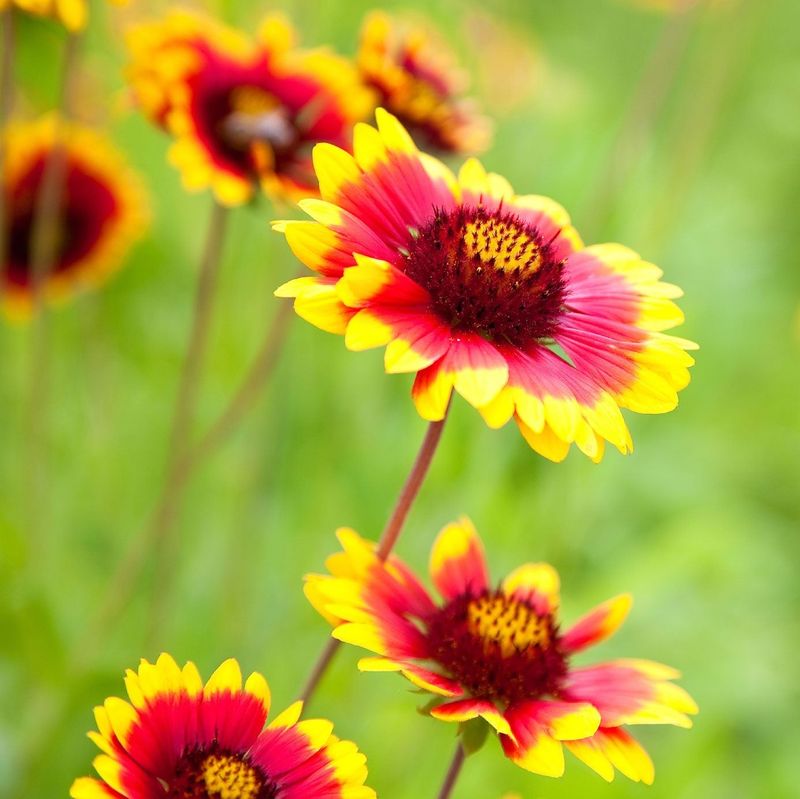
Named after the bright, patterned blankets made by Native American tribes, blanket flower lives up to its colorful reputation. The blooms feature bold combinations of red, orange, and yellow that look like tiny sunsets sitting on top of slender stems.
They start blooming in early summer and keep going strong all the way through fall, which is a remarkable run by any standard.
Heat is no problem for blanket flower. In fact, it performs even better when temperatures climb.
Pennsylvania’s hot July and August days seem to energize this plant rather than slow it down. It also handles drought well once established, making it a smart choice for garden spots that tend to dry out quickly in summer.
Plant blanket flower in full sun and lean, well-drained soil. Rich or overly fertile soil can actually cause the plant to flop over and produce fewer blooms.
Think of it as a flower that prefers a little challenge. Deadheading spent flowers regularly encourages even more blooms to form throughout the season.
Blanket flower attracts butterflies and bees consistently, adding extra movement and energy to any Pennsylvania garden. It works well in rock gardens, sunny borders, and containers.
The blooms also make lovely cut flowers that brighten up any indoor space. For gardeners who want a tough, showy plant that thrives in the heat without constant babysitting, blanket flower is a top pick.
7. Salvia
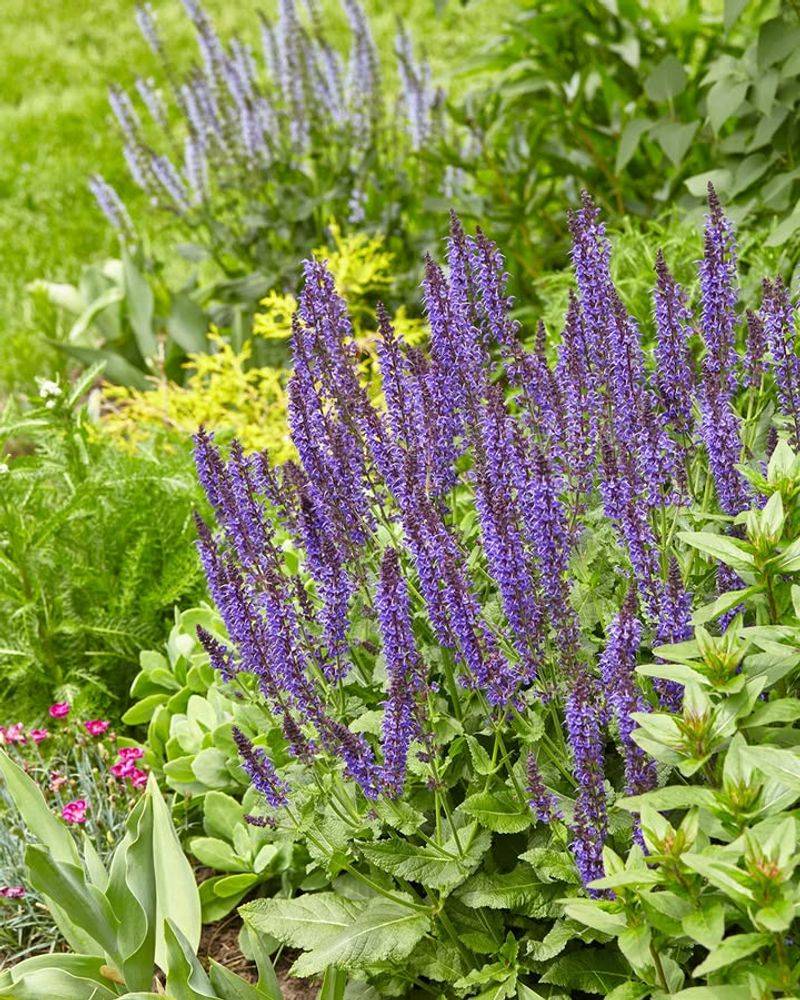
Bold vertical spikes of color are salvia’s signature look, and once you add it to a Pennsylvania garden, you will wonder how you ever got along without it. Salvia comes in a wide range of colors, including deep blue, vivid red, soft lavender, and pure white.
The upright flower stalks add height and structure to garden beds while delivering weeks of reliable summer color.
Salvia loves full sun and warm temperatures, which makes it a perfect match for Pennsylvania’s hot summers. It is also fairly drought-tolerant once it gets established, handling dry spells without much drama.
The key to keeping salvia blooming all season is regular deadheading. When the flower spikes start to fade, cut them back and new ones will push up quickly to replace them.
Hummingbirds are especially drawn to red salvia varieties, while bees and butterflies prefer the blue and purple types. Planting a mix of colors gives you a garden that buzzes and flutters with activity from June through September.
Salvia also tends to have a pleasant, slightly spicy fragrance that adds an extra sensory layer to your outdoor space.
Annual salvia varieties are widely available at Pennsylvania nurseries each spring and are easy to tuck into borders, containers, and mixed beds. Perennial salvias like May Night come back each year and get better with age.
Either way, salvia is a dependable, beautiful performer that earns its place in any summer garden across the state.
8. Lantana
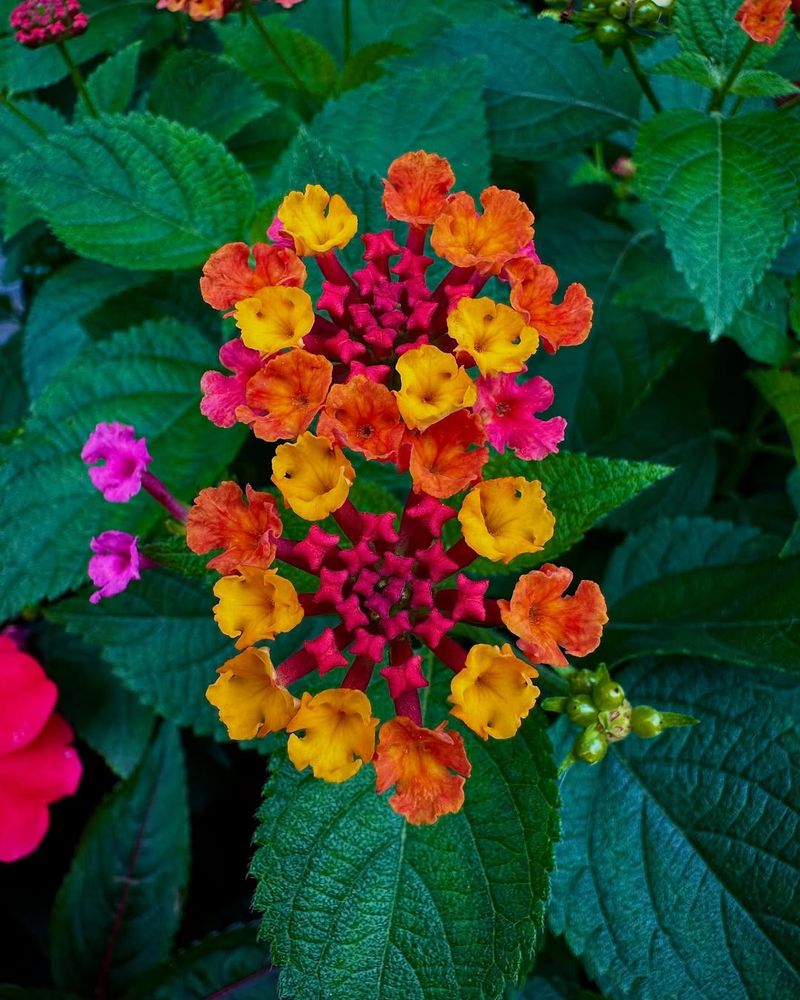
Few plants put on a more dazzling show in Pennsylvania’s hottest summer months than lantana. The clustered flower heads shift colors as they age, often displaying yellow, orange, pink, and red all at once on the same plant.
It is like having a living bouquet that refreshes itself daily. While lantana is a perennial in warmer southern states, Pennsylvania gardeners grow it as an annual, and it absolutely thrives during the summer season here.
Heat is lantana’s best friend. The hotter and sunnier the conditions, the more it blooms. Pennsylvania summers, with their long stretches of intense heat and sunshine, create ideal growing conditions for this vibrant plant.
It also handles dry spells well and does not need constant watering once it gets going in the garden. Butterflies are wild about lantana. The dense flower clusters provide an easy landing pad and a rich nectar source that keeps pollinators visiting all day long.
Hummingbirds also stop by regularly. Planting lantana near a patio or outdoor seating area turns your backyard into a lively wildlife scene through the whole summer.
Plant lantana in full sun after the last frost in Pennsylvania, usually around mid-May. It grows quickly and begins blooming early, filling containers, hanging baskets, and garden borders with nonstop color.
Deadheading is optional since lantana tends to keep blooming without much encouragement. For pure summer impact with minimal effort, lantana is one of the best choices a Pennsylvania gardener can make.