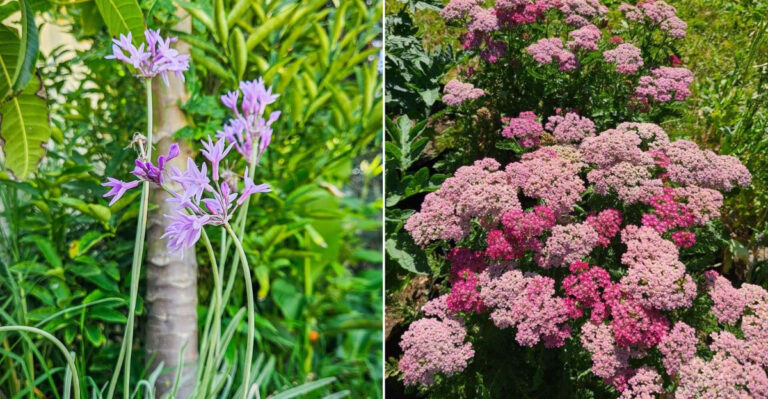
California Bee Friendly Flowers That Turn Your Garden Into A Pollinator Paradise
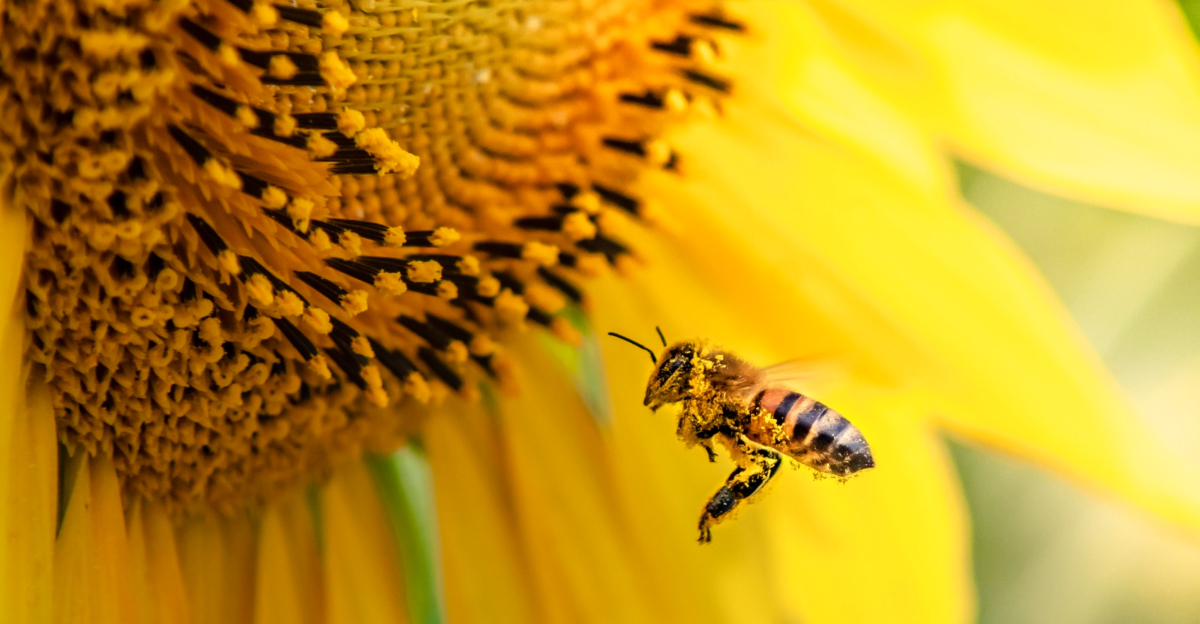
California gardens are buzzing – literally! With the right bee-friendly flowers, even a small backyard can become a colorful pollinator paradise full of bees, butterflies, and hummingbirds.
From coastal hills to inland valleys, California’s mild climate and diverse soils make it perfect for nectar-rich, drought-tolerant blooms. These plants not only bring vibrant color all season but also support the pollinators essential to healthy gardens.
Whether planting a new bed or refreshing an existing one, these California natives will attract pollinators, reduce maintenance, and make your garden feel alive.
Get ready to create a backyard that hums with life.
1. Sticky Monkeyflower Offers Tubular Flowers And Nectar
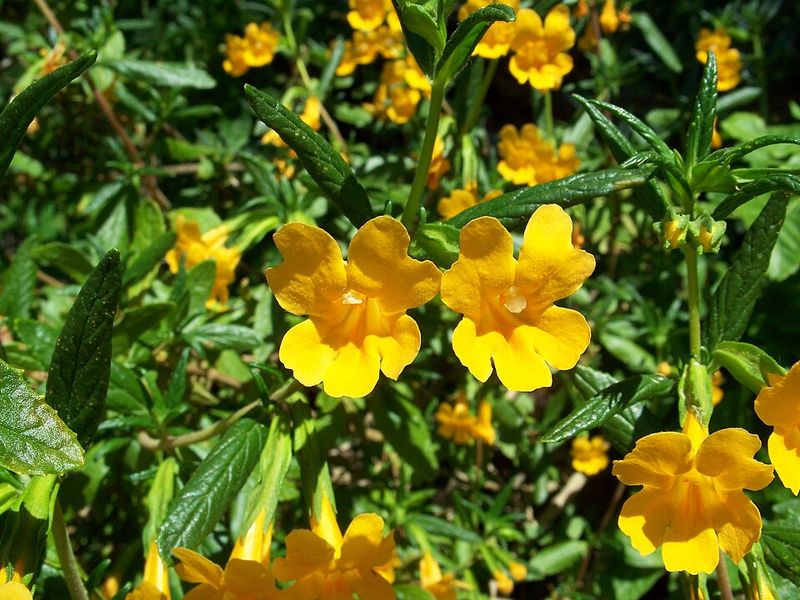
On a warm morning in a California coastal chaparral garden, you might notice bumblebees working their way methodically from bloom to bloom on a sticky monkeyflower shrub.
Diplacus aurantiacus, formerly known as Mimulus aurantiacus, produces tubular orange to pale yellow flowers that are shaped almost perfectly for native bee tongues to reach the nectar inside.
Bumblebees are especially effective pollinators of this plant because their body size helps them brush against the pollen-covered anthers.
Sticky monkeyflower grows naturally along California’s coast and in foothill chaparral zones, so it is well adapted to the state’s dry summers and mild winters.
It prefers full sun to partial shade and does best in well-drained soils, including rocky or sandy types.
Once established, it is quite drought-tolerant and rarely needs watering beyond natural rainfall in most California regions.
Bloom time runs from spring through early summer, and in milder coastal areas, flowering can extend even longer. Plant it along sunny slopes, in native plant borders, or as a low informal hedge.
Pruning lightly after the main bloom period encourages fresh growth and sometimes a second flush of flowers. It pairs well with California sagebrush and black sage for a layered native habitat planting.
2. California Poppy Brings Orange Blooms And Busy Bees
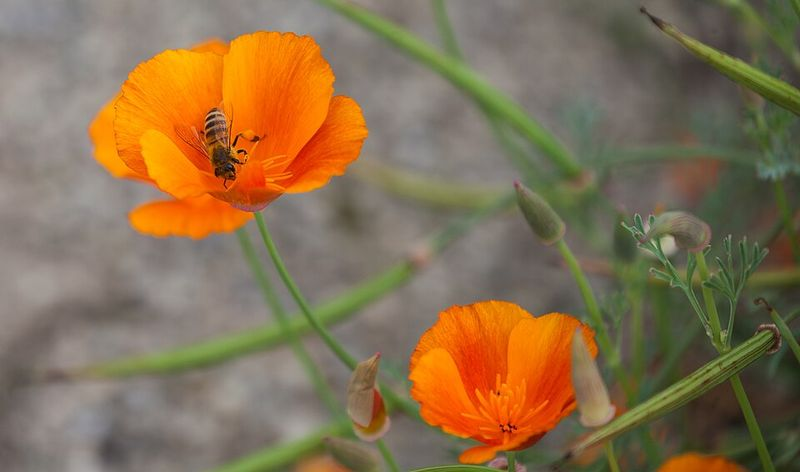
Walk through almost any open hillside in California during spring and you are likely to spot the unmistakable shimmer of orange California poppies catching the afternoon sun.
As the official state flower, Eschscholzia californica has earned its place in gardens across the state for good reason.
Bees are drawn to its wide-open, cup-shaped blooms that make pollen easy to access, especially for native bees like mining bees and bumblebees.
California poppies thrive in full sun and well-drained, even poor soils, making them well suited to the dry conditions found across much of the state.
Once established, they need very little supplemental water, which is a real advantage during California’s warm, dry summers.
They typically bloom from late winter through early summer, with some plants continuing into fall if conditions stay mild.
Scatter seeds directly onto bare soil in fall or early spring and let them self-sow each year for a low-maintenance display. They work beautifully along pathways, in rock gardens, or mixed into wildflower meadow plantings.
Your California Garden Changes Every Week. Your Plan Should Too.
Gardening in California changes quickly throughout the season. Every Friday you’ll receive a simple weekly plan showing exactly what to plant, prune, fertilize, harvest, and protect so you never miss the right timing.
Because they resent root disturbance, direct seeding rather than transplanting gives the best results. Their cheerful color and pollinator appeal make them a staple in any California garden.
3. Black Sage Produces Purple Blooms And Attracts Bees
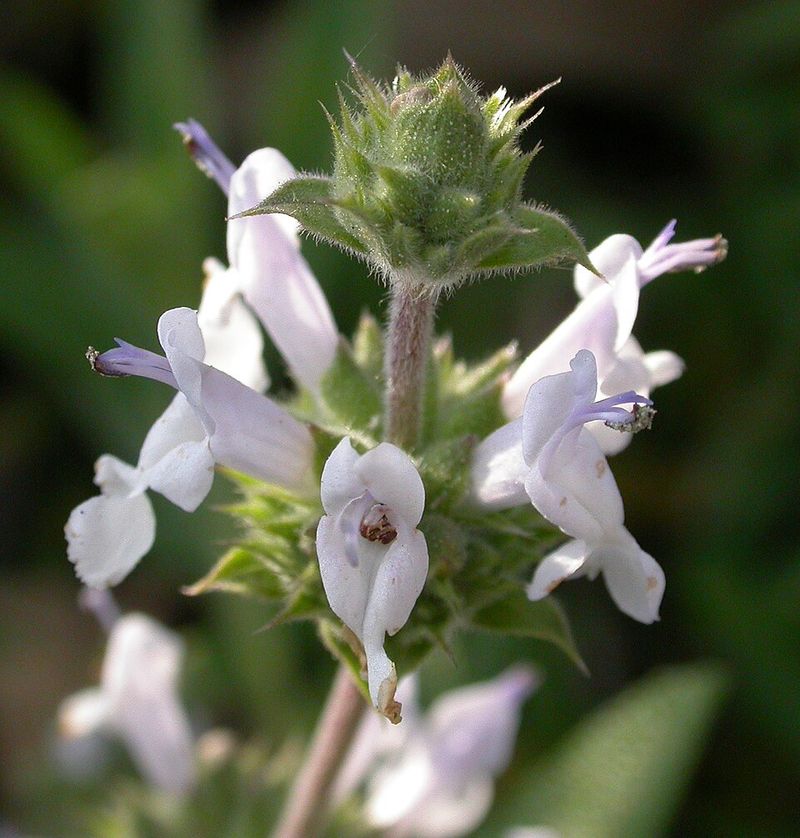
Few plants in a California native garden can match the sheer number of bees that crowd around black sage when it comes into bloom.
Salvia mellifera, whose species name literally means honey-bearing, produces dense whorls of small white to pale lavender flowers along upright stems from spring through early summer.
Honeybees and native bees, including digger bees and carpenter bees, visit the flowers in impressive numbers throughout the bloom season.
Black sage is a shrub native to coastal sage scrub and chaparral communities throughout Southern and Central California. It handles full sun with ease and grows well in dry, well-drained soils, including clay soils that drain reasonably well between waterings.
After the first year of establishment, it is highly drought-tolerant and can thrive on rainfall alone in most California coastal and inland regions.
The aromatic foliage releases a pleasant herbal scent when brushed, and the dark seed heads that follow flowering attract birds into the late season.
Plant black sage in the middle or back of a native border where its natural mounding form can develop without heavy pruning.
It pairs well with California buckwheat and deerweed for a layered, wildlife-rich planting. Its recognized as a top nectar source for native bee conservation plantings across the state.
4. Blue-Eyed Grass Adds Star-Shaped Flowers And Pollinator Habitat
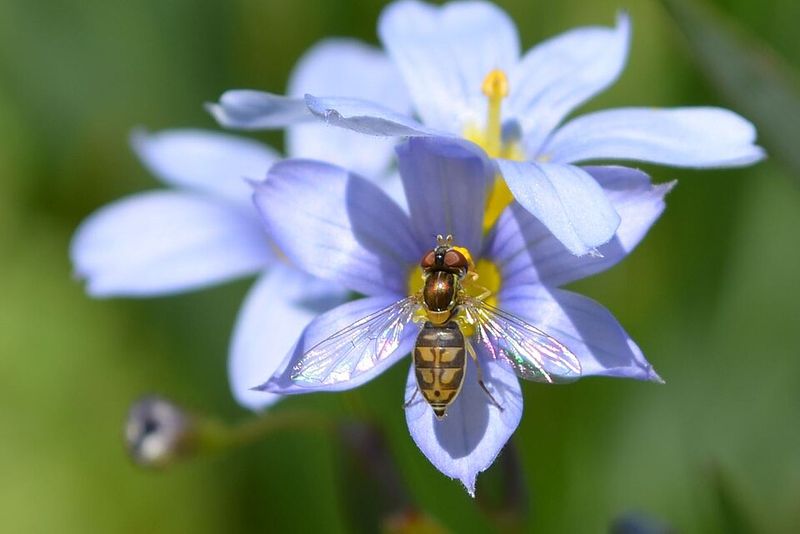
Despite its name, blue-eyed grass is not a grass at all.
Sisyrinchium bellum belongs to the iris family and produces charming star-shaped, blue-violet flowers with bright yellow centers that appear from late winter through spring across much of California.
Small native bees, including sweat bees and small mining bees, are frequent visitors, attracted by the accessible pollen and the cheerful open flower shape.
Blue-eyed grass grows naturally in meadows, coastal prairies, and open woodlands throughout California, making it well adapted to a wide range of garden conditions in the state.
It prefers full sun to light shade and does well in moist to moderately dry soils, including clay.
In gardens with regular irrigation, it can bloom more abundantly, but established plants handle California’s dry summers with minimal supplemental water.
Growing to about one foot tall, blue-eyed grass works beautifully as a ground cover, lawn alternative, or edging plant along garden pathways and borders. It naturalizes readily by self-seeding and can form attractive clumps over time.
Plant it alongside other low-growing natives like clarkia or meadow foam for a layered early-season pollinator display.
The California Native Plant Society notes it as a reliable and underused option for small-scale pollinator gardens and habitat restoration projects.
5. Yarrow Features Flat Clusters And Supports Bees And Butterflies
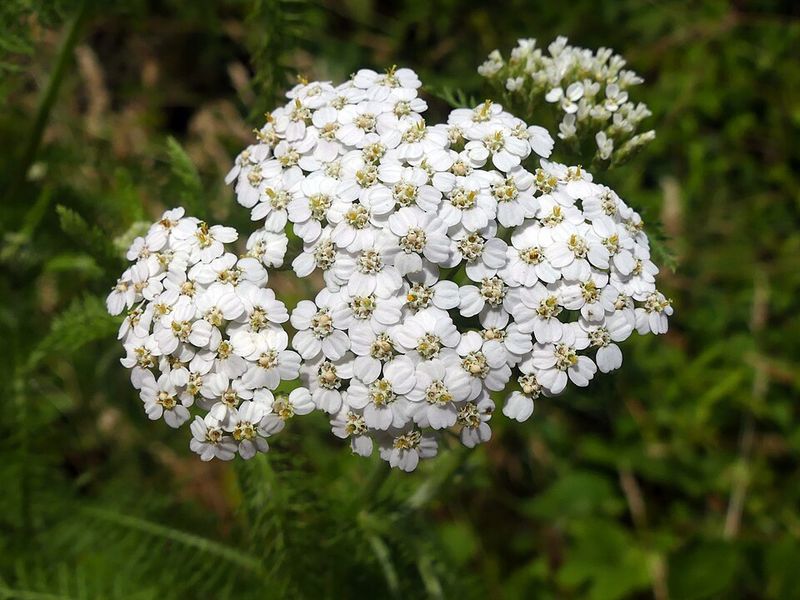
Gardeners who want a plant that practically takes care of itself while still feeding a wide range of pollinators often find themselves returning to yarrow again and again.
Achillea millefolium produces broad, flat-topped flower clusters that act like landing pads for bees, butterflies, and other beneficial insects.
The flower structure is open and accessible, which makes it especially useful for short-tongued bees and small native bee species that cannot reach nectar in tubular flowers.
Yarrow is native to California and grows across a wide range of habitats, from coastal bluffs to mountain meadows. It thrives in full sun and tolerates poor, dry, well-drained soils with ease.
Once established, it requires very little supplemental irrigation, making it an excellent fit for water-wise California gardens. Bloom time runs from late spring through summer, with deadheading encouraging additional flushes of flowers.
White is the most common flower color in native yarrow, though cultivated varieties offer shades of yellow, pink, and red.
Plant yarrow in mass groupings for the most visual impact and the greatest benefit to pollinators. It spreads slowly by rhizomes and self-seeds, so it can fill in a border naturally over time.
6. California Fuchsia Brings Red Flowers And Hummingbirds
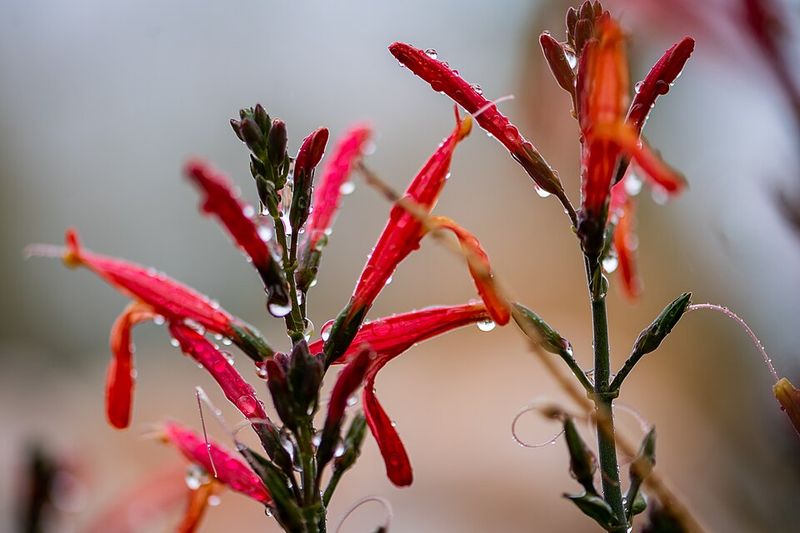
When most of the garden has finished blooming and summer heat settles across California’s inland valleys, California fuchsia steps in with a brilliant burst of scarlet-red tubular flowers that light up the late-season landscape.
Epilobium canum, sometimes called hummingbird fuchsia, is a native subshrub that produces nectar-rich blooms from late summer through fall, a time when other nectar sources are often scarce.
Hummingbirds are the primary pollinators, but bumblebees and other long-tongued native bees also visit regularly.
California fuchsia grows naturally on dry slopes, rocky outcrops, and chaparral edges throughout the state. It thrives in full sun and excellent drainage, handling both clay and sandy soils once established.
Drought tolerance is one of its standout traits, and mature plants can survive on rainfall alone in many California regions. It spreads by underground runners and can form attractive low-growing mats.
In the garden, California fuchsia works well on sunny slopes where erosion control is also a concern.
It pairs naturally with black sage, Cleveland sage, and California buckwheat for a layered native habitat planting that provides food for pollinators across multiple seasons.
Cut plants back hard in late winter to encourage fresh, compact growth and a strong flowering display the following year. Its late bloom period makes it especially valuable for supporting pollinators heading into fall.
7. Cream Bush Produces White Blooms And Late-Season Nectar
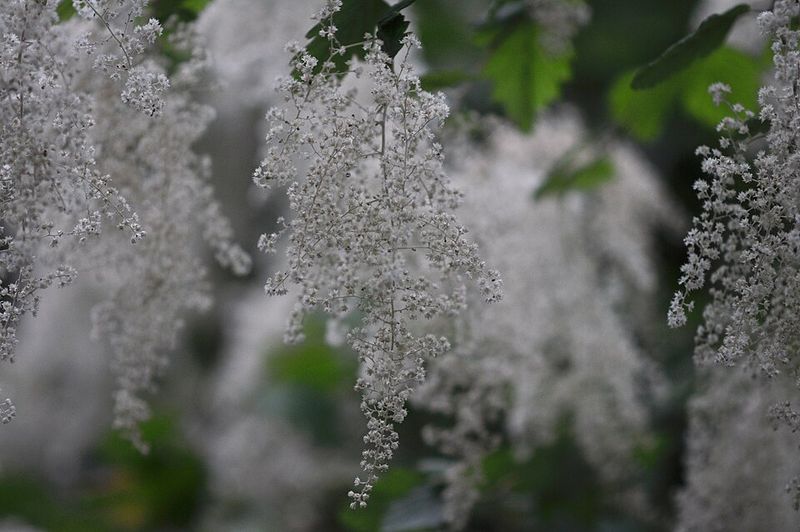
Tucked into the shaded edges of a California foothill garden, cream bush earns quiet admiration from gardeners who discover how much wildlife it supports.
Holodiscus discolor, also called ocean spray, produces long, arching plumes of tiny creamy white flowers that appear in late spring to early summer.
The feathery clusters attract a wide variety of native bees, beetles, and flies that feed on both nectar and pollen, making it a surprisingly busy plant during its bloom period.
Cream bush grows naturally in chaparral, oak woodland edges, and coastal scrub habitats across California. It tolerates full sun along the coast but benefits from partial shade in hotter inland areas of the state.
Well-drained soils suit it best, and established plants handle dry summer conditions well, requiring minimal supplemental irrigation once rooted in. It can grow quite large, reaching six to twelve feet tall in favorable conditions.
Use cream bush as a background shrub in native plant borders, along fence lines, or at the edge of a woodland garden. Its graceful, arching form adds texture and movement to the landscape even when not in bloom.
The dry seed clusters that remain after flowering provide food for birds into fall and winter.
For California gardeners looking to extend pollinator support into the early summer season, cream bush fills a valuable gap in the flowering calendar.
8. Sunflower Offers Golden Blooms And Bee Food
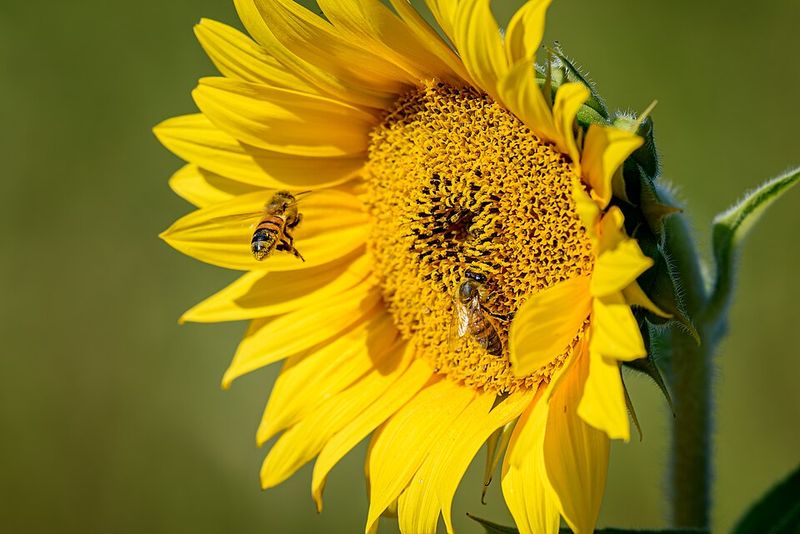
There is something undeniably joyful about a row of sunflowers standing tall in a California summer garden, their golden heads tilting toward the sun while bees work the pollen-rich centers with focused energy.
Helianthus annuus, the common sunflower, is one of the most productive pollen and nectar sources available to gardeners.
Both honeybees and native bees, including bumblebees and sweat bees, gather pollen from sunflower heads in large quantities, making them a powerhouse for supporting local bee populations.
Sunflowers grow best in full sun with well-drained soil and thrive across most of California’s diverse climate zones, from the coast to the Central Valley.
They are warm-season annuals that appreciate consistent moisture during establishment but become more drought-tolerant as they mature.
Direct sow seeds after the last frost date in spring for summer blooms, or start seeds indoors a few weeks earlier in cooler coastal areas.
Beyond their pollinator value, sunflowers produce seed heads that attract finches and other seed-eating birds in late summer and fall, extending the garden’s wildlife benefit well past the bloom period.
Choose branching varieties for a longer season of continuous bloom rather than single-stem types that flower just once.
Plant them at the back of beds or along fences where their height becomes an asset, and enjoy watching the steady parade of bees they bring to the garden.
9. Yarrow Leaf Buckwheat Adds Flower Clusters And Pollinator Support
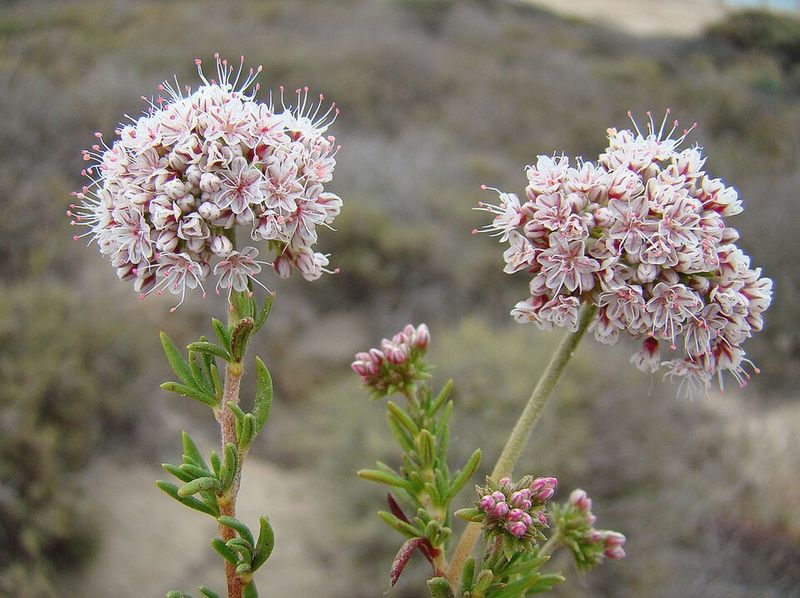
Out on a dry California hillside in midsummer, when most other plants have gone quiet, California buckwheat puts on one of the most impressive pollinator shows in the native plant world.
Eriogonum fasciculatum, commonly called California buckwheat or yarrow leaf buckwheat, produces dense, flat-topped clusters of tiny white to pinkish flowers that fade to a warm rust color as the season progresses.
The extended bloom and seed period, running from late spring through fall, provides food for pollinators across a remarkably long stretch of the warm season.
California buckwheat is native to coastal sage scrub, chaparral, and dry foothill habitats throughout Southern and Central California.
It handles full sun, heat, and poor, rocky, or sandy soils with ease and is considered one of the most drought-tolerant native shrubs available to California gardeners.
Once established, it rarely needs supplemental irrigation and can thrive on rainfall alone in most low-elevation regions of the state.
The rust-colored seed heads that develop after flowering attract birds and provide visual interest into fall and winter.
Plant California buckwheat in mass groupings on slopes, in dry borders, or as a low-water lawn substitute in sunny areas. It is a documented host plant for several native butterfly species, adding another layer of ecological value.