What California Gardeners Should Direct Sow In April
April is when California gardeners can finally start having some real fun with seeds. The soil is warming, the days are getting longer, and many popular crops are ready to go straight into the ground without the extra step of starting indoors.
It is one of the easiest ways to fill beds with fresh growth and get the season moving without overcomplicating things.
California’s climate gives gardeners a nice head start, but timing still matters, especially with the state’s mix of cool coastal pockets, inland heat, and lingering spring swings.
Some plants take off beautifully when direct sown this month and quickly reward you with strong, sturdy growth.
Get the right seeds in now, and you can set yourself up for a productive, colorful garden that keeps building momentum as spring turns into summer.
1. Carrots
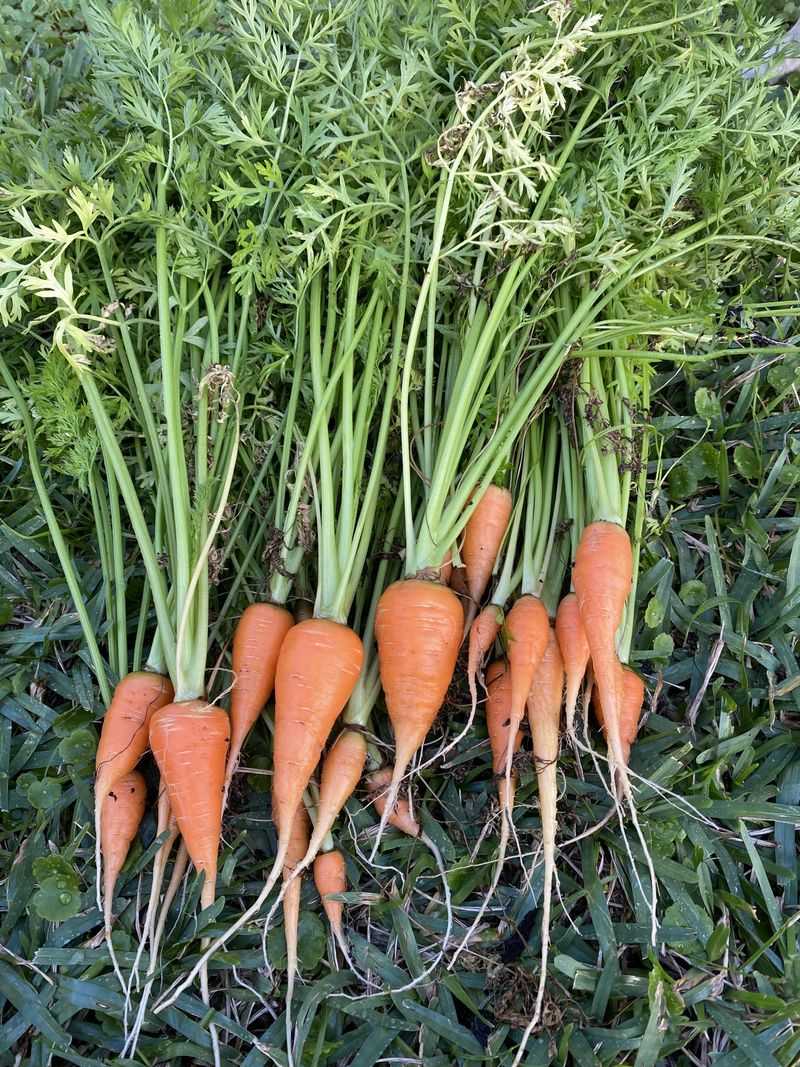
Few things beat pulling a homegrown carrot straight from the earth. In California, April is a sweet spot for direct sowing carrots because the soil is warm enough to support germination but not too hot to stress the seeds.
Carrots love loose, deep, well-drained soil. If your garden bed has hard or rocky ground, mix in some compost to loosen things up.
Plant carrot seeds about a quarter inch deep and one inch apart in rows. Keep the soil moist until the seeds sprout, which usually takes one to three weeks.
Thin the seedlings to about three inches apart once they reach two inches tall. Skipping thinning leads to crowded roots that grow twisted or stunted.
Carrots prefer full sun and consistent watering. Uneven moisture can cause roots to crack.
In many parts of California, spring weather is ideal for this. Avoid heavy clay soil, which can block root growth.
A raised bed works great if your native soil is dense. With a little patience, you can harvest sweet, crunchy carrots in about 70 to 80 days.
They are a rewarding crop for beginner and experienced gardeners alike.
2. Radishes
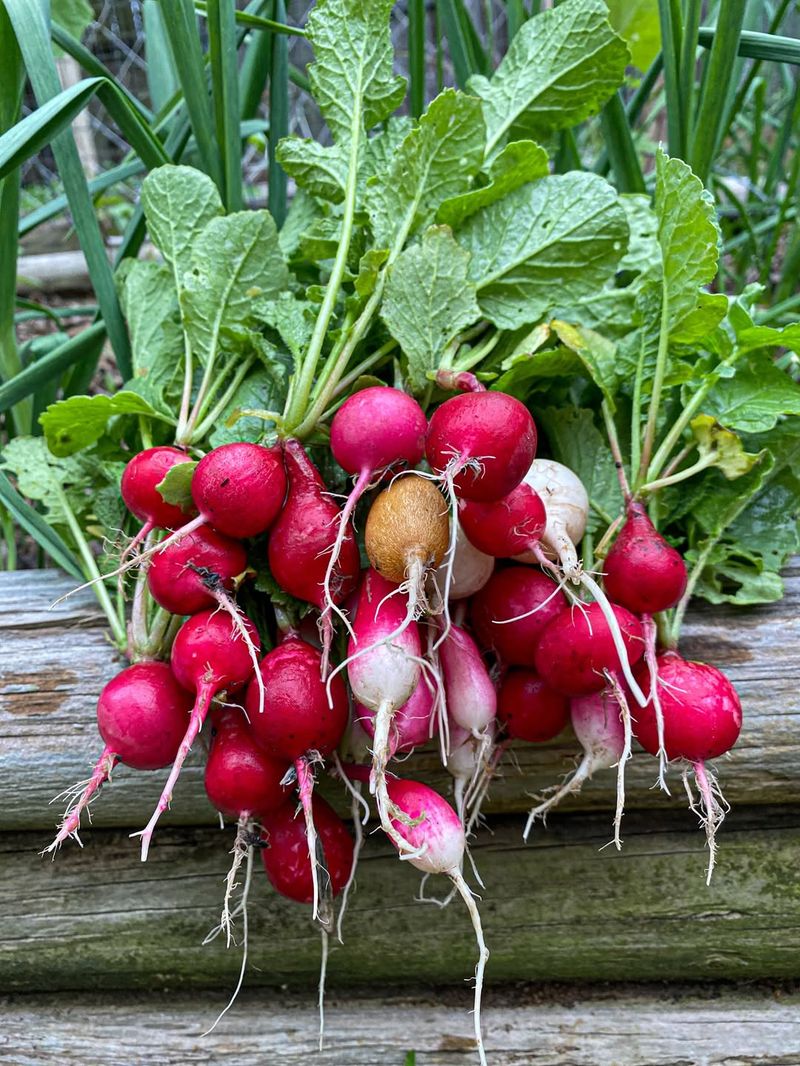
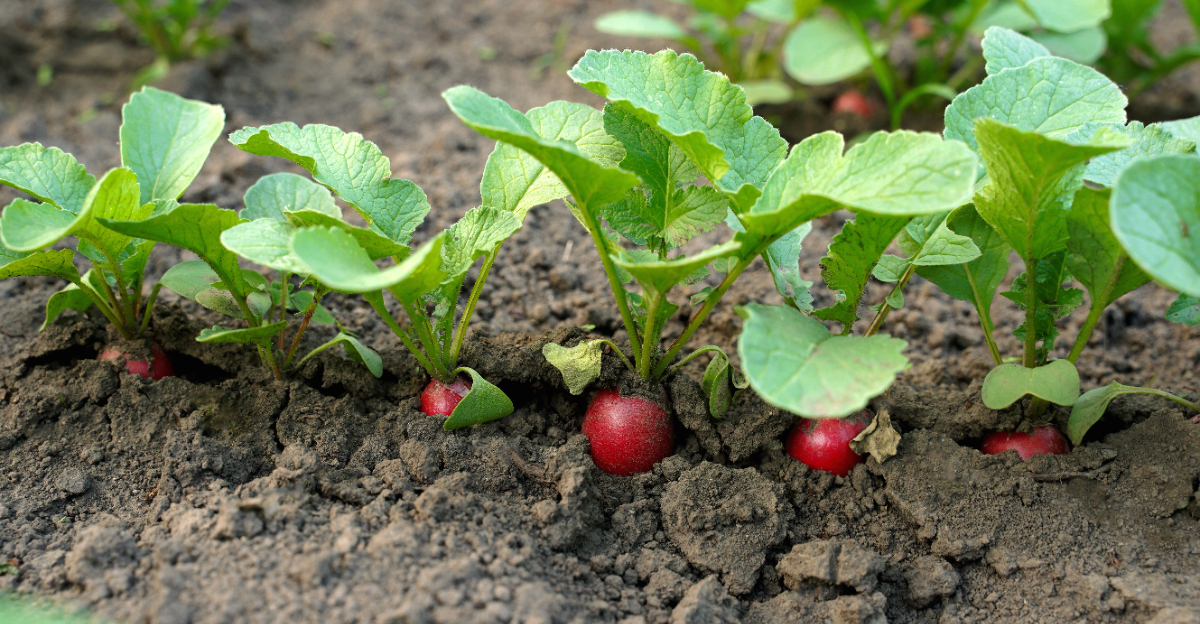
If you want a quick win in the garden, radishes are your best friend. They are one of the fastest crops you can grow, going from seed to harvest in as little as 22 to 30 days.
That makes them perfect for California gardeners who want to see results fast. Sow them in April while the weather is still mild, and you could be crunching on fresh radishes before the month is even over.
Plant radish seeds about half an inch deep and one inch apart. They do well in full sun but can handle a bit of afternoon shade in warmer parts of California.
Water them regularly and keep the soil consistently moist. Dry spells cause radishes to become woody and overly spicy, which is not what you want.
Radishes are also a great companion plant. Many California gardeners sow them between rows of slower-growing crops like carrots or beets.
They help loosen the soil and can even deter some pests. Thin seedlings to about two inches apart so each root has room to swell.
Your California Garden Changes Every Week. Your Plan Should Too.
Gardening in California changes quickly throughout the season. Every Friday you’ll receive a simple weekly plan showing exactly what to plant, prune, fertilize, harvest, and protect so you never miss the right timing.
Cherry Belle and French Breakfast are two popular varieties that do especially well in California spring gardens. Try a new variety this season and see what you think.
3. Beets
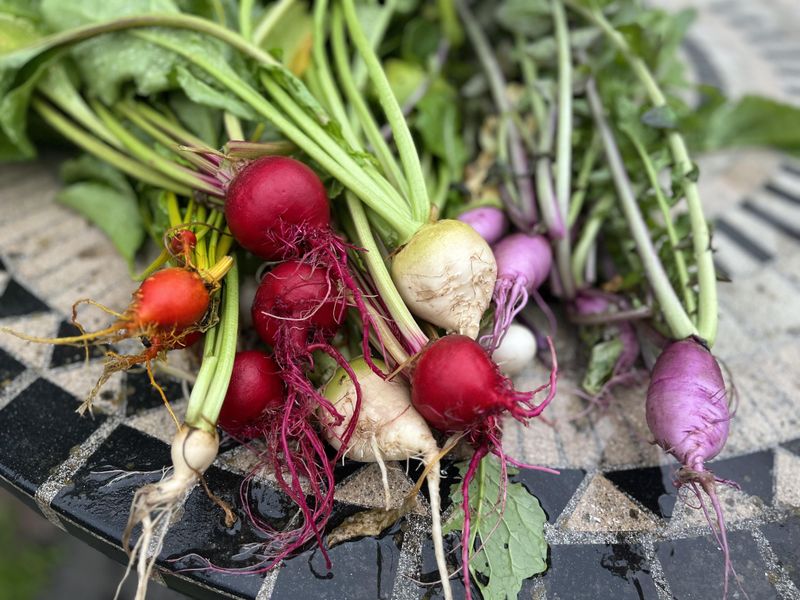
Beets are one of those vegetables that give you two harvests in one. You can eat the roots and the greens, which makes them an incredibly smart use of garden space.
April in California is a great time to direct sow beets because they germinate best in soil temperatures between 50 and 85 degrees Fahrenheit. Most of California hits that range right around this time.
Each beet seed is actually a cluster of seeds, so you will likely see multiple seedlings pop up from one spot. Thin them down to the strongest plant, leaving about three to four inches between each one.
Crowded beets produce small, misshapen roots. Mixing compost into your soil before planting helps beets grow round and smooth.
Water beets regularly but do not overdo it. Soggy soil can lead to rot.
A layer of mulch around your plants helps hold moisture and keeps the soil temperature stable. Beets take around 55 to 70 days to mature depending on the variety.
Golden Beet and Chioggia are fun varieties worth trying in California gardens. The greens can be harvested early and tossed into salads or sauteed like spinach.
Growing beets in April sets you up for a satisfying early summer harvest.
4. Sunflowers
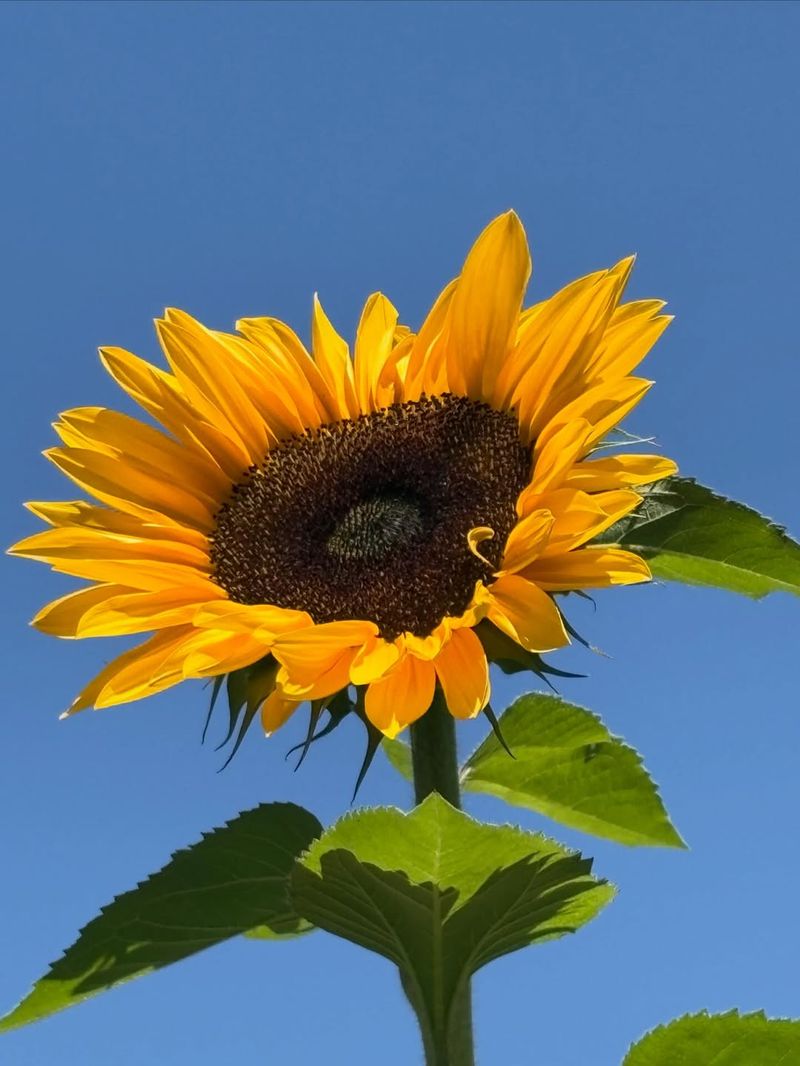
There is something undeniably cheerful about a row of sunflowers growing in a California garden. These bold, sun-loving plants are incredibly easy to grow from seed and April is the perfect time to direct sow them across most of the state.
Once the soil has warmed and frost risk has passed, sunflowers take off fast. They can grow several feet tall in just a few weeks.
Plant seeds about one inch deep and six inches apart. Once seedlings are a few inches tall, thin them to about 12 to 24 inches apart depending on the variety.
Smaller varieties like Teddy Bear can grow closer together, while giant varieties like Mammoth need more space to reach their full potential. Sunflowers are drought-tolerant once established, but young seedlings need regular watering.
Sunflowers are great for attracting pollinators like bees and butterflies to your California garden, which benefits all your other plants too. They also attract birds later in the season when seeds mature.
Plant them along a fence or at the back of a garden bed so they do not shade smaller plants. Kids love growing sunflowers because they grow so fast and get so tall.
Sowing a few different varieties in April gives you a stunning summer display that lasts for weeks.
5. Lettuce
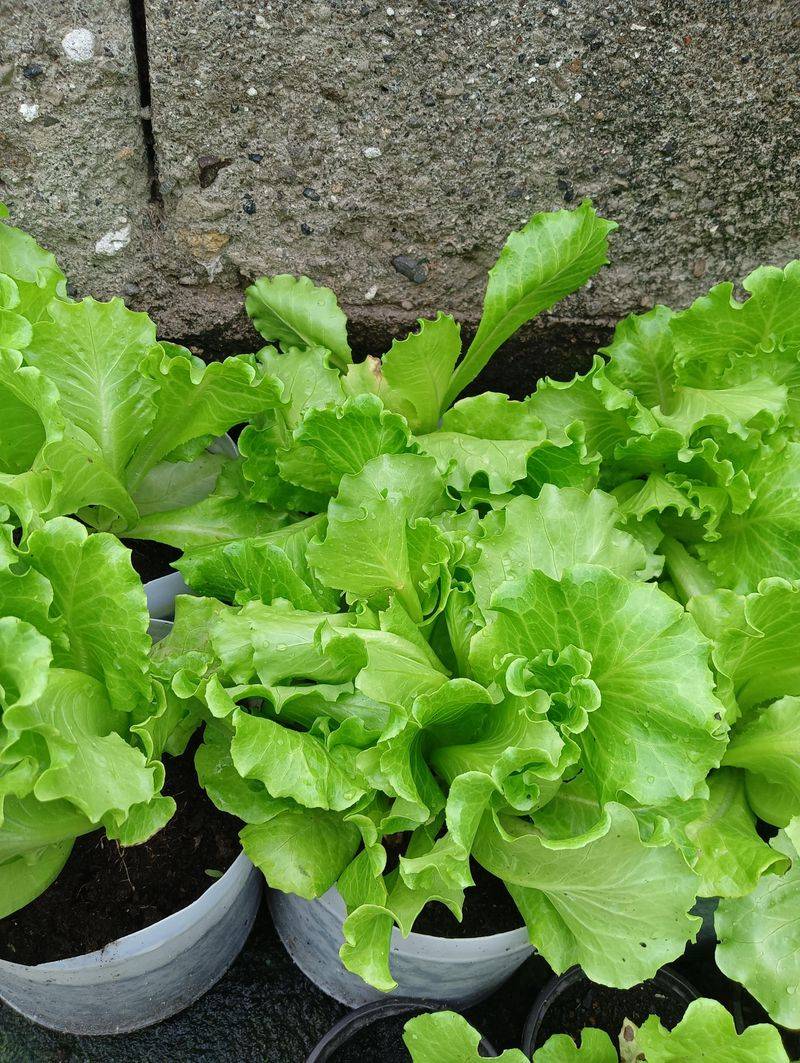
Lettuce is one of the easiest and most satisfying crops to grow in a California spring garden. It germinates quickly, grows fast, and you can start harvesting outer leaves in as little as 30 days.
April is ideal for sowing lettuce because the temperatures are still cool enough to prevent the plant from bolting, which is when it shoots up a flower stalk and turns bitter.
Scatter seeds lightly over the soil surface and press them down gently. Lettuce seeds need light to germinate, so do not bury them deep.
A thin layer of fine soil or compost on top is enough. Keep the bed moist and you should see sprouts within a week.
Thin seedlings to about six to eight inches apart for head lettuce, or let loose-leaf varieties grow a little closer together.
In warmer parts of California like the Central Valley or Southern California, try growing lettuce in a spot that gets some afternoon shade. This slows bolting and keeps leaves tender longer.
Butterhead, romaine, and loose-leaf varieties all perform well with April sowing. Water in the morning to reduce fungal issues.
Lettuce is also a great option for container gardens on patios or balconies across California. Fresh salads from your own yard are hard to beat.
6. Swiss Chard
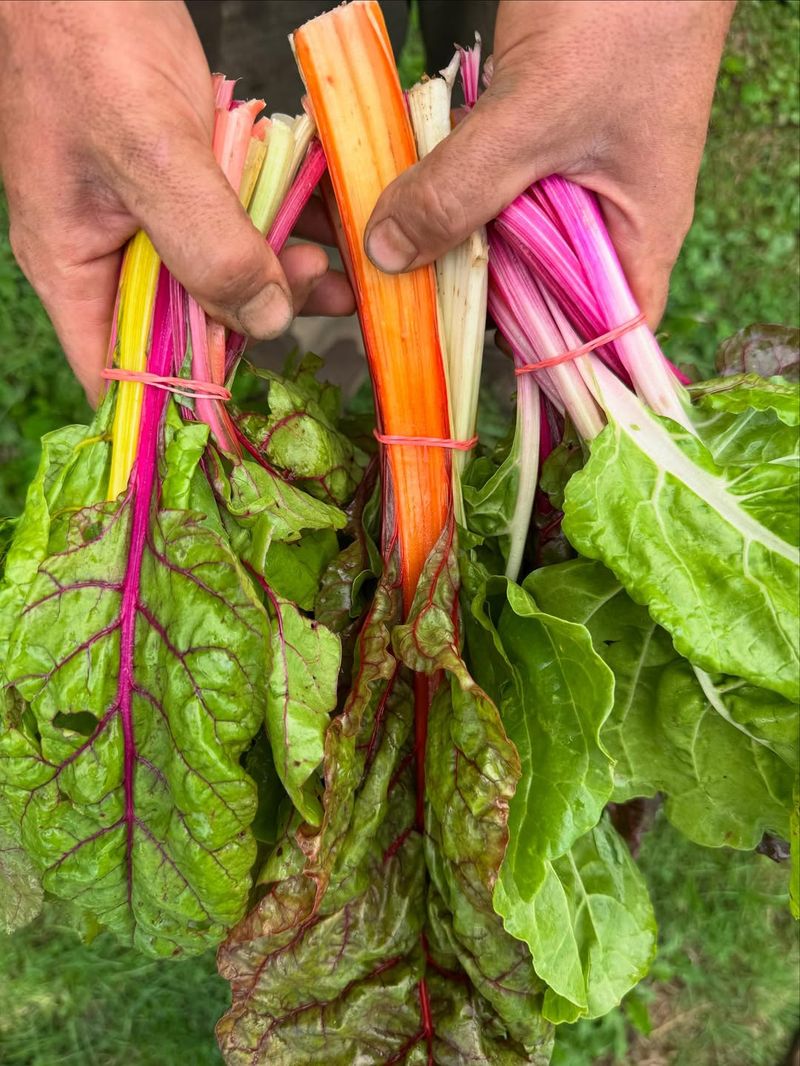
Swiss chard is one of the most colorful vegetables you can grow in a California garden. With stalks in shades of red, yellow, orange, and white, it looks almost too pretty to eat.
But eat it you should, because it is packed with vitamins and incredibly easy to grow from seed. April is a great month to direct sow chard across most of California.
Plant seeds about half an inch deep and six inches apart. Like beets, chard seeds come in clusters, so you may need to thin out extra seedlings.
Once plants are established, they are surprisingly tough. Swiss chard can handle both cool spring mornings and the warmer days that come as California moves toward summer.
That flexibility makes it a reliable crop for gardeners up and down the state.
Harvest outer leaves regularly to keep the plant producing. Younger leaves are tender and mild, great for salads.
Larger leaves work well cooked in stir-fries or pasta dishes. Water consistently and add a layer of compost midseason to keep plants healthy and productive.
Rainbow chard seed mixes are widely available and give you a beautiful, colorful harvest all at once. Growing Swiss chard in California is a great way to keep fresh greens on the table from spring through early fall without much fuss.
7. Spinach
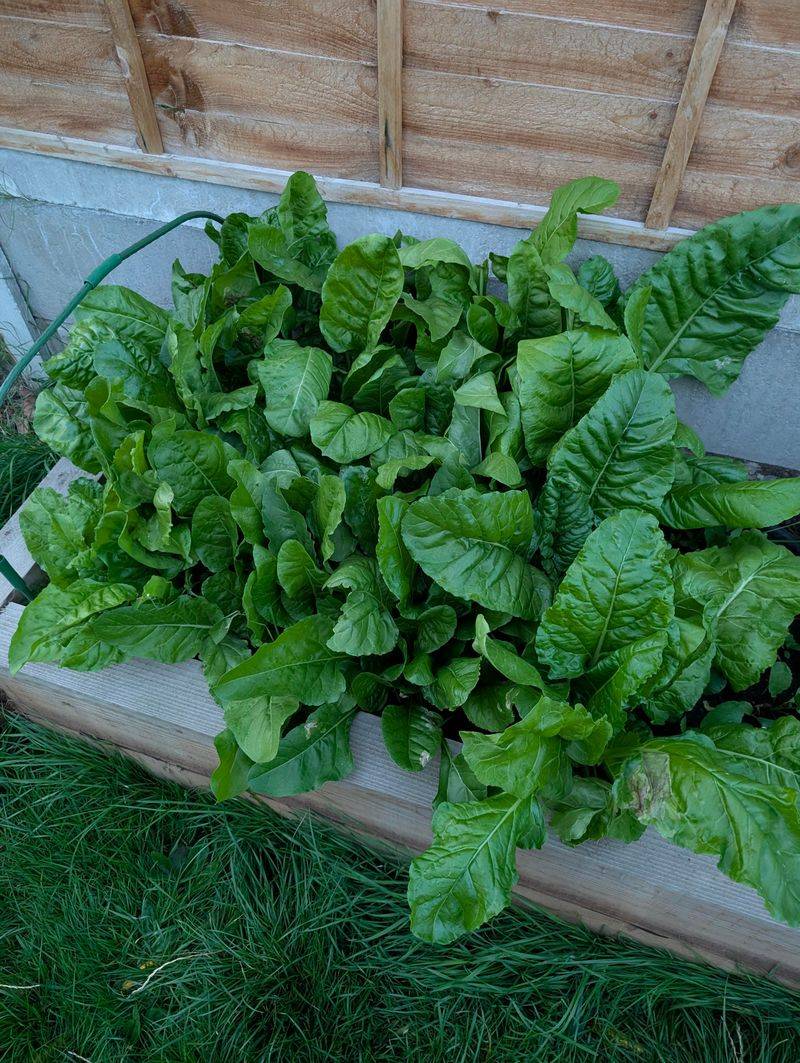
Cool weather and spinach go hand in hand. April in California, especially in coastal and northern regions, offers exactly the mild conditions spinach loves.
Sow it early in the month before temperatures start climbing, and you will get a lush, leafy harvest before the summer heat arrives. Spinach is a powerhouse green that is loaded with iron, vitamins, and flavor.
Sow seeds about half an inch deep and two inches apart in rows. Thin seedlings to about four to six inches once they sprout.
Spinach prefers full sun in cooler climates but appreciates afternoon shade in warmer parts of California like the Inland Empire or Sacramento Valley. Consistent watering is key.
Let the soil dry out too much and the plants will bolt quickly.
Savoy spinach varieties have crinkled, textured leaves and tend to be more heat-tolerant than flat-leaf types. Baby spinach varieties are great for container gardening on apartment balconies throughout California.
Start harvesting outer leaves when the plant has at least six leaves. Regular harvesting encourages new growth and extends your season.
Spinach is ready in about 40 to 50 days. It is one of the most nutritious crops you can grow at home, and April is the ideal time to get it in the ground across California.
8. Bush Beans
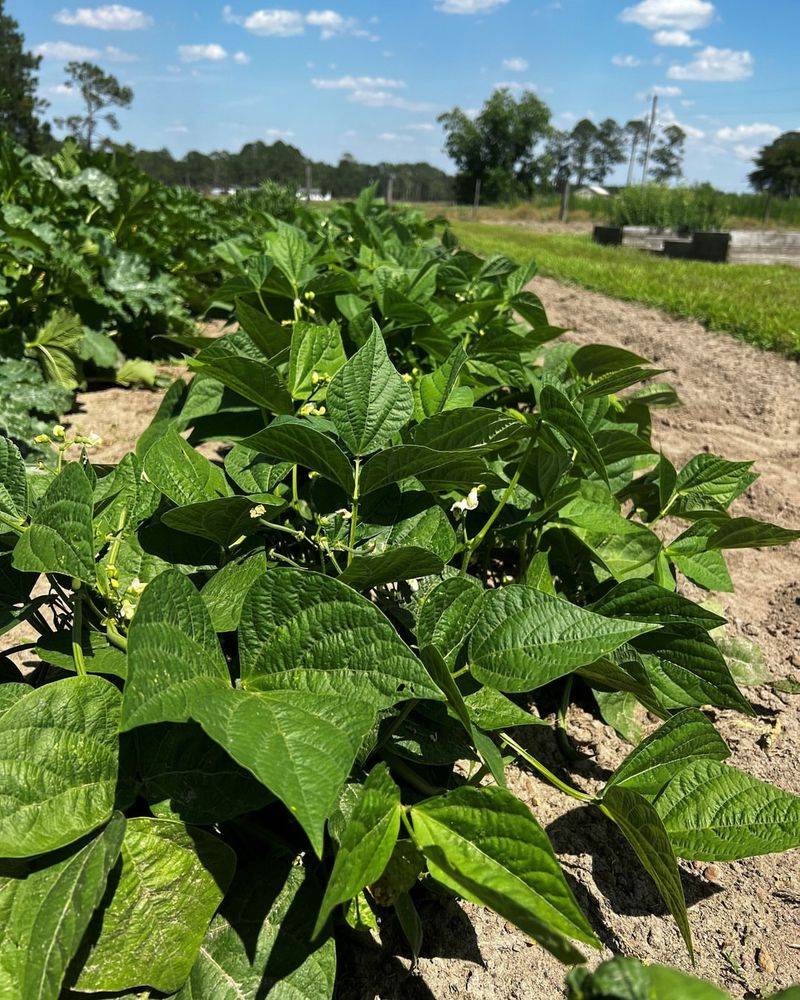
By mid-April, California soil in most regions has warmed enough to welcome bush beans. Unlike pole beans, bush beans do not need a trellis or support structure.
They grow in a compact, upright shape and produce a heavy crop all at once, which is great if you want to preserve or freeze a big batch. They are a straightforward, low-maintenance crop that beginners often love.
Plant seeds one inch deep and about three inches apart in rows. Bush beans like full sun and well-draining soil.
They are sensitive to cold, so wait until nighttime temperatures stay above 50 degrees Fahrenheit before sowing. In Southern California and the Central Valley, mid-April is usually safe.
In cooler coastal areas, you might wait until late April just to be safe.
Water regularly but avoid wetting the leaves, which can encourage fungal disease. Bush beans do not need much fertilizer.
In fact, too much nitrogen makes them produce lots of leaves and fewer beans. They fix their own nitrogen from the air, which is a fun fact that surprises a lot of new gardeners.
Harvest beans when pods are firm and before seeds inside start to bulge. Blue Lake and Provider are two popular varieties that thrive in California gardens.
Expect a harvest in about 50 to 60 days.
9. Zinnias
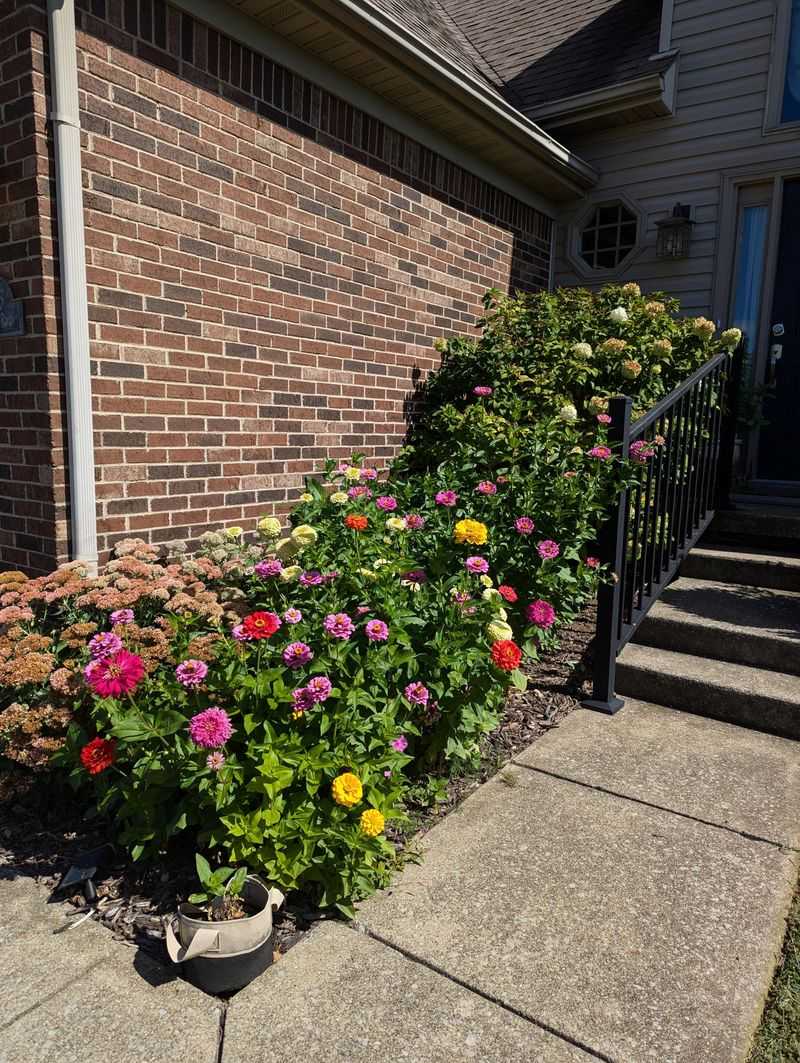
Zinnias are one of the most rewarding flowers you can grow from seed. They are bold, colorful, and almost impossible to mess up.
April is the right time to direct sow zinnias in California because they need warm soil to germinate well. They do not like cold feet, so waiting until mid-April in cooler coastal areas is a smart move.
In the Central Valley or Southern California, early April works just fine.
Sow seeds about a quarter inch deep and space them six inches apart. Once seedlings emerge and grow a few inches, thin to about 12 inches apart.
Zinnias bloom faster when they have room to spread. They love full sun and warm temperatures, making them a natural fit for California summers.
Water at the base of the plant rather than overhead to keep petals looking fresh.
Pinching off the first blooms when plants are young encourages bushier growth and more flowers overall. Deadhead spent blooms regularly to keep the plant producing through summer and into fall.
Zinnias also make incredible cut flowers, so you can fill your home with color all season long. They attract butterflies and hummingbirds, adding even more life to your California garden.
Mix colors for a wildly beautiful display that grows more stunning with every passing week.