How Michigan Gardeners Prep Garden Beds Even When The Ground Is Still Frozen
Michigan winters can feel long and relentless, but experienced gardeners know the season is far from wasted.
Even while the ground sits frozen across the Upper and Lower Peninsulas, this quiet stretch of the year offers a valuable chance to prepare for the months ahead.
A little planning now can make spring gardening far smoother and far more productive. Many Michigan gardeners use the coldest weeks to organize tools, review last year’s garden results, and map out what they want to grow next.
It is also the perfect time to order seeds, plan garden beds, and prepare for early indoor seed starting before the last frost arrives. Taking advantage of winter’s slower pace means you are ready to move quickly once temperatures begin to rise.
These ten smart strategies can help Michigan gardeners prepare their beds and start the new growing season with a real head start.
1. Remove Winter Debris From Beds
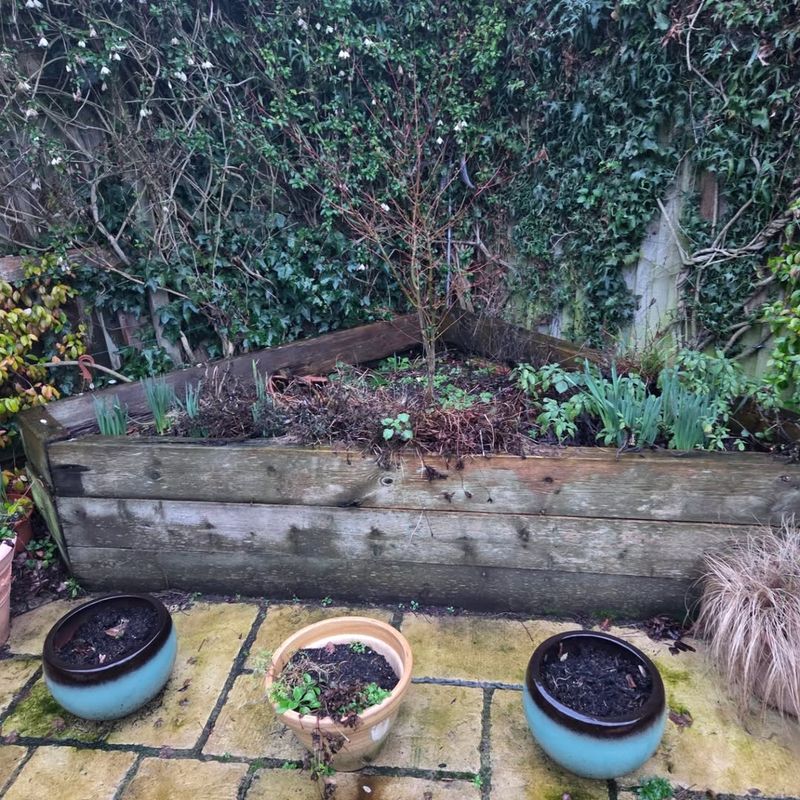
Frozen soil does not mean frozen progress. One of the smartest first moves Michigan gardeners make each late winter is clearing out the leftover mess from the previous season.
Fallen leaves, broken stems, and old plant material pile up over the cold months, and letting them sit too long creates a cozy hiding spot for fungal diseases and overwintering pests.
Clearing debris from your beds improves airflow significantly once temperatures start to rise. Better airflow means soil dries more evenly and warms up faster, which is a big deal in Michigan where every extra warm day counts.
Grabbing a rake and a bucket on a dry winter afternoon is a surprisingly satisfying way to get a head start.
Michigan State University Extension recommends removing plant debris before new growth emerges to reduce disease pressure in vegetable and perennial beds. Leaving old material on beds can trap moisture and slow the warming process.
Even a quick cleanup session of 20 to 30 minutes can make a noticeable difference when spring finally shows up and you are ready to plant without delay.
2. Plan Garden Layout And Crop Rotation
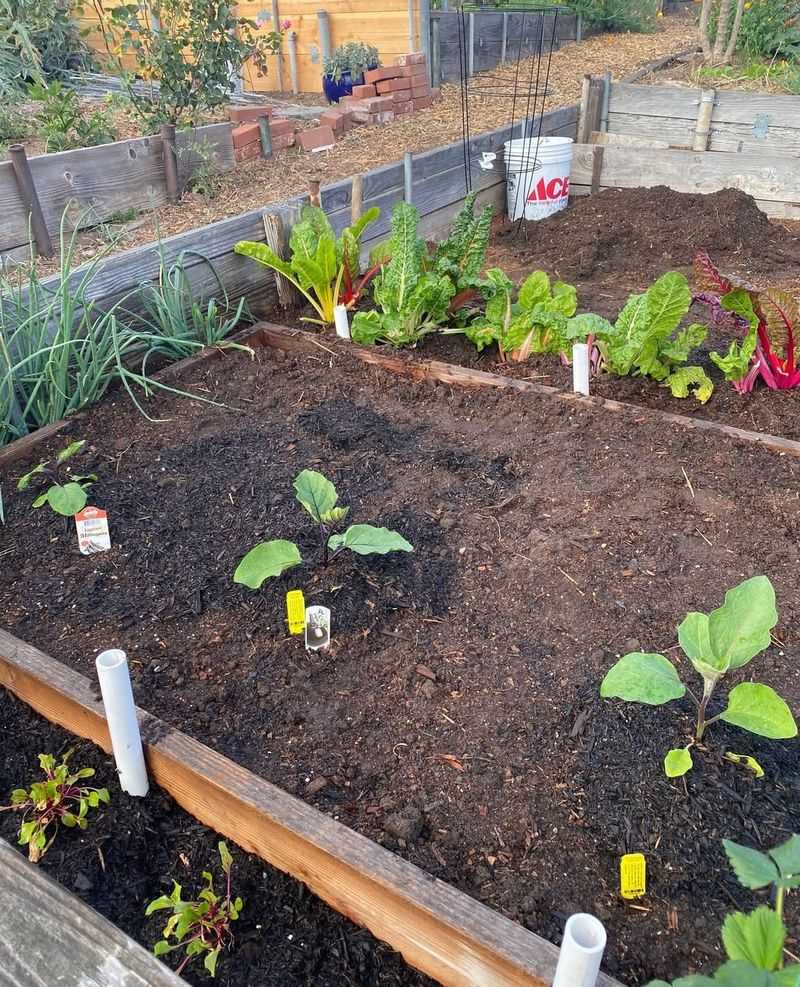
Winter is actually the best time to become a garden strategist. When the ground is frozen solid and there is nothing to plant, Michigan gardeners pull out notebooks, graph paper, or even garden planning apps and start mapping out exactly where everything will go this season.
It sounds simple, but a solid plan makes the entire growing season run smoother. Crop rotation is a key part of that planning process. Moving plant families to different beds each year helps prevent soil-borne diseases from building up in one spot.
For example, if you grew tomatoes in one bed last summer, plan to move them to a different location this year and fill that old spot with beans or greens instead.
Michigan vegetable gardeners especially benefit from rotation planning because the state’s humid summers can encourage fungal problems when the same crops sit in the same soil year after year.
Sketching out a simple four-bed rotation system during frozen months takes maybe an hour, but it pays off all season long.
Your Michigan Garden Changes Every Week. Your Plan Should Too.
Gardening in Michigan changes quickly throughout the season. Every Friday you’ll receive a simple weekly plan showing exactly what to plant, prune, fertilize, harvest, and protect so you never miss the right timing.
You will feel so much more confident and organized when planting time finally arrives and every square foot of your Michigan garden already has a purpose.
3. Sharpen And Clean Garden Tools

There is something deeply satisfying about walking into spring with a set of perfectly sharp, clean garden tools. Michigan gardeners who use the frozen months to maintain their equipment always notice a huge difference when soil prep season kicks off.
Dull blades make every task harder, from cutting through compacted soil to trimming back perennials.
Sharpening a shovel or hoe only takes a few minutes with a metal file, and the result is a blade that slices through soil cleanly instead of pushing through it. Pruners and loppers also benefit from sharpening and a light coat of oil to keep them from rusting.
Cleaning off old soil and plant residue from tools before storing or using them again also reduces the spread of soil-borne pathogens between beds.
Michigan horticulture experts recommend wiping metal tool heads with a rag dipped in linseed oil after sharpening to protect them through the rest of winter storage. Wooden handles should be sanded smooth and treated if they feel rough or splintered.
Spending one or two weekend afternoons in January or February getting your tools in top shape means you will be fully equipped and ready to tackle your Michigan garden beds the moment the frost breaks and the soil starts to give.
4. Start Composting
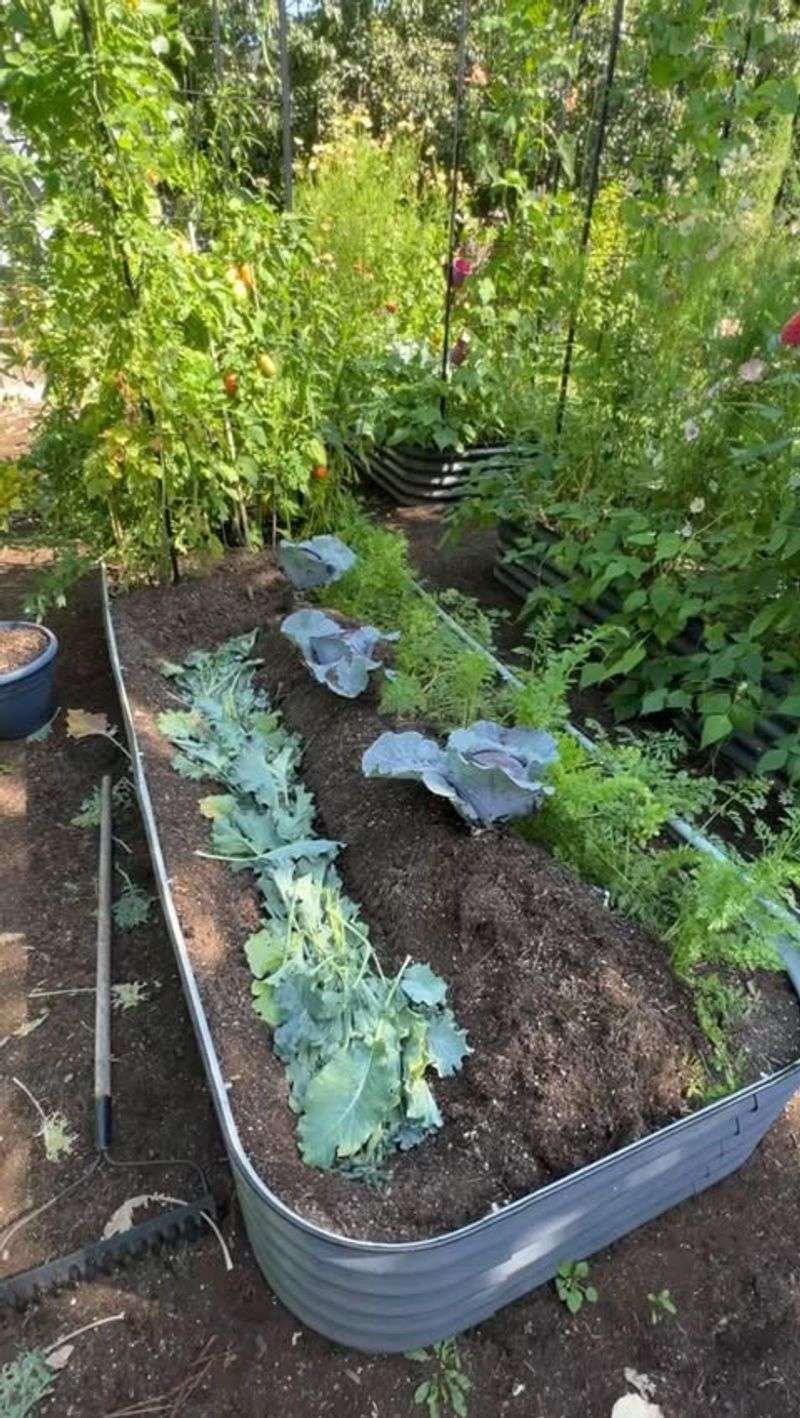
Frozen ground is zero excuse to stop feeding your compost pile. Michigan gardeners who keep their compost active through winter end up with rich, finished compost ready to spread on beds as soon as spring thaw arrives.
The process slows down in cold weather, but it never fully stops, especially near the center of a well-built pile.
Kitchen scraps like vegetable peels, coffee grounds, and eggshells can be added to an outdoor bin all winter long. Layering those wet kitchen materials with dry leaves or straw helps maintain a healthy carbon-to-nitrogen balance.
Even if the outer edges of the pile freeze solid, the interior keeps breaking down slowly, and that material will be beautifully decomposed by March or April.
Michigan State University Extension notes that compost adds essential organic matter to garden beds, improving both drainage in clay-heavy soils and water retention in sandy soils, both of which are common across different parts of Michigan.
Starting or maintaining a compost pile during frozen months means you will have a free, nutrient-rich soil amendment ready to go at planting time.
It is one of the easiest and most rewarding habits any Michigan gardener can build into their winter routine without spending a single extra dollar.
5. Order Seeds And Supplies

Seed catalogs start arriving in Michigan mailboxes in January, and experienced gardeners treat them like treasure maps.
Ordering seeds early is one of the smartest moves you can make while the ground is still frozen, because popular heirloom and specialty varieties sell out fast every single year.
Waiting until spring often means settling for whatever is left on the shelf.
Beyond seeds, frozen ground time is also the right moment to stock up on fertilizers, soil amendments, pest control supplies, and row cover fabric. Knowing what you need ahead of time and ordering it in winter means everything arrives before you actually need it.
There is nothing worse than being ready to plant and realizing you forgot to order the organic fertilizer or the right seed starting mix.
Michigan gardeners growing vegetables should pay attention to days-to-maturity on seed packets and choose varieties that fit within the state’s relatively short growing season.
Shorter-season varieties of tomatoes, peppers, and squash are especially popular in northern Michigan where frost can return earlier in fall.
Mapping out your seed order alongside your garden layout plan makes for a powerful winter afternoon well spent, and it keeps the gardening excitement alive during the longest, coldest stretch of the Michigan winter.
6. Plan Raised Beds Or Containers
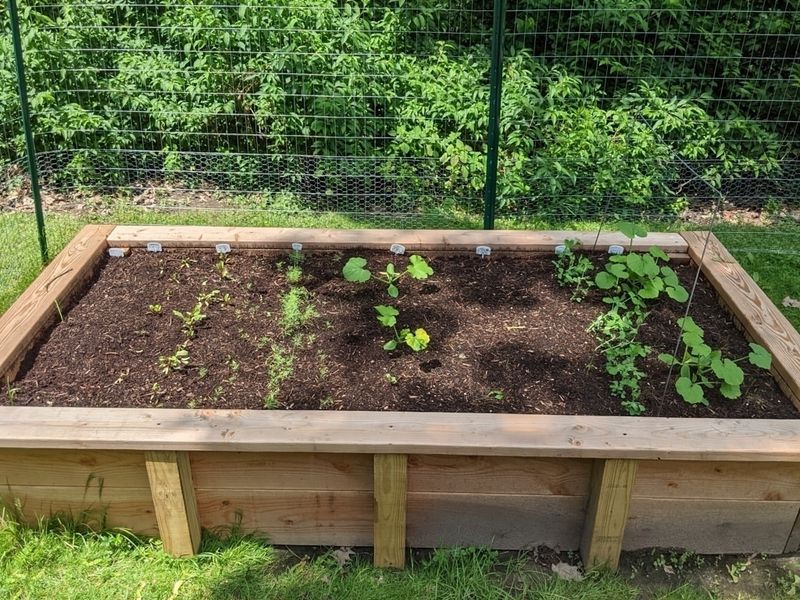
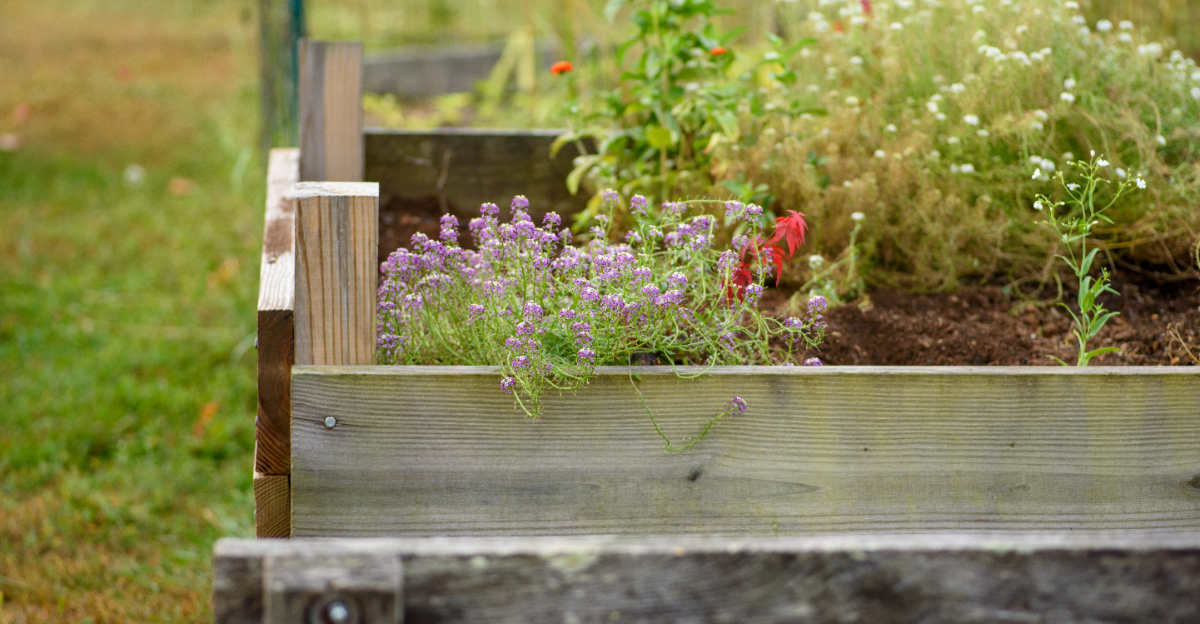
Raised beds are a game-changer for Michigan gardeners, and planning them during frozen soil months is one of the most productive things you can do all winter.
Raised beds warm up faster than in-ground soil in spring, which means you can start planting cool-season crops weeks earlier than your neighbors who are waiting on frozen ground to thaw.
Planning where to place your raised beds, how large to build them, and what materials to use takes time and thought.
Cedar is a popular choice in Michigan because it resists moisture and holds up well through the state’s freeze-thaw cycles without warping or rotting quickly.
Sketching out the layout of raised beds in relation to your yard’s sun exposure and water access makes the actual building process much faster and easier when warmer weather returns.
Container gardening is another excellent option for Michigan gardeners with smaller yards or patchy soil conditions.
Planning which containers to use and what to grow in them during winter means you can have pots cleaned, drilled for drainage, and filled with fresh potting mix the moment temperatures allow.
Whether you are building new raised beds or refreshing old containers, using frozen ground months to finalize your plans puts you miles ahead of gardeners who wait until spring to start thinking about structure and placement.
7. Amend Compost Or Mulch Storage

Most Michigan gardeners store bags of mulch or maintain compost bins through the winter, but not everyone checks on those piles regularly.
Late winter is the perfect time to turn your compost, check moisture levels, and make sure the material is breaking down properly before you need it in spring. A quick check now saves a lot of frustration later.
Turning a compost pile even in cold weather introduces fresh oxygen to the center, which speeds up decomposition once temperatures begin to climb. If your pile looks too dry, adding a bit of water or fresh kitchen scraps helps reactivate the breakdown process.
If it looks compacted or matted, breaking it up with a pitchfork opens airflow and gets things moving again.
Stored mulch should also be inspected during this window. Bags of wood chip mulch or shredded bark can develop mold if stored in damp conditions, and checking them before spring ensures you are not spreading anything problematic on your Michigan garden beds.
Prepping your compost and mulch supply during frozen months means you will have rich, ready-to-use material waiting the moment beds thaw.
Michigan gardeners who stay on top of their compost and mulch storage always step into planting season with a genuine advantage over those who scramble to find amendments at the last minute.
8. Test Soil With Samples If Accessible
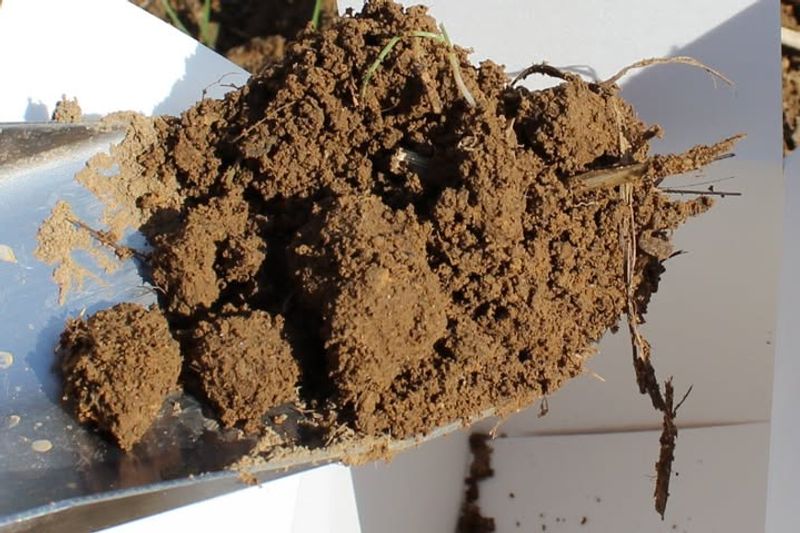
Soil testing might sound like something only farmers do, but Michigan gardeners who test regularly grow noticeably healthier plants every season.
Late winter is actually a smart time to pull soil samples, even from near-surface areas that are not fully frozen, and send them off to a lab for analysis before the busy spring season begins.
Michigan State University Extension offers affordable soil testing services that measure pH, phosphorus, potassium, and other key nutrients.
Knowing your soil’s current nutrient levels tells you exactly what amendments to add in spring, rather than guessing and potentially over-applying fertilizers that can cause more harm than good.
A simple test result takes the guesswork completely out of your fertilization plan.
For Michigan vegetable gardens, the ideal soil pH typically falls between 6.0 and 7.0, depending on the crop. If your soil tests too acidic, you will know to add lime before planting.
If it is low on phosphorus, you can plan for a targeted amendment right from the start. Getting results back in late winter gives you plenty of time to source the right products and apply them before seeds go in the ground.
Soil testing is one of the highest-value, lowest-cost investments any Michigan gardener can make during the frozen off-season months.
9. Sharpen Raised Or Temporary Garden Edges

Clean, well-defined garden edges make a huge difference in how organized and manageable your beds look and function all season long.
Michigan gardeners who take frozen ground months to plan their bed edges, paths, and borders save themselves a lot of scrambling once spring arrives and everything starts growing fast at once.
Even when the ground is frozen, you can walk your yard and mark where edges should go using stakes and string or spray paint on snow.
Visualizing the final layout while standing in the actual space often reveals problems you would never notice on paper, like a path that is too narrow or a bed that blocks a gate. Adjusting plans now costs nothing except a few minutes of your time.
Raised bed edges and temporary edging materials like metal strips or plastic borders can also be inspected and repaired during winter.
Frost heaving in Michigan’s unpredictable winters can shift edging out of alignment, and catching that early means you are not fighting it when the ground softens.
Straight, defined edges also make it easier to apply mulch neatly and keep grass from creeping into beds.
Taking time during frozen months to plan and mark your Michigan garden edges is a small effort that pays off with a cleaner, more productive, and far easier-to-manage garden all season long.
10. Prepare Row Covers, Tunnels, Or Frost Cloths
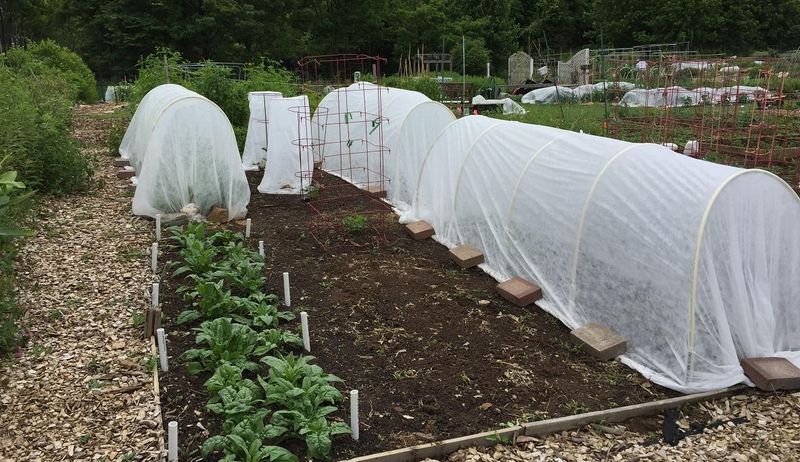
Getting a jump on the season is one of the most exciting parts of gardening in Michigan, and row covers, hoop tunnels, and cold frames make that possible.
Assembling and testing these protective structures while the ground is still frozen means you are not scrambling to put them together when cool-season crops need protection right now.
Hoop tunnels are simple to build using flexible PVC pipes or wire hoops and a layer of floating row cover fabric.
They trap warmth around plants during cold nights and shield young seedlings from late frosts, which can still show up in Michigan well into May in some northern regions.
Having tunnels ready to drop over beds the moment you transplant early crops like lettuce, spinach, or kale gives those plants a much stronger start.
Cold frames are another fantastic option for Michigan gardeners who want to push the season even earlier. A cold frame is essentially a bottomless box with a clear lid, often made from an old window, that acts like a mini greenhouse directly over the soil.
Checking existing frames for cracked glass, broken hinges, or gaps in the frame during winter ensures everything is in working order before you need it.
Prepping all your season-extending gear during the frozen months means Michigan gardeners can start planting weeks ahead of schedule and enjoy a longer, more productive growing season every year.