Garden Tasks Michigan Homeowners Must Finish In May Before Summer Heat Arrives
May is a busy and important month for Michigan gardens, with just enough time to get things in shape before summer heat arrives.
As temperatures rise and plants begin active growth, the work you finish now can have a lasting impact on how your yard performs in the months ahead.
It is a window when soil conditions improve, planting opportunities expand, and small tasks can prevent bigger problems later. Waiting too long can mean dealing with stressed plants, weeds that are harder to control, and missed chances for strong growth.
Michigan’s changing spring weather makes timing especially important, since warm days can move things along quickly.
Whether you are working on flower beds, shrubs, or vegetables, staying on top of key tasks in May helps everything settle in before the season shifts. A little effort now can lead to a healthier, more vibrant garden all summer long.
1. Finish Planting Warm-Season Crops
Tomatoes sitting on your kitchen counter waiting to go in the ground? Mid to late May is your green light in Michigan.
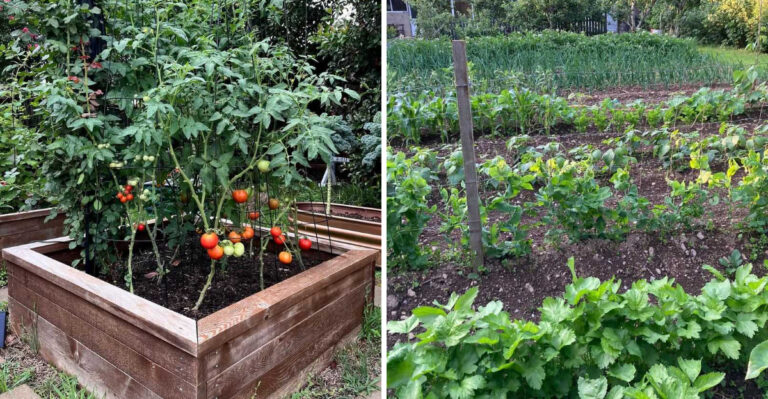
Once the last frost has passed, usually around May 15th for most of the Lower Peninsula, warm-season crops like tomatoes, peppers, cucumbers, and beans are ready to go into the soil.
Waiting too long means your plants miss valuable growing time before summer heat peaks. Plant your tomatoes deep, burying the stem up to the first set of leaves. This encourages stronger root growth and helps the plant stay stable as it grows taller.
Peppers love warmth, so choose a sunny spot and give them plenty of room. Beans are fast growers and do well when sown directly into the ground rather than transplanted.
Michigan gardeners in zones 5 and 6 should keep an eye on overnight temperatures during early May. A surprise cold snap can still sneak in, especially in northern areas.
Keep a few row covers or old bedsheets handy just in case. Once your crops are in and settled, they will reward you with a productive harvest from midsummer through early fall. Getting this task done in May truly sets the tone for everything else in your garden.
2. Plant Annual Flowers For Summer Color
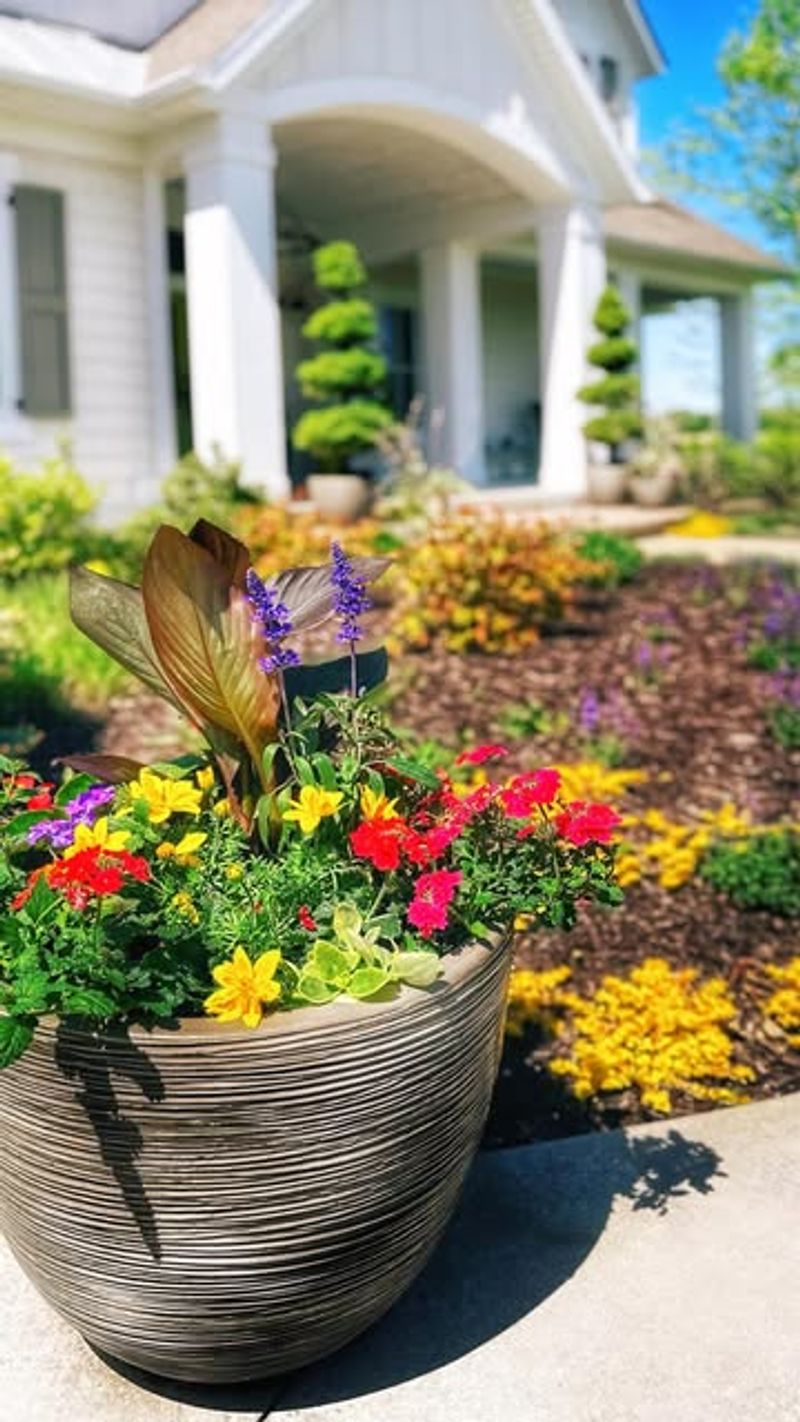
Nothing transforms a yard faster than a burst of annual flowers planted at just the right time. May is the sweet spot for getting zinnias, marigolds, petunias, and impatiens into Michigan garden beds.
These plants grow fast and bloom heavily, but they need a few weeks to settle in before summer heat really kicks up the pressure.
Zinnias are a Michigan favorite for good reason. They tolerate heat well, attract butterflies and pollinators, and come in nearly every color imaginable.
Marigolds pull double duty by adding bright orange and yellow tones while naturally keeping certain pests away from your vegetable garden.
Petunias spill beautifully over container edges and window boxes, making them perfect for porches and patios across the state.
When planting annuals, work a little compost into the soil first to give roots something rich to grab onto. Water them in well after planting and check soil moisture daily for the first week.
Your Michigan Garden Changes Every Week. Your Plan Should Too.
Gardening in Michigan changes quickly throughout the season. Every Friday you’ll receive a simple weekly plan showing exactly what to plant, prune, fertilize, harvest, and protect so you never miss the right timing.
Grouping flowers in odd numbers, like threes or fives, creates a more natural and visually appealing look.
Planting in May gives annuals enough time to establish strong roots before the hottest weeks arrive, which means more blooms, fewer wilted plants, and a garden that genuinely looks stunning from June all the way through September in Michigan.
3. Divide Overcrowded Perennials
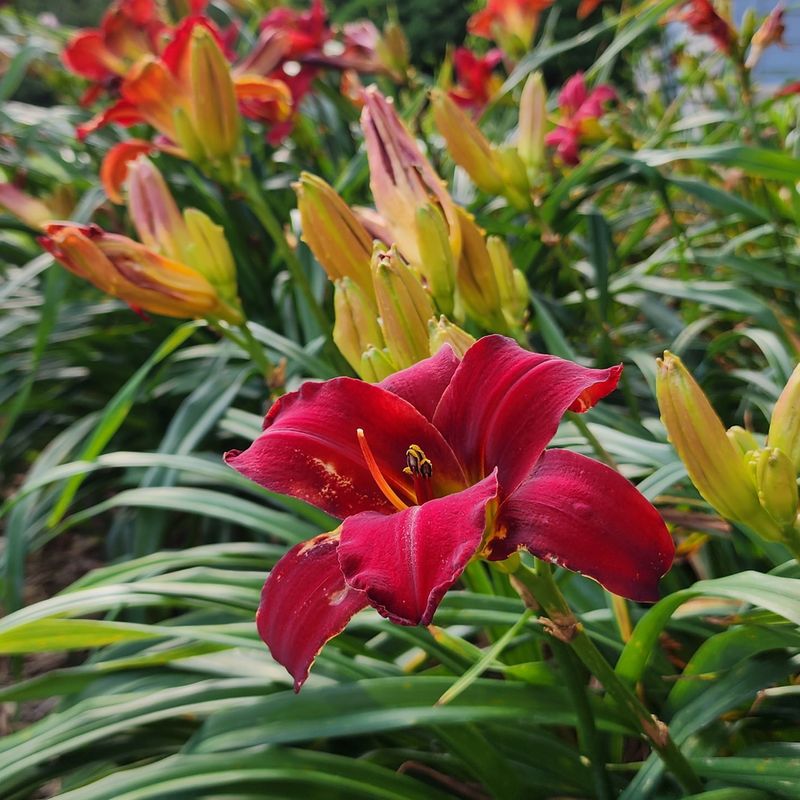
Picture a clump of hostas or daylilies that has been growing in the same spot for five or six years. It looks a little cramped, blooms less than it used to, and the center might even look sparse.
That is a clear sign the plant needs dividing, and May in Michigan is one of the best times to do it before summer stress sets in.
Dividing perennials is easier than most people expect. Use a sharp spade or garden fork to lift the entire clump out of the ground.
Then gently pull or cut the root mass into smaller sections, making sure each division has both roots and healthy shoots attached. Replant the sections at the same depth they were growing before, water them thoroughly, and they will adjust quickly.
Popular Michigan perennials like coneflowers, black-eyed Susans, hostas, and ornamental grasses all respond well to spring division. Beyond filling in bare spots in your own yard, divided plants make wonderful gifts for neighbors or friends who want to start a garden.
Dividing also gives you a chance to refresh the soil in that area by mixing in some compost before replanting.
Plants that get divided regularly tend to bloom more vigorously, stay healthier, and look fuller season after season. May is truly the perfect time to tackle this rewarding task.
4. Apply Mulch Before Heat Sets In
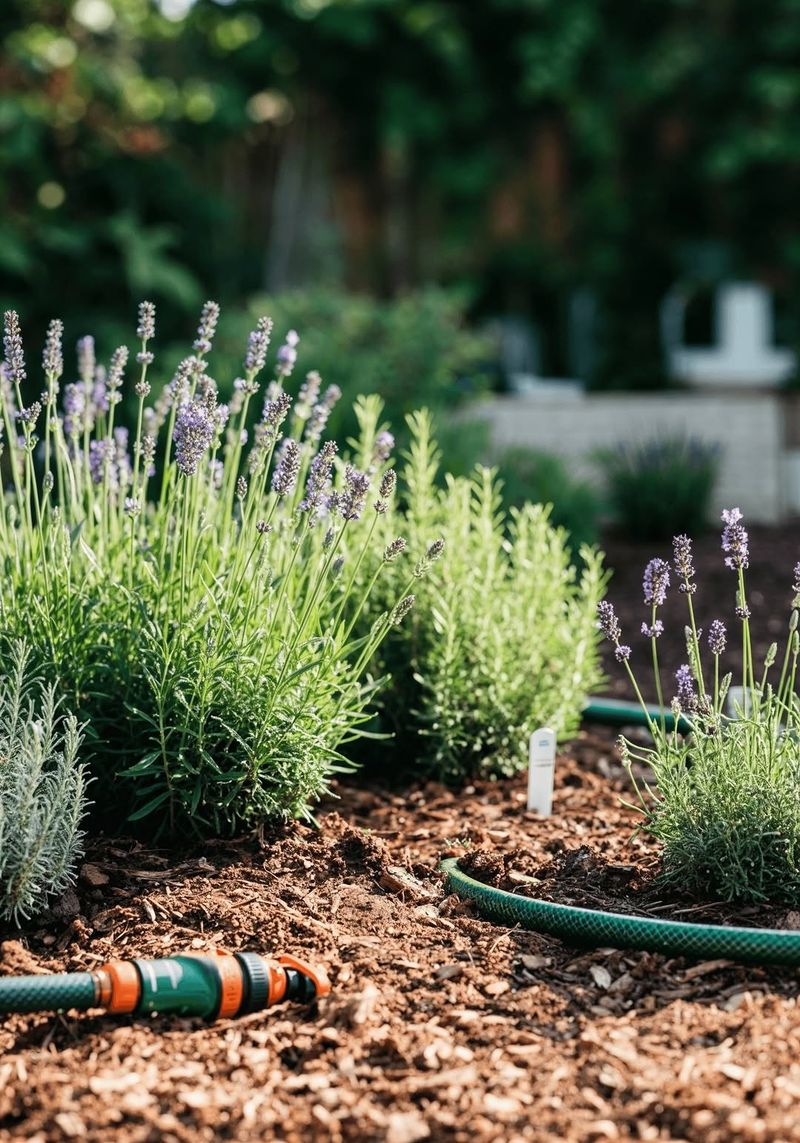
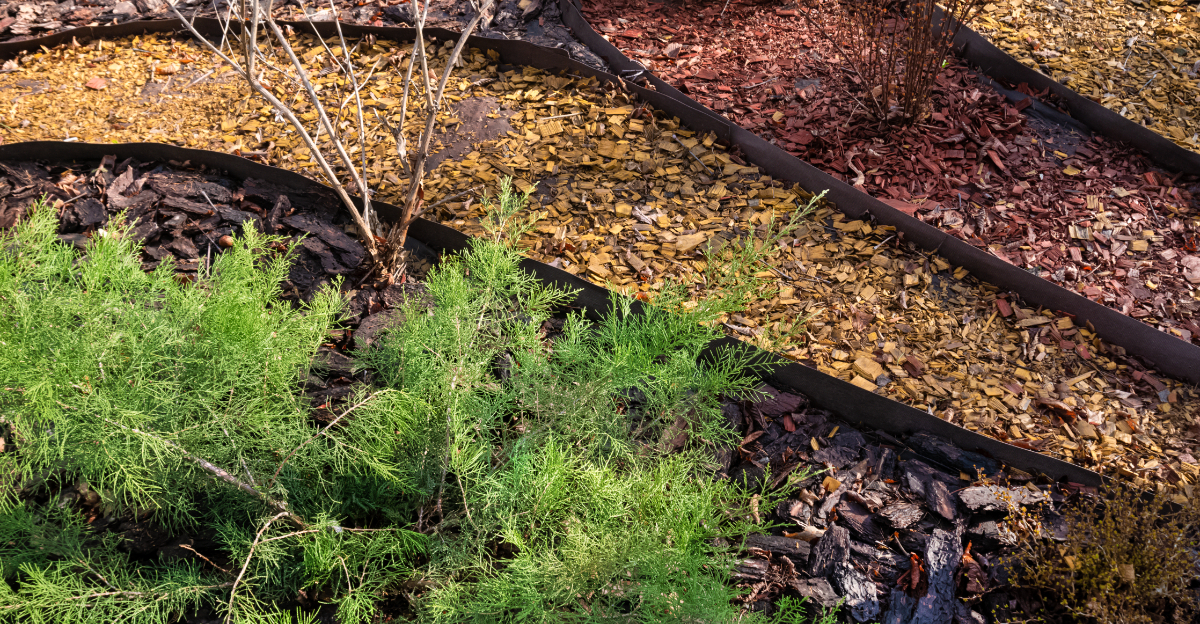
Mulch might just be the hardest-working material in any Michigan garden. A fresh layer applied in May does several important things at once: it locks moisture into the soil, keeps roots cooler when temperatures climb, and smothers weed seeds before they get a chance to sprout.
Skipping this step means spending a lot more time watering and weeding once summer arrives.
Aim for about two to three inches of organic mulch, such as shredded bark, wood chips, or straw, around your plants and garden beds. Avoid piling mulch directly against plant stems or tree trunks, since that can trap moisture and lead to rot.
Leave a small gap around the base of each plant so air can still circulate freely. Shredded hardwood mulch is widely available at Michigan garden centers and home improvement stores in spring, and prices are usually reasonable when you buy in bulk bags or by the cubic yard.
Beyond the practical benefits, fresh mulch also makes garden beds look neat, polished, and well-maintained. Neighbors will notice. Even a thin layer over bare soil can make a dramatic visual difference.
Applying mulch in May, before the real heat shows up, is one of the smartest and most cost-effective things you can do to protect your garden investment and keep plants thriving all summer long.
5. Start A Consistent Watering Routine
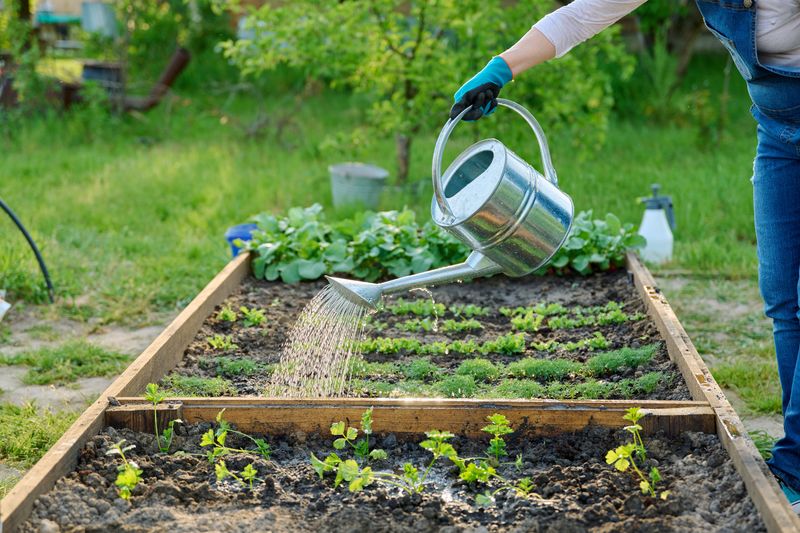
Water is everything in a garden, but how and when you deliver it matters just as much as how much you use. May is the right time to build a watering routine before Michigan summers push temperatures into the upper 80s and beyond.
Plants that receive consistent moisture from the start develop deeper, stronger root systems that handle heat stress far better than those watered irregularly.
Early morning is the best time to water. Watering in the morning allows moisture to soak into the soil before the day heats up, and leaves have time to dry before evening, which reduces the chance of fungal problems.
Aim to water deeply a few times per week rather than giving plants a light sprinkle every day. Deep watering encourages roots to grow downward, making plants more self-sufficient over time.
Drip irrigation and soaker hoses are worth considering if you have larger garden beds or a vegetable garden. They deliver water directly to the root zone, which reduces waste and keeps foliage dry.
Many Michigan homeowners also find that rain gauges help track how much natural rainfall the garden is already receiving, so you water only when needed.
Setting up a reliable routine in May, before the ground dries out, keeps your garden in great shape throughout the hottest and driest stretches of the Michigan summer season.
6. Fertilize Actively Growing Plants
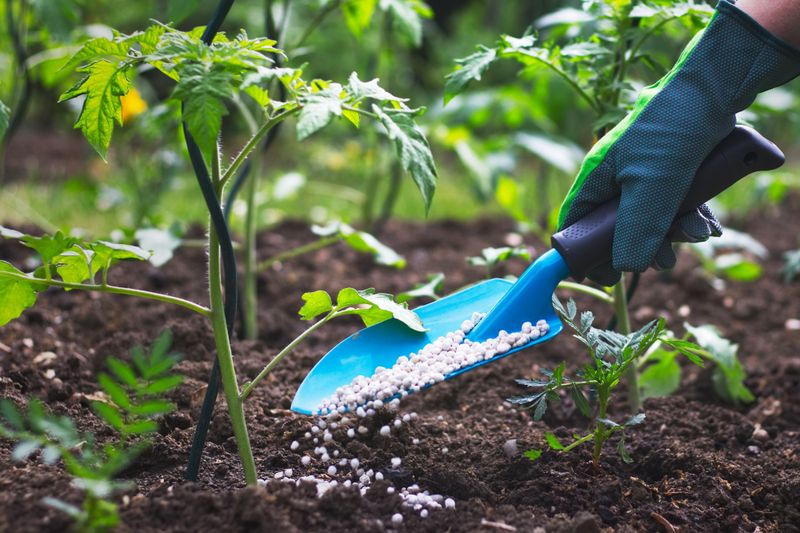
Spring in Michigan brings a surge of new growth, and plants are hungry. May is one of the most effective times to fertilize because roots are active, temperatures are rising, and nutrients can be absorbed quickly and efficiently.
Feeding your garden now gives vegetables, perennials, and shrubs the fuel they need to produce strong stems, rich foliage, and abundant blooms all summer long.
For vegetable gardens, a balanced granular fertilizer, such as a 10-10-10 formula, works well worked into the soil around plants. Roses and flowering shrubs benefit from a fertilizer with a slightly higher phosphorus content to support blooming.
Perennials generally need less feeding than annuals, but a top-dressing of compost or a light application of slow-release fertilizer in May gives them a helpful boost right when they need it most.
Avoid over-fertilizing, which is a common mistake. Too much nitrogen pushes leafy green growth at the expense of flowers and fruit, and it can actually stress plants rather than strengthen them.
Always follow package directions and water well after applying any granular product. Liquid fertilizers work faster and are great for container plants or anything that looks a little pale and sluggish.
Michigan gardeners who fertilize in May consistently report healthier harvests, brighter blooms, and plants that bounce back more easily from the inevitable heat and dry spells of summer.
7. Install Plant Supports Early
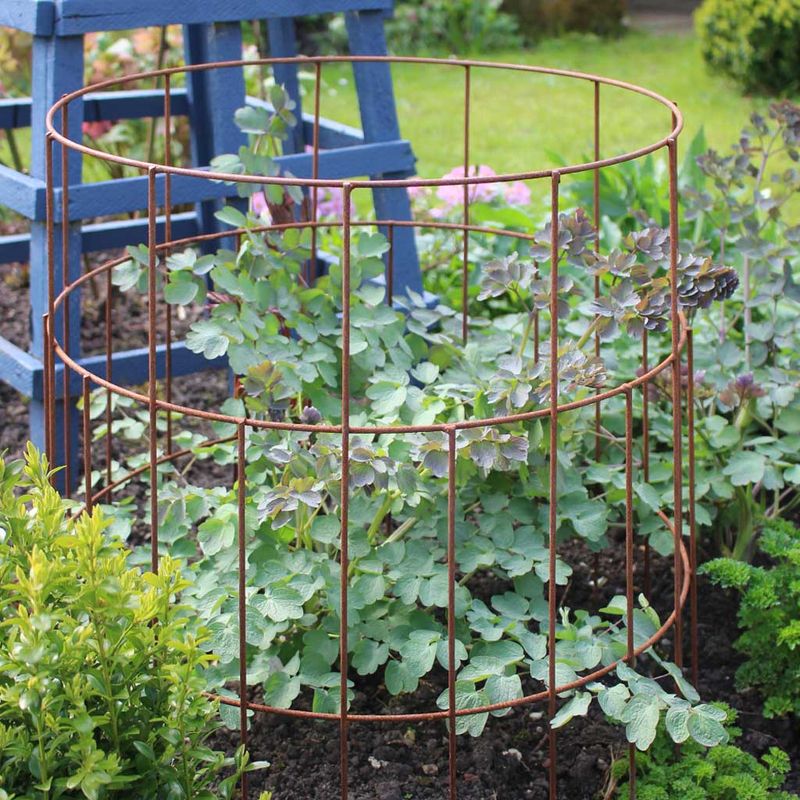
Here is a mistake almost every new gardener makes at least once: waiting too long to put supports in place. By the time tomatoes are flopping over and bean vines are tangled on the ground, the damage is already done.
Installing cages, stakes, and trellises in May, while plants are still small, is one of the simplest ways to protect your Michigan garden investment and keep things looking tidy.
Tomato cages are the most popular option for home gardeners, and heavy-duty wire cages hold up much better than the flimsy cone-shaped ones sold at discount stores.
For indeterminate tomato varieties, which keep growing all season, a sturdy wooden stake or a Florida weave system works especially well.
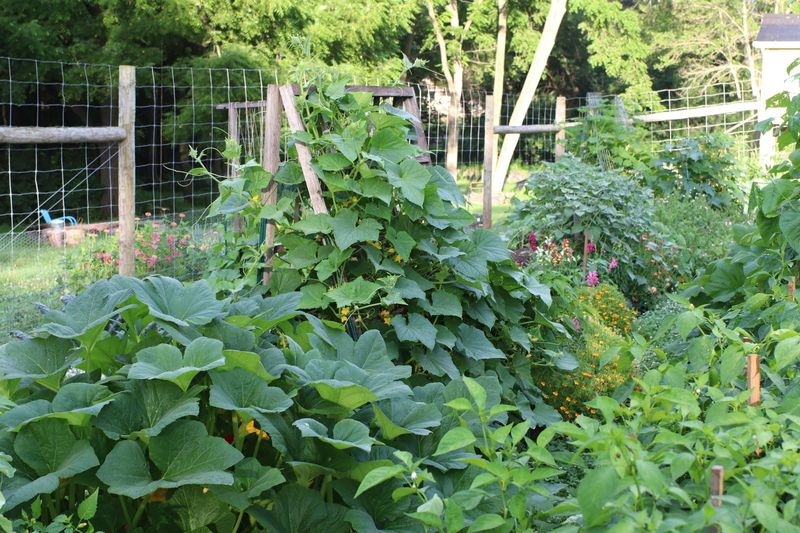
Pole beans, cucumbers, and climbing squash all benefit from a trellis or netting stretched between posts.
Installing supports early also makes it much easier to guide plants as they grow. You can loosely tie young stems to stakes before they develop a stubborn lean in the wrong direction.
Trellises placed along the north side of a garden bed allow vining plants to climb without shading shorter crops. This is especially useful in Michigan raised bed gardens where space is limited.
Taking an hour in May to set up your support system saves hours of frustrating work later and leads to healthier, more productive plants from midsummer onward.
8. Control Weeds Before They Spread
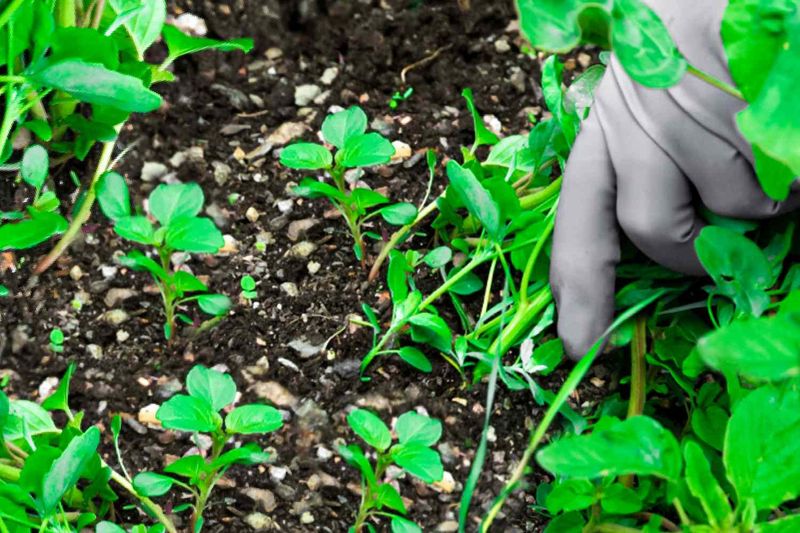
Weeds in May look harmless. They are small, scattered, and easy to overlook when everything else in the garden is demanding attention.
But those tiny seedlings grow with incredible speed, and a garden left unchecked for just two or three weeks can turn into a tangled mess that takes hours to sort out. Tackling weeds early in Michigan is one of the most time-saving habits you can build.
Hand-pulling is the most reliable method for garden beds where plants are close together. Pull weeds when the soil is moist, ideally after a rain, because roots come out cleanly rather than snapping off below the surface.
A sharp hoe works well between rows in vegetable gardens, slicing weed seedlings off at the soil line before they get established. Aim to weed for just fifteen to twenty minutes every few days rather than letting it pile up into a big weekend project.
Pre-emergent herbicides can be useful in lawn areas or gravel paths around Michigan properties, but use them carefully around vegetable gardens and flower beds since they can affect desirable seeds too.
Laying down mulch after weeding is one of the best follow-up steps you can take, since it blocks sunlight from reaching the soil and prevents new seeds from germinating.
Getting ahead of weeds in May makes the entire growing season more enjoyable and far less stressful for Michigan homeowners.
9. Inspect Plants For Early Pests
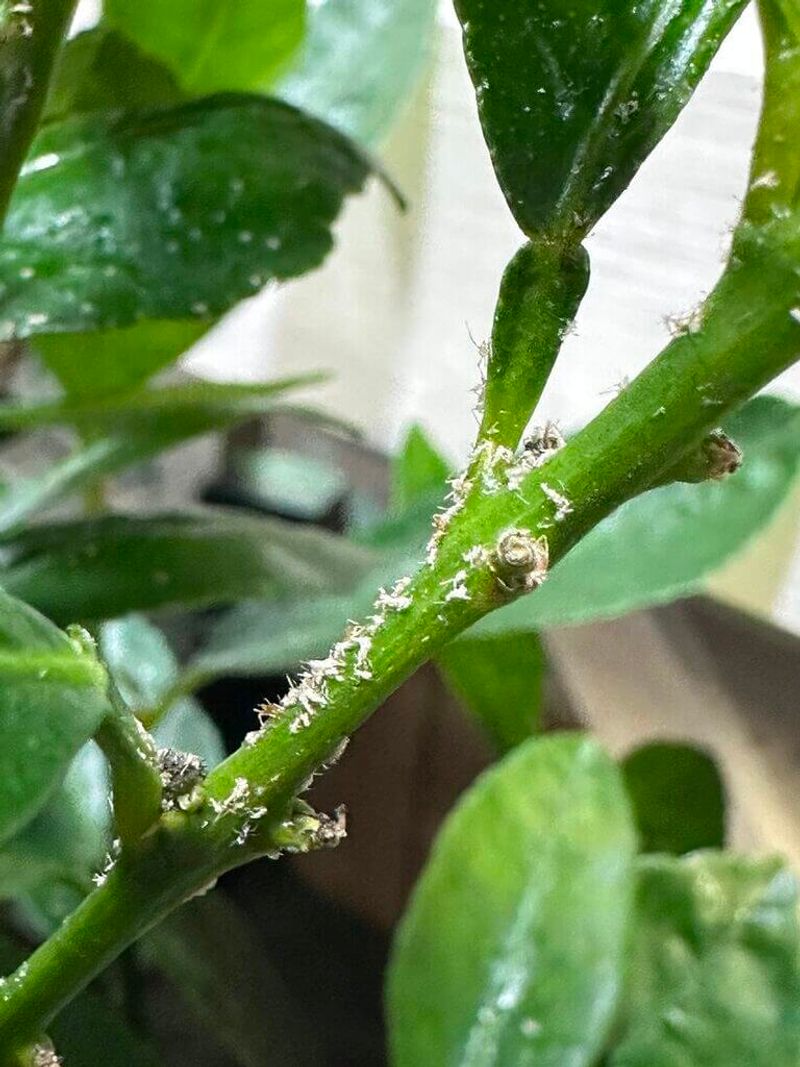
Aphids, slugs, Japanese beetle larvae, and a handful of other unwanted visitors start showing up in Michigan gardens right around May. Catching them early makes all the difference.
A small aphid colony on a pepper plant is easy to handle with a strong spray of water or a little insecticidal soap. A large infestation that has gone unnoticed for weeks is a much bigger challenge.
Make a habit of checking the undersides of leaves, which is where many pests prefer to hide and lay their eggs. Aphids cluster in soft, curled leaves near new growth.
Slugs leave behind a silvery trail and tend to feed at night, so checking early in the morning gives you the best chance of spotting them. Caterpillars and leaf miners leave visible damage patterns that are easy to identify once you know what to look for.
Michigan State University Extension is a fantastic resource for identifying garden pests specific to the region. Many common issues can be managed with organic solutions like neem oil, diatomaceous earth, or simple hand-picking.
Encouraging beneficial insects, such as ladybugs, lacewings, and ground beetles, by planting flowers like dill, fennel, and alyssum nearby helps keep pest populations naturally in check.
Staying proactive with weekly inspections through May and June gives your Michigan garden the best possible chance of staying healthy and productive all season long.
10. Prune Spring-Flowering Shrubs After Bloom
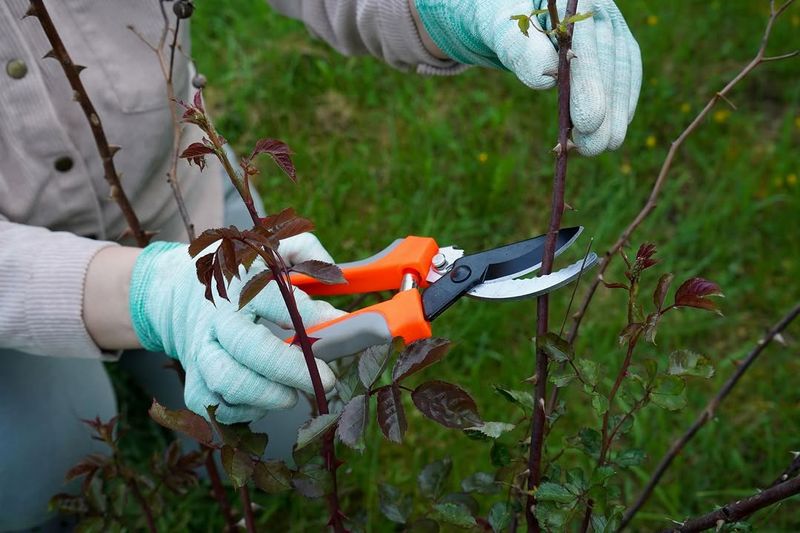
Lilacs blooming across Michigan in May are one of the most beloved signs of the season. But once those gorgeous purple and white clusters fade, it is time to reach for the pruning shears.
Spring-flowering shrubs like lilac, forsythia, and viburnum set next year’s flower buds on wood that grows during summer. Prune them too late, and you accidentally remove those buds along with the old branches.
The rule is simple: prune within two to three weeks after the last bloom fades. Remove any crossing branches, dead wood, and stems that are growing in awkward directions.
For older lilac shrubs that have become very tall and leggy, cutting one-third of the oldest, thickest stems down to the ground each year encourages fresh new growth from the base and gradually rejuvenates the entire plant over three seasons.
Sharp, clean tools matter a lot here. Dull pruning shears crush stems rather than cutting cleanly, which invites disease and slows healing.
Wipe blades with rubbing alcohol between plants if you are working through multiple shrubs in your Michigan yard.
After pruning, a light application of balanced fertilizer and a fresh layer of mulch around the base gives shrubs a great head start for the rest of the growing season.
Well-pruned shrubs look tidier, bloom more heavily the following spring, and stay at a manageable size for years to come.
11. Edge And Refresh Garden Beds
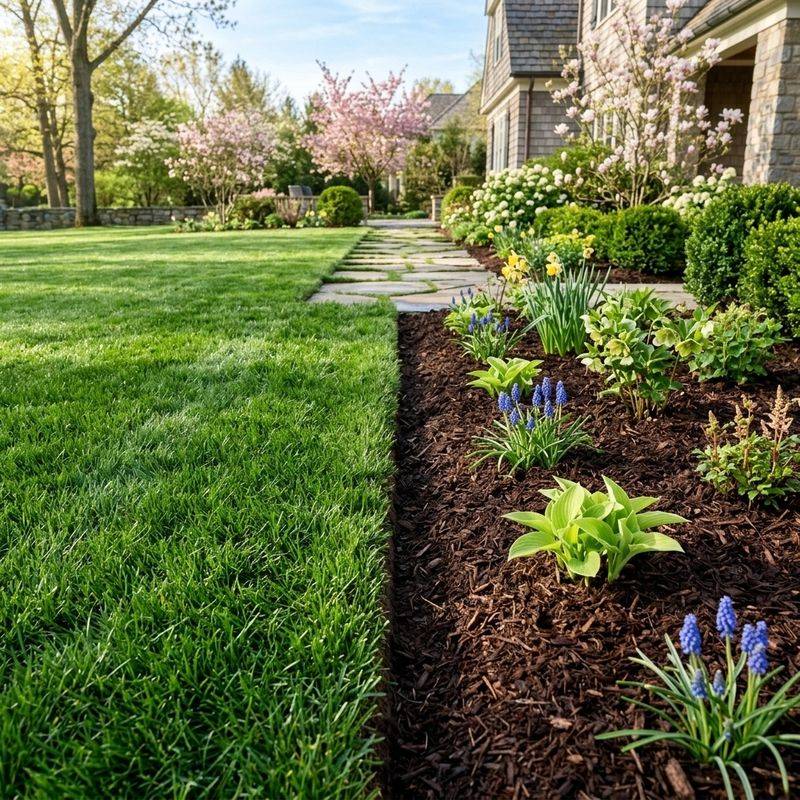
There is something deeply satisfying about a garden bed with crisp, clean edges. It takes a yard from looking average to looking genuinely cared for, and it only takes an afternoon to make a big impact.
May is the ideal time to edge and refresh beds in Michigan because grass is actively spreading and the soil is soft enough to work easily after spring rains.
A half-moon edger or a flat spade works perfectly for redefining bed borders along lawns. Cut straight down along the edge of the bed, remove any grass that has crept in, and pull it out by the roots so it does not grow back quickly.
For curved beds, a garden hose laid on the ground first makes a great guide for achieving smooth, flowing lines before you start cutting.
Once the edges are clean, take a few minutes to rake out any debris, old mulch, or winter-blown leaves from inside the bed. This is also a good time to check for any bare spots where plants did not come back and decide whether to fill them with new perennials or annuals.
Refreshing the entire bed with a new layer of mulch after edging ties everything together visually. Michigan homeowners who take time to edge in May enjoy a neater, more polished yard all summer without needing to redo the work until fall cleanup season arrives.
12. Overseed Or Repair Bare Lawn Spots
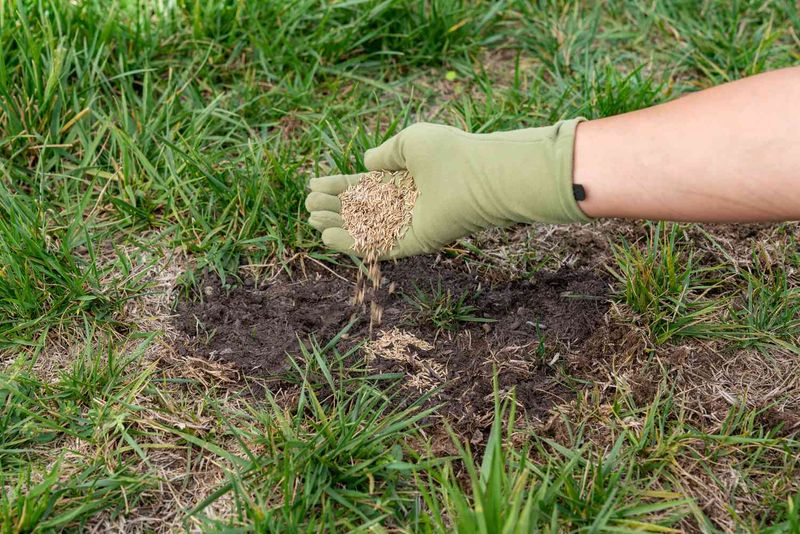
Winter in Michigan is rough on lawns. By the time May rolls around, most yards have at least a few bare or thin patches where ice, foot traffic, or snow mold took a toll.
The good news is that May offers a workable window to fix those spots before summer heat makes new grass establishment much harder. Acting now gives seed enough time to germinate and root before conditions turn hot and dry.
Start by raking the bare area to loosen the top layer of soil and remove any dead material. Spread a quality grass seed blend suited for Michigan lawns, such as a mix of Kentucky bluegrass, fine fescue, and perennial ryegrass, which is a popular and reliable combination for the region.
Lightly rake the seed in so it makes good contact with the soil, then tamp it down gently to help it settle.
Keeping the seeded area consistently moist is the most critical part of the process. Light, frequent watering two to three times daily for the first two weeks helps seeds germinate evenly.
Avoid walking on the area until the new grass is at least three inches tall. A light application of starter fertilizer, which is higher in phosphorus, encourages strong early root development.
Michigan homeowners who repair their lawns in May end up with fuller, more even turf that handles the heat and foot traffic of summer in much better shape.