6 Arizona Desert Shrubs You Can Prune In March And 3 You Should Leave Alone
March is when many Arizona gardeners start thinking about pruning. Winter growth can leave shrubs looking uneven, overgrown, or full of older wood, and the mild spring weather feels like the perfect moment to tidy everything up.
But desert shrubs do not all respond the same way to early spring trimming.
Some shrubs actually benefit from a careful March pruning.
Light shaping or removing older stems at the right time can encourage fresh growth, improve airflow through the plant, and help the shrub stay compact before the intense heat of summer arrives.
These plants often bounce back quickly once temperatures begin rising.
Other desert shrubs are a different story. Cutting them in March can remove developing flower buds or stress the plant just as it prepares for its main growing period.
In those cases, waiting until after blooming or later in the warm season leads to much better results.
Knowing which shrubs welcome a March trim and which ones prefer patience can make a big difference in how healthy and colorful a desert garden looks through the year.
1. Texas Ranger Thrives With Light Early Spring Shaping
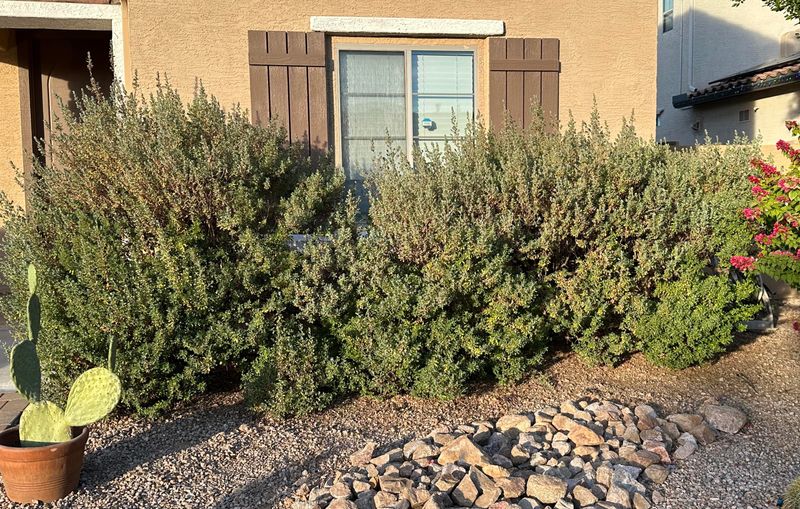
Few shrubs in Arizona look as polished after a light trim as Texas Ranger. By March, it has probably been sitting in a relaxed shape all winter, and a little shaping now does a lot of good before the heat arrives.
Keep cuts light. You are not trying to reshape the whole plant, just clean up crossing branches and anything that looks weak or ragged.
Removing no more than 20 to 25 percent of the canopy keeps it healthy without stressing the roots during the transition from cool to warm weather.
Sharp, clean pruning shears make a real difference here. Rough cuts on Texas Ranger can invite problems, so take your time and cut just outside the branch collar.
Avoid shearing it into a ball shape, which looks unnatural and reduces airflow inside the canopy.
In the Phoenix and Tucson areas, this shrub responds fast once warm weather locks in. A tidy shape in March means fuller, more even growth by May.
Skip the heavy cutting and focus on structure. That is all it really needs to put on a strong show through the rest of the Arizona growing season.
2. Yellow Bells Bloom Stronger After A Gentle Trim
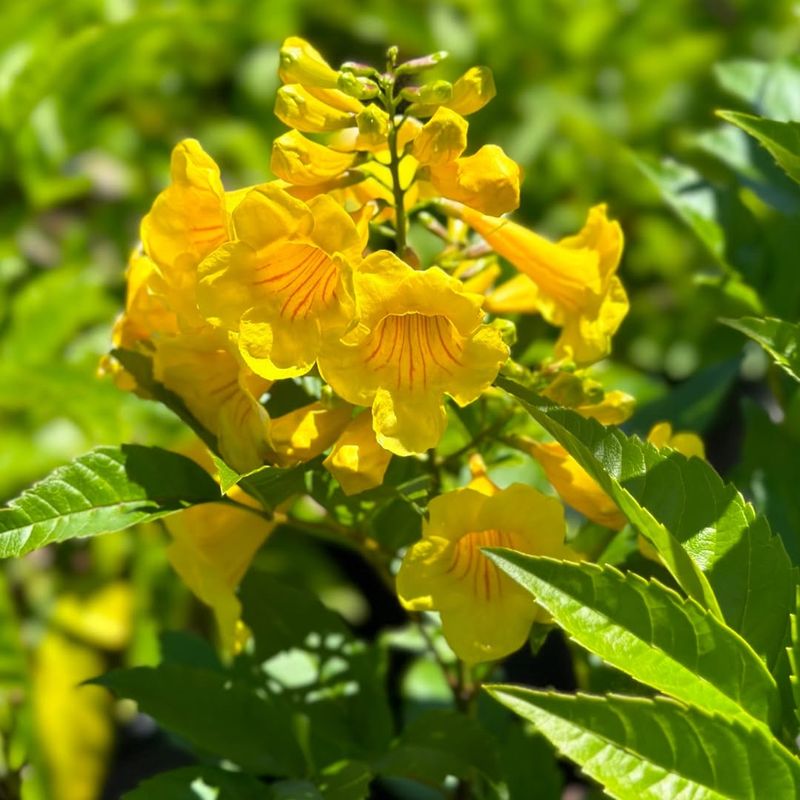
Yellow Bells can look rough coming out of winter, with frost-damaged stems, weak tips, and a generally tired shape. March is the right time to clean that up before new growth takes off.
Start by cutting back any visibly brown or frost-nipped stems. In southern Arizona, frost damage on Yellow Bells is common even in mild winters, so do not be surprised if you are removing more than expected.
Work your way through the plant and cut back to where you see solid green wood.
After clearing the damage, lightly shape the remaining structure. You do not need to cut hard.
Yellow Bells bounces back aggressively once warmth arrives, so a moderate trim is enough to encourage bushy new growth rather than long, leggy stems.
Your Arizona Garden Changes Every Week. Your Plan Should Too.
Gardening in Arizona changes quickly throughout the season. Every Friday you’ll receive a simple weekly plan showing exactly what to plant, prune, fertilize, harvest, and protect so you never miss the right timing.
One thing to keep in mind: this shrub blooms on new growth, so pruning in March actually sets up a better bloom cycle for summer and fall. Gardeners across the Tucson and Phoenix valleys have seen noticeably fuller bloom sets after a good March cleanup.
Use bypass pruners, not anvil-style, for the cleanest cuts possible. The plant will reward that extra care with weeks of golden color through the hottest months.
3. Hop Bush Grows Fuller When Pruned Before New Shoots
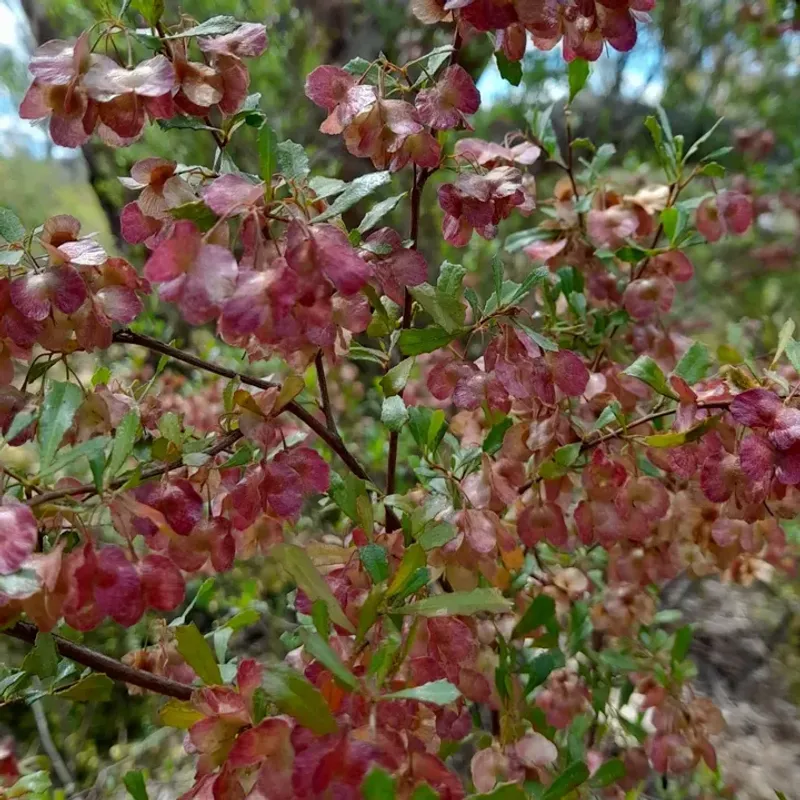
Hop Bush is one of those shrubs that gets rangy and open if nobody pays attention to it for a season or two. March is a natural reset point before the plant pushes out a flush of new growth.
Look for stems that have grown too long and are pulling the shape outward in awkward directions. Cutting those back by a third encourages branching lower on the plant, which is exactly what fills in that open, leggy look.
Focus on the longest, oldest stems first.
Hop Bush is tough and adapts well to moderate pruning. Around the greater Phoenix area, gardeners often use it as a screen or hedge, and keeping up with it in early spring means less work correcting problems in summer when the heat makes outdoor work miserable.
Avoid cutting into bare wood that has no leaves or buds. The plant responds well to cuts made just above a leaf node or side branch.
After pruning, a light layer of mulch around the base helps retain moisture as temperatures begin climbing.
Within a few weeks of a good March trim, you will notice new side shoots filling in the gaps and the overall silhouette becoming much more compact and appealing.
4. Desert Ruellia Benefits From Seasonal Spring Cutbacks
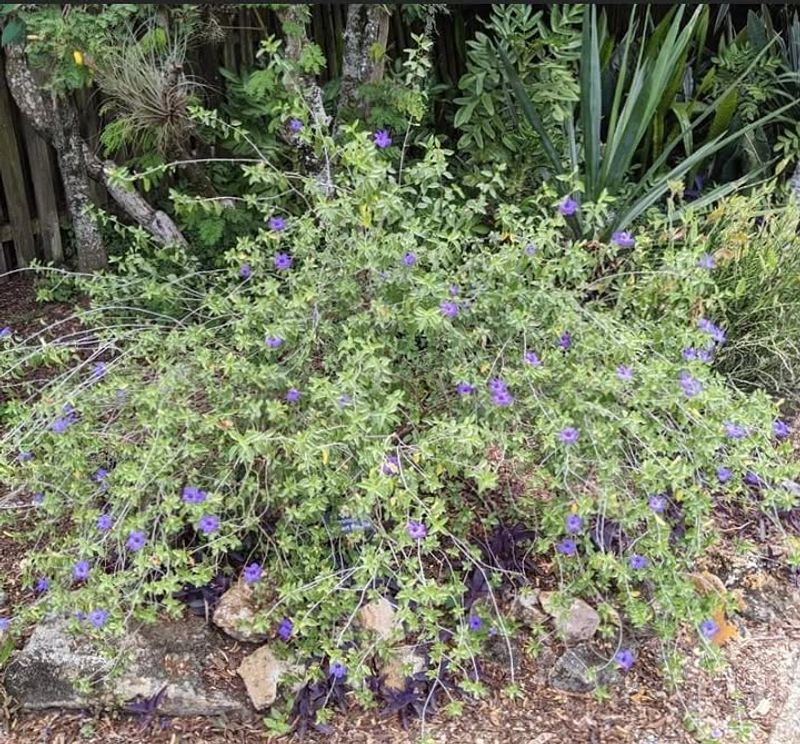
Desert Ruellia spreads fast and can take over a bed if left unchecked through winter. By March, the older stems are often woody and spent, and cutting them back makes room for fresh, productive growth.
Cut stems back to about six to eight inches from the ground. It sounds dramatic, but Desert Ruellia handles hard cutbacks well and rebounds quickly once temperatures warm up.
New stems that emerge after the cut are stronger and bloom more reliably than older woody growth.
In Tucson and the lower desert elevations of Arizona, this plant can put out multiple bloom cycles from spring through fall.
A proper March cutback essentially resets that cycle and gives you the best chance at consistent color all season long rather than a burst early on followed by a long, scraggly decline.
After cutting, remove all the old debris from around the base. Leaving it piled up can invite pests and hold moisture in ways that cause problems.
Desert Ruellia does not need fertilizer after pruning. The Arizona desert soil, combined with warming temperatures, provides enough encouragement for strong regrowth.
Clean cuts, cleared debris, and some patience are all it takes to get this plant performing at its best.
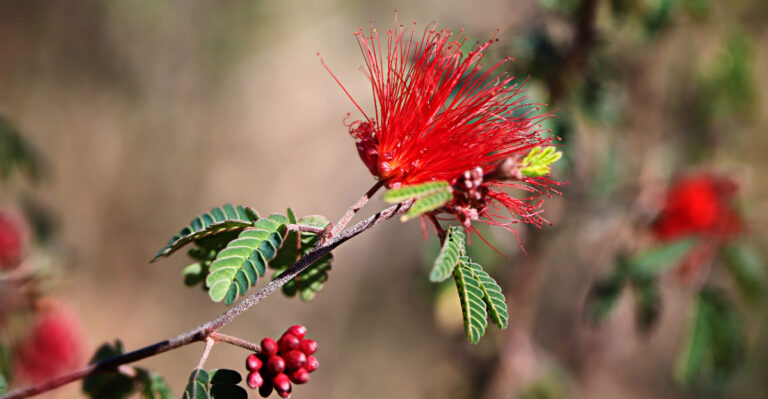
5. Baja Fairy Duster Stays Vibrant With Minimal Pruning
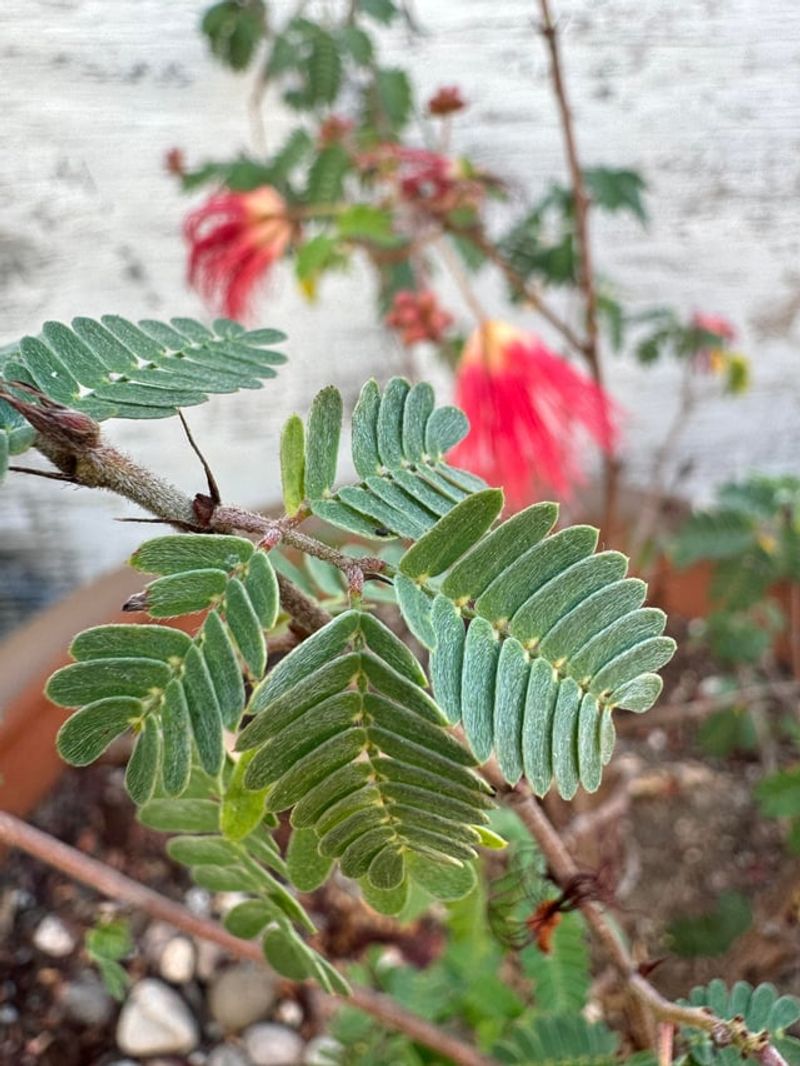
Baja Fairy Duster is one of those plants that almost prunes itself. It stays relatively compact without much intervention, but March is still a good time to do a light cleanup if the plant has gotten a little uneven or has some frost-damaged tips.
The key word here is minimal. Remove only what is clearly broken or damaged.
Cutting healthy stems back on Baja Fairy Duster during early spring can reduce the number of blooms you see, since the plant flowers on mature wood.
Light shaping around the edges is fine, but resist the urge to cut it hard.
In the Sonoran Desert regions of southern Arizona, Baja Fairy Duster starts showing blooms as early as late February and continues through spring.
Hummingbirds are drawn to those red puffball flowers, so keeping the plant intact during bloom time has benefits beyond just aesthetics.
If you need to reduce size, wait until after the main spring bloom cycle wraps up. For now, stick to removing damaged wood and any crossing branches that rub against each other.
A quick visual pass with clean pruners is all this plant needs in March. Less really is more with Baja Fairy Duster, and the blooms will prove it.
6. Littleleaf Cordia Shapes Beautifully With Early Spring Cuts
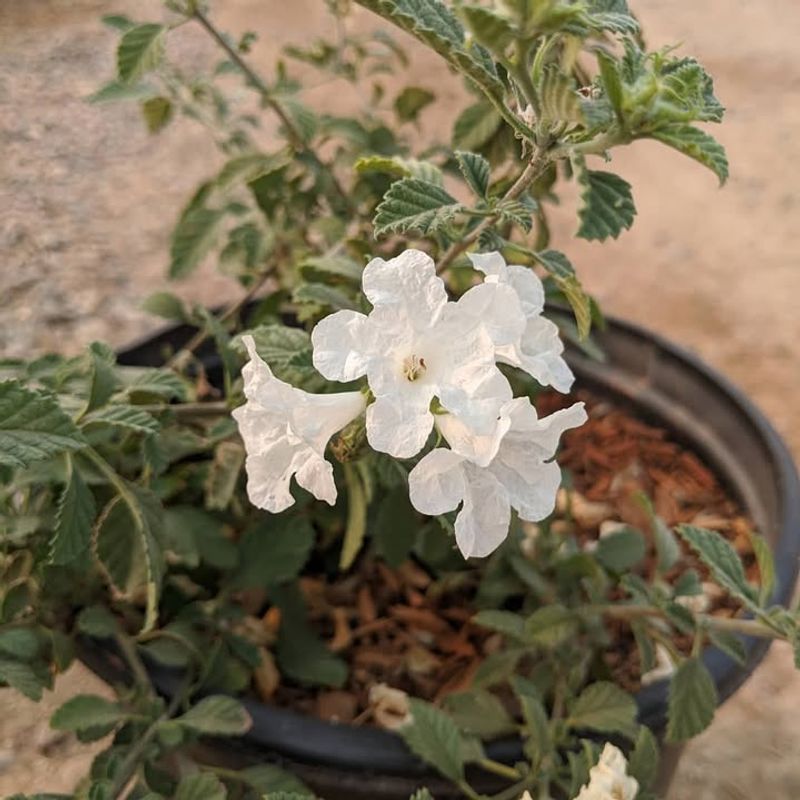
Littleleaf Cordia is a workhorse in Arizona landscapes, but it can get bulky and irregular without occasional shaping. March hits a sweet spot where the plant is coming out of dormancy but has not yet pushed new growth in earnest.
Start by removing any damaged or crossing branches near the center of the plant. Opening up the interior slightly improves airflow and reduces the chance of pest buildup during the humid monsoon season later in the year.
Then step back and look at the overall silhouette before making any shaping cuts.
Cuts on Littleleaf Cordia should follow the natural branching structure. Avoid flat-topping or shearing, which creates an unnatural look and stimulates weak, dense regrowth along the cut line.
Instead, selectively shorten individual branches to maintain a rounded, organic shape that suits the desert landscape.
Across the Phoenix metro area, Littleleaf Cordia is used heavily in commercial and residential landscapes because it handles heat and drought reliably.
Keeping it well-shaped in March means you spend less time correcting overgrowth in August when nobody wants to be outside with pruners.
Sharp tools, careful cuts, and a light touch are all you need to keep this shrub looking its best all year long.
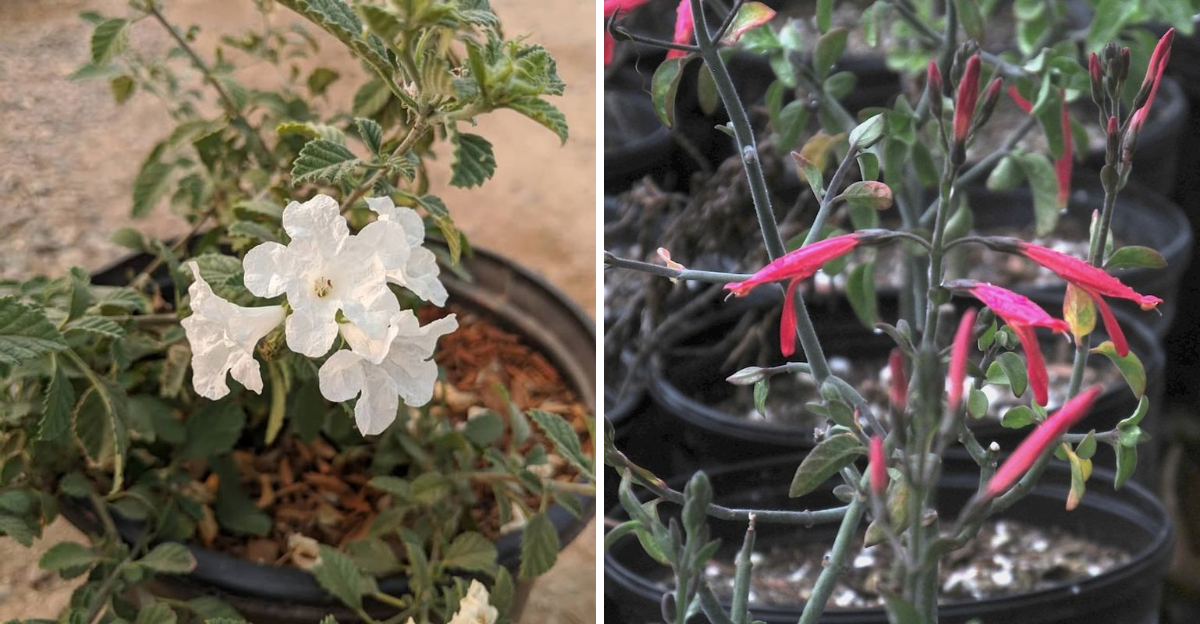
7. Chuparosa Flowers On Existing Growth That Must Be Preserved
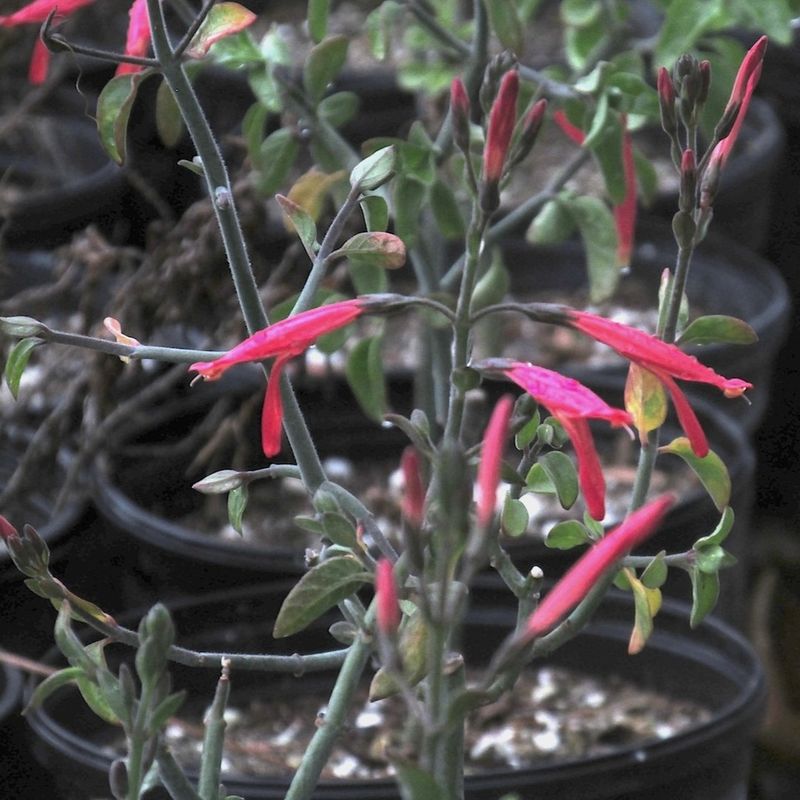
Cutting Chuparosa in March is a mistake that costs you one of the best wildflower shows the Arizona desert produces.
Those red tubular blooms appear on existing woody stems, not on new growth, which means any pruning right now directly removes flowers that are either open or about to open.
Hummingbirds rely heavily on Chuparosa during their early spring migration through southern Arizona.
Leaving the plant intact through bloom season supports that wildlife connection and keeps your yard part of a larger ecological story that plays out every year across the Sonoran Desert.
If Chuparosa has freeze-damaged wood from a hard winter cold snap, you can remove only those clearly lifeless stems.
Use your fingernail to scratch the bark lightly. If you see green underneath, leave it alone even if it looks bare.
The plant often leafs out later than you expect.
Wait until late spring or early summer, after the main bloom flush has finished, before doing any real shaping or size reduction. At that point, you can cut back by up to a third without harming next season’s flower production.
Patience with Chuparosa pays off in a way that is hard to overstate. A plant left alone in March is a plant covered in blooms by April.
8. Valentine Bush Holds Its Blooms Longer When Pruning Waits
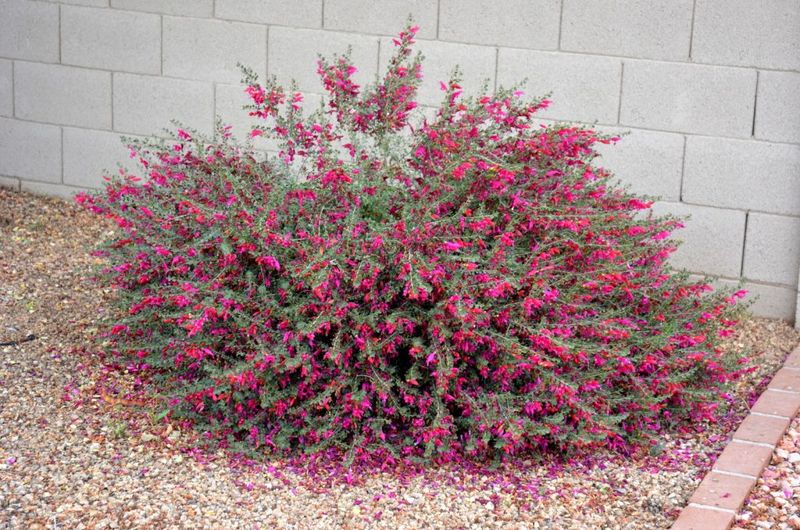
Valentine Bush earns its name by putting on a vivid display of magenta blooms right around late winter and early spring. Pruning it in March would cut that show short just as it is reaching its peak, which is a trade nobody should be willing to make.
In the Tucson area and across southern Arizona, Valentine Bush blooms reliably from February into April depending on the elevation and microclimate.
Those blooms appear on the previous season’s growth, so any pruning now removes exactly the wood that is producing the flowers you are waiting to see.
Let the plant finish blooming completely before picking up the pruners. After the flowers drop, you have a clear picture of the plant’s structure and can make thoughtful cuts to shape it for the rest of the year.
Trying to prune during active bloom season always leads to regret.
Valentine Bush stays relatively tidy on its own and does not need aggressive cutting even after bloom. A light shaping pass to remove spent flower stems and any awkward branches is usually sufficient.
In Arizona landscapes, plants that bloom in late winter and early spring are rare and valuable. Protecting that bloom window by simply waiting a few more weeks is the easiest and most rewarding thing you can do.
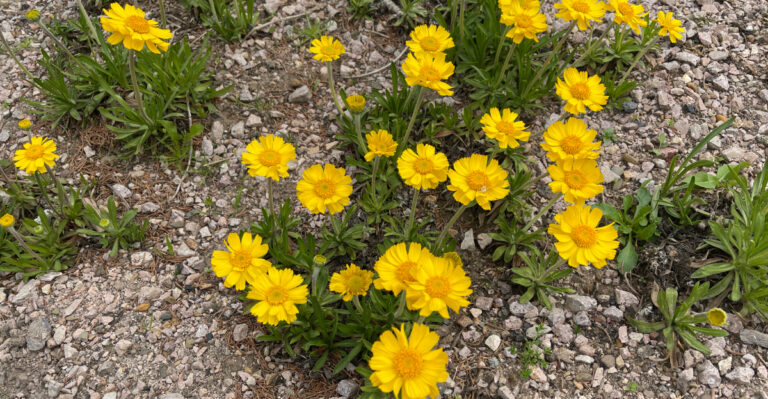
9. Brittlebush Needs Spring Flowers Before Any Cutting

Brittlebush is practically a symbol of the Arizona spring desert. Drive along any highway in the Phoenix or Tucson corridors in March and you will see hillsides painted yellow with it.
Pruning it now would strip away the flowers before they have a chance to complete their cycle.
Beyond the visual payoff, those flowers provide early-season pollen for native bees and other pollinators that are just becoming active. Cutting the plant back in March interrupts that resource at a time when alternatives are limited across the desert landscape.
Brittlebush also has a natural self-cleaning habit. After blooming, it drops a lot of its own spent material without much help.
Waiting until late April or May, after the flowers have fully finished, gives you a cleaner starting point for any trimming you want to do.
When you do prune, keep it light. Brittlebush is a short-lived shrub by nature, and heavy cutting can weaken older plants significantly.
Focus on removing the dried flower stalks and any damaged or crossing stems. In Arizona desert gardens, Brittlebush works best when it is managed with a hands-off approach during spring and a light touch the rest of the year.
Respect the bloom window and the plant rewards you generously.