Florida Flowering Shrubs You Can Prune In March For Vibrant Blooms
March is one of the most exciting months in a South Florida garden. Tender new shoots are emerging, flower buds are quietly forming, and many shrubs are waking from their winter rest.
But this early growth makes March a tricky time for pruning. A careless snip can remove buds, delay blooms, or stress plants just as they’re gearing up for their best season.
Knowing which flowering shrubs can safely be pruned now – and how to do it correctly – helps gardeners set the stage for a garden bursting with color all spring and summer.
From Firebush to Lantana, understanding the rhythm of South Florida’s subtropical climate, warm soils, and coastal humidity ensures that every cut encourages growth rather than stunts it.
March pruning done right keeps your garden vibrant, healthy, and pollinator-friendly.
1. Firebush Encourages New Growth And Summer Flowers
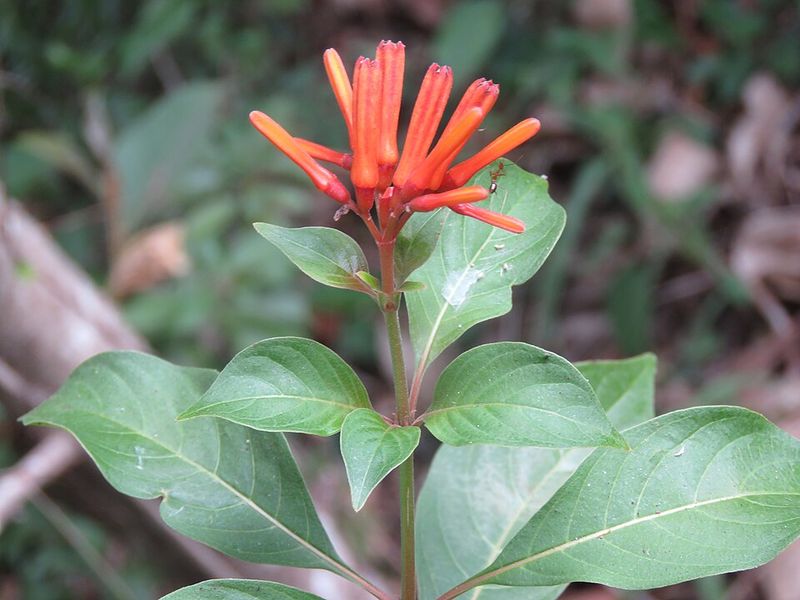
As the South Florida sun strengthens in March, firebush begins pushing fresh stems, signaling that spring is truly arriving.
Hummingbirds are often among the first visitors, flitting from stem to stem, which is a reminder of how this native shrub supports wildlife while adding vibrant color.
Firebush (Hamelia patens) produces clusters of tubular scarlet-to-orange flowers from late spring through fall, and because it blooms on new growth, a careful March pruning gives it a strong head start for summer color.
In South Florida’s warm and humid climate, firebush can grow leggy and sprawling if left entirely unchecked.
Trimming back about one-third of the outer stems encourages lower branching, produces more flowering tips, and keeps the shrub compact and aesthetically balanced.
Clean, sharp bypass pruners work best, with cuts made just above a leaf node or side branch. Avoid cutting into thick, woody stems unless performing a full rejuvenation every few years.
After pruning, a light application of balanced fertilizer fuels the surge of new growth, and consistent watering ensures the plant establishes quickly.
Firebush also provides nectar for butterflies, bees, and hummingbirds, and birds feed on its berries throughout the growing season.
By pruning at the right time in March, gardeners can ensure a fuller shrub that blooms across more surfaces, providing a vibrant centerpiece and a critical wildlife resource in South Florida gardens.
2. Beautyberry Grows Fuller With Late Winter Pruning
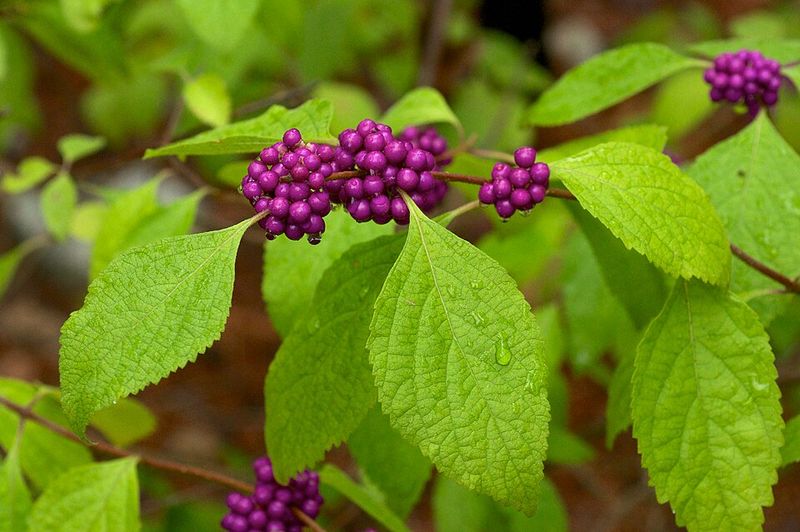
Few shrubs in South Florida gardens offer as striking a display as beautyberry when clusters of electric purple fruit glimmer along the stems. To achieve that spectacular fall color, pruning in late winter – typically February to early March – is ideal.
American beautyberry (Callicarpa americana) blooms and fruits on new wood, which means removing older stems now encourages vigorous branching and a fuller, more compact shrub.
Horticulturalists recommend cutting beautyberry back to roughly 12–18 inches from the ground during this pruning window.
While it may look dramatic at first, this encourages rapid new growth, quickly filling out the shrub with dense, rounded foliage that supports an impressive berry display.
Your Florida Garden Changes Every Week. Your Plan Should Too.
Gardening in Florida changes quickly throughout the season. Every Friday you’ll receive a simple weekly plan showing exactly what to plant, prune, fertilize, harvest, and protect so you never miss the right timing.
South Florida’s warm soils and consistent spring moisture help the plant recover quickly, often with noticeable new shoots within a couple of weeks.
Without this cutback, beautyberry can become open and irregular, with arching canes that flop outward, producing fewer berries. Annual late-winter pruning keeps the plant dense, upright, and attractive as a landscape specimen or informal hedge.
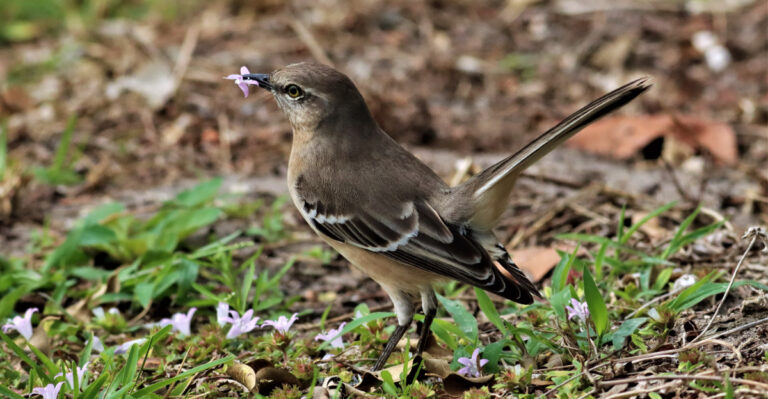
Birds love the vibrant berries, so a well-maintained shrub also supports wildlife.
After pruning, a light feeding with balanced fertilizer encourages strong new growth, while regular watering during dry spells ensures the plant establishes a robust framework ahead of the summer rains.
The result is a shrub that bursts with color and energy all season.
3. Oleander Shapes Easily And Boosts Bloom Potential
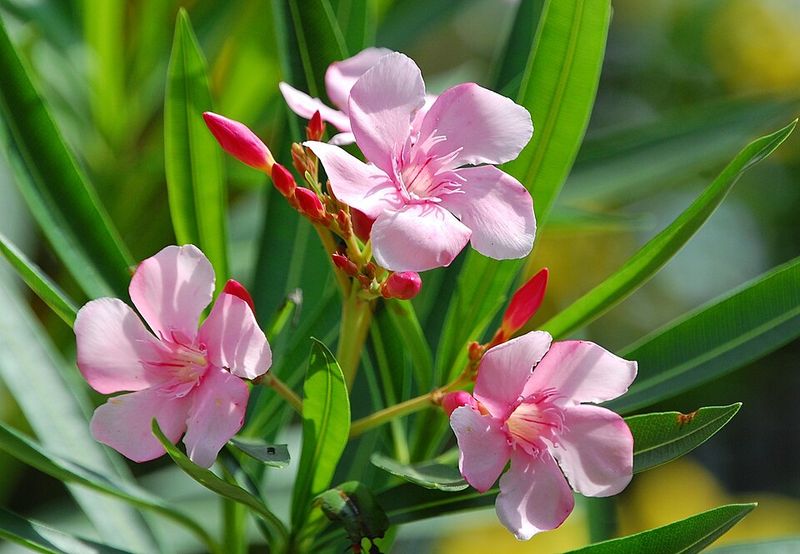
Oleander is a common sight along roadsides, coastal properties, and backyard borders in South Florida, prized for its resilience, bright flowers, and ability to thrive in heat, salt air, and occasional dry spells.
Nerium oleander responds well to pruning, and late February through early March is the best time to cut back before the spring growth flush.
Pruning now encourages the plant to direct energy into strong, bloom-producing stems rather than weak or crowded interior branches.
Start by removing any dead, crossing, or damaged wood. Step back to assess overall shape before making further cuts.
Selective thinning opens the canopy, improves airflow, and lets light reach more stems, which encourages fuller flowering. In full sun, oleander produces the most abundant flowers along these new growth tips.
Protective gear is essential; oleander sap can irritate skin and eyes, and smoke from burning trimmings is also harmful.
After shaping, applying a slow-release fertilizer and regular watering supports a vigorous flush of growth. In South Florida’s warm climate, new stems can appear within weeks, setting the stage for abundant spring and summer blooms.
Pruning at this time keeps the shrub healthy, attractive, and well-structured while maximizing its vibrant flowering potential.
4. Crape Myrtle Supports Robust Summer Flowering
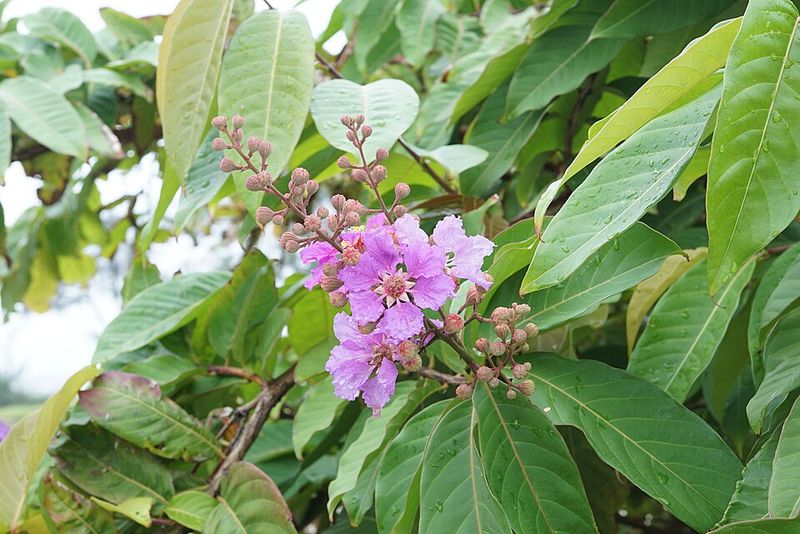
In South Florida neighborhoods, crape myrtles are a summer highlight, their dense clusters of pink, red, white, or lavender flowers drawing the eye from blocks away.
March is the perfect time to prune lightly, because crape myrtles bloom on new wood.
Early spring pruning encourages vigorous stems and more flower clusters while avoiding the weak, tangled growth that results from hasty “topping” or heavy cuts.
The key is selective thinning rather than dramatic shaping. Remove dead or crossing branches, suckers from the base, and any crowded interior stems to improve airflow and sunlight penetration.
Avoid cutting major structural limbs; this preserves the plant’s natural form and encourages strong flowering branches.
South Florida’s subtropical climate means many crape myrtles hold their leaves longer into winter than in cooler regions, making it easier to assess which branches are healthy and productive by March.
Once pruning is complete, a light application of balanced slow-release fertilizer supports the surge of new growth heading into spring.
Watering consistently during dry spells ensures young shoots flourish, and planting crape myrtles in full sun with well-drained soil maximizes their flower potential.
By waiting until early March, gardeners can shape these shrubs without sacrificing blooms, setting the stage for a spectacular display that will brighten yards from spring through summer.
5. Tropical Hibiscus Preserves Buds And Early Color
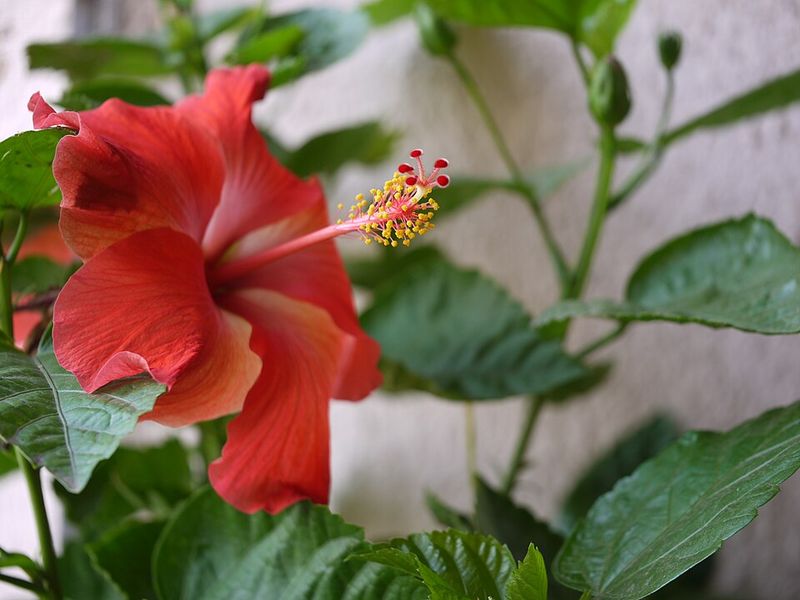
Tropical hibiscus is synonymous with vibrant South Florida gardens, offering large, dramatic blooms in deep reds, peaches, yellows, and pinks.
In March, many tropical hibiscus plants are pushing new growth and forming early flower buds, so timing your pruning is critical.
Removing stems too aggressively at this stage can delay flowering and reduce the plant’s early-season color.
Prune only weak, twiggy, or damaged branches, and reduce each stem by about one-third to encourage branching without cutting off emerging buds.
Since tropical hibiscus blooms on new wood, trimming lightly in early March helps shape the plant while preserving buds for the spring flush.
Avoid pruning if flower buds are already visible on the tips of stems, as this can remove the upcoming blooms.
After pruning, applying a fertilizer formulated for flowering tropicals supports new growth and encourages strong, continuous blooms. Water consistently to keep roots healthy, and ensure the plant receives full sun to maximize flower production.
In South Florida, tropical hibiscus responds quickly to pruning, with fresh stems and flowers appearing within weeks.
By waiting for the right moment and using careful cuts, gardeners can enjoy a vibrant, long-lasting display throughout spring and summer while maintaining a neat and healthy shrub.
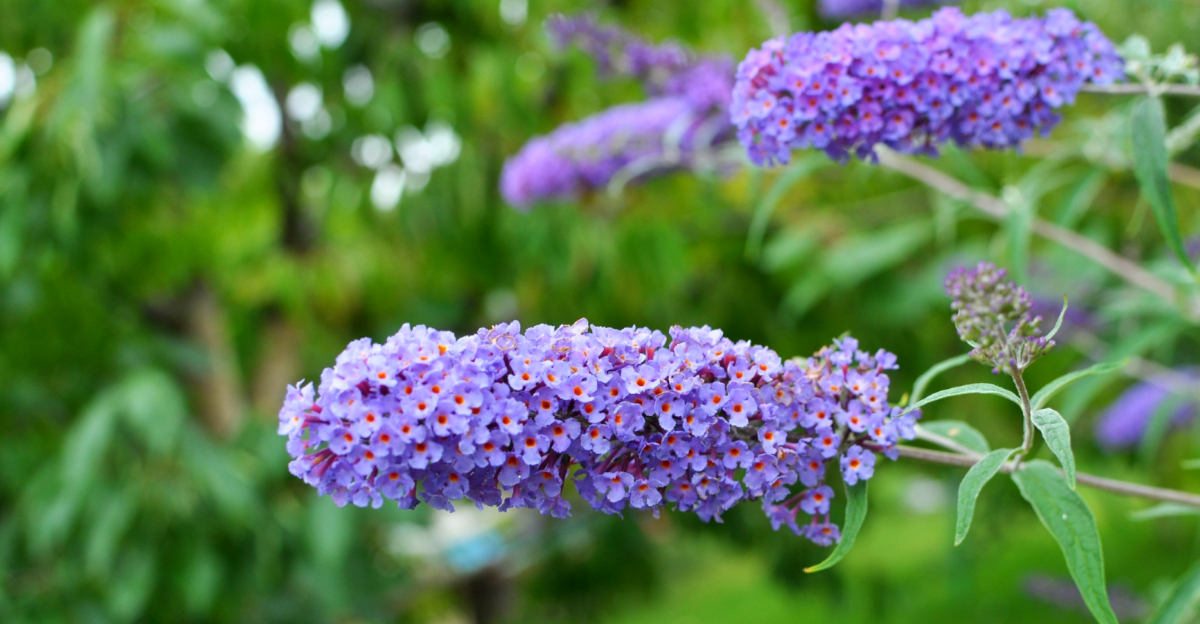
6. Butterfly Bush Promotes Vigorous Stems And Nectar Supply
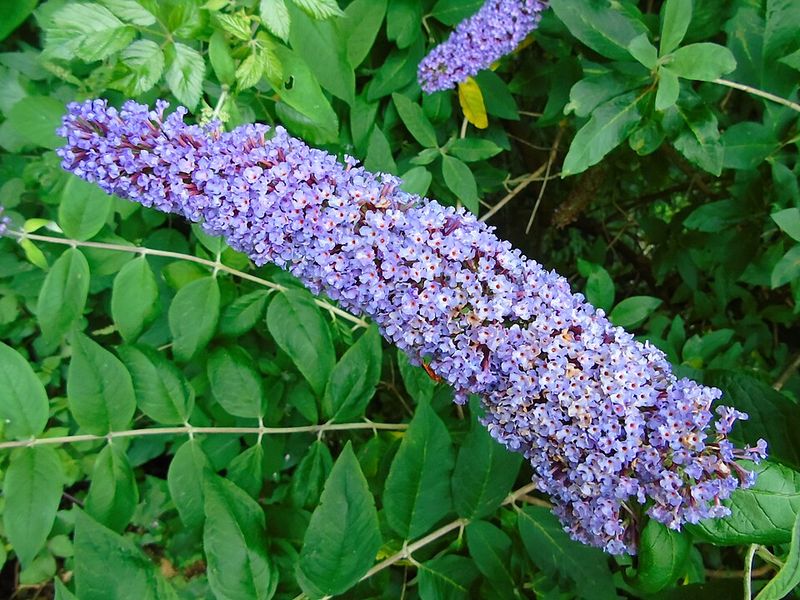
Butterfly bush is a magnet for pollinators, attracting monarchs, swallowtails, and native bees from spring through fall.
In South Florida, early March is an ideal window to prune Buddleja davidii because the plant grows on new wood.
Cutting back at this time stimulates strong, upright stems that will produce the most flower spikes and abundant nectar later in the season.
Begin by removing dead, damaged, or crossing stems, then reduce older woody branches to 12–18 inches above the ground. This encourages vigorous new growth and maintains a tidy, manageable shape.
Without annual pruning, butterfly bush can become woody at the base, sparse in flowers, and less attractive to pollinators.
South Florida’s warm soils and long growing season allow the plant to recover rapidly, with fresh shoots visible in just a couple of weeks.
After pruning, water thoroughly and apply a balanced slow-release fertilizer to support strong growth. Gardeners should also monitor spent flowers, as butterfly bush can spread seeds readily in some areas.
Pruning early in March ensures a well-shaped shrub with more flower spikes and consistent nectar for pollinators, providing both beauty and ecological value in South Florida landscapes.
7. Dwarf Bottlebrush Adds Form And Flowering Stems
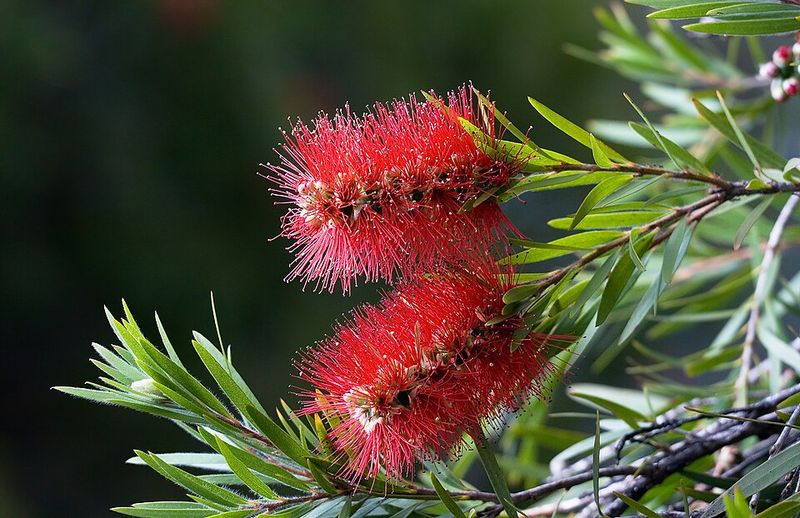
Dwarf bottlebrush (Callistemon citrinus) is a compact, eye-catching shrub that performs exceptionally well in South Florida landscapes, especially along coastal properties.
Its bright red, cylindrical flower spikes bloom at the tips of new growth, making timely pruning essential for maximizing flowering potential.
March is a good time for light shaping, removing no more than one-quarter to one-third of the outer growth.
The goal is to maintain a tidy form while encouraging as many new branch tips as possible. Avoid cutting into old, leafless wood, as recovery from bare stems can be slow in this species.
Pruning too aggressively can reduce flower production and upset the natural growth rhythm. A light trim allows sunlight to reach lower branches, supports airflow, and keeps the shrub compact without sacrificing blooms.
After pruning, applying a balanced fertilizer and regular watering helps the plant recover quickly. In South Florida’s subtropical climate, dwarf bottlebrush grows best in full sun with well-drained soil and tolerates salt spray, making it ideal for coastal gardens.
Hummingbirds and bees flock to the flowers, so timely March pruning not only promotes aesthetics but also boosts ecological benefits. With careful cuts, this shrub produces abundant flowering stems that reward gardeners throughout spring and summer.
8. Lantana Bounces Back Strong After A March Cutback
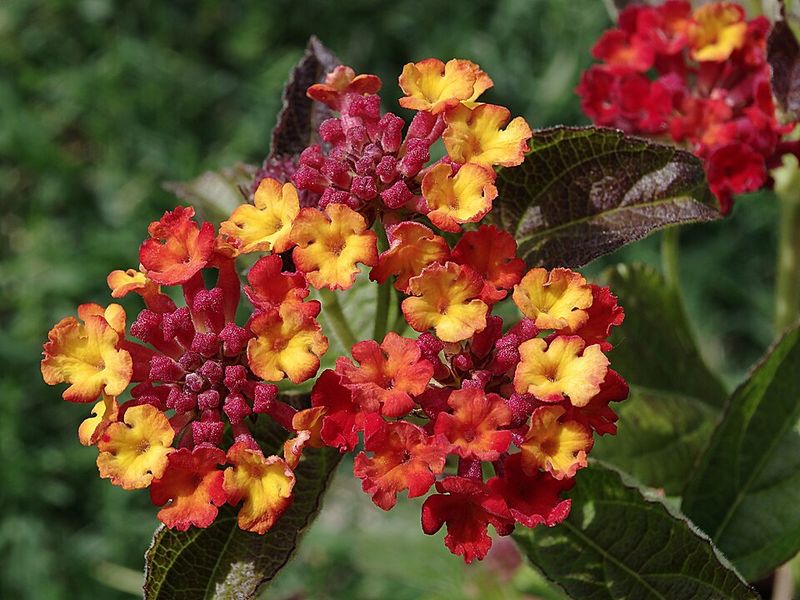
Few shrubs are as forgiving and floriferous as lantana, making it a favorite in South Florida gardens.
By March, lantana is emerging from the cooler months, with older woody stems often sparse at the base and new buds forming on fresh growth.
Carefully pruning now encourages a dense flush of vibrant stems that will bloom heavily from spring through late fall.
Cut back about 6 to 12 inches from the ground, depending on the size of the shrub, avoiding removal of all older growth at once. This timing gives lantana a head start on new shoots while controlling its natural vigor.
Sharp bypass pruners or hedge shears are ideal for clean cuts, which reduce stress and promote faster recovery.
Light pruning also helps manage the spread of lantana in warm, year-round growing conditions, keeping the plant contained without sacrificing flowering potential.
After pruning, a balanced fertilizer and consistent watering help support rapid growth. New stems typically appear within one to two weeks in South Florida’s warm spring conditions, and flowers often follow within four to six weeks.
Lantana blooms attract butterflies, bees, and hummingbirds, adding ecological value as well as color to the landscape.
Gardeners should note that lantana berries are toxic if ingested, so plant placement matters in yards with children or pets.
With a well-timed March pruning, lantana delivers maximum blooms, dense growth, and a low-maintenance pop of color throughout the growing season.