Why Some Oregon Flowers Bloom Earlier Than Expected
Have you ever walked through your yard in late winter or early spring and noticed a flower blooming way earlier than it should? It almost feels like the plant got the calendar wrong.
One day the garden looks quiet, and the next a bright bloom appears like it decided to start spring early.
In Oregon, this happens more often than many gardeners expect. Certain flowers suddenly pop open weeks ahead of schedule, leaving people wondering if something unusual is going on in the garden.
The interesting part is that plants are not actually guessing when to bloom. They respond to very specific signals in their environment.
Temperature, daylight, soil warmth, and even a stretch of mild weather can push some flowers to wake up sooner than usual.
Once you understand what plants are reacting to, those early blooms start to make a lot more sense. And honestly, they can be one of the most exciting surprises in an Oregon garden.
Why Flowers Bloom Early
Flowers do not just bloom on a set calendar. They respond to signals from the world around them.
Temperature, sunlight, soil moisture, and even wind patterns all play a role in telling a plant when it is time to open up.
In Oregon, these signals have been shifting. Warmer winters and unpredictable spring weather have caused many plants to “think” spring has arrived earlier than it actually has.
This tricks them into blooming before the last frost has even passed.
Scientists call this phenomenon phenological shift. It simply means that the timing of natural events, like blooming, is changing over time.
Across Oregon, bloom times for many common flowers have moved up by several days or even weeks compared to just a few decades ago.
For home gardeners, this can feel exciting at first. Seeing color in January or February is a welcome surprise after a gray winter.
But early blooms can also face risks like late freezes, which can damage delicate petals and buds.
Paying attention to what your plants are doing each season is the best first step. Keeping a simple garden journal helps you track these changes and plan smarter each year.
Warmer Late-Winter Temperatures
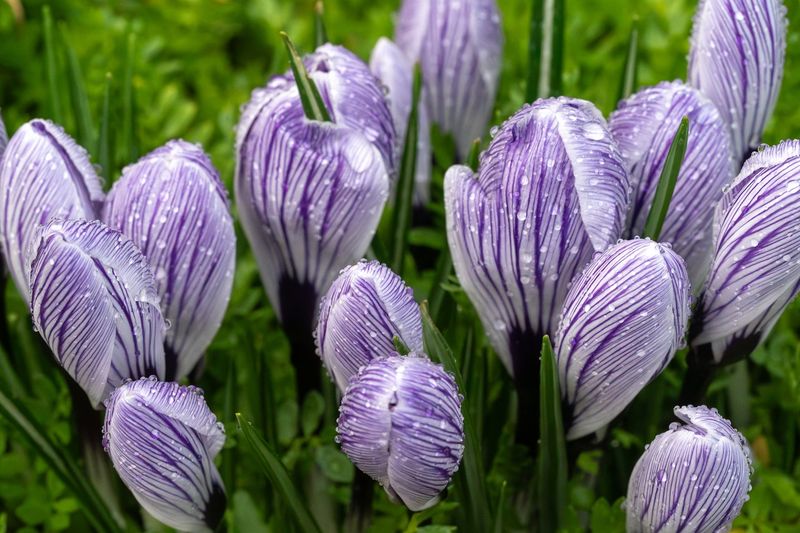
One of the biggest reasons Oregon flowers are blooming ahead of schedule is warmer late-winter temperatures. In recent years, February and March have been noticeably warmer across much of the Pacific Northwest.
Plants are incredibly sensitive to heat. Even a few extra degrees over several days can be enough to wake up bulbs and trigger early bud development.
Tulips, daffodils, and crocuses are especially responsive to these temperature changes.
According to climate data, Oregon has experienced warmer-than-average late-winter months more frequently in recent years. In 2025, early blooms appeared across most of the United States earlier than usual, directly linked to a warmer-than-average March and April.
For Oregon gardeners, this means you might start seeing blooms in late January or early February in places like Eugene or Salem, where mild conditions often arrive sooner than in higher-elevation areas.
Your Oregon Garden Changes Every Week. Your Plan Should Too.
Gardening in Oregon changes quickly throughout the season. Every Friday you’ll receive a simple weekly plan showing exactly what to plant, prune, fertilize, harvest, and protect so you never miss the right timing.
While warm late-winter days feel wonderful, they can fool plants into blooming before pollinators are active. This can reduce seed production and affect the overall health of your garden ecosystem.
Monitoring local temperature trends and choosing cold-hardy plant varieties can help you prepare for these early warm spells each season.
Longer Daylight In Early Spring
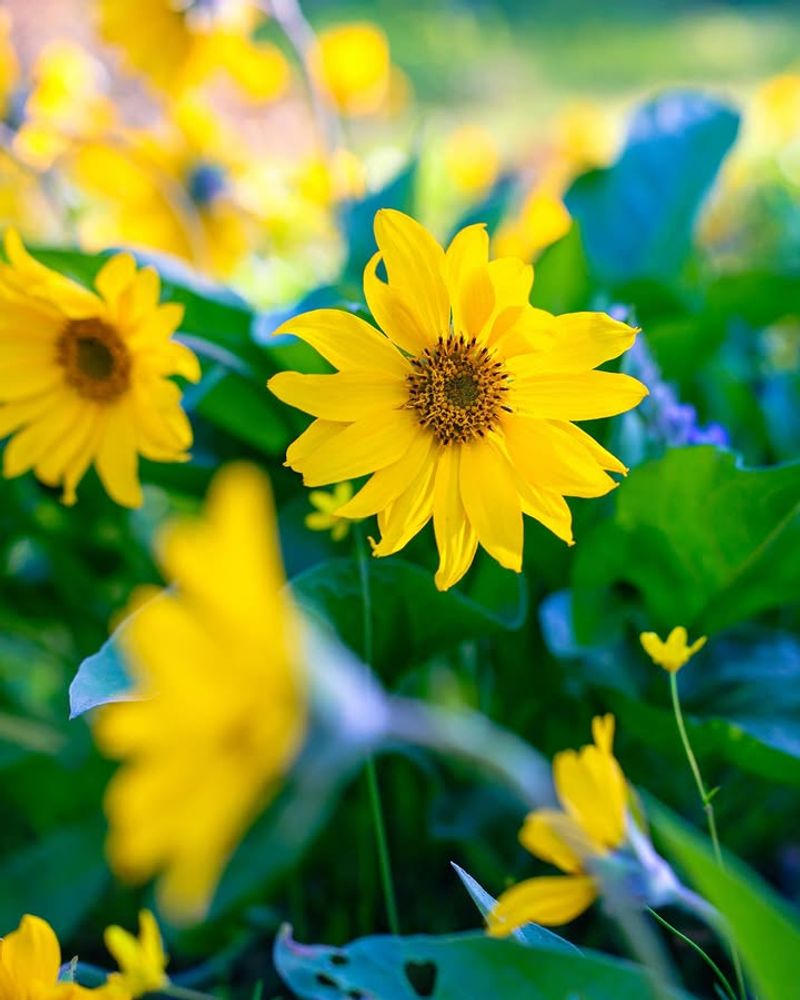
Sunlight is like a timer for plants. Many flowers track the number of daylight hours to decide when to bloom.
As days get longer in late winter and early spring, plants receive a signal that warmer weather is on its way.
This process is called photoperiodism. Some plants only bloom when days reach a certain length, while others bloom as soon as days start getting longer, even if temperatures are still cool.
In Oregon, the days begin noticeably lengthening after the winter solstice in December. By February, there are already significant increases in daily sunlight.
Plants like snowdrops, winter aconite, and hellebores respond quickly to this extra light.
Gardeners in Oregon can use this knowledge to their advantage. If you want flowers earlier in the season, choose plants that respond to increasing daylight rather than just warmth.
These varieties tend to bloom reliably even during cool early spring weeks.
Placing plants in spots that receive maximum morning sunlight can also encourage earlier blooming. South-facing garden beds in Oregon homes often see blooms a week or two ahead of shadier areas.
Tracking sunrise and sunset times in your local area is a fun and easy way to understand what your plants are responding to each season.
Mild Winters Wake Plants Early
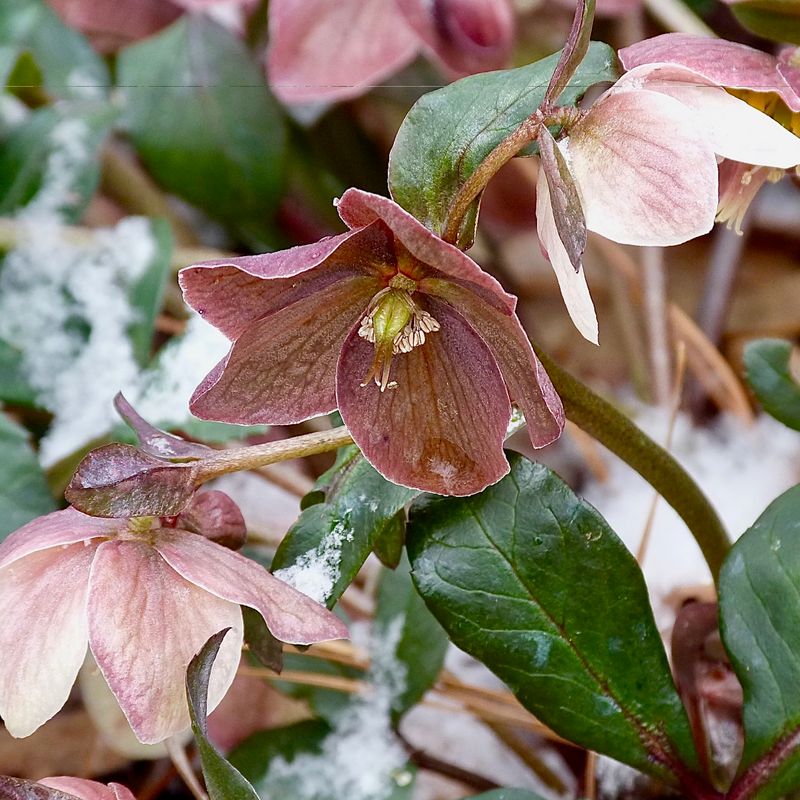
Not all winters are created equal. In Oregon, mild winters have become more common, and this has a direct effect on when flowers decide to wake up and bloom.
Many plants need a period of cold, called vernalization, to bloom properly. This cold period essentially resets the plant and prepares it for spring growth.
When winters are too mild, some plants skip this important step and bloom earlier than expected.
The Willamette Valley is a great example. Its naturally mild climate means winters rarely bring prolonged freezing temperatures.
In mild years, bulbs planted in fall may start pushing up green shoots as early as December or January.
While early growth can look beautiful, it also puts plants at risk if a late cold snap arrives. Tender new growth is especially vulnerable to sudden temperature drops that can occur in Oregon even through March.
Choosing plant varieties labeled as cold-hardy or late-emerging can help balance this out. These plants are better equipped to handle temperature swings without suffering damage.
Adding a layer of mulch over garden beds also helps insulate the soil and slow down premature growth during unusually warm winter stretches, giving your garden better protection against unpredictable Oregon weather patterns.
Soil Warming Faster Than Usual
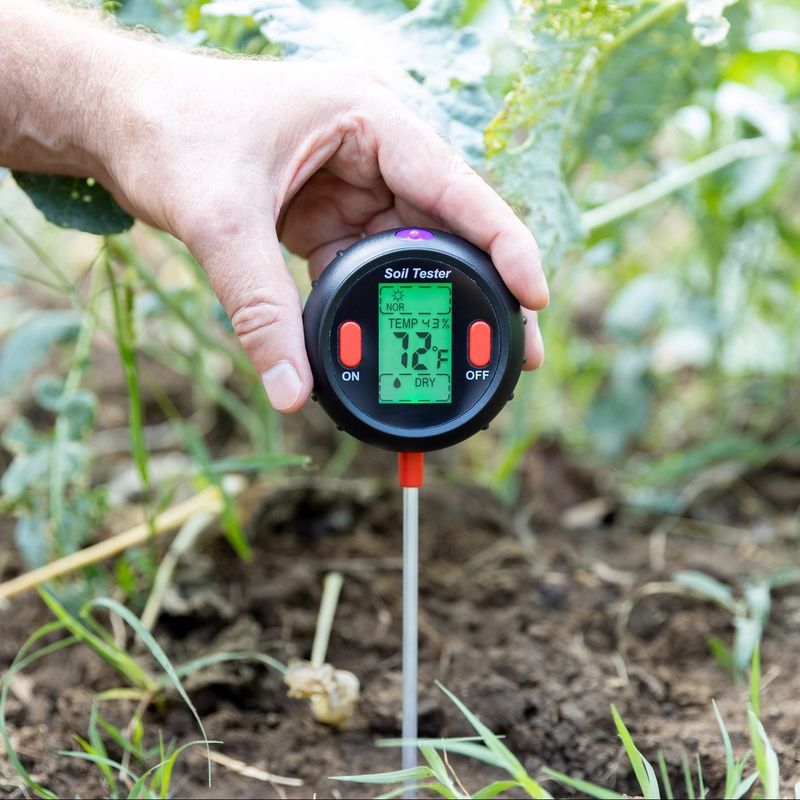
Most people think about air temperature when they think about spring, but soil temperature matters just as much, if not more, for plant growth. When soil warms up earlier than usual, roots become active and send signals to the plant to start growing.
In Oregon, soil temperatures have been rising earlier in the year due to warmer winters and increased solar radiation in late winter months. Sandy or well-drained soils warm up especially fast, which is why gardens with these soil types often see earlier blooms.
Bulbs are particularly sensitive to soil temperature. Tulips and hyacinths, for example, begin their root growth when soil reaches around 40 degrees Fahrenheit.
Once roots are active, the plant quickly moves toward producing leaves and flowers.
You can track your garden’s soil temperature with a simple, inexpensive soil thermometer available at most garden centers. Checking it weekly in late winter gives you a heads-up on when your plants might start waking up.
Dark-colored mulches and raised garden beds absorb more heat from the sun, warming the soil faster. If you want to encourage earlier blooms in your Oregon garden, these are easy and affordable strategies to try.
Just be ready with frost cloth in case temperatures drop suddenly after an early warm spell.
Microclimates In The Garden
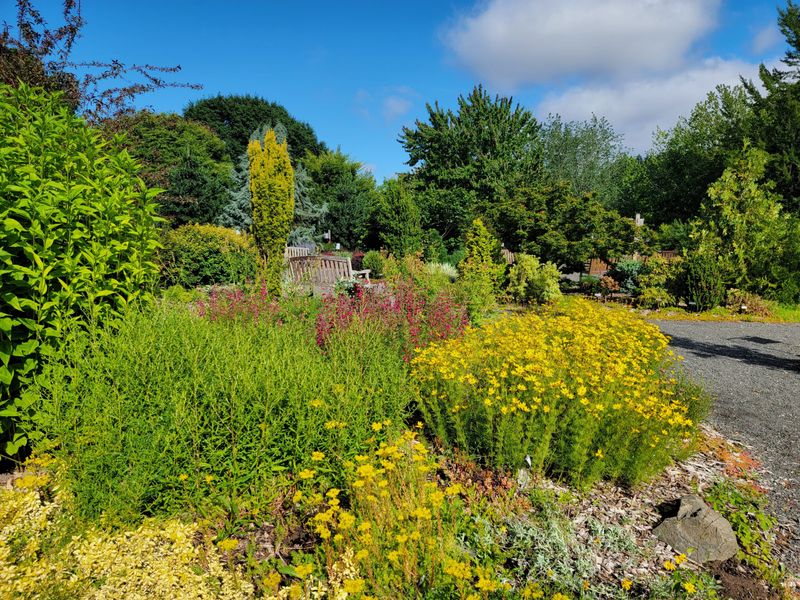
Your garden might have its own mini weather system, and you might not even realize it. Microclimates are small areas within a larger space that have slightly different temperature, moisture, or light conditions than the surrounding area.
In Oregon, microclimates are incredibly common. A south-facing wall in Portland can be several degrees warmer than an open area just a few feet away.
This extra warmth can cause plants near that wall to bloom weeks ahead of others in the same garden.
Fences, paved surfaces, large rocks, and bodies of water all create microclimates. Paved patios absorb heat during the day and release it at night, keeping nearby plants warmer.
This is why you might notice flowers blooming near your driveway before they bloom in the middle of your lawn.
Understanding the microclimates in your garden is a powerful tool. You can strategically place early-blooming plants in warmer spots to enjoy color sooner.
You can also place more cold-sensitive plants in sheltered areas to protect them from late frosts.
Take a walk around your Oregon garden on a cool sunny day and notice where it feels warmest and where it stays coldest. Those observations will help you map out your microclimates and make smarter planting decisions every season going forward.
Early Fertilization Effects
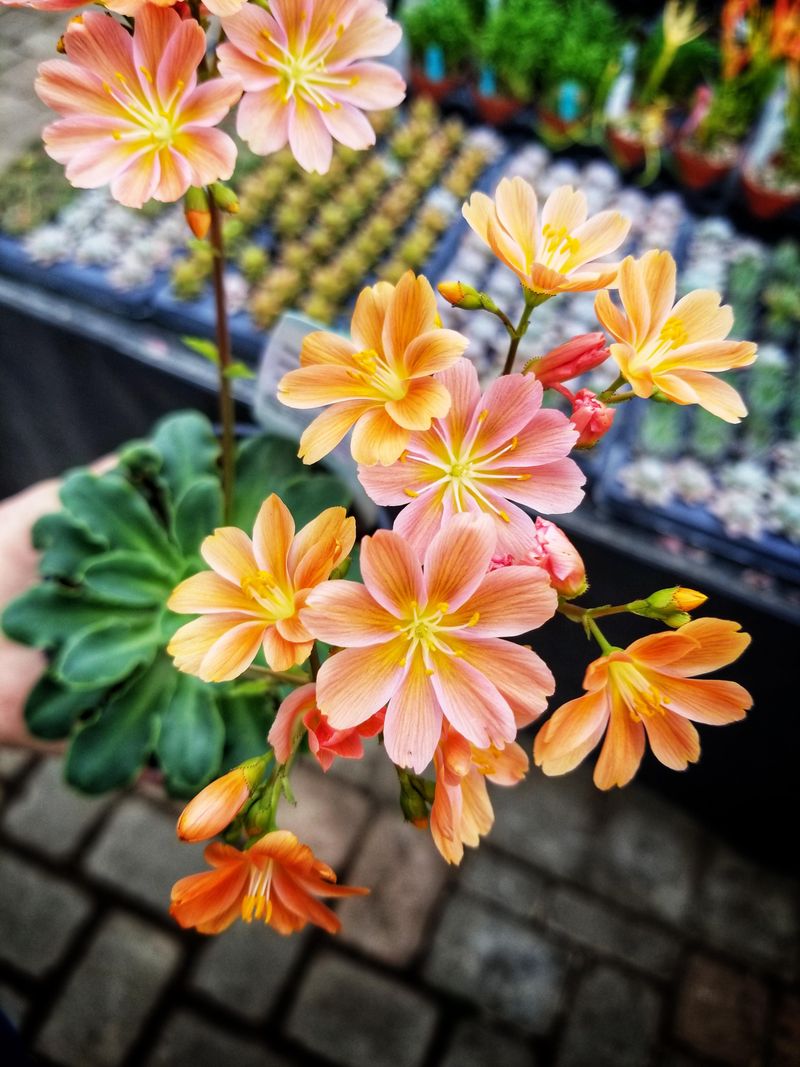
Fertilizer is meant to feed your plants, but timing matters a lot. Applying fertilizer too early in the season can actually push plants into growth and blooming before conditions are ideal for them.
Nitrogen-rich fertilizers are especially powerful at stimulating new growth. If applied in late winter or very early spring, they can cause plants to push out tender new shoots and flower buds weeks ahead of schedule.
In Oregon, where late frosts are still possible through March and sometimes April, this early growth can be risky.
Some gardeners fertilize early on purpose, hoping to get a head start on the blooming season. While this can work in mild years, it is a gamble in areas with unpredictable spring weather.
The Oregon coast and valley floors tend to be safer bets for early fertilization than higher-elevation or inland areas.
A better approach is to wait until soil temperatures consistently stay above 50 degrees Fahrenheit before applying fertilizer. This reduces the risk of encouraging growth that cannot handle a late cold snap.
Slow-release fertilizers are another smart option. They feed plants gradually over several weeks rather than all at once, giving your garden a steady and more natural boost.
Reading fertilizer labels carefully and following recommended timing for your specific Oregon growing zone will always give you the best results.
How To Protect Early Blooms
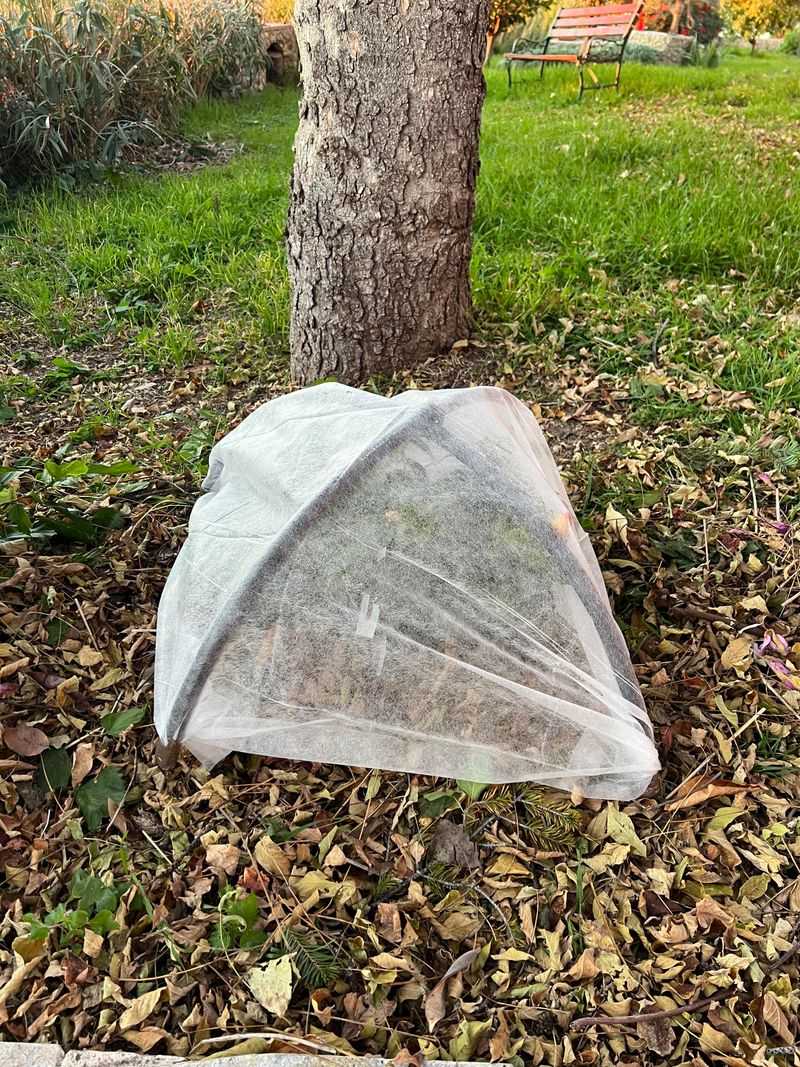
Early blooms are beautiful, but they need a little extra care to survive unpredictable Oregon spring weather. Knowing how to protect them can mean the difference between a thriving garden and a disappointing one.
Frost cloth, also called row cover, is one of the most useful tools for protecting early blooms. It is a lightweight fabric that traps warmth around plants while still letting in light and moisture.
Draping it over flower beds on nights when frost is expected can save even the most delicate blooms.
Old bedsheets and plastic containers can also work in a pinch. Just remember to remove any covering during the day so plants can get sunlight and air circulation.
Leaving covers on too long can cause overheating or moisture problems.
Watering your garden in the morning rather than the evening also helps protect early bloomers. Wet soil holds heat better than dry soil, which can keep roots slightly warmer on cold nights.
This simple habit makes a real difference in Oregon’s unpredictable late-winter and early-spring conditions.
Keeping an eye on local weather forecasts is essential during early bloom season. Oregon weather can change quickly, especially in coastal and valley areas.
A few minutes of preparation in the evening, like covering your plants, can protect weeks of growth and keep your garden looking its best all season long.
Climate Change And Oregon Blooms
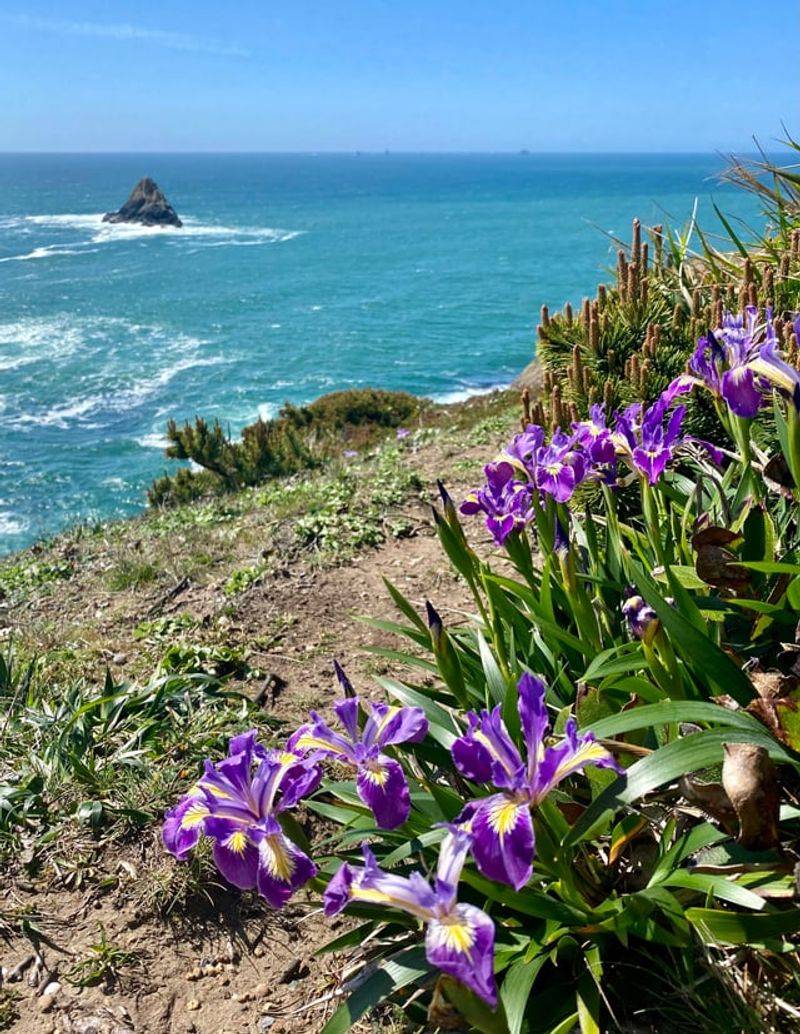
Climate change is one of the most significant long-term forces behind early blooming in Oregon. Rising average temperatures, shifting precipitation patterns, and more frequent extreme weather events are all affecting when plants bloom across the state.
Research shows that many plant species in the Pacific Northwest are now blooming earlier than they did just 30 years ago. Some species have shifted their bloom times by as much as two to three weeks.
This might not sound like much, but it can have big effects on local ecosystems.
When flowers bloom earlier, pollinators like bees and butterflies may not be active yet. This mismatch can reduce pollination rates and affect fruit and seed production.
For Oregon farmers and gardeners alike, this is a real concern that affects food production and garden health.
On the positive side, earlier blooms can extend the growing season and allow gardeners to enjoy color for a longer period of the year. Choosing native Oregon plants that are adapted to local conditions can help your garden stay resilient as climate patterns continue to shift.
Staying informed about climate trends in your specific region of Oregon helps you make better planting decisions. Local extension offices and university programs offer free resources to help gardeners adapt their practices to a changing climate while keeping their gardens healthy and productive.
Best Early-Blooming Flowers For Oregon Gardens
Knowing which flowers naturally bloom early gives Oregon gardeners a huge advantage. Some plants are built to thrive in late winter and early spring conditions, making them perfect choices for adding color before most other plants even wake up.
Snowdrops are among the very first to bloom, often pushing through the soil in January in the Willamette Valley. They are tough little plants that can handle light frost without any trouble.
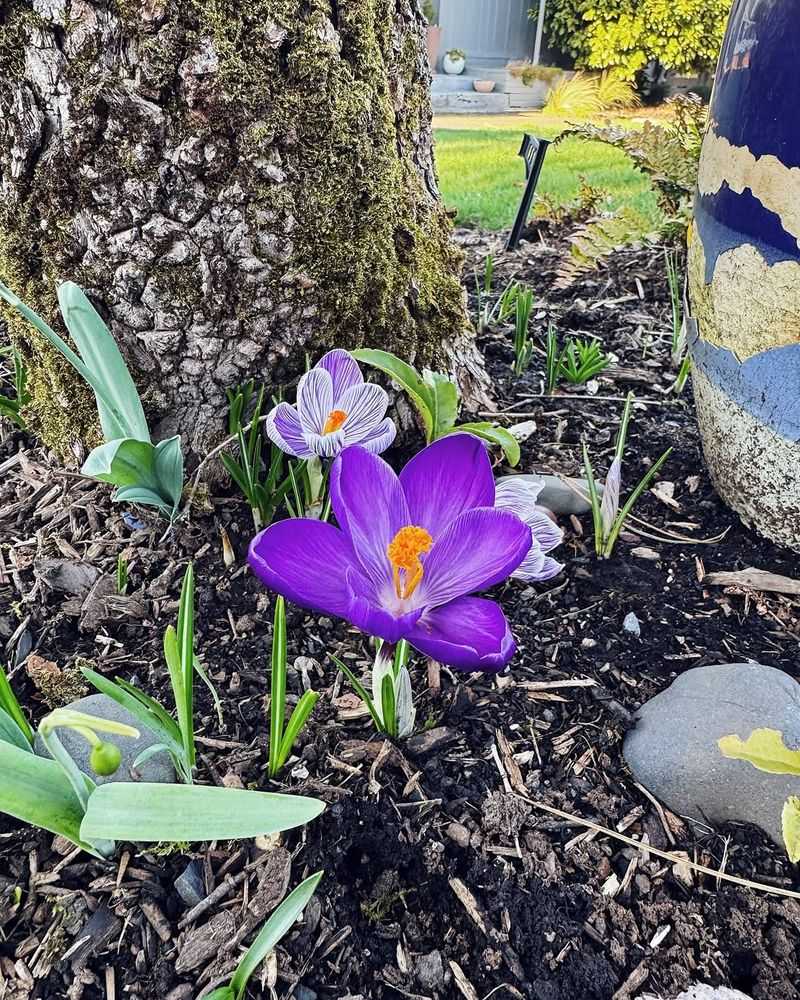
Crocuses follow closely behind, offering cheerful purple, yellow, and white blooms in late February.
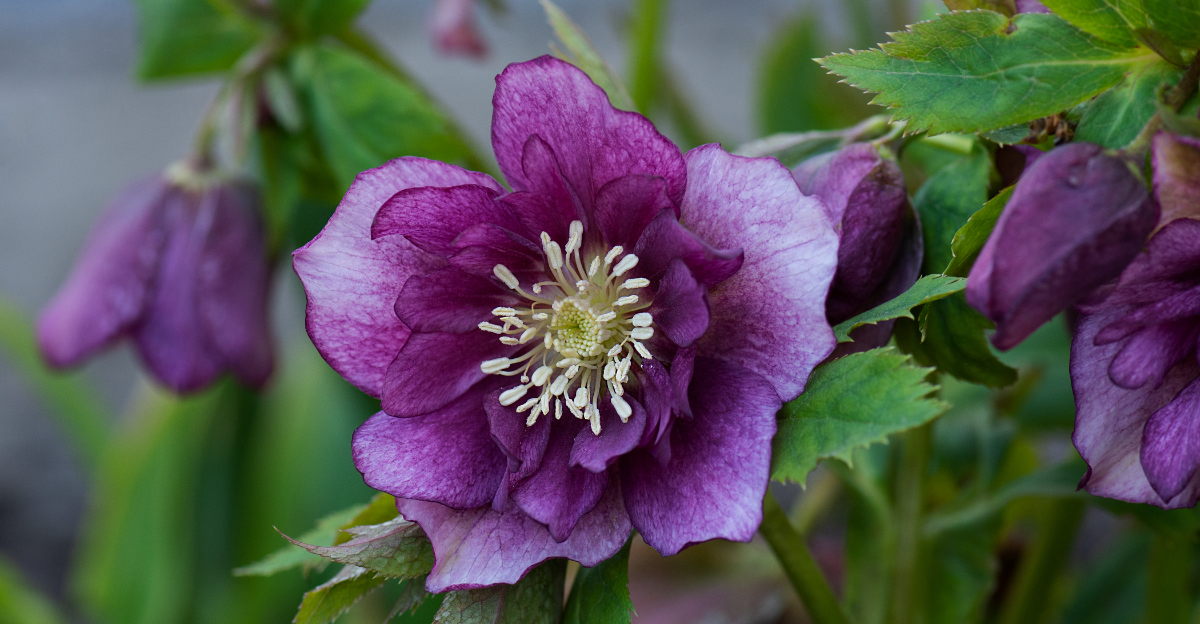
Hellebores, sometimes called Lenten roses, are another outstanding choice for Oregon gardens. They bloom from January through March and thrive in shady spots that many other plants avoid.
Their nodding flowers come in shades of pink, white, deep burgundy, and creamy yellow.
Daffodils are a classic early-spring favorite across Oregon. They naturalize well in local soils and come back year after year with minimal care.
Planting a mix of early, mid-season, and late daffodil varieties extends your bloom season by several weeks.
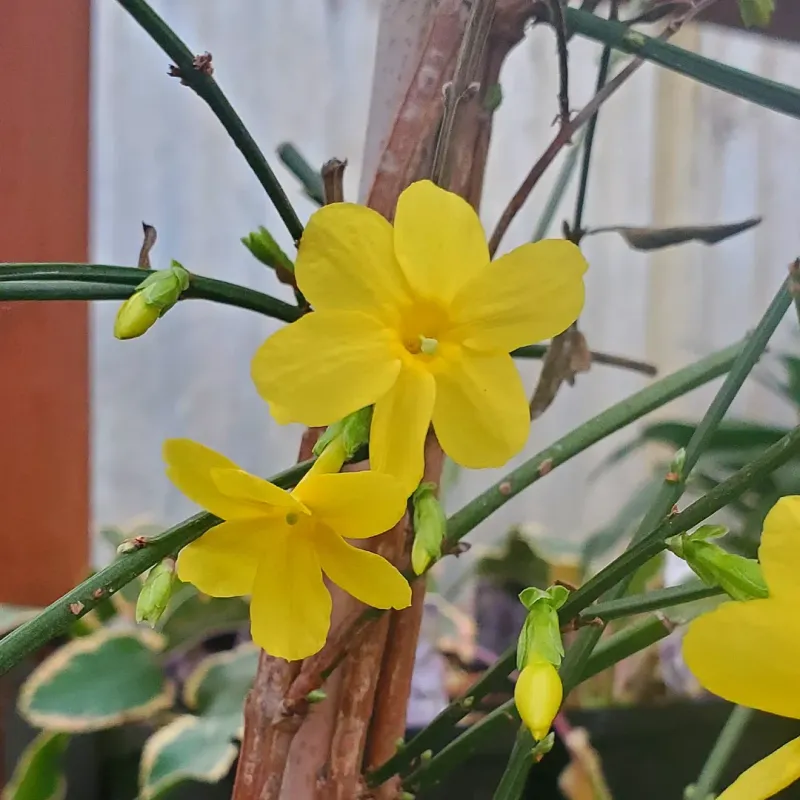
Winter jasmine is a shrubby plant that produces bright yellow flowers on bare stems in late winter. It is easy to grow along fences or walls in Oregon gardens and adds a cheerful burst of color when you need it most.
Mixing these early bloomers into your garden plan guarantees you will always have something beautiful to enjoy.