The Trees Oregon Homeowners Should Never Plant Near A Sidewalk
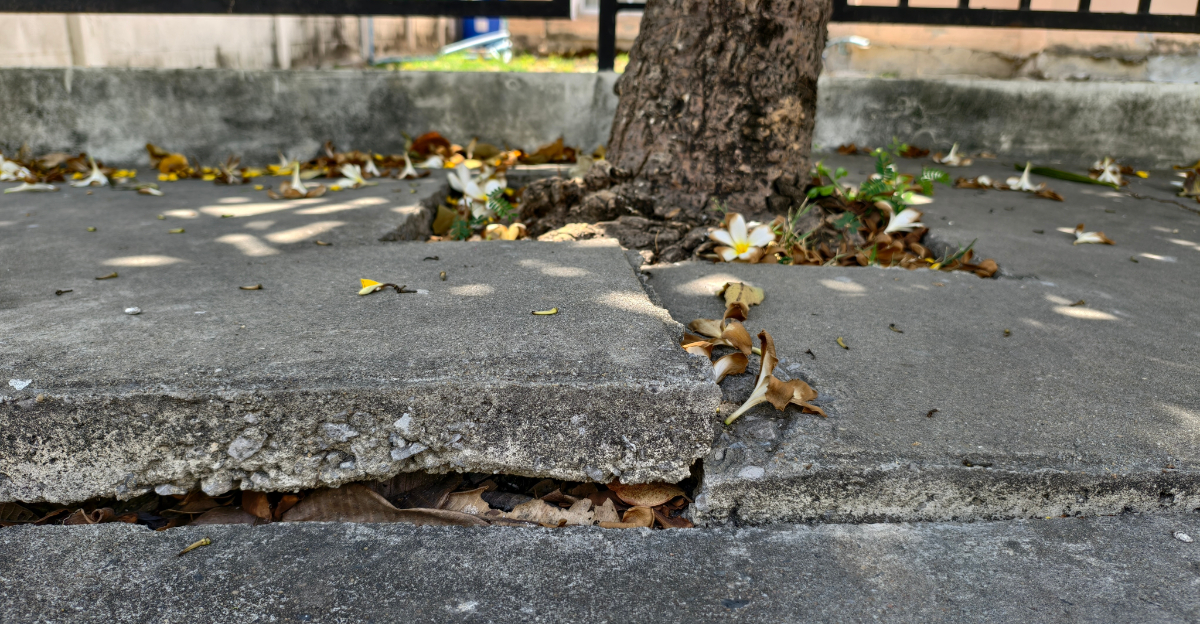
Planting a tree near a sidewalk seems straightforward until the problems start showing up years later.
Cracked concrete, lifted pavement, exposed roots, and damage to underground utilities are all common outcomes when the wrong tree goes in too close to a walkway.
The frustrating part is that most of these trees looked like perfectly reasonable choices at the nursery. They were small, affordable, and easy to plant.
What the tag did not mention was how aggressive the root system gets once the tree matures.
Oregon homeowners deal with an added layer of complexity because the wet climate accelerates root growth and makes soil movement more unpredictable than in drier states.
Some trees that behave fine in other regions cause real structural damage here. Municipalities can also hold property owners responsible for sidewalk repairs caused by trees on their land, which turns a landscaping mistake into an unexpected bill.
1. Silver Maple
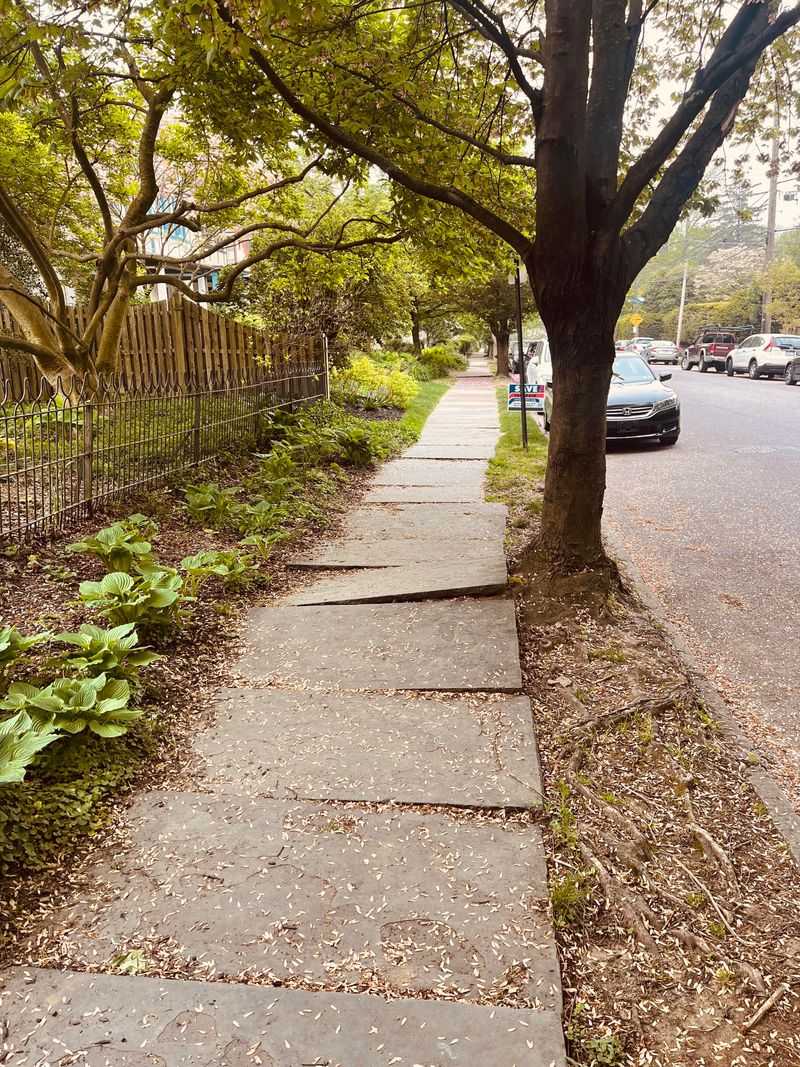
Few trees cause as much sidewalk chaos as the silver maple. It grows fast, sometimes adding three or more feet of height each year, and its roots are just as aggressive underground as its branches are above.
Homeowners often plant it for quick shade, but that speed comes with a serious price tag.
The root system of a silver maple spreads wide and stays shallow, meaning it travels right along the surface of the soil. When those roots hit a sidewalk, they push up from below with surprising force.
Concrete cracks, panels tilt, and before long, you have a tripping hazard that can lead to injury lawsuits.
In our state, the moist soil conditions in western valleys give silver maple roots even more reason to spread aggressively. They chase moisture wherever it goes, including under driveways, patios, and water pipes.
Repairs can cost thousands of dollars, and removing the tree later is expensive too.
Even trimming the roots does not always fix the problem. Root pruning can stress the tree and cause it to become structurally unstable, creating a new safety concern.
The silver maple is better suited for large open spaces far from any paved surface, where its roots have room to spread without causing destruction.
2. Weeping Willow
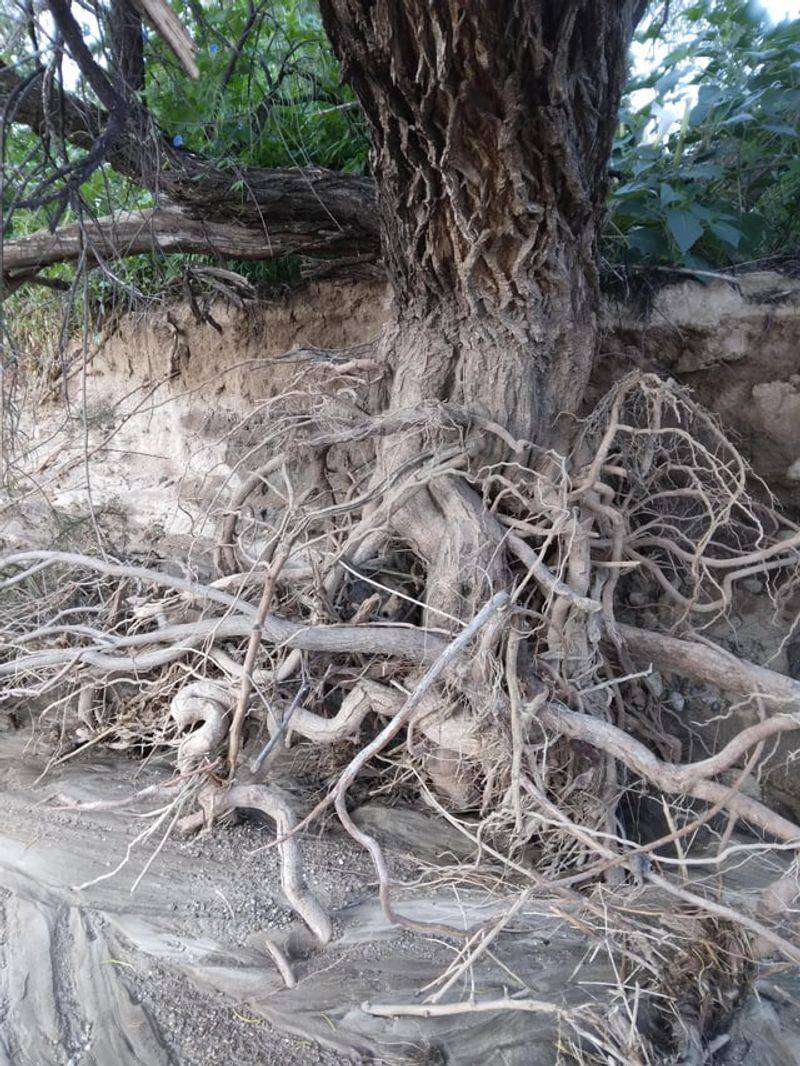
There is something undeniably beautiful about a weeping willow swaying in the breeze, but planting one near a sidewalk is a decision most homeowners come to regret. The roots of this tree are famously thirsty, always searching for water sources, and they do not stop for concrete or pipes along the way.
Weeping willows can send roots out two to three times the width of their canopy. In a typical backyard, that means roots can travel 50 feet or more from the trunk.
Sidewalks, sewer lines, irrigation systems, and even home foundations are all at risk when this tree is planted too close.
In the wetter parts of our state, weeping willows grow especially large and fast. More growth means more roots, and more roots means more potential damage.
Homeowners near rivers or with naturally moist soil will find that this tree spreads even more aggressively than it would in drier regions.
Your Oregon Garden Changes Every Week. Your Plan Should Too.
Gardening in Oregon changes quickly throughout the season. Every Friday you’ll receive a simple weekly plan showing exactly what to plant, prune, fertilize, harvest, and protect so you never miss the right timing.
Beyond root damage, weeping willows also drop a lot of debris. Thin branches break off easily in windstorms, leaving a mess on sidewalks and creating slip hazards.
The combination of invasive roots and constant debris makes this one of the worst choices for planting anywhere near a paved walkway or public path.
3. Sycamore
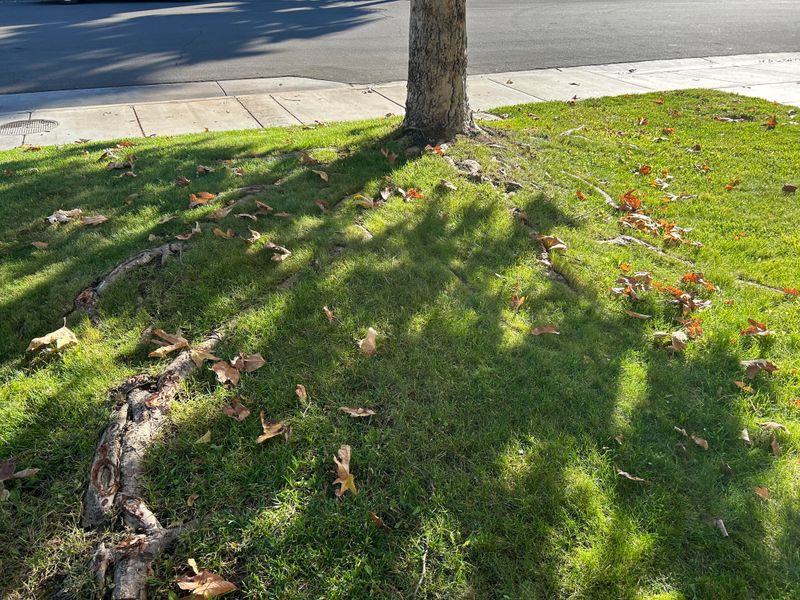
Walk through any older neighborhood in our state and you will likely spot a sycamore that has completely destroyed the sidewalk around it. These trees are massive, sometimes reaching 100 feet tall with trunks that grow several feet wide.
They are impressive to look at, but they are not sidewalk-friendly in the slightest.
Sycamores develop thick, woody surface roots that fan out in every direction. As the trunk grows wider over the years, those surface roots lift concrete panels right off the ground.
The damage is not subtle either. You can see the roots bulging beneath cracked pavement from across the street.
Beyond the root issue, sycamores also shed bark, seed balls, and large leaves throughout the year. That debris collects on sidewalks and can become slippery when wet, which is a real concern given how much rain our state receives.
Keeping up with the cleanup is practically a part-time job.
City arborists across the Pacific Northwest have flagged sycamores as one of the top offenders when it comes to sidewalk infrastructure damage. Some municipalities have even passed ordinances restricting where they can be planted.
If you love the look of a sycamore, give it a spot in a wide-open area, well away from any pavement, fencing, or utility lines.
4. Norway Maple
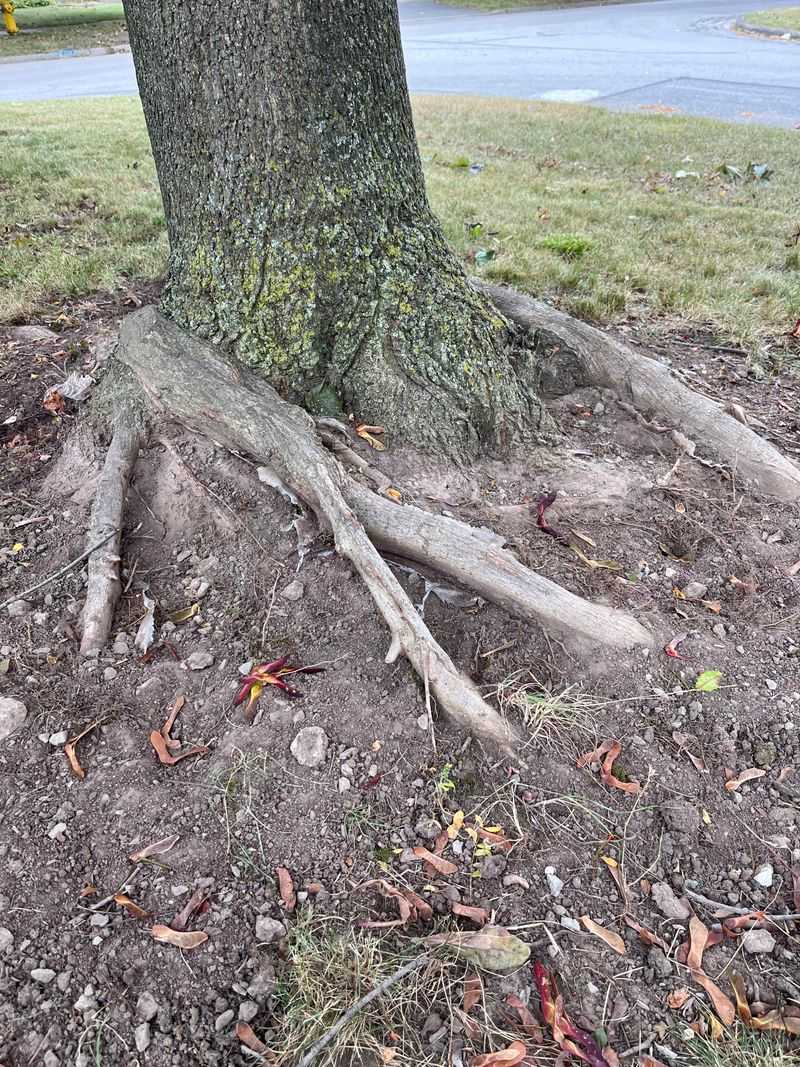
Originally brought to North America as an ornamental street tree, the Norway maple has since earned a reputation for being one of the most problematic trees a homeowner can plant near pavement. Its dense canopy and aggressive roots make it a double threat in any residential setting.
The roots of a Norway maple grow close to the surface and spread outward quickly. They are especially effective at finding gaps in concrete, and once a root gets under a sidewalk panel, it expands and pushes upward with each growing season.
Over time, the damage becomes severe and expensive to fix.
On top of the structural damage, Norway maple is also considered an invasive species in many parts of our state. It outcompetes native plants, drops thousands of seeds, and spreads into natural areas where it disrupts local ecosystems.
Planting one in your yard contributes to a broader environmental problem that affects forests and wild areas.
Some counties in our state have actually discouraged or restricted the planting of Norway maples for exactly these reasons. Removing an established Norway maple is labor-intensive and costly, and even after removal, seeds left in the soil can sprout new trees for years.
Choosing a native, non-invasive tree species is a much smarter and more responsible option for your yard and community.
5. Poplar / Cottonwood
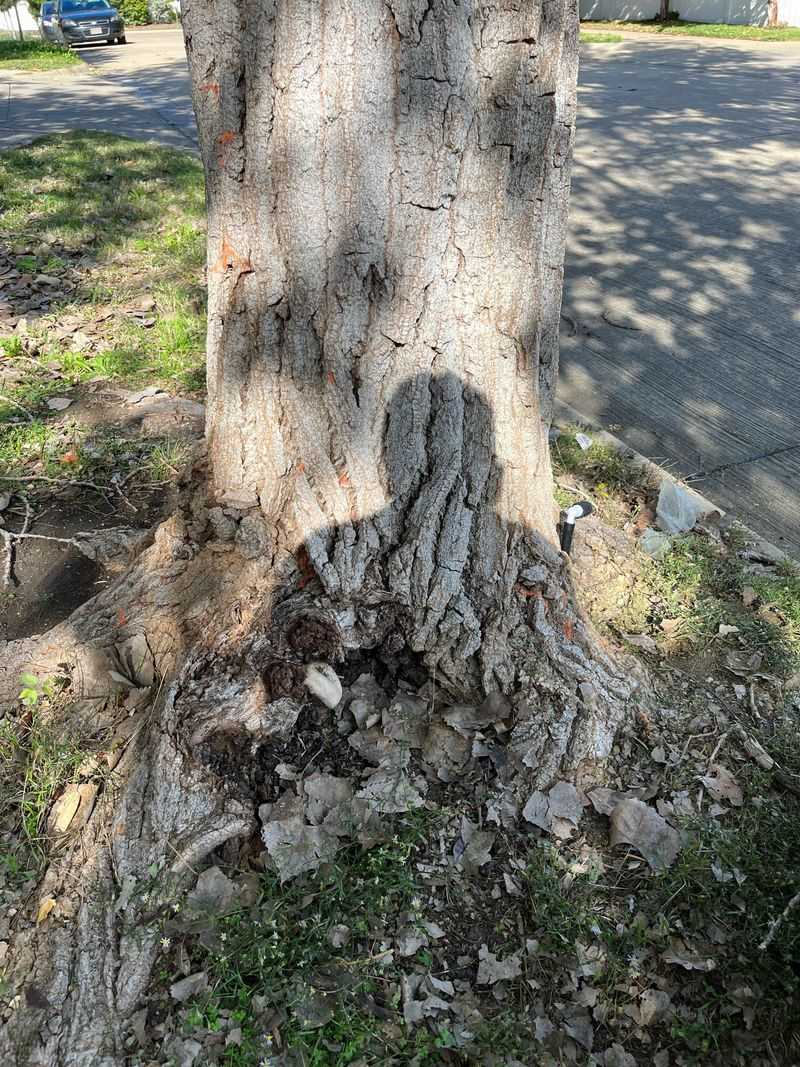
Few trees grow as fast or as boldly as poplars and cottonwoods. Some species can shoot up six to eight feet in a single year, which makes them tempting for homeowners who want quick privacy or shade.
But that rapid growth comes with root systems that are equally fast and far-reaching.
Poplar and cottonwood roots are notorious for seeking out water. They will travel under sidewalks, driveways, and even into sewer or water lines without hesitation.
Once a root gets into a pipe, it can cause blockages that require expensive plumbing repairs. The same aggressive nature that makes these trees grow fast makes them destructive near any infrastructure.
In our state, cottonwoods are native to riparian areas along rivers and streams. They evolved to grow near water, which is exactly why their roots are so relentless.
Planting one in a typical suburban yard near a sidewalk puts that same survival drive to work in the worst possible place.
Cottonwoods also release enormous amounts of fluffy white seeds in late spring, which can clog gutters, cover sidewalks, and trigger allergies. The combination of invasive roots, fast growth, and seasonal seed release makes this one of the most impractical trees to plant near any walkway.
Give these trees wide-open space near natural water sources where they truly belong.
6. Sweetgum (Liquidambar styraciflua)
Anyone who has stepped on a sweetgum seed pod knows the experience is not easily forgotten. Those hard, spiky balls cover the ground every fall and are genuinely painful to walk on, especially in bare feet.
But beyond the seed pod problem, sweetgum trees also pose a serious threat to sidewalks through their root systems.
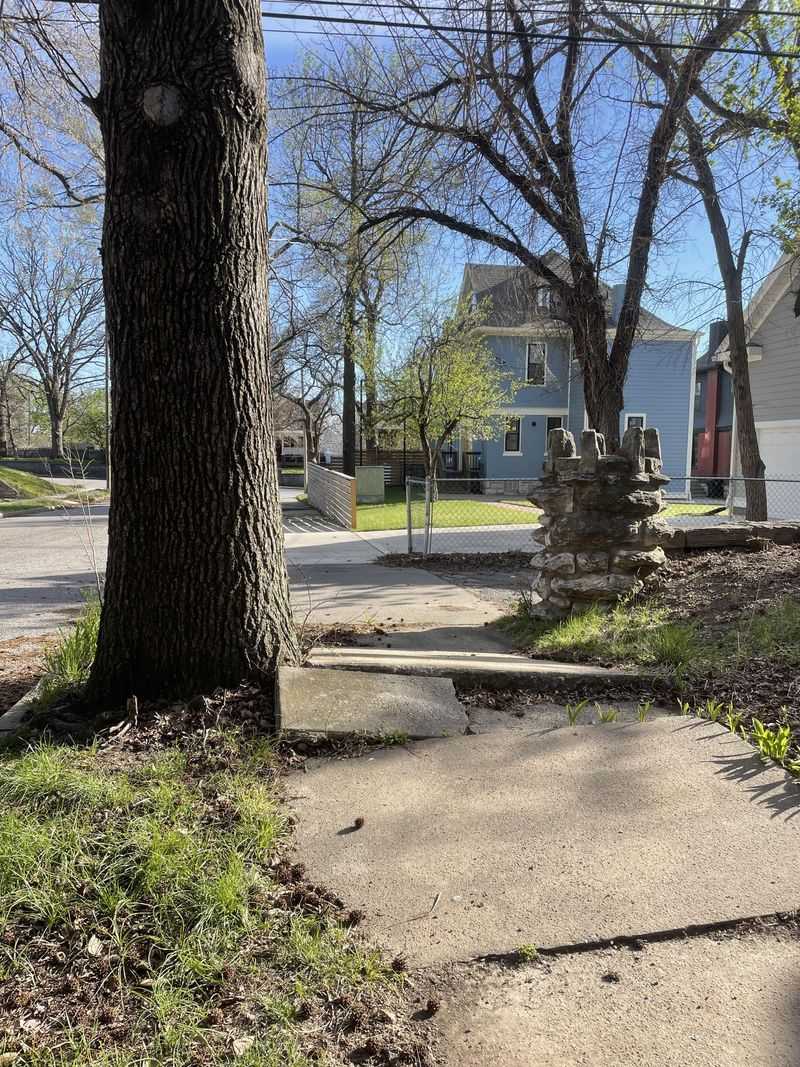
Sweetgum roots are strong and wide-spreading. As the tree matures, the roots push upward and outward, cracking and lifting concrete with ease.
The damage tends to get worse each year because the roots keep growing, meaning repairs are only a temporary fix unless the tree is removed entirely.
In the milder climates found in western parts of our state, sweetgum trees grow vigorously and can reach heights of 60 to 75 feet. More size means more root pressure against nearby pavement.
Homeowners often underestimate how large these trees get when they plant them as young saplings.
The spiky seed pods are also a serious safety issue on sidewalks. They do not break down quickly and can cause someone to slip or roll an ankle, especially on wet pavement.
Cities and municipalities across the Pacific Northwest have moved away from planting sweetgums near streets and walkways for this exact reason. A fruitless alternative variety exists, but the root problem remains the same regardless of which cultivar you choose.
7. American Elm
At one point in American history, elm-lined streets were the gold standard of neighborhood beauty. Tall, arching canopies created natural tunnels over roads and sidewalks, and many towns planted them by the thousands.
But the American elm comes with root behavior that makes it a poor choice near any paved surface.
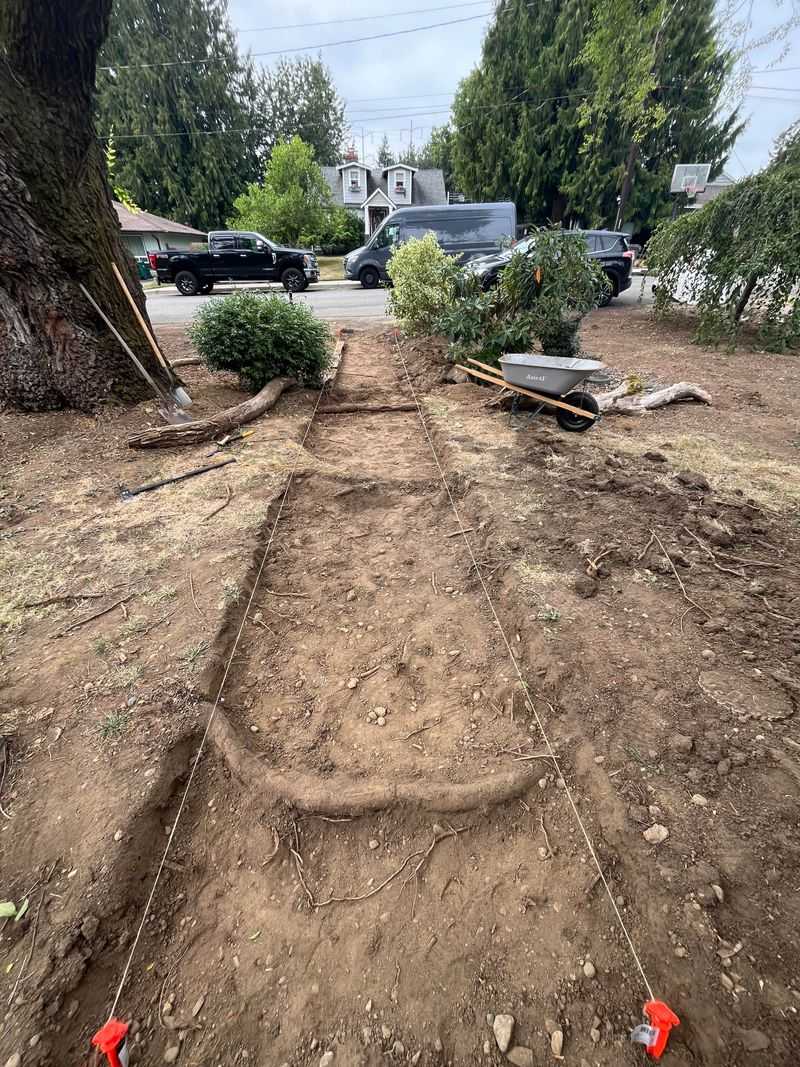
The root system of an American elm is wide and aggressive. It spreads far beyond the canopy and stays relatively shallow in the soil, which puts it in direct conflict with sidewalks, curbs, and driveways.
As the tree grows, those roots push up through concrete and create uneven, dangerous walking surfaces.
Our state has seen its share of elm-related sidewalk damage in older neighborhoods where these trees were planted decades ago. Removing or repairing the damage is costly, and in many cases, the repairs do not last long because the roots continue to grow.
Municipal repair budgets in many cities include significant funds dedicated just to elm-related sidewalk damage.
Dutch elm disease has also affected American elms across the country, making them a less reliable long-term investment for homeowners. Planting a tree that may need removal due to disease, on top of the root damage it causes along the way, is not a wise use of your landscaping budget.
There are far better native alternatives that provide shade without the same level of risk.
8. Siberian Elm
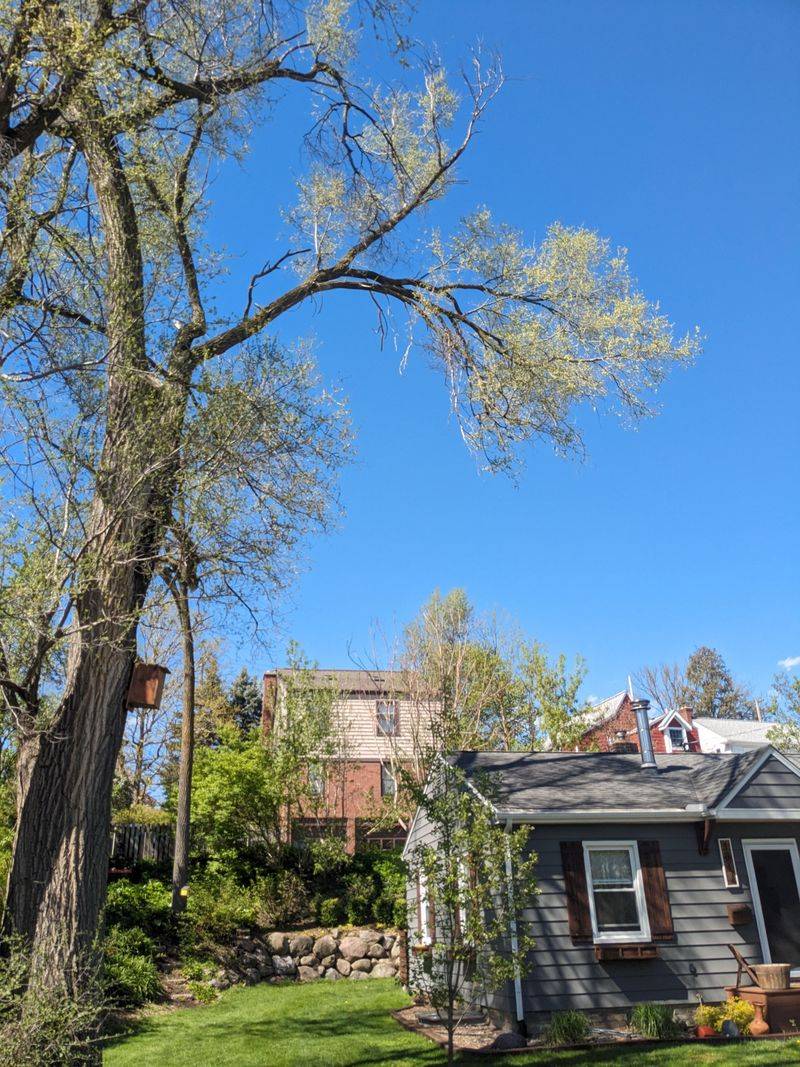
Tough, fast-growing, and incredibly hard to get rid of once established, the Siberian elm is one of the most problematic trees a homeowner can plant near a sidewalk. It was introduced to the United States decades ago as a windbreak tree, and it has been causing problems in residential landscapes ever since.
Siberian elm roots are both deep and wide-spreading, which makes them especially destructive near pavement. They can crack sidewalks, invade water lines, and undermine the structural stability of driveways and curbs.
What makes this tree even more frustrating is how quickly it grows, meaning the damage escalates faster than with slower-growing species.
In drier parts of our state, Siberian elm is considered invasive because it spreads rapidly and displaces native plant species. Seeds germinate easily and the tree self-seeds prolifically, meaning one tree can turn into many in just a few seasons.
Removing it completely is a serious challenge because stumps resprout aggressively after cutting.
Beyond the root and invasiveness issues, Siberian elm wood is also brittle and prone to breaking during windstorms, which are common in many parts of our state. Falling branches can land on sidewalks, vehicles, or people passing by, creating a liability risk for homeowners.
Choosing a well-behaved native tree with a non-invasive root system is always the smarter, safer choice for any yard near a public walkway.