7 Common Mistakes Ohio Gardeners Make With Native Plants
Native plants promise easy success in Ohio gardens. They evolved here, support pollinators, and handle the local climate better than most imported ornamentals.
Many gardeners expect them to thrive almost anywhere. Reality can surprise people.
A native wildflower placed in the wrong spot may struggle. A prairie plant planted in shade stays small and weak.
A woodland species placed in full sun burns out long before summer ends. Even plants perfectly suited to Ohio can fail when simple planting mistakes get in the way.
Strong native plant gardens rarely happen by accident. Good results come from matching plants to the right conditions and giving them time to settle in.
1. The Wrong Location Can Ruin Even Tough Plants
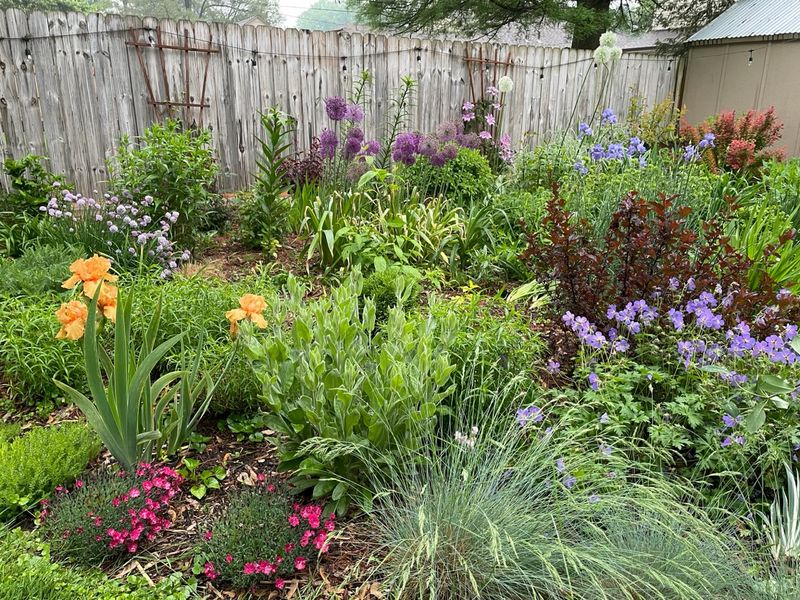
Walk through any successful Ohio native plant garden and you will notice one thing right away: every plant looks like it belongs exactly where it is standing. That is not an accident.
Matching a plant to the right location is one of the most important decisions a gardener can make, and getting it wrong can set even the toughest native species back significantly.
Sunlight is one of the biggest factors to get right. A shade-loving plant like wild ginger placed in full afternoon sun will struggle all season long.
Meanwhile, a sun-loving prairie plant like black-eyed Susan placed under a dense tree canopy will produce weak stems and very few flowers.
Soil moisture matters just as much. Ohio landscapes include everything from low-lying wet areas to dry, elevated slopes.
Cardinal flower thrives near water, while butterfly weed prefers dry, well-drained soil. Putting either plant in the wrong moisture zone leads to stress and slow growth.
Soil type also plays a role. Heavy clay soils in many parts of Ohio hold water differently than sandy or loamy soils.
Before planting, take time to observe your yard through different seasons and match each species to conditions that reflect its natural habitat.
2. Too Much Care Can Cause More Harm Than Good
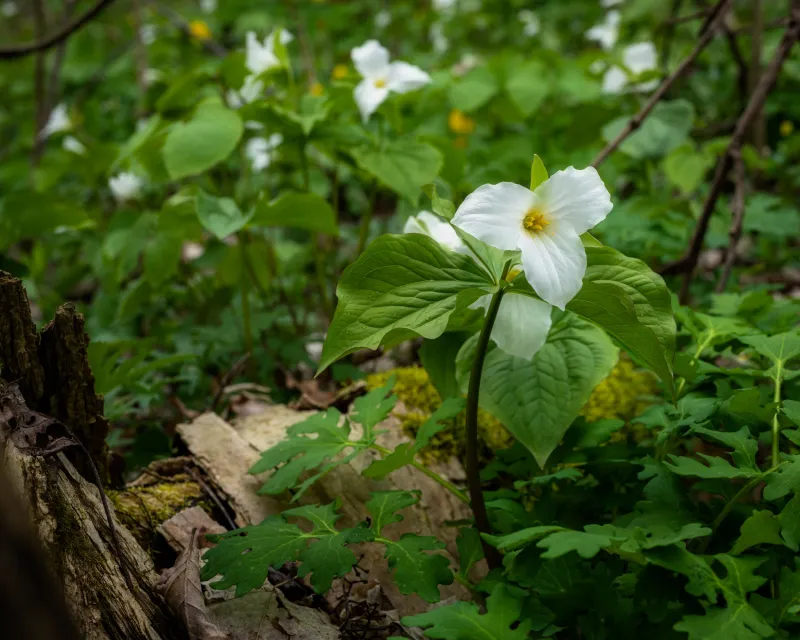
Some gardeners treat native plants the same way they treat their vegetable garden, checking on them constantly, adding fertilizer every few weeks, and adjusting the soil at the first sign of anything unusual. For many native species, that level of attention actually works against them.
Most Ohio native plants evolved in conditions without added nutrients. When you introduce rich fertilizers, especially nitrogen-heavy ones, plants respond by putting out a lot of fast, soft growth.
Stems become tall and floppy, flowers are fewer, and the plant becomes more vulnerable to pests and disease. Prairie natives like wild bergamot and rattlesnake master are especially prone to this problem.
Overwatering follows a similar pattern. Gardeners used to tending thirsty annuals or vegetables sometimes carry those same habits into a native planting, watering on a regular schedule even when the soil is already moist.
Most established native perennials do not need that kind of attention.
Letting natives settle into their own rhythm takes some trust. Ohio State University Extension recommends a hands-off approach for most established native plantings.
Your Ohio Garden Changes Every Week. Your Plan Should Too.
Gardening in Ohio changes quickly throughout the season. Every Friday you’ll receive a simple weekly plan showing exactly what to plant, prune, fertilize, harvest, and protect so you never miss the right timing.
Provide support during the first growing season, then step back and let the plants do what they are naturally designed to do.
3. Overwatering Is One Of The Most Common Mistakes
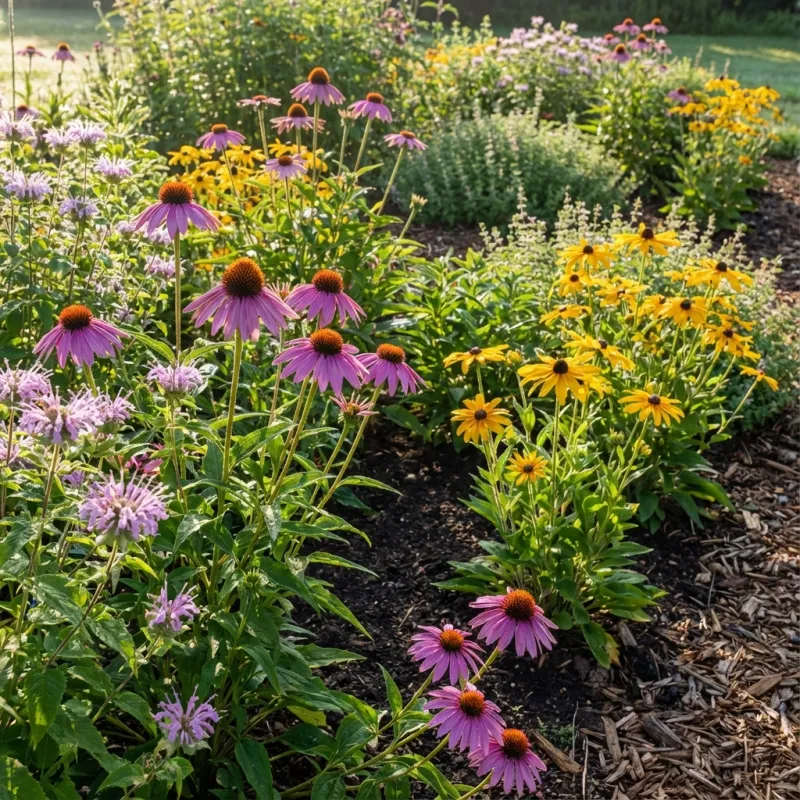
Newly planted natives fresh from the nursery often get watered the same way a houseplant or annual flower would be, and that habit can cause real problems. Overwatering is one of the most frequent mistakes seen in Ohio native plant gardens, particularly in the first season after planting.
Ohio soils, especially the heavy clay soils found across much of the state, do not drain quickly. When water is added more often than the soil can absorb it, roots sit in saturated conditions for extended periods.
This creates an environment where root rot and fungal problems can take hold, weakening plants before they ever have a chance to get established.
Many native species are built to handle dry spells once their roots are well developed. Plants like purple coneflower, prairie dropseed, and wild petunia have deep root systems that seek out moisture on their own.
Once established, these plants often thrive on natural Ohio rainfall alone during a typical growing season.
During the first summer, water newly planted natives during dry stretches of two weeks or more, but let the soil dry out between waterings. Checking soil moisture a few inches below the surface before reaching for the hose is a simple habit that protects roots and builds stronger plants over time.
4. Cutting Plants Back Too Early Can Slow Growth
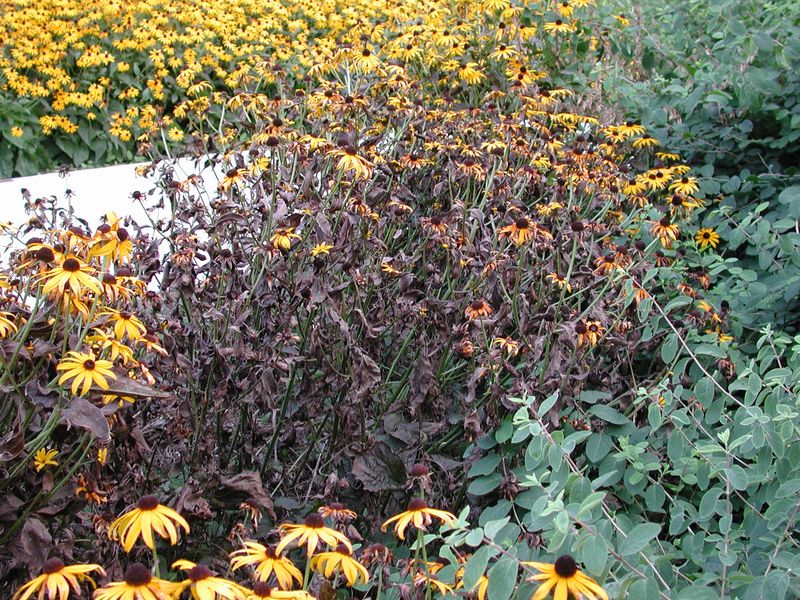
Every spring, the urge to tidy up the garden hits hard. Dried stems, last year’s seed heads, and brown foliage can make a native planting look rough after a long Ohio winter.
Many gardeners reach for pruners the moment temperatures climb above freezing, but cutting back too early can actually slow down the season’s growth and remove something valuable in the process.
Native perennial stems serve important purposes well into late winter and early spring. Hollow or pithy stems from plants like Joe Pye weed, wild bergamot, and black-eyed Susan provide overwintering habitat for native bees and beneficial insects.
Seed heads from coneflowers and native grasses offer food for birds like goldfinches and chickadees during the coldest months of the year.
Waiting until nighttime temperatures are consistently above 50 degrees Fahrenheit before cutting back is a guideline recommended by many Midwest university extension programs. By that point, overwintering insects have emerged and the plant’s new growth is ready to take over.
Cutting too early also removes the insulating layer that protects new crown growth from late frosts, which are common in Ohio well into April. Leaving stems until the right moment costs very little effort and pays off with healthier, more productive plants throughout the growing season.
5. Crowding Plants Leads To Long Term Problems
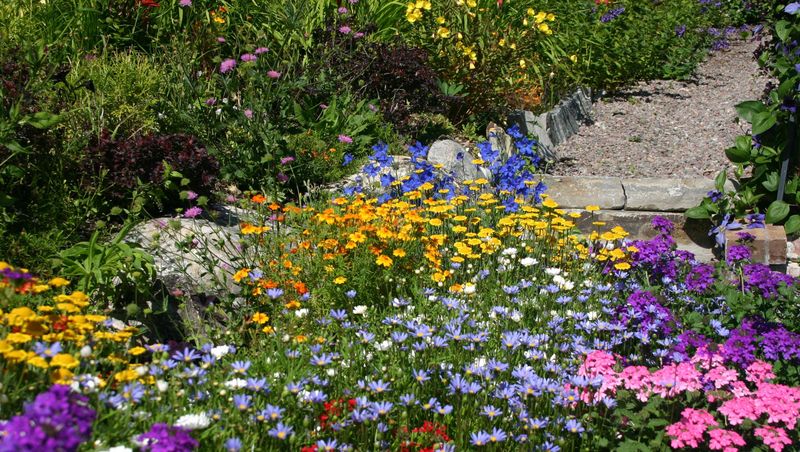
Planting day is exciting, and it is tempting to fill every inch of a new native garden bed as quickly as possible. Spacing plants close together for an instant full look is a common choice, but in a native planting, crowding creates problems that grow worse every year.
Poor air circulation is one of the first issues that shows up. When plants are packed too tightly, moisture gets trapped between foliage, creating conditions where powdery mildew and other fungal diseases spread easily.
Bee balm and phlox, two popular Ohio natives, are especially prone to mildew when airflow is restricted around their stems and leaves.
Competition for nutrients and water also intensifies as crowded plants mature. Root systems overlap, and faster-growing species can push out slower neighbors over time.
What starts as a diverse planting can gradually become dominated by one or two aggressive species, reducing the ecological value of the garden.
Giving plants room to spread according to their mature size at planting time is worth the wait. Many Ohio native gardens look sparse in the first year but fill in beautifully by the second and third seasons.
Checking mature spread dimensions on plant tags or OSU Extension resources before planting helps avoid a crowding problem before it starts.
6. Young Plants Need Time To Establish
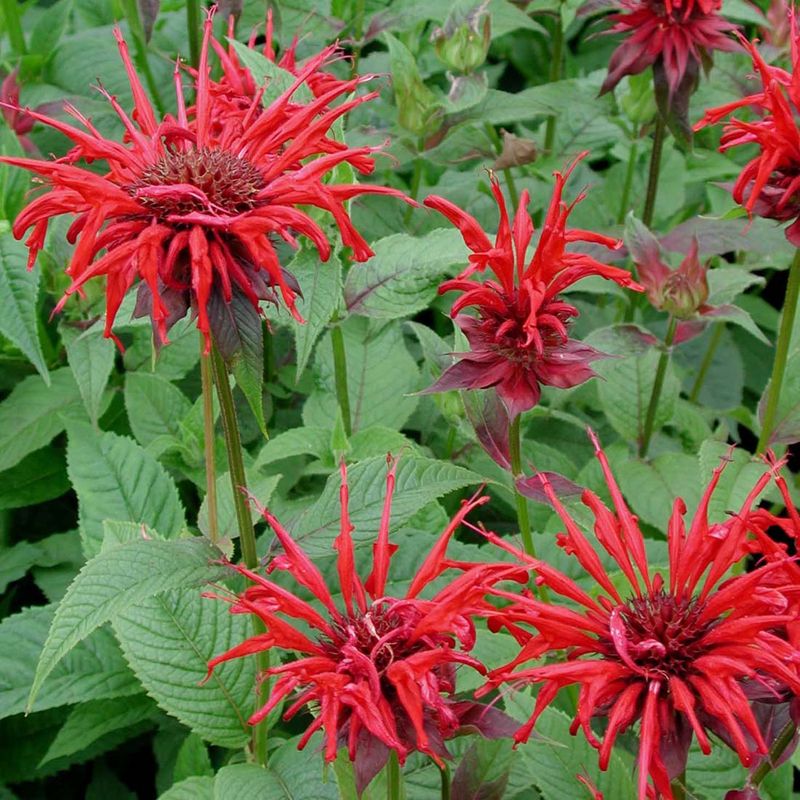
A gardener plants a beautiful native perennial in May, watches it carefully all summer, and by August notices it has barely grown at all. No new flowers, minimal new leaves, just a small, quiet plant sitting in the ground.
Before assuming something went wrong, consider what is actually happening below the surface.
Newly planted natives spend much of their first growing season building root systems rather than putting energy into above-ground growth. This is a completely normal and healthy process.
Strong, deep roots are what allow native plants to handle Ohio’s variable weather, including summer heat, periodic drought, and cold winters, in the years ahead.
The old gardening saying that captures this well is: sleep, creep, leap. In the first year, natives sleep.
In the second year, they creep as roots expand and above-ground growth picks up. By the third year, most native perennials leap into full, vigorous growth and begin to show their true character.
Patience during this establishment phase is essential. Avoid the temptation to move a plant that seems slow, or to add fertilizer to push faster growth.
Consistent moisture during dry spells in year one, combined with minimal interference, gives Ohio native plants the best possible foundation for long-term success in your landscape.
7. Ignoring Soil Conditions Can Stress Plants
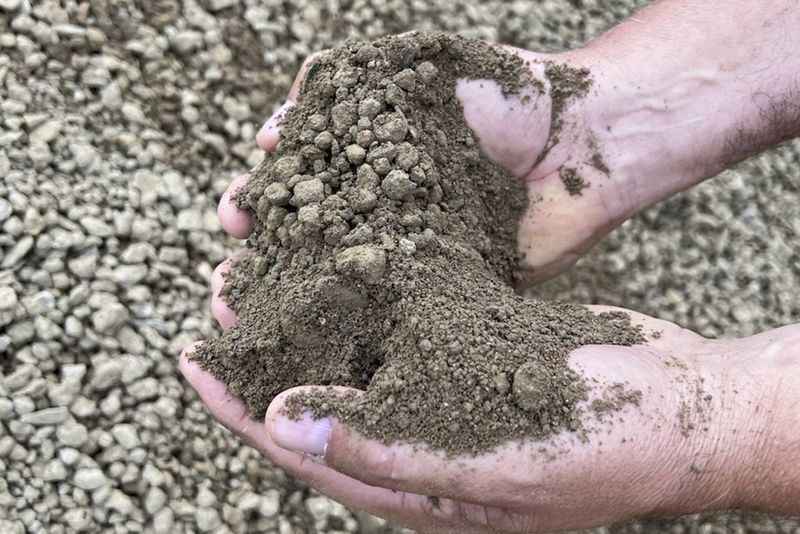
Ohio sits at an interesting crossroads of soil types. Travel across the state and you will find heavy clay soils in the western and central regions, sandier soils in parts of the southeast, and rich loamy soils in areas with glacial history.
Ignoring what kind of soil you are working with before choosing native plants is one of the most avoidable mistakes Ohio gardeners make.
Each native species has a soil preference shaped by where it naturally grows. Blue wild indigo thrives in well-drained, somewhat lean soils and will struggle in waterlogged clay.
Swamp milkweed, on the other hand, handles wet, heavy soils beautifully and would dry out in sandy conditions.
Adding unnecessary amendments is a related mistake. Many gardeners instinctively add compost or fertilizer to every new planting bed, but native plants adapted to lean soils can respond poorly to enriched conditions.
Overly rich soil often produces lush, floppy growth that is less resilient and more prone to pest pressure.
Getting a basic soil test through Ohio State University Extension is a practical first step before establishing a native planting. Understanding your soil’s texture, drainage, and pH helps you select species that will genuinely thrive rather than merely survive in your specific Ohio garden conditions.