5 Michigan Plants You Can Safely Prune This March And 5 You Should Leave Alone
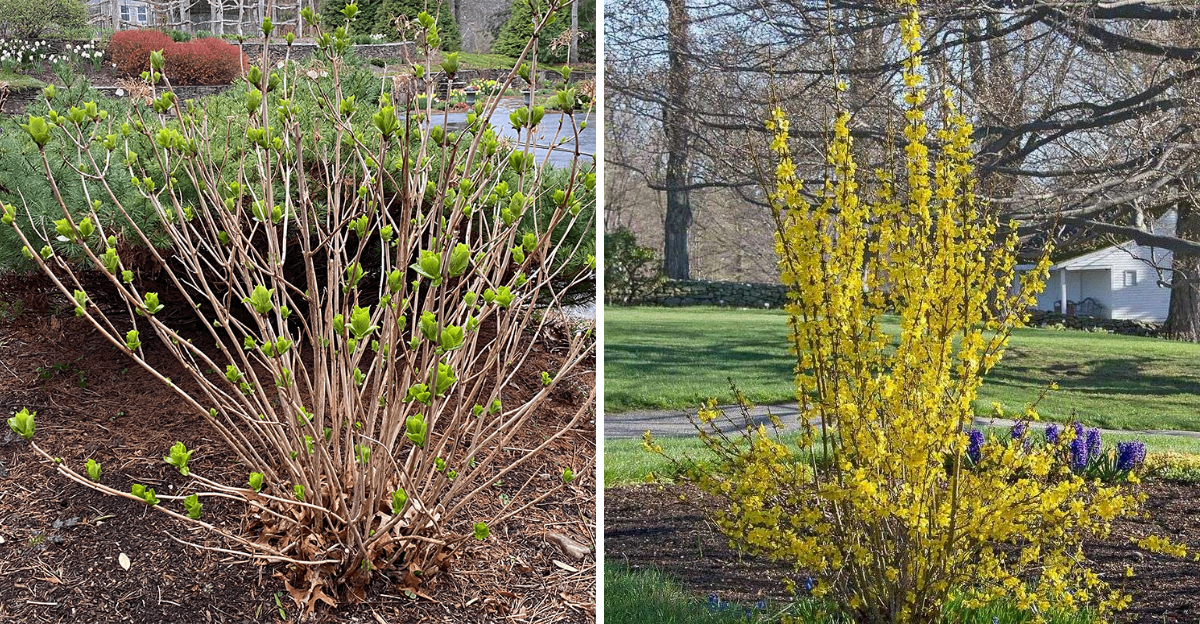
March is when Michigan gardens begin to wake up after a long winter. Snow starts melting, sunlight grows stronger, and many plants quietly prepare for a new season of growth.
For gardeners across the Upper and Lower Peninsulas, it is the moment when yard work finally starts calling again. But early spring pruning can be tricky.
Some shrubs and trees benefit greatly from a careful trim in March, which helps shape the plant and encourages stronger growth later in the season.
Others are already forming buds that will soon turn into flowers, and cutting them now can remove the entire spring display before it even begins.
Knowing the difference is one of the most important early season decisions a gardener can make. With the right timing, Michigan gardeners can help their plants grow healthier, fuller, and far more beautiful throughout the summer.
1. Panicle Hydrangea
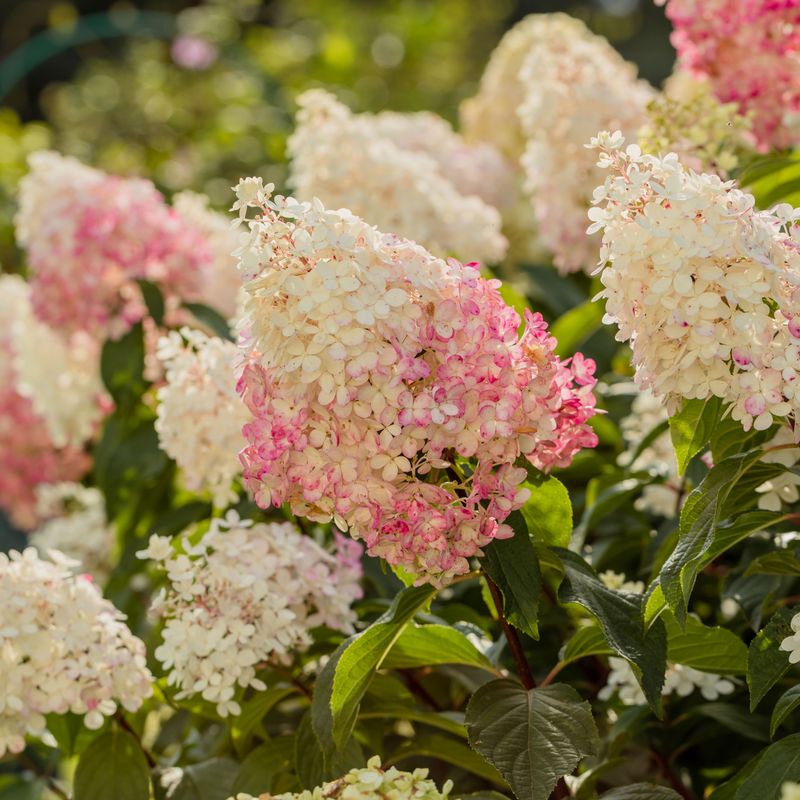
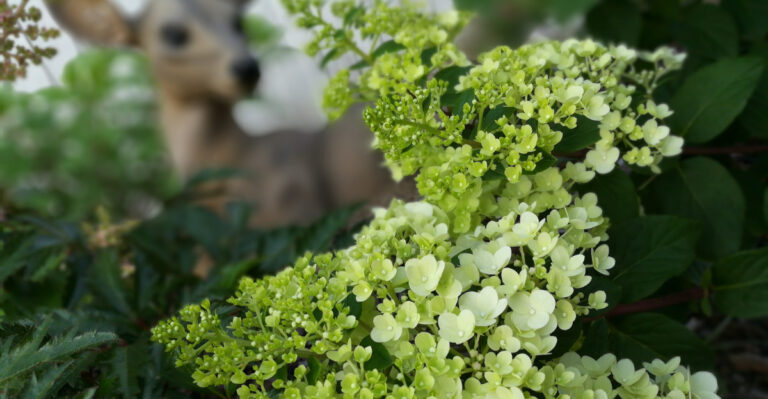
Panicle Hydrangea, or Hydrangea paniculata, is one of the hardiest and most popular flowering shrubs across Michigan landscapes. Gardeners love it for its tall, cone-shaped flower clusters that turn from creamy white to pink as summer fades into fall.
The great news for March? This plant is completely safe to prune right now.
Just like Smooth Hydrangea, Panicle Hydrangea blooms on new wood. That means pruning before spring growth kicks off will not cost you a single flower.
In fact, strategic pruning actually encourages the plant to produce larger, showier panicles later in the season. Michigan gardeners typically aim to prune before the buds begin to swell, which makes March a perfect window.
When you head outside with your shears, focus on a few key tasks. Remove any weak or spindly stems that look like they struggled through winter.
Thin out crowded branches to improve airflow through the center of the plant. Then shorten the remaining stems to control height and encourage vigorous new growth.
Varieties like Limelight and Quick Fire are especially responsive to this kind of pruning. A well-pruned Panicle Hydrangea can easily double its flower size compared to one left unpruned, making March the most productive month in your Michigan garden calendar.
2. Rose Of Sharon
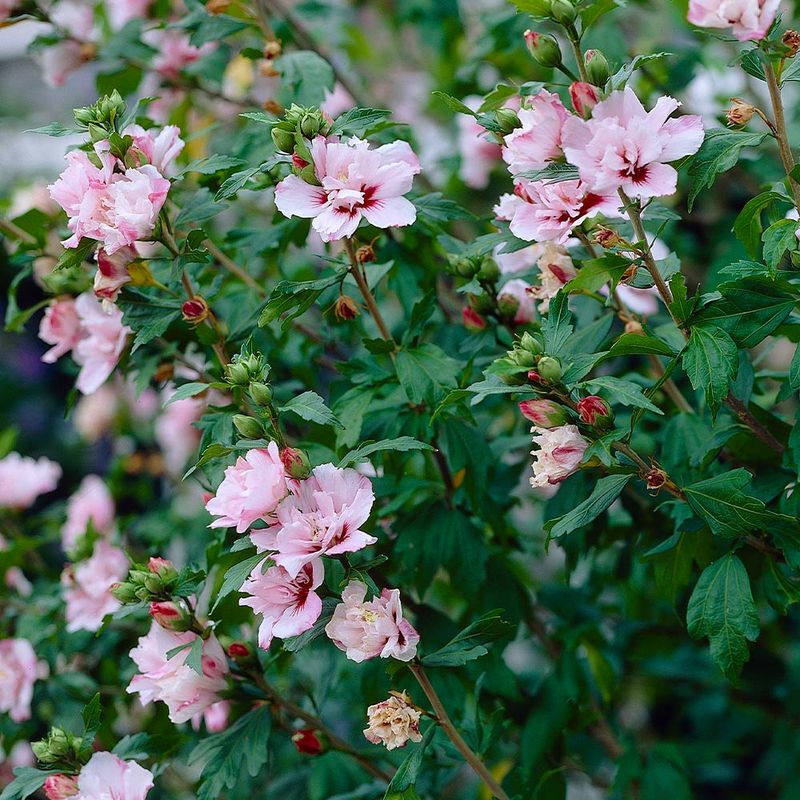
Rose of Sharon brings a tropical flair to Michigan gardens every summer, loaded with large, showy blooms in shades of purple, pink, and white.
What many gardeners do not realize is that this shrub, known scientifically as Hibiscus syriacus, is one of the easiest plants to prune in March without any worry at all.
The reason comes down to how it flowers. Rose of Sharon blooms on new wood, meaning all those gorgeous blossoms you enjoy from midsummer through fall develop on growth that the plant produces in the current season.
Pruning in early spring, before any new growth emerges, actually helps the shrub channel its energy into producing stronger stems and more abundant flowers.
Start by removing any wood that looks weak or damaged from the Michigan winter. Thinning out branches in the interior of the shrub is also a smart move because better airflow reduces the chance of fungal problems once humid summer weather arrives.
Your Michigan Garden Changes Every Week. Your Plan Should Too.
Gardening in Michigan changes quickly throughout the season. Every Friday you’ll receive a simple weekly plan showing exactly what to plant, prune, fertilize, harvest, and protect so you never miss the right timing.
After clearing out the weak and crowded growth, cut the remaining stems back moderately to shape the plant and encourage bushy, full regrowth. Rose of Sharon can handle a fairly aggressive trim and bounce back beautifully.
Give it a good March pruning and it will reward you with months of colorful blooms that brighten up any Michigan yard all the way into September.
3. Smooth Hydrangea
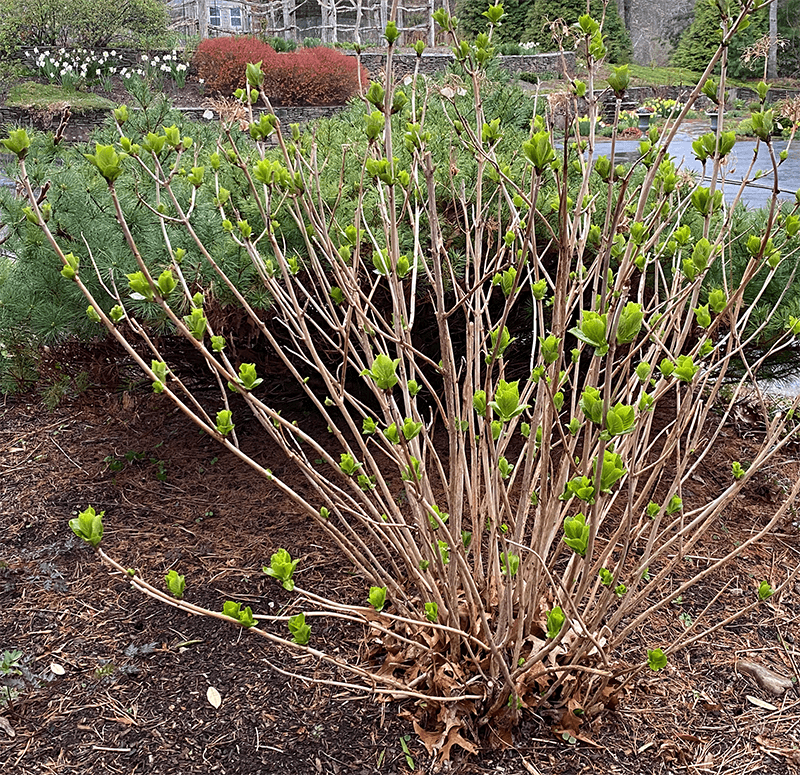
Few shrubs reward Michigan gardeners with as much summer drama as the Smooth Hydrangea. Known botanically as Hydrangea arborescens, this tough and reliable plant is one of the best candidates for a March pruning session.
The reason is simple and exciting: it blooms on new wood.
Because flowers form on growth that develops during the current season, cutting the plant back in early spring will not remove a single bud. You are actually setting the stage for a bigger, bolder bloom show come summer.
Popular cultivars like Annabelle are famous for producing enormous white flower clusters, and proper pruning is the secret behind those impressive displays.
The recommended approach for Michigan gardens is to cut stems back to about 12 to 18 inches above the ground before new growth begins. This height gives the plant a sturdy base, which means stems are less likely to flop over under the weight of heavy blooms.
Always use clean, sharp pruning shears to make smooth cuts. If you skip pruning for a year or two, the plant can become woody and produce smaller flowers.
A quick trim each March keeps Smooth Hydrangea looking fresh, healthy, and absolutely full of potential for the warm months ahead.
4. Summer Blooming Spirea
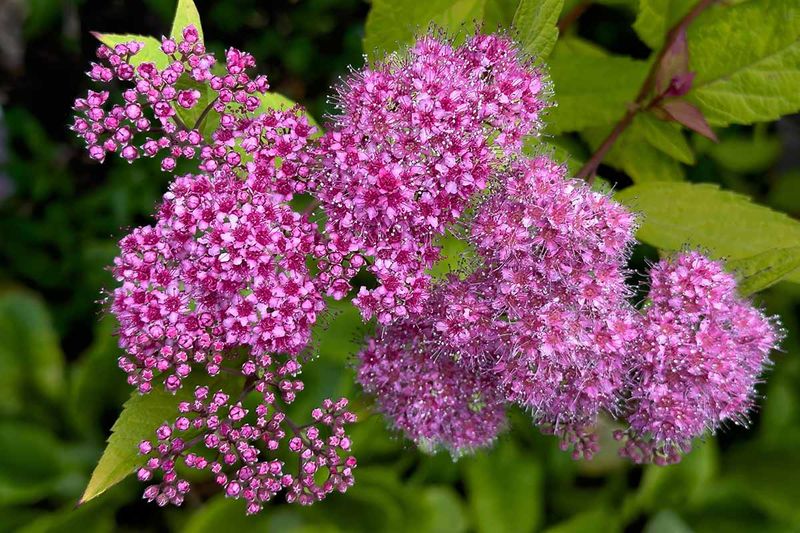
Japanese Spirea, or Spiraea japonica, might look unassuming in early spring, but by summer it transforms into a bright, mounded shrub covered in clusters of pink or red flowers.
Here in Michigan, March is the ideal time to give this tough little plant a serious haircut, and the results are always worth it.
Spirea japonica blooms on new wood, so cutting it back before growth starts will not remove any flower buds. Instead, pruning encourages the plant to push out fresh, vigorous stems that support denser foliage and more blooms.
Skipping the annual trim often leads to a leggy, open plant with smaller flowers clustered only at the branch tips.
The best approach is to cut plants back to about 6 to 12 inches above the ground before you see any signs of new growth. Start by removing stems that look worn out or sparse.
Then cut the remaining stems down to a consistent, low height to encourage an even, compact shape.
This type of rejuvenation pruning works especially well for popular varieties like Little Princess and Anthony Waterer, both of which are common sights in Michigan yards.
Once spring warmth arrives and new growth takes off, you will quickly see why this annual March task is one of the most rewarding things a Michigan gardener can do before the growing season begins.
5. American Elderberry
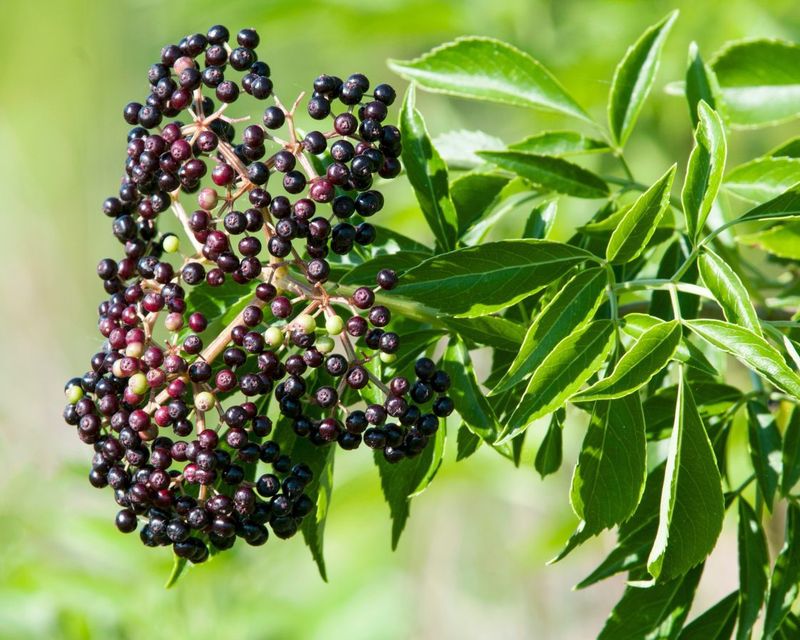
American Elderberry is one of Michigan’s most useful native shrubs, producing clusters of fragrant white flowers in early summer followed by deep purple berries loved by birds, pollinators, and home cooks alike.
Scientifically known as Sambucus canadensis, this fast-growing plant actually benefits from a firm pruning session in March.
Both the flowers and the berries of elderberry form on new wood, which means late winter or early spring pruning helps rejuvenate the plant without sacrificing the upcoming season’s production.
In fact, leaving old woody canes in place year after year tends to reduce berry yields and make the shrub look overgrown and tangled.
A well-timed March pruning keeps things productive and tidy.
When working on your elderberry in Michigan, focus on removing the oldest, thickest canes at the base. These older stems are less productive and take up space that younger, more vigorous canes could use.
Keep three to five strong, healthy canes from recent seasons and remove everything else. This selective approach encourages the plant to put its energy into new growth that will carry a full load of flowers and berries by midsummer.
American Elderberry grows quickly once spring arrives, so the plants you prune in March will often look full and lush within just a few weeks, making it one of the most satisfying early spring tasks in any Michigan landscape.
6. Bigleaf Hydrangea
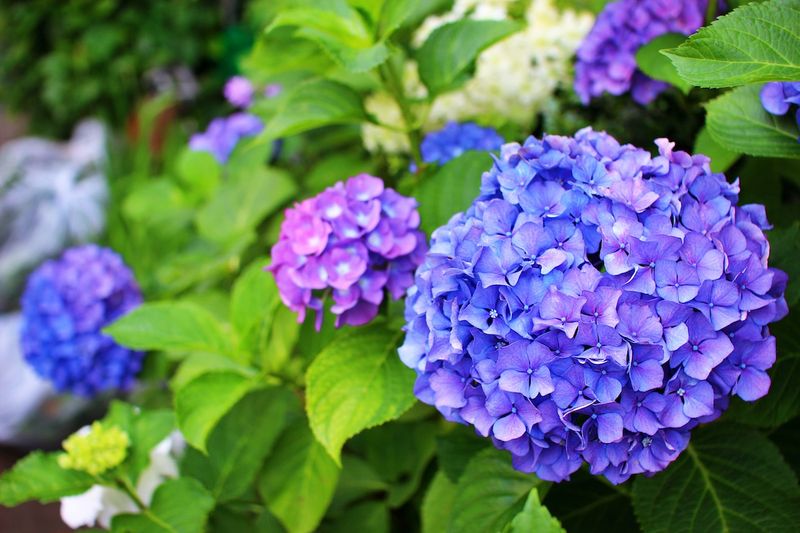
Bigleaf Hydrangea, known botanically as Hydrangea macrophylla, is one of the most beloved flowering shrubs in Michigan gardens, famous for its large, round mophead blooms in shades of blue, pink, and purple.
But March is absolutely not the time to reach for your pruning shears. Cutting this plant back in early spring is one of the most common gardening mistakes made across Michigan.
Most Bigleaf Hydrangea varieties bloom on old wood. That means the flower buds for this summer were actually formed on the stems during last growing season.
Those buds are sitting on the plant right now, waiting for warm weather to open. If you cut the stems back in March, you are removing every single one of those buds and eliminating your bloom season entirely.
The smartest move is to leave Bigleaf Hydrangea completely alone until after it finishes flowering. Once the blooms fade in late summer, you can do light shaping or remove spent flower heads without risking next year’s display.
Some newer varieties, like the Endless Summer series, do bloom on both old and new wood, giving them a bit more flexibility. But even with those, avoiding early spring pruning is the safer approach in Michigan’s unpredictable climate.
Patience is everything with this plant, and the reward of those full, colorful blooms makes the wait completely worthwhile.
7. Oakleaf Hydrangea
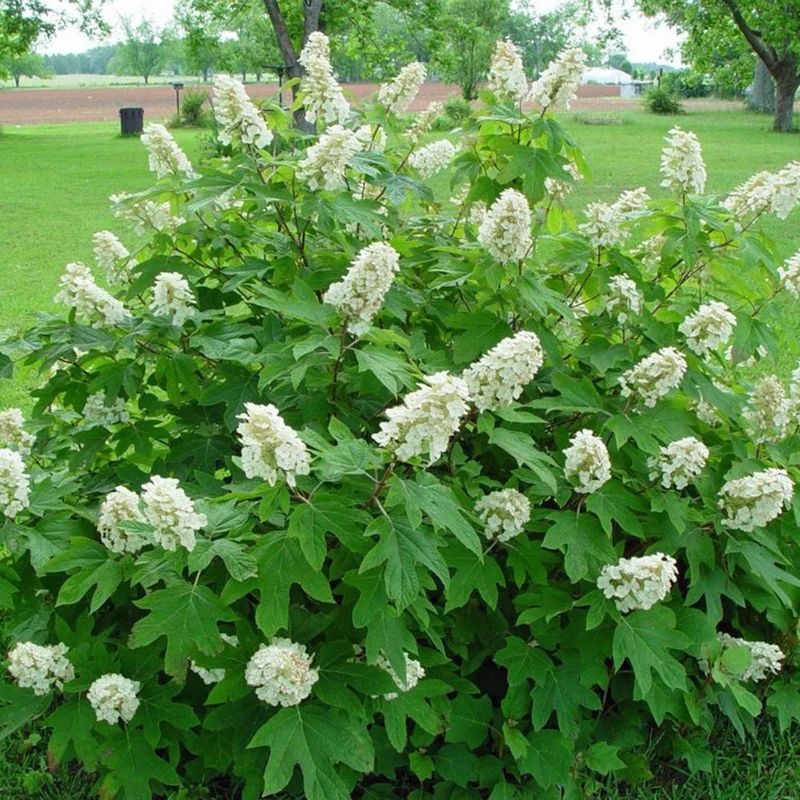
Oakleaf Hydrangea is one of the most striking native shrubs you can grow in Michigan, offering four seasons of interest with its large white summer blooms, brilliant fall foliage, and peeling cinnamon-colored bark in winter.
Hydrangea quercifolia is a plant worth protecting, and that starts with keeping your pruning shears away from it in March.
This hydrangea blooms on old wood, just like Bigleaf Hydrangea. The flower buds that will open this summer are already present on last year’s stems, quietly waiting for warmer temperatures.
Pruning in early spring strips those buds away and leaves you with a full summer of green leaves but no flowers. For a shrub you planted specifically for its spectacular blooms, that is a real disappointment.
Michigan gardeners should schedule any pruning of Oakleaf Hydrangea for after the flowering period ends in summer. That timing allows you to shape the plant, remove spent blooms, and manage its size without touching any buds for the following year.
It is also worth noting that Oakleaf Hydrangea is naturally quite beautiful even without heavy pruning. The exfoliating bark and bold leaf shape make it a standout in the landscape year-round.
Resist the urge to tidy it up in March and simply enjoy watching it slowly wake up as Michigan spring temperatures begin to rise.
8. Lilac
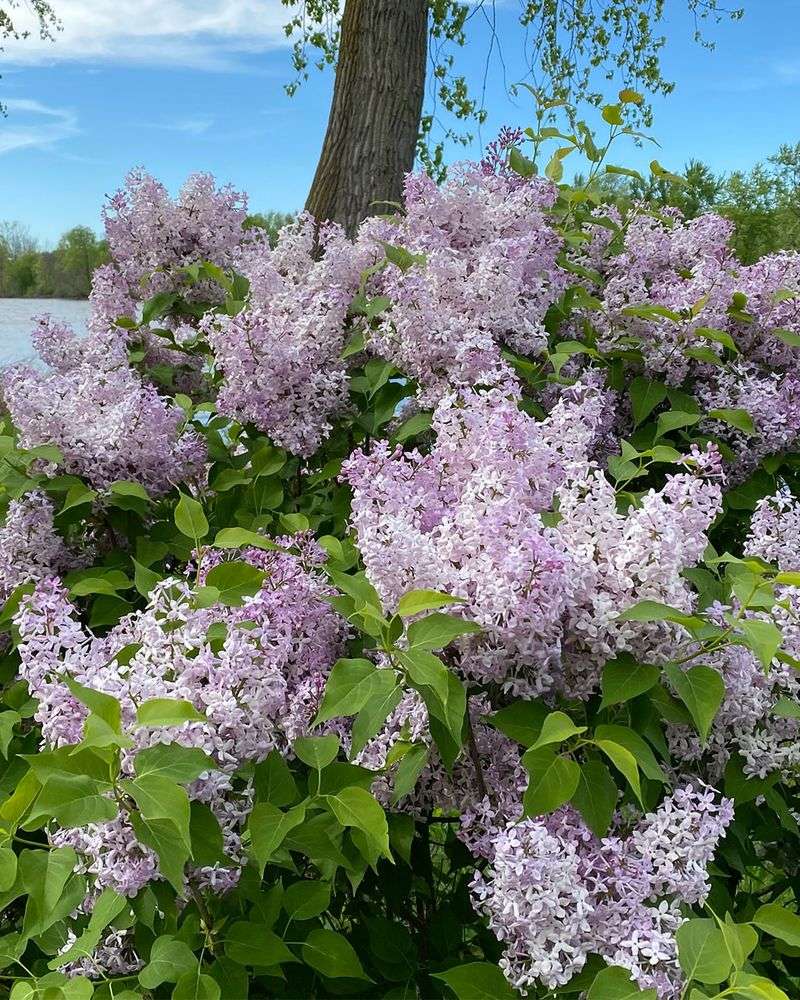
Few plants carry as much nostalgia as the Common Lilac. Syringa vulgaris has been growing in Michigan yards for generations, filling spring air with one of the most recognizable and beloved fragrances in the gardening world.
But if you are tempted to tidy up your lilac this March, hold off. Pruning now is one of the fastest ways to lose that spectacular spring bloom.
Lilacs set their flower buds during the previous summer, long before Michigan winters even begin. By the time March arrives, those buds are already formed on the old stems, packed with color and fragrance just waiting to burst open.
Cutting branches in early spring removes those buds and prevents the shrub from blooming, sometimes for an entire season.
The right time to prune a lilac in Michigan is immediately after the flowers fade in late spring. That narrow window, usually just a few weeks after peak bloom, gives the plant enough time to set new buds for the following year before summer ends.
Focus on removing suckers at the base, thinning out older stems to let light into the center, and lightly shaping the plant if needed. Regular post-bloom pruning keeps lilacs vigorous and blooming well for decades.
So this March, put the shears down and just enjoy watching those tight little buds slowly swell as warmer Michigan days arrive.
9. Forsythia
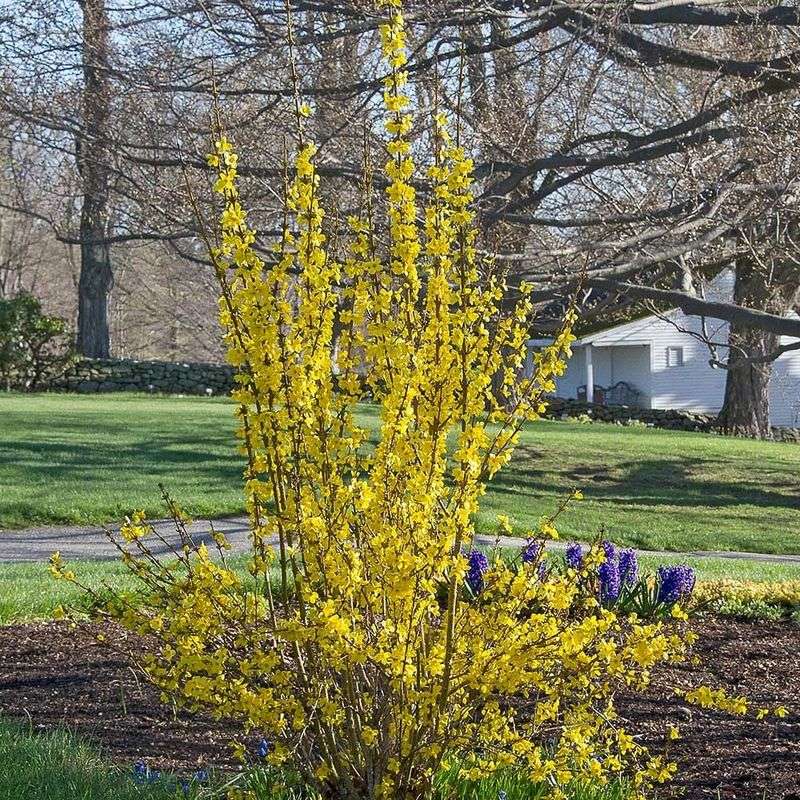
Forsythia is one of the first signs that Michigan winters are finally over. Those brilliant yellow flowers that seem to explode out of nowhere in early spring are one of the season’s most cheerful sights.
But here is the thing: if you prune your Forsythia in March, you will miss the whole show.
Forsythia x intermedia blooms on old wood. By late winter, every branch is already packed with flower buds that formed during the previous growing season.
Those buds are what create the yellow fireworks display you see every April. Cutting branches in March removes those buds before they ever get a chance to open, leaving you with bare stems instead of a golden flowering shrub.
The correct time to prune Forsythia in Michigan is right after the blooms finish, usually in mid to late spring. At that point, you can remove up to one-third of the oldest stems at the base to keep the shrub from becoming too woody and dense.
You can also shape the outer edges to control size and improve the plant’s natural form. Forsythia responds well to this post-bloom pruning and quickly pushes out fresh new growth that will carry next year’s flower buds.
So this March, step back, grab a cup of coffee, and let your Forsythia do what it does best.
10. Flowering Dogwood
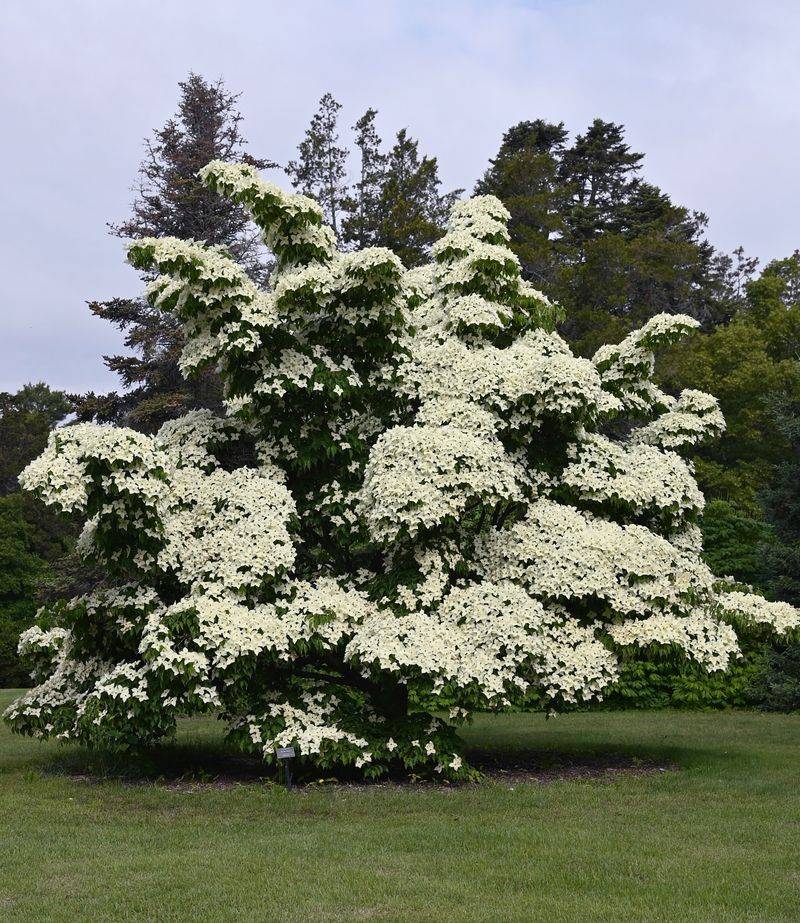
Flowering Dogwood is one of the most beautiful trees you can grow in Michigan. Cornus florida produces a breathtaking display of white or pink bracts every spring, making it a true centerpiece in any yard or landscape.
But spring pruning, especially in March, can seriously reduce that floral display, so most of the tree should be left completely alone right now.
Flowering Dogwood forms its flower buds during the previous year’s growing season. Those buds are already present on the branches in early spring, preparing to open as soon as temperatures rise.
Removing branches in March means cutting off buds that took an entire growing season to develop, which reduces flowering and can set the tree back noticeably.
Michigan gardeners who want to maintain their Flowering Dogwood should wait until after the tree finishes blooming in spring before doing any shaping or thinning. Summer is also an acceptable time for minor pruning work on this tree.
The one exception is removing branches that are clearly damaged from winter weather, which can be done carefully in early spring without harming the overall bloom display. Use sharp, clean tools to make precise cuts and avoid tearing the bark.
Flowering Dogwood is a long-lived, stunning tree that rewards patience and careful care, so give it the respect it deserves this March in your Michigan landscape.