Things You Should Never Add To Michigan’s Sandy Soil No Matter What You Read Online
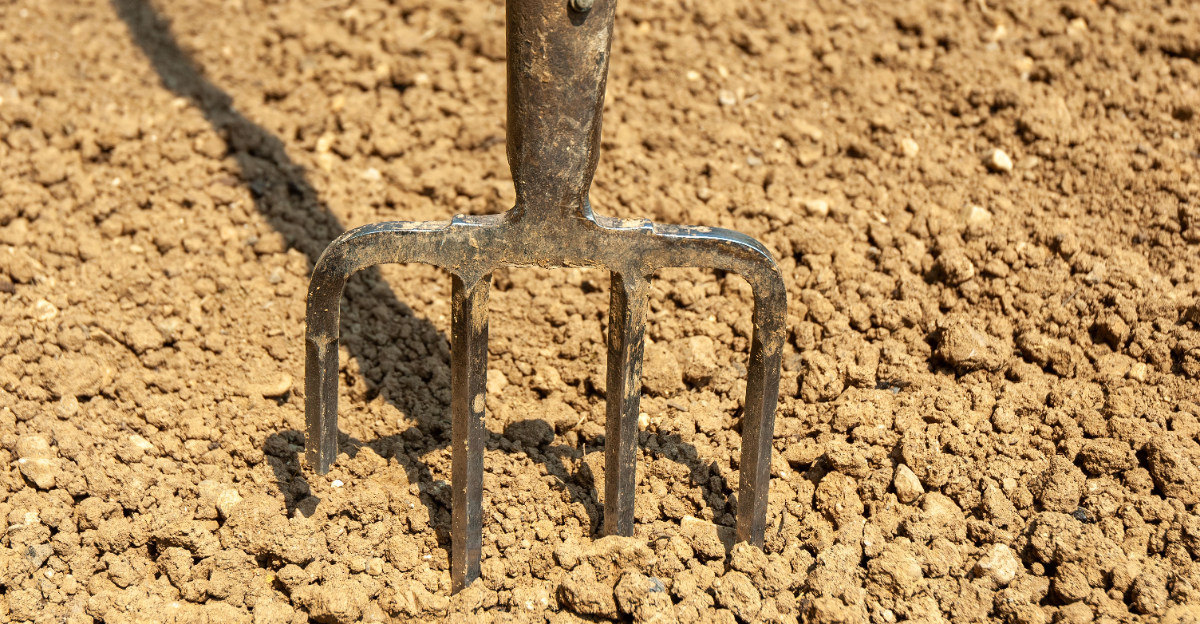
Sandy soil is one of the most common challenges gardeners face across large parts of Michigan, especially in the western Lower Peninsula and areas near the Great Lakes.
It drains fast, dries out quickly, and struggles to hold onto the nutrients plants need to grow well.
That combination sends a lot of gardeners searching online for fixes, and the internet is full of suggestions that sound logical but can actually make sandy soil harder to work with over time.
Some of the most widely shared advice about amending sandy soil is either outdated, oversimplified, or flat out wrong for Michigan’s specific conditions.
Adding the wrong materials does not just fail to help, it can throw off soil chemistry, create drainage problems in the opposite direction, or introduce issues that take seasons to correct.
Before you haul anything into your garden beds this year, it is worth knowing which common amendments are actually working against you and why the soil beneath your feet needs a more thoughtful approach than most general guides are willing to admit.
1. Pure Sand
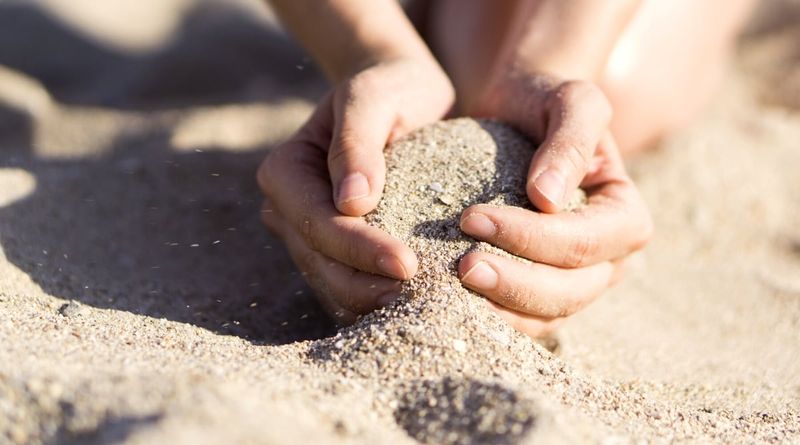
Here is something that surprises a lot of Michigan gardeners: adding more sand to already sandy soil does not help one bit.
You might read somewhere that coarse builder’s sand improves drainage, but Michigan’s sandy soil already drains so fast that plants can barely drink enough water between rains.
Pouring more sand on top just compounds the problem. Sandy soil in Michigan is naturally low in organic matter and nutrients.
When you add more sand, you are basically doubling down on a weakness instead of building strength.
Water moves through the soil profile faster, nutrients leach away before roots can absorb them, and beneficial microbes have even less organic material to feed on. The real fix is not more sand but more life.
Finished compost, aged manure, or other organic materials build soil structure in a way that pure sand never can.
Over time, organic matter creates tiny pockets that hold both water and nutrients right where plant roots need them.
Michigan’s growing season is short enough without setting yourself back with a soil amendment that makes drainage worse. Skip the extra sand and invest in quality organic matter instead.
Your vegetables, flowers, and shrubs will reward you with noticeably stronger growth when the soil finally has something worth holding onto beneath the surface.
2. Fresh Wood Chips Mixed Into The Soil
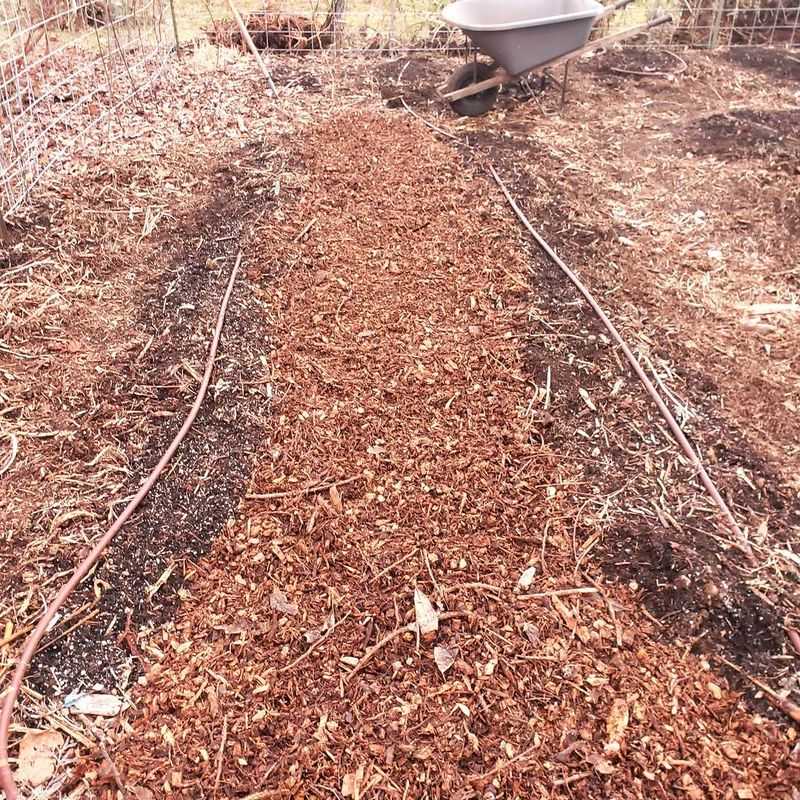
Wood chips have a great reputation in gardening circles, and honestly, they deserve it when used correctly.
But there is a big difference between layering them on top of your soil and mixing them directly into Michigan’s sandy ground.
That one decision can cause a frustrating problem called nitrogen drawdown. When fresh wood chips break down in the soil, the microbes doing that work need nitrogen to fuel the process.
They pull nitrogen right out of the surrounding soil, which means your plants suddenly have less of it available.
In sandy Michigan soil that already struggles to hold nutrients, this temporary nitrogen shortage can stunt plant growth and turn leaves a pale yellow-green color. The smartest move is to keep wood chips as a surface mulch only.
Your Michigan Garden Changes Every Week. Your Plan Should Too.
Gardening in Michigan changes quickly throughout the season. Every Friday you’ll receive a simple weekly plan showing exactly what to plant, prune, fertilize, harvest, and protect so you never miss the right timing.
Spread them two to three inches thick on top of your garden beds, and they will do wonderful things: regulate soil temperature, slow water evaporation, and gradually feed the soil as they break down from the bottom up.
That way, the decomposition happens at the soil surface rather than robbing nutrients from your plant roots. Michigan summers can be dry, so a good mulch layer makes a real difference.
Use wood chips generously on top, just never bury them into the sandy soil beneath your plants if you want a healthy, productive garden.
3. Unfinished Compost
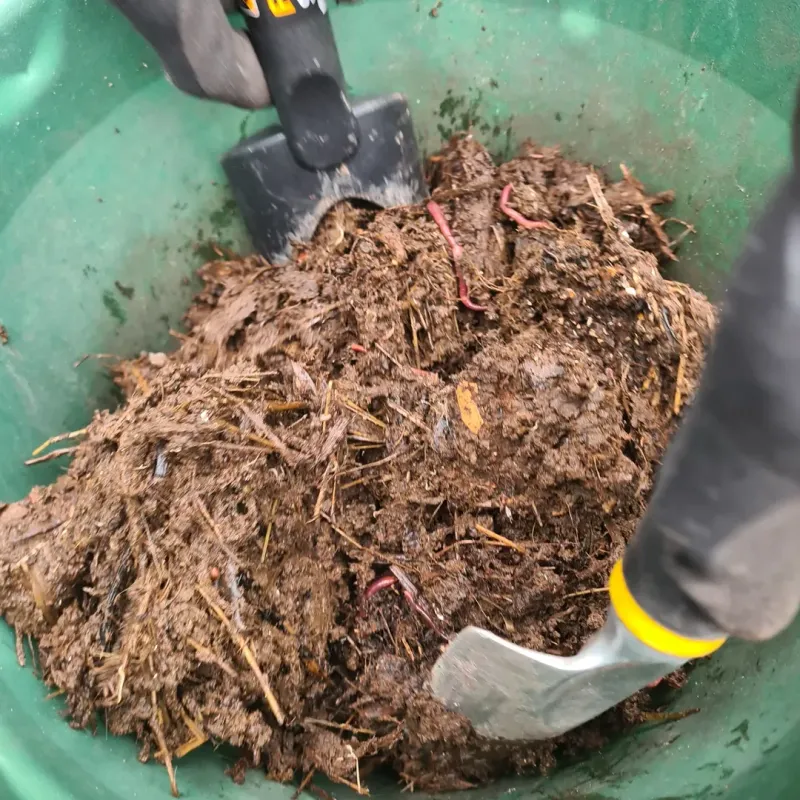
Compost is one of the best things you can add to Michigan’s sandy soil, but only when it is fully finished.
Unfinished compost, the kind that still smells funky, feels hot in the center, or has recognizable food scraps still in it, can cause real problems when you mix it into your garden beds.
It sounds counterintuitive, but patience here is everything. Partially decomposed organic material is still actively breaking down, and that process generates heat and releases compounds that can stress or damage plant roots and young seedlings.
In sandy soil, where roots spread out quickly searching for moisture, they are more likely to encounter those harmful zones than they would in denser soil types. You might notice poor germination rates or wilting plants that seem perfectly watered.
Good finished compost looks dark brown, smells earthy like a forest floor after rain, and has a crumbly texture with no identifiable food pieces remaining.
Michigan gardeners should aim to have their compost fully ready before spring planting season begins.
A simple test: grab a handful and sniff it. If it smells pleasant and slightly earthy, you are good to go. If it smells sharp or sour, give it more time.
Rushing compost into sandy Michigan soil is one shortcut that almost always backfires, so let the process finish completely before adding it to your beds.
4. Peat Moss As The Main Fix
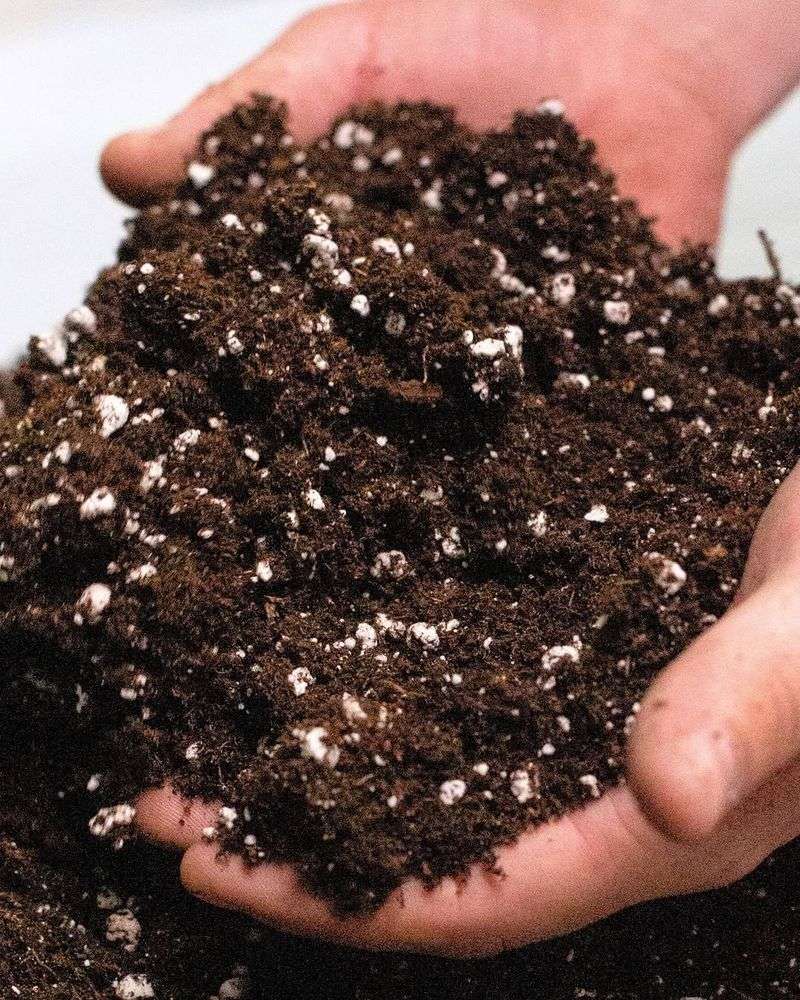
Peat moss gets recommended constantly for improving sandy soils, and it does have some genuine water-holding ability.
However, treating it as the main solution for Michigan’s sandy soil is a mistake that many gardeners regret after one or two growing seasons.
It has a few quirks that make it less reliable than it first appears. The biggest issue is what happens when peat moss dries out completely.
Once it reaches that bone-dry state, it becomes almost hydrophobic, meaning water beads off it rather than soaking in. You can pour water directly onto dry peat moss and watch it run right off the surface.
In Michigan’s occasionally dry summers, this is a serious problem because your soil amendment starts working against you right when your plants need moisture the most. Beyond the rewetting issue, peat moss adds very little in the way of nutrients.
It improves texture temporarily, but it does not feed your soil biology or boost the microbial activity that makes healthy soil tick. Finished compost does all of that and more.
It improves soil structure, feeds beneficial microbes, and adds slow-release nutrients that sandy Michigan soil desperately needs.
Peat moss also raises environmental concerns since harvesting it depletes ancient bogs. Use it sparingly if needed for pH adjustment in specific plants, but never rely on it as your primary soil-improvement strategy in Michigan gardens.
5. Heavy Clay Dumped Into Sand
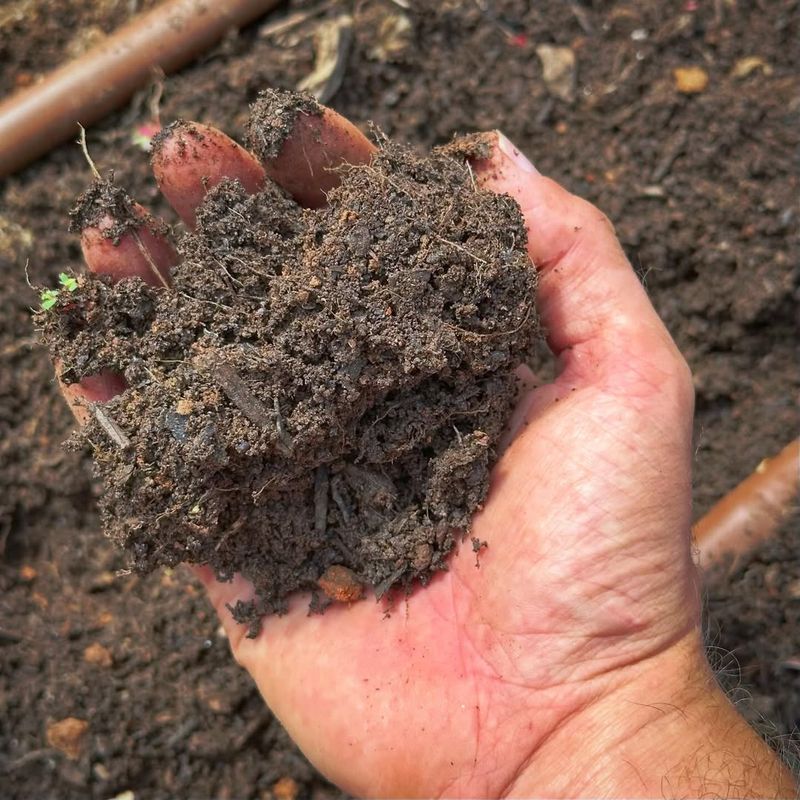
It sounds logical on paper: sandy soil drains too fast, clay soil holds water tightly, so mixing them together should create something balanced, right?
Unfortunately, soil science does not work that way. Dumping raw clay into Michigan’s sandy soil usually creates something far worse than either material alone.
When you mix large amounts of clay into sand without adequate organic matter, the result is often a dense, uneven material that some soil scientists compare to concrete.
The clay particles fill the spaces between sand grains and lock them together into a heavy, poorly draining mass.
Instead of the ideal loamy soil you were hoping for, you end up with something that compacts under foot traffic, cracks when dry, and suffocates roots by blocking oxygen movement through the soil profile.
The right way to build better soil in Michigan is slower but far more effective. Adding generous amounts of finished compost every season gradually improves both texture and nutrient levels without creating those problematic clay and sand layers.
Over two or three growing seasons, consistent organic matter additions can transform even the most challenging sandy Michigan garden soil into something rich and productive. Think of it as a long-term investment in your garden rather than a quick fix.
Nature builds good soil slowly, and working with that process instead of against it always produces better results for Michigan gardeners willing to be patient.
6. High-Nitrogen Fertilizer Without A Soil Test
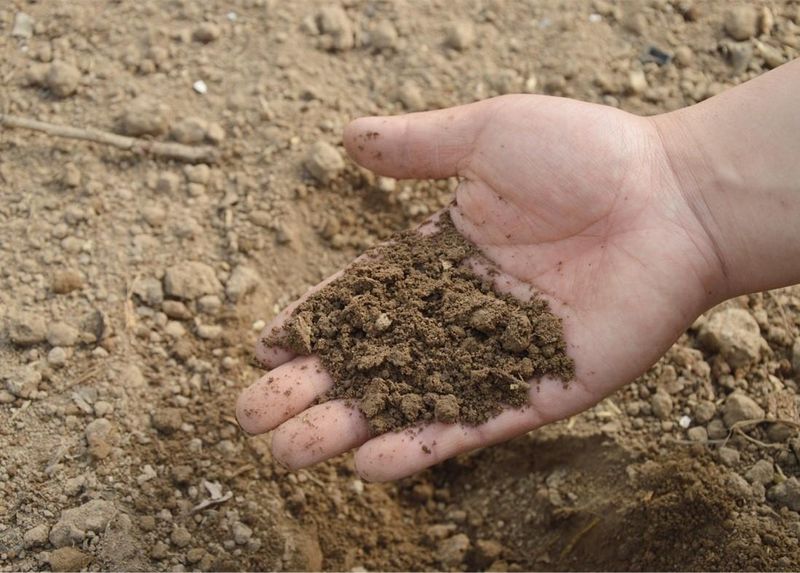
Sandy soil and nitrogen have a complicated relationship. Because Michigan’s sandy soil drains so quickly, nitrogen fertilizers leach downward through the soil profile fast, often before plant roots can absorb them.
That fact leads some gardeners to assume the answer is simply adding more nitrogen, and adding it often. That logic creates more problems than it solves.
Applying high-nitrogen fertilizer without knowing your actual soil levels is a gamble that rarely pays off.
Too much nitrogen pushes plants to produce lush green leaves at the expense of flowers, fruits, and root development.
In sandy Michigan soil, excess nitrogen that roots do not absorb quickly washes into groundwater and nearby lakes and streams, contributing to algae blooms that harm Michigan’s beloved water ecosystems.
You end up spending money on fertilizer that does more environmental harm than garden good.
A basic soil test from Michigan State University Extension costs very little and gives you a clear picture of exactly what your soil needs.
With those results, you can apply smaller, targeted amounts of the right fertilizer at the right times, a practice called split application.
This approach reduces leaching in sandy soil and keeps nutrients available longer. Slow-release fertilizers are also worth considering for Michigan’s sandy conditions because they meter out nutrients gradually.
Knowing your numbers before you fertilize is one of the smartest, most cost-effective habits any Michigan gardener can build.
7. Lime Without Knowing Soil pH
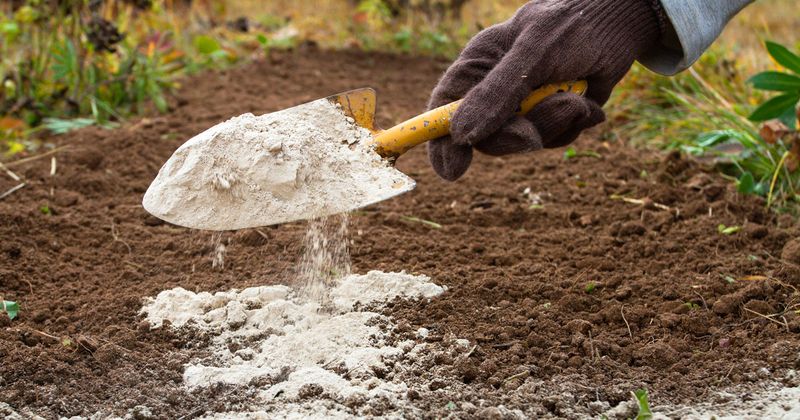
Lime gets added to garden soil to raise pH, making acidic soil more neutral and unlocking nutrients that plants cannot access in highly acidic conditions.
Michigan does have areas with naturally acidic sandy soils, especially in the northern Lower Peninsula and Upper Peninsula where pine forests have influenced soil chemistry for centuries.
But not every Michigan garden actually needs lime, and adding it without testing first is a risky move.
When you raise the pH of soil that was already close to neutral or slightly alkaline, you start locking out nutrients like iron, manganese, and boron.
Plants growing in over-limed sandy Michigan soil often show yellowing between leaf veins, a classic sign of nutrient deficiency even when those nutrients are technically present in the soil.
Sandy soil makes this worse because its low buffering capacity means pH can shift more dramatically than in heavier soils. Getting a soil pH test is genuinely easy and inexpensive.
Michigan State University Extension offers soil testing services, and many local garden centers carry simple home test kits that give quick, reliable readings.
Once you know your pH, you can make a smart, targeted decision about whether lime is appropriate and exactly how much to use.
Some Michigan gardens actually benefit more from sulfur to lower pH for blueberries or acid-loving shrubs.
Test first, then act, and your sandy Michigan soil will respond with much healthier, more consistent plant growth all season long.