5 Perennials You Should Cut Back In March In California Gardens And 5 You Should Leave Alone
Walking through a California garden in March can feel like a mix of chaos and opportunity. Some perennials are ready to burst with new growth, while others are still holding onto winter structure.
For gardeners with experience, this is a familiar juggling act – knowing when to prune and when to leave things be can make a huge difference.
Pruning at the right time encourages healthier plants, better blooms, and a tidier landscape. Cut back too early, and you might stunt growth; wait too long, and you risk a cluttered, tangled garden.
There’s a practical approach to handling your perennials this month, separating those that need a trim from those that should stay untouched. Following this plan makes your March gardening more focused and effective.
1. Black‑Eyed Susan Brightening Every Garden Corner
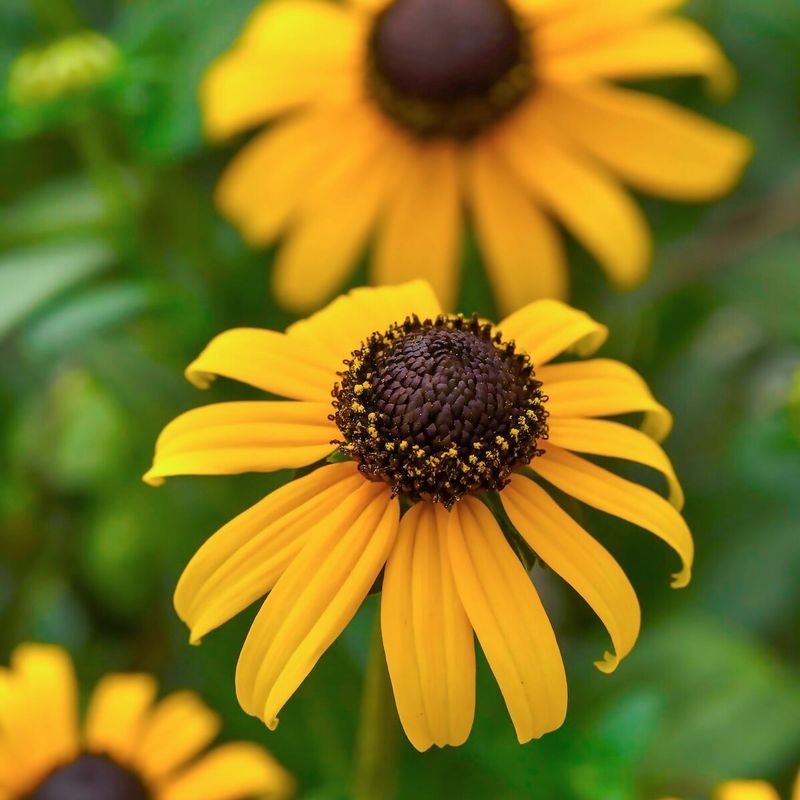
Few plants bring as much cheerful energy to a California garden as the Black-Eyed Susan. With its bold yellow petals and dark button centers, it is a summer showstopper.
But before those blooms can shine, March is the perfect time to tidy things up.
If you left the old stems standing through winter, which is actually great for birds and beneficial insects, now is the time to cut them back. Trim the stems down to just a few inches above the soil line.
This clears away the old, tired growth and lets the new green shoots at the base of the plant get the sunlight and airflow they need.
Leaving old stems in place too long can trap moisture and increase the risk of fungal disease, especially in parts of California that get spring rain. Cutting back in early March also gives you a chance to divide clumps that have gotten too large, which helps keep the plant healthy and blooming strong.
Black-Eyed Susans spread over time, so dividing them every few years actually encourages better flowering. After cutting back, add a thin layer of compost around the base to give the plant a nutritional boost heading into the growing season.
You will be amazed at how quickly new growth emerges.
2. Hybrid Tea Roses Stealing The Spotlight With Classic Blooms
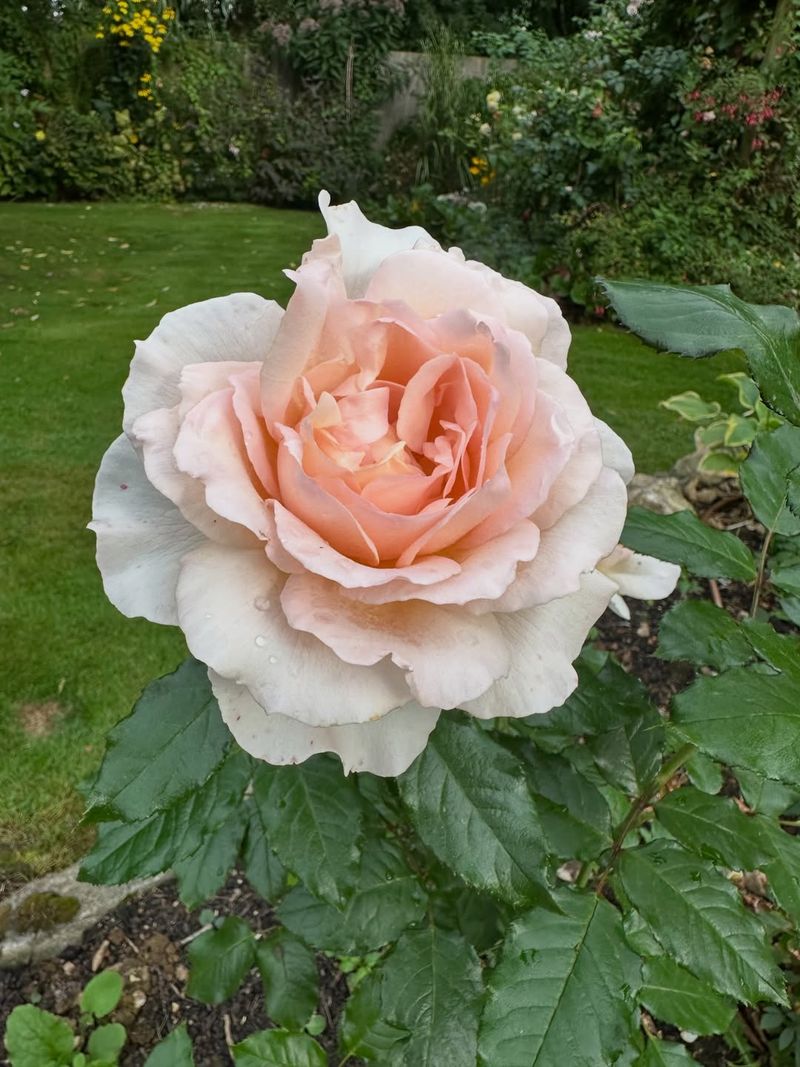
Roses have a reputation for being high-maintenance, and honestly, that reputation is not entirely wrong. But when it comes to Hybrid Tea Roses in California, a good March pruning is one of the best things you can do for them.
Early March is the sweet spot before new growth really takes off.
The general rule is to cut Hybrid Tea Roses back to about six to eight inches of healthy green wood, leaving a few outward-facing buds on each remaining cane. This might feel drastic if you are new to rose pruning, but trust the process.
Cutting back can help the plant develop new canes that may support healthy blooms later in the season.
Make sure your pruning shears are clean and sharp before you start. Dull or dirty blades can crush the stems instead of cutting cleanly, which opens the door to disease.
Your California Garden Changes Every Week. Your Plan Should Too.
Gardening in California changes quickly throughout the season. Every Friday you’ll receive a simple weekly plan showing exactly what to plant, prune, fertilize, harvest, and protect so you never miss the right timing.
Remove any dead, crossing, or weak canes entirely. In California’s warmer regions, roses may already be showing signs of new growth by early March, so do not wait too long.
After pruning, apply a balanced rose fertilizer and some fresh mulch around the base. Your roses will respond with a flush of gorgeous blooms that makes all that effort completely worth it.
3. Shasta Daisy Bringing Crisp Cheerful Energy
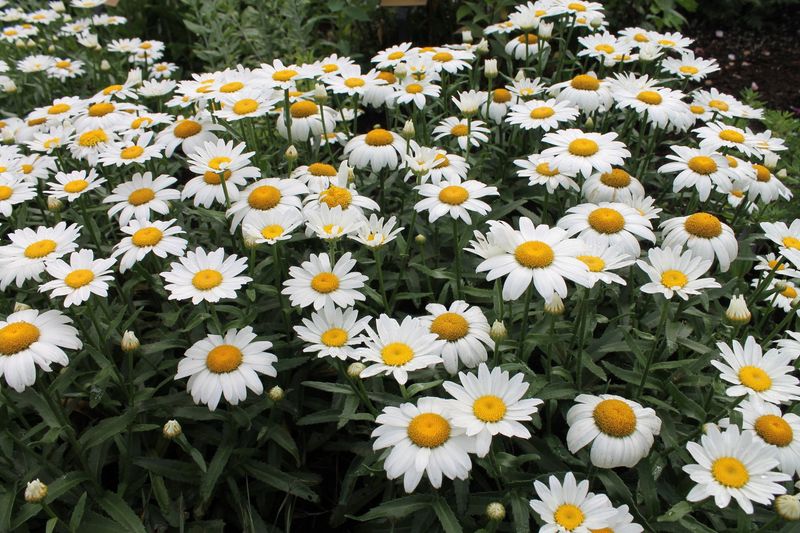
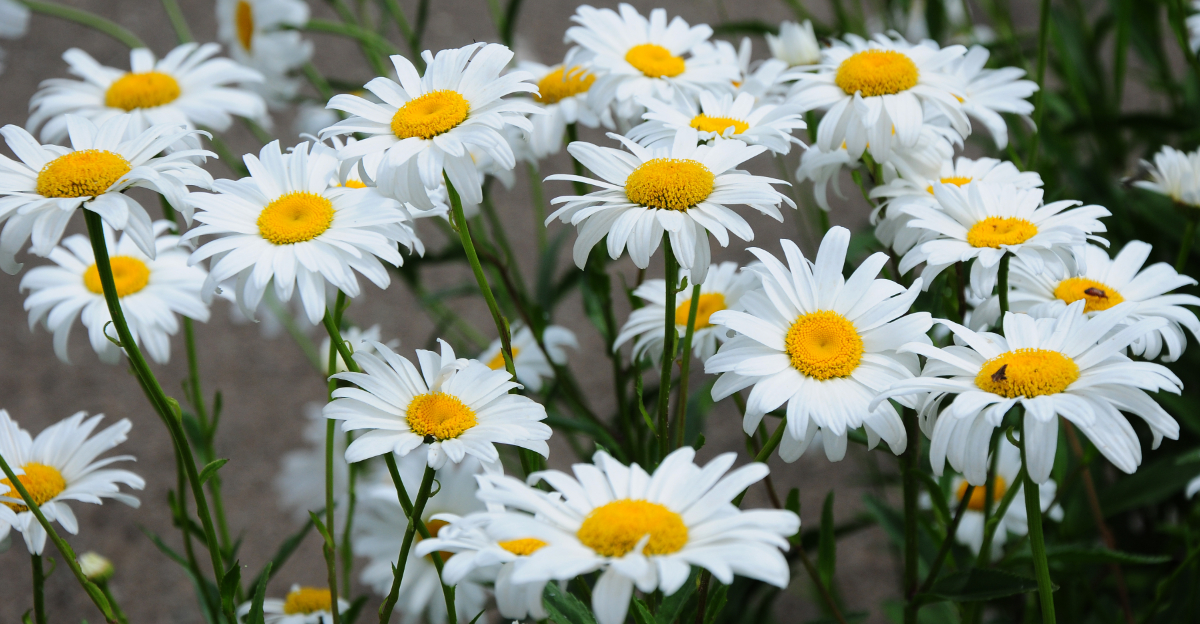
One of those reliable, easy-going perennials that California gardeners love for good reason is the Shasta Daisy. They bloom abundantly, they look fresh and classic, and they come back year after year without much fuss.
March, though, is when they need a little attention.
Over winter, the old foliage on Shasta Daisies tends to get matted, soggy, and messy. That wet, compacted material sitting around the crown of the plant can lead to crown rot, which is a condition where the base of the plant begins to break down from too much moisture.
Cutting back the old growth in early March removes that risk and lets the crown breathe.
Trim the stems and old leaves down close to the ground, being careful not to damage the fresh green rosettes that are likely already forming at the base. In California’s mild climate, those new rosettes can appear surprisingly early in the year.
Once you have cleared away the old growth, take a moment to check if the clump has gotten crowded. Shasta Daisies benefit from division every two to three years, and early spring is a great time to do it.
Divide the clump, replant sections with good spacing, and water them in well. You will have more plants and better blooms all season long.
4. Dianthus With Their Sweet Fragrant Clusters
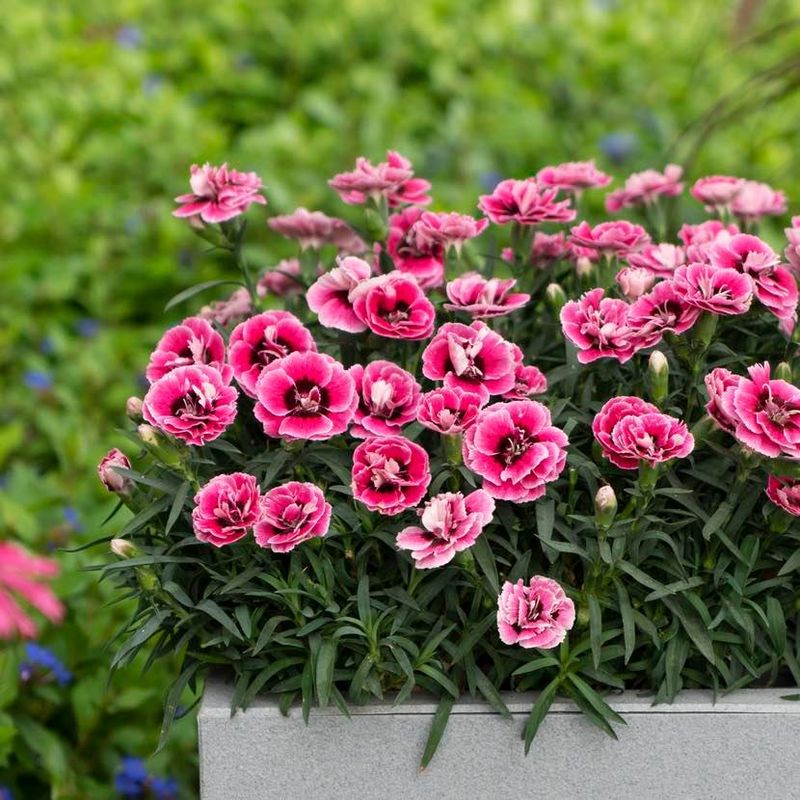
Walk past a Dianthus plant in full bloom and the sweet, spicy fragrance will stop you in your tracks. These charming little plants, sometimes called pinks or carnations depending on the variety, are a staple in California cottage gardens.
And March is the right time to give them a quick cleanup.
Dianthus does not need a dramatic cutback the way some other perennials do. What it does need is a careful tidying.
Go through the plant and remove any dead, brown, or diseased leaves. Trim back any stems that have turned woody or are clearly not going to produce new growth.
This kind of light grooming improves airflow around the plant, which helps prevent fungal issues as the weather warms up.
In California, where spring can bring both warm sunny days and surprise rainstorms, good airflow around low-growing plants like Dianthus is especially important. After cleaning up the old foliage, check the soil around the base.
Dianthus prefers well-draining soil and does not like to sit in wet conditions. If your soil tends to hold water, mix in some coarse sand or grit to improve drainage.
A light application of a balanced, slow-release fertilizer in March will also set the plant up for a strong bloom cycle through spring and into early summer.
5. Butterfly Weed Drawing Pollinators Like Magic
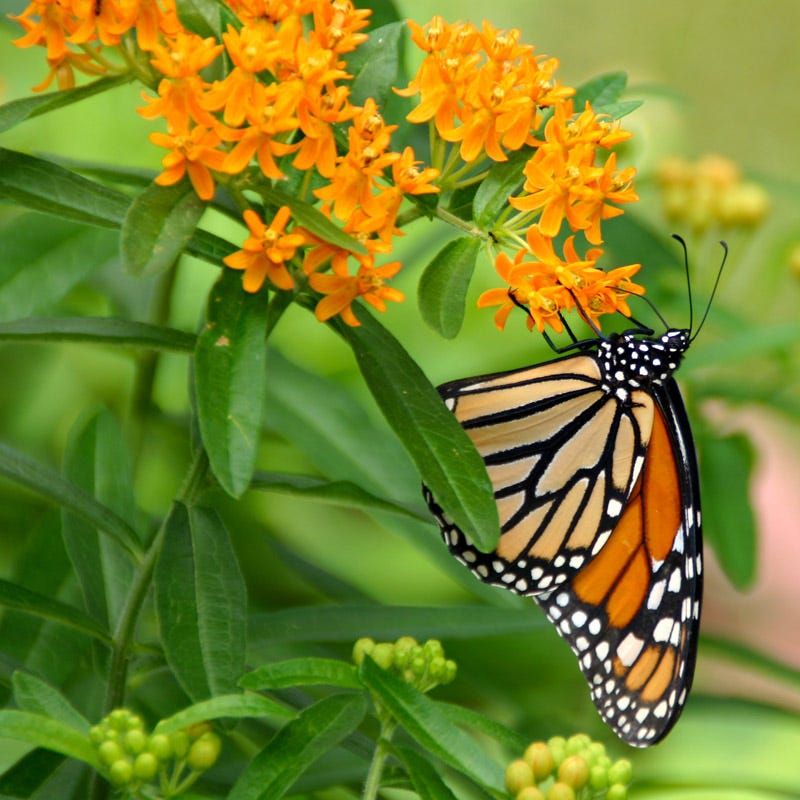
With a fun personality that sets it apart from most perennials, butterfly weed stands out in any garden. It is bold, it is bright orange, and it is one of the most important plants you can grow for monarch butterflies and other pollinators in California.
It also has a quirky habit that trips up a lot of gardeners: it wakes up late in spring.
Because Butterfly Weed is slow to show new growth, it is tempting to cut it back too early or even pull it out thinking it has not survived winter. Resist that urge.
Instead, wait until you can clearly see new growth emerging from the base before trimming. In most California gardens, that moment comes in March, though it may be a bit later in cooler inland areas.
Once you see small green shoots emerging, you may carefully remove some of last year’s stems, leaving enough to protect the base and avoid disturbing the plant. Butterfly Weed does not like to be moved once established, so handle the roots gently.
After trimming, a light top-dressing of compost will give it the nutrients it needs to fuel a season full of vibrant blooms that pollinators will absolutely love.
6. Cannas With Their Bold Tropical Flair
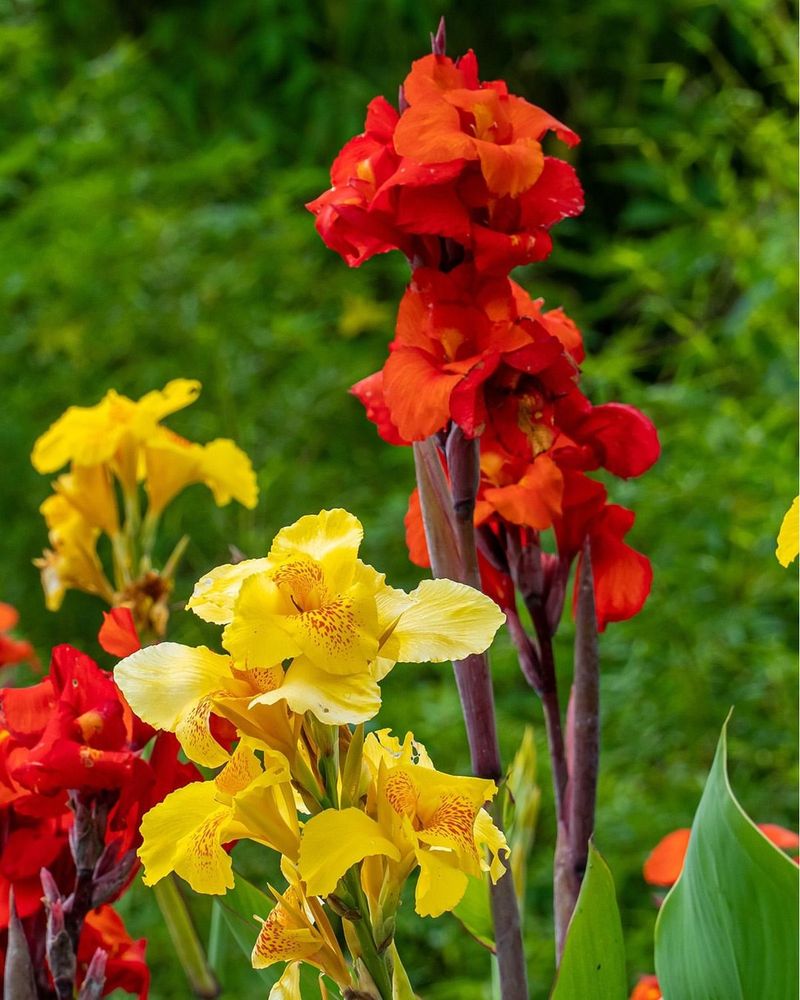
Bringing a tropical, dramatic flair that is hard to match in California gardens are cannas. Their enormous leaves and vivid flower spikes in shades of red, orange, yellow, and pink make them look like they belong in a rainforest.
In most of California’s mild climate zones, Cannas stay in the ground year-round, which means March calls for a different kind of care.
Rather than cutting Cannas back in March, the smarter move is to leave them mostly alone. In warmer parts of California, Cannas may already be pushing up fresh new growth from their underground rhizomes by early March.
Cutting into that new growth can set the plant back significantly. The old stalks from last season, if they are still standing, can be removed at this point, but be careful not to disturb the emerging shoots below.
If you live in a cooler part of California where Cannas went fully dormant over winter, you can clean up the old dead stalks in early March and wait patiently for new growth to appear. Adding a layer of mulch around the base helps retain warmth in the soil and encourages those rhizomes to wake up faster.
Cannas benefit from balanced fertilizer after growth begins, which can support healthy development during the season.
7. Elephant Ears Making A Dramatic Leaf Statement
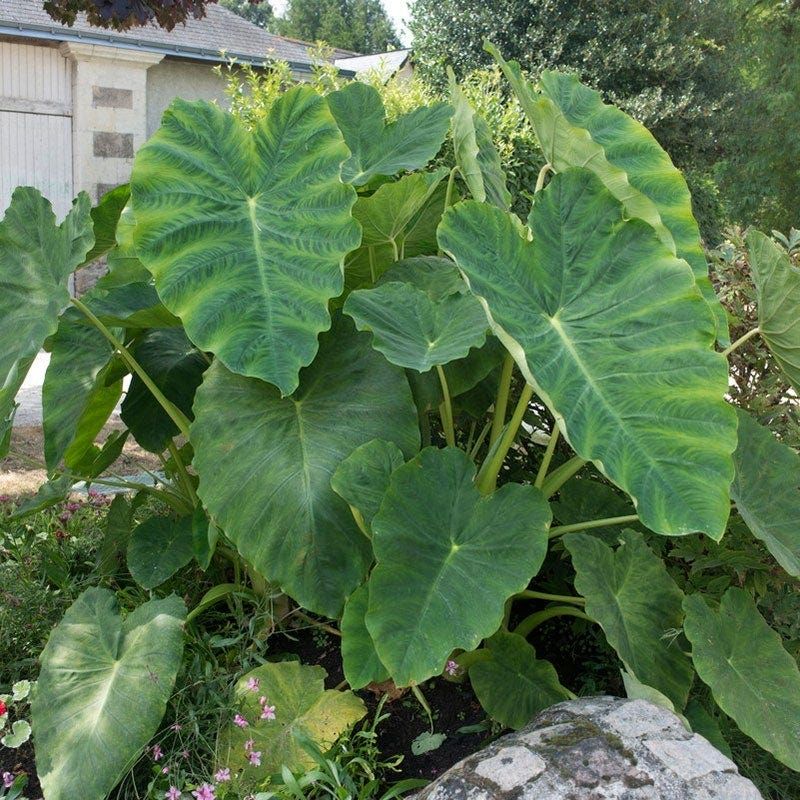
There is something almost prehistoric about Elephant Ears. Those giant, dramatic leaves can grow several feet wide and give any California garden a bold, lush, tropical atmosphere.
But as impressive as they are, Elephant Ears need patience in March, not pruning shears.
In most California climate zones, Elephant Ears go partially or fully dormant over winter, retreating back to their underground bulbs or rhizomes. By March, they are just starting to stir.
Cutting into the plant at this stage, or digging around the base, can disrupt the delicate process of new growth getting started. The best thing you can do in March is simply leave them alone and let nature do its work.
If there are old, tattered leaves still attached from last season, you can gently remove those to tidy up the appearance of the plant. But avoid cutting back into the crown or disturbing the soil too aggressively.
Elephant Ears thrive in rich, moist soil, so adding a generous layer of compost or organic mulch around the base in March is a great way to support them without interfering with their natural growth cycle. In warmer California regions, you may already see the first rolled-up leaf spears pushing up through the soil by mid-March, which is a very satisfying sign that the growing season is truly underway.
8. Bleeding Heart With Their Graceful Hanging Blooms
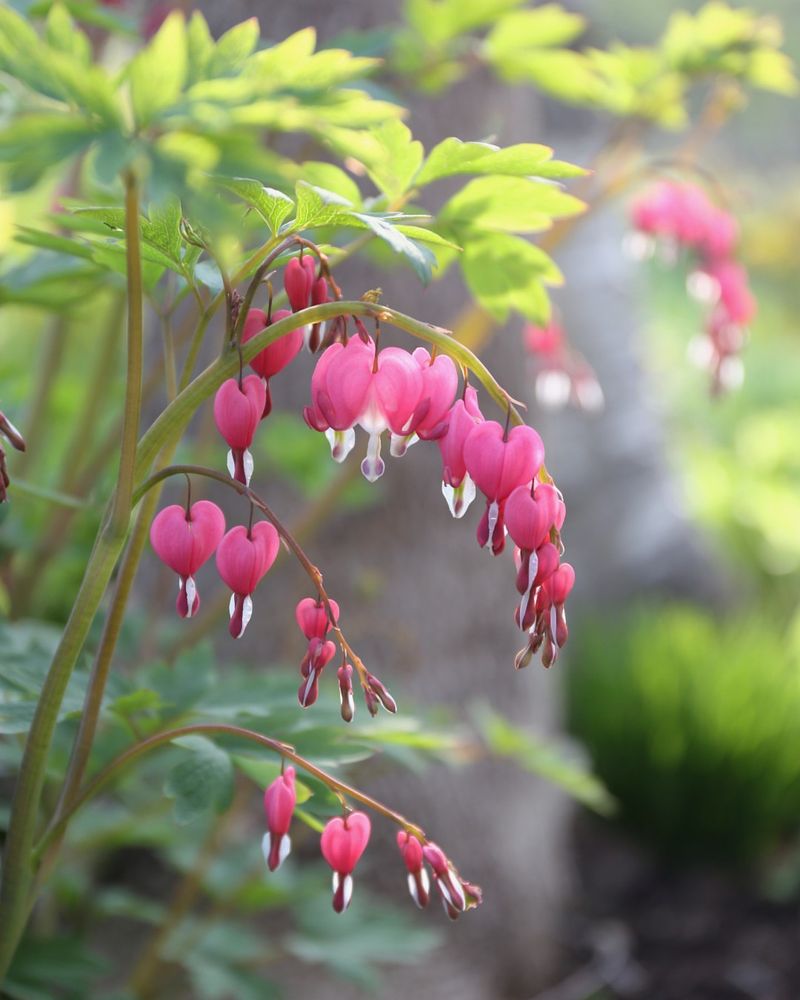
One of the most enchanting perennials you can grow in a California shade garden is bleeding heart. Those arching stems loaded with dangling heart-shaped flowers in pink or white have a fairy-tale quality that gardeners genuinely fall in love with.
But in March, this plant needs you to step back and admire it from a distance rather than reaching for the pruners.
Early spring is when Bleeding Heart pushes up its fresh, ferny foliage, and that new growth is surprisingly sensitive. In California, late-season cold snaps can still occur in March, especially in inland valleys and higher elevation areas.
The old foliage and stems from the previous year actually act as a natural insulating layer around the crown, protecting the tender new shoots from unexpected temperature drops.
Cutting back too early may remove protective foliage and potentially expose new growth to cold. Wait until the plant is clearly growing well and any frost risk has passed before doing any cleanup.
Bleeding Heart also tends to go dormant on its own in summer, especially in warmer California regions where the heat becomes too intense. Do not be alarmed when that happens.
Mark the spot so you do not accidentally plant something else on top of it, and it will return reliably the following spring with all its quiet, graceful beauty intact.
9. Purple Coneflower Standing Tall And Wildlife‑Friendly
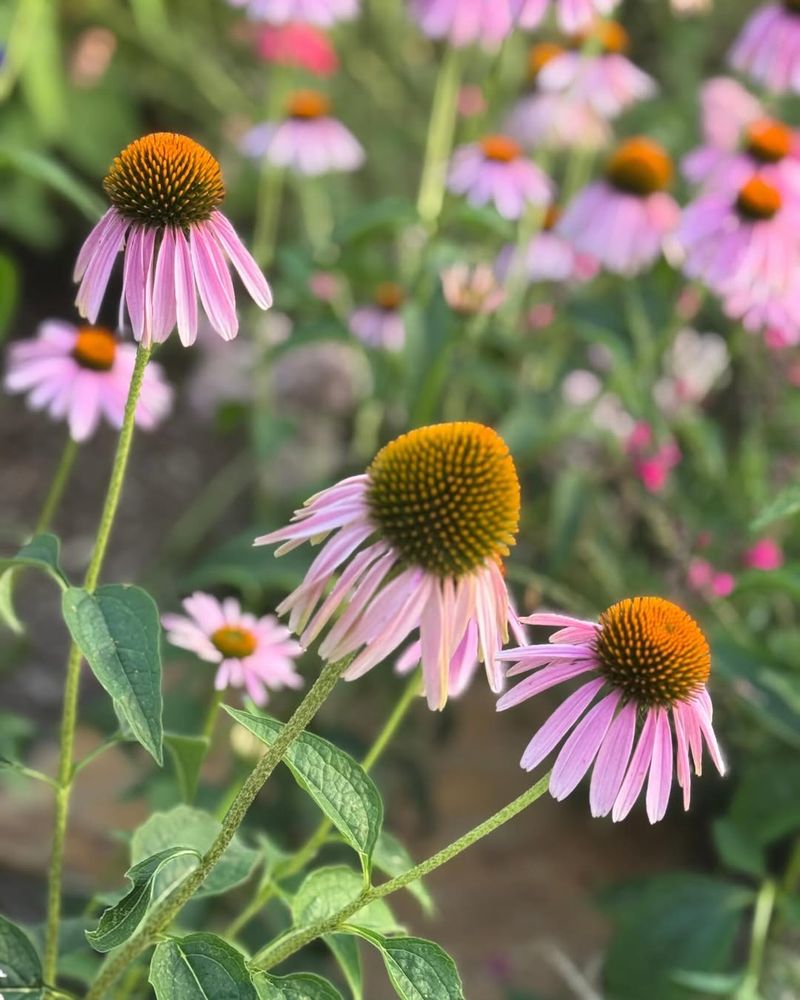
Purple Coneflower, known botanically as Echinacea, is a powerhouse perennial that California gardeners rely on for summer color and wildlife support. Bees, butterflies, and goldfinches all love it, and it is remarkably tough once established.
But in March, it is one of the plants you should leave completely alone.
Here is why: by early March, Purple Coneflower is just beginning to stir from its winter rest. Small rosettes of new leaves are forming at the base of the plant, and they are more vulnerable to cold snaps than they look.
The old stems from last season, even if they look dry and spent, are still providing some shelter to those emerging leaves. Removing them too soon takes away that buffer.
There is also a practical reason to wait. Purple Coneflower seeds itself freely, and those old seed heads you left standing through winter may have already dropped seeds into the surrounding soil.
New seedlings may be just starting to sprout in March, and aggressive cleanup can disturb or cover them before they get a chance to establish. In California gardens, letting Coneflowers naturalize and self-seed creates a more abundant, layered planting over time.
Hold off on cutting back until late March at the earliest, or even into April, when the new growth is sturdy enough to handle any light tidying you might want to do.
10. Lupine With Their Towering Colorful Spikes
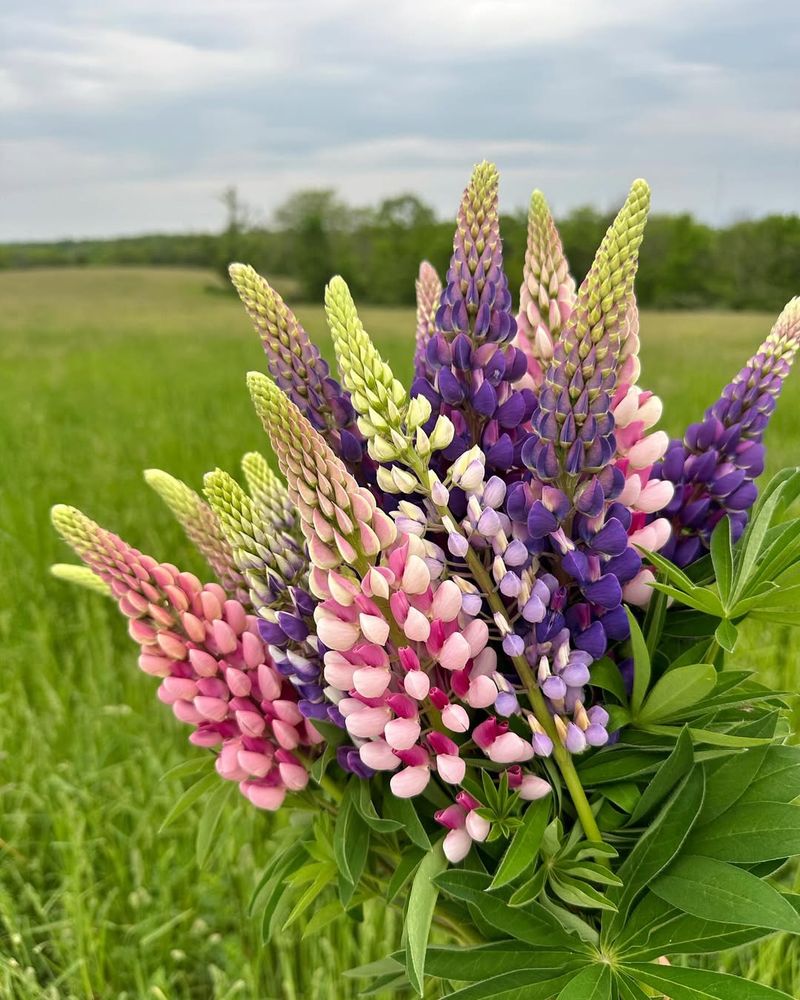
One of the most visually dramatic perennials you can grow in California is lupine. Those tall, spire-like flower clusters in purple, blue, pink, and white are breathtaking, and they have a rich history in California’s wild landscapes too.
Native lupine species have been part of California’s natural scenery for thousands of years.
In March, though, your garden Lupines need a hands-off approach. The new foliage pushing up from the base is soft, lush, and genuinely sensitive to cold.
California can still deliver some chilly nights in March, particularly in the Bay Area, the Central Valley, and foothill regions. The old stems and leaves surrounding the crown offer important protection to that tender new growth during those cool nights.
Cutting back too early also stresses the plant at a time when it is investing energy into pushing up new leaves and preparing for its spectacular bloom. Lupines can be a bit temperamental about root disturbance, so March is also not the time to be digging around the base or trying to divide clumps.
The best strategy is to resist the urge to tidy up and simply watch the plant do its thing. By late spring, you will be rewarded with those iconic towering flower spikes that make Lupines one of the most talked-about plants in any California garden worth visiting.