The Best Ways To Create Privacy In Texas Yards With Plants
In many Texas neighborhoods, yards sit close together, which can make outdoor spaces feel a little too open. You step outside hoping to relax with a cup of coffee or enjoy a quiet evening, only to realize the whole block can see straight into your yard.
That is where the right plants can make a big difference. A well planned row of greenery can turn an exposed space into a calm and private retreat.
Plants do more than block a view. They soften the landscape, add shade, and bring life and color to your yard.
In a state like Texas, where sunshine and warm weather are part of daily life, using plants for privacy is both practical and beautiful.
The key is choosing plants that thrive in Texas conditions while also creating the coverage you need. With the right mix of shrubs, trees, and hedges, your yard can feel more peaceful, secluded, and inviting year round.
1. Plant Fast-Growing Hedge Shrubs For A Natural Privacy Wall
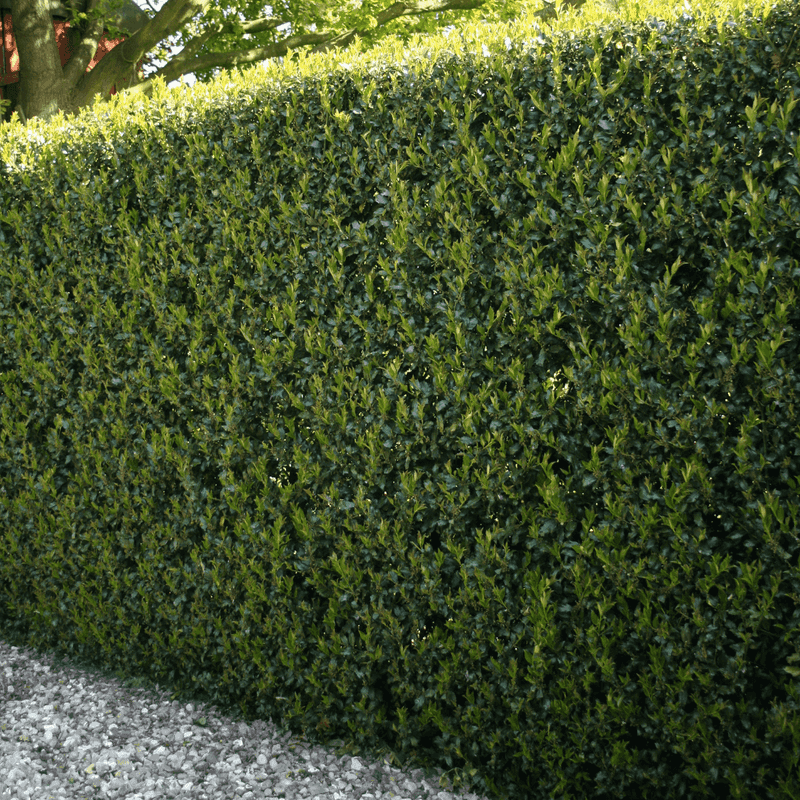
Nothing beats the feeling of stepping into your backyard and feeling completely shielded from the outside world. Planting fast-growing hedge shrubs along your property line is one of the most popular ways to create that sense of seclusion right here in Texas.
When shrubs are planted close together, their branches and leaves grow into each other, forming a thick, living wall that blocks views from neighbors and passing cars.
Texas homeowners love using plants like wax myrtle, yaupon holly, and ligustrum for this purpose. Wax myrtle grows quickly and can reach 10 to 15 feet tall, making it a powerhouse for privacy.
Yaupon holly is a tough native plant that handles Texas heat and drought without much fuss, and it stays dense and green throughout the year.
Ligustrum is another solid choice because it grows fast and fills in gaps quickly. Planting these shrubs about 3 to 5 feet apart gives them enough room to grow while still encouraging them to merge into a solid barrier.
You can also mix different shrub varieties to add visual interest and texture to your landscape.
Caring for hedge shrubs is fairly simple. Regular watering during the first year helps them establish strong roots.
After that, most of these Texas-friendly shrubs are drought-tolerant and low maintenance. Trimming them once or twice a year keeps them neat and encourages denser, fuller growth.
With the right shrubs in place, your yard can feel like a private outdoor sanctuary in just a couple of growing seasons.
2. Use Tall Evergreen Trees To Create Year-Round Privacy
Evergreen trees are like nature’s privacy fences that never take a day off. Unlike deciduous trees that drop their leaves in fall and leave your yard exposed during winter, evergreens hold onto their foliage all year long.
That means you get consistent, reliable privacy no matter what season it is, which is a huge advantage for Texas homeowners who spend time outdoors even in cooler months.
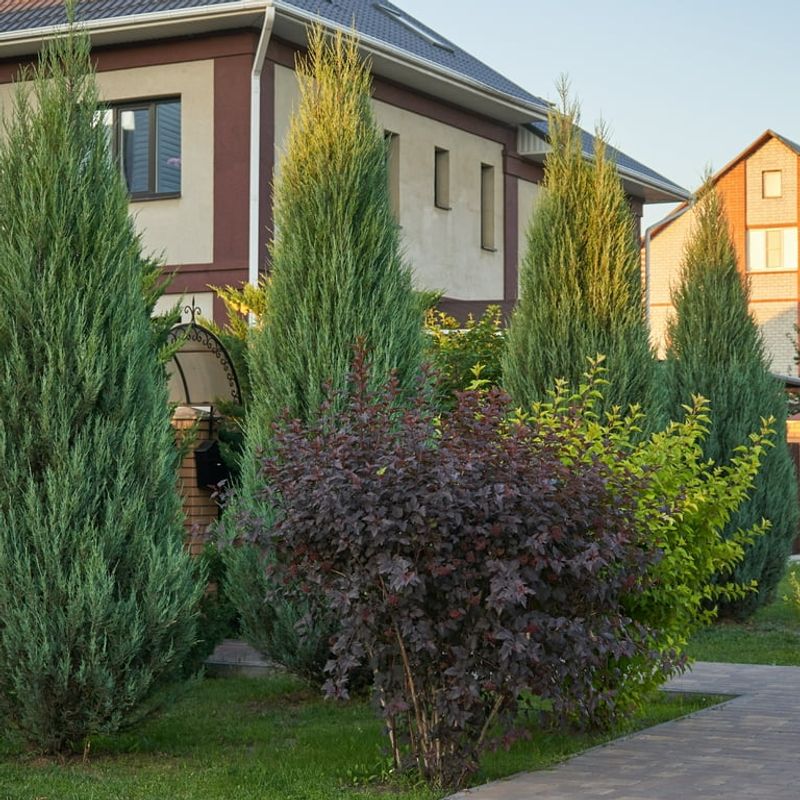
Planting tall evergreens along your fence line or property edge creates a green wall that blocks sightlines from neighboring yards, second-story windows, or elevated roads. Blue Point Juniper is a fantastic option for Texas landscapes.
Your Texas Garden Changes Every Week. Your Plan Should Too.
Gardening in Texas changes quickly throughout the season. Every Friday you’ll receive a simple weekly plan showing exactly what to plant, prune, fertilize, harvest, and protect so you never miss the right timing.
It grows in a narrow, columnar shape, reaching 10 to 15 feet tall while only spreading 4 to 6 feet wide. That makes it ideal for yards where space is limited but height is needed.
Nellie R. Stevens Holly is another crowd favorite across Texas. It grows 2 to 3 feet per year and can reach up to 15 feet tall. Its dark green leaves and red winter berries make it both functional and attractive throughout every season.
Cherry Laurel is also widely used and grows quickly into a dense, glossy-leafed screen. Spacing is key when planting evergreen trees for privacy. Placing them 5 to 8 feet apart allows each tree to develop fully while still creating a continuous green screen.
Once established, most evergreen trees in Texas are low-maintenance and highly drought-tolerant, making them a smart long-term investment for your outdoor privacy.
3. Create A Layered Privacy Screen With Trees And Shrubs
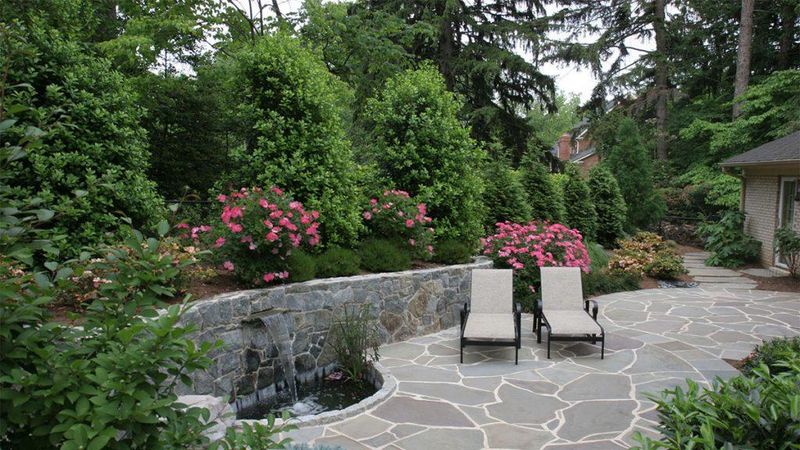
Mixing plants of different heights is one of the smartest landscaping moves a Texas homeowner can make. A layered privacy screen combines tall trees in the back with medium-height shrubs in the front, creating a fuller and more natural-looking barrier.
Instead of a flat wall of greenery, you get a rich, dimensional landscape that feels more like a garden than a fence replacement.
The magic of layering is that it eliminates gaps. Tall trees block views from above and from a distance, while the shrubs planted in front fill in the lower sections that trees might miss.
This combination gives you coverage from ground level all the way up, which makes your yard feel genuinely enclosed and private from multiple angles.
A popular layering approach in Texas pairs wax myrtle trees in the back row with Texas sage or dwarf yaupon holly shrubs in the front. The contrast in height, texture, and color makes the landscape look intentional and polished.
Adding a third layer of low-growing ground cover or ornamental grasses at the base takes the design to another level entirely.
Layered screens also benefit wildlife. Birds, butterflies, and beneficial insects love the variety of plants, turning your privacy screen into a mini habitat.
Maintenance is straightforward since each plant layer has its own care needs, but most Texas-adapted species are hardy and forgiving.
Planning your layers carefully before planting ensures the tallest plants do not shade out the shorter ones, keeping your entire privacy screen healthy and thriving for years.
4. Grow Climbing Vines On Trellises Or Fences
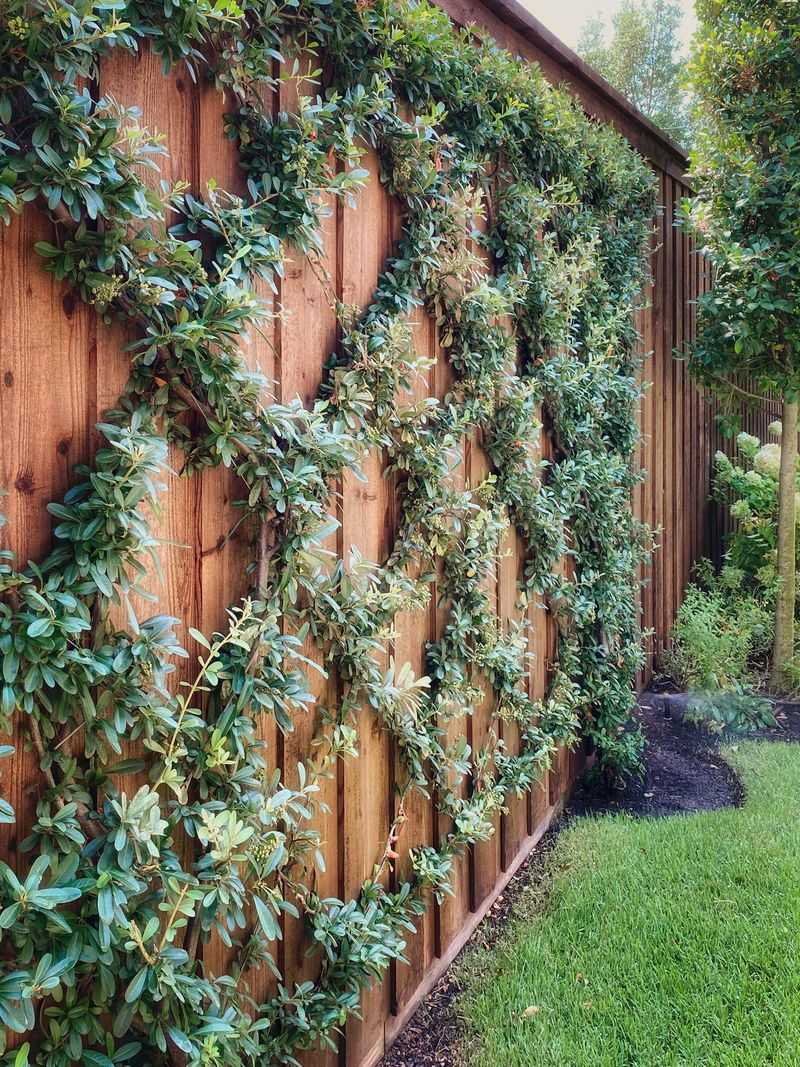
If you have a small yard or a compact patio in Texas, climbing vines might just be your new best friend. Vines grow vertically, which means they take up very little ground space while still delivering impressive privacy coverage.
By training them up a trellis, pergola, or existing fence, you can transform a bare structure into a lush, green privacy wall in a relatively short amount of time.
Carolina jessamine is a popular vine choice across Texas because it is native, evergreen, and produces cheerful yellow flowers in early spring. Coral honeysuckle is another excellent option that attracts hummingbirds while quickly covering trellises with its tubular red blooms.
For a bolder, faster-growing option, Confederate jasmine spreads rapidly and fills the air with a sweet fragrance that makes your outdoor space feel like a garden retreat.
Vines work especially well around patios and decks where you want to create a sense of enclosure without building a solid wall. A simple wooden or metal trellis attached to an existing fence can be covered with vines within a single growing season.
This approach is also budget-friendly since vines are typically less expensive than large shrubs or trees.
Watering regularly during the establishment period helps vines take hold quickly. Once they are established, most Texas-friendly vines are fairly drought-tolerant and require only occasional pruning to keep them from getting too wild.
Guiding new growth with garden ties helps direct the vine where you want it to grow, keeping your privacy screen looking neat and intentional all season long.
5. Use Tall Ornamental Grasses For Soft Privacy Barriers
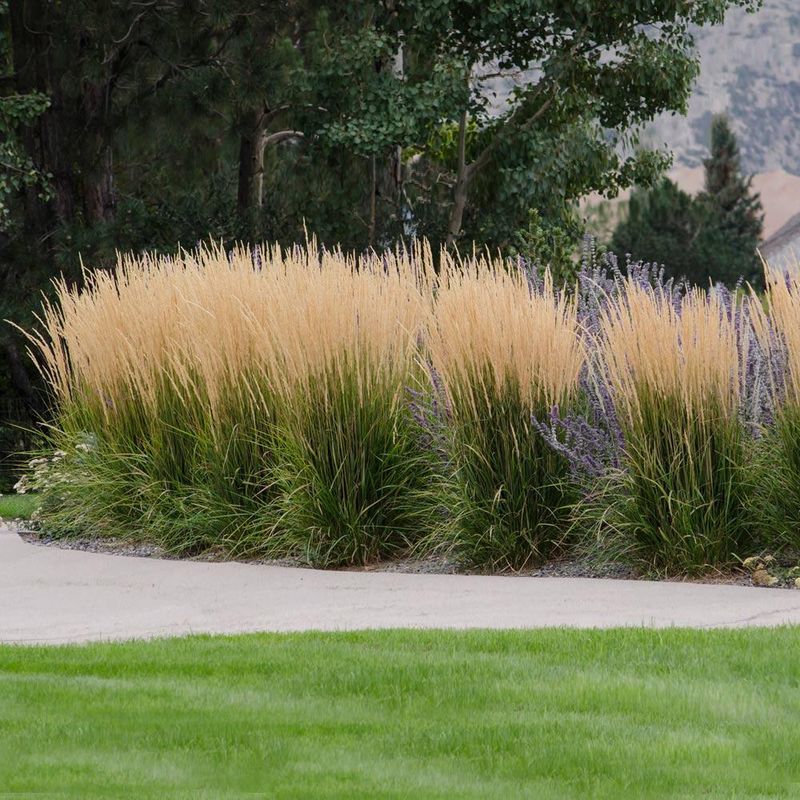
Ornamental grasses bring something to the privacy game that shrubs and trees simply cannot match: movement.
When the Texas breeze rolls through, tall grasses sway gently, adding a relaxed, natural energy to your yard that feels completely different from a rigid hedge or fence.
They create a soft visual barrier that filters views without completely blocking them, which works perfectly for yards that want privacy without feeling boxed in.
Giant miscanthus is one of the tallest ornamental grasses available and can reach 10 to 14 feet in a single growing season in Texas. It forms dense clumps that do an impressive job of blocking sightlines from neighboring yards or streets.
Muhly grass is a Texas native that grows about 3 to 4 feet tall and produces stunning pink plumes in the fall, adding seasonal color to your privacy screen.
Planting ornamental grasses in clusters or long rows along a fence line or property edge creates a more effective screen than single plants scattered around the yard. The clumps fill in over time and become thicker each year, improving privacy as the grasses mature.
They also provide texture and visual interest that most traditional privacy plants cannot offer.
One of the biggest advantages of ornamental grasses in Texas is their toughness. Most varieties handle intense summer heat, drought, and poor soil conditions with ease.
Cutting them back to about 6 inches from the ground in late winter encourages fresh, vigorous growth each spring. With minimal care, these grasses deliver reliable seasonal privacy and a relaxed, natural look that complements any Texas landscape style.
6. Plant Dense Flowering Shrubs To Block Views
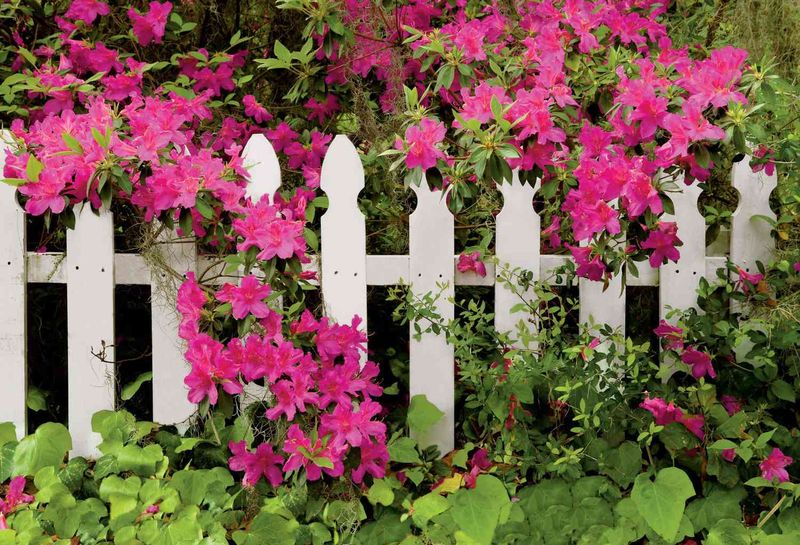
Who says a privacy screen has to be boring? Dense flowering shrubs give you the best of both worlds: solid privacy coverage and gorgeous seasonal color that makes your Texas yard pop.
Instead of staring at a plain green wall, you get bursts of pink, purple, white, or red blooms depending on the variety you choose, turning your privacy barrier into a true garden feature.
Texas sage, also known as cenizo, is a standout choice for Texas homeowners. Its silvery-gray leaves are attractive year-round, and after summer rains, it explodes with vibrant purple flowers that are absolutely stunning.
It grows 3 to 5 feet tall and spreads 4 to 6 feet wide, making it ideal for low privacy screens along walkways or garden borders. Oleander is another fast-growing option that reaches 6 to 12 feet tall and produces showy flowers in shades of pink, red, and white all summer long.
Planting flowering shrubs along fences, walkways, or garden edges creates a defined border that adds structure and color to your landscape.
Mixing two or three different flowering shrub varieties creates a more dynamic and layered look while still providing solid privacy coverage throughout the growing season.
Most flowering shrubs that perform well in Texas are adapted to hot summers and occasional drought, so they do not demand constant attention. Fertilizing once in spring and pruning lightly after blooming encourages fresh growth and more flowers.
With the right flowering shrubs in your Texas yard, privacy feels less like a practical necessity and more like a beautiful design feature you planned all along.
7. Design A Green Privacy Corner With Mixed Plants
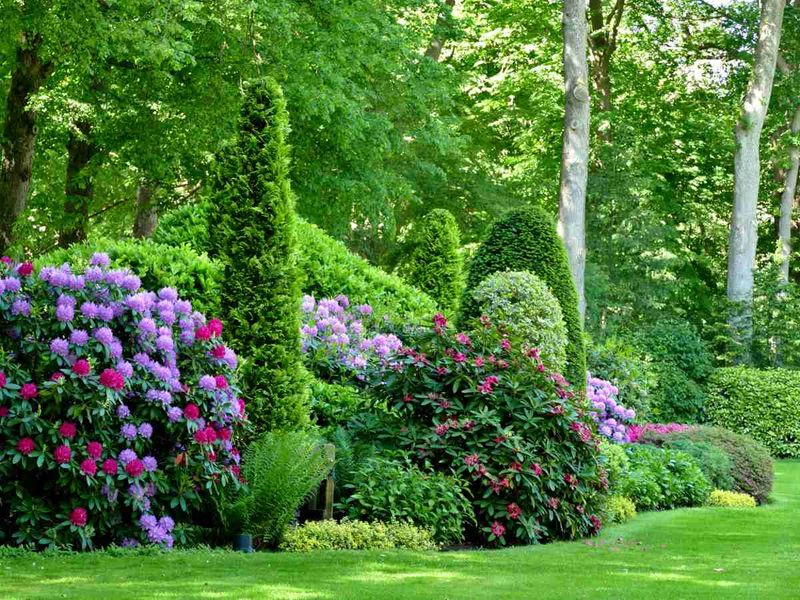
Sometimes you do not need to screen your entire yard. You just need one quiet corner where you can sit outside, relax, and feel completely away from the world.
Designing a green privacy corner using a mix of different plants is a creative and flexible approach that works especially well around patios, seating areas, or outdoor dining spaces in Texas yards.
The key to a great privacy corner is variety. Combining a small evergreen tree like a dwarf wax myrtle with medium-height shrubs like yaupon holly and some ornamental grasses at the base creates a multi-layered, lush corner that feels natural and intentional.
The different plant heights, textures, and colors work together to wrap your seating area in greenery from multiple directions without requiring a full perimeter planting.
Curved planting arrangements tend to feel more organic and welcoming than straight rows. Placing taller plants at the back and corners and shorter plants toward the front draws the eye inward and creates a sense of depth.
Adding a few flowering plants or colorful foliage plants within the mix makes the corner feel vibrant and alive rather than purely functional.
Texas homeowners love this approach because it is highly customizable. You can adjust the size, shape, and plant selection based on your specific yard conditions, sun exposure, and personal style.
Container plants placed strategically within the corner can add flexibility since they can be moved as needed. With thoughtful plant selection and a little creativity, a green privacy corner can become the most inviting and personal spot in your entire outdoor space.