Hard To Find Texas Native Perennials That Survive Drought Without Any Help
Some plants get all the attention at the garden center, while the truly tough ones stay oddly under the radar. That can be frustrating if you are trying to build a Texas garden that looks good without turning into a full-time watering job.
In a state where drought can drag on, heat can feel relentless, and rain can be wildly unpredictable, flashy plants are not always the ones that earn their spot.
The real standouts are often the quieter native perennials that keep showing up, keep blooming, and keep surviving when everything else starts to look tired.
What makes these plants especially appealing is that they are not just drought tolerant in theory. Many of them are the kind that settle in, tough it out, and ask for very little once established.
That is a big deal for gardeners who want lasting color and texture without constantly dragging a hose across the yard.
If you are tired of thirsty plants and overhyped picks, these harder-to-find Texas natives might be exactly what your garden has been missing.
1. White Rosinweed
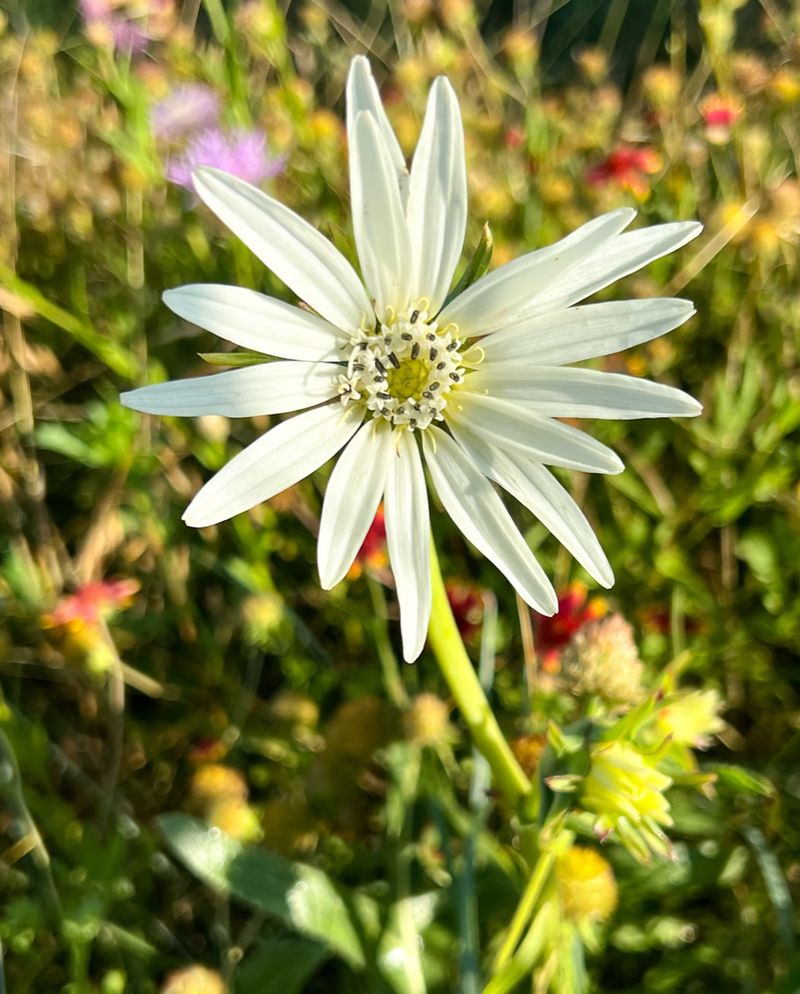
Not many plants can claim they belong exclusively to Texas, but White Rosinweed is one of them. This perennial is endemic to the Lone Star State, meaning you will not find it growing wild anywhere else on the planet.
That alone makes it special, but what really sets it apart is how well it handles the brutal conditions that Texas summers throw at it.
White Rosinweed develops a deep, powerful taproot that reaches far into the soil to find moisture. This is how it survives long stretches without rain.
Once established in your garden, it needs almost no help from you. It is especially well suited to the rocky, limestone-based soils found throughout the Texas Hill Country and surrounding regions.
The flowers are cheerful and white with yellow centers, similar in shape to a daisy but with a bolder, more rugged presence. They bloom in summer, right when most other plants are struggling.
The plant grows in rosette form close to the ground, which helps it conserve energy during dry spells.
Finding White Rosinweed at a regular nursery is tough. Your best bet is a native plant nursery or a Texas native plant sale hosted by local conservation groups.
It is worth the search. Once it settles into your Texas garden, it will return year after year without needing any extra water, fertilizer, or attention.
Few plants offer that kind of reliability in a state known for unpredictable weather and punishing heat.
2. Damianita
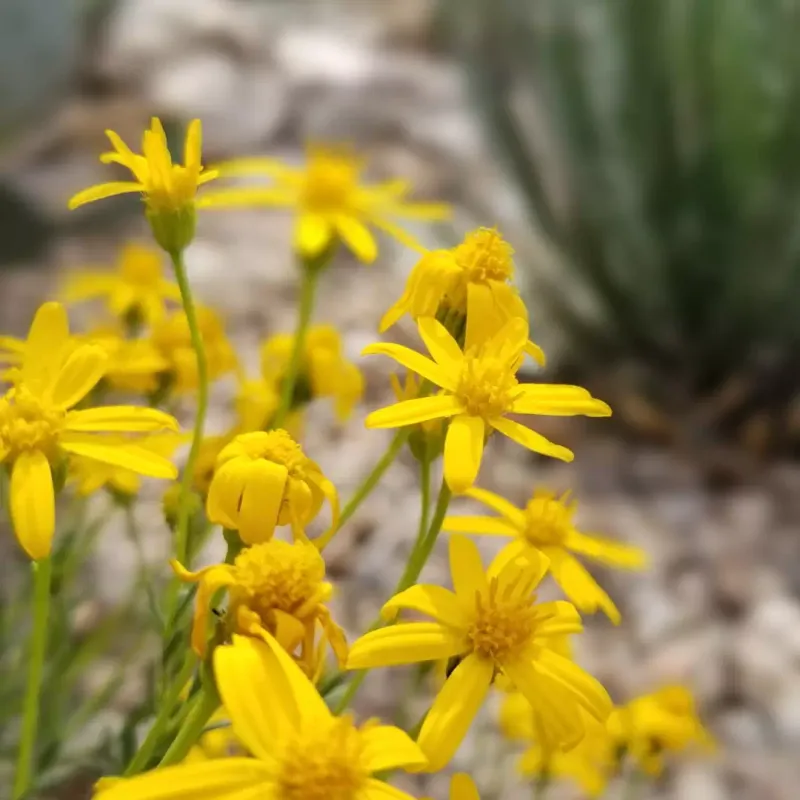
Imagine a plant so tough it practically laughs at Texas heat. That is Damianita in a nutshell.
This compact little perennial stays low to the ground and bursts into bright yellow, daisy-like flowers that make any garden look alive even in the middle of a drought. It is one of those plants that earns its keep without asking for anything in return.
Damianita thrives in hot, dry spots where other plants simply cannot hold on. It is a strong choice for gravel gardens, rocky slopes, and low-water borders across much of Texas.
Your Texas Garden Changes Every Week. Your Plan Should Too.
Gardening in Texas changes quickly throughout the season. Every Friday you’ll receive a simple weekly plan showing exactly what to plant, prune, fertilize, harvest, and protect so you never miss the right timing.
The fine, needle-like leaves give off a pleasant herbal fragrance when brushed, which is a fun bonus on a warm afternoon in your garden. This plant handles full sun without any complaints. It actually prefers it.
Soggy soil is its one weakness, so good drainage is a must. Once you nail that detail, Damianita pretty much takes care of itself through the long Texas summer and beyond.
Blooming happens in spring and again in fall, giving your landscape two rounds of cheerful color each year. The flowers attract butterflies and native bees, which adds even more life to your outdoor space.
Because Damianita stays compact, usually under two feet tall, it works well along pathways, in rock gardens, or as a front-of-border plant.
It is rarely found at chain garden centers, but specialty native nurseries in Texas carry it. Once you grow it, you will wonder why it took so long to find it.
3. Rock Rose
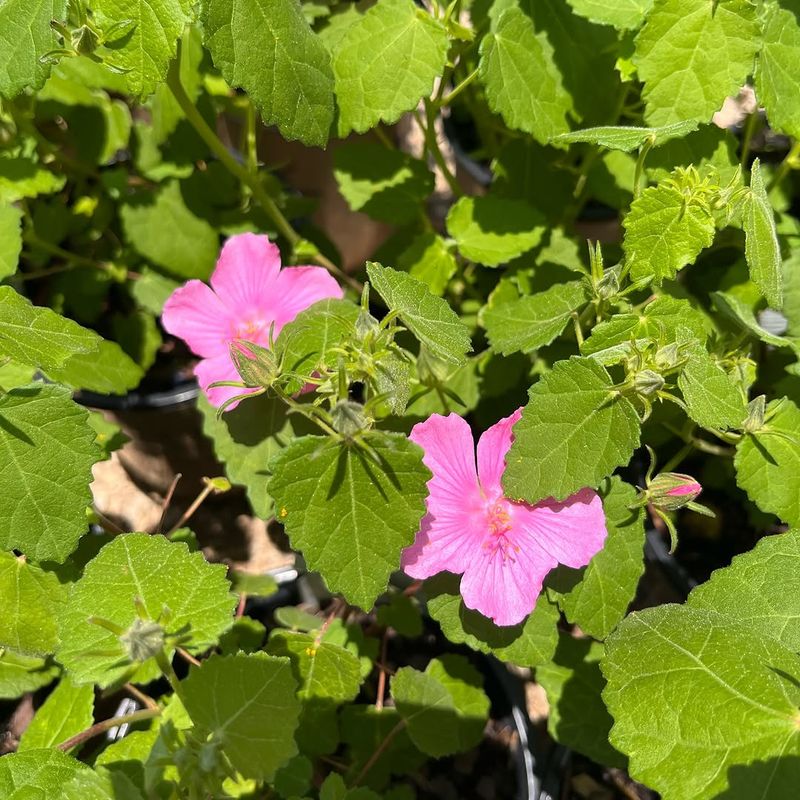
Rock Rose is one of those plants that surprises people the first time they see it. The blooms look almost tropical, with soft pink petals that resemble a small hibiscus flower.
But do not let that delicate appearance fool you. Rock Rose is a tough Texas native that handles drought, heat, and rocky soil without missing a beat.
What makes this plant even more impressive is how long it blooms. From late spring through fall, Rock Rose keeps producing flowers.
That is months of color in a Texas garden where many plants tap out by midsummer. Hummingbirds and butterflies are regular visitors, which makes it a lively addition to any outdoor space.
Rock Rose grows naturally in the limestone hills of central Texas, which tells you a lot about what it expects from its garden home. It wants well-drained soil, full to partial sun, and very little water once established.
It handles the dry spells that are so common across Texas without needing any help from a garden hose.
Despite all these great qualities, Rock Rose is still surprisingly overlooked at mainstream nurseries. It is a native Texas ornamental that deserves far more attention than it gets. Native plant sales and specialty growers are your best options for tracking it down.
Plant it in a dry front-yard bed, along a fence line, or mixed with other Texas natives, and it will reward you with reliable blooms and zero drama for years to come. It is simply one of the best underused plants in Texas.
4. Chocolate Flower
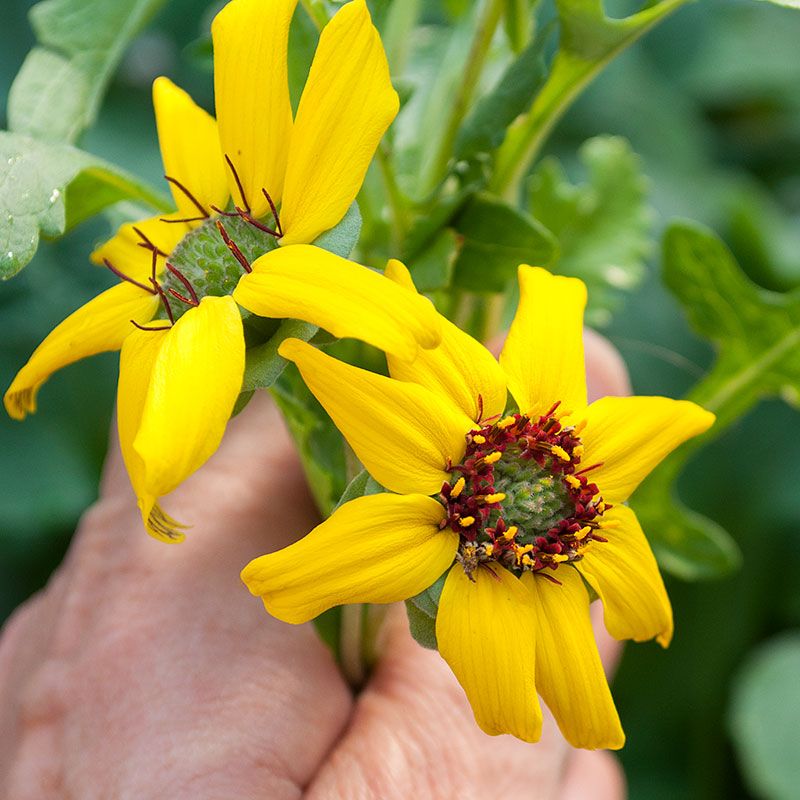
Yes, it really does smell like chocolate. Gardeners who grow Chocolate Flower for the first time are almost always caught off guard by the sweet, cocoa-like scent that drifts from the blooms each morning.
The fragrance is strongest right after sunrise, making your early garden walk something to look forward to all summer long.
Chocolate Flower is native to Texas and several surrounding states, and it handles drought with impressive ease. It develops a deep root system that keeps it stable through long dry stretches.
Hot, sunny beds that cause fussier perennials to fade fast are exactly where this plant feels most at home. It does not need rich soil, extra fertilizer, or regular watering once it gets established.
The flowers are yellow with a reddish-brown center disk, and they bloom from late spring all the way through fall.
After the petals fall, the green, scalloped seed heads remain on the plant and add interesting texture. Birds enjoy the seeds, so you get wildlife value even after the blooming season winds down.
Finding Chocolate Flower at a typical nursery in Texas can be a challenge, but native plant specialty stores and botanical garden sales often carry it. It works beautifully in informal beds, meadow-style plantings, and pollinator gardens.
Bees and butterflies are drawn to the blooms consistently. Once you plant it in your Texas garden and catch that first whiff of chocolate on a warm morning, you will understand why gardeners who grow it never want to be without it again.
5. Lindheimer’s Senna
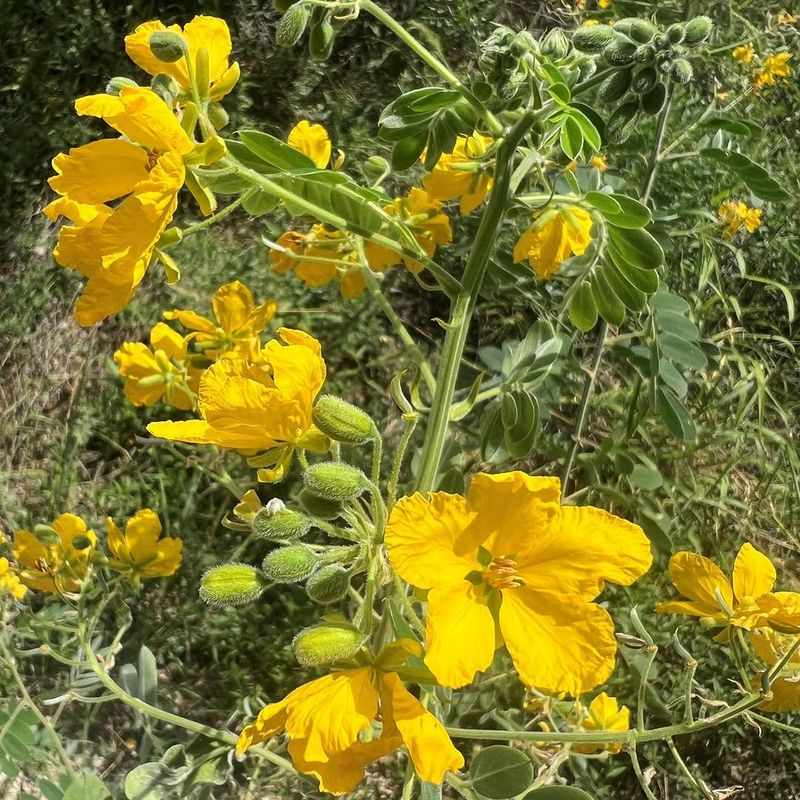
Soft, airy, and surprisingly eye-catching, Lindheimer’s Senna brings a texture to the garden that most drought-tolerant plants simply do not offer. The leaves are silvery-green and covered in fine, velvety hairs that give the whole plant a soft, almost fuzzy appearance.
Set that against a backdrop of bright yellow blooms in late summer, and you have a plant that earns serious attention in any Texas landscape.
Named after Ferdinand Lindheimer, a pioneering botanist who collected plants across Texas in the 1800s, this species has deep roots in the state’s natural history.
It grows naturally in rocky, dry areas of central and western Texas, which means it is perfectly adapted to the conditions that challenge most garden plants. It handles heat, drought, and poor soil without complaint.
Lindheimer’s Senna is often recommended in drought-tough native plant mixes for low-water Texas landscapes, and for good reason. It can reach four to six feet tall, giving it presence in the back of a border or along a fence.
The flowers attract sulfur butterflies, which use the plant as a host. Watching those bright yellow butterflies flutter around the blooms is one of the joys of growing this plant.
It is not commonly found at chain garden centers, but native plant nurseries across Texas carry it when in season. Plant it in full sun with good drainage and step back.
It will handle the rest on its own. For gardeners who want big visual impact with minimal effort in a tough Texas climate, Lindheimer’s Senna is a smart and rewarding choice.
6. Virginia Lespedeza
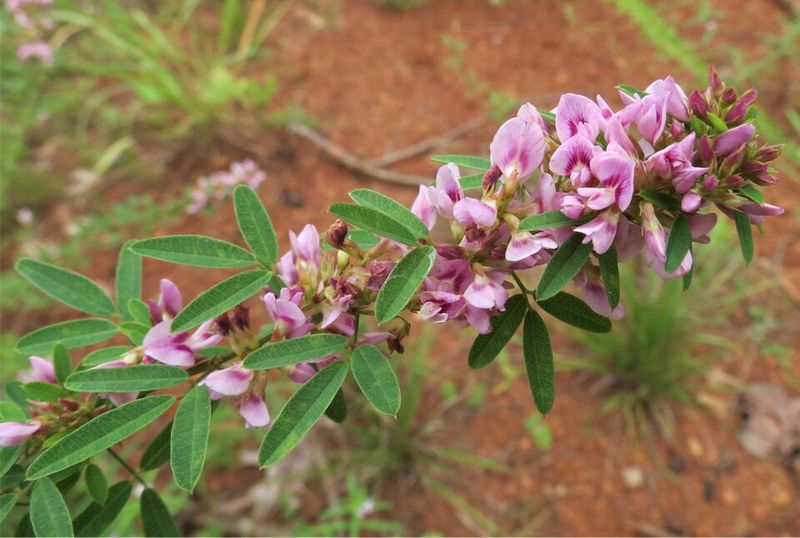
Walk into most garden centers in Texas and you will never spot Virginia Lespedeza on the shelves.
It is genuinely one of the least-known native perennials in the state, which is a shame because it brings something different to the table that most common landscape plants simply cannot match.
This plant has a relaxed, meadow-style look that feels natural and unforced in the right setting.
Virginia Lespedeza is a slender, upright perennial that produces small clusters of pink-purple flowers from midsummer into fall. It grows in dry, open sites and handles drought without any assistance once it gets established.
The fine stems and small leaves give it a delicate, wispy appearance that contrasts nicely with bolder native plants nearby.
One of the less talked-about benefits of this plant is its ability to fix nitrogen in the soil. Like other legumes, it works with soil bacteria to pull nitrogen from the air and store it in the ground.
That means it actually improves the soil around it over time, which is a bonus for neighboring plants in your Texas garden.
Virginia Lespedeza also supports native bees and is a host plant for certain butterfly species, adding real ecological value to your outdoor space.
Its informal, naturalistic growth habit makes it a better fit for prairie-style or wildlife gardens than for formal, structured beds.
If you are looking to create a low-maintenance, nature-friendly corner of your Texas landscape, this overlooked native deserves a serious spot on your planting list. Seek it out at native plant sales and specialty growers.
7. Black-Eyed Susan
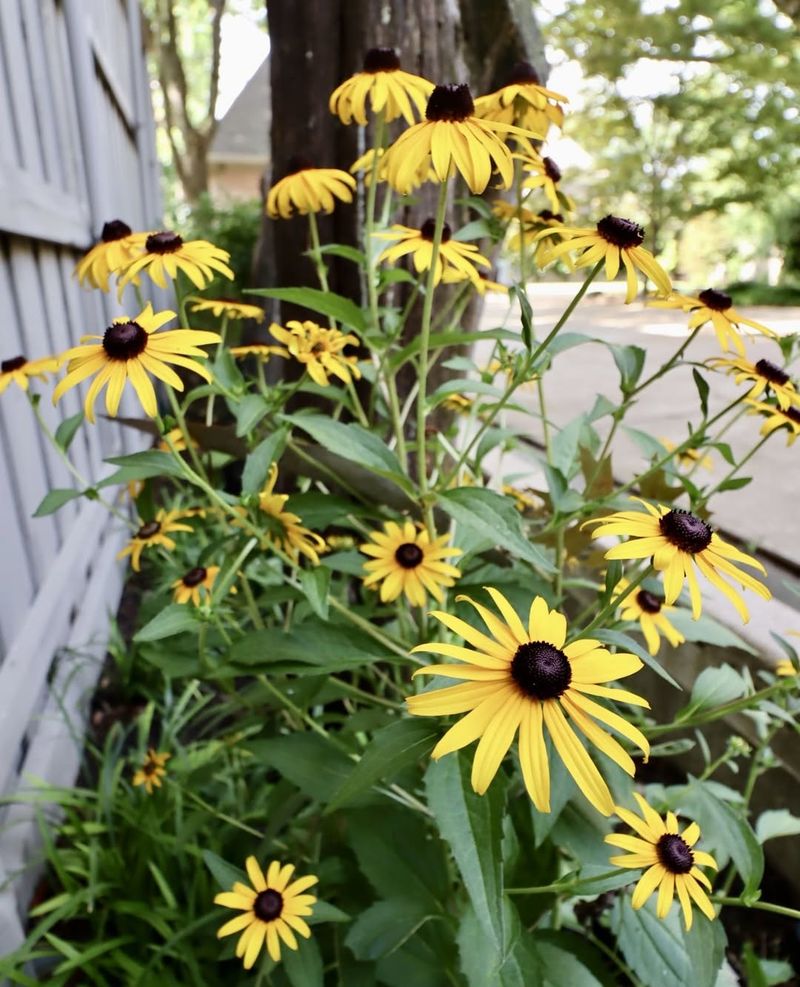
Few wildflowers are as instantly recognizable as Black-Eyed Susan. Those bold yellow petals surrounding a dark brown center are a classic image of the American prairie, and Texas has plenty of wild spots where this cheerful plant grows without any human help at all.
That wild toughness translates perfectly into the home garden. Black-Eyed Susan is better known than most of the other plants on this list, but it is still surprisingly underused in Texas landscaping compared to common bedding flowers.
Many gardeners reach for imported annuals when they could be planting this reliable, drought-tolerant native instead.
It handles the long, dry Texas summers without extra irrigation and comes back year after year in most settings.
It grows happily in full sun and tolerates a wide range of soil types, including the rocky, nutrient-poor soils found across much of Texas.
The blooms appear from late spring through early fall, providing months of color and a steady food source for bees, butterflies, and goldfinches that love the seeds.
Planting it alongside other native grasses and wildflowers creates a natural, prairie-like look that feels right at home in the Texas landscape.
You can find Black-Eyed Susan at more nurseries than the other plants on this list, but it is still worth seeking out locally grown, Texas-adapted seed or transplants when possible. Plant it in informal drifts for the best visual effect.
It is easy to grow, incredibly forgiving, and one of the most cheerful sights a Texas gardener can enjoy on a hot summer afternoon.