8 Native Perennials That Come Back Stronger Every Year In Florida Gardens
Florida gardens are full of surprises, and native perennials are the ultimate game-changer. They come back every year stronger, bolder, and more vibrant, turning ordinary beds into showstoppers.
Flowers explode in color, leaves deepen in green, and pollinators flock without you lifting a finger. Heat, pests, and tricky soil don’t stand a chance.
One smart planting now sets the stage for seasons of effortless beauty and thriving wildlife. Powerful natives transform landscapes into living, breathing works of art.
Every season adds richness, texture, and life. Gardens with these perennials don’t just grow, they impress, delight, and keep giving year after year.
Visitors stop. Neighbors notice.
And every corner of your yard becomes a story of resilience and color that demands attention.
1. Firebush Brings Color And Hummingbirds To Florida Gardens
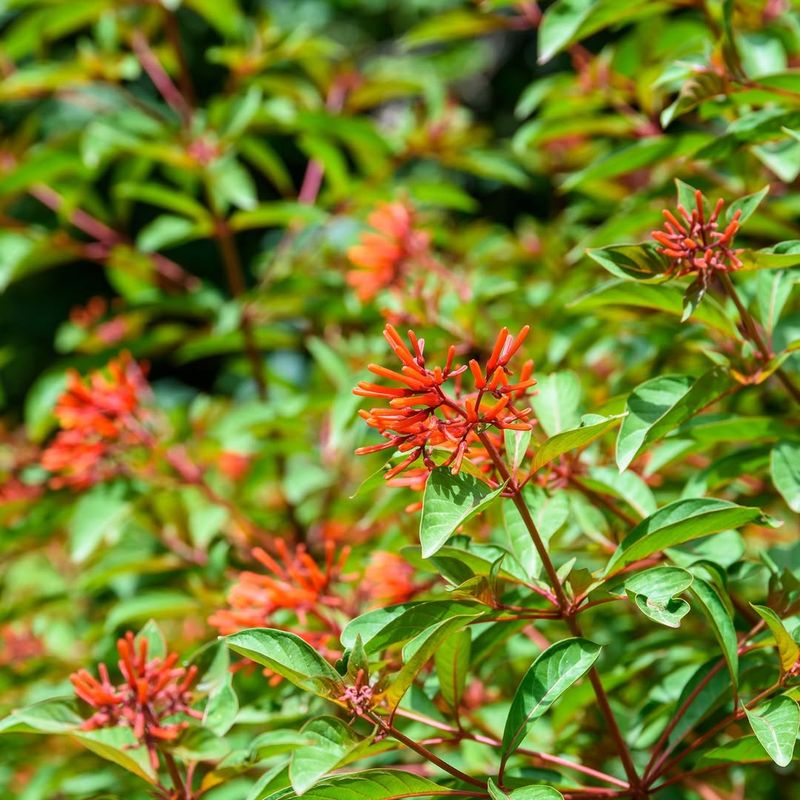
Few plants put on a show quite like firebush does in a Florida landscape. With clusters of brilliant red-orange tubular flowers that seem to glow in the summer heat, this native shrub is a magnet for hummingbirds, butterflies, and bees from spring all the way through fall and sometimes even into winter in South Florida.
Firebush, known botanically as Hamelia patens, is native to Florida and thrives in the state’s warm, humid climate. It handles full sun with ease and bounces back quickly after brief cold snaps, often returning from the roots even if the top growth gets nipped by a rare frost.
Once established, it is remarkably drought-tolerant, making it a smart choice for Florida gardeners who want color without constant irrigation.
Plant firebush in well-drained soil and give it room to spread, as it can grow six to ten feet tall and wide under ideal conditions. It also works beautifully as a hedge or a bold specimen plant in a mixed border.
According to the University of Florida IFAS Extension, firebush is one of the top recommended native shrubs for Florida wildlife gardens, and it is easy to see why.
2. Blanket Flower Thrives In Florida’s Tough Conditions

Sandy soil, blazing sun, and weeks without rain would send most garden plants running, but blanket flower practically thrives on those conditions. Gaillardia pulchella is a Florida native wildflower that produces cheerful red and yellow blooms that look like tiny sunsets sitting right in your garden beds.
What makes blanket flower such a winner for Florida gardeners is its ability to grow in poor, sandy soils where other plants struggle. It does not need fertilizer, does not demand much water, and actually performs better when conditions are a little tough.
Overwatering or overly rich soil can cause more problems than a summer drought ever would. Plant it in full sun and let it do its thing.
Blanket flower blooms from spring through fall in Florida, giving you months of color and a steady stream of pollinators including bees and butterflies. It reseeds itself reliably, so once you have it established, new plants will pop up each season nearby.
The Florida Native Plant Society highlights Gaillardia as an excellent choice for coastal and inland Florida gardens alike because of its outstanding salt tolerance and drought resilience. It is one of those plants that just gets better the less you fuss over it.
Your Florida Garden Changes Every Week. Your Plan Should Too.
Gardening in Florida changes quickly throughout the season. Every Friday you’ll receive a simple weekly plan showing exactly what to plant, prune, fertilize, harvest, and protect so you never miss the right timing.
3. Coreopsis Keeps Florida Gardens Bright All Season

Florida chose Coreopsis as its official state wildflower for very good reasons. Coreopsis leavenworthii, commonly called tickseed, lights up roadsides, meadows, and home gardens across the state with its cheerful yellow, daisy-like flowers.
It is one of the most recognized and celebrated native wildflowers in all of Florida.
Growing coreopsis in a home garden is about as straightforward as it gets. Plant it in full sun, give it reasonably well-drained soil, and water it occasionally while it gets established.
After that, it takes care of itself beautifully. It blooms from early summer right up until the first cool temperatures arrive, which in much of Florida means you get color for many months out of the year.
One of the best things about coreopsis is how freely it reseeds. After the blooms fade, the seeds scatter and new plants sprout up nearby the following season, often creating a denser, more colorful patch each year.
This makes it an outstanding choice for pollinator gardens, butterfly gardens, and low-maintenance Florida landscapes. Bees, butterflies, and small birds all benefit from coreopsis plantings.
The University of Florida IFAS Extension recommends it widely as a tough, rewarding native that suits Florida’s variable climate conditions perfectly.
4. Black-Eyed Susans Add Easy Sunshine To Garden Beds

Golden petals surrounding a rich, dark brown center make black-eyed Susan one of the most instantly recognizable wildflowers in any Florida garden. Rudbeckia hirta has a bold, sunny look that brightens up garden beds, borders, and naturalized areas without demanding much attention from the gardener.
What really sets black-eyed Susan apart in Florida is its toughness. It handles the state’s intense summer heat without flinching, grows in a wide range of soil types from sandy coastal soils to heavier inland clay, and keeps producing blooms for weeks on end.
Even during dry stretches that would stress other plants, established black-eyed Susans hold their own and keep flowering.
Beyond the cheerful blooms, this native perennial is a powerhouse for pollinators. Bees, butterflies, and beetles all visit the flowers regularly, and goldfinches love to pick at the seed heads once the blooms fade.
Because black-eyed Susan reseeds itself season after season, a small planting can gradually spread into a generous, naturalistic sweep of color. Florida gardeners with sunny spots and low-maintenance goals will find this plant to be a reliable annual performer.
Plant it once and it will reward you with new seedlings and fresh color for years to come.
5. Butterfly Weed Brings Pollinators Back Every Year
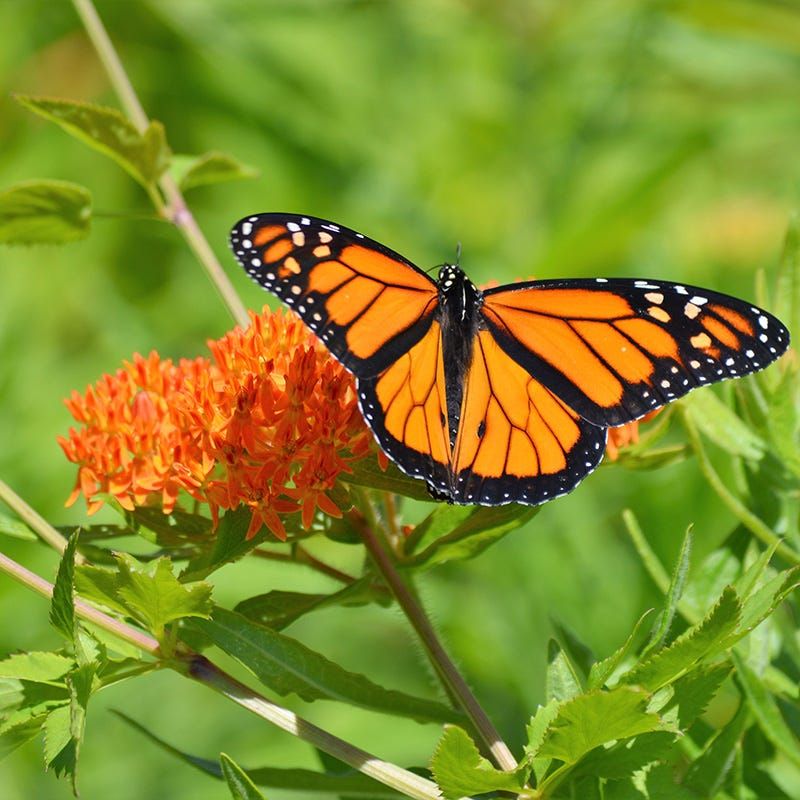
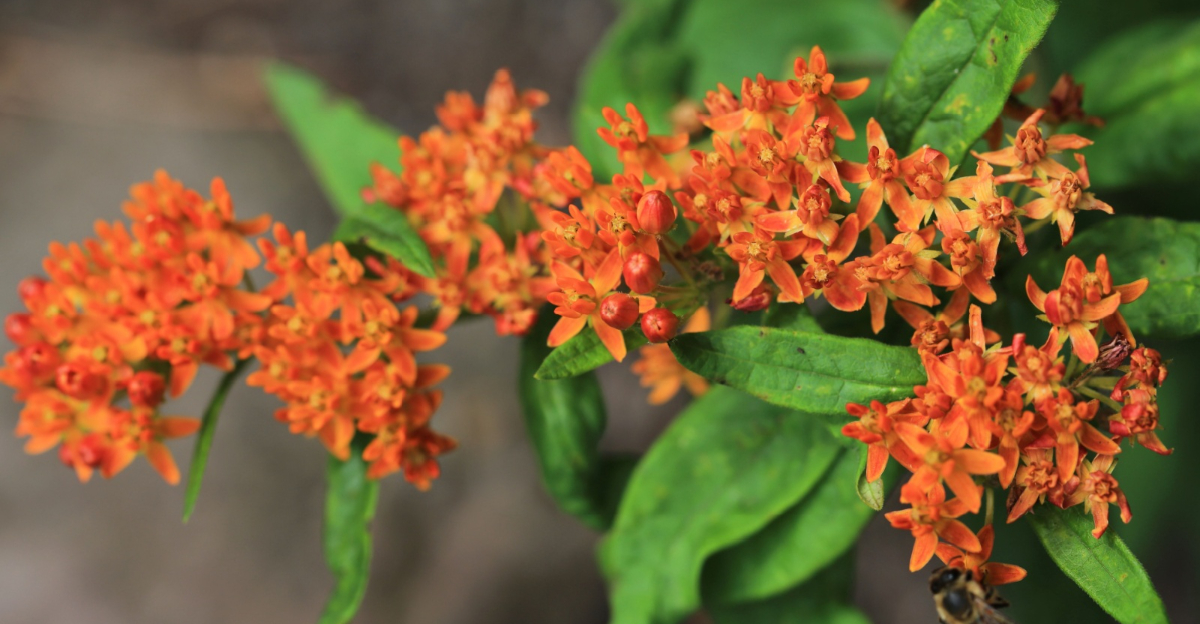
Monarch butterfly populations have been declining across North America, and planting native milkweed is one of the most meaningful things a Florida gardener can do to help. Butterfly weed, Asclepias tuberosa, is a native milkweed species that produces stunning clusters of bright orange flowers and serves as both a nectar source and a host plant for monarch caterpillars.
Unlike some other milkweed species, butterfly weed does not spread aggressively, making it a well-behaved addition to garden beds. It grows best in full sun and well-drained, sandy soil, which makes it a natural fit for many Florida landscapes.
Once the taproot gets established, it is impressively drought-tolerant and comes back reliably each year, often growing a bit larger and more floriferous with each passing season.
Monarchs are not the only visitors you will find on butterfly weed. Swallowtails, fritillaries, skippers, and many native bee species are all drawn to the nectar-rich flowers.
The blooms appear from late spring through summer, giving pollinators a dependable food source during warm Florida months. Because the plant grows from a deep taproot, avoid moving it once it is established.
Choose its permanent spot wisely, plant it in a sunny location, and enjoy the wildlife activity it brings every single year.
6. Blue Porterweed Keeps Butterflies Coming All Season
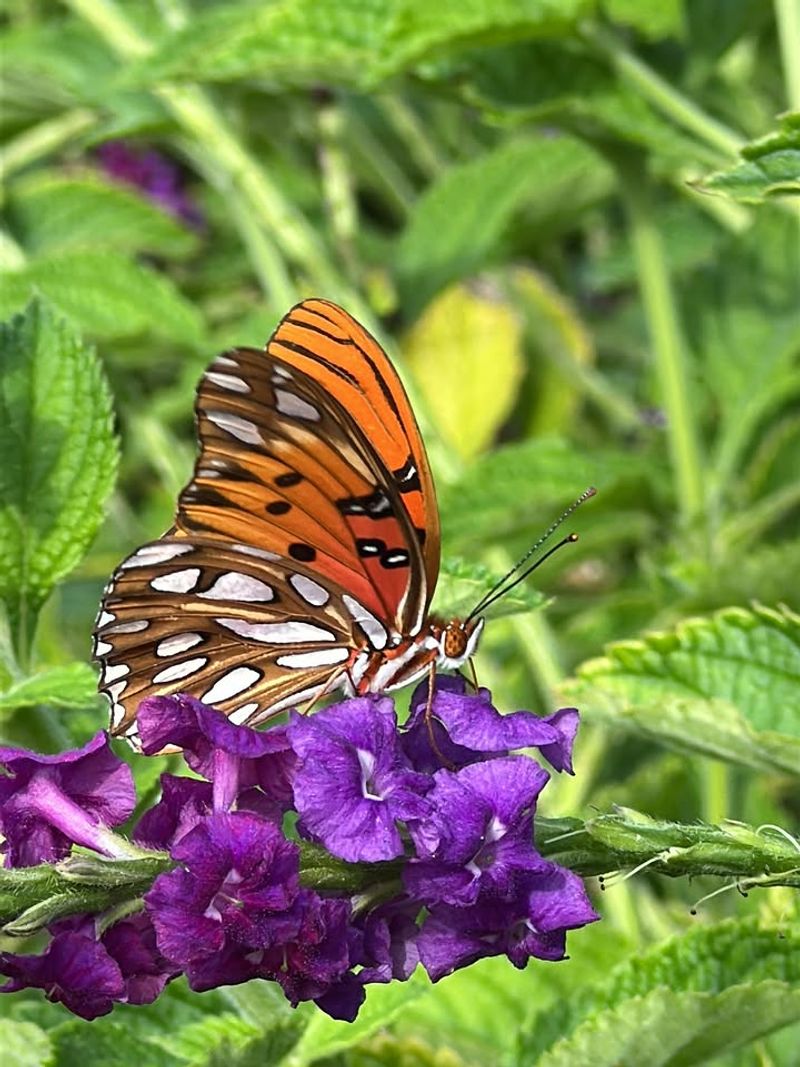
Some plants earn their place in a Florida garden purely by the sheer number of butterflies they attract, and blue porterweed is absolutely one of them. Stachytarpheta jamaicensis (the Florida native species) produces long, slender flower spikes studded with tiny blue-purple blooms that open a few at a time, giving butterflies a reason to visit day after day throughout the growing season.
Florida’s warm climate is perfectly suited for blue porterweed, which thrives in full sun to light shade and tolerates both sandy soils and the occasional dry spell. It blooms almost continuously from spring through late fall, and in South Florida it can flower year-round.
That extended bloom period makes it one of the most valuable nectar plants you can include in a butterfly garden anywhere in the state.
Zebra longwings, which happen to be Florida’s state butterfly, are especially fond of blue porterweed. Skippers, sulphurs, and gulf fritillaries also visit frequently.
The plant grows as a low, sprawling shrub that fills in gaps nicely in a mixed border or naturalistic planting. It reseeds readily, so once you have it in your garden you are likely to find friendly seedlings popping up nearby each spring.
For Florida gardeners wanting reliable pollinator appeal with very little effort, blue porterweed delivers season after season.
7. Scarlet Sage Keeps Gardens Blooming With Bright Red Spikes
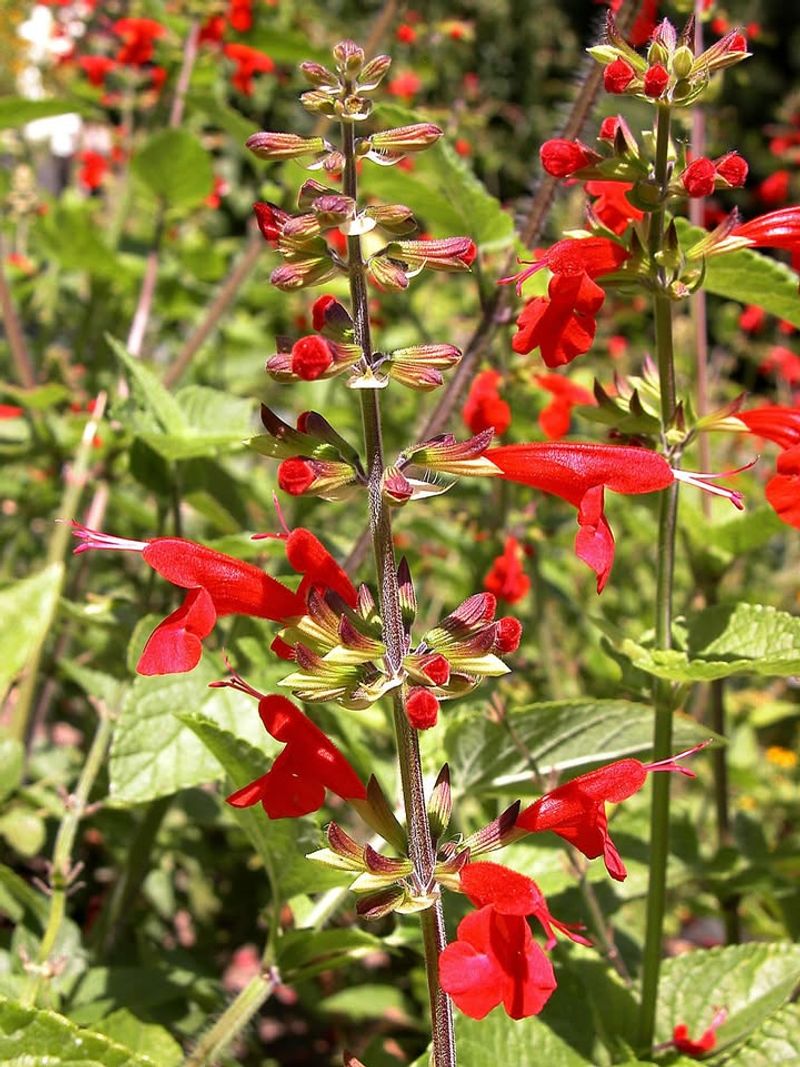
Tall, upright spikes of vivid red flowers make scarlet sage one of the most eye-catching native plants in any Florida garden. Salvia coccinea grows naturally across Florida and produces a non-stop parade of tubular blooms that hummingbirds simply cannot resist.
Plant it near a window or patio and you will have front-row seats to hummingbird activity all season long.
Scarlet sage is considered a short-lived perennial in Florida, typically lasting two to three growing seasons before fading out. However, it reseeds so prolifically that you will rarely notice the gap.
New seedlings pop up each year, often in spots you did not plan, creating a naturalistic, self-sustaining display of red blooms throughout the garden. Many Florida gardeners treat it almost like a self-renewing annual that never needs replanting.
Beyond hummingbirds, scarlet sage is a top nectar source for swallowtail butterflies and native bees. It grows well in full sun to partial shade, handles Florida’s sandy soils gracefully, and tolerates both heat and humidity without complaint.
Deadheading spent flower spikes encourages new blooms and also reduces the number of seedlings if you prefer a tidier garden. For a low-effort plant that delivers big color and serious wildlife value, scarlet sage is hard to beat anywhere in Florida.
8. Beach Sunflower Covers Ground With Cheerful Yellow Blooms
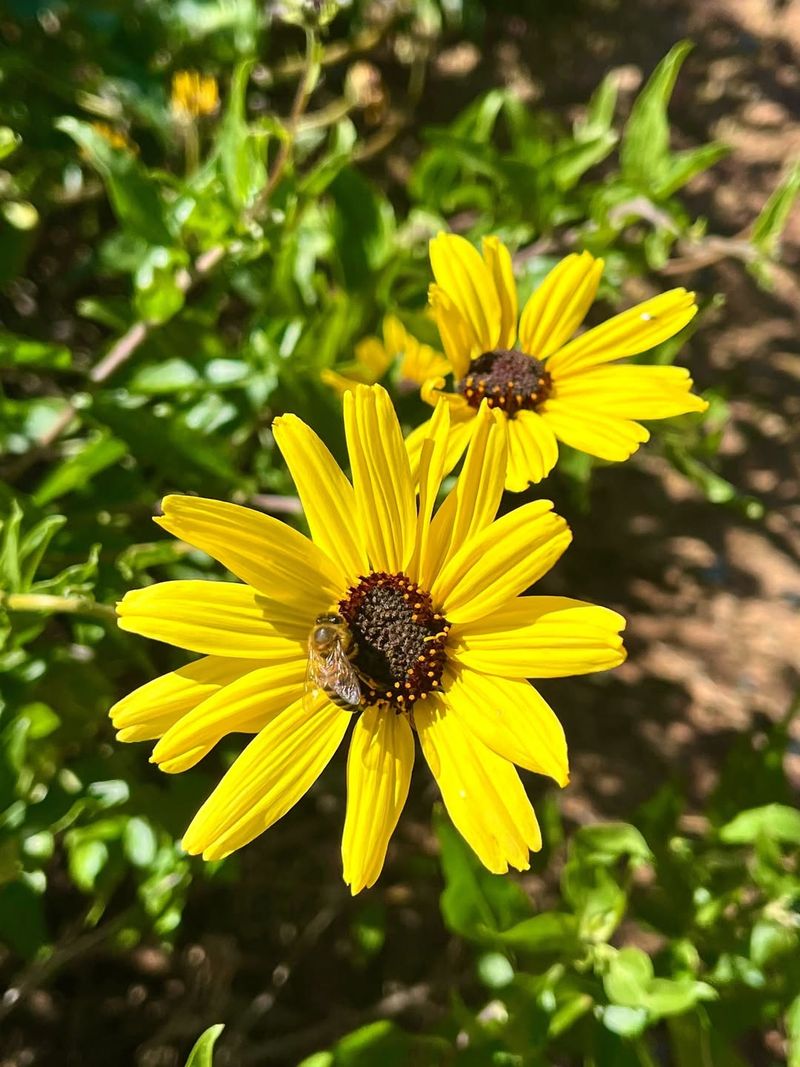
Covering bare ground with cheerful yellow blooms while shrugging off salt spray, scorching sun, and sandy soil sounds too good to be true, but beach sunflower pulls it off effortlessly. Helianthus debilis is a Florida native groundcover that spreads low and wide, filling in open spaces with a carpet of bright yellow flowers that bloom almost year-round in warmer parts of the state.
Coastal Florida gardeners especially love beach sunflower because it handles salt air and wind exposure better than almost any other flowering groundcover available. It roots along its stems as it spreads, which helps it hold sandy soil in place and prevent erosion along slopes and shorelines.
Even in areas that see little rainfall, established plants stay green and keep flowering without any irrigation.
Butterflies and bees visit the flowers constantly, and birds pick at the seeds as they ripen. Beach sunflower works beautifully as a slope stabilizer, a front-of-border plant, or a mass planting in a sunny, open area.
It grows in full sun and needs excellent drainage, so avoid low spots where water collects. According to the University of Florida IFAS Extension, beach sunflower is one of the most recommended native groundcovers for Florida’s challenging coastal and inland sandy landscapes alike.