These Common Yard Habits Can Attract Rats To Florida Homes
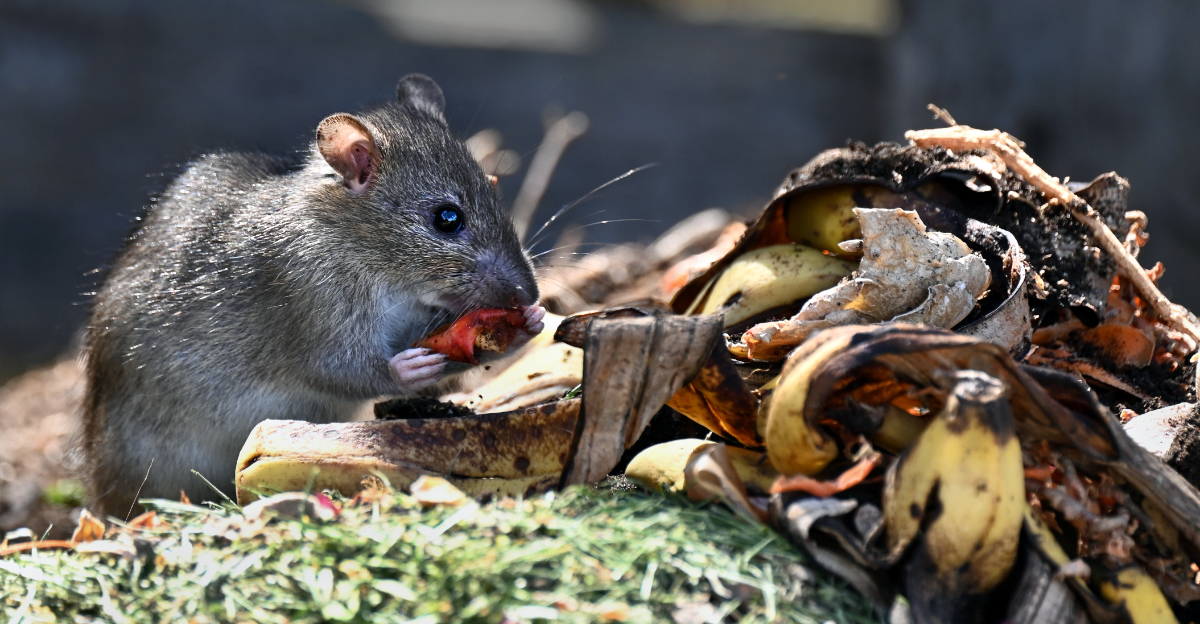
You might not see them, but they notice your yard long before you notice them. In Florida, rats don’t need much of an invitation.
A few everyday habits can quietly turn your outdoor space into the perfect hideout, feeding ground, and nesting spot. Ever walked outside at night and felt like something moved just out of sight?
That’s not your imagination playing tricks. Many homeowners attract rodents without realizing it, all while keeping a yard that looks clean on the surface.
The problem isn’t obvious mess. It’s the small things people do without thinking that make a place feel safe for pests.
Once rats settle in, they don’t rush out. They stick around, multiply, and get harder to deal with.
Want to keep them out before they move in? It starts with spotting the habits that draw them in the first place.
1. Leaving Pet Food Outside Overnight
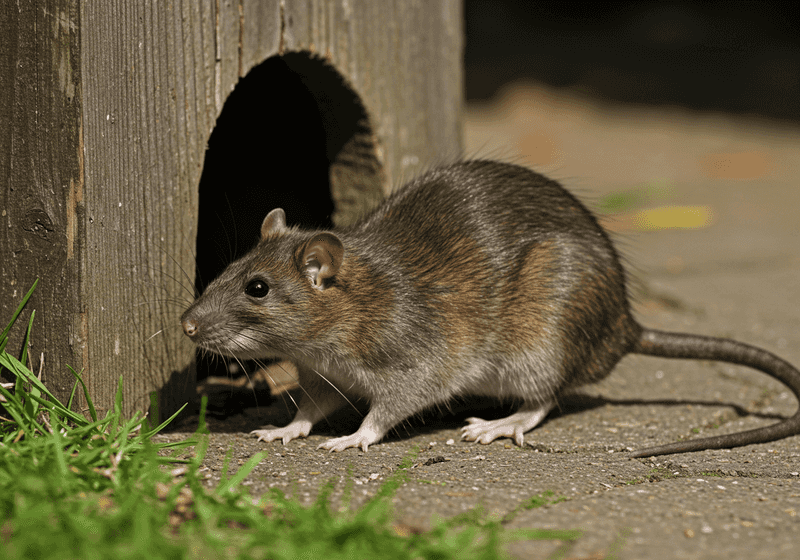
Most pet owners never think twice about leaving a half-full food bowl on the back patio after dinner. It feels harmless, but to a rat, that bowl is basically an open invitation to a free meal.
Roof rats, which are the most common species found in Florida residential areas, are opportunistic feeders that actively search for reliable food sources after dark.
According to the University of Florida IFAS Extension, rats are most active between dusk and dawn. A pet food bowl left outside overnight gives them exactly the kind of consistent, low-effort food source they need to establish a feeding routine near your home.
Once they find it, they return every night and may eventually nest nearby.
The fix is straightforward. Feed your pets indoors whenever possible, especially during evening hours.
If outdoor feeding is necessary, pick up any uneaten food before sunset and store pet food in a sealed, chew-resistant container, preferably metal, since rats can gnaw through plastic with ease.
Florida’s heat also speeds up food spoilage, which means wet pet food left outside can develop strong odors that attract rats from a surprising distance. Even dry kibble carries a scent that rodents can detect.
Washing food bowls regularly helps reduce lingering smells. This one simple habit change removes a major food attractant and significantly reduces the chance that rats will target your yard as a regular dining spot.
2. Letting Fallen Fruit Sit On The Ground
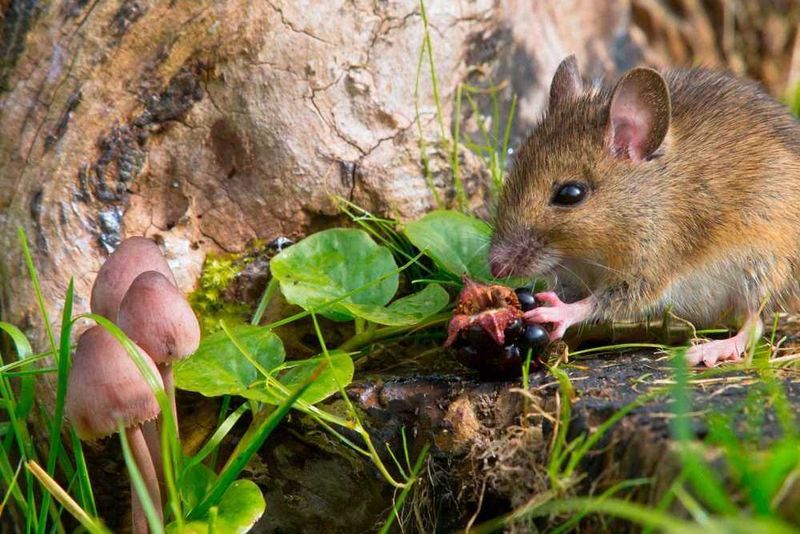
Florida homeowners are lucky to have fruit trees growing right in their backyards. Citrus, avocado, mango, and fig trees are common across the state, and they produce abundantly.
The problem starts when that fruit drops and no one picks it up. Fallen fruit that sits on the ground for even a day or two becomes a powerful attractant for rats.
Roof rats, which are also sometimes called citrus rats in Florida, have a well-documented preference for fruit. The University of Florida IFAS Extension specifically notes that roof rats frequently feed on citrus and other backyard fruits.
In Florida’s heat and humidity, fruit begins to ferment and decay quickly, releasing strong sweet odors that rats can detect from a distance.
Your Florida Garden Changes Every Week. Your Plan Should Too.
Gardening in Florida changes quickly throughout the season. Every Friday you’ll receive a simple weekly plan showing exactly what to plant, prune, fertilize, harvest, and protect so you never miss the right timing.
A yard with overripe fruit on the ground is essentially broadcasting a dinner signal around the clock. Rats will visit consistently once they discover the source, and over time they may begin nesting in trees or nearby shrubs to stay close to the food supply.
Picking up fallen fruit every day or every other day is one of the most effective prevention steps a Florida homeowner can take. If a tree is producing more than you can use, consider harvesting early or sharing with neighbors.
Composting fruit scraps is fine, but only in a sealed, rat-resistant bin. Leaving fruit waste in an open pile is just as problematic as leaving it on the ground.
Staying consistent with yard cleanup during peak fruiting seasons, typically summer through fall in Florida, makes a significant difference.
3. Overwatering And Creating Damp Soil Areas
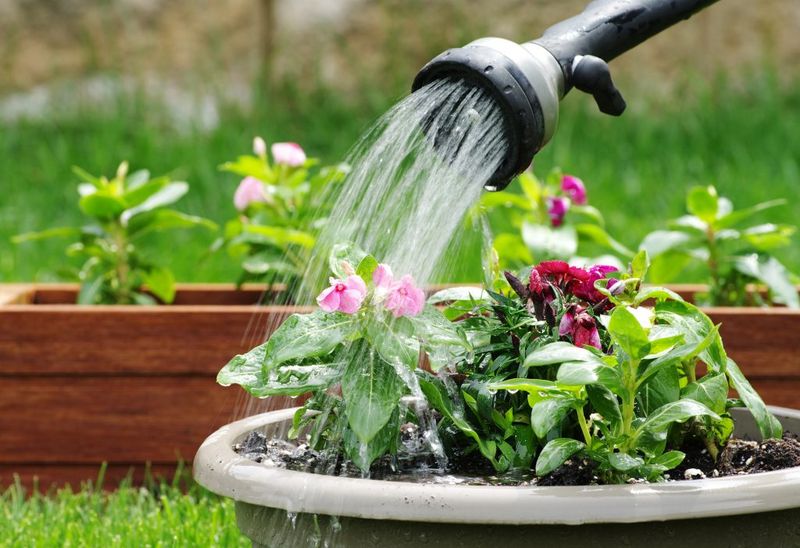
Water is just as important to rats as food. Many homeowners focus on removing food sources but overlook the fact that standing water and consistently damp soil can draw rodents in just as effectively.
Florida already receives significant rainfall throughout the year, so adding excessive irrigation on top of that creates conditions rats find very appealing.
Overwatered lawns and garden beds develop soft, moist soil that supports a thriving insect population. Earthworms, beetles, and grubs all multiply in wet soil, and these insects are a protein-rich food source that rats actively seek out.
Beyond the food aspect, damp environments also feel safer and cooler to rodents, making them more likely to linger and eventually nest nearby.
The University of Florida IFAS Extension recommends water-efficient irrigation practices for Florida landscapes, partly because overwatering encourages pest activity.
Drip irrigation and timed systems set to water in the early morning allow soil to dry out during the day, which is less hospitable to rodents and the insects they feed on.
Check your yard for low spots where water pools after rain or irrigation. These areas are particularly attractive to rats looking for a reliable water source.
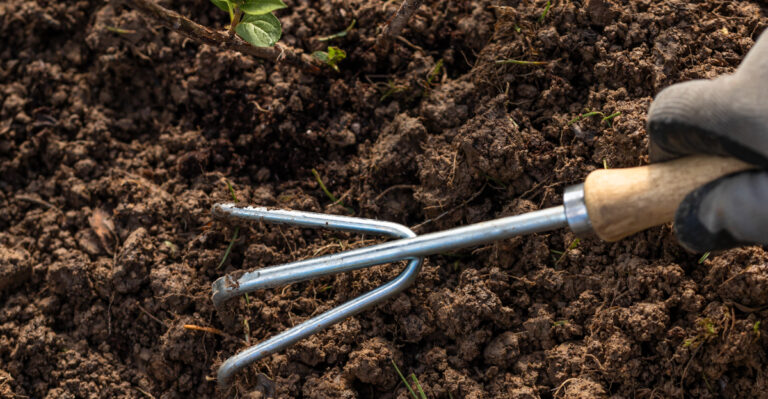
Improving drainage through grading or adding organic matter to soil can help. Also look for leaky hose connections, dripping outdoor faucets, and water trays under potted plants, all of which create small but consistent moisture sources.
Eliminating unnecessary water pooling removes one more reason for rats to choose your yard over a neighbor’s. Consistent moisture management paired with food removal is a strong two-step approach to deterrence.
4. Keeping Dense Overgrown Shrubs Near The House

Lush landscaping is one of the things that makes Florida homes so visually appealing. Thick hedges, ornamental shrubs, and tropical plantings create privacy and curb appeal.
But when those shrubs grow dense and close to the house, they create exactly the kind of sheltered, hidden environment that rats look for when scouting nesting sites.
Rats do not like being exposed. They prefer to travel along edges, under cover, and through vegetation that keeps them hidden from predators.
Dense shrubs planted tight against a home’s foundation provide a sheltered corridor that connects the yard to the structure itself. Once rats feel safe moving through that vegetation, accessing the home becomes the next logical step.
The University of Florida IFAS Extension recommends maintaining a clear zone of at least 18 to 24 inches between shrubs and the foundation of any structure.
This reduces harborage, which is the term used to describe areas where pests can hide, nest, and breed undisturbed.
Trimming shrubs so that the lower branches are elevated off the ground also removes ground-level hiding spots.
In Florida, fast-growing plants like Brazilian pepper, jasmine, and certain palms can become overgrown quickly if not pruned on a regular schedule.
It is worth walking the perimeter of your home every few months to check for vegetation that has crept back toward the foundation.
Keeping the area around your home’s base open, dry, and visible makes it much harder for rats to establish themselves unnoticed. Pair this with regular inspection of any gaps or cracks in the foundation that dense plants might be concealing.
5. Storing Trash In Unsealed Or Overflowing Bins
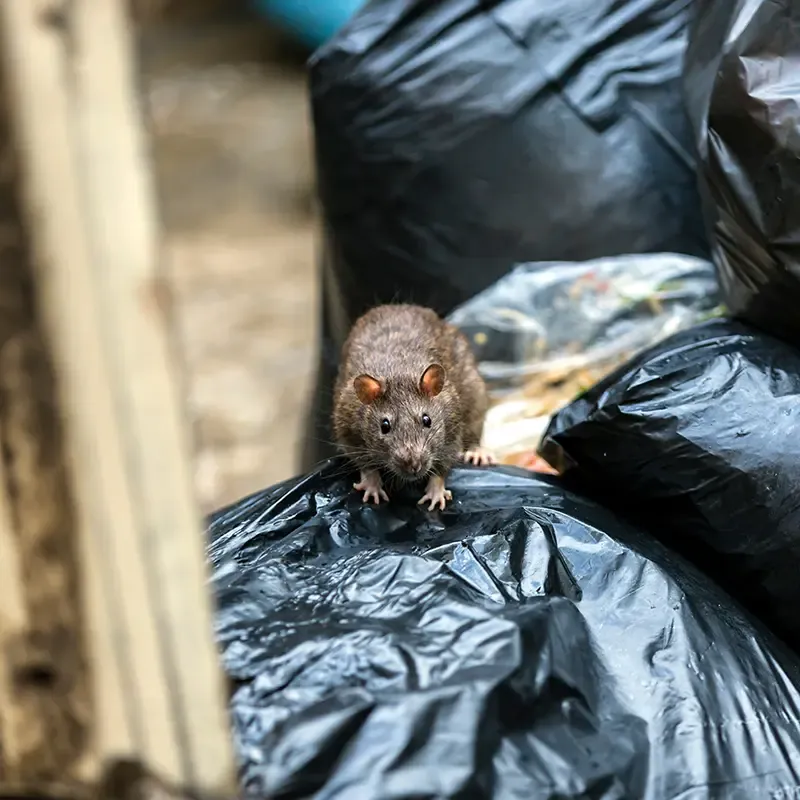
Garbage is one of the most reliable food sources a rat can find in a residential neighborhood. It contains a mix of food scraps, organic waste, and strong odors that broadcast availability across a wide area.
When trash bins are left unsealed, overflowing, or improperly closed, they become a feeding station that rats will visit repeatedly.
Florida’s heat accelerates the breakdown of organic waste, which intensifies odors significantly faster than in cooler climates. A garbage bin sitting in the sun on a warm afternoon can produce smells detectable to rats well before nightfall.
Roof rats in particular are bold foragers that will investigate odor sources consistently once they identify them as reliable.
Using bins with tight-fitting, locking lids is one of the most effective deterrents available. Standard flip-top lids are not enough if a rat can push them open or if overfilled bags prevent a proper seal.
Heavy-duty bins made from thick plastic or metal are harder to chew through and create a better barrier. Placing bins in a garage or enclosed area until collection day adds another layer of protection.
Rinsing bins regularly with a hose and mild cleaner helps reduce the lingering food odors that attract pests even after the trash has been removed. Avoid placing loose food scraps directly in outdoor bins without a bag.
Double-bagging meat scraps and strong-smelling food waste is a smart habit in Florida’s climate.
Keeping the area around your bins clean and free of spilled liquid or dropped scraps also removes secondary attractants that rodents investigate while foraging near the main bin.
6. Feeding Birds Without Managing Spilled Seed
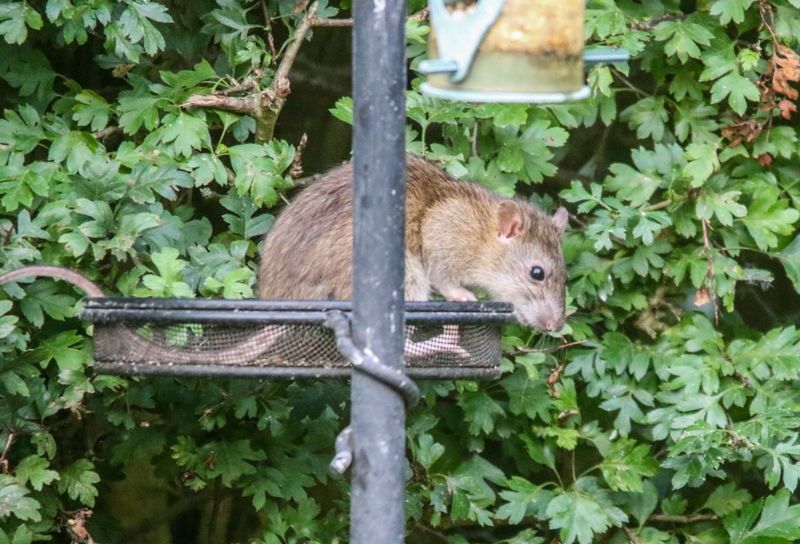
Bird feeders bring color, sound, and life to a Florida yard, and plenty of homeowners enjoy watching cardinals, blue jays, and other local birds visit throughout the day. The problem is not the feeder itself but what happens to the seed that falls to the ground.
Spilled birdseed accumulates quickly and creates a ground-level food source that rats find extremely appealing.
Roof rats are agile climbers and will access feeders directly if given the opportunity, but they also forage on the ground beneath feeders where seed collects in reliable quantities.
In Florida, where outdoor activity is possible year-round, this spilled seed never gets buried under snow or washed away by frost.
It simply piles up and ferments, becoming even more attractive to rodents over time.
Managing this starts with choosing the right feeder design. Feeders with catch trays that collect fallen seed prevent it from reaching the ground.
Tube-style feeders with small ports reduce spillage compared to open platform feeders. Filling feeders only in the morning gives birds time to eat during the day while reducing the amount of seed available after dark when rats are most active.
Sweeping or raking beneath feeders every evening removes accumulated seed before nightfall. Storing birdseed in a sealed metal container rather than an open bag or plastic bin prevents rats from accessing the supply directly.
Positioning feeders away from fences, walls, and overhanging branches makes them harder for rats to reach by climbing. These adjustments let you keep enjoying backyard birds without unintentionally supporting a rodent population at the same time.
7. Leaving Woodpiles And Yard Debris Undisturbed
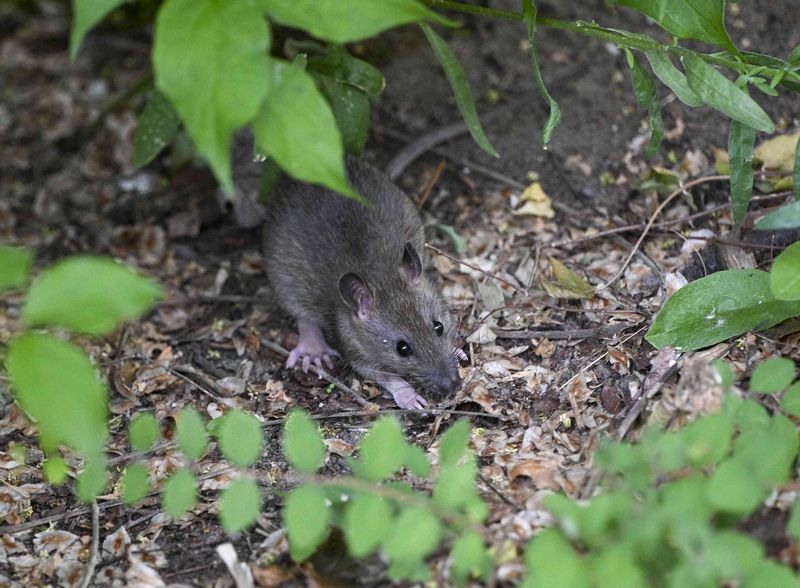
A woodpile stacked against the back fence might seem like a perfectly harmless part of a tidy yard, but from a rat’s perspective, it looks like a ready-made apartment complex.
Stacked wood, brush piles, leaf accumulations, and old yard debris all create the dark, sheltered spaces that rats seek out for nesting and hiding.
The more undisturbed these areas are, the more attractive they become.
Florida homeowners often accumulate yard debris quickly due to the state’s fast-growing vegetation and frequent storms. Palm fronds, fallen branches, clippings from hedges, and leftover mulch piles can build up in corners of the yard without much notice.
Rats move into these areas because they offer protection from predators, insulation from temperature swings, and easy access to nesting material.
The University of Florida IFAS Extension advises storing firewood at least 18 inches off the ground and at least a foot away from walls or fences. Elevating wood on a rack removes the ground-level hiding spaces rats rely on and allows you to inspect the pile more easily.
Moving and rotating the pile occasionally also disrupts any rats that may have started nesting inside it.
Yard debris should be cleared regularly rather than allowed to accumulate. After storms or heavy pruning sessions, dispose of clippings and branches promptly rather than letting them sit in a pile for weeks.
Keeping the yard open, well-maintained, and free of undisturbed corners significantly reduces available harborage. A yard that offers nowhere to hide is simply far less appealing to rats than one full of cozy, sheltered spots to settle into.