If Your Plant Is Leafing Out After A Florida Freeze, Don’t Do These 5 Things Yet
Florida gardens show surprises after a freeze, and the first signs of new leaves can make every gardener breathe a sigh of relief. It looks safe, it looks ready, but appearances can be deceiving.
Those tender shoots are vulnerable, and rushing in too soon could undo weeks of hard work. Every year, gardeners make the same mistakes, thinking they know what’s best, only to watch new growth falter.
Patience feels slow, but it’s the only way to protect what’s just starting to recover. The excitement of green returning can make anyone want to prune, fertilize, or water immediately, yet timing matters more than effort right now.
What you do in these crucial days can make the difference between a garden that bounces back stronger and one that struggles for the rest of the season. Read on, because doing the wrong thing now carries consequences your plants won’t forgive.
1. Don’t Rush To Prune Those Damaged Branches
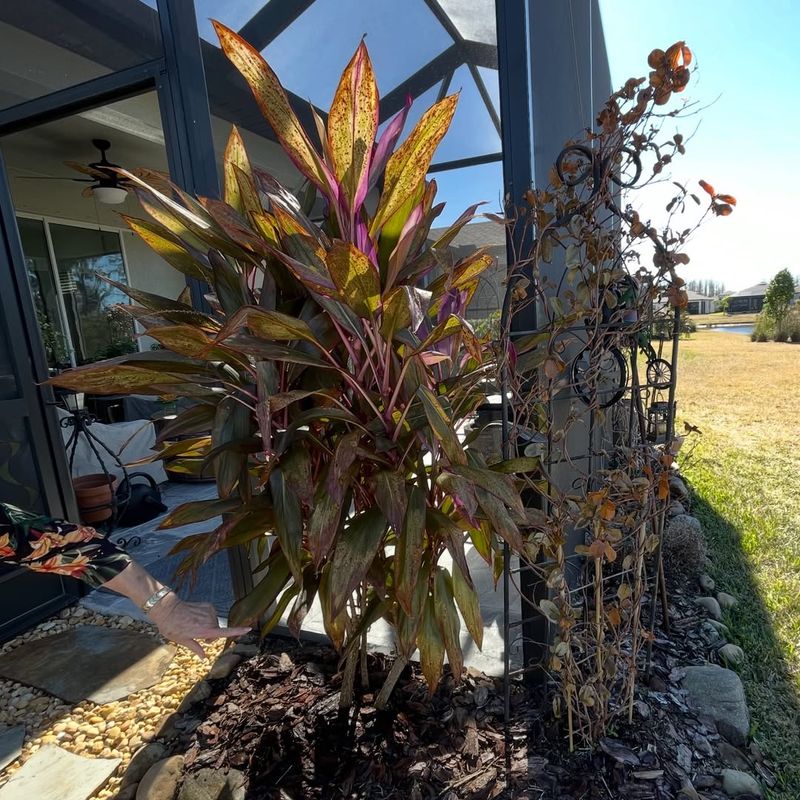
Seeing brown, crispy branches hanging off your favorite tropical shrub is tough, especially after you have been nursing that plant through the Florida summer heat for years. Every instinct tells you to grab your pruning shears and clean things up.
But acting too fast on that instinct is one of the most common mistakes Florida gardeners make after a freeze.
New leaf growth showing up on your plant is actually a helpful signal, not a green light to start cutting. Those fresh leaves tell you which parts of the plant are still alive and functioning.
If you prune before the plant finishes leafing out, you risk cutting off stems that still have viable growth waiting to emerge just a little further down.
According to University of Florida IFAS Extension, gardeners should wait until new growth clearly shows where the living tissue ends before making any cuts. In Florida, that can mean waiting several weeks after a freeze event, sometimes well into spring, before the full picture becomes clear.
Tropical plants like hibiscus, bougainvillea, and bird of paradise often look far more damaged than they actually are.
There is another reason to leave those ugly brown stems in place for now. Lifeless-looking foliage and branches actually act as a natural buffer for the healthier tissue lower on the plant.
They trap a small amount of warmth close to the crown and provide a layer of protection if another cold night rolls through, which does happen in Florida, especially in January and February.
Early pruning also creates open wounds on the plant at a time when it has very little energy to heal itself. A stressed plant recovering from cold damage is more vulnerable to fungal infections and pest activity, and fresh cuts invite both.
Waiting allows the plant to build up enough strength to handle pruning without suffering additional setbacks.
When the time does come to prune, cut just above a node where you can see fresh green growth emerging. Work slowly and assess each branch individually rather than cutting everything back at once.
Your Florida Garden Changes Every Week. Your Plan Should Too.
Gardening in Florida changes quickly throughout the season. Every Friday you’ll receive a simple weekly plan showing exactly what to plant, prune, fertilize, harvest, and protect so you never miss the right timing.
Florida gardeners who practice patience with post-freeze pruning almost always end up with healthier, fuller plants by the time summer arrives.
2. Hold Off On Fertilizing Too Soon
Right after new leaves start popping out, it feels natural to want to give your plant a boost. A scoop of fertilizer seems like exactly the kind of encouragement a struggling plant needs.
The problem is that fertilizing too soon after a Florida freeze can actually make things worse rather than better.
When a plant pushes out new growth after cold damage, that growth is fragile and soft. Fertilizer, especially nitrogen-heavy formulas, stimulates the plant to produce even more of that tender new tissue very quickly.
Soft, fast-growing leaves and stems are far more vulnerable to cold injury than mature, hardened growth. If another cold night follows, and in Florida that is a real possibility in winter months, that fertilizer-pushed growth can suffer damage all over again.
University of Florida IFAS Extension advises gardeners to hold off on fertilizing freeze-damaged plants until the risk of frost has clearly passed and the plant is showing consistent, healthy new growth on its own. In most parts of Florida, that means waiting until late February or March at the earliest, depending on your location in the state.
South Florida gardeners may have a shorter wait than those in North or Central Florida.
Beyond the cold risk, there is a root issue to consider. A plant recovering from freeze stress may have damaged root tissue that cannot absorb nutrients efficiently.
Pushing fertilizer into soil where roots are compromised does not help the plant. It can actually contribute to fertilizer burn or buildup in the soil that creates problems later in the growing season.
The best approach is to let the plant recover on its own terms first. Watch for several weeks of steady new growth before introducing any fertilizer at all.
When you do start fertilizing again, begin with a light, balanced formula rather than a high-nitrogen product. Slow-release granular fertilizers are a good choice because they deliver nutrients gradually rather than all at once.
Florida soils already tend to be low in organic matter, so adding a layer of compost around the base of recovering plants is a gentler way to support recovery without overstimulating vulnerable new growth. Patience with fertilizing pays off in a much stronger, more resilient plant by the time the warm season returns.
3. Avoid Heavy Watering Right After The Cold
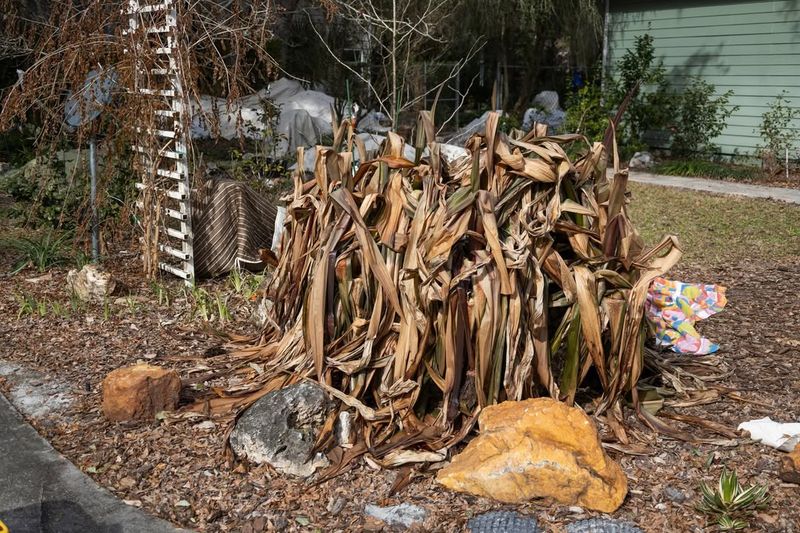
Water is life for plants, and that logic makes it tempting to soak your freeze-stressed garden the moment temperatures rise back into comfortable territory. But a plant that just survived a Florida cold snap is not in the same condition it was before the freeze, and watering habits that worked fine in October can cause real problems in January or February.
Cold temperatures slow down almost every biological process inside a plant, including the rate at which roots take up water. After a freeze, root tissue can be partially damaged and far less efficient at moving moisture through the plant.
If you water heavily while roots are in that weakened state, the water simply sits in the soil rather than being absorbed. Saturated, cold soil becomes a perfect environment for root rot and fungal problems.
Florida soils, which are often sandy and drain quickly under normal conditions, can behave differently when they are cold and compacted after a freeze event. The typical drainage patterns you rely on may not apply until the soil warms back up.
Checking soil moisture by pressing a finger a couple of inches into the ground is a much more reliable guide than sticking to a regular watering schedule.
University of Florida IFAS Extension guidance on winter plant protection suggests allowing the soil to thaw and partially dry before resuming regular irrigation. For most Florida gardeners, this means skipping a watering cycle or two after the freeze passes rather than immediately returning to a normal schedule.
Container plants are especially sensitive because their entire root zone is confined and can become waterlogged very quickly.
One practical tip is to check your plants in the morning when the soil is coolest. If the top two inches of soil still feel moist, hold off watering for another day.
As temperatures stabilize and new growth continues to emerge steadily, you can gradually return to your regular watering routine. The goal right after a freeze is to support recovery without creating new stressors.
Overwatering is one of those mistakes that does not show obvious symptoms right away, which makes it easy to overlook. By the time root rot becomes visible, the damage is already significant.
A little restraint with the hose in the days following a Florida freeze can protect your plants from a problem that is much harder to fix than the original cold damage.
4. Don’t Remove Protective Mulch Just Yet
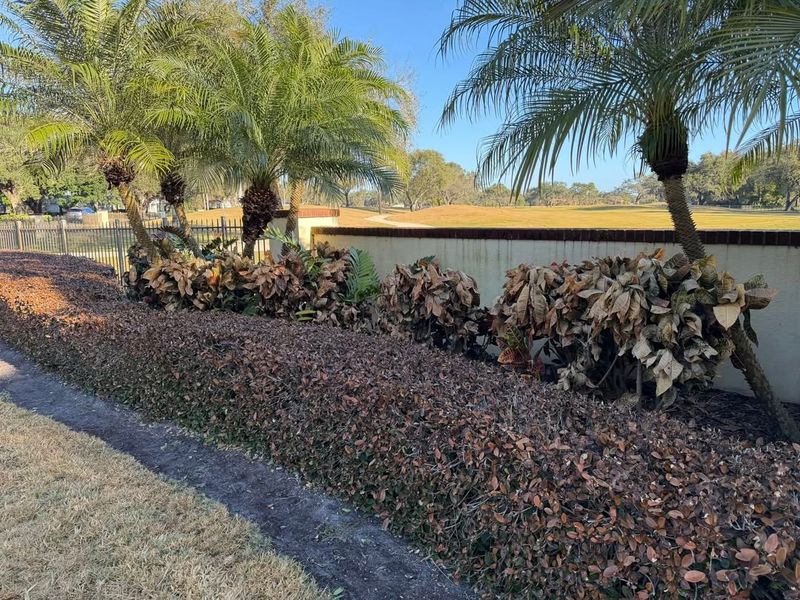
After a Florida freeze passes and temperatures climb back up, tidying the garden feels satisfying. Raking away mulch, clearing debris, and making everything look neat again seems like productive recovery work.
But pulling back the mulch around your plants too soon after a cold event can actually slow down their recovery in ways that are not immediately obvious.
Mulch does a lot more than just make garden beds look tidy. It acts as an insulating blanket over the soil, helping to keep root zone temperatures more stable.
During and after a Florida freeze, that insulation is critically important. The roots of many plants, especially tropical and subtropical species common in Florida landscapes, are more cold-sensitive than the above-ground portions of the plant.
A thick layer of mulch can mean the difference between roots that survive and roots that suffer serious cold injury.
Even after the air temperature warms back up, the soil beneath takes longer to stabilize. Removing mulch during that transition period exposes roots to temperature swings that can stress plants that are already working hard to recover.
Florida winters are famously unpredictable, and a warm week can easily be followed by another cold front. Leaving the mulch in place keeps your options open and your plants better protected.
University of Florida IFAS Extension recommends maintaining a mulch layer of two to three inches around landscape plants throughout the winter months, not just during a freeze event. That consistent coverage supports root health over the entire cool season rather than just during the coldest nights.
Pine bark, shredded leaves, and wood chips are all good options that break down slowly and improve soil structure over time.
Another benefit of keeping mulch in place during recovery is moisture retention. As recovering plants begin to push new growth, they will eventually need consistent moisture in the root zone.
Mulch slows evaporation and helps maintain more even soil moisture levels between watering cycles, which is especially helpful in the drier parts of Florida winter.
When spring arrives and your plants are clearly in active, healthy growth mode, you can refresh the mulch layer or adjust its depth. Until then, think of that mulch as part of your plant’s recovery team and leave it right where it is doing its job.
5. Resist The Urge To Replace Plants Too Quickly
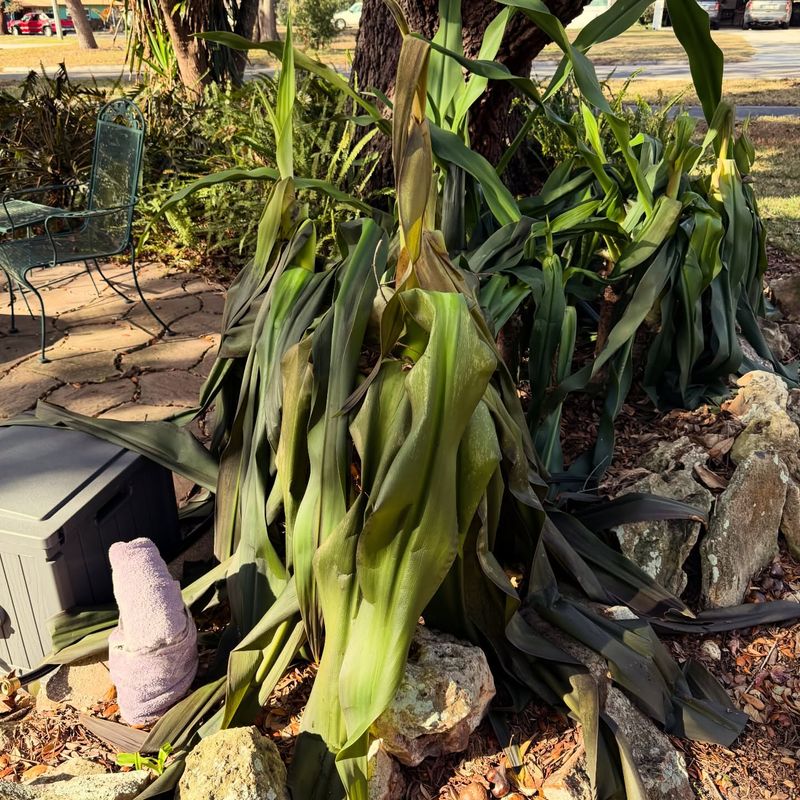
Standing in front of a plant that looks completely brown and lifeless after a Florida freeze is discouraging. When every leaf has turned to mush and the stems feel dry and brittle, it is easy to assume the plant is beyond saving and start planning a trip to the garden center.
But Florida gardeners who give up too quickly are often surprised to find out what was still alive underground.
Many of the tropical and subtropical plants that Florida gardeners love most are far more resilient than they look after a cold event. Plants like ginger, bird of paradise, firebush, and even some varieties of bougainvillea can appear completely finished above ground while their root systems remain perfectly intact.
When the soil warms and conditions improve, those roots send up new shoots that eventually grow into full, healthy plants again.
The timeline for that recovery is not always fast, and that is where impatience gets gardeners into trouble. Some Florida plants take four to eight weeks after a freeze before visible recovery growth emerges.
Tropicals that store energy in underground rhizomes or tubers may not show any signs of life until the soil temperature consistently reaches the right level, which in some parts of Florida does not happen until March or April.
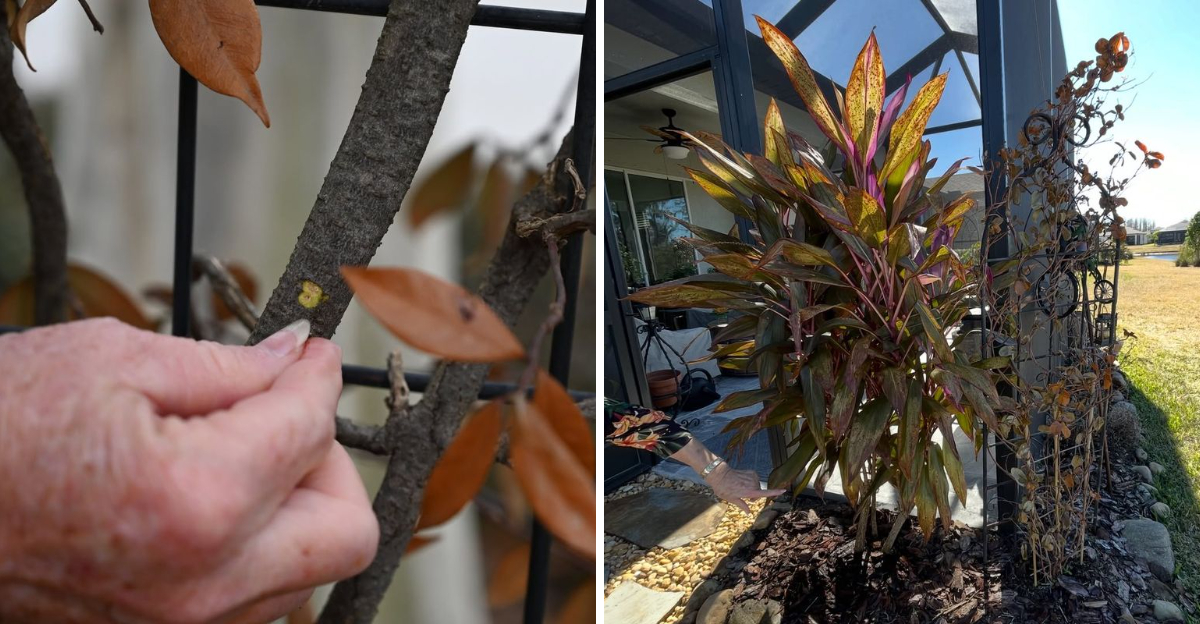
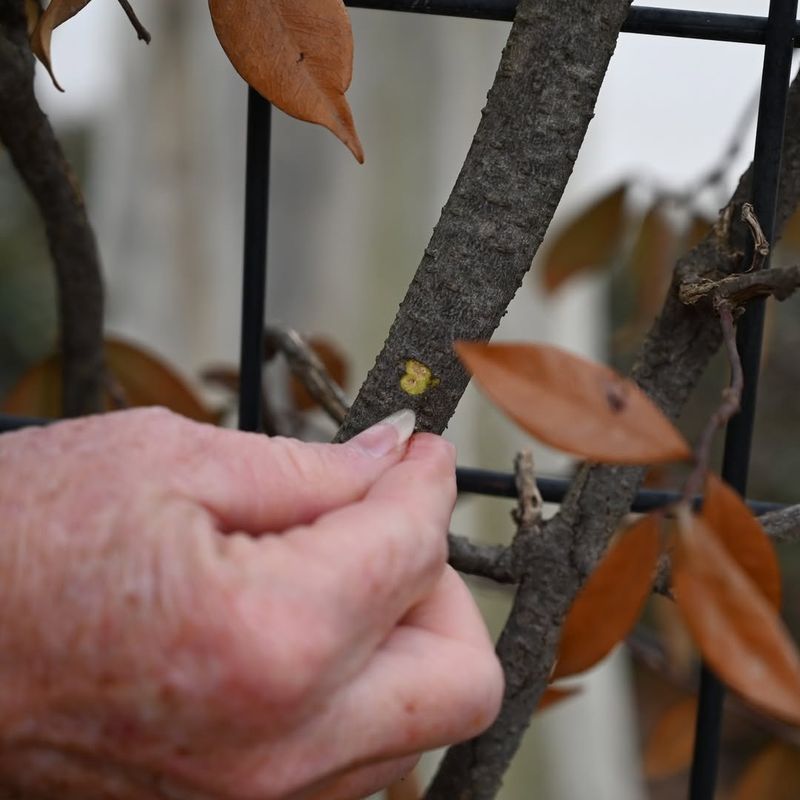
Before you pull a plant out of the ground, do a simple scratch test on the stems. Use your fingernail or a small knife to lightly scratch the bark or outer layer of a stem near the base of the plant.
If the tissue underneath is green or white and moist, the stem is still alive. If it is brown and dry all the way through at every level, you can consider removing that particular branch.
But always check low on the plant and at the base before making a final decision.
University of Florida IFAS Extension and county extension offices across the state consistently remind Florida gardeners to wait until late spring before replacing plants they believe were lost to cold damage. A plant that shows even a small amount of new growth near its base or crown deserves a full season to demonstrate what it can do.
Replacing plants costs money, time, and effort. Giving a recovering plant a few more weeks of patience costs nothing and very often pays off with a comeback that makes the whole wait worthwhile.