Florida Homeowners Are Replacing These Popular Trees For A Reason
Some trees are all charm in the nursery and all trouble a few years later. Florida homeowners find that out the hard way when roots start creeping toward the driveway, limbs start snapping in storm season, or nonstop litter turns a dream tree into a full-time cleanup job.
Then there are the trees that bring an even bigger problem by spreading beyond the yard and causing trouble for Florida’s natural areas. That is why more homeowners are starting to look at certain once-popular trees very differently.
A beautiful canopy or fast tropical look can feel exciting at first, but long-term headaches have a way of changing minds fast.
Before you plant one more tree or decide to keep the ones already in your yard, it is worth knowing which Florida favorites are losing their appeal and why so many homeowners are ready to move on.
1. Royal Poinciana Drops Beauty And Brings Big Headaches
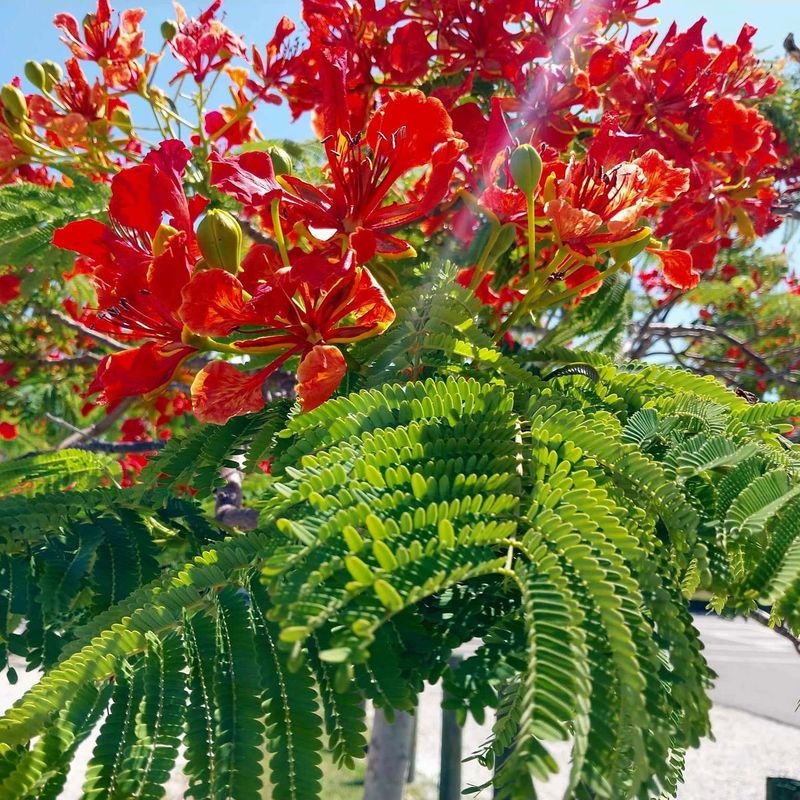
Few trees in Florida stop traffic quite like a Royal Poinciana in full bloom. Those blazing orange-red flowers are genuinely spectacular, and it is easy to understand why so many homeowners plant one without thinking twice.
The problem is that what you see at the nursery and what you get five to ten years later are two very different things.
Royal Poincianas can spread 40 to 60 feet wide and grow just as tall, making them far too large for most residential lots. The canopy creates heavy shade that prevents grass and other plants from thriving underneath.
Surface roots are one of the biggest complaints from homeowners, as they push up through sidewalks, driveways, and patios, creating costly repair bills and tripping hazards.
Storm damage is another serious concern. Florida’s hurricane season puts large-canopied trees at significant risk, and Royal Poincianas with their wide spread can lose major limbs or topple entirely during strong storms.
The cleanup after a storm is no small task either.
Even during calm weather, the mess is constant. Fallen flowers coat the yard in a slippery layer of orange petals.
After blooming season, long seed pods drop by the hundreds and require regular removal. Leaves also shed heavily, adding to the ongoing maintenance load.
Homeowners who planted Royal Poincianas hoping for a low-maintenance showpiece often find themselves spending significant time and money managing a tree that never stops demanding attention.
Replacing it with a smaller, better-suited native tree is a decision many are making with zero regrets.
2. Jacaranda Looks Dreamy But Gets Messy Fast
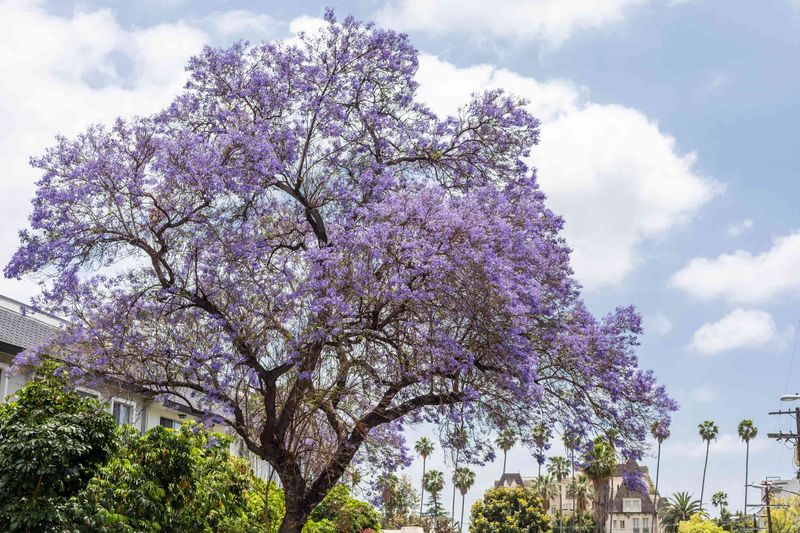
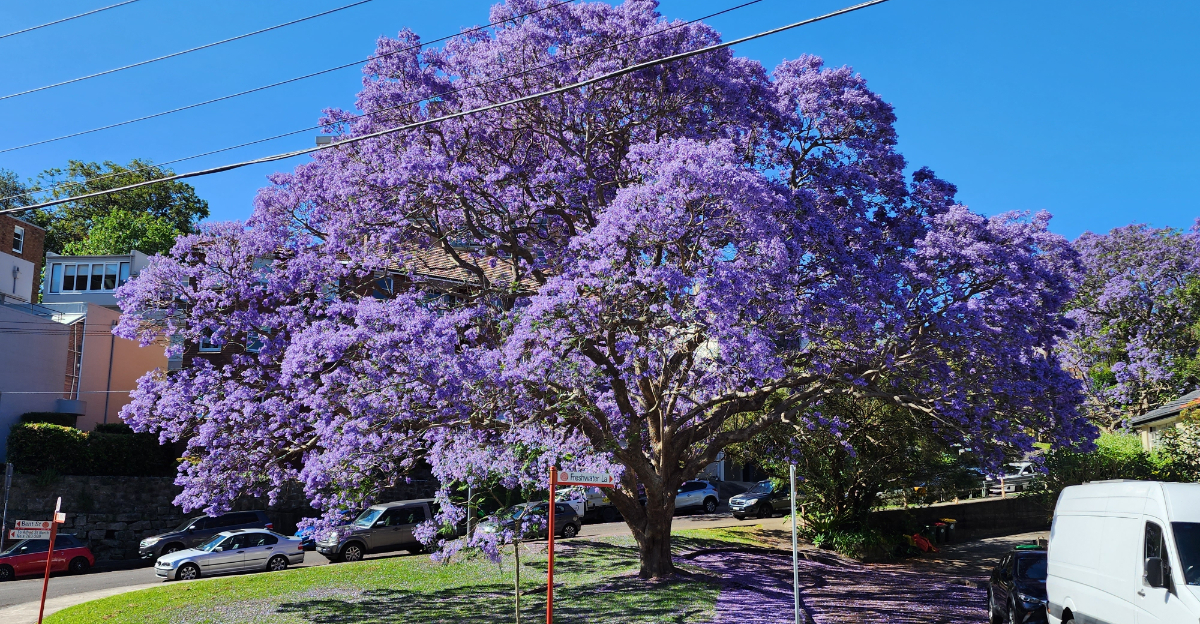
There is a certain magic to a Jacaranda tree in full bloom. The purple flower clusters are genuinely breathtaking, and for a few weeks each year, the tree looks like something out of a travel magazine.
That visual appeal is exactly why so many Florida homeowners plant them without fully researching what comes next.
The flower drop is where the fantasy meets reality. Jacaranda blooms fall in enormous quantities, coating driveways, patios, sidewalks, and lawns with a thick, sticky layer of purple petals.
Your Florida Garden Changes Every Week. Your Plan Should Too.
Gardening in Florida changes quickly throughout the season. Every Friday you’ll receive a simple weekly plan showing exactly what to plant, prune, fertilize, harvest, and protect so you never miss the right timing.
When those petals get wet, they become slippery and can create a genuine safety hazard. Cleaning them up is not a one-time job.
It is a weekly commitment for months.
Beyond the flowers, Jacarandas are heavy leaf droppers as well. They are technically semi-deciduous, meaning they shed leaves in late winter and early spring right before blooming.
Florida homeowners end up dealing with leaf litter and flower litter in back-to-back waves with little break in between.
Structural concerns add another layer of frustration. Jacarandas can reach 25 to 40 feet tall with wide canopies, and their root systems can interfere with underground pipes, pavement, and nearby structures over time.
Pruning is also necessary to keep the shape manageable, adding regular maintenance costs.
For homeowners who want color in their yard without the constant cleanup, native flowering trees like Redbud or Fringetree offer beautiful alternatives with far less mess and better compatibility with Florida’s ecosystem.
3. Weeping Fig Outgrows The Average Florida Yard
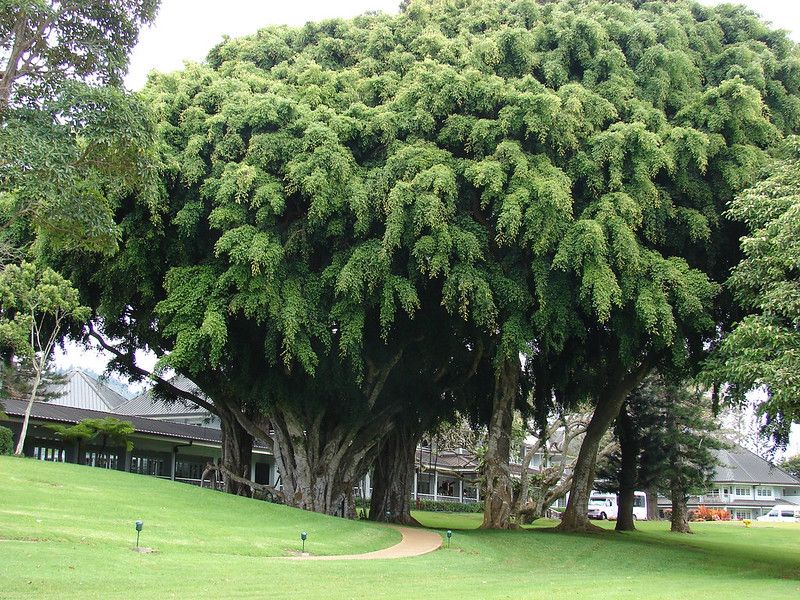
Weeping fig, known botanically as Ficus benjamina, has a long history as a popular landscape tree in Florida. Its dense, glossy canopy looks polished and full, and younger trees give off an almost tropical elegance.
Many homeowners have planted one thinking it would serve as a tidy shade tree or privacy screen for years to come.
The root system is where things unravel. Weeping fig produces some of the most aggressive surface roots of any tree commonly planted in Florida residential yards.
Those roots spread far and wide in search of water and nutrients, and they do not stop for concrete, asphalt, or plumbing.
Cracked driveways, lifted sidewalks, and damaged underground pipes are all well-documented consequences of planting this tree too close to structures.
Size is another issue that catches homeowners off guard. Weeping figs can grow 50 to 60 feet tall and spread nearly as wide in Florida’s warm climate.
What starts as a manageable young tree can become a canopy giant that overwhelms a typical suburban lot within a decade.
Maintenance needs are constant. The tree drops leaves heavily when stressed by cold, drought, or changes in care, and it requires regular pruning to prevent the canopy from becoming dangerously top-heavy.
Pest issues, particularly thrips infestations, can also cause sudden and dramatic leaf drop.
Florida-Friendly alternatives like East Palatka Holly or native Dahoon Holly offer dense, attractive canopies without the destructive root behavior that makes weeping fig such a long-term liability for homeowners.
4. Queen Palm Comes With More Upkeep Than Many Expect
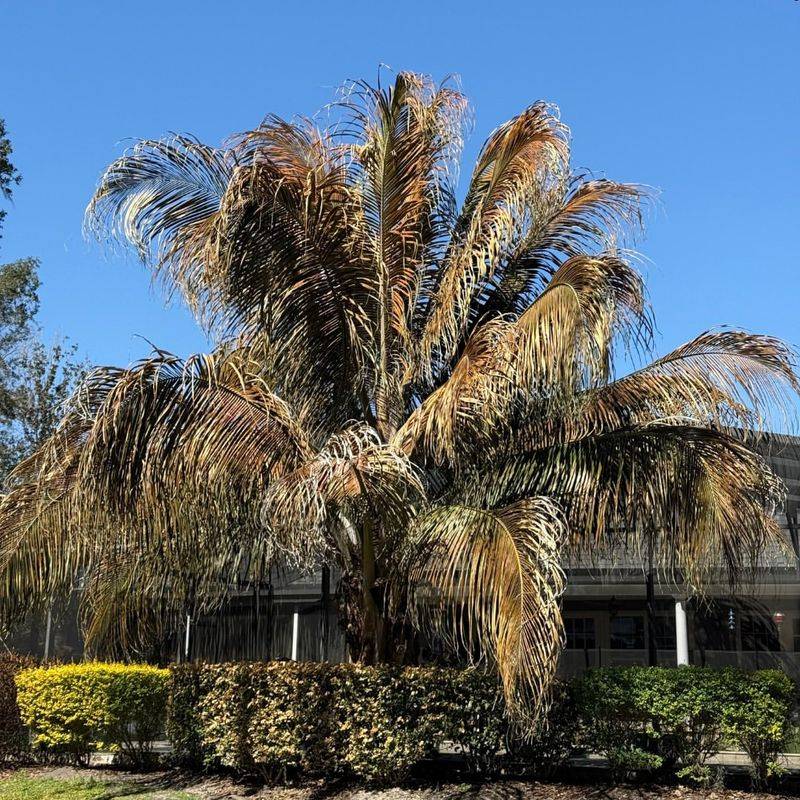
Queen palms are everywhere in Florida, and it is not hard to see why. They are tall, graceful, and give any yard an instant tropical feel.
Developers plant them by the dozens in new subdivisions, and homeowners pick them up at garden centers without much hesitation. The price tag is reasonable, the look is undeniable, and the initial planting is simple enough.
Then the reality of long-term care sets in. Queen palms are notoriously prone to nutrient deficiencies in Florida’s sandy soils.
Without regular applications of a specially formulated palm fertilizer, the fronds turn yellow, then brown, giving the tree a sickly appearance that no amount of wishful thinking will fix.
According to the University of Florida IFAS, queen palms require consistent fertilization with an 8-2-12-4 slow-release formula to stay healthy in Florida conditions.
Cleanup is another ongoing burden. Queen palms produce large clusters of orange fruits that drop throughout the year, staining driveways and patios and attracting pests.
The fronds also shed regularly and can be heavy and difficult to remove safely without professional equipment.
Cold sensitivity adds yet another complication. Queen palms are not frost-tolerant and can sustain serious damage during the occasional cold snaps that hit Central and North Florida.
A single hard freeze can set back or severely damage a mature tree that took years to establish.
Native palms like Sabal Palm, Florida’s state tree, offer far better cold tolerance, lower maintenance needs, and stronger storm resistance with none of the nutrient drama.
5. Carrotwood Is A Risk Florida Homeowners Should Not Ignore
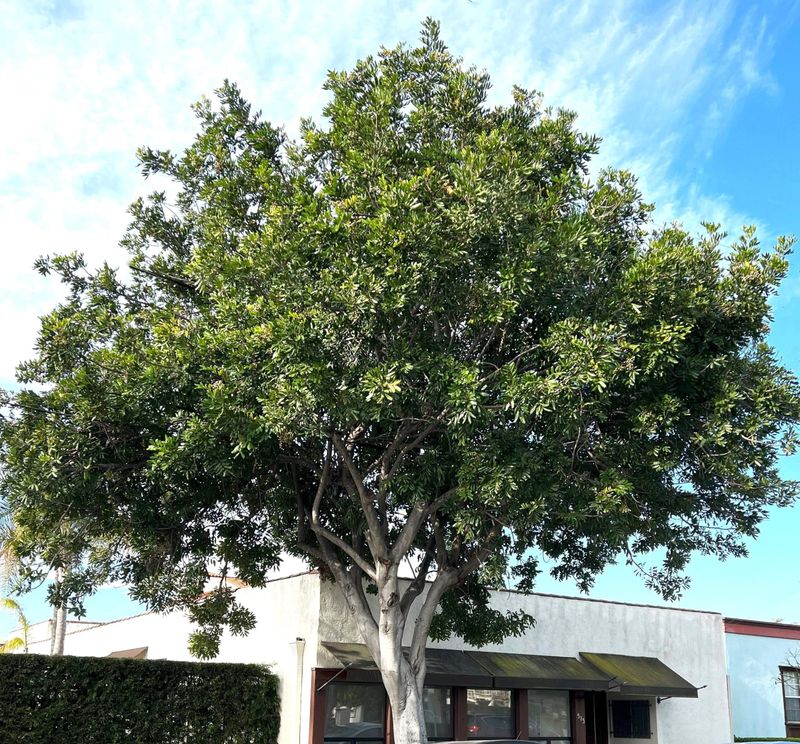
Carrotwood might not be the most talked-about problem tree in Florida, but that low profile is part of what makes it worth paying attention to. The tree has an attractive rounded canopy and produces glossy green leaves that look clean and well-behaved in a residential setting.
It does not announce itself as a troublemaker, which is exactly why so many homeowners still have one growing in their yard without realizing the bigger picture.
Florida’s Fish and Wildlife Conservation Commission and other environmental authorities have raised concerns about carrotwood’s behavior in natural areas.
The tree produces fruit that birds readily eat and spread, allowing it to establish itself in hammocks, scrub habitats, and coastal areas where it competes with native vegetation.
Once it gets a foothold in a natural area, it is very difficult to manage.
For homeowners near conservation land, nature preserves, or natural areas, having a carrotwood in the yard means contributing seeds to a spread that reaches well beyond the property line. That is a responsibility many Florida homeowners are taking seriously as awareness grows.
Even in purely residential settings, carrotwood is not exactly low-maintenance. It produces significant fruit and seed litter, requires pruning to stay manageable, and its roots can become invasive around hardscape over time.
Replacing carrotwood with a native alternative like Dahoon Holly or Wax Myrtle gives homeowners an attractive yard tree that supports local wildlife rather than threatening it.
Making that switch is a straightforward way to be a better neighbor to Florida’s natural environment.
6. Melaleuca Has No Business Staying In Florida Yards
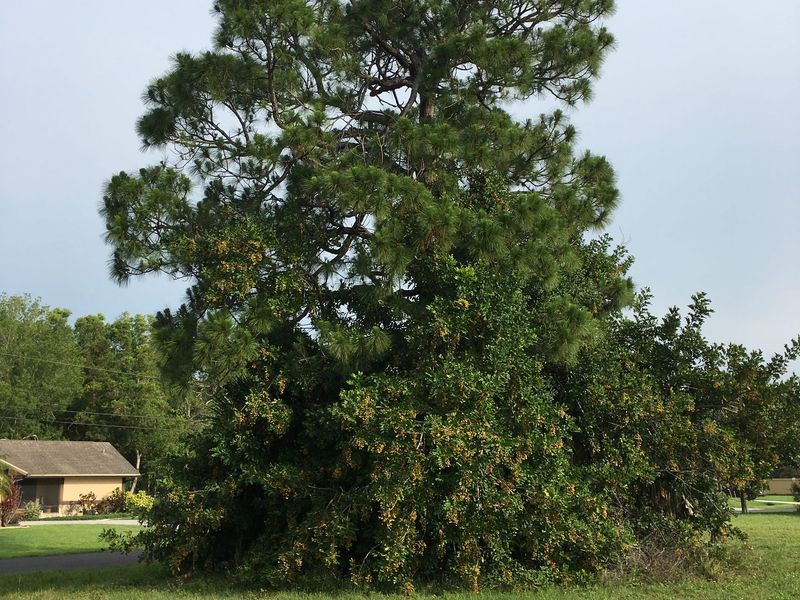
Some trees are inconvenient. Melaleuca is something else entirely.
This paperbark tree was introduced to Florida in the early 1900s with the misguided intention of draining wetlands, and it has been causing serious ecological damage ever since.
Today, the Florida Department of Environmental Protection lists melaleuca as a prohibited invasive plant, making it illegal to plant, sell, or transport in the state.
Melaleuca is extraordinarily aggressive. A single mature tree can produce millions of tiny seeds per year, and those seeds spread easily by wind and water.
The tree thrives in Florida’s wetlands and has invaded hundreds of thousands of acres in South Florida, particularly in and around the Everglades. It crowds out native plants, alters water levels, and creates dense thickets that native wildlife cannot use effectively.
For homeowners who still have a melaleuca on their property, the concern is not just about yard aesthetics. Every tree left standing near natural areas is a seed source that feeds ongoing invasion.
Florida homeowners near wetlands, canals, or natural preserves carry particular responsibility for removing these trees promptly.
Removal can be challenging because melaleuca stumps resprout aggressively if not treated properly after cutting. Professional removal with appropriate stump treatment is strongly recommended to prevent regrowth.
Replacing melaleuca with a native tree like Sweetbay Magnolia or Pond Cypress gives homeowners a beautiful, ecologically sound option that actually supports Florida’s natural systems rather than dismantling them.
Choosing to remove melaleuca is one of the most impactful decisions a Florida homeowner can make for the local environment.
7. Brazilian Pepper Tree Quickly Becomes A Bigger Problem Than It Looks
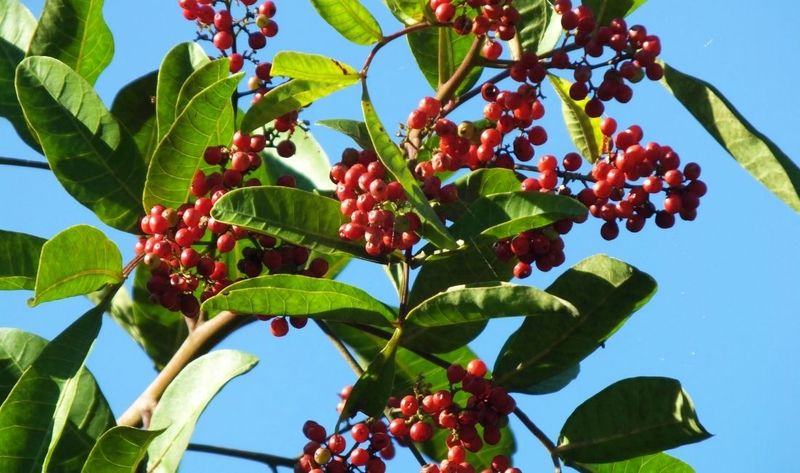
At first glance, Brazilian pepper tree looks manageable. It has dense, attractive foliage and produces cheerful clusters of bright red berries around the holiday season.
Some homeowners have even kept it around thinking it adds a little color and privacy to the yard. That initial impression, unfortunately, does not hold up for long.
Brazilian pepper tree is classified as a Category I invasive species by the Florida Exotic Pest Plant Council, the highest level of concern.
Birds eat the berries enthusiastically and spread the seeds across wide areas, allowing the tree to establish itself in natural areas, roadsides, and neighboring properties with very little effort.
Once it spreads into a natural habitat, it forms dense thickets that crowd out native plants and reduce habitat quality for native wildlife.
Local governments in Florida have the authority to issue removal orders for Brazilian pepper trees on private property, and ignoring those orders can result in fines.
Homeowners who are unaware of the tree’s status sometimes find themselves dealing with code enforcement situations that could have been avoided entirely with earlier action.
The plant itself is also a health concern for some people. Brazilian pepper is related to poison ivy and can cause skin irritation, eye irritation, and respiratory reactions in sensitive individuals, particularly when the plant is cut or handled.
Managing Brazilian pepper is not as simple as cutting it down. The plant resprouts vigorously from cut stumps and must be treated properly to prevent regrowth.
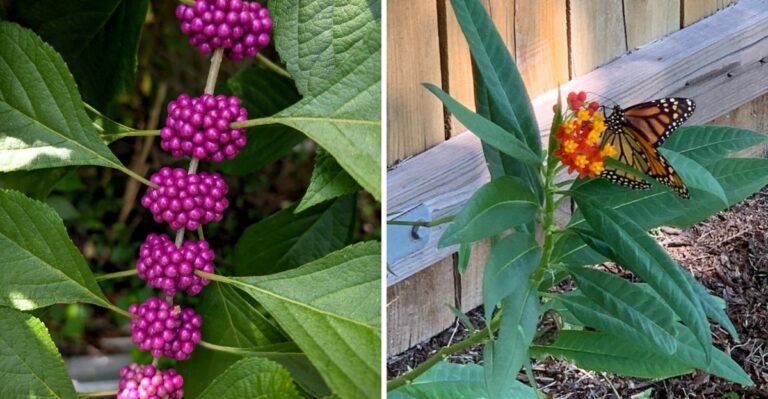
Replacing it with a native shrub or small tree like Beautyberry or Firebush gives homeowners color and wildlife value without the invasive baggage.