The One Spring Lawn Mistake That Creates Weeds All Summer In Florida
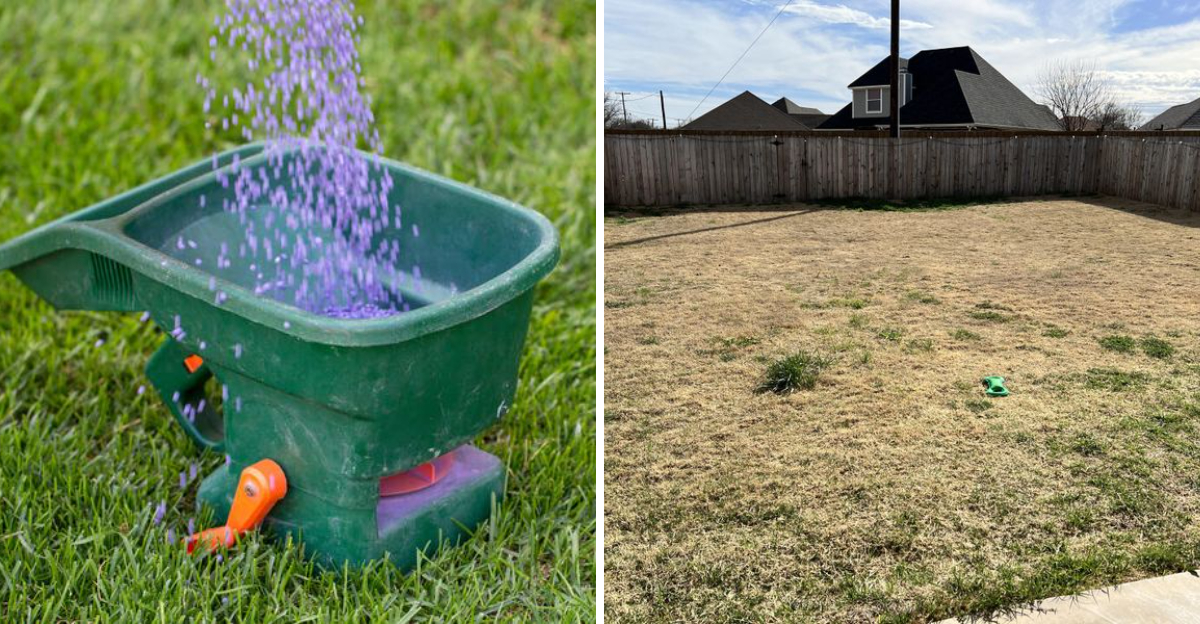
Spring in Florida feels like a fresh start, but one tiny lawn mistake can turn weeks of hard work into a summer-long battle with weeds.
You might be fertilizing, watering, or mowing the usual way, thinking your grass is thriving, but a single misstep creates the perfect environment for unwanted plants to take over.
Suddenly, what should be a lush, green lawn becomes a patchwork of weeds that spread faster than you can pull them.
The worst part? Most gardeners don’t even realize the damage until it’s too late.
The solution? Stop weeds before they start.
Stick to proven techniques and make your Florida lawn the greenest on the block.
1. Fertilize Only When Grass Is Actively Growing
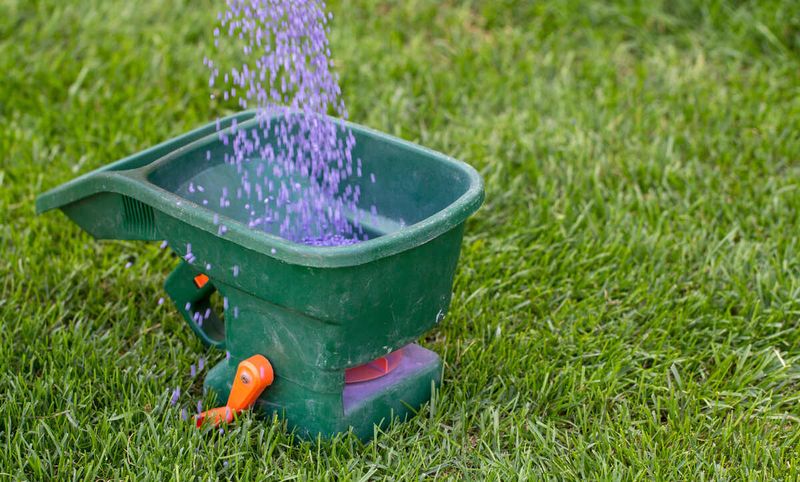
Grabbing that bag of fertilizer on the first warm day of February might feel productive, but in Florida, that decision can backfire badly. Warm-season grasses like St. Augustine, Bahia, and Zoysia need to be actively growing before they can absorb and use nitrogen effectively.
When fertilizer is applied too early, the grass simply cannot take it up fast enough.
Weeds, however, are a different story. Cool-season weeds and early-germinating summer weeds like crabgrass are already awake and hungry in late winter.
They grab that nitrogen and run with it, establishing thick root systems before your turf even gets started. According to the University of Florida IFAS Extension, nitrogen applications should only begin once your lawn shows consistent green-up and steady growth.
In most parts of Florida, that sweet spot falls between late March and mid-April, depending on your region. North Florida homeowners may need to wait even longer.
Patience here pays off enormously. A lawn that gets fertilized at the right time grows thick and dense, shading out weed seeds naturally.
Skipping that early-spring urge to fertilize is one of the smartest moves a Florida homeowner can make.
2. Check Soil Temperatures Before Adding Nutrients
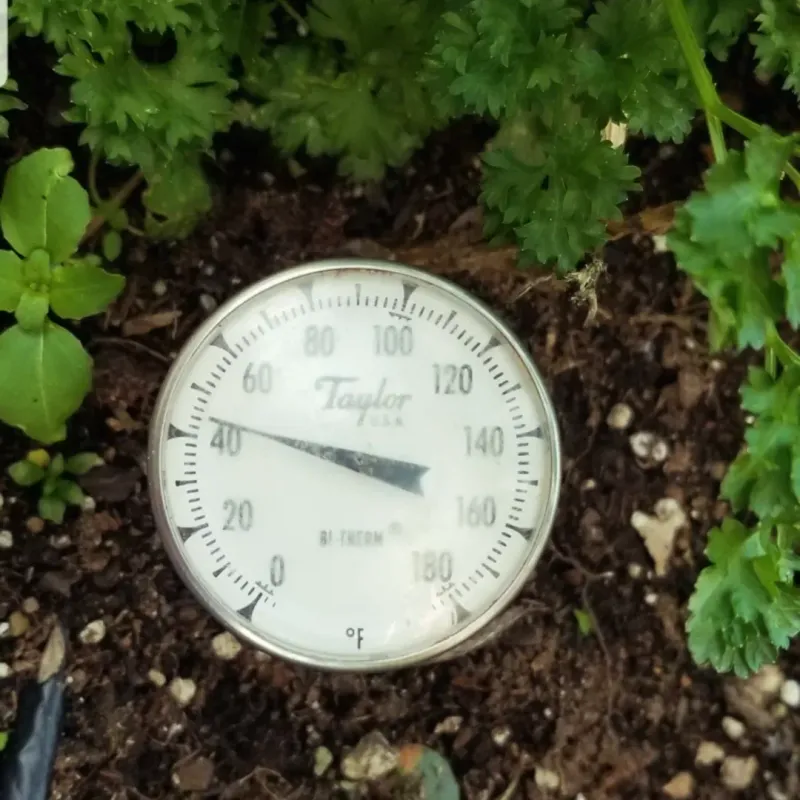
Before you open a single bag of fertilizer, there is one simple tool that can save your Florida lawn from a summer full of weeds: a soil thermometer. Soil temperature is the real signal that tells you whether your warm-season grass is ready to respond to nutrients.
Air temperature can be misleading, especially in Florida where a warm February afternoon can trick you into thinking spring has fully arrived.
Warm-season grasses need soil temperatures consistently at or above 65 degrees Fahrenheit to actively grow and absorb nutrients. Below that threshold, your grass is still in a semi-dormant or slow-growth phase.
Fertilizing during this window does not help the turf at all. Instead, those nutrients sit in the soil and become available to whatever plant wants them first, and weeds almost always win that race.
The University of Florida IFAS Extension recommends monitoring soil temps before any spring fertilizer application. You can find affordable soil thermometers at most garden centers or online.
Check the temperature at a depth of about two to four inches for the most accurate reading. Once you hit that 65-degree mark consistently for several days in a row, your lawn is ready for its first feeding of the season.
Your Florida Garden Changes Every Week. Your Plan Should Too.
Gardening in Florida changes quickly throughout the season. Every Friday you’ll receive a simple weekly plan showing exactly what to plant, prune, fertilize, harvest, and protect so you never miss the right timing.
3. Apply Fertilizer Sparingly To Avoid Weed Overgrowth
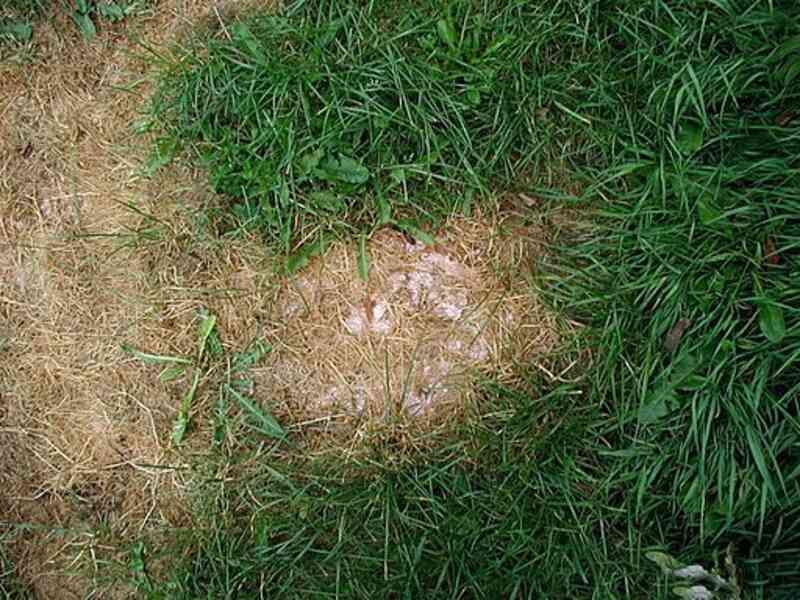
More fertilizer does not mean a better lawn. In Florida, over-fertilizing is one of the fastest ways to hand your yard over to weeds.
When excess nitrogen floods the soil, it does not just feed your grass. It creates a nutrient-rich environment where fast-growing opportunistic plants, including crabgrass, spurge, and dollarweed, thrive at incredible speed.
Florida-friendly lawn care guidelines, including those from IFAS Extension, recommend using slow-release nitrogen fertilizers and applying them at the correct rate for your specific grass type. St. Augustine grass, for example, typically needs no more than one pound of nitrogen per 1,000 square feet per application.
Going beyond that recommended rate does not make your lawn greener faster. It makes your weeds grow faster.
Applying fertilizer sparingly also reduces the risk of nutrient runoff into Florida’s waterways, which is both an environmental concern and a legal issue in many Florida counties. Reading the label carefully and measuring your lawn area before applying can prevent costly mistakes.
A light, properly timed application feeds your turf without giving weeds the extra boost they need to take over. Less truly is more when it comes to fertilizing Florida lawns in spring.
4. Use Pre-Emergent Herbicides At The Right Time
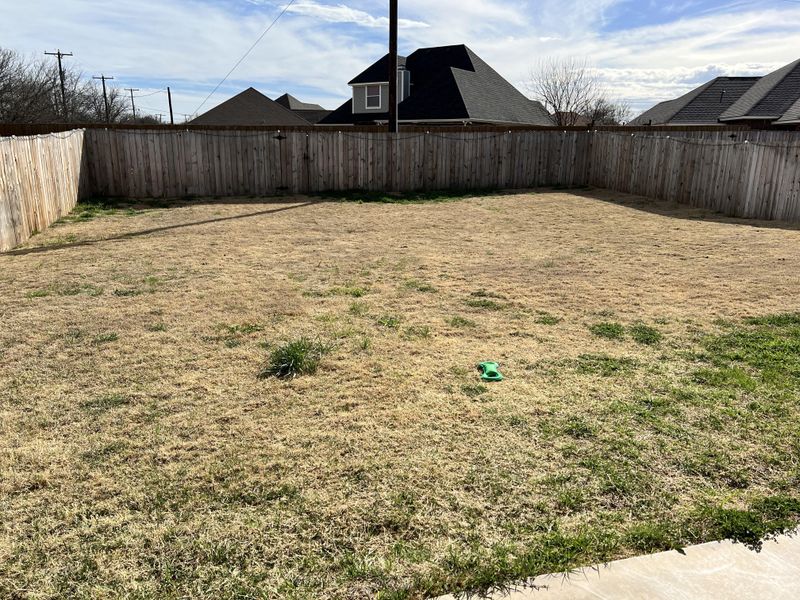
Timing a pre-emergent herbicide application is almost like setting a trap for weeds before they ever show up. Pre-emergent products work by creating a chemical barrier in the soil that prevents weed seeds from germinating and establishing roots.
But that barrier has to be in place before the seeds start to sprout, which means timing is absolutely everything.
In Florida, crabgrass and goosegrass are among the most aggressive summer weeds, and they begin germinating when soil temperatures reach around 55 to 60 degrees Fahrenheit. For most of Florida, that window opens somewhere between late January and early March, depending on your location.
Applying a pre-emergent too late means the seeds have already broken dormancy and your product will have little to no effect on them.
The University of Florida IFAS Extension recommends a pre-emergent application in late winter to early spring to get ahead of summer annual weeds. A second application about eight to ten weeks later can extend protection through the peak weed germination season.
Always water the product in lightly after application to activate it. Combining proper pre-emergent timing with a healthy, well-fed lawn gives you the strongest possible defense against a summer full of unwanted weeds.
5. Water Lawns Carefully After Fertilizing
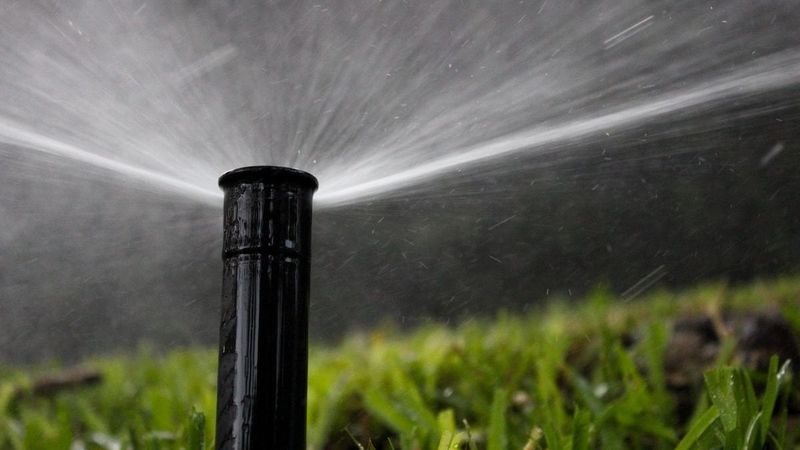
Watering after fertilizing sounds simple enough, but the way you do it in Florida can either help your lawn or help your weeds. After applying granular fertilizer, a light watering is needed to dissolve the granules and move nutrients down into the root zone where your grass can actually use them.
But flooding the lawn with too much water washes those nutrients deeper into the soil or off into runoff, which wastes your money and feeds nothing useful.
Overwatering in general is a widespread problem in Florida lawns, and it creates shallow root systems that make grass far less competitive against weeds. When roots stay near the surface because water is always available up top, the turf becomes weak and thin.
Thin turf means open soil, and open soil means weed seeds have a perfect place to land and grow.
IFAS Extension recommends watering deeply but infrequently, aiming for about three-quarters of an inch of water applied once or twice a week rather than light daily sprinkles. Watering in the early morning reduces evaporation and fungal risk.
Following these watering habits after fertilizing gives your grass the best chance to grow thick, crowd out weeds, and stay healthy through Florida’s long, hot summer season.
6. Mow At The Correct Height To Strengthen Grass
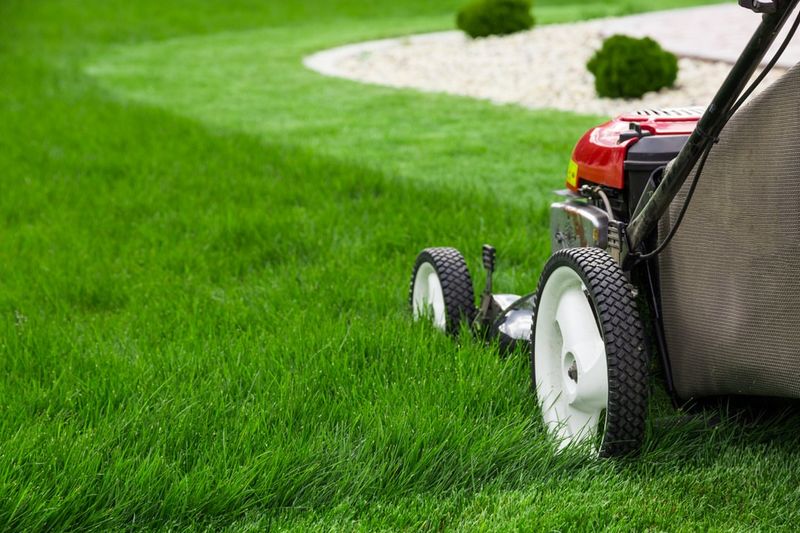
Scalping your lawn in early spring might seem like a fresh start, but cutting Florida grass too short is one of the quickest ways to invite weeds into your yard. When grass blades are mowed too low, the soil beneath gets exposed to direct sunlight.
That sunlight is exactly what dormant weed seeds need to break open and start growing. St. Augustine grass, for example, should be kept between three and a half to four inches tall to maintain a dense canopy that naturally shades the soil.
Proper mowing height also supports deeper root development, which makes the entire lawn more resilient against heat, drought, and weed competition. A taller lawn creates its own shade, keeping the soil cooler and drier at the surface, which is a hostile environment for germinating weed seeds.
Mowing too short repeatedly stresses the grass and forces it to spend energy recovering rather than growing thick and strong.
According to IFAS Extension guidelines, you should never remove more than one-third of the grass blade in a single mowing. Keeping your mower blades sharp is equally important, as dull blades tear the grass rather than cutting it cleanly, leaving the turf vulnerable to stress and disease.
Proper mowing is a straightforward, powerful tool for keeping Florida weeds in check all summer long.
7. Wait For Full Lawn Recovery After Winter Cold
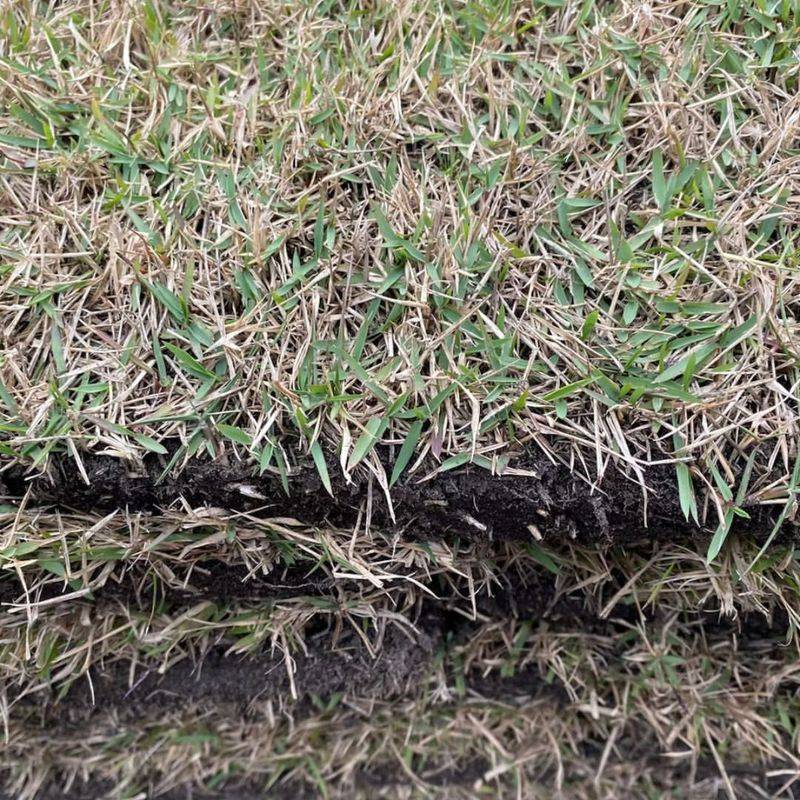
Florida winters can be surprisingly brutal on warm-season grasses, even if the temperatures do not drop to what northern states experience. A few nights in the upper 30s or a brief freeze can leave St. Augustine, Zoysia, or Centipede grass looking patchy, thin, and stressed well into late winter.
Fertilizing a lawn that is still recovering from cold stress is one of the most common and damaging mistakes Florida homeowners make each spring.
Stressed or freeze-damaged grass has a compromised root system and reduced ability to absorb nutrients. Applying nitrogen before the lawn has fully recovered does not speed up healing.
Instead, it pushes the already-weakened plant to try growing before it has the resources to do so, while simultaneously giving a major advantage to any weeds already present in the lawn.
The smart move is to wait until you see at least 70 to 80 percent of your lawn showing consistent green growth before applying any fertilizer. Visually walk the lawn and look for areas that are still brown or thin.
Those spots need time, not nutrients. Once the grass has genuinely bounced back, a properly timed fertilizer application will produce far better results and leave far less room for summer weeds to move in and take over.
8. Plan Lawn Care Based On Your Region, Not Your Neighbor
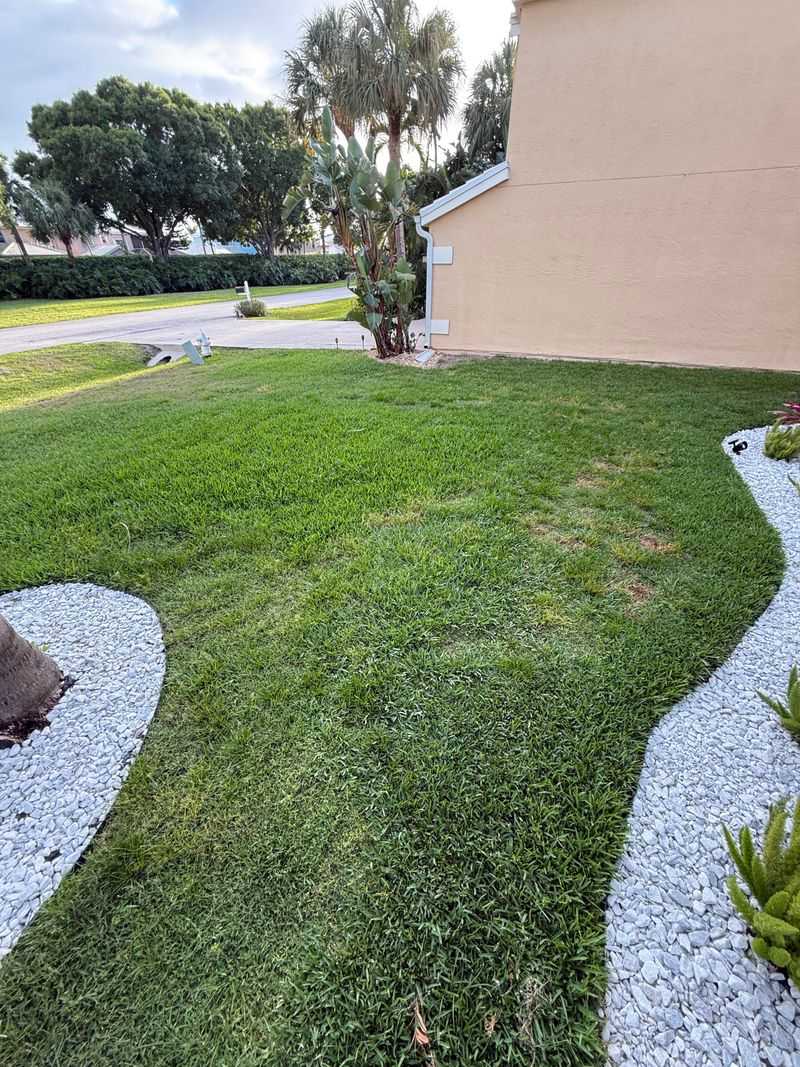
Florida is a long state, and lawn care timing that works perfectly in Miami can be a full two months off for someone living in Tallahassee. North Florida experiences cooler winters and a later spring green-up, while South Florida lawns may never go fully dormant at all.
Following your neighbor’s fertilizing schedule, especially if they live in a different climate zone, can lead directly to a summer weed problem that feels impossible to control.
Central Florida homeowners fall somewhere in between, often seeing active grass growth return in late March or early April. South Florida lawns, particularly in the Miami-Dade and Broward areas, may be ready for fertilizer as early as mid-February in some years.
North Florida homeowners, including those in the Gainesville and Tallahassee areas, are often better off waiting until April or even early May to begin feeding their lawns.
The University of Florida IFAS Extension offers region-specific lawn care calendars for North, Central, and South Florida that take all of these differences into account. Using those resources instead of guessing or copying a neighbor takes the uncertainty out of spring lawn care.
Matching your lawn care timing to your actual Florida region is one of the most effective ways to prevent weeds and grow a lawn you can genuinely be proud of.