North Carolina Gardeners Should Cut Back Panicle Hydrangeas Before Spring
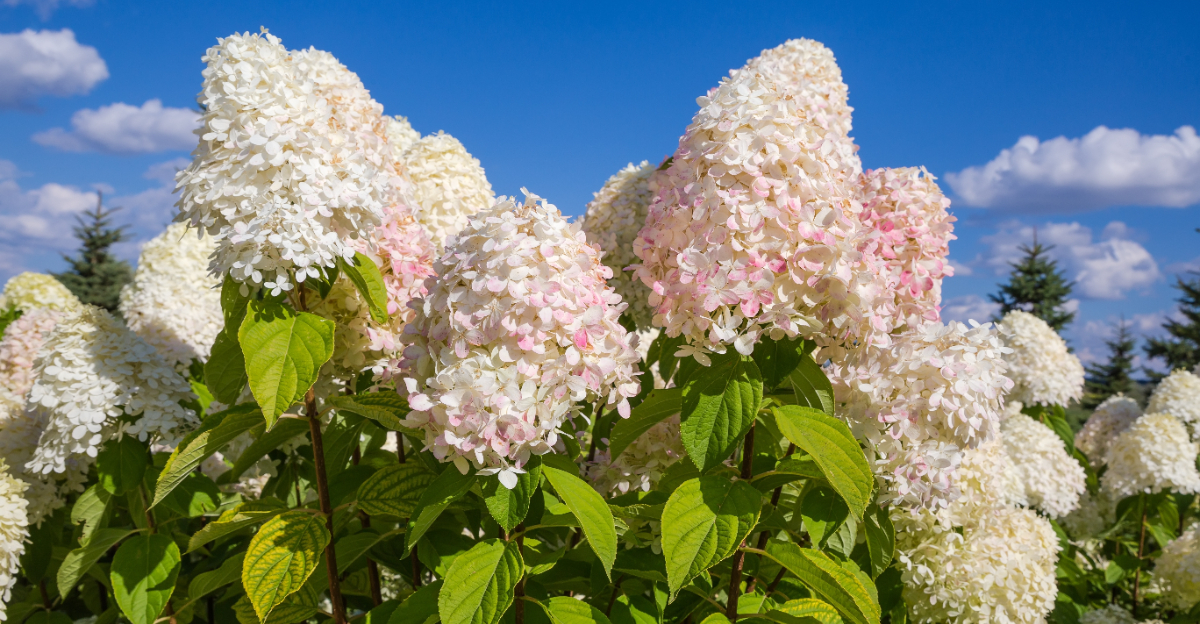
Late winter is a key moment for gardeners who grow panicle hydrangeas in North Carolina. While many plants are still resting, these popular shrubs are quietly preparing for a new season of growth.
A well timed trim during this period can shape the plant, encourage stronger stems, and set the stage for a much more impressive display of blooms later in the year.
Across the Coastal Plain, Piedmont, and Mountain regions, panicle hydrangeas perform especially well because they bloom on new growth each season.
That means pruning before spring begins does not remove flower buds. Instead, it often leads to fuller plants and larger flower clusters once warm weather arrives.
Understanding when and how to prune makes a noticeable difference in how these shrubs perform. With the right late winter care, North Carolina gardeners can enjoy healthier plants and a far more vibrant summer garden.
1. Panicle Hydrangeas Bloom On New Wood
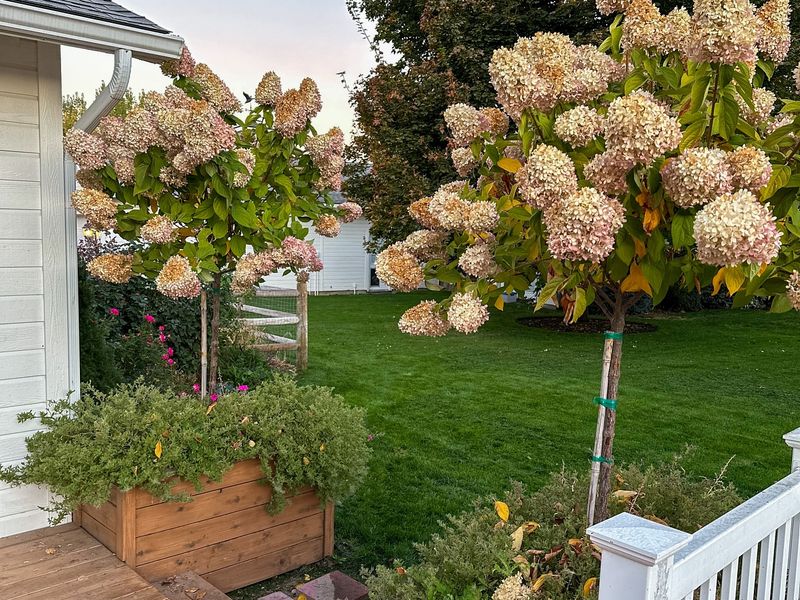
Here is something that makes panicle hydrangeas truly special among flowering shrubs. Unlike many other hydrangea types, Hydrangea paniculata produces all of its flower buds on brand-new growth that comes in during the current season.
That means the blooms you enjoy in summer are formed on stems that did not even exist back in winter.
For North Carolina gardeners, this is great news. Because the flowers grow on new wood, you can safely prune in late winter without any risk of cutting off next season’s blooms.
Other hydrangea types, like bigleaf varieties, bloom on old wood and must be pruned carefully after flowering. With panicle hydrangeas, the rules are more forgiving and the reward is much bigger.
Pruning before spring growth begins gives the plant a clean slate. Fresh, vigorous shoots push out from the trimmed stems, and those new shoots are exactly where the flower buds will form.
Gardeners across North Carolina can feel confident making cuts in February or early March, knowing that summer will bring a full, beautiful display of those iconic cone-shaped flower clusters.
Understanding this simple fact about how panicle hydrangeas grow is the foundation for everything else you do with these plants.
2. Late Winter Pruning Encourages Strong New Growth
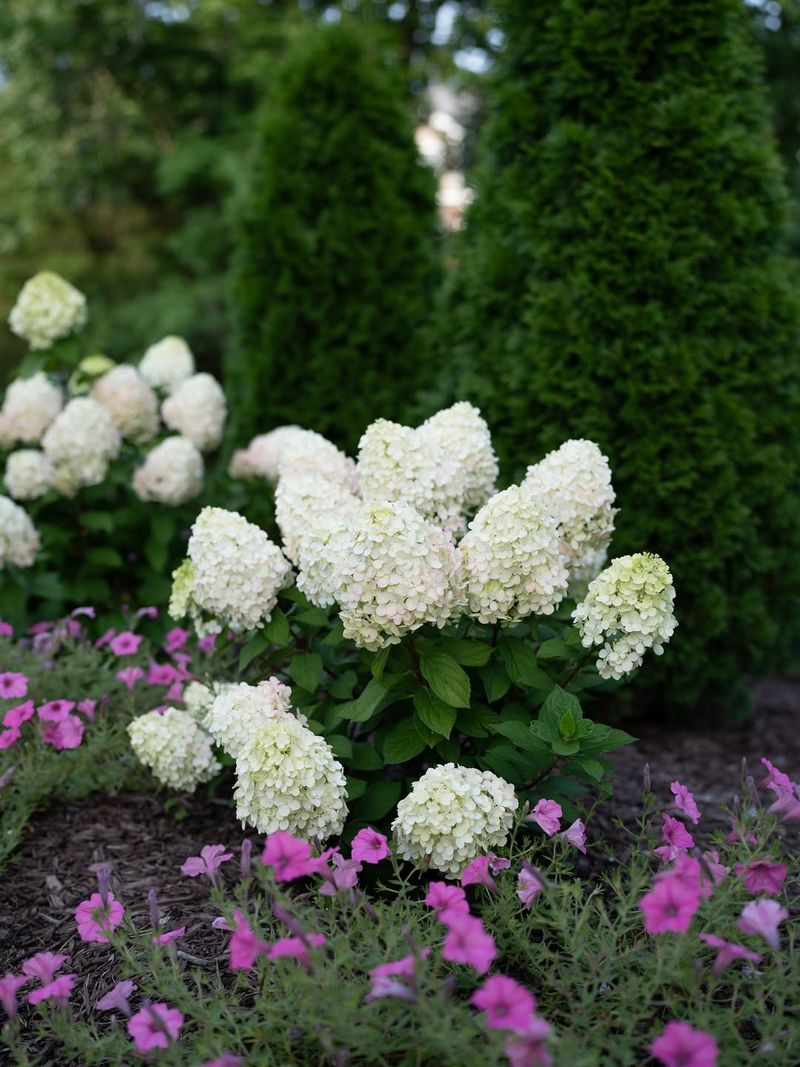
Timing really is everything when it comes to pruning panicle hydrangeas in North Carolina. The sweet spot for cutting back these shrubs falls between late February and early March, just before the plant wakes up from its winter rest.
Pruning during this window sends a strong signal to the roots to push energy upward into fresh, healthy new shoots.
When you cut the stems back at the right time, the plant responds by sending out multiple new branches from just below each cut.
Those new branches grow quickly and with real purpose, building the strong framework that will support large flower clusters later in the season.
Skipping this step often means the plant puts energy into old, weak wood instead of investing in vigorous new growth.
North Carolina’s climate, with its mild late winters and warm springs, actually makes this timing even more effective. The moderate temperatures help new growth emerge steadily without the stress of a sudden freeze.
Your North Carolina Garden Changes Every Week. Your Plan Should Too.
Gardening in North Carolina changes quickly throughout the season. Every Friday you’ll receive a simple weekly plan showing exactly what to plant, prune, fertilize, harvest, and protect so you never miss the right timing.
Gardeners who prune in late winter consistently report thicker, bushier plants with noticeably more blooms by midsummer. Cutting back may feel a little drastic at first, but the results speak for themselves season after season.
Strong new growth is the foundation of a beautiful, productive panicle hydrangea, and late winter pruning is the key that unlocks it.
3. Pruning Helps Create Larger Flower Clusters
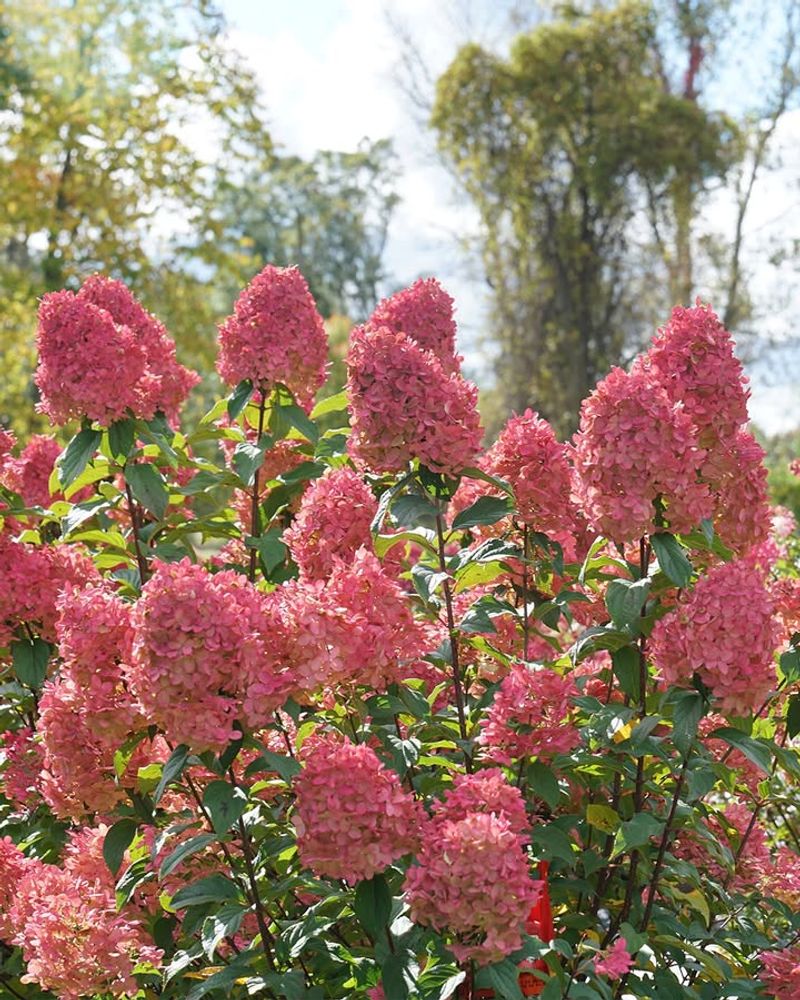
Bigger blooms are probably the most exciting reason to pick up the pruning shears before spring arrives. When you remove older, crowded stems from a panicle hydrangea, the plant shifts its focus.
Instead of spreading energy across many weak branches, it channels resources into fewer, stronger stems that can support truly impressive flower heads.
The science behind this is straightforward. Each stem that carries a flower cluster needs a steady supply of water and nutrients from the roots.
When there are too many competing stems, each one gets a smaller share of those resources, which leads to smaller blooms.
Removing older growth lets the remaining stems thrive, and the result is those gorgeous, large, cone-shaped clusters that make panicle hydrangeas so popular in North Carolina landscapes.
Varieties like Limelight and Pinky Winky are known for producing particularly large flower heads when pruned well.
Some gardeners in North Carolina are surprised by just how much bigger the blooms get after a good late-winter prune compared to plants left unpruned for a few seasons.
Even cutting back by about one-third of the plant’s overall height can make a visible difference in flower size. If showstopping summer color is your goal, consistent pruning before spring is one of the most reliable tools in your gardening toolkit.
4. Cutting Back Improves The Plant’s Shape
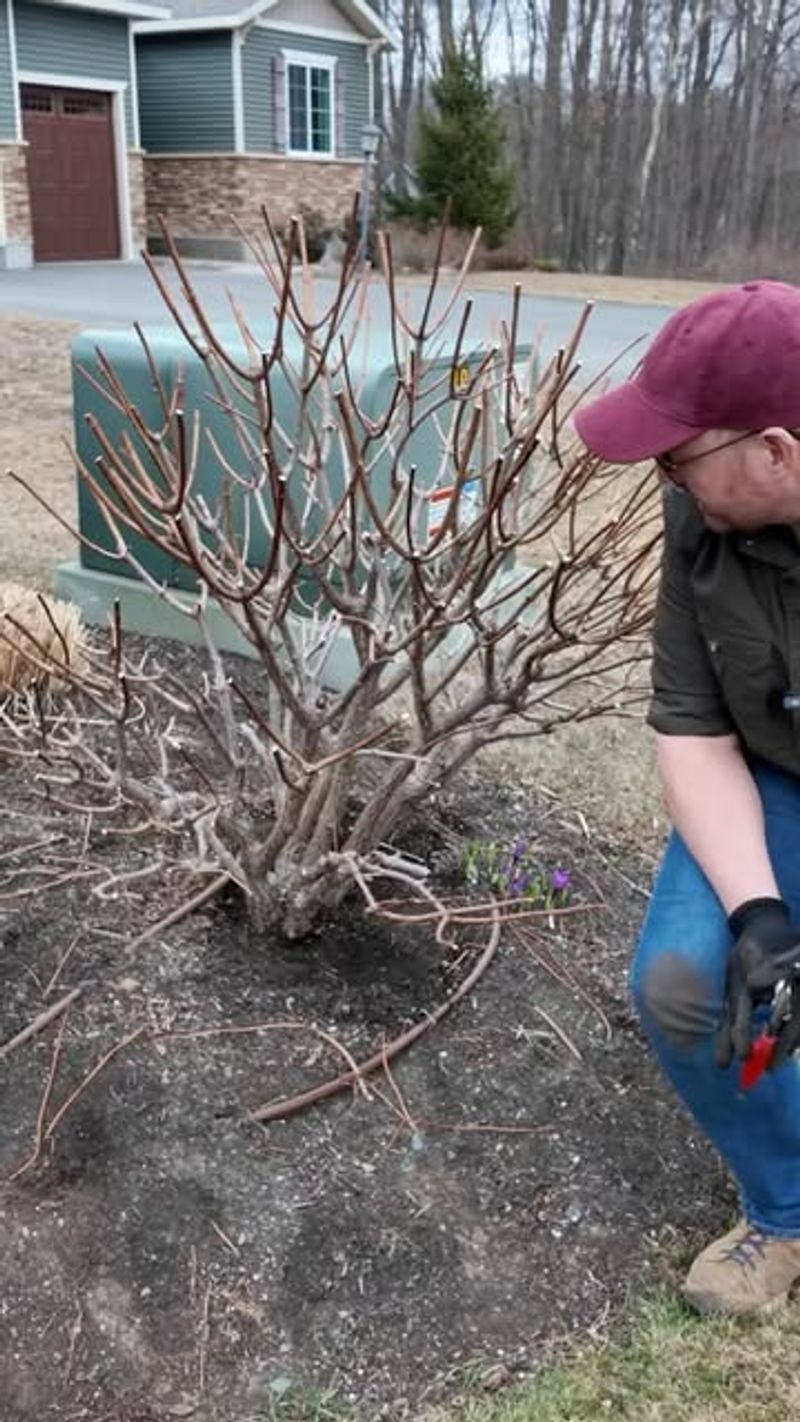
A panicle hydrangea that has not been pruned for a few years can start to look a little wild. Stems grow in different directions, the overall silhouette becomes uneven, and the plant loses that clean, attractive shape that makes it such a standout in the landscape.
Regular pruning before spring is one of the easiest ways to keep things looking polished. Popular varieties grown across North Carolina, including Limelight, Little Lime, and Pinky Winky, all respond beautifully to shaping cuts.
By removing stems that stick out awkwardly or grow too tall on one side, you encourage the plant to develop a more balanced, rounded form.
That symmetrical shape makes the shrub look intentional and well-maintained throughout the entire growing season, not just when it is in bloom.
Shaping cuts also help the plant fit better within your overall garden design. If your panicle hydrangea is growing near a fence, walkway, or other plants, pruning keeps it from crowding its neighbors or blocking sightlines.
North Carolina gardeners who take a few minutes each late winter to shape their shrubs are rewarded with plants that look great from the moment new leaves emerge in spring all the way through the final blooms of late summer.
A little attention to shape now pays off in a cleaner, more beautiful yard all season long.
5. Removing Weak Or Crossing Stems Improves Airflow
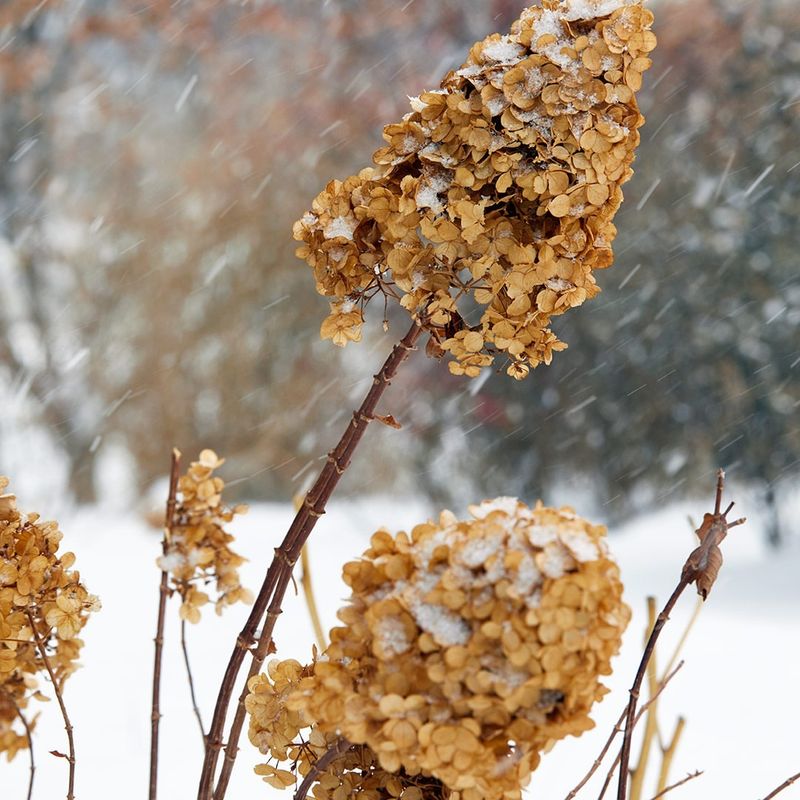
North Carolina summers are famously hot and humid, and that combination creates the perfect conditions for fungal diseases to take hold in garden plants.
Panicle hydrangeas are generally tough shrubs, but when their branches are too crowded, moisture gets trapped inside the plant and problems can follow.
Thinning out weak or crossing stems before spring is one of the best preventive steps you can take.
When air moves freely through a shrub, leaves and stems dry out faster after rain or morning dew. That drier environment makes it much harder for powdery mildew and other fungal issues to get started.
Crossing branches also rub against each other as the wind blows, which creates small wounds on the bark that can invite pests and pathogens. Removing those problem branches during late winter pruning eliminates the issue before it even begins.
The process is simple. Look into the center of the plant and identify stems that are noticeably thinner than the others, or any that cross and rub against a neighboring branch.
Remove those first, cutting cleanly just above a healthy bud or back to the main stem. Opening up the interior of the shrub this way also lets more sunlight reach the inner branches, which supports stronger overall growth.
For North Carolina gardeners dealing with the region’s sticky summer weather, improving airflow is one of the smartest investments you can make in your hydrangea’s long-term health.
6. Pruning Prevents Tall Leggy Growth

Panicle hydrangeas are enthusiastic growers, and in the rich, fertile soils found across many parts of North Carolina, they can shoot up surprisingly fast.
Without regular pruning, these shrubs can become tall and leggy, with long, thin stems that flop under the weight of their own flower clusters. That is not a great look, and it can actually stress the plant over time.
Leggy growth happens when a plant stretches upward without producing enough side branches to create a sturdy structure. Each season without pruning adds more length to already weak stems, making the problem worse.
By cutting stems back in late winter, you encourage the plant to branch out lower down, building a compact and strong base that can hold up even the largest flower clusters without bending or flopping over after a summer rainstorm.
For North Carolina gardeners who want a shrub that stays attractive and upright all season, preventing leggy growth is a compelling reason to prune every year.
A good rule of thumb is to cut stems back by about one-third of their total length, making each cut just above a healthy outward-facing bud.
This approach keeps the plant at a manageable height while stimulating plenty of new growth below the cut. The result is a fuller, more robust shrub that looks great from spring all the way through the end of the blooming season in late summer.
7. Removing Old Flower Heads Cleans Up The Plant
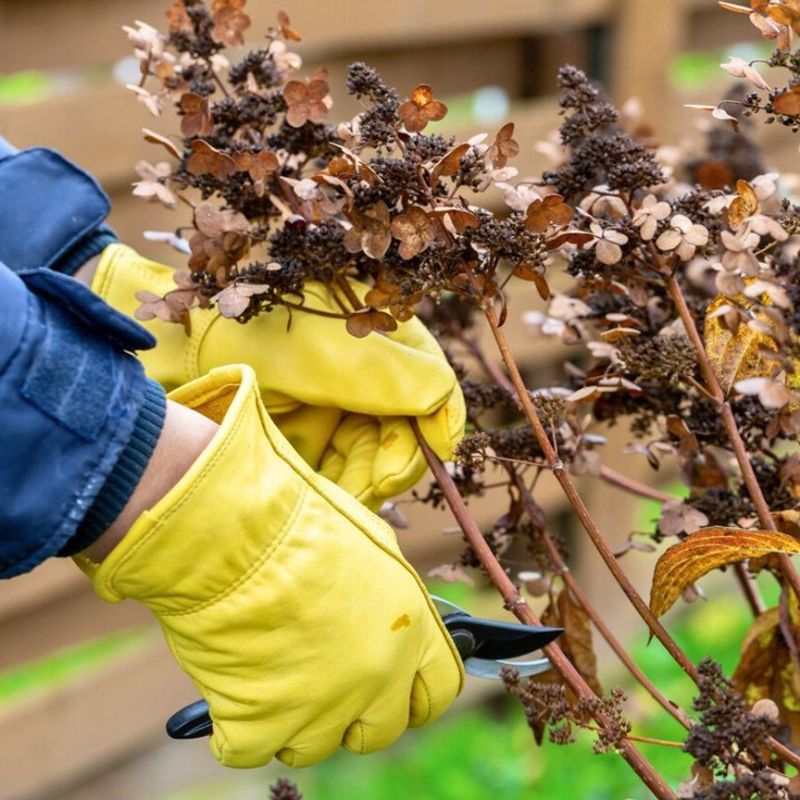
One of the most satisfying parts of late winter garden work is clearing away all the leftover remnants of last year’s blooms.
Panicle hydrangeas hold onto their dried flower clusters long after the growing season ends, and while some gardeners enjoy the rustic look through the colder months, those old blooms need to come off before spring arrives.
Dried flower heads left on the plant can actually weigh down stems and make the overall structure weaker heading into the new season. They also trap moisture around the branch tips, which is not ideal going into a warm, humid North Carolina spring.
Removing them as part of your late winter pruning routine gives the plant a cleaner, fresher look right when new green leaves are starting to emerge.
There is also a practical benefit beyond appearances. When you clip off the old flower heads, you are making your pruning cut at the same time, which encourages the plant to put energy into producing new growth from that point.
It is a two-for-one task that takes very little extra effort. North Carolina gardeners who do this every late winter notice that their plants look noticeably tidier and more vibrant as spring gets underway.
That fresh, clean start sets the tone for a full season of healthy growth and impressive blooms from early summer right through August and beyond.
8. Early Pruning Avoids Damaging Tender New Growth
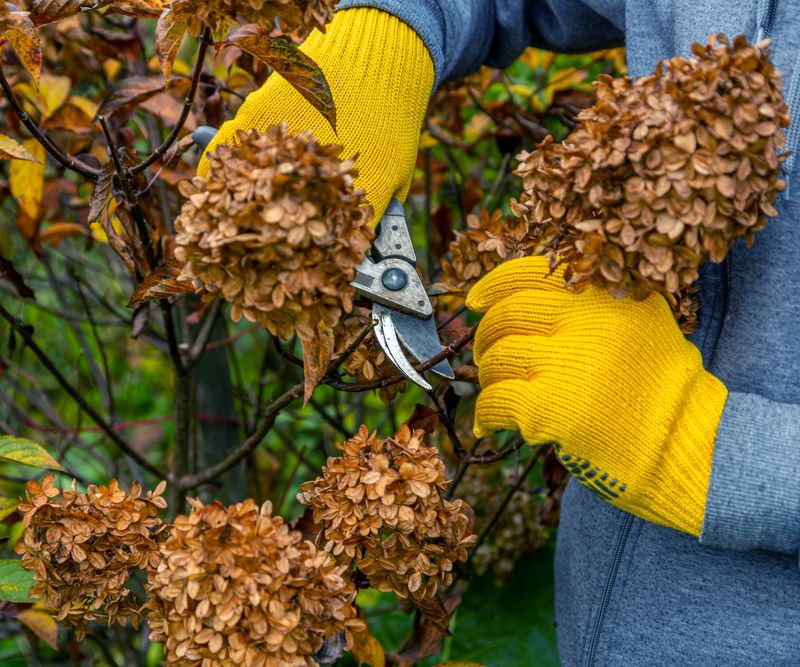
Timing your pruning cuts before new buds begin to swell is genuinely important, and many gardeners underestimate just how quickly panicle hydrangeas wake up in a North Carolina spring.
Once those fresh green shoots start pushing out from the stems, they are soft, fragile, and very easy to damage with a careless cut. Getting ahead of that growth window protects the plant and protects your summer blooms.
When you prune after new growth has already started, you risk accidentally removing the tender shoots that are destined to become flower-bearing stems. Those early shoots carry the flower buds for the entire upcoming season.
Cutting them off, even unintentionally, means fewer blooms in July and August. Waiting too long also makes the pruning process messier and harder, since you have to work around fresh growth instead of making clean, clear cuts on dormant wood.
In North Carolina, the window for ideal pruning typically closes by mid-March in most parts of the state, and even earlier in the warmer Piedmont and coastal regions.
Watching for the first signs of bud swell on your shrubs is the best signal to wrap up any remaining pruning as soon as possible.
Gardeners who stay ahead of the curve by pruning in late February give themselves the most flexibility and the best chance at a full, uninterrupted bloom season. A little urgency now means zero regrets later in the summer.
9. Spring Growth Leads To Summer Blooms
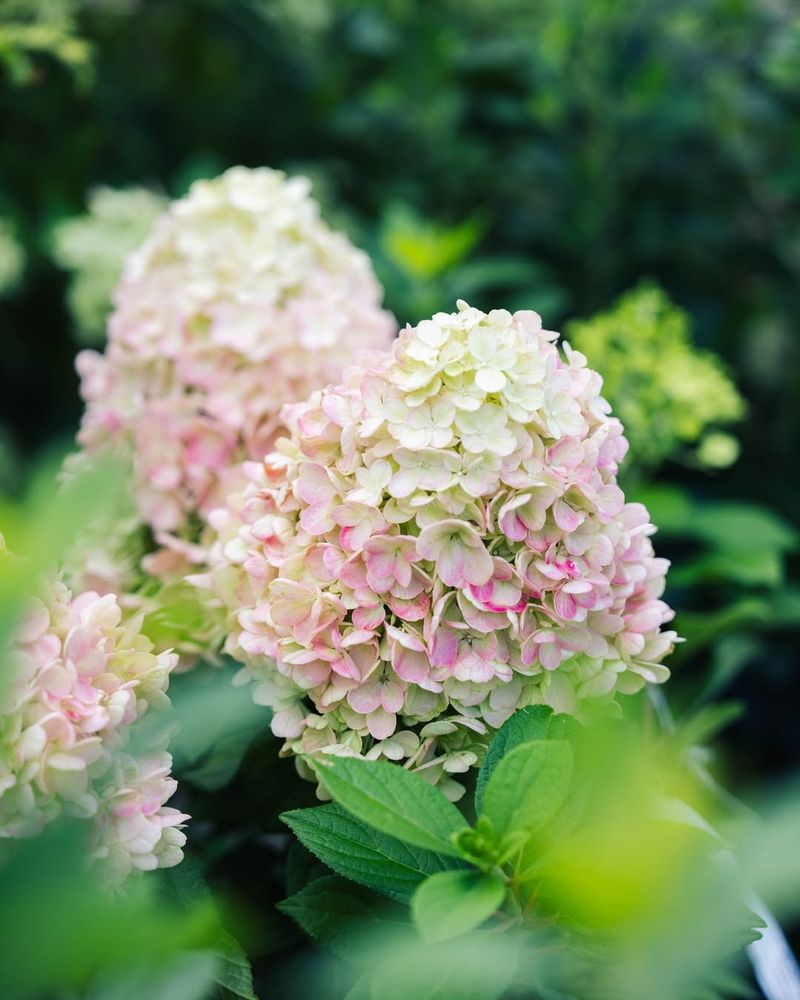
All of the effort you put into pruning your panicle hydrangeas in late winter leads to one spectacular payoff: a stunning display of blooms from midsummer through early fall.
Hydrangea paniculata shrubs that have been properly pruned push out strong new growth in spring, and it is on that fresh spring growth that all the flower buds form.
The connection between a good late-winter prune and a gorgeous summer garden is direct and reliable.
As spring temperatures warm across North Carolina, pruned shrubs respond quickly. New stems emerge, leaves unfurl, and within a few weeks the plants look lush and full of potential.
By early summer, flower buds become visible at the tips of those new stems, and by mid to late July, the first of those iconic cone-shaped blooms begin to open. Depending on the variety, colors range from creamy white to soft pink, deepening as the season progresses.
Varieties like Limelight and Quick Fire are especially rewarding for North Carolina gardeners because they produce abundant blooms on well-pruned plants and hold their flowers for weeks at a time.
The satisfaction of watching a shrub you carefully pruned back in February transform into a flowering showpiece by August is hard to beat.
Every snip you made in late winter was an investment in that summer beauty, and panicle hydrangeas always pay that investment back in full.