Protecting Arizona Gardens From Common Desert Pests
If you’ve ever felt that sting of frustration watching your carefully planted desert garden get chewed down by insects or gnawed at by critters, you know the battle starts early – even before your plants reach their full glory.
Gardening in Arizona benefits from understanding local pest behavior and using strategies to reduce damage.
Desert gardens are tough, but pests in this climate can be tougher. From tiny ants marching across your succulents to leaf-hungry caterpillars hiding under your blooms, each plant faces its own threats.
Using targeted strategies can help reduce pest damage and make garden maintenance more manageable.
Ready to keep your Arizona plants thriving and unbothered this season? We’ll dig into the most common pests and the practical ways to handle them before they become a real problem.
1. Identify The Most Common Desert Pests
Knowing your enemy is the first step to winning any garden battle. In Arizona, some of the most troublesome pests include aphids, whiteflies, spider mites, scale insects, and caterpillars.
Each one attacks plants in a different way, so being able to recognize them early gives you a serious advantage.
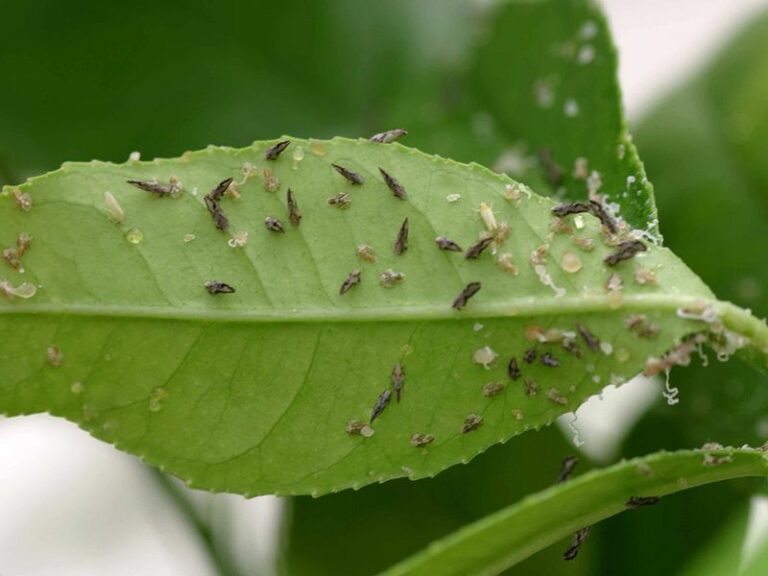
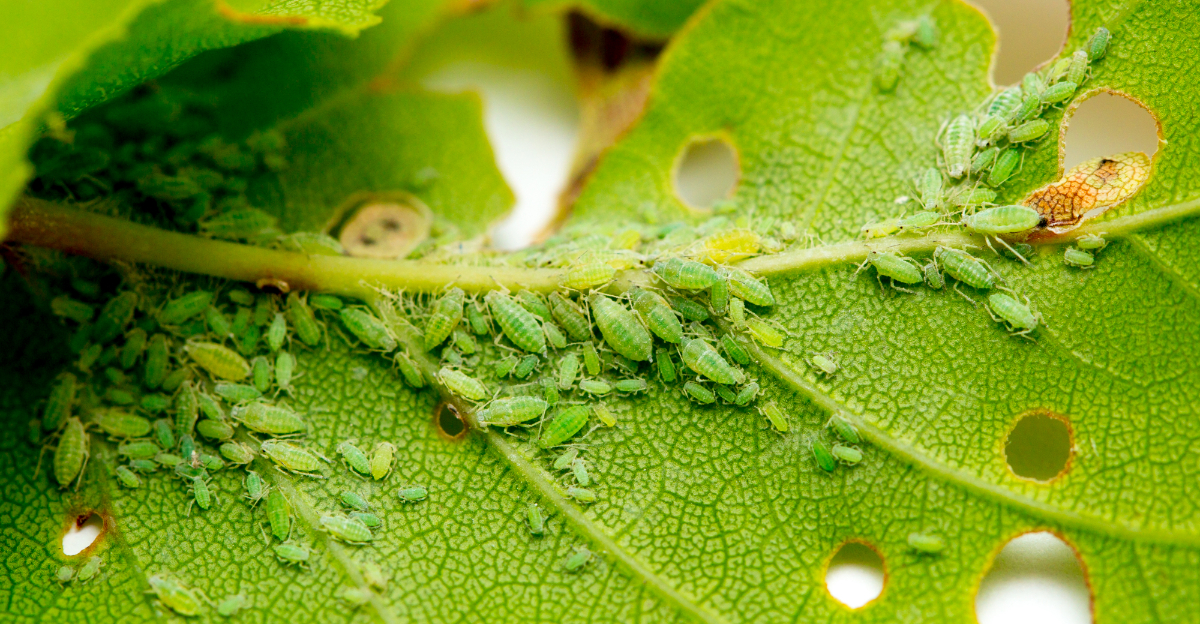
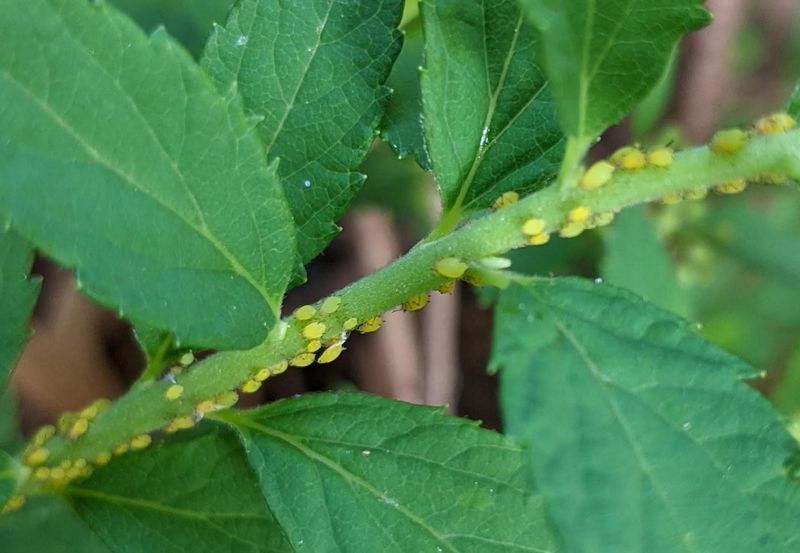
Aphids are tiny, soft-bodied insects that cluster on new growth and suck out plant juices, causing leaves to curl and yellow. Whiteflies look like small white moths and are often found on the undersides of leaves.
Spider mites are tiny and often go unnoticed, but the fine webbing they leave on plants can indicate an infestation.
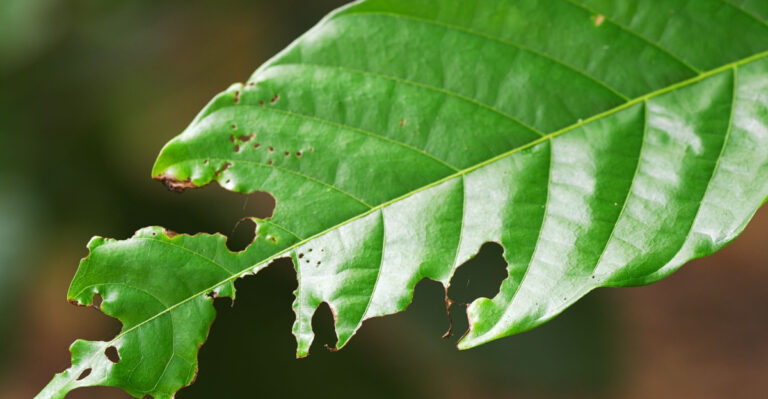
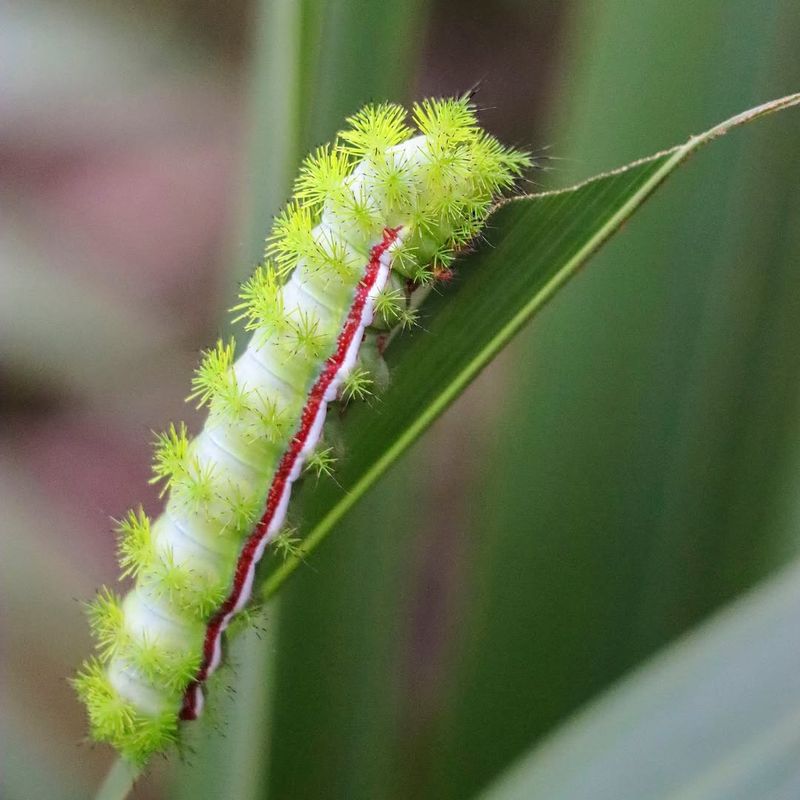
Scale insects attach themselves to stems and look like small brown bumps, slowly weakening your plants over time. Caterpillars, on the other hand, are easy to spot because they chew large, irregular holes in leaves.
Some Arizona gardeners also deal with thrips, mealybugs, and leafminers, especially during the hot summer months.
Getting familiar with these pests means you can act quickly before a small problem turns into a big one. Field guides, local Arizona cooperative extension websites, and gardening apps are all great tools for identifying what you are dealing with.
The faster you name the pest, the faster you can choose the right solution.
2. Monitor Plants Regularly For Early Signs
Catching a pest problem early can mean the difference between losing one leaf and losing an entire plant. Regular monitoring is one of the simplest and most powerful habits any Arizona gardener can build.
Set aside a few minutes every few days to walk through your garden and take a close look at your plants.
Pay special attention to the undersides of leaves, where many pests prefer to hide and lay eggs. Look for yellowing, wilting, sticky residue called honeydew, or tiny holes in the leaves.
These are all early warning signs that something is feeding on your plants.
In Arizona, pest activity tends to spike during the warm spring and summer months, so increase your monitoring during these seasons. Keep a simple garden journal or take photos with your phone to track any changes over time.
This makes it much easier to spot patterns and catch new infestations before they spread.
Your Arizona Garden Changes Every Week. Your Plan Should Too.
Gardening in Arizona changes quickly throughout the season. Every Friday you’ll receive a simple weekly plan showing exactly what to plant, prune, fertilize, harvest, and protect so you never miss the right timing.
Early detection also means you have more options available to you. A small group of aphids can often be removed by hand or with a strong spray of water, while a large infestation may require more effort to manage.
Staying observant and consistent with your checks is one of the best low-cost tools in your Arizona gardening toolkit. Preventive measures can significantly reduce pest problems in desert gardens, though ongoing monitoring is still important.
3. Use Natural Predators To Control Insects
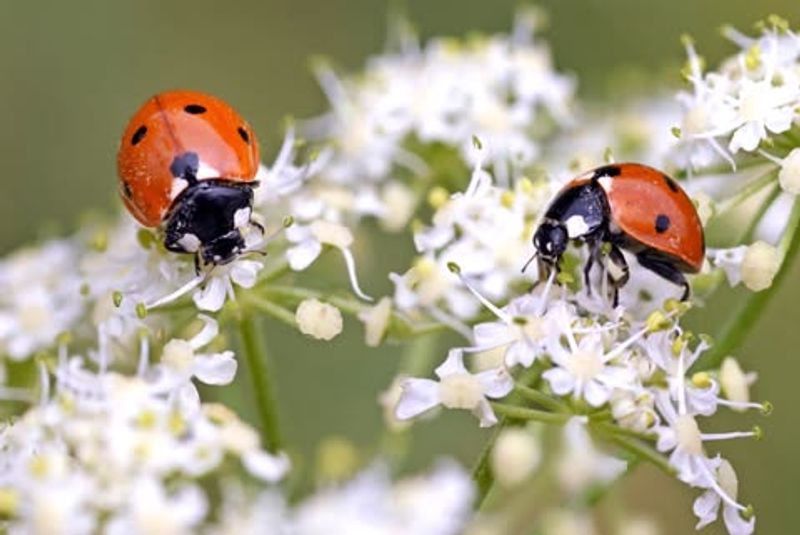
Nature has its own built-in pest control system, and smart Arizona gardeners know how to take advantage of it. Beneficial insects like ladybugs, lacewings, and praying mantises are natural hunters that feed on the very pests causing damage in your garden.
Encouraging these helpful creatures is one of the most eco-friendly strategies around.
Ladybugs are especially effective against aphids, consuming dozens of them in a single day. Lacewings go after mealybugs, thrips, and small caterpillars, while parasitic wasps target whitefly larvae.
Birds and bats are also valuable allies, especially in an Arizona landscape where they naturally patrol for insects at dawn and dusk.
To attract beneficial insects, plant flowers like dill, fennel, yarrow, and marigolds throughout your garden. These blooms provide nectar and shelter for helpful bugs.
Avoiding broad-spectrum chemical sprays is equally important, since those products often wipe out the good insects along with the bad ones.
You can also purchase beneficial insects from garden supply stores and release them directly into your Arizona garden. Make sure to release them in the evening when temperatures are cooler and the insects are less likely to fly away immediately.
Creating a welcoming habitat with diverse plantings, shallow water dishes, and minimal chemical use gives natural predators a reason to stay and keep working on your behalf all season long.
4. Keep Gardens Clean And Free Of Debris

A tidy garden is a healthy garden. Piles of fallen leaves, dead plant material, and overripe fruit sitting on the ground are like open invitations for pests to move in and make themselves at home.
Keeping your Arizona garden clean is one of the easiest and most effective ways to reduce pest pressure all year long.
Fallen leaves and rotting organic matter create dark, moist hiding spots that insects love. Ants, earwigs, and fungus gnats are especially attracted to decomposing debris.
By removing this material regularly, you take away their shelter and breeding grounds, making your garden far less appealing to unwanted visitors.
Weeds are another major issue to stay on top of. Many common weeds in Arizona serve as host plants for aphids, spider mites, and whiteflies.
When those weeds grow close to your vegetables or ornamental plants, pests can easily migrate from one to the other. Pulling weeds before they flower and set seed keeps the problem from multiplying.
Pruning dead or damaged branches from your plants also helps improve airflow and reduces the chance of fungal diseases that attract certain insects. Dispose of infected plant material properly by bagging it rather than adding it to your compost pile.
With a consistent cleanup routine, your Arizona garden stays healthier, looks better, and gives pests far fewer reasons to stick around.
5. Apply Organic Or Safe Insecticides When Needed

Sometimes natural predators and good garden hygiene are not quite enough, and that is perfectly okay. When pest populations start climbing despite your best efforts, reaching for an organic or low-impact insecticide is a smart and responsible next step.
The key is choosing products that target the pest without harming your plants, beneficial insects, or the environment.
Neem oil is one of the most popular organic options for Arizona gardeners. It works against a wide range of pests including aphids, whiteflies, spider mites, and mealybugs.
Neem oil can interfere with insect life cycles and help deter pests, though effectiveness varies by species and application. It is safe for use around children and pets when applied as directed.
Insecticidal soap is another excellent choice, especially for soft-bodied insects. It works on contact by breaking down the outer coating of the pest, and it breaks down quickly without leaving harmful residue.
Diatomaceous earth is a powdery substance made from fossilized algae that can be sprinkled around the base of plants to stop crawling insects in their tracks.
Always read product labels carefully and apply treatments in the early morning or evening to avoid harming pollinators like bees. In Arizona, heat can intensify some sprays, so timing your applications wisely protects both your plants and the local ecosystem.
Organic solutions can help manage pests effectively when used properly, though results may vary depending on the infestation.
6. Water Properly To Reduce Pest Stress
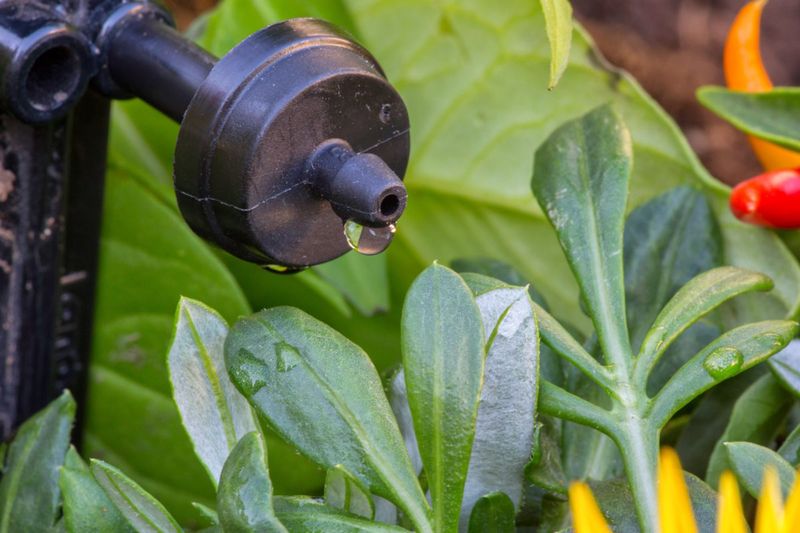
Water is life in the desert, but how you water your Arizona garden matters just as much as how often you do it. Improper watering is one of the most overlooked factors that contributes to pest problems.
Overwatering or underwatering can stress plants and make them more susceptible to pest problems.
Overwatered soil stays soggy and creates ideal breeding conditions for fungus gnats, ants, and termites. Wet foliage that sits overnight encourages fungal growth, which in turn attracts certain pest species.
On the other side, plants that are too dry become stressed and produce less natural defense against insects, making them easier targets.
Drip irrigation is one of the best tools for Arizona gardeners because it delivers water directly to the root zone without splashing moisture onto leaves and stems. This keeps the soil at a consistent moisture level while reducing the humid conditions that many pests prefer.
Watering in the early morning also gives foliage time to dry out before nightfall.
Checking your soil moisture before watering helps you avoid the common trap of watering on a fixed schedule regardless of actual need. Stick your finger about two inches into the soil and water only if it feels dry at that depth.
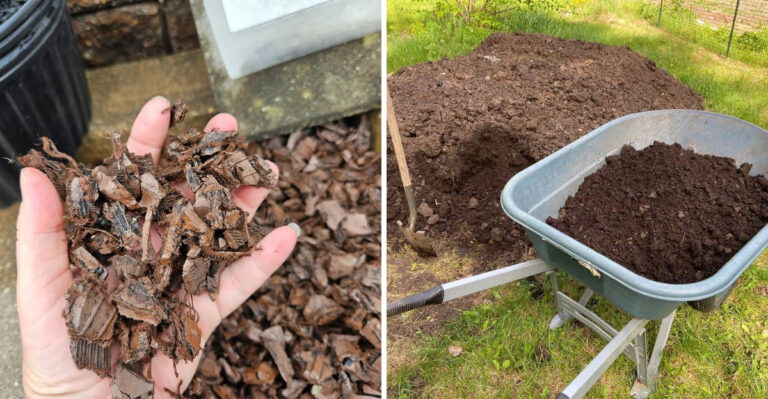
Pairing smart watering habits with mulch around your plants helps retain moisture longer, reducing how often you need to water while keeping your Arizona garden plants strong and pest-resistant.
7. Rotate Crops And Plant Resistant Varieties
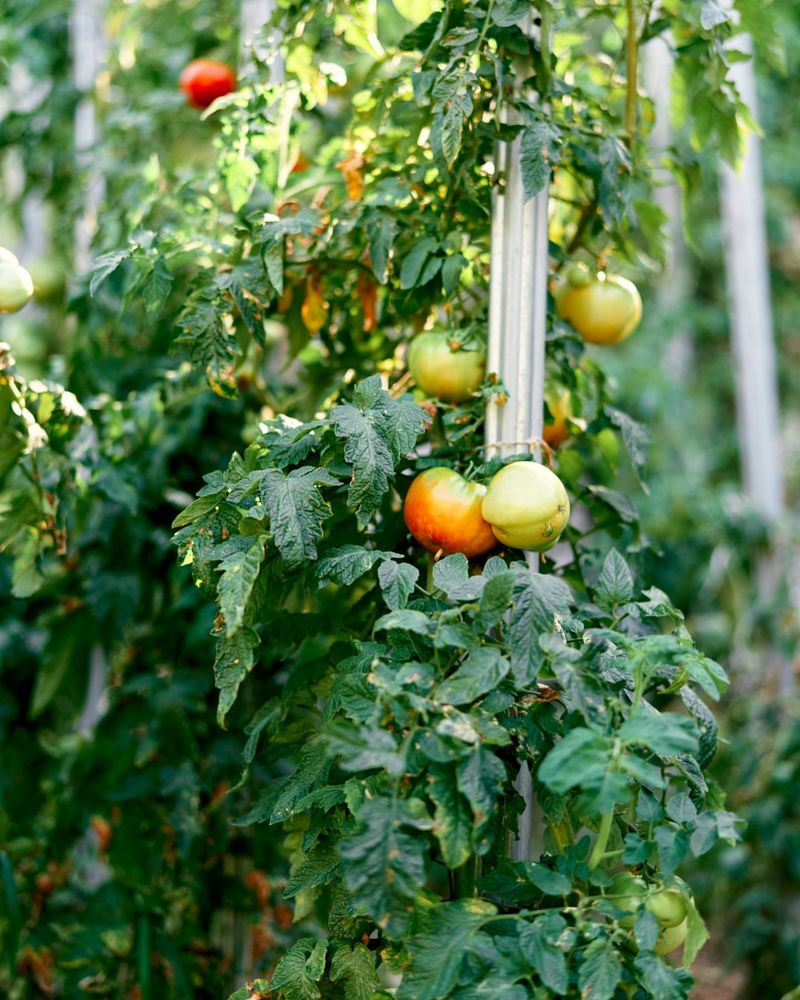
One of the smartest long-term strategies for any Arizona gardener is crop rotation combined with choosing plant varieties that naturally stand up to local pests. It might sound like advanced gardening, but the concept is actually pretty simple and incredibly effective once you get the hang of it.
Crop rotation means moving your plants to different spots in the garden each growing season instead of planting the same crop in the same place year after year. Many pests and soil-dwelling insects overwinter in the ground where their preferred host plant grew last season.
Moving plants as part of crop rotation can reduce pest pressure, though it may not eliminate all overwintering populations.
A good rotation plan groups plants by family. Tomatoes, peppers, and eggplant belong to the same family and share similar pest vulnerabilities, so they should rotate together as a group.
Follow them the next season with legumes like beans or peas, which actually improve soil health while confusing pest cycles.
Choosing pest-resistant plant varieties is equally powerful. Many seed companies and local Arizona nurseries now offer vegetable and herb varieties that have been bred to resist common desert pests and diseases.
Look for labels that mention resistance to aphids, whiteflies, or specific viruses. Combining smart rotation with resistant varieties gives your Arizona garden a built-in defense system that keeps working season after season without much extra effort on your part.